Rare Birds, Climate Change & Dialogue

Headshot-Jerry

Jerry Taylor, founder of the Niskanen Center, a libertarian think tank.

We like birds. We like rare birds. Jerry Taylor sounds worthy of attention. Thanks to Marc Gunther and Yale 360 for Climate Converts: The Conservatives Who Are Switching Sides on Warming:

It’s hardly being noticed, given the current political atmosphere in Washington. But a small yet growing number of Republicans, conservatives, and libertarians are starting to push for action on climate.

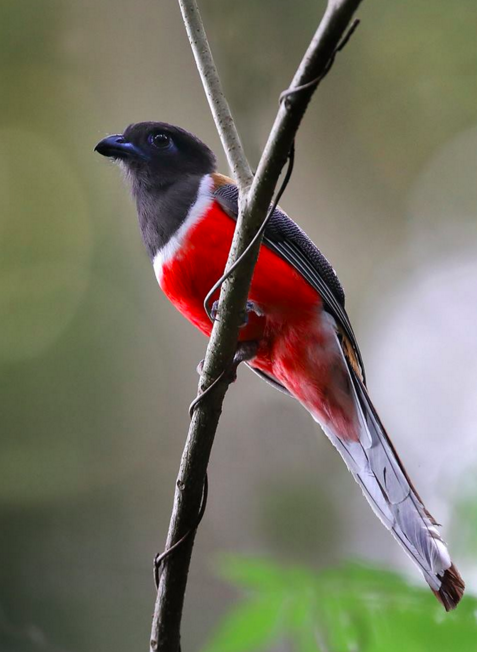
As liberal Democrats and conservative Republicans pull farther apart in the long-running, increasingly polarized debate over climate change, Jerry Taylor is a rare bird — Continue reading

Possibly Impossible

1-tVg-vilt7SewU5YztQFtEQ

The Impossible Burger. Photo via Forbes.

Impossible? We have liked what we have seen, more than once. But we remain open-minded in both directions. Thanks to Dana Perls, senior food and technology campaigner, for the article Is “Food-Tech” the Future of Food? posted on Medium, that raises the right kinds of questions:

…On the surface, the Impossible Burger’s goal to reduce meat consumption sounds important. There are urgent problems with animal factory farming. But at a time when consumers are pushing for more sustainably produced real food, are these biotech products the right answer? Continue reading

Birdwatching 101, Mid-May, Chan Chich Lodge

SibleyYou probably cannot do much better, if you are just getting interested in birdwatching, than to have a primer like this one. The author, in the pantheon of ornithology according to the birdwatchers I know, spends half an hour sharing some of the basics in this podcast:

This week’s Please Explain is all about birdwatching. We chat with ornithologist David Allen Sibley, a leading expert in the field. Sibley is the author of The Sibley Guide to Birds, a reference work and field guide for the birds found in the North American region. He offers details and illustrations of 810 species of birds, with information about identification, life history, vocalizations, and geographic distribution. According to the Audubon Society, “There are 47 million birdwatchers. But there is only one David Sibley.”

In the final minutes Mr. Sibley answers a question that has been of interest to the staff of Chan Chich Lodge in recent months. Do bird feeders have any adverse effect on the birds they attract? In short, no. So today we returned the hummingbird feeders to their longstanding perches on the dining room deck. Birds, staff, and guests are all happy with this decision.

This podcast serves as a good reminder of an opportunity we are inviting birdwatchers of all skill levels to join us for. We have already posted about it here, and earlier here as well. Come join the fun!

Model Mad, Markets

01leshy-master768

Leigh Wells

On a day often reserved for gags and laughs, we instead repeat, without much cheer but plenty of conviction, two of our favorite words: entrepreneurial conservation. Two opinion pieces today highlight the role of both government and market forces as vehicles of environmental protection. When government must take action, as John D. Leshy and Mark Squillace point out, there is a law that allows the President of the United States to protect nature in the public interest. That law is endangered, and it is not okay, these model mad legal scholars remind us. They also point out that markets have tended to follow and reward the actions Presidents have taken to protect natural monuments in the last 111 years since that law was enacted.

A former Mayor of New York City, who also has credibility when it comes to market forces, reminds us in another editorial that with or without a President’s leadership we can still make progress on our environmental commitments. But only if all the rest of us are fully on board, and ready to shake things up when needed, providing all the more reason for each of us to keep all these model mad examples fresh in mind. If you only have time for one quick read at the moment, make this the one:

Climate Progress, With or Without Trump

Sony’s Prizes, And A Few Images From Chan Chich Lodge

main_900 (2)

This photo above was taken about a thousand miles south of where I am posting from, at Chan Chich Lodge in Belize. It won a prize in Sony’s annual photo contest, which we always enjoy reading and gawking at. Even though the photographer was in Panama, he might as well have been here, where I believe we have this same species in the forests surrounding the Lodge:

Cautelosa / Cautious. Taken on June 12, 2016, while working in the field, this iguana was near a small creek had done several reptile shots until I got this one.

© Jonatan Banista, Panama, 1st Place, National Awards, 2017 Sony World Photography Awards

As I have noted earlier, we are fortunate to have guests who do not only focus on the top of the food chain. A couple more of my recent favorites follow, adding to those already credited to Yvonne & Martin. Continue reading

Food We Enjoy Reading About, For Inspirational Purposes

29REST-AUGUSTINE-slide-V5M4-videoSixteenByNineJumbo1600.jpg

Credit Benjamin Norman for The New York Times

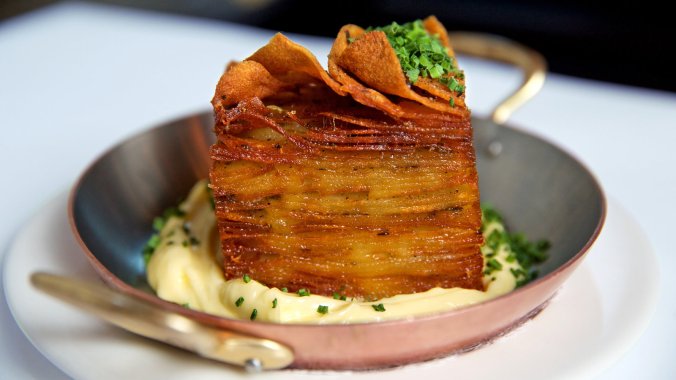
As noted yesterday, and earlier, we have food on our mind recently, so more than ever I am following reviews and other food stories in the various publications I read. Even when he is tough on his subject, Pete Wells delivers the reader something to brighten the day. This review has a few paragraphs that define his style to me, including a graceful set of kisses followed by a bracing slap on the cheek:

…Restaurants don’t need to do new things if they do the old things right.

The leg of lamb has not been reinvented. Having spun on a rotisserie under a coat of herbs, it is carved off in long strips, like shawarma, and draped over very soft flageolets. A cheese soufflé appetizer recalls the warm pot de fromage at Cherche Midi; it’s delicious, even if it is breadier than a classic soufflé, more like a Gruyère-and-Parmesan popover. Continue reading

Getting A Restaurant Ready

Burton.jpg

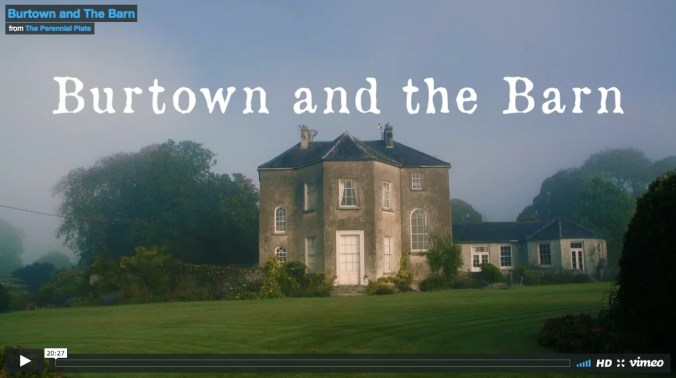
Thanks to the Atlantic and its author Erica Moriarty for A Restaurant Brings New Traditions to an 18th-Century Irish Home, with video by The Perennial Plate. These are 20 minutes well spent, especially if you have been through a similar process more than once recently, and even more so if you are contemplating doing so again:

Since the 1700s, the Fennell family has lived on the same property in County Kildare, Ireland. In the past, they were able to generate income from their small farm to support themselves. Continue reading

America’s Best Idea Just Got Better

In our current political climate we continue to applaud those who stand up for science, nature and culture. It’s been particularly heartening to watch the steward’s of our national parks create a virtual protective shield around the vision they’re charged to protect.

My personal standing ovation goes to the partially anonymous park ranger who spends his spare time creating downloadable maps of all our country’s national parks, by state, from A to Z. (F, Q, U and X seem to be the only letters missing…) In addition to maps, site visitors find all sorts of experiential tips to prepare for safe exploration.

Glacier Maps

If you’re looking for a Glacier map, you’ve come to the right place; currently I’ve collected 28 free Glacier National Park maps to view and download. (PDF files and external links will open in a new window.) Here you’ll find a bunch of trail maps, along with other maps such as campgrounds and the shuttle bus. You can also browse the best-selling Glacier maps and guidebooks on Amazon. Continue reading

Model Mad, Jane

4256.jpg

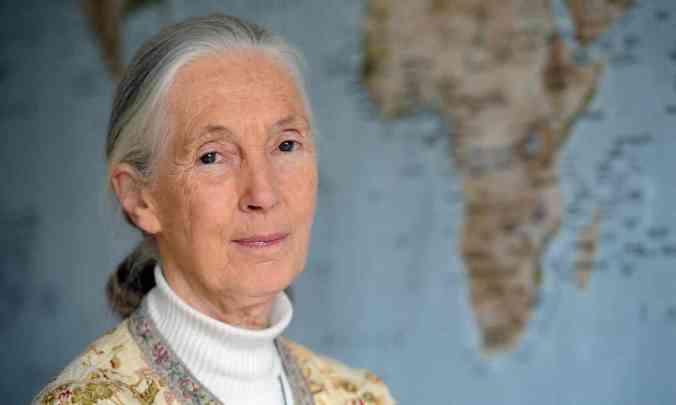
British scientist Jane Goodall: ‘ I have seen the result of climate change and we know, science has shown, that global temperatures are warming.’ Photograph: Bertrand Guay/AFP/Getty Images

Whales Off Sri Lanka

4269.jpg

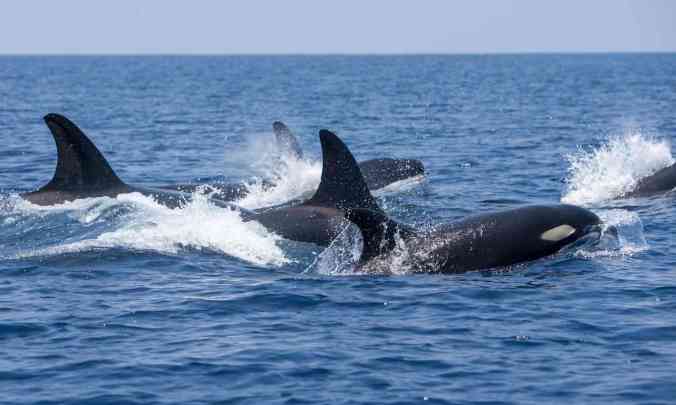
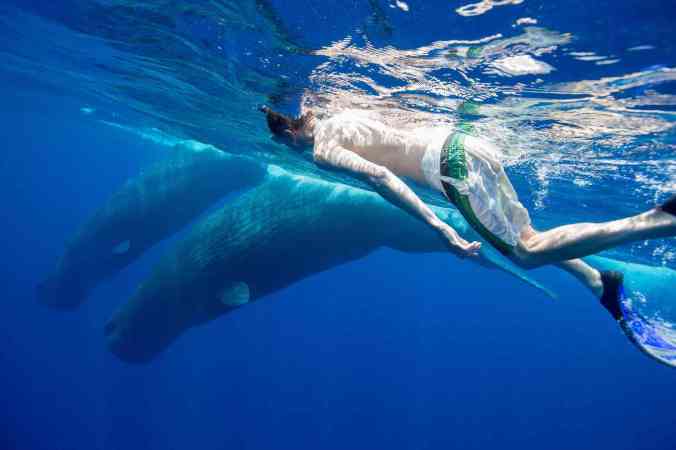
While observing sperm whales off the Sri Lankan coast, Philip Hoare came face to face with eight hunting orcas who had no fear of the 100-strong sperm whale pod

Thanks to Philip Hoare for this photo-documentary of his recent dive in our old neighborhood just south of the southern tip of India:

5184.jpg

Photograph: Andrew Sutton

Continue reading

A Book For Our Times

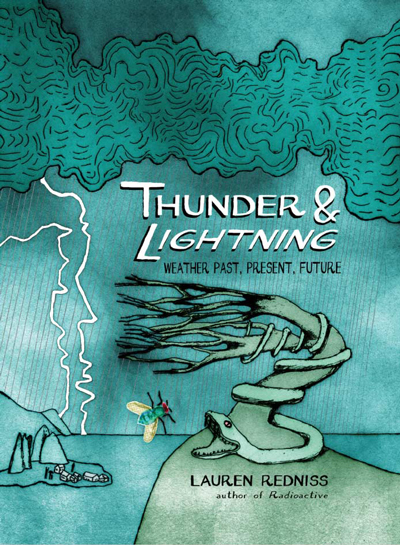
thunder-lightning-cover.jpgThis book just came back to my attention, after reading a review–excerpt after the jump–many moons ago. I am reminded that it looks worth the read; the publisher’s description may prompt a yawn at first, but let it sink in (i.e. a blurb about a book about weather might make your eyes droop just as the thought of seeds in a vault might, until you let that sink in):

In Thunder & Lightning, Lauren Redniss reveals how weather shapes our world and daily lives. She takes readers on a journey from the Biblical flood to the defeat of the Spanish Armada, from the frozen archipelagos of the Arctic Ocean to the ‘absolute desert’ of Atacama, Chile, unearthing surprising stories of savagery, mystery, and wonder. Continue reading

Seed Vault Deposit

We have shared a couple times in the past about the seed vault, but just now it has come to our attention again in this press release from last month, provided by The Crop Trust, which reminds us of the meta-agriculturalist Cary Fowler, whose 2009 Ted talk is worth another quarter hour after a quarter hour on the short film above:

MAJOR DEPOSIT TO WORLD’S LARGEST SEED COLLECTION IN THE ARCTIC OVERSEEN BY THE CROP TRUST | GOPRO SUPPORTS CROP TRUST WITH NEW VIDEO AND PLEDGE DRIVE

SVALBARD, NORWAY – 22 February 2017A major seed deposit critical to ensuring global food security was made to the Svalbard Global Seed Vault in the Arctic Circle today. Continue reading

Eat More Fruit

chimp_wide-e9ca161342ebb893d6a491900854de4b7f2b84fc-s1400-c85.jpg

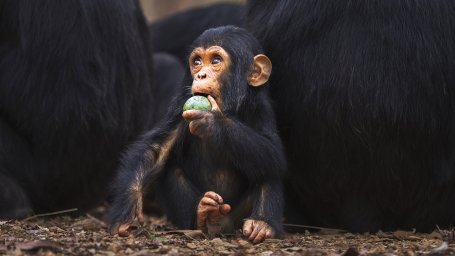
Compared to leaf-eaters, primates who ate fruit had around 25 percent more brain tissue. Anup Shah/Getty Images

Notwithstanding what I said here, eating fruit was already a good idea that now has one more bit of evidence. You should also eat it for the benefit of future generations, according to this story provided by the folks at the salt at National Pubic Radio (USA):

Primate brains may have grown larger and more complex thanks to a fruit-filled diet, a new study suggests.

The researchers analyzed the brain sizes and diets of over 140 primate species spanning apes, monkeys, lemurs and lorises and found that those who munched on fruit instead of leaves had 25 percent more brain tissue, even when controlling for body size and species relatedness. Take spider monkeys and howler monkeys, for example. Continue reading

Eat More Sweets

Sax-TheSrirachaArgumentforImmigration-600

When fighting for the rights of immigrants, food just might be an unexpected weapon. PHOTOGRAPH BY ANNA QUAGLIA / ALAMY

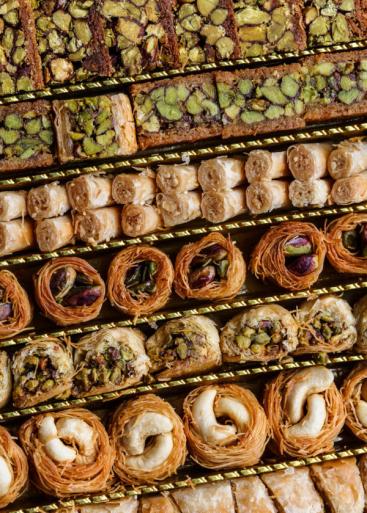
Here is an idea I can believe in, not strictly because I like the type of sweets in the photo to the right (akin to those in my home growing up, made by my immigrant mom) but including that; mainly I like the idea of consuming certain items as a proxy for something more important. In a post titled THE SRIRACHA ARGUMENT FOR IMMIGRATION, by David Sax, this proxy is made clear in a concise 5-minute read:

Invasion, Proliferation, Hunt–A New Paradigm

3264.jpg

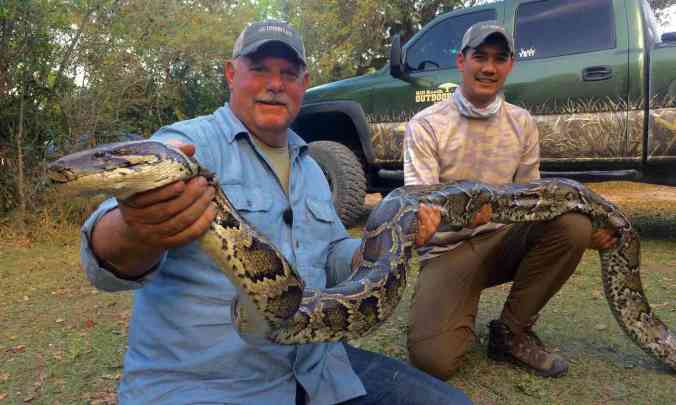
Bill Booth with one of the Burmese pythons that are wreaking havoc upon the Everglades’ fragile ecosystem. Photograph: Roger Booth