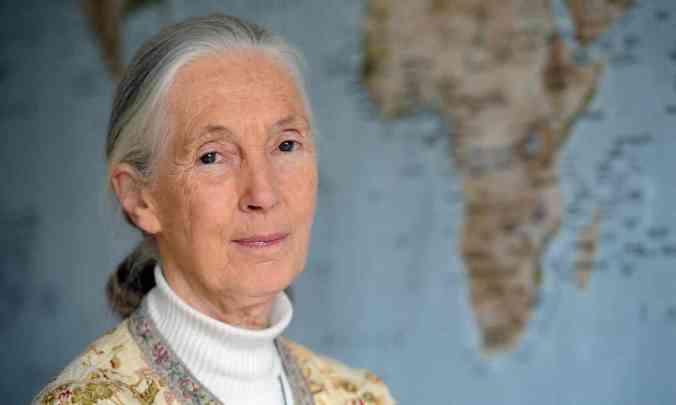
British scientist Jane Goodall: ‘ I have seen the result of climate change and we know, science has shown, that global temperatures are warming.’ Photograph: Bertrand Guay/AFP/Getty Images
British scientist Jane Goodall: ‘ I have seen the result of climate change and we know, science has shown, that global temperatures are warming.’ Photograph: Bertrand Guay/AFP/Getty Images

Gallon Jug Estate, Belize
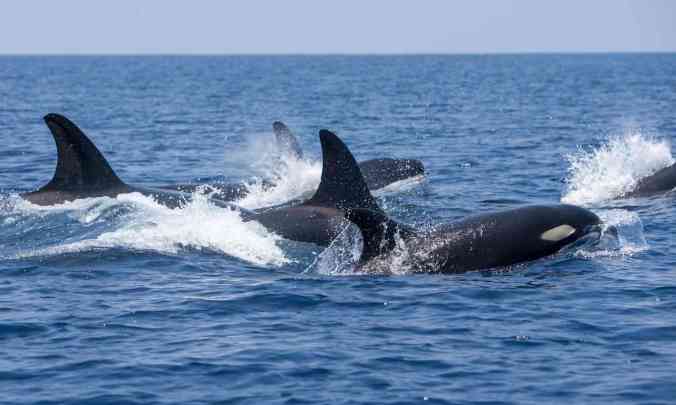
While observing sperm whales off the Sri Lankan coast, Philip Hoare came face to face with eight hunting orcas who had no fear of the 100-strong sperm whale pod
Thanks to Philip Hoare for this photo-documentary of his recent dive in our old neighborhood just south of the southern tip of India:
I spent last week on a six-metre fishing boat in the Indian Ocean off Kalpitiya, on the west coast of Sri Lanka with the photographer Andrew Sutton and the marine biologist Ranil Nanayakkara. Andrew and I were diving in a marine conservation area under special licence from the Sri Lankan wildlife department. Here, I met a pair of young, sexually mature male sperm whales – cetacean teenagers.
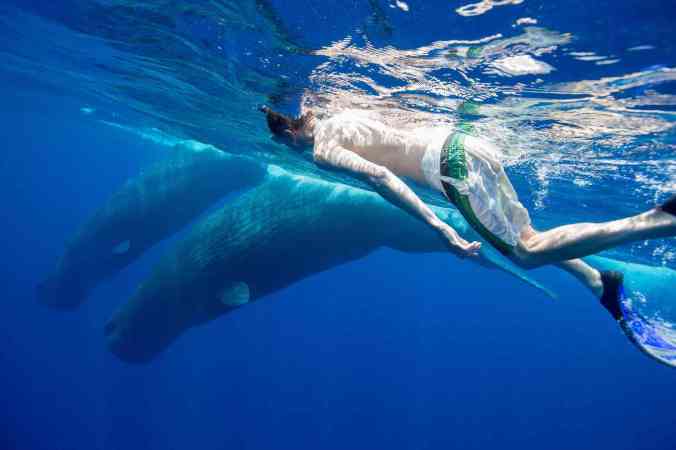
Photograph: Andrew Sutton
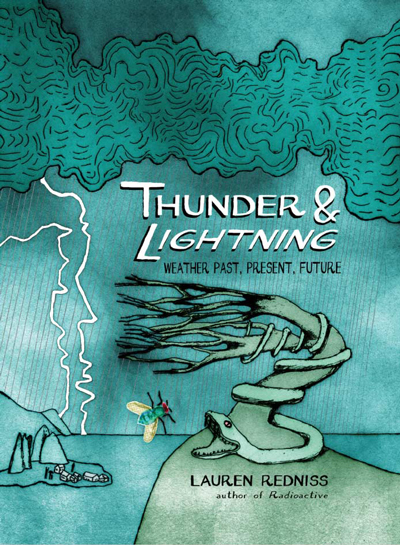 This book just came back to my attention, after reading a review–excerpt after the jump–many moons ago. I am reminded that it looks worth the read; the publisher’s description may prompt a yawn at first, but let it sink in (i.e. a blurb about a book about weather might make your eyes droop just as the thought of seeds in a vault might, until you let that sink in):
In Thunder & Lightning, Lauren Redniss reveals how weather shapes our world and daily lives. She takes readers on a journey from the Biblical flood to the defeat of the Spanish Armada, from the frozen archipelagos of the Arctic Ocean to the ‘absolute desert’ of Atacama, Chile, unearthing surprising stories of savagery, mystery, and wonder. Continue reading
We have shared a couple times in the past about the seed vault, but just now it has come to our attention again in this press release from last month, provided by The Crop Trust, which reminds us of the meta-agriculturalist Cary Fowler, whose 2009 Ted talk is worth another quarter hour after a quarter hour on the short film above:
SVALBARD, NORWAY – 22 February 2017 – A major seed deposit critical to ensuring global food security was made to the Svalbard Global Seed Vault in the Arctic Circle today. Continue reading
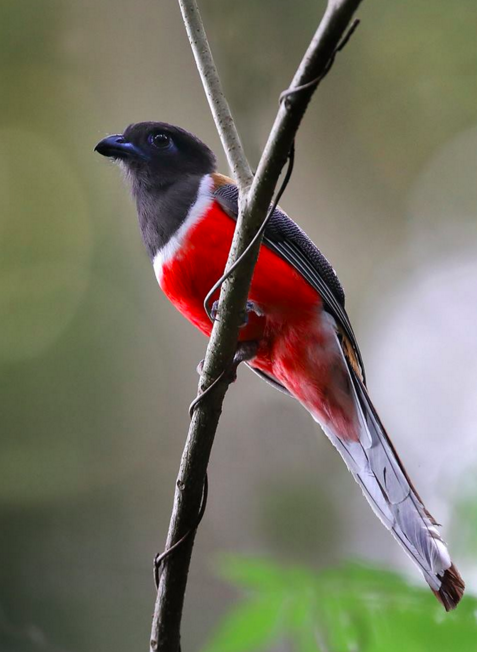
male – Subramanya, Karnataka
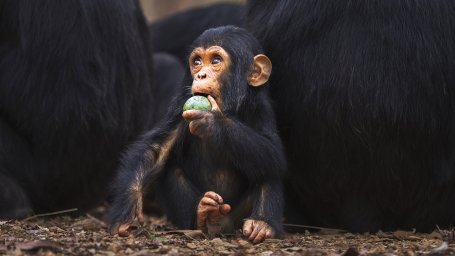
Compared to leaf-eaters, primates who ate fruit had around 25 percent more brain tissue. Anup Shah/Getty Images
Notwithstanding what I said here, eating fruit was already a good idea that now has one more bit of evidence. You should also eat it for the benefit of future generations, according to this story provided by the folks at the salt at National Pubic Radio (USA):
Primate brains may have grown larger and more complex thanks to a fruit-filled diet, a new study suggests.
The researchers analyzed the brain sizes and diets of over 140 primate species spanning apes, monkeys, lemurs and lorises and found that those who munched on fruit instead of leaves had 25 percent more brain tissue, even when controlling for body size and species relatedness. Take spider monkeys and howler monkeys, for example. Continue reading

When fighting for the rights of immigrants, food just might be an unexpected weapon. PHOTOGRAPH BY ANNA QUAGLIA / ALAMY
Here is an idea I can believe in, not strictly because I like the type of sweets in the photo to the right (akin to those in my home growing up, made by my immigrant mom) but including that; mainly I like the idea of consuming certain items as a proxy for something more important. In a post titled THE SRIRACHA ARGUMENT FOR IMMIGRATION, by David Sax, this proxy is made clear in a concise 5-minute read:
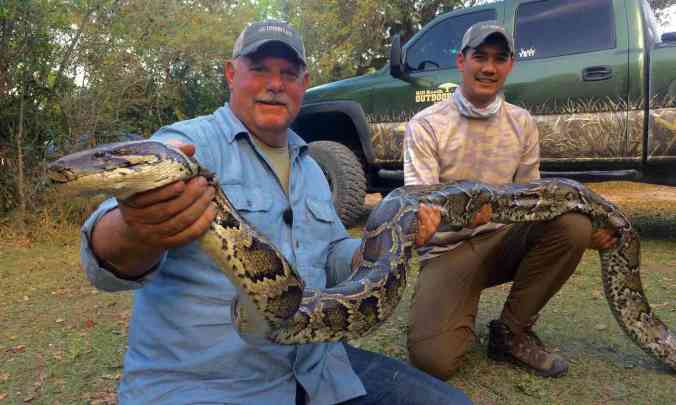
Bill Booth with one of the Burmese pythons that are wreaking havoc upon the Everglades’ fragile ecosystem. Photograph: Roger Booth

Gallon Jug Estate, Belize
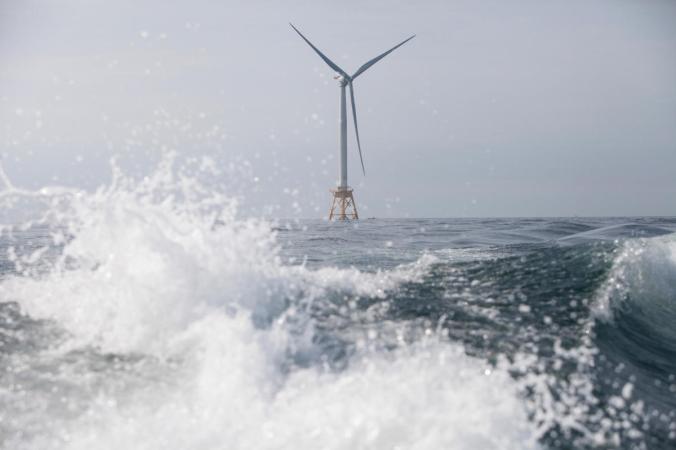
America led the world in reducing carbon pollution in 2016, with a decline of three per cent. But the Trump Administration’s plans suggest that current trends are about to shift. PHOTOGRAPH BY KAYANA SZYMCZAK / THE NEW YORK TIMES / REDUX
Thanks to J. B. MacKinnon for this post on the New Yorker website about the relationship between things we know to be true, things we want to be true, and things which may seem like wishful thinking (for which Santa Claus might be the only hope if we cannot adhere to the sanity clause of our compact with the planet):
CAN WE SLOW GLOBAL WARMING AND STILL GROW?
On March 17th, the International Energy Agency announced that 2016 marked the third year in a row that global carbon emissions had stayed at the same level while the world’s economy grew. This three-time repeat has put to rest any lingering suspicions of gremlins in the data. Something new is happening. The global economy has now grown nearly ten per cent without any increase in the annual CO2 emissions that are the principal human contribution to climate change. In the parlance of sustainability, growth and emissions appear to have “decoupled.” Continue reading
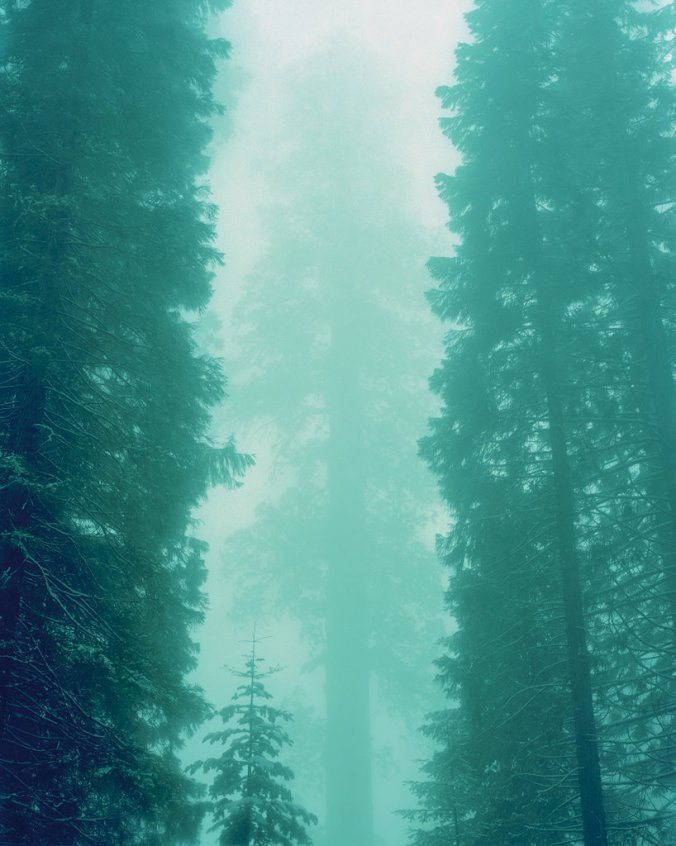
Titans in the fog in Sequoia National Park, California. CreditDavid Benjamin Sherry for The New York Times
 We linked recently to a review of this book, and that makes a compelling case. His publisher’s blurb says:
Yuval Noah Harari, author of the bestselling Sapiens: A Brief History of Humankind, envisions a not-too-distant world in which we face a new set of challenges. Where do we go from here? And how will we protect this fragile world from our own destructive powers? In Homo Deus, he examines our future with his trademark blend of science, history, philosophy and every discipline in between.
But if you have 90 minutes to let the author compel you through discussion, the intelligence squared recording below will not let you down
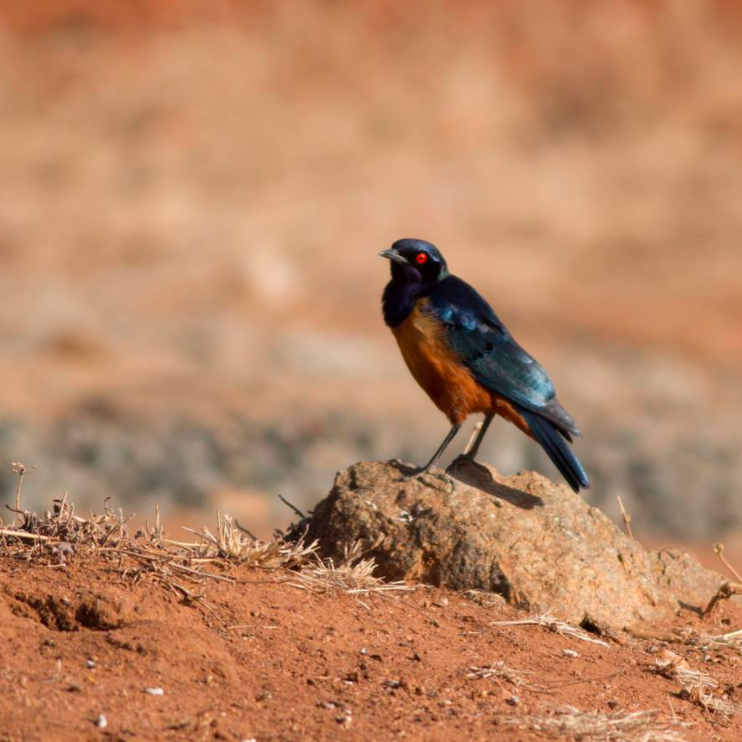
Mpala Research Centre, Kenya
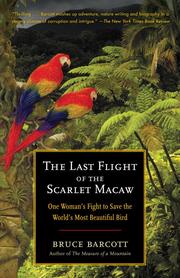 When a book like this comes recommended, book reviews from a decade earlier are as fresh and relevant as ever:
…When McPhee wrote “Encounters With the Archdruid,” the American conservation movement was a religious and mystical force. It may still be so today, but the movement now employs nearly as many big-city lawyers and consultants as any corporation hoping to develop a mine, oil field or… dam. They’re out in force in Bruce Barcott’s new book, “The Last Flight of the Scarlet Macaw: One Woman’s Fight to Save the World’s Most Beautiful Bird,” the story of a bitter fight against a dam in western Belize. No, it doesn’t sound thrilling (which is doubtless why the publisher kept the word “dam” out of the title), but Barcott, a contributing editor at Outside magazine and the author of “The Measure of a Mountain: Beauty and Terror on Mount Rainier,” makes it so, mashing up adventure travel, biography and nature writing in a steamy climate of corruption and intrigue…
It is not the first time this book has been recommended to me, but yesterday a fellow hotelier in Belize mentioned it when describing his getting to know someone central to the book’s story, and this reminded me that I still had not touched the book. It is, I am told, a must read. Bruce Barcott provided an excerpt of his book back when it first came out, so I have just started.

A black bear, which has been sedated, and her cub in a den in Massachusetts. Credit Mark Wilson/The Boston Globe, via Getty Images
Thanks to the science writer Steph Yin for this one:
Waking From Hibernation, the Hard Work of Spring Begins
For animals that hibernate, making it to spring is no small feat. Torpor — the state of reduced bodily activity that occurs during hibernation — is not restful. By the time they emerge, hibernating animals are often sleep-deprived: Continue reading
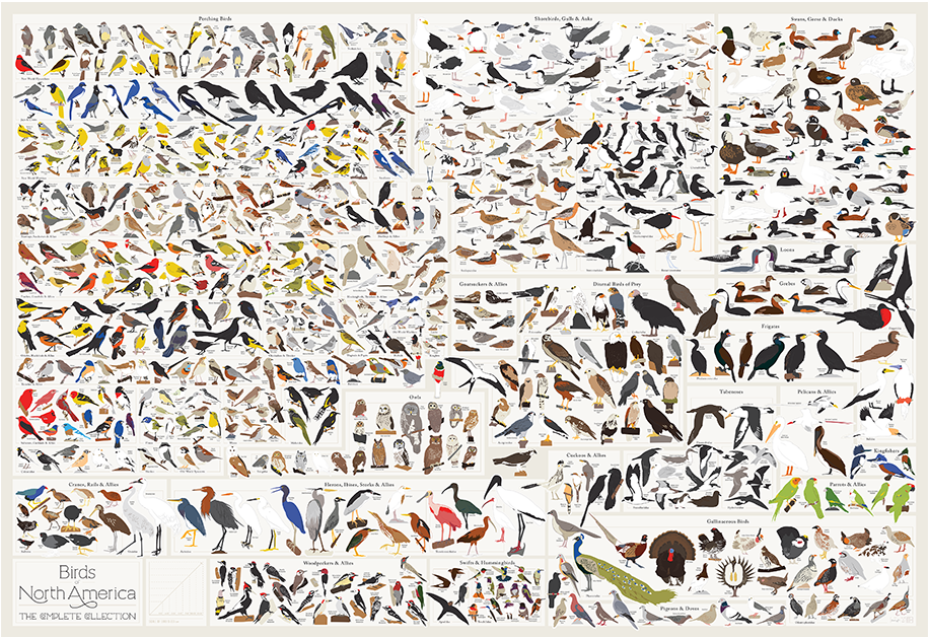
We love this amazing poster from Pop Chart Lab as much as the link to find it. The site’s zoom function gets you closer to the fantastic detail.
Take a look!
Perhaps our most ambitious taxonomical undertaking yet, this is your field guide to the birds of North America! The product of over 400 hours of intricate illustration work by our talented team of artists, this unabridged aviary features over 740 fair-feathered friends drawn to scale and sorted by species, covering the continent’s avifauna (both native and introduced, as designated by the National Audubon Society and the Cornell Lab of Ornithology) from common sparrows, jays, and owls to rarer birds such as the Greater Sage-Grouse, the California Condor, and the Whooping Crane. An ornithological opus like no other, this classificatory treasure is perfect for amateur and eagle-eyed birdwatchers alike. Continue reading

Mishmi, Arunachal Pradesh
 This article published by Audubon (click their banner below to go there) continues to provide fresh illumination on the basics of eBird; also on why we have made eBird central to our birding activities for guests in recent years, and why Chan Chich Lodge is collaborating with the Lab of Ornithology this Global Big Day event .
Since its launch in 2002, eBird has revolutionized the way birders worldwide report and share their observations. A joint project by the Cornell Lab of Ornithology and Audubon, eBird is a free online program that allows birders to track their sightings, while other birders watch and search in real-time. Articles have been written about eBird with mind-bending titles like, “eBird Changed My Life” and “The Agony and Ecstasy of Surrendering to eBird.” In a front-page science headline in 2013, The New York Times called it “Crowdsourcing, for the Birds,” and concluded that eBird is “a revelation for scientists” and gives birders “a new sense of purpose.” Continue reading
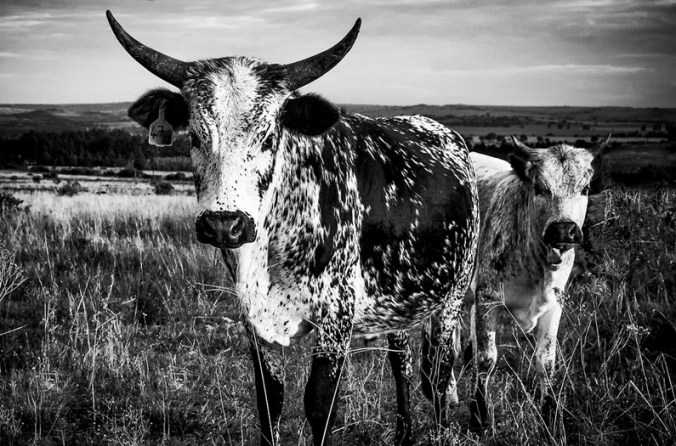
South Africa’s indigenous Nguni cattle via Flickr
Thanks to Emma Bryce at Anthropocene for this summary on how preserving climate-resilient cattle breeds can boost Africa’s food security:
 Organikos