
Tacacori, Costa Rica
Tacacori, Costa Rica

Elephants, many of whom have suffered serious abuse in the past, photographed wearing the knitted multi-coloured, pyjama-like garments knitted by local villagers Roger Allen
While the concept of yarn bombing (also called guerrilla knitting) is usually a playful way to bring color to an urban setting, this isn’t our first story about altruist knitting in the realm of animal protection.
This story seems particularly poignant considering it weaves together the matriarchal nature of elephants and the communal work of the village women…
Villagers knit jumpers for Indian elephants to protect the large mammals from near-freezing temperatures
Elephants in India are sporting colourful woollen jumpers after villagers knitted the super-size garments to protect the animals from near-freezing temperatures.
Women in a village near the Wildlife SOS Elephant Conservation and Care Centre in the northern city of Mathura reportedly began producing the colourful, pyjama-like garments after staff at the centre warned temperatures were approaching sub-zero at night. Continue reading
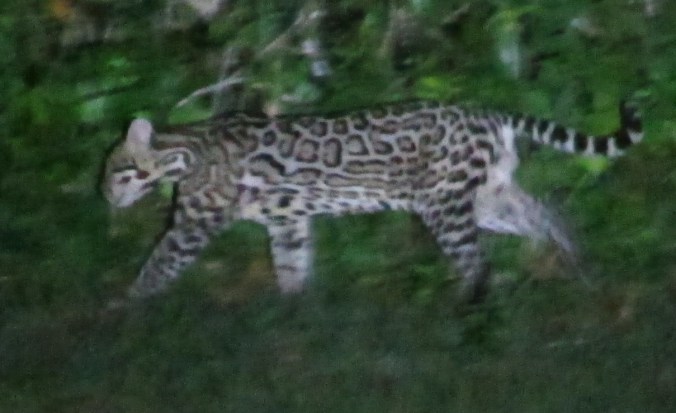
Thanks to our guests, Yvonne & Martin Ryves of Cork, Ireland for these snapshots taken on the night safari Wednesday after dinner. The one above looks like an ocelot in a dreamscape. Below, as crisp a couple of shots as you are likely to get on the go in the dark in this part of the world. Continue reading

I already mentioned this session earlier, but I just got this snapshot in my inbox, which we took at the end of that discussion, so another quick comment. After an excellent Q&A (there is more than one CEO of a global brand visible in the audience if you know who to look for, among lots of other top industry talent and future leaders) we decided to turn the camera on everyone present, ourselves included, and our ask was simple: stand if this session has given you an idea what you will do differently starting Monday morning. Everyone stood, of course. So this snapshot, this call to action, was a way to do a reality check when the time comes…
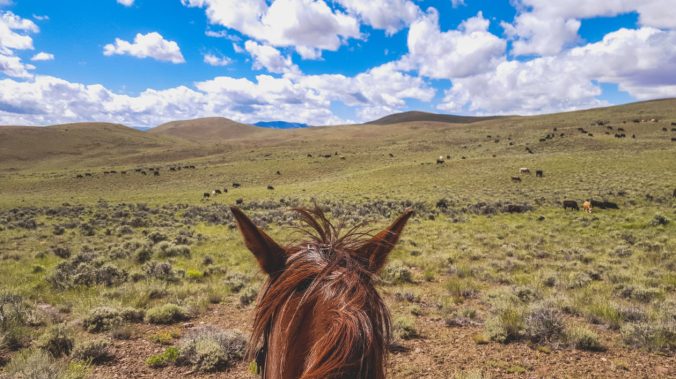
Natalie holding point as the herd disperses over Bear Basin. Photo © Melanie Elzinga
Thanks to Matt Miller over at Cool Green Science for this one:
Can Ancient Herding Traditions Help Cattle Coexist with Wolves and Sage Grouse?

Fiverr, an online freelance marketplace that promotes itself as being for “the lean entrepreneur,” recently attracted ire for an ad campaign called “In Doers We Trust.” COURTESY FIVERR
We know from experience in the realm of sustainability, which has had its soup du jour moments in the last two decades, that whether you are leading or following, a fad or a trend can be a slippery slope. It can lead to innocuous inattention to unintended consequences, or worse. Various new forms of technology, which we tend to celebrate in recent years for their disruptive service to the economy and society through innovation and blah blah blah…Don’t just do it. That might be the counter-message as we explore the gig economy’s downside, as this post by Jia Tolentino points out:
Last September, a very twenty-first-century type of story appeared on the company blog of the ride-sharing app Lyft. “Long-time Lyft driver and mentor, Mary, was nine months pregnant when she picked up a passenger the night of July 21st,” the post began. “About a week away from her due date, Mary decided to drive for a few hours after a day of mentoring.” You can guess what happened next. Continue reading

male – Baja California Sur, Mexico
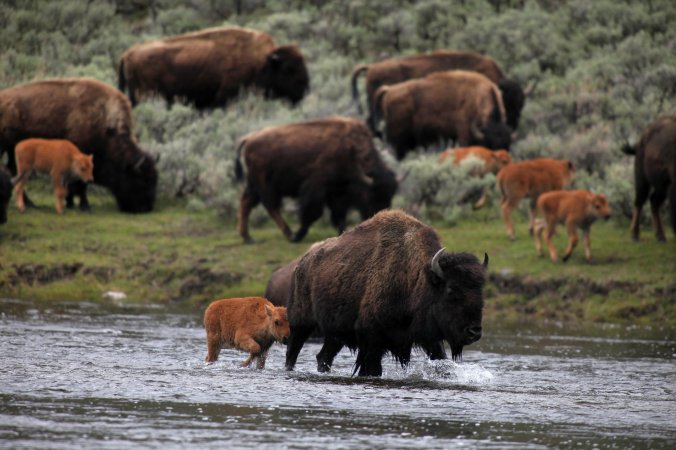
Bison and their calves in Yellowstone National Park. A fossil found in Canada provides the oldest evidence of bison ever discovered in North America. Credit Nicole Bengiveno/The New York Times
We love watching the return of this beast, so this story in today’s Science section is our kind of story:
When did North America become a home where the ancestors of buffalo roamed? Between 195,000 and 135,000 years ago, according to a study published Monday that reports on the oldest fossil and genomic evidence of bison on the continent. Continue reading
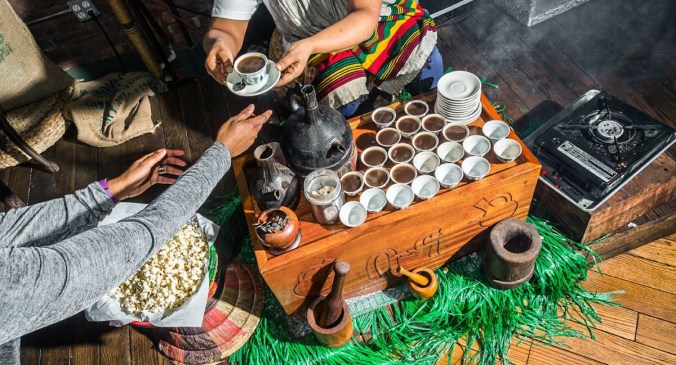
I have stated my own preferences for certain pros critiquing and explaining food and the places where you can explore it anew. I have recently been appreciating those like this one–not least because I love Ethiopia, and its contributions to humanity, and in general I am an Ethiopian diaspora fanboy–by the newer reviewer, Nicholas Niarchos and look forward to his providing many more. I am happy to see in the image accompanying his review what appears at first to be popcorn on the lower left, but is more likely a lightly toasted version of a superfood we came to favor when in Ethiopia, (speaking of superfoods):
A Vegan Ethiopian Feast at Bunna Café
The absence of meat and dairy isn’t obvious while you’re there, but when you leave your step will have a new spring in it.
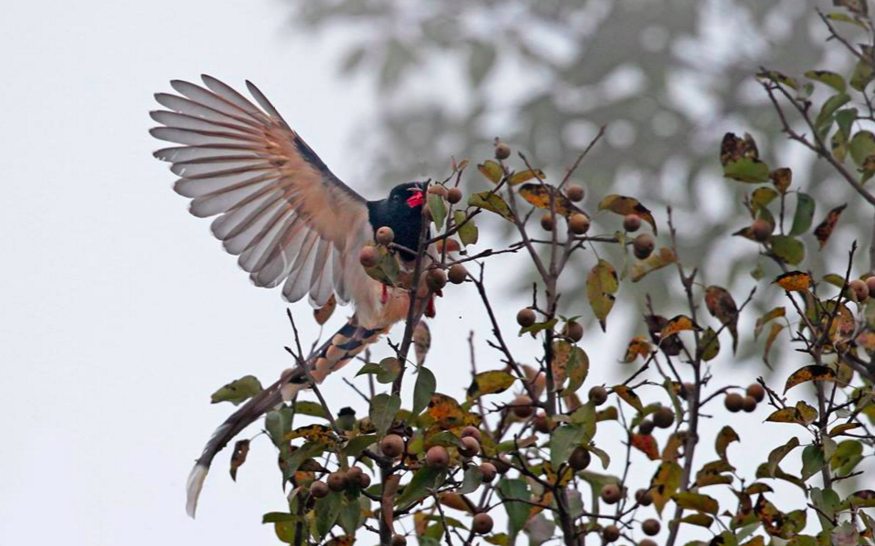
Pangot, Uttarakhand
Not to overgeneralize or stereotype, but what is it with Scandinavians? We have barely noted, certainly not enough in these pages, how remarkably adept they are at navigating in the right direction. They seem to know something about how to live life, with very happy outcomes, that the rest of us might well learn from. And with all the unhappy news, from time to time we must ponder happiness itself. 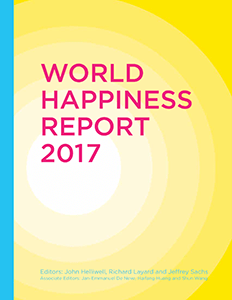 Click the image of the report to the right to get a copy of the report, summarized on the website of the Sustainable Development Solutions Network (SDSN) as follows:
The first World Happiness Report was published in April, 2012, in support of the UN High Level Meeting on happiness and well-being. Since then the world has come a long way. Increasingly, happiness is considered to be the proper measure of social progress and the goal of public policy. In June 2016 the OECD committed itself “to redefine the growth narrative to put people’s well-being at the center of governments’ efforts”. Continue reading

The Good Sort. Photo: Bobby Doherty/New York Magazine
Our preferred blank canvas, at least in the morning, has been oats when we have developed new restaurants recently. And we have tended to look at superfoods when we do our scouting and conceptualization for new menu ideas, and that is about food that (we try to ensure) provides health for both humans and the planet. We have not put congee on any menus, nor has it even been on our radar, but perhaps it should be:
Congee Is the Original Grain Bowl
Congee, also known as jook, or rice gruel, has long been the breakfast of billions in China — filling, cheap, energizing, and easily digestible, fit for infants and nonagenarians alike. Some swear by it as a post-exercise pick-me-up; others as a superb hangover cure. Its soothing properties are considered so powerful that congee is even served at funerals. Continue reading
We link so often to contents of this magazine, occasionally for in-depth profiles and often for items posted only on their website; but their covers tend to be particularly poignant visual cues. Those of us who post here think of and refer to our WordPress platform as our cabinet of curiosities so this week’s cover captures our attention more than most:
“I drew a bookshelf, and the lines made me think of the streets of a map,” Luci Gutiérrez says, about her cover for this week’s issue. Another inspiration for her image: Wunderkammern, the cabinets of curiosities created in the Renaissance to display collections of extraordinary objects. “I don’t have this particular piece of furniture, but I wish I did. I keep strange and pretty objects,” Gutiérrez says. “It can be a chocolate paper wrapper or a Japanese mask. . . . they provide me with a way to remember the place they come from.”

Athoor, Dindigul, Tamil Nadu
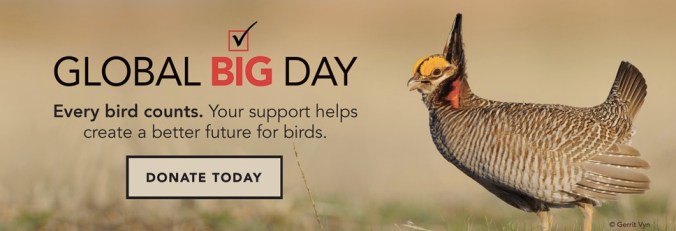
You have plenty of options of where to spend the day, but we are hoping to share the entire week leading up to May 13 with lots of old friends of Chan Chich Lodge–not only dedicated birders, but especially them. And not only old friends–we welcome the opportunity to introduce new folks to birding. So think about joining us that week in particular.
In our work around the world in recent years we have tried to support the Cornell Lab of Ornithology’s mission, focused through ebird in this worthy call to action, in as many ways as possible. If you do not know about the Lab, start with what they say about themselves and if it strikes you as relevant click on the banner above to make a pledge on one key initiative:
The Cornell Lab of Ornithology is a world leader in the study, appreciation, and conservation of birds. Our hallmarks are scientific excellence and technological innovation to advance the understanding of nature and to engage people of all ages in learning about birds and protecting the planet. Continue reading
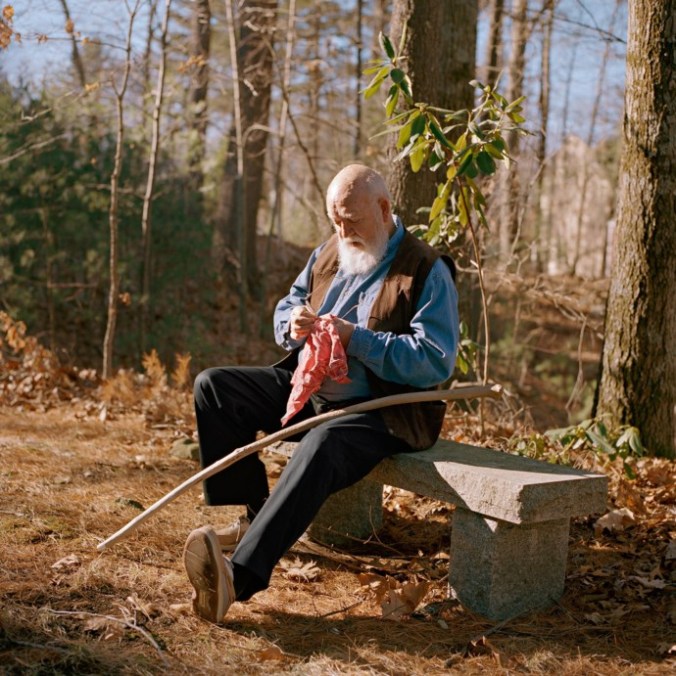
Daniel Dennett’s naturalistic account of consciousness draws some people in and puts others off. “There ain’t no magic here,” he says. “Just stage magic.” PHOTOGRAPH BY IRINA ROZOVSKY FOR THE NEW YORKER
Joining colleagues for a conversation about how to make sense of the post-2016 world provided me strong motivation in recent weeks to return to philosophy, something I had not done since graduate school 2+ decades back. With all the hyperventilation, there is a clear need for calm reflection. I recently listened to this man on one of the best podcasts out there; and by virtue of his voice, his ideas, his science of the soul (thanks to Joshua Rothman and the New Yorker for illumination on this science), he offers the perfect antidote to the current crescendoing chaos:
Four billion years ago, Earth was a lifeless place. Nothing struggled, thought, or wanted. Slowly, that changed. Seawater leached chemicals from rocks; near thermal vents, those chemicals jostled and combined. Some hit upon the trick of making copies of themselves that, in turn, made more copies. The replicating chains were caught in oily bubbles, which protected them and made replication easier; eventually, they began to venture out into the open sea. A new level of order had been achieved on Earth. Life had begun. Continue reading

This is a shout out to friends at Cornell University’s School of Hotel Administration, particularly the team leading this year’s Hotel Ezra Cornell, and especially Carmel Bendit-Shtull (she invited me to moderate this panel and for several months helped us plan it all out). The panel included Diana Dobin, President & Chief Sustainability Officer, Valley Forge Fabrics, Inc.; Bennett Thomas, SVP – Corporate Finance & Sustainability, Hersha Hospitality Trust; Eric Ricaurte, Founder, Greenview; Uttam Muthappa, Founder, Ithica Hospitality Consulting; & me (Panel Moderator). I will share a video of this if and when it is made available. Continue reading
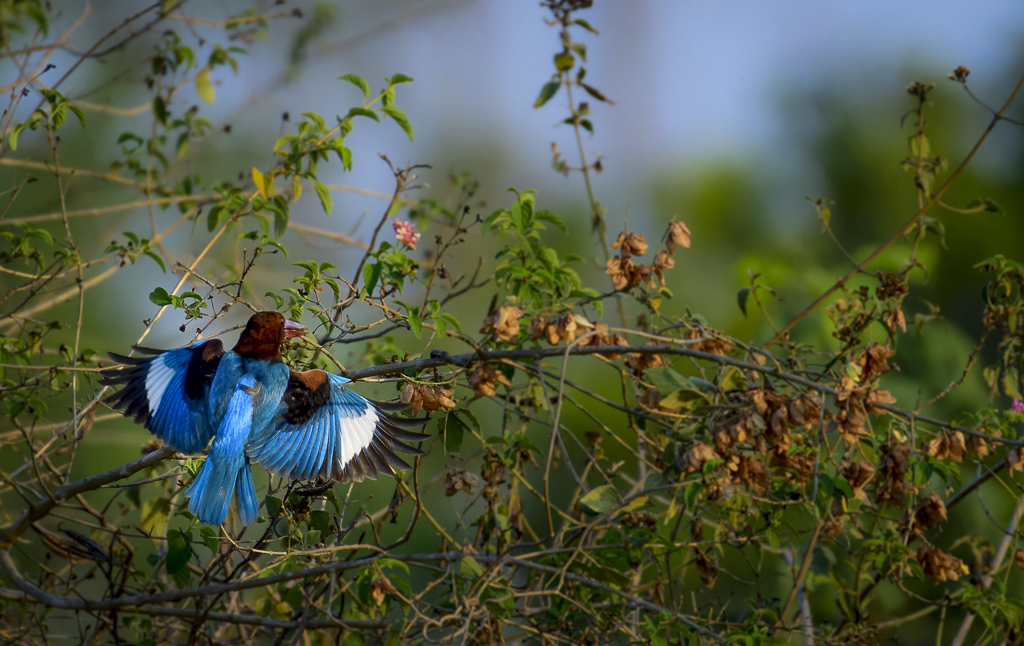
Hassan, Karnataka

We had the good fortune some weeks ago to host one of Europe’s finest birder-guide-photographers at Chan Chich Lodge. His bird photos are wow quality (see below for an example) but my favorite of all his photos is the one above of an ocelot. We are gearing up for Global Big Day at Chan Chich Lodge. Our primary goal is simple. Follow the leader, and lead by example. Our secondary goal is kind of competitive, related to the program’s own details:
Details
For the past two years, the second Saturday in May has been the biggest day of the year for birds: Global Big Day. More than 6,000 species of bird. Tens of thousands of people. 153 countries. Immeasurable fun. Continue reading

 Organikos