Marvelous Marvin’s Magical Mysteries

17039220_1419637051415082_6579151992410107862_o

At Chan Chich Lodge, in the northwest of Belize, something brings loyal guest back year after year, sometimes multiple times a year. There are many guests who have been coming to Chan Chich year after year for decades; there are more than a handful of guests who have had more than 200 total night stays at the Lodge, one couple approaching 300 nights and at least one couple approaching 400 nights. Having grown up in this business and knowing no other business, I do not have metrics to compare this level of loyalty to any other kind of business. Continue reading
Carbon, Climate, Concern & Confusion

4754.jpg

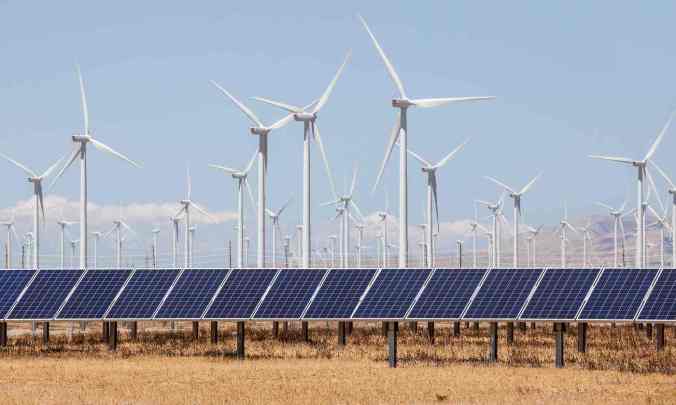
Americans love clean energy and climate policies. Photograph: Alamy

 Odd, but noteworthy (thanks to the Guardian for this article its environment section):

There’s broad support for climate policies in every state and county, but Americans view global warming as a distant problem

The Yale Program on Climate Change Communication published the findings of its 2016 survey on American public opinion about climate change. The results are interesting – in some ways confusing – and yet they reveal surprisingly broad support for action to address climate change. The Yale team created a tool with which the results can be broken down by state, congressional district, or county to drill down into the geographic differences in Americans’ climate beliefs. Continue reading

Diving For Megalodon

cohen-aprehistorickillerburiedinmuck-1200

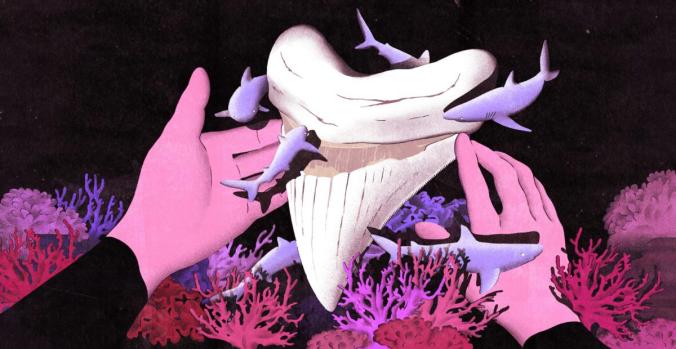
Hunting the teeth of the Megalodon, the largest shark that ever lived, can be very profitable—and very dangerous. ILLUSTRATION BY JEE-OOK CHOI

Thanks to Brent Crane for this posting about a search for one of prehistory’s wonders:

On a sunny January morning outside Richmond Hill, Georgia, Bill Eberlein, a fifty-two-year-old former I.T. specialist, went diving in a local creek. He wore a wetsuit, a drysuit, a dive hood, and an orange kayaking helmet affixed with a waterproof headlamp, whose ten thousand lumens would afford him six inches of visibility under the murky water. Continue reading

Impossible’s Intriguing Inclination

Impossible.jpgMeatless is not even a concept yet for some, but we’re working on that. Many of us contributing on this platform have already started taking it seriously even if not totally converted–reducing meat consumption rather than going all out vegetarian, let alone vegan–for all kinds of good reasons.

We have already expressed our interest as best we can without having yet tasted one of these, but thanks to this Guardian review we are now a step closer to the impossible. We do not need to have tasted it to have high expectations and hopes to match the ambitions of the company:

Impossible Foods is on the cusp of big things. But as the company lines up its first burger chain, it still needs to show it can convert the meat-loving masses Continue reading

Cacao’s Curious Clues

4TB-amazon1-superJumbo.jpg

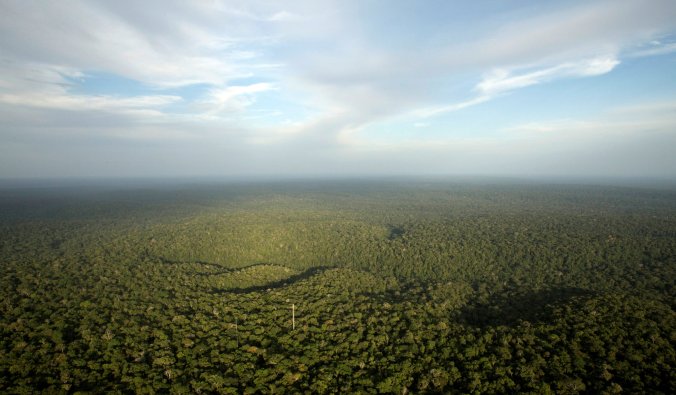
A view from the Amazon Tall Tower Observatory in São Sebastião do Uatumã, Brazil. A new study examines correlations between plant species in the forest today and archaeological finds. Credit Bruno Kelly/Reuters

Different day, different location, and our interest in cacao is  piqued again:

How the Amazon’s Cashews and Cacao Point to Cultivation by the Ancients

By

Scientists studying the Amazon rain forest are tangled in a debate of nature versus nurture.

Many ecologists tend to think that before Europeans arrived in the Americas, the vast wilderness was pristine and untouched by humans. But several archaeologists argue that ancient civilizations once thrived in its thickets and played a role in its development. Continue reading

Last Of A Kind

what-do-you-call-the-last-of-a-species-1200

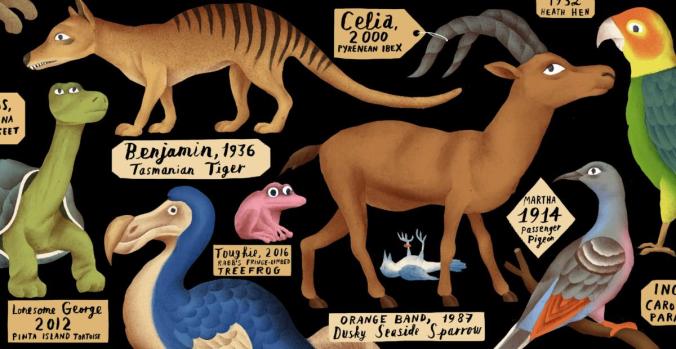
The word “endling” has given artists, writers, and others a new way to reckon with the meaning of extinction. ILLUSTRATION BY BJØRN LIE

Douglas Adams provided my first adult consideration of extinction, after a childhood fascination with dinosaurs, which I loved in part because of the mythology that their extinction seemed to encourage; Last Chance to See was an eye-opener, sad, funny and more. So this post on the New Yorker website catches my attention. Same depressing topic, with a New Yorker twist of wit:

WHAT DO YOU CALL THE LAST OF A SPECIES?

By Michelle Nijhuis

When Robert Webster, a physician in Jasper, Georgia, died, in 2004, he was survived by his wife of more than half a century, two daughters, four grandchildren, and a single word, which he had coined himself: “endling,” defined as the last person, animal, or other individual in a lineage.

Continue reading

Liquid Renaissance

28tmag-cocktails-slide-3bo4-master768

Sullivan Doh, owner-mixologist at Le Syndicat in Paris.Credit Charissa Fay

We are pleased to read of Mr. Field, in some ways doing in Paris what we have just noted happening with cacao in the Caribbean–a kind of renaissance of beverages that is also on our agenda in Belize:

The Slow Rise of Craft Cocktails in Paris

By

28tmag-cocktails-slide-Q0D3-master180.jpgIn her new book, “The New Paris: The People, Places & Ideas Fueling a Movement” ($30, amazon.com), the writer (and T contributor) Lindsey Tramuta documents the creative and cultural shift she has witnessed in the city in recent years. Below is a passage on the rise of craft cocktails there.

To say that cocktails are a new phenomenon in Paris is to overlook a culture of distilling liquors dating back to the 1800s, one that gained greater traction more than one hundred years later during American prohibition, when newly unemployed bartenders came to Europe in droves and landed in some of the continent’s best hotel bars. Continue reading

Reviving Cacao

59417_orig_custom-915406cf70e2af518f4441fd5d23a7fd2512008d-s1400-c85-1

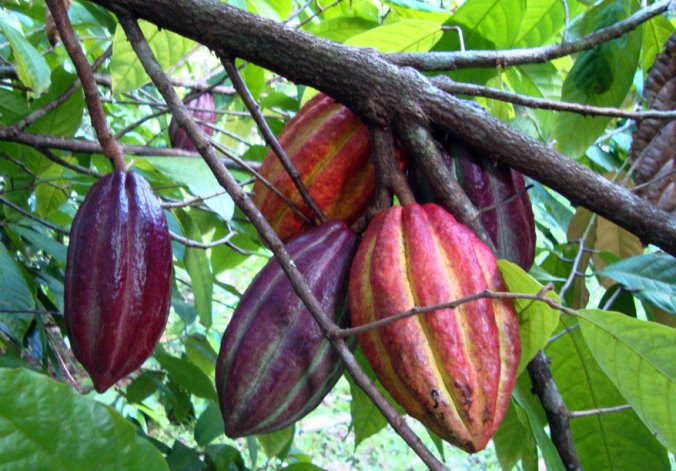
Cacao pods ready for harvest at the Loiza Dark Chocolate farm. Courtesy of Loiza Dark Chocolate

Thanks to Dan Charles and his colleagues at the salt, over at National Public Radio (USA) for telling us about that something speaking to Mr. Vizcarrondo; we, working in Belize, working on farm revival among other things, also hear that something and we are inspired to hear of others who hear it too:

The dream of reviving Puerto Rico’s chocolate tradition took root in Juan Carlos Vizcarrondo’s mind years ago.

He’s always been obsessed with flowers and trees. As a boy, he planted so much greenery in his mother’s backyard, there was hardly room to walk.

But in his thirties, he started planting cocoa trees, with their colorful pods full of magical seeds. “Something told me, just keep planting, because nobody has it! It’s so strange, nobody has it!,” he recalls. Continue reading

Install Solar Power In Your Home

Solar.jpg

Thanks to the Guardian for this series of videos:

Every day, the sun kickstarts mini power plants in about 942,000 homes around America. We are of course talking about solar energy – and in 2017, it’s never been cheaper to invest in it for your home. The Guardian looks at key tips for installing solar panels and why now is the time to switch

How to install solar panels at home

You Had Us At Non-Toxic

flow-battery2

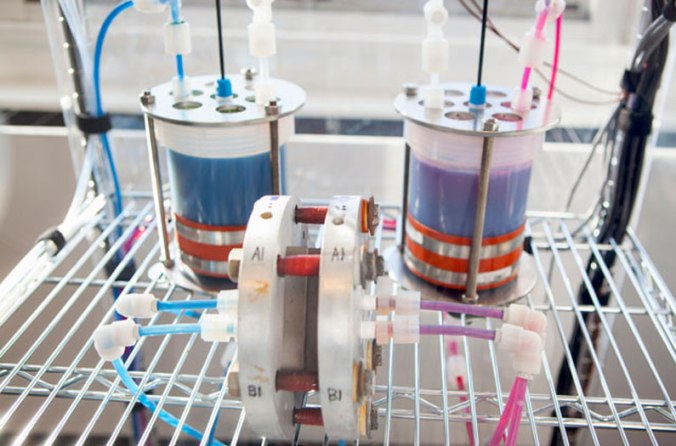
Photo: Organic mega-flow battery in the Harvard SEAS lab. (Photo by Eliza Grinnell, Harvard School of Engineering and Applied Sciences)

Thanks to Anthropocene:

This non-toxic battery lasts a decade, could be renewable energy’s missing piece

by Prachi Patel

As more and more people install solar panels, the need to store solar power is growing. Batteries that store sun-generated electricity are key for houses to have power at night or when it’s cloudy. But today’s battery technologies are riddled with issues such as high cost, toxicity, and short life. Continue reading

Demanding Action From Those Accountable

3110

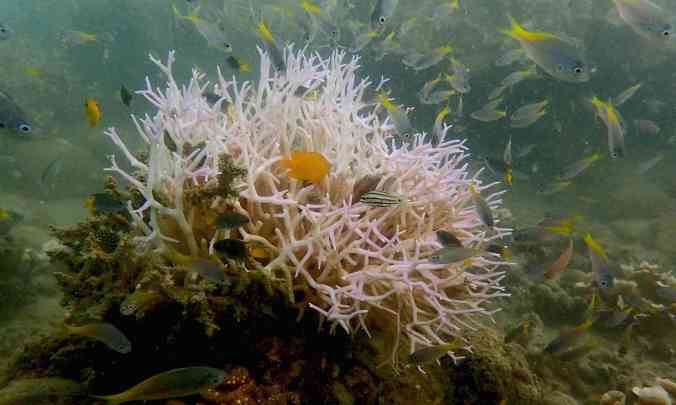
Newly bleached coral on the Great Barrier Reef near Palm Island in February. Photograph: Australian Marine Conservation Society

We could not have said it better:

As the Great Barrier Reef faces the return of coral bleaching, why are Mantra, Accor and Marriott still silent on Adani? Continue reading

The Nature Fix, Interview & Links

LopateNature.jpgThis is 20 minutes well spent if you share our interest in the links between nature and wellbeing; one hypothesis on this topic we favor being biophilia. But science is the realm of the nonstop quest, so the author’s explanation in this interview, of her motivations and her methodology, are worth hearing.

lopatenat2We have a preference for supporting independent bookstores so if this book goes onto your shopping list, before you otherwise get pulled in the direction of an online superstore, Powell’s is a great option; see what they have to say about the book:
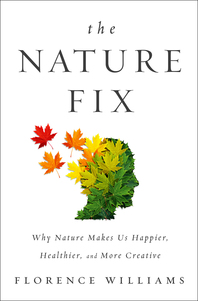
9780393242713_198An intrepid investigation into nature’s restorative benefits by a prize-winning author.

For centuries, poets and philosophers extolled the benefits of a walk in the woods: Beethoven drew inspiration from rocks and trees; Wordsworth composed while tromping over the heath; and Nikola Tesla conceived the electric motor while visiting a park. Intrigued by our storied renewal in the natural world, Florence Williams set out to uncover the science behind nature’s positive effects on the brain. Continue reading

Eat Your Vegetables, If You Can Find Them

vegcrisis_1-2-5a935c2edcf303caf9d2c322914a74c41ca02089-s1400-c85

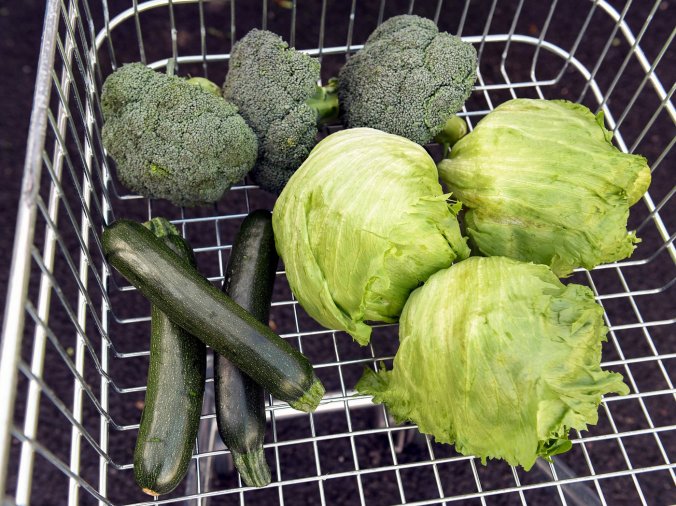
Vegetables were rationed at supermarkets in the U.K. due to poor weather conditions in Europe. Here, lettuce, broccoli and zucchini were rationed at a Tesco store in London. Victoria Jones/PA Images via Getty Images

Thanks to National Public Radio (USA) and the folks at the salt for this story about the implications of vegetable shortages in the UK:

It started in late January. At my local grocery store in South London, salad seemed to be just a few pence pricier than usual. But I didn’t think much of it.

Later that week, the same market had conspicuously run out of zucchini. I’m not particularly fond of it, but I lamented for the carb-conscious yuppies who depended — and subsisted — on spiralized zucchini spaghetti. How would they cope? Continue reading

Energy Incubator, Alive And Well, For Now

ARPA_TA-610327846.jpg

STEVE PROEHL/GETTY IMAGES

Thanks to Wired for a story whose title starts The Government’s Green Energy Incubator Fights for Survival and is worth the read:

LIKE MANY FEDERAL employees, Eric Rohlfing will be watching President Trump on Tuesday night as he addresses a joint session of Congress. Specifically, the chemist will be listening carefully for clues to his future employment status. Rohlfing is the leader of a unique science and technology start-up agency tucked inside the Department of Energy, and he and his staff have been trying to convince the new administration to keep it alive. Continue reading

Model Mad, Marcus

0749redrooster

[Update: this post was originally published 48 hours ago but it definitely needs further attention so please do listen to Marcus]

This book came out late last year, and ever since I started sharing links to this man’s wonders  a of couple years ago, I keep watching for more reasons to do so; he always moves me. Today, again. Below is a link to a podcast he recently recorded to promote the book above. The conversation is artful. Powerful.

MarcusP.jpg

Marcus is an immigrant to the USA, so his reflections on recent policy shifts in the ultimate country of immigrants are worth a listen even if you are not a foodie. If those observations do not move you, all I can say is wow. It fits the “model mad” theme we have been linking to in recent weeks–people and organizations speaking out and creatively resisting when something is wrong; and doing so at risk of significant loss. Continue reading