Bee Mogul Is A Thing

BeeMogul.jpg

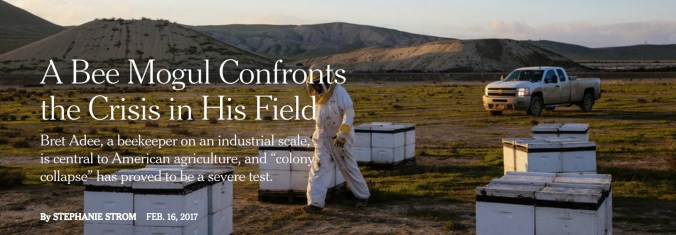
Bret Adee’s family operation provides more than two billion bees to farmers who need to pollinate their crops. Before the hives are moved to the California almond groves where they are used in January and February, they are kept on a cattle ranch at a safe distance from pesticide and herbicide sprays. Credit Kendrick Brinson for The New York Times

We already knew a fair amount about the business of bees, but had not yet heard the term bee mogul, which sounds like it may have been an excellent thing once upon a time, but now, maybe not so much:

KERN COUNTY, Calif. — A soft light was just beginning to outline the Tejon Hills as Bret Adee counted rows of wizened almond trees under his breath.

He placed a small white flag at the end of every 16th row to show his employees where they should place his beehives. Every so often, he fingered the buds on the trees. “It won’t be long,” he said.

Mr. Adee (pronounced Ay-Dee) is America’s largest beekeeper, and this is his busy season. Some 92,000 hives had to be deployed before those buds burst into blossom so that his bees could get to the crucial work of pollination. Continue reading
Recommended By Guests At Chan Chich Lodge

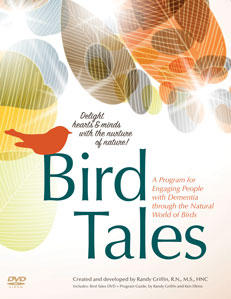
bird-tales-kitWhen guests of Chan Chich Lodge told me last evening about their local Audubon Center in Connecticut (USA), my first thought was a memory of the Audubon Center in my hometown, also in Connecticut, and how essential it was to the decisions I made to do what I do today.

Then they mentioned Bird Tales, and I had never heard of anything like this before, but it made so much sense to me I thought I should excerpt the description here and point it out to the many bird-centric visitors to our platform here (click the image to the left to go to the website of the Center that created the program):

…Initially working with four facilities operated by Transcon Corporation, our Audubon Center Bent of the River Education Program Manager, Ken Elkins, incorporated Audubon at Home environmental principles into the goals of these facilities to improve the quality of life for their residents. Continue reading

Photography, Underwater, Best In Show

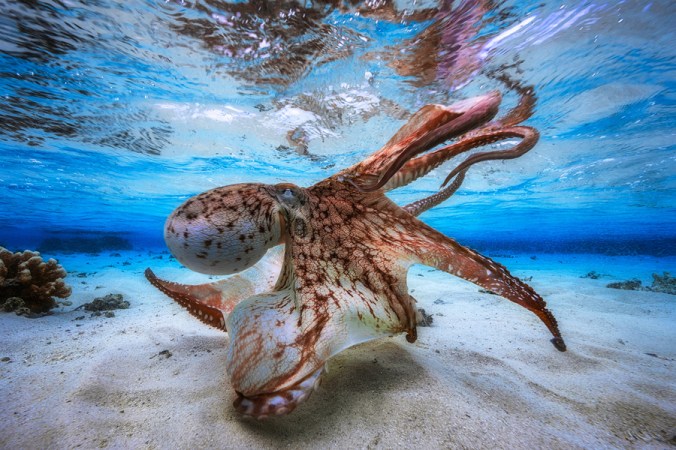
© Gabriel Barathieu / UPY 2017

Thanks to the Atlantic for bringing our attention to The 2017 Underwater Photographer of the Year Contest, and especially the top photo according to the judges:

Underwater Photographer of the Year, 2017 – Dancing Octopus. In the lagoon of Mayotte, during spring low tides, there is very little water on the flats. Only 30 cm in fact. That’s when I took this picture. I had to get as close as possible to the dome to create this effect. The 14 mm is an ultra wide angle lens with very good close focus which gives this effect of great size. The octopus appears larger, and the height of water also. Photographed off Mayotte Island on May 7, 2016. Continue reading

Chef Ram At Chan Chich Lodge

Chef Ram2.jpg
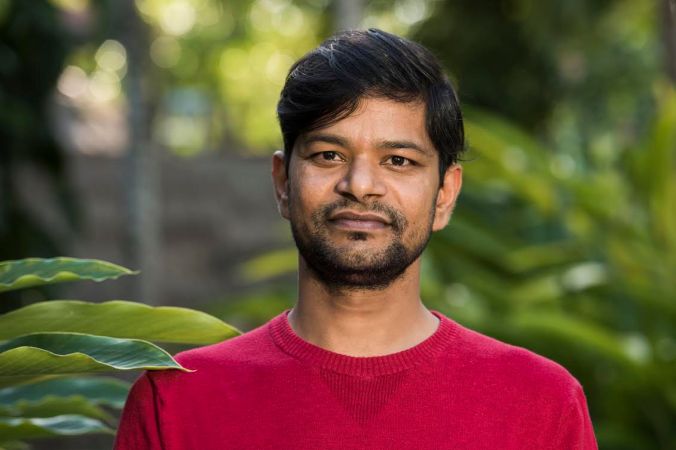
Chef Ram and I have multiple chef colleagues and foodie friends in common, but this is the first chance that he and I have had to work together. I have been looking forward to this opportunity for quite some time.

He will be expanding and strengthening the farm to table program that Chan Chich Lodge started nearly three decades ago. He will work primarily with Amie, whose success with food programming (and places where that food is enjoyed, which has also been widely appreciated) in India since 2010 made sure that the projects got attention. You will see those ideas here, so stay tuned. Continue reading

Appreciating Earth’s Amenities

bjornerud-storingearthsmagneticfieldinajar_01

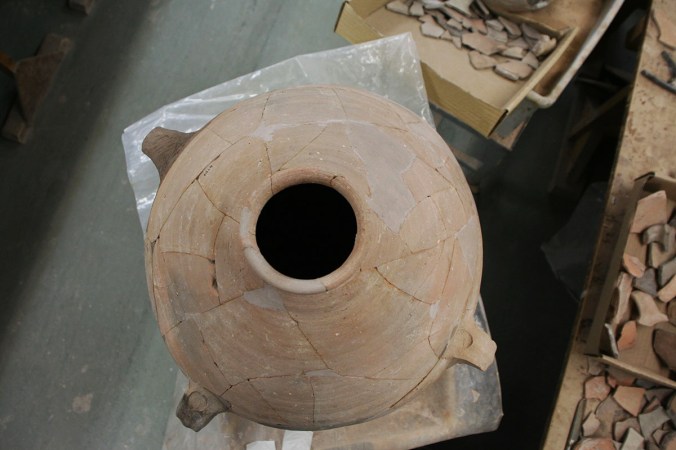
Ancient pottery, like this jar from Iron Age Judea, can record our planet’s magnetic ebb and flow. COURTESY ODED LIPSCHITS

Funny, as we just started carrying a new line of amenities at Chan Chich Lodge (what we had was already earth-friendly, but the new line is even more so), to be reminded of an amenity we never thought of as an amenity:

EARTH’S MYSTERIOUS MAGNETIC FIELD, STORED IN A JAR

Of all the environmental amenities that this hospitable planet provides, the magnetic field is perhaps the strangest and least appreciated. It has existed for more than three and a half billion years but fluctuates daily. It emanates from Earth’s deep interior but extends far out into space. It is intangible and mostly invisible—except when it lights up in ostentatious greens and reds during the auroras—but essential to life. The magnetic field is our protective bubble; it deflects not only the rapacious solar wind, which could otherwise strip away Earth’s atmosphere over time, but also cosmic rays, which dart in from deep space with enough energy to damage living cells. Continue reading

Pythons, Everglades & Unintended Consequences

python3.jpg

Thanks to Anthropocene for providing a summary of recent science on a topic of concern in these pages from time to time in the last few years:

Invading pythons and the weird, uncertain future of the Florida Everglades

Heatless Habanero!

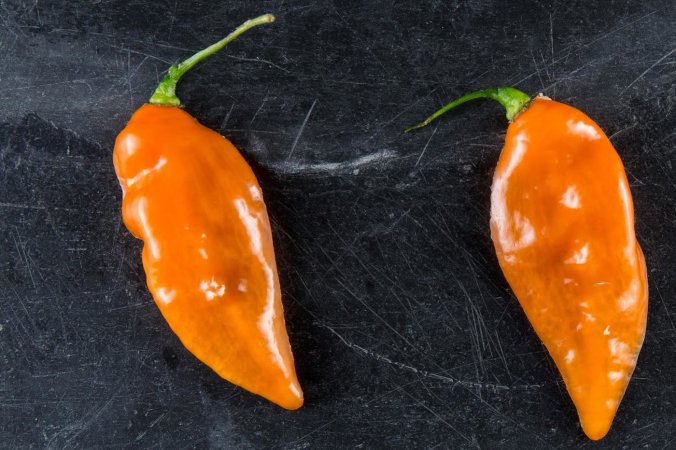
courtesy-of-blue-hill_slide-9b632a9cd15cdc7e587d3adea9090145933a476f-s1400-c85 (1).jpg

New York City’s Blue Hill restaurant is the biggest buyer of “Habanadas,” a habanero bred to be heatless, so the focus is on its melon-like flavor. Courtesy of Blue Hill

A few reasons to read this include Dan Barber and his Blue Hill being mentioned in the opening sentence; plus the arrival of our new chef at Chan Chich Lodge, hinted at last month; plus the fact that many of our guests cannot tolerate the heat of habaneros; plus our plan to expand the variety of salsas produced at Gallon Jug Farm; plus the fact that the plant breeder responsible for this innovation is in one of our favorite places for agricultural innovation:

For Dan Barber, the celebrated chef of the New York City restaurant Blue Hill, each course of a meal is an opportunity to tell a story. One of these stories is about a pepper — an aromatic, orange habanero without any heat. Continue reading

Model Mad, Music

Ross-marking-art-in-time-of-rage-1200.jpg

In the face of Trump, many artists report feelings of paralysis. Should they carry on as before, nobly defying the ruination of public discourse? Or seize on a new mission, abandoning the illusion of aesthetic autonomy? PHOTOGRAPH BY ERICH AUERBACH/HULTON ARCHIVE/GETTY

Alex Ross asks the right question, in our view of the importance of finding a new model of behavior to reflect mad, with his opening question and the whole first paragraph prepares you for a worthy read:

MAKING ART IN A TIME OF RAGE

What is the point of making beautiful things, or of cherishing the beauty of the past, when ugliness runs rampant? Those who work in the realm of the arts have been asking themselves that question in recent weeks. Continue reading

Food, Its Contents & Its Discontents

cheapeats2_wide-05fb98d6b9b328ebc4a3e00a3c9e08c64e00eefe-s1400-c85

Alex Reynolds/NPR

We appreciate that an immigrant restaurant owner has the courage to state the unpopular but important facts underpinning one of the popular memes of our time (thanks as always to the salt over at National Public Radio in the USA):

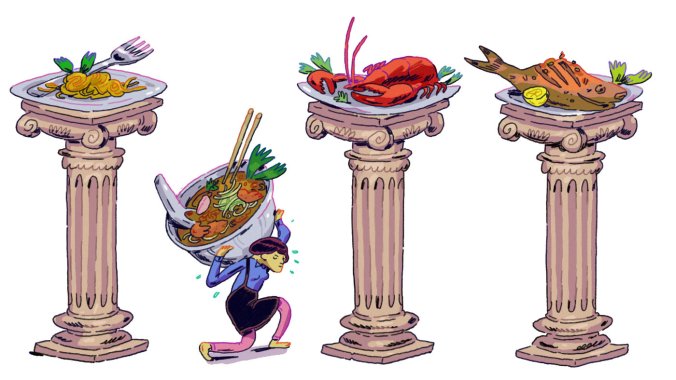
Cheap Eats, Cheap Labor: The Hidden Human Costs Of Those Lists

by Diep Tran

Everyone loves a cheap eats list. A treasure map to $1 tacos! $4 banh mi! $6 pad Thai! More often than not, the Xs that mark the cheap spots are in the city’s immigrant enclaves. Indeed, food media is never so diverse as when it runs these lists, its pages fill with names of restaurateurs and chefs of color.

These lists infuriate me.

Continue reading

Jimmy’s Sunny Disposition

What a decent man, we say every time we see news of Jimmy Carter. This story is no exception, and we especially appreciate the example he is setting with this action:

PLAINS, Ga. — The solar panels — 3,852 of them — shimmered above 10 acres of Jimmy Carter’s soil where peanuts and soybeans used to grow. The panels moved almost imperceptibly with the sun. And they could power more than half of this small town, from which Mr. Carter rose from obscurity to the presidency. Continue reading

From Behind the Camera Trap

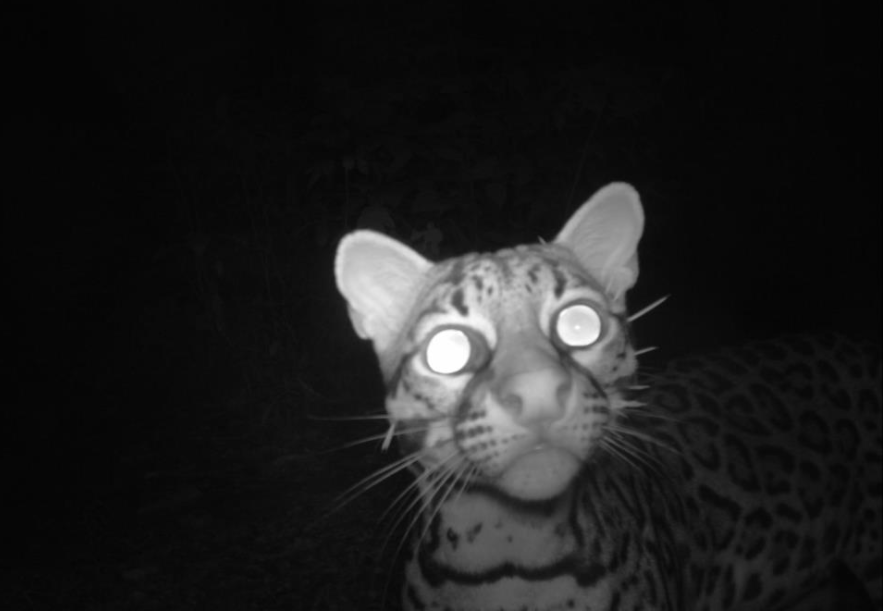
Ocelot curious about the red light of the camera

Ocelot curious about the red light of the camera

For years the camera traps at Chan Chich Reserve have been capturing images of wildlife both day and night. In addition to helping to document the size and health of the population of a specific species within the reserve, the cameras also capture the particular behavior of the species.

Continue reading

Corn Culture Cropped

3915997480_7d3bb9ab91_o_wide-d1096f93994052a70749306989017f6effbc93a6-s1400-c85.jpg

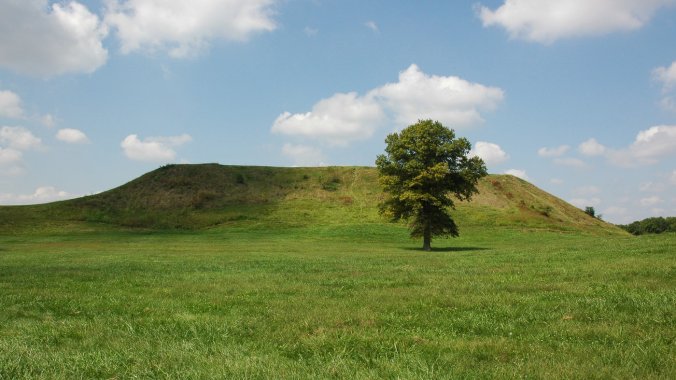
Cahokia Mounds State Historic Site in Collinsville, Ill. A thriving American Indian city that rose to prominence after A.D. 900 owing to successful maize farming, it may have collapsed because of changing climate. Michael Dolan/Flickr

Thanks to National Public Radio (USA) and the folks at the salt for raising our awareness of another corn-influenced culture we knew nothing about until just now:

1,000 Years Ago, Corn Made This Society Big. Then, A Changing Climate Destroyed It

by Angus Chen

About a 15-minute drive east of St. Louis is a complex of earthen mounds that once supported a prehistoric city of thousands. For a couple of hundred years, the city, called Cahokia, and several smaller city-states like it flourished in the Mississippi River Valley. But by the time European colonizers set foot on American soil in the 15th century, these cities were already empty. Continue reading

Art as Public Domain

Young Woman with a Water Pitcher by Johannes Vermeer (Dutch, Delft 1632–1675 Delft)

Young Woman with a Water Pitcher
by Johannes Vermeer (Dutch, Delft 1632–1675 Delft)

In these current times when Art, Culture and Civility appear to be under constant attack, news that museums and galleries – both private and public – are opening their virtual archives of Public Domain artworks to be just that, public, is newsworthy.

For example, a click on the image to the left takes viewers to the Metropolitan Museum’s website that includes not only the full details of the painting (description, catalogue entry, provenance and exhibition history, etc.), but also a hyperlink to a map of the gallery where viewers can find the actual painting, and related objects within the museum’s vast collection.

We’re happy to know that museums, whether virtual or physical, still provide inclusive space to breathe deep.

Met Museum Makes 375,000 Images Free

Continue reading

Millenia-Old Amazonian Practices Worthy Of Marvel

11tb-amazon01-superJumbo.jpg

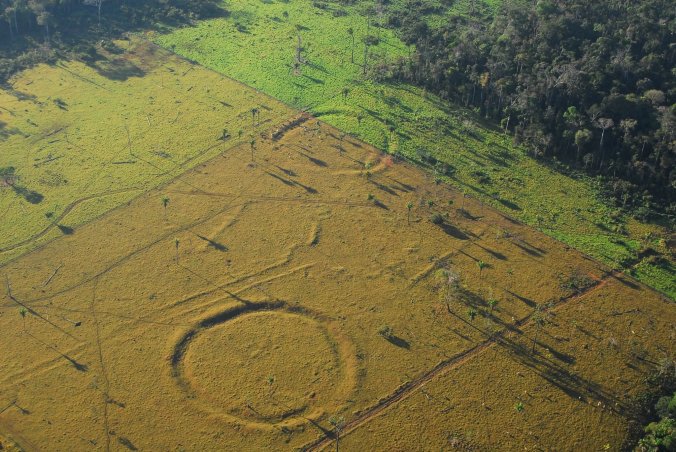
New research suggests people were sustainably managing the Amazon rain forest much earlier than was previously thought. Credit Jenny Watling

Anything with the word Amazon in it, when it refers to the rainforest ecosystem in South America, is worthy of marvel. Joanna Klein offers this story, in the Trilobites feature at the New York Times, that is one of the more surprising finds we have seen in a long time:

Deep in the Amazon, the rain forest once covered ancient secrets. Spread across hundreds of thousands of acres are massive, geometric earthworks. The carvings stretch out in circles and squares that can be as big as a city block, with trenches up to 12 yards wide and 13 feet deep. They appear to have been built up to 2,000 years ago.

Were the broken ceramics found near the entrances used for ritual sacrifices? Why were they here? The answer remains a mystery. Continue reading

Grrreat Print, Walton Ford

rs-12035-20130805-stones-624x420-1375716018

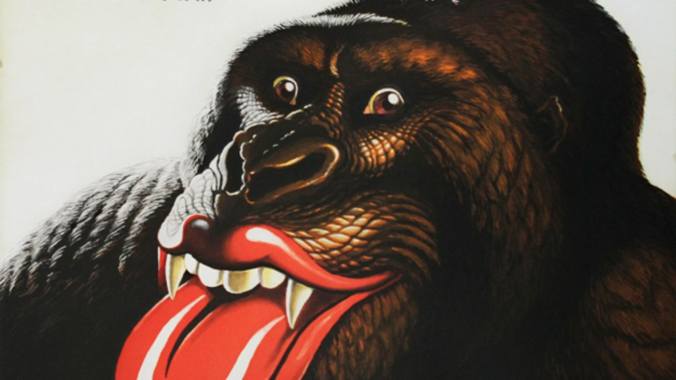
We  studiously avoid wading into the realm of popular music here, but today we make an exception. Not for the sake of the music itself (the greatest hits of a band celebrating 50 years of working together), but because we have just discovered that one of our favorite artists, featured here more than once, was the cover artist for the album above. Yes, we see we are a few years behind the times on this story, but better late than never when it comes to Walton Ford:

Rolling Stones Gorilla Logo Artist Slams Critics

Walton Ford offering limited-edition etching of widely seen gorilla logo Continue reading