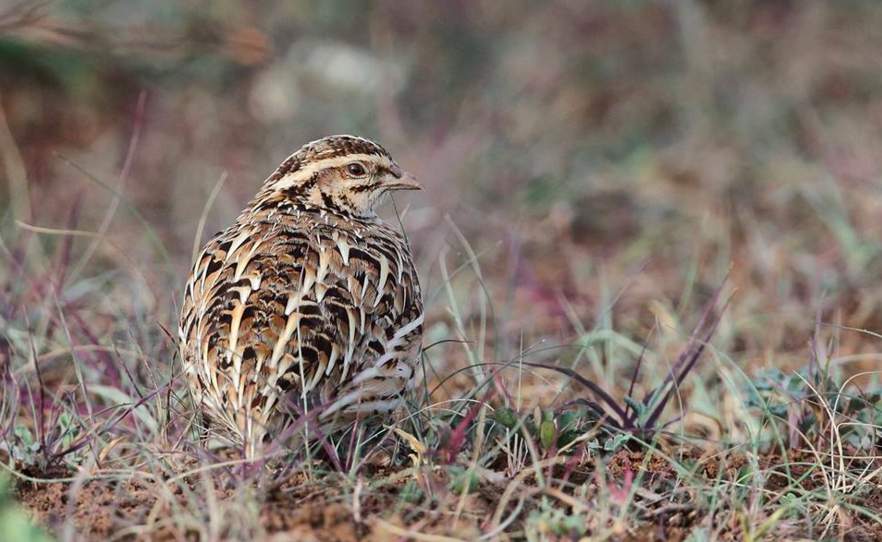
Outskirts of Bangalore, Karnataka
Outskirts of Bangalore, Karnataka

In the spring, the valley shimmered with myriad points of color, as if Georges Seurat had touched up a Georgia O’Keeffe. PHOTOGRAPH BY JIM MANGAN
This is one of the longest articles in recent memory, but worth every word on every page. Wishing only that there were more photos or that we could have been there to see it:
DEATH VALLEY IS ALIVE
This year, a historic deluge created a Superbloom of wildflowers in one of the hottest places on Earth.
By Alex Ross
Death Valley, the majestically desolate national park on the eastern edge of California, is a rain-shadow desert, meaning that nearby mountain ranges drain moisture from incoming weather systems and stop rain from reaching the other side. Eighty miles to the west is the Sierra Nevada range, the highest in the contiguous forty-eight states, rising to fourteen thousand five hundred feet. Continue reading
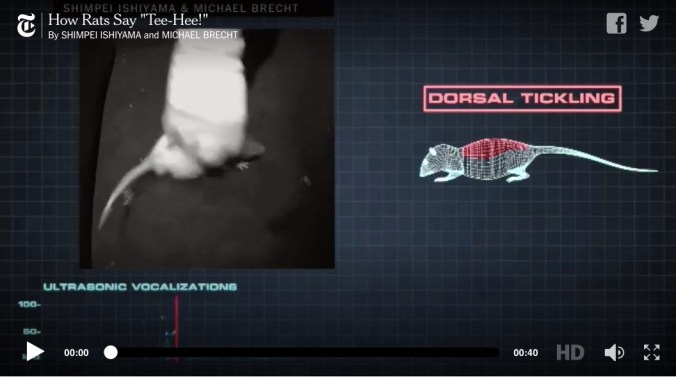
By SHIMPEI ISHIYAMA and MICHAEL BRECHT on Publish DateNovember 10, 2016. Photo by Shimpei Ishiyama, Michael Brecht.
Click above to go to the video, and the title below to go to the article:
Oh, for the Joy of a Tickled Rat
There’s just something about a rat jumping for joy when it’s been tickled that can change your whole outlook on rats, and neuroscience.
For one thing, it gives me new faith in people to think that accomplished researchers spent time tickling their experimental subjects. And the similarity of rats to humans in the tickling realm is pleasantly bewildering. Continue reading

Dinokeng Game Reserve, Pretoria, SA
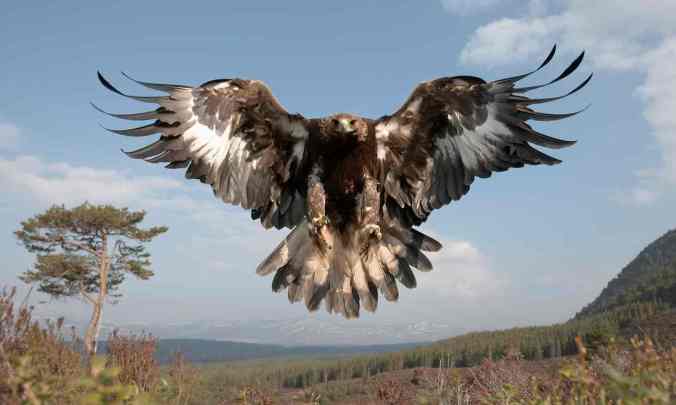
There are now more than 500 breeding pairs of golden eagles in the UK, all in Scotland. Photograph: Peter Cairns/RSPB
Scotland, a hospitable environment for one of the majestic birds, deserves credit for this comeback:
UK golden eagle population soars to new heights
Numbers pass the level deemed viable for the raptor’s long-term survival but it remains missing from a third of its traditional territories
Britain’s golden eagle population has soared to new heights, according to a new survey released on Wednesday.
There are now more than 500 breeding pairs in the UK, up 15% and passing the threshold at which bird’s long-term future is thought viable. Continue reading
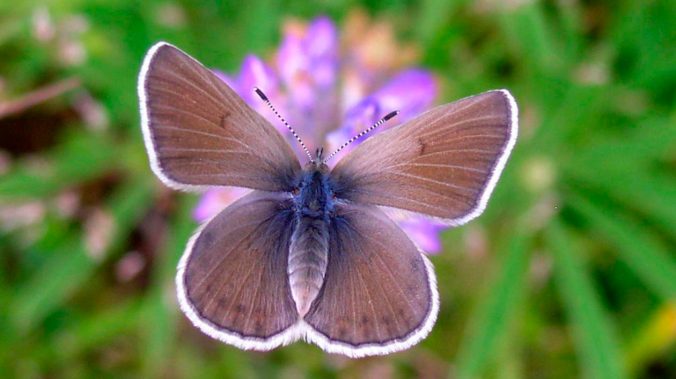
Fender’s Blue (Icaricia icarioides fenderi) is an endangered subspecies of butterfly found only in the Willamette Valley of northwestern Oregon. Fender’s Blue butterflies are completely dependent upon the threatened plant species, Kincaid’s lupine (Lupinus sulphureus kincaidii). Photo © Matthew Benotsch/TNC
Feed your inner biophilia with education to sharpen your senses:
Unlock a New Way of Seeing the World as a Master Naturalist
BY LISA FELDKAMP
Becoming a Master Naturalist is easier than you think. You don’t have to enroll in years of coursework or explore the world a la Darwin. In fact, there may well be a comprehensive naturalist class near you. Continue reading
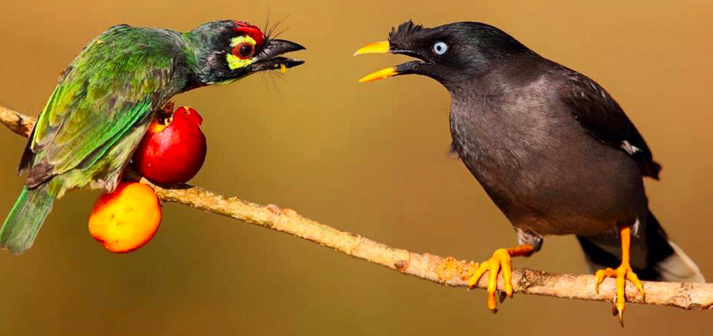
Bangalore, Karnataka

World electricity production going from black to green
In a significant first, the world now has the capacity to produce more power from renewables than from coal, according to the International Energy Agency.
In a time of troubling headlines, the more promising headlines can get lost, but they are there. At least with regard to renewable energy. Click the image above to read the summary of this book at Anthropocene or the image below to go to the source:
The rapid spread of renewable energy is a bright spot in the global energy transition towards a low carbon economy. Despite lower fossil fuel prices, renewable power expanded at its fastest-ever rate in 2015, thanks to supportive government policies and sharp cost reductions. Continue reading

Jaguar, the indomitable beast. Photo © The Nature Conservancy (Matt Miller)
The photo above is one of the highlights of this story at Cool Green Science. We have been to the location where this photo was taken and agree it is an awesome spot in terms of probabilities. But not as good as the probabilities in the wilderness surrounding Chan Chich Lodge:
Where to See 10 Impossibly Elusive Mammals
BY MATT MILLER
I grew up dreaming about seeing the world’s rarest and most elusive animals. I knew that some would be extremely unlikely if not impossible. See a snow leopard? Biologists spent months, years, seeking snow leopards and never caught so much as a glimpse.
In reality, you can now see many of these cryptic creatures, if you know where to travel and search. Continue reading

Baja California Sur, Mexico

Writing now from Villa del Faro, in Baja California Sur, I am delighted to read this article from the Travel section this week in the NY Times:
Keeping the Fire of Irish Lighthouses Alive
The golden age of lighthouse construction is long gone, but in their wake are beautiful vistas and stories that bring modern Irish history to life.
By
To get to the Clare Island Lighthouse in County Mayo, in the west of Ireland, you climb up to the island’s northern cliffs along a road of stones, past damp sheep chewing grass, around the bend through an alley of fuchsia hedges in bloom. Keep walking until you reach the lighthouse and slip your key in the lock, hang your parka by the door and take a seat beside the peat-burning fireplace. Someone may be nearby to take your drink order, and the reward for a long walk will be a cold gin and tonic and the soft heat of the fire. Continue reading
National Public Radio (USA) has this news from the far reaches of cold lands:
Giant Snowballs Wash Up On Siberian Beach
REBECCA HERSHER
There were snowy, icy balls everywhere.
Videos and photos from western Siberia, on the Gulf of Ob, showed an entire beach covered in snowballs that had apparently washed ashore. In one image published online by the Siberian Times, a woman sat on the frozen balls. In another, a dog ran near the balls, which had also formed what looked like a vertical mass of balls mashed together into an icy ball-wall. Continue reading

Food production causes a quarter of greenhouse gas emissions, largely from the raising of cattle and other livestock. Photograph: Mike Kemp/Getty Images
Tax meat and dairy to cut emissions and save lives, study urges
Surcharges of 40% on beef and 20% on milk would compensate for climate damage and deter people from consuming as much unhealthy food
Damian Carrington
Climate taxes on meat and milk would lead to huge and vital cuts in carbon emissions as well as saving half a million lives a year via healthier diets, according to the first global analysis of the issue. Continue reading

female – Dandeli, Karnataka
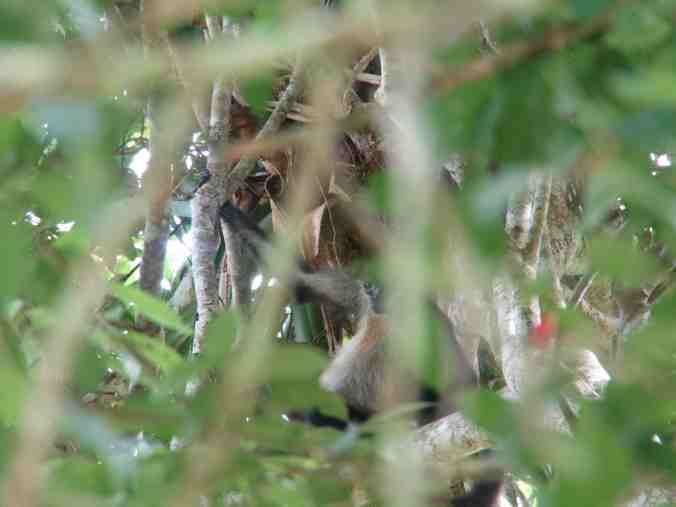
When this family told me about their encounter with a troupe of monkeys I had not yet seen these photographs, which they shared as they were preparing to depart Chan Chich Lodge. Looking at the photos now I understand why they were so thrilled by the wilderness setting. The first one I saw, above, was just a blur so I skipped it, but when I came back to it I realized this was what the son in the family had most loved–the exploration, the search to see his first animal in the wild. Continue reading
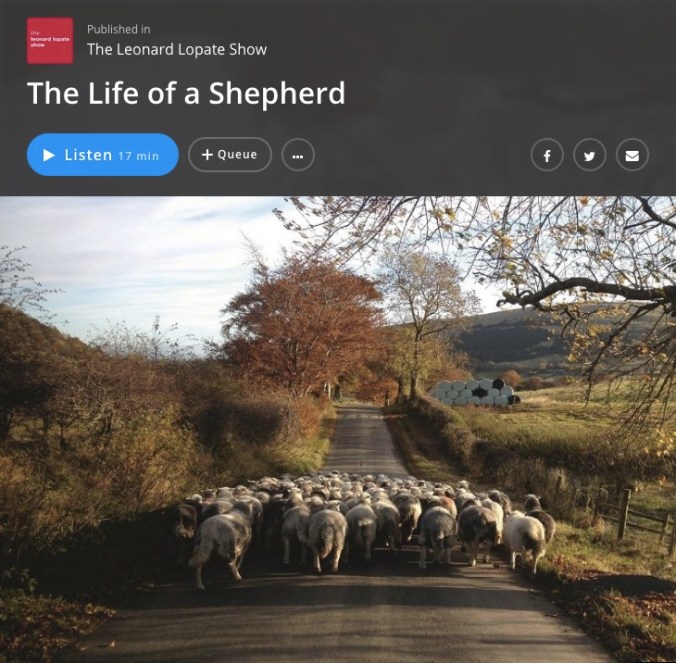
Ignore the irony of our recommendation that you click the image above in the interest of remembering a world without ubiquitous connectivity. Listen. Imagine. Digital detox might make more sense after that. Continue reading
Thanks to EcoWatch for this one:
WATCH LIVE CAM: Annual Polar Bear Migration
Explore.org welcomes back the mystical polar bear species to Pearls of the Planet live nature cam family for another season.
The live cameras are being hosted with nonprofit Polar Bears International, which is dedicated to conserving polar bears and the sea ice they depend on. Frontiers North Adventures, a long time ecotourism partner will provide views from its Tundra Buggy Lodge. Continue reading

Dunwoody, Georgia

Photo from emilyerratic.blogspot.com
Within of the northern range of the Japanese Alps lies Kamikochi National Park, an area comprised of a plateau surrounded by vertical peaks, reflective lakes and virgin forests. Kamikochi is considered part of Chubu Sangaku National Park (also known as the Japan Alps National Park) and was extensively used by the logging industry until the mid 19th century when British missionary Rev. Walter Weston (1861-1940) lobbied to preserve the area. There is a plaque commemorating him and on the first Sunday of every June, the Weston festival is held to celebrate the opening of mountain-climbing season.
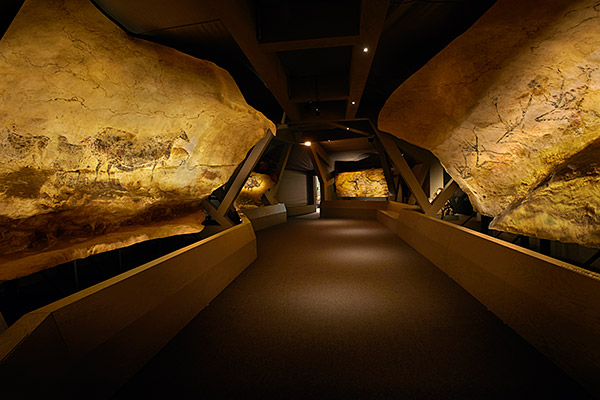
© SPL Lascaux international exhibition
It’s the rare few who will have the opportunity to enter the original Lascaux Cave, but thanks to the foresight of the French government and the hard work of dedicated scientists and artists, an exact replica was opened in 1983 that gave visitors a chance to experience the amazing archaeological site. Nearly 20 years later additional replicas have begun to tour the world.
A few days ago we posted about Judith Thurman’s receiving a Medal of Chevalier in part for her inspiring writings about the Chauvet cave. It was a happy coincidence that the traveling exhibit had just opened in Toyko’s National Museum of Nature and Science.
The National Museum of Nature and Science, the Mainichi Newspapers, and Tokyo Broadcasting System Television, Inc. will hold a special exhibition, “Lascaux: The Cave Paintings of the Ice Age”, from Tuesday, Nov. 1, 2016 to Friday, Feb. 19, 2017. About 20,000 years ago, dynamic pictures of animals were painted on the walls of caves found in southwestern France, the Lascaux Caves. Continue reading
 Organikos