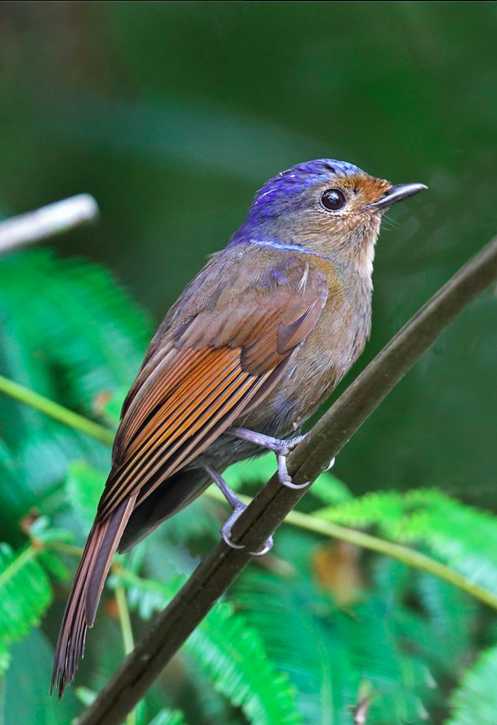
female – Leimhakong, Manipur
female – Leimhakong, Manipur
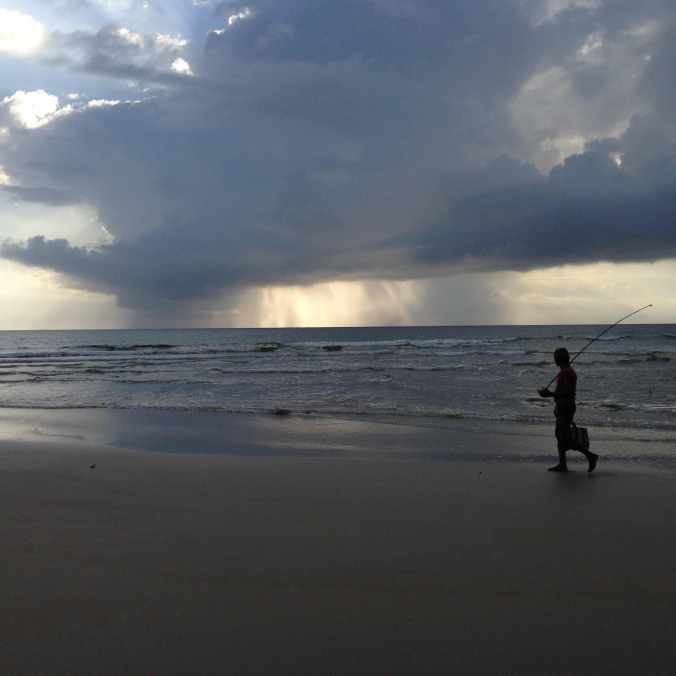
Thanks to EcoWatch for this:
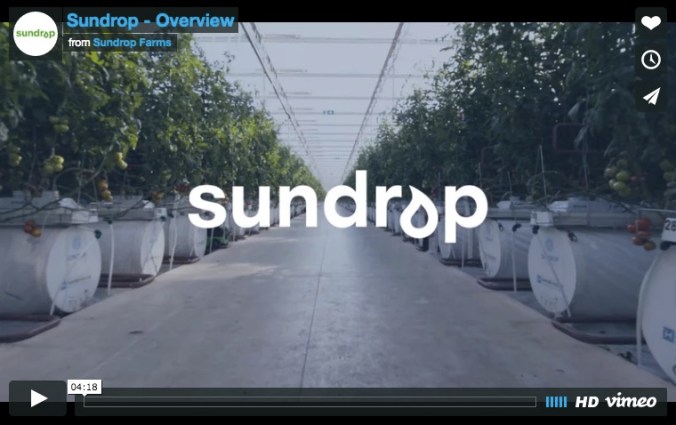
World’s First Farm to Use Solar Power and Seawater Opens in Australia
Sundrop Farms, a tomato production facility that is the first agricultural system of its kind in the world, celebrated its grand opening in Port Augusta, South Australia, Thursday.
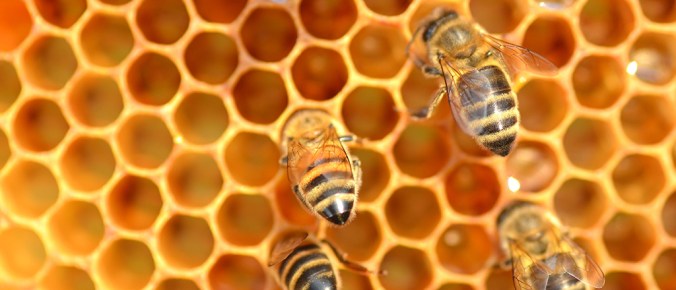
Every now and then a podcast changes my view on something important. Sometimes I cannot tell exactly what shifted my view–case in point is the podcast below which is full of facts I already knew, and if you have been following our site at all in recent years you would have seen dozens of posts covering many of these same facts. But somehow the personal touch of the two guests on this podcast intensified my view of the importance of bees in general, honeybees in particular, and our responsibility for finding a path to a future where bees can survive:
How Honeybees — and Humans — Are Being Stung by Environmental Problems
It’s just a tiny insect, but the humble honeybee has a huge impact on our way of life. Aside from providing honey, honeybees are responsible for pollinating a majority of the crops consumed in the United States and around the world, from blueberry patches in Maine to almond groves in California. But honeybees are facing both natural and manmade threats that are killing them by the millions. A major result of these threats — colony collapse disorder — is already being felt in the beekeeping industry, which has reported astounding losses in recent years. Continue reading
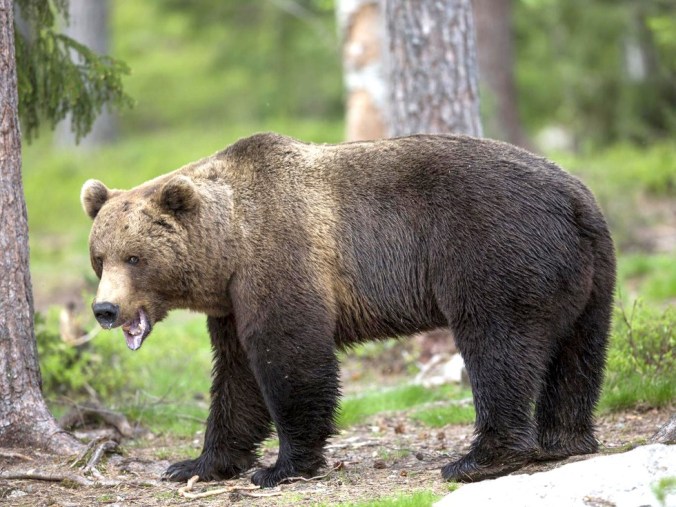
Romania’s government has taken action to protect its large carnivores from trophy hunters.iStock
There was a time when we found portions of the hunting-to-support-conservation argument compelling. Our view is getting more and more firm against it. We applaud a small country teeming with wildlife for taking a firm stand:
Wildlife Advocates Celebrate: Romania Bans Trophy Hunting
By Alicia Graef
In a surprise move that has wildlife advocates cheering, Romania’s government has taken action to protect its large carnivores from trophy hunters.
Last week, the Environment Ministry announced a total ban on trophy hunting of brown bears, wolves, lynx and and other wild cats, which is expected to save thousands of animals from being killed. Continue reading
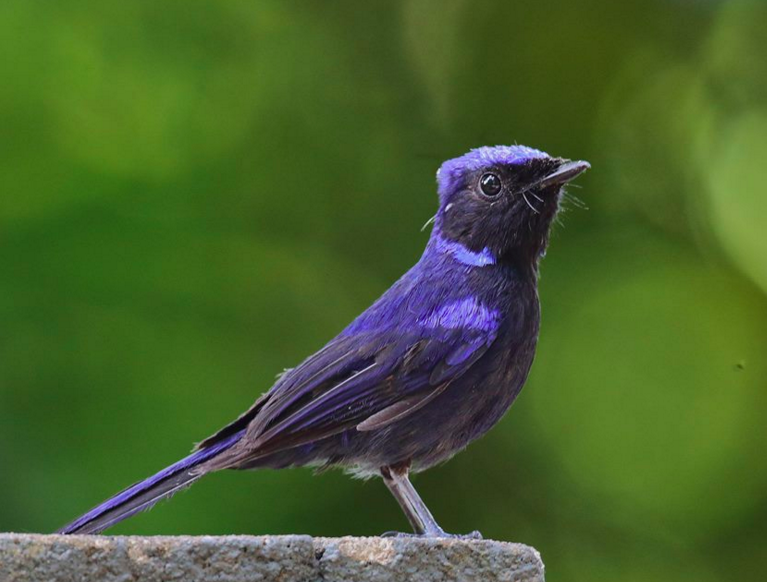
male – Leimhakong, Manipur
Credit Ping Zhu
A writer who captures the nuanced relationship between conservation of nature and culture has our attention:
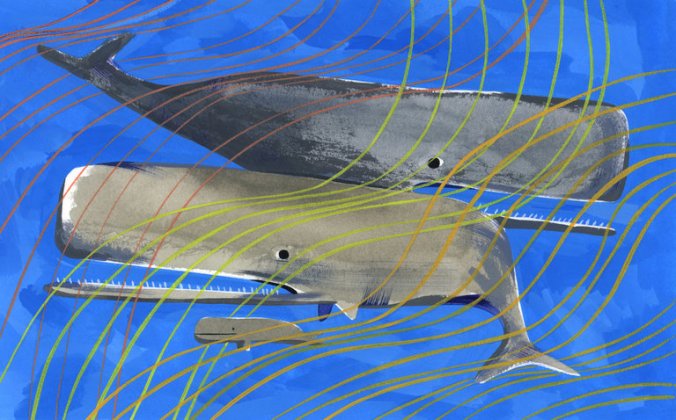
The Lost Cultures of Whales
By
Aboard the Balaena, Caribbean — I am alone on deck, my headphones filled with the sounds of the deep ocean. I have been tracking the sperm whales since 4 a.m. Now the island of Dominica imposes its dark shape in front of the rising sun.
“We have whales!” I shout down to Hal Whitehead, who founded the Dominica Sperm Whale Project with me a decade ago. He puts the kettle on and asks who it is as he comes on deck. Continue reading
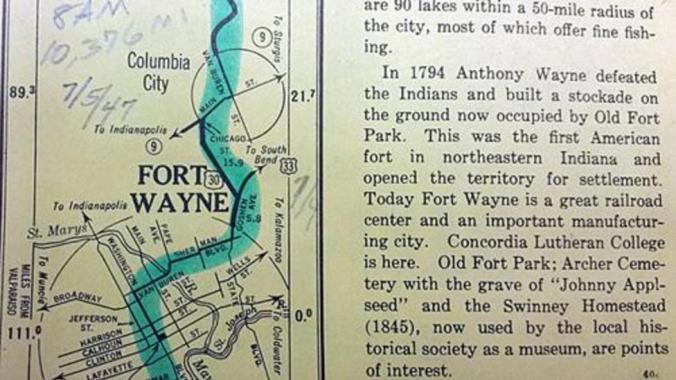
If you are old enough to remember regularly using postal services, as in letters printed on paper, placed in paper envelopes with stamp(s) affixed, then you can appreciate the assumption that paper maps are on their way out just like old fashioned letter-writing and sending. This article on the BBC website catches our attention for a counter-intuitive finding:
Why Paper Road Maps Won’t Die
In an age of Google Maps and GPS, paper maps sales are on the rebound
How did we manage to get from point A to B before GPS and navigation apps — especially when such journeys were long distances? Continue reading
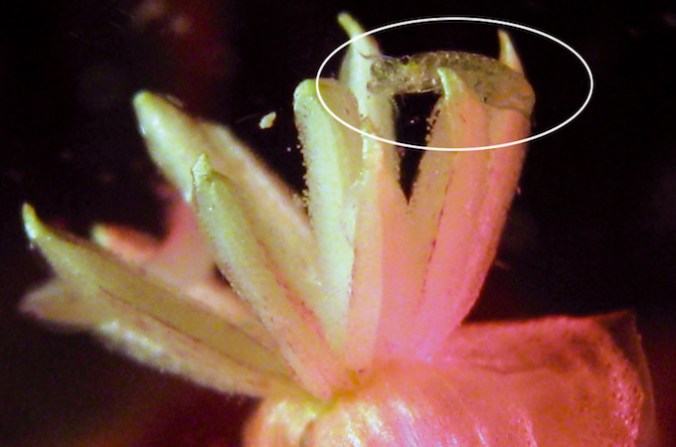
Image: Brigitta van Tussenbroek
We try to learn something new each day, and when we do, we pass it along here. Thanks to Conservation magazine for this one:
THE NEW UNDERWATER WORLD OF POLLINATION
Even at this relatively late stage in Earth’s exploration, it’s still possible to discover phenomena that are widespread, ecologically important, and—frankly—beautiful. Continue reading

Carara National Park, Costa Rica
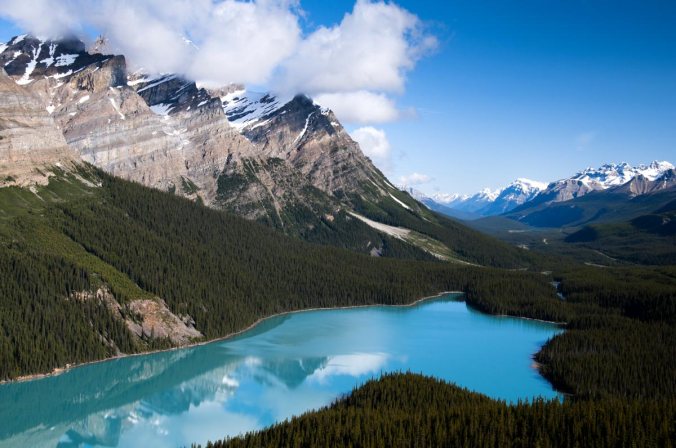
Peyto Lake, one of the many lakes in Banff. Image via authentikcanada.com
Established in 1883 by three railway workers who discovered a natural hot spring on the slopes of the Canadian Rockies, Banff National Park is Canada’s first national park and the birthplace of the world’s first national park service. Located in the heart of the Canadian Rockies, the park boasts more than a thousand picture-perfect glaciers and glacier-fed lakes, Castleground Caves (the country’s largest cave system), and several national historic sites. It also encompasses Banff, the highest town in Canada at an elevation of 4,540 ft, which makes it feasible and convenient to enjoy the sights over a period of days (which you will surely want to do).
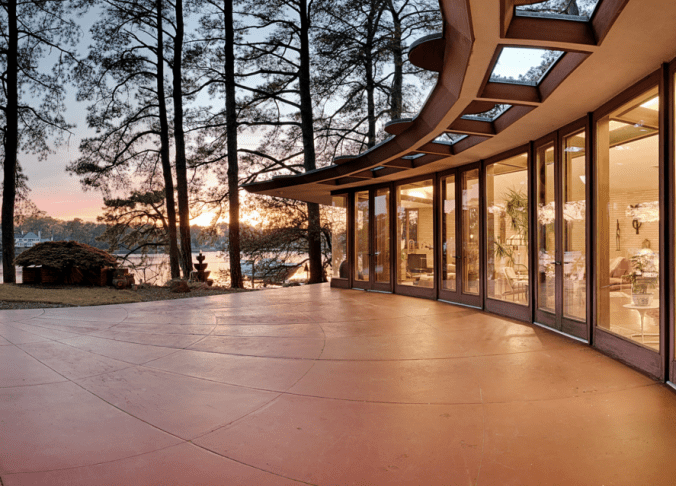
Earlier this year when I wrote about the Art Institute of Chicago’s Airbnb listing of their reproduction of Vincent Van Gogh’s famous Arles bedroom I thought that was the pinnacle of Airbnb cool.
Staying at a home designed by famed architect Frank Lloyd Wright seems equally as fun but far more expansive then the 19th century artist’s exuberantly painted bedroom – taking in the view for starters.
The Cooke House in Virginia Beach, Va., built in 1959, is one of Wright’s last commissioned works. It’s a hemicycle-shaped dwelling made of brick with a vast windowed living area overlooking a lake. Continue reading

Superb science journalism:
Six Scientists, 1,000 Miles, One
Prize: The Arctic BumblebeeA team of researchers scours the wilds of northern Alaska for Bombus polaris, a big bee that has adapted to the cold and that can teach them more about the effects of climate change.
By
DALTON HIGHWAY, Alaska — “To bees, time is honey.”
— Bernd Heinrich, “Bumblebee Economics”
Hollis and Bren Woodard capturing bees next to the Alaskan pipeline. Katie Orlinsky for The New York Times
One hundred miles north of the Arctic Circle, by the side of a dusty road, two women in anti-mosquito head nets peer at a queen bumblebee buzzing furiously in a plastic tube.
“I think it’s the biggest bumblebee I’ve caught in my life!” Kristal Watrous says. Continue reading
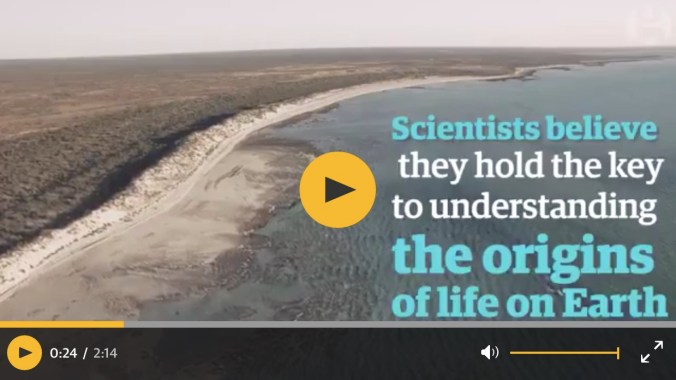
We humans are part of a very tiny slice of history, whereas in Western Australia we can have a glimpse at a big slice of history. It is humbling, and at the same time inspiring. As good science journalism should be. We are not too proud to admit that these had completely escaped our attention until just now:
The natural wonder that holds the key to the origins of life – and warns of its destruction
Stromatolite-building bacteria once ruled the Earth, then changed its climate so much they nearly became extinct. Michael Slezak visits the world’s largest surviving colony in Hamelin pool, Western Australia
Just shy of the westernmost tip of the Australian continent lies a pool that provides an unparalleled window into the origins of life on Earth. In its warm, briny waters a biological process takes place that began just as the continents were starting to form.
It is this very process that made the abundance of life on the planet possible and studying it today promises insights into how life began as well as what the Earth was like 3.7bn years ago. Continue reading

Latpanchor, West Bengal
Bill Hampton, chief executive of Kite Power Solutions. Photograph: Sarah Lee for the Guardian
Kite power to take flight in Scotland next year
Kite Power Solutions plans to open UK’s first kite power plant and predicts the technology could global ease energy costs
Rob Davies Continue reading

The Rose Reading Room is luxurious in the way that only certain shared spaces can be. Its grandeur attracts its visitors, and is in turn amplified by their presence: the true urban symbiosis. PHOTOGRAPH BY DREW ANGERER / GETTY
It was the room in the photo above where I sat, in the early 1990s, collecting some data for a research project that would eventually become my doctoral dissertation. I had been in that room once or twice in my youth, but as an adult on a specific mission (little did I know the data collected that day would help me develop ideas that we now call entrepreneurial conservation within La Paz Group) the room barely registered in my notice. Except as a very practical place to read some historical documents.
So I am delighted to see that room again after a long time. It looked great to me the last time I saw it. Now I can say wow for different reasons. The legacy of the room is protected, and perhaps renewed for another hundred years. If you click the image and go to a larger viewing with greater detail, you will understand why the word luxury fits in the title of this post on the New Yorker website.
It is not our practice to use the word luxury because it is so laden with old and often inappropriate (considering the ecological condition of the planet, considering advances in socio-economic development, and considering other modern sensibilities) meanings. So we appreciate when others take care in how they use it:
THE ROSE READING ROOM AND THE REAL MEANING OF “LUXURY” IN NEW YORK CITY
To say that the ceiling of the Rose Main Reading Room, at the New York Public Library’s main building, on Fifth Avenue—the biggest room in the biggest public-library branch in the country’s biggest city—is an ornate piece of work is putting it mildly. Continue reading

male – Dunwoody, Georgia, USA
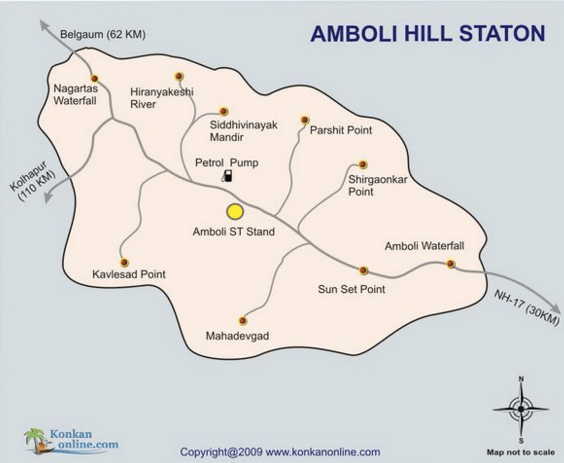
We wouldn’t be true to one of our core interests if we didn’t take birding into account while doing our reconnaissance of the natural and cultural activities surrounding Aarvli.
Crist’s trip to the Amboli Reserve earlier in the week was one such visit. A quick search of eBird hotspots turned up Amboli Village (with a count of 116 species) and Amboli Forest (with a count of 65 species). The map above gives a brief sense of the multiple look out points that could prove to be excellent birding opportunities. Continue reading
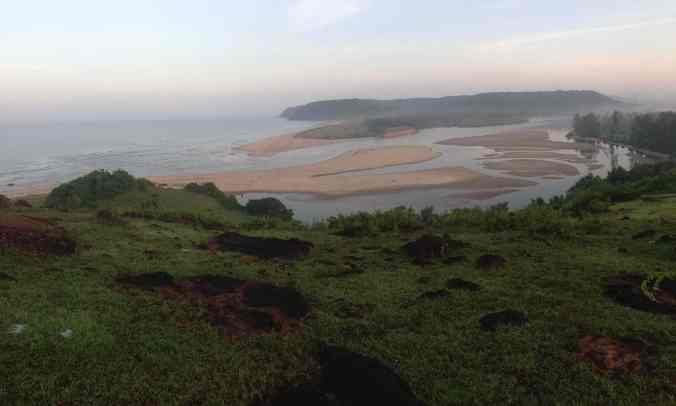
As soon as there is enough light each day I start my walk from the Aarvli bluffs to the water below. I start in the estuary, then move along the sea. The patterns around sunrise are not unlike those at sunset.
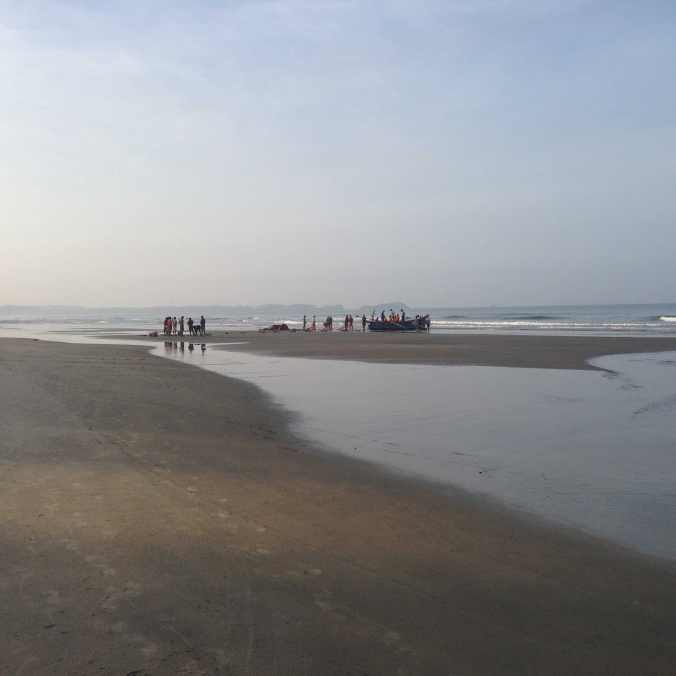
Fishing with this type of boat is a community activity, day in and day out. Many are required to get the boat back onto shore, first with the nets coming off and then the boat being block and tackled up the sand. Continue reading

 Organikos