Get Your Hands Dirty

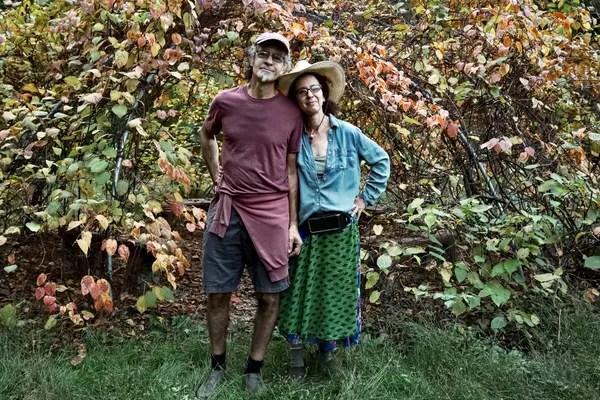
Gardening can provide people with a sense of meaning and purpose. “When you’re working with plants, you’re the nurturer,” said Emilee Weaver, the program manager of therapeutic horticulture at the North Carolina Botanical Garden. Jasmine Clarke for The New York Times

This is good reading following my morning routine in recent weeks, now that the rains have returned. Thanks to Dana G. Smith, who reported this story from Plant Hardiness Zone 8a for the New York Times:

Digging holes can be a workout and mood booster all rolled into one.

Last Saturday, I was covered in dirt, my back ached, the scream of a trillion cicadas rang in my ears, and, despite my best efforts, a sunburn was developing on the back of my neck.

I was in heaven.

Many gardeners say that when they get their hands in the soil, they feel stress “roll off their shoulders,” said Jill Litt, a professor of environmental health at the University of Colorado at Boulder. Ike Edeani for The New York Times

Over the course of the day, I planted my summer haul of annuals (a riot of reds, purples and yellows), transplanted some fall-blooming mums and pulled a Montauk daisy that had grown too big for the space. A neighbor took the daisy off my hands, and in return gifted me some iris and lamb’s ear that he needed to thin out of his yard.

For me, gardening is a workout, meditation and opportunity to socialize with my neighbors all rolled into one. And while I’m admittedly biased, research backs up some of my observations that gardening can have real benefits for your mind and body.

Shoveling mulch, pulling weeds and lugging around a watering can all qualify as moderate-intensity physical activities. And gardeners tend to report higher levels of physical activity overall, compared with non-gardeners. Continue reading

One Film, Two Decades Of Influence

It has not been top of mind for any of us contributing to this platform, but Michael Svoboda, the Yale Climate Connections books editor, puts the influence of this film in perspective:

The enduring influence of “The Day After Tomorrow,” 20 years later 

The groundbreaking film popularized an extreme climate scenario. To what effect?

It has been 20 years since we first saw the paleo-climatologist Jack Hall, played by Dennis Quaid, standing at a railing overlooking a command center at NOAA and asking his colleagues the question that baffled them: “What about the North Atlantic Current?” Continue reading

Cheaper, Faster, Better

The author of this book was a presidential candidate in the USA briefly in what seems the distant past of just a few years ago. His publisher says this:

Renowned investor and climate champion Tom Steyer gives us a unique and unvarnished perspective on how we can all fight climate change—joyfully, knowledgeably, and even profitably—at a time of unparalleled consequence and opportunity.

Blurbs for the book include: Continue reading

Sailing Circa 2024

photograph: getty images

Continuing the theme of new sailing technology, our thanks to the Economist:

A new age of sail begins

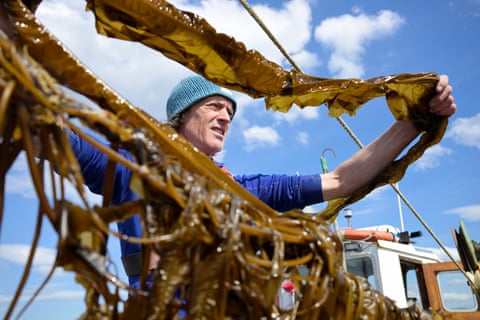
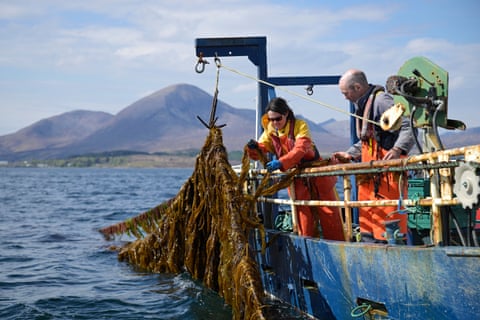
By harnessing wind power, high-tech sails can help cut marine pollution

In 1926 an unusual vessel arrived in New York after crossing the Atlantic. Continue reading

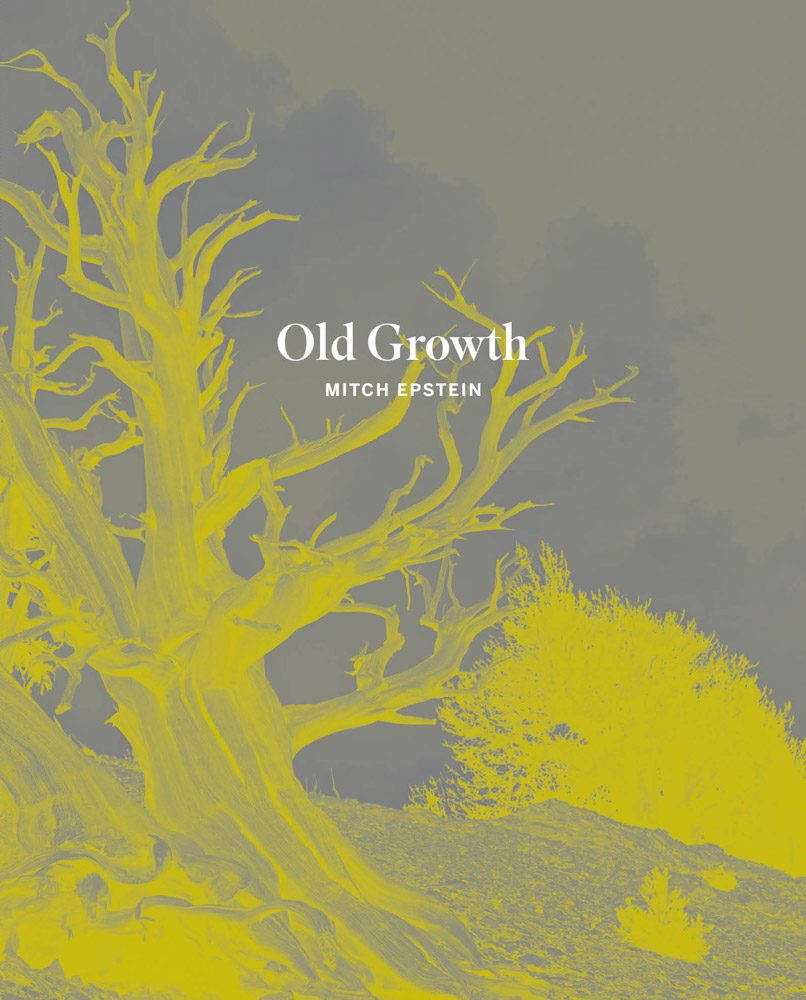
Brutalist Plants, Reviewed

Les Étoiles d’Ivry, Paris, France. Architect: Jean Renaudie (Image credit: pp1 / Shuterstock)

Olivia Broome’s new book is reviewed in Wallpaper:

‘Brutalist Plants’ is a new monograph capturing the best of eco-brutalism

‘Brutalist Plants,’ the new book by Olivia Broome, captures concrete architecture engulfed with nature

‘Brutalist Plants’ is a new book featuring an impressive selection of imagery that captures the very best of the trend of ‘eco-brutalism’. This texture-rich movement has been gathering attention recently, focusing on brutalist architecture that has been – to varying degrees – embraced by flora, as planting engulfs entire structures, creating a calming concrete jungle for urban living. Continue reading

Really, 3M?

Image may contain Cosmetics Medication and Pill

In April, the Environmental Protection Agency finalized two historic regulations of forever chemicals, which are found in countless everyday products. Photo illustration by Philotheus Nisch for The New Yorker

There is nothing to enjoy in this article, but we appreciate the work of the journalist Sharon Lerner and her colleagues at the New Yorker and Pro Publica involved in bringing it to us:

How 3M Discovered, Then Concealed, the Dangers of Forever Chemicals

The company found its own toxic compounds in human blood—and kept selling them.

Kris Hansen had worked as a chemist at the 3M Corporation for about a year when her boss, an affable senior scientist named Jim Johnson, gave her a strange assignment. Continue reading

Romanian Bison & Carbon Sequestration

Bison (Bos Bonasus), Kennemerduinen National Park, Kraansvlak, The Netherlands. Enclousure in a fenced reserve, 250 hectar, in Kennemerduinen National Park. STAFFAN WIDSTRAND / REWILDING EUROPE

Bison restoration stories we have linked to are mostly in North America. But the Carpathian mountains have demonstrated Romania’s outsized efforts at rewilding. Now the largest such effort in Europe, according to Rewilding Europe, is this:

The goal of the Tarcu Mountains bison initiative is to help build a herd of at least 500 bison living in freedom by 2025 in the Southern Carpathians. This is an area spanning some 1.4 million hectares of wild mountains and valleys in the southern part of the Carpathian mountain chain.

Thanks to Yale e360 for more on this news from Romania.

European bison in the Carpathian Mountains in Romania. DANIEL MIRLEA / WWF ROMANIA

How a Small Herd of Romanian Bison Is Locking Away Thousands of Tons of Carbon

Gone from Romania for 200 years, European bison were reintroduced to the Țarcu Mountains, at the southern end of the Carpathian range, in 2014. Now numbering 170, the bison are reshaping the mountain landscape in ways that are helping clean up emissions. Continue reading

Slowed Growth Of Fossil Fuel

For those who might say too little too late we say this still counts as good news worth reading, so thanks to Yale Climate Connections:

‘Turning point in energy history’ as solar, wind start pushing fossil fuels off the grid

Fossil fuel growth has stalled while wind and solar are growing.

Solar and wind energy grew quickly enough in 2023 to push renewables up to 30% of global electricity supply and begin pushing fossil fuels off the power grid, the Ember climate consultancy concludes in a report released May 8. Continue reading

Ever Green & Restoration Of Abundance

We missed Ever Green when it was published last year, but it came to our attention through this essay by one of its co-authors in the current issue of The Atlantic. The essay is about a path to the restoration of hope:

Our Once-Abundant Earth

Protecting species from extinction is not nearly enough.

When Otis Parrish was a kid in the 1940s, abalone were abundant. Each abalone grows in a single, beautiful opalescent shell, which can get as big as a dinner plate. Parrish’s father showed him how to pry the abalone off the rocky shoreline at low tide with an oak stick or the end of a sharpened leaf spring. Continue reading

Sounds Right

You will have to sleuth for background information, because the website does not provide any; it just says in boldface and a few lines of detail what the initiative is trying to do:

music selection opens in Spotify

Sounds Right is a music initiative to recognise the value of NATURE and inspire millions of fans to take environmental action. For the first time, NATURE can generate royalties from its own sounds to support its own conservation. Continue reading