
(formerly Blue-crowned Motmot) Gallon Jug Estate, Belize
(formerly Blue-crowned Motmot) Gallon Jug Estate, Belize

A raspberry dessert at Café Gratitude in Hollywood. Credit Monica Almeida/The New York Times
A few days back I was struck by a post on this site about lab-grown foods, and wanted to continue the thought exercise by sharing a few comments on a brief article I had just read elsewhere on the intersection between performance art and food issues. Two more cents to add here, by way of a few excerpts from this fascinating, if alarming, article:
Eschewing a Vegan Lifestyle at Home, but Still Embracing It at Work
Source: Greenbiz.com
Bio-based materials are becoming more mainstream and according to Duke University’s Center for Sustainability & Commerce, over $400 billion worth of conventional manufacturing products are produced each year using biomass, which in many cases are more sustainable than older alternatives. Nonetheless, bio-based alternatives have yet to reach scale due to traditional industry adhering to classic chemistry.
This is beginning to change, as breakthroughs in bio-based materials engineering reach a tipping point. Collective understanding of how microbes work is, for the first time, allowing us to make chemicals in a safer and more environmentally friendly way. It is possible for us to engineer microbes to have specific functions, including a variety of sustainability applications.
Source: triplepundit.com
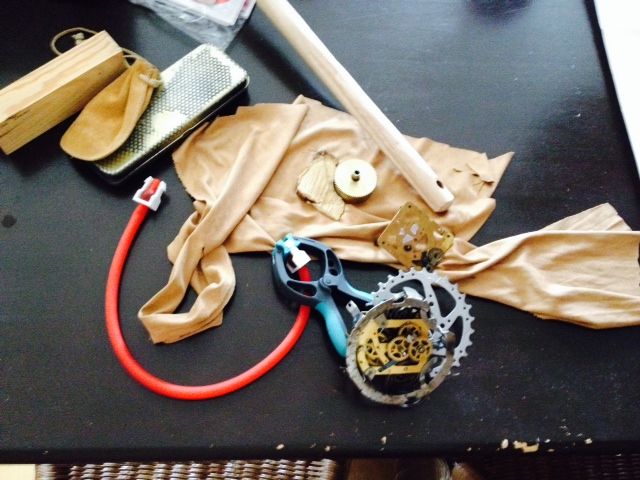
The concept of upcycling has become a movement thanks to innovative and sustainable companies that divert our wasteful habits and produce other goods in order to recreate the cycle in nature: nothing goes to waste. An example of one of these companies in the clothing industry is Looptworks. The company only uses excess materials that would have otherwise been incinerated or ended up in landfills to create high-quality bags, accessories and apparel.
Co-founder Scott Hamlin noticed the issue of clothing material waste in the manufacturing process during the time he worked for a large outdoor apparel company.
“Thirty percent of our materials never actually got used in manufacturing,” Hamlin said of his prior work experience with an outdoor gear company. “To me, that was a huge issue that nobody was talking about. It was dealt with as ‘business as usual.’”

Tasman Lake, which is fed by melt water from the retreating Tasman Glacier. Photo by Trevor Chinn
The kiwis referred to here are cute, small, fluffy, brown birds, not to be confused with small fuzzy brown fruit nor with the people who live in New Zealand. These flightless and nocturnal birds used to be divided in three to five species, but new DNA evidence from extensive blood sampling conducted over the last couple decades in their island home is indicating that there is in fact much more genetic diversity – which is often separated geographically – than previously thought, perhaps even enough to declare new species, or at the very least certainly new subspecies. And this might affect conservation strategies for these birds, which are all either endangered or vulnerable to endangerment. Ed Yong reports:
Several million years ago, a small bird flew to New Zealand. Arriving there, it found few threats and plenty of opportunities. In the absence of mammals, its descendants gradually lost the ability to fly, as island birds are wont to do. They also evolved to fill those niches that mammals typically occupy, rootling around the leaf litter in search of worms and grubs. They transformed into that icon of New Zealand—the adorable, bumbling kiwi.
Or rather, they transformed into the kiwis.
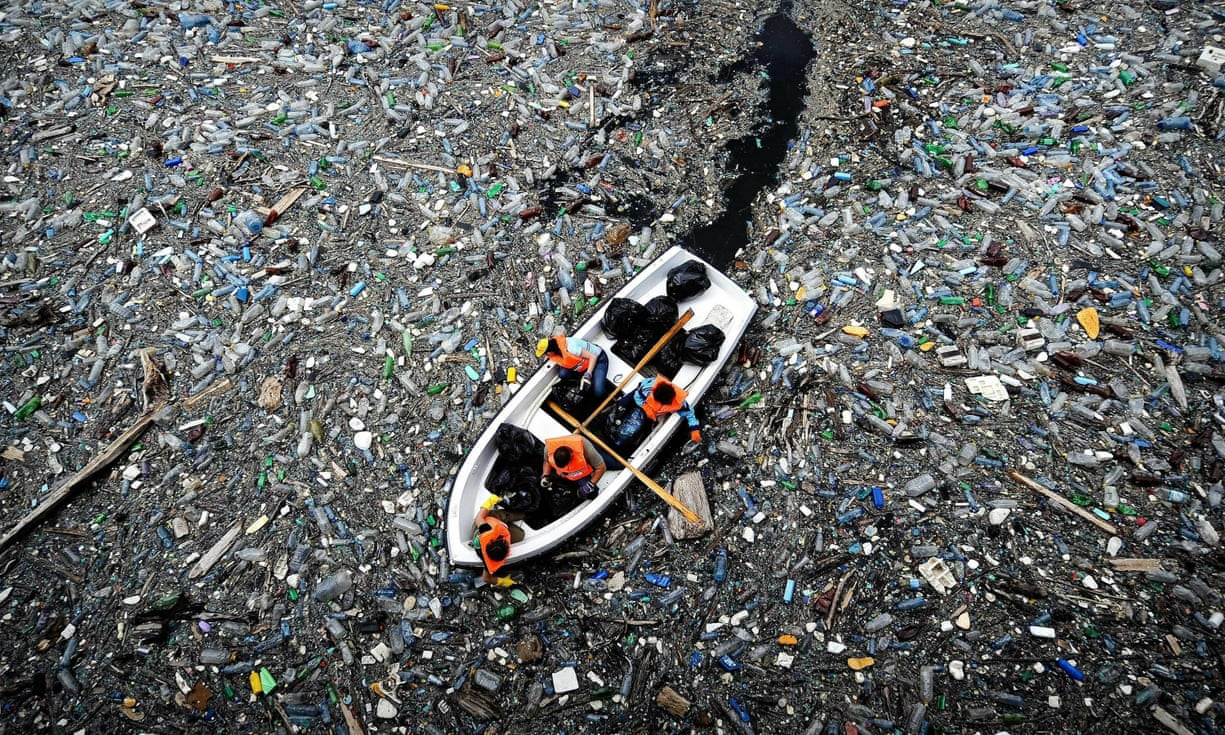
One candidate to be considered as evidence of the Anthropocene is plastic pollution. Photograph: Dimitar Dilkoff/AFP/Getty Images
We’ve covered the science and evidence behind the idea of our new geological epoch – one influenced by human activity – several times over the years, quoting various sources like The New Yorker, the New York Times, and The Economist. Now, the Working Group on the Anthropocene has presented their official recommendation to the International Geological Congress that the Anthropocene be declared a new epoch starting around 1950, based on world-wide evidence such as radioactive elements from nuclear bomb explosions, plastic pollution, and even domesticated chicken bones. Damian Carrington reports:
The current epoch, the Holocene, is the 12,000 years of stable climate since the last ice age during which all human civilisation developed. But the striking acceleration since the mid-20th century of carbon dioxide emissions and sea level rise, the global mass extinction of species, and the transformation of land by deforestation and development mark the end of that slice of geological time, the experts argue. The Earth is so profoundly changed that the Holocene must give way to the Anthropocene.

photo credit: Stephen Crafts
Ding Darling National Wildlife Refuge, Sanibel Island, Florida
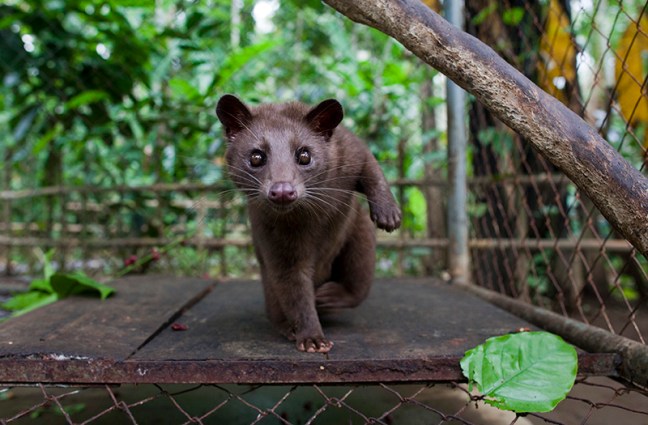
An Asian pal civet at a wildlife farm in Bali, Indonesia. Source: Yale
Whether wildlife farming helps or hurts threatened species is a highly contested question among conservationists and food security consultants. An article written by Richard Conniff in Yale News helps us understand both sides of this controversial and lesser-known practice:
Wildlife farming is … a tantalizing idea that is always fraught with challenges and often seriously flawed. And yet it is also growing both as a marketplace reality and in its appeal to a broad array of legitimate stakeholders as a potentially sustainable alternative to the helter-skelter exploitation of wild resources everywhere.
Food security consultants are promoting wildlife farming as a way to boost rural incomes and supply protein to a hungry world. So are public health experts who view properly managed captive breeding as a way to prevent emerging diseases in wildlife from spilling over into the human population.
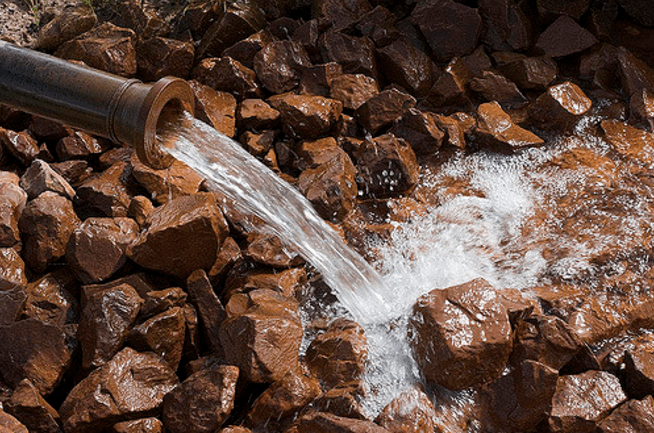
Image credit: Royal Olive via Flickr
A thought-provoking question, the economic and political debate over regulation and efficiency is one that has plagued governments long before the US Environmental Protection Agency was created. But with the EPA’s role in regulating pollution (among other things, of course) has come the question of whether corporations can actually benefit in the long run as a result of more stringent requirements that prevent wanton waste, for instance, being put in public waters. Sarah DeWeerdt reports:
According to conventional economic wisdom, the cost of complying with environmental regulations represents a burden that eats into companies’ profits. But another view, known as the Porter hypothesis, holds that environmental regulations can spur innovation and increased efficiency, ultimately increasing profitability.
Economists have debated these ideas for the past two decades but have had little direct empirical evidence to help settle the matter. Now, researchers Dietrich Earnhart of the University of Kansas and Dylan Rassier of the U.S. Department of Commerce have provided such a real-world test with a look at the U.S. chemical manufacturing industry between 1995 and 2001.

Red (despite the color) seaweed in spaghetti style. Photo © Ricardo Radulovich, UCR professor
A little less than a year ago, I read a very interesting article in The New Yorker about growing seaweed in Long Island Sound, off the shore of Connecticut, that held inspiring information on the environmental effects of farming the marine macroalgae: it absorbs excess nitrogen, phosphorus, and carbon dioxide from the ocean, all of which otherwise negatively affect the ecosystem’s health. Seaweed also can be a solid source of protein, vitamin B12, Omega 3 and 6 fatty acids, and fiber. So growing it is good for the oceans as well as our bodies.
Today, I was reminded about Dana Goodyear’s piece from last November as I read a headline on the University of Costa Rica’s webpage announcing that researchers from their School of Agricultural Engineering and Biosystems, after years of trial studies, will be promoting the growth of seaweed farming off of both coasts of Costa Rica, where they hope it will become a significant food source for the country. Continue reading
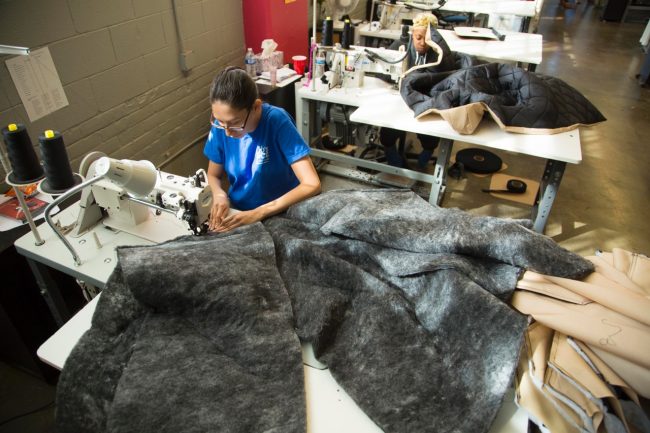
Plastic bottles from GM plants are turned into insulation for jackets. Source: General Motors
Converting to a Closed-loop business model from an Open-loop model presents its challenges, but General Motors (GM) is a good case study of a corporation that is making progress in the closed-loop direction. GM has a zero-waste agenda which encompasses a variety of recycling programs that uphold their claim:
In recent years, the company added used water bottles to its kit of raw materials. Two million water bottles, many of which are from Flint, have been recycled into three products, which include engine covers for the V-6 Chevrolet Equinox, air filters for 10 GM plants, and coats for the homeless through a partnership the company has with a Detroit nonprofit. Through this recycling program, GM says it works with a total of 11 organizations while boosting its waste diversion efforts.
[The] challenge the automakers face in using recycled products for parts is whether they can maintain the same quality and strength of conventionally made materials.

Alleppey District, Kerala
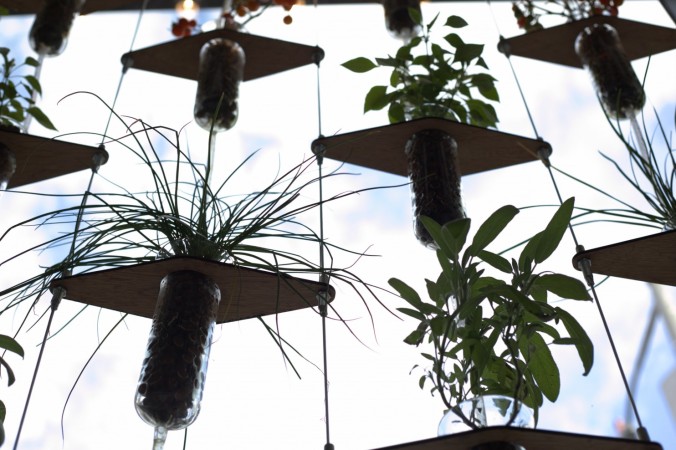
A vertical hydroponic system that also serves a artistic window decor by Michael Doherty.
Source: Washington Post
Hydroponics is far from a new subject on our blog (read on Milo’s experimentation with hydroponics), and while the sustainable benefits of this gardening method have been shared before, there is still one aspect we haven’t covered: appearance.
Just to cover the basics once again, hydroponics is a system of growing plants without soil and using mineral nutrient solutions in water. It’s water efficient and can be done easily in tight quarters, which means anyone can create a hydroponic system – in theory.
“If you understand the fundamentals, what the plants need, and you have some practical use of tools, it can be just a kiddie pool filled with water and a floating piece of Styrofoam board with holes cut in it,” believes Gene Giacomelli, a professor of agricultural and biosystems engineering at the University of Arizona and director of the Controlled Environment Agriculture Center.

Merdacotta (baked processed cow dung mixed with clay and hay) products. Credit Alex Majoli
I’ve shared some thoughts on dung in the past, and also experienced first-hand the use of methane collected as an alternative energy source at a coffee farm in Nicaragua. There, the gas was used for cooking fuel, but in the case of Castelbosco farm in Piacenza, Italy, dairy farmers who make Grana Padano cheese also generate electricity from their dung’s methane, and run a museum that showcases poop in part of a medieval castle. They also make the beautiful pots, tableware, and tiles shown in the photo above. Christine Smallwood writes for the New York Times Style Magazine:
THE DAIRY FARMER Gianantonio Locatelli climbed up the steel ladder and peered over the brim of a large corrugated vat, about the size of a very deep above-ground swimming pool. “It’s full!” he exclaimed, with warbling joy. “It’s beautiful!”
The vat was full of liquid cow dung. I handed my phone to Locatelli’s friend, the architect Luca Cipelletti, and climbed the ladder to the top, disembarking on a viewing dock. Beneath my feet the manure bubbled and gurgled, forming foamy peaks and crests. It was a topographical map, a primordial stew. A rich and beautiful shade of brown.

Dean Kamen. Credit: DEKA Research
It is a somewhat morbid urban legend that the inventor of the Segway drove off a cliff in a fatal freak accident, but is founded in some truth: the man who purchased the company from inventor/entrepreneur Dean Kamen did indeed pass away in such a manner, a year after acquiring the tech manufacturer and nine years after the creation of the two-wheeled transportation tool. Mr. Kamen being alive and well, with hundreds of patents and plenty of ideas for inventions that particularly help in the medical world, spoke with Chau Tu from Science Friday about his company DEKA Research and Development and his history of prolific invention:
How did you first get interested in engineering?
I think I got started in a much more unusual way than most people I know. I sort of got into it as a kid, because I wanted to make things that weren’t available at the time, and in order to make them, I had to learn some engineering. I learned a little bit of electronics, I learned a little bit about mechanics, and I learned a little bit about how to make things and run machines—a lathe and a mill and a machine shop. I did that long before I academically studied any engineering or math or physics.When I was in college, I had an older brother in med school who was a pediatric hematologist, and he needed ways to deliver very, very tiny amounts of drugs to very, very tiny babies. The equipment in the hospital was pretty much made for adults. So he asked if I could find a way to make a drug delivery system do what he needed. That was one of my first businesses and projects. [This was the AutoSyringe.]

Moon girl and Spiderman. Image from Marvel
Comic superheroes is a curious topic to cover here, but relevant with the development of Marvel’s new comic series of STEAM Variants. Five of Marvel’s heroes are stepping to into a new role and tackling new challenges in science, technology, engineering, art, and math (hence STEAM, sometimes referred to as STEM, which lacks the art component) with the intent of inspire young readers to explore their passions in those disciplines.
“We plan to continue to motivate our fans to explore their passions in the fields of science, technology, engineering, art, and math and present these disciplines through some of our favorite young heroes who are doing just that — following their dreams and preparing for the challenges that await them ahead,” David Gabriel, Senior VP for Sales & Marketing of Marvel Comics said in a statement.
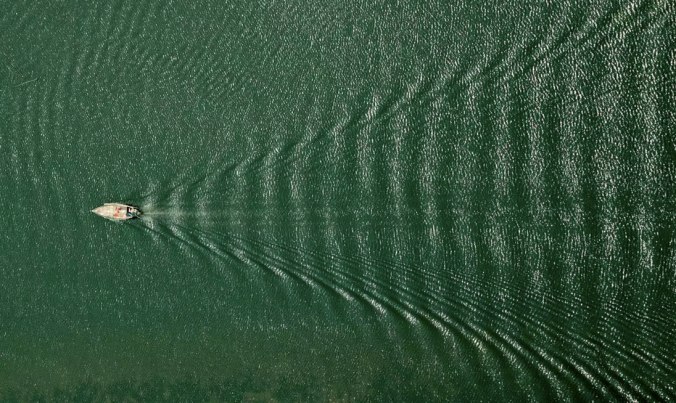
“This was somewhere over Meghna river, most probably over Narshingdi. I was looking for a shot when I noticed the boat splitting the waves and heading strong like an arrow. I was smiling while pressing the shutter – this is one of my favourite pictures.” – All photographs and captions by Shamim Shorif Susom.
Shamin Shorif Susom is a man of many talents. A pilot by vocation and a passionate photographer by hobby, he grabs his aerial opportunities with amazing results. His photos over the waters of his home country Bangladesh are particularly inspiring. Thanks to the Guardian for sharing this set. Continue reading

Lava, West Bengal
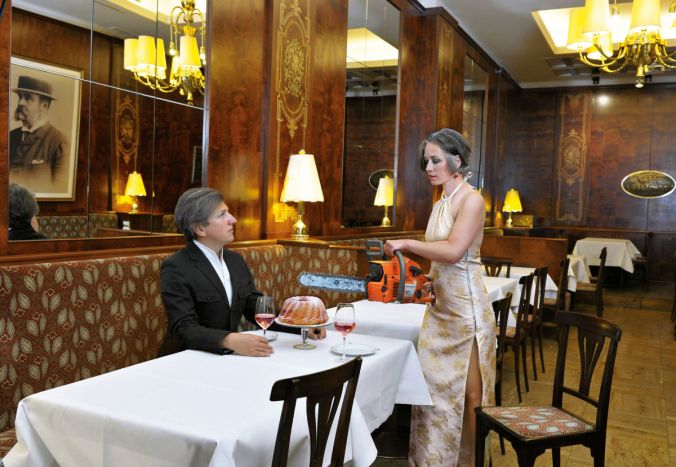
The Austrian performance artists Sonja Stummerer and Martin Hablesreiter, a.k.a. Honey and Bunny, want to make us reëxamine the culinary mores that we take for granted. PHOTOGRAPH COURTESY SONJA STUMMERER AND MARTIN HABLESREITER
I have been on the road for most of the last six weeks and have been consumer of the posts on this site, rather than contributor, for the entire stretch since we got distracted by a hurricane. That’s okay. Other contributors have carried the ball forward well, and before I forget I want to share one recent item I read elsewhere that seems a fitting counterpoint to Jocelyn’s most recent post.
That topic has a kind of ick factor I cannot articulate while at the same time is clearly a topic we are going to need to deal with more and more. I am certainly guilty of avoiding the topic, and must overcome the ick thing. Clearly linked to the lab/food topic is the issue of food waste, which we address on a regular basis here.
We need more diversity in our approach to these tough topics to avoid the feeling of being overwhelmed; antidotes to the ick/tough factor to make the topic more palatable, so to speak. We are so serious in our earnestness that we no doubt add to the weight of the topic, and I speak guilty as charged on that too. It may be that “playful” is an appropriate alternate approach from time to time, as this item suggests:
THE WASTEFULNESS OF MODERN DINING, AS PERFORMANCE ART
Many of us reflect, at least occasionally, on how our gastronomic habits affect the health of the planet. We regret that our takeout dinners come in a Styrofoam container inside a paper bag inside a plastic bag, with white plastic utensils in their very own plastic sheaths. We feel guilty when we order too much food at a restaurant and resign half an entrée to be scraped into the trash. But the pull of convention is most often stronger than these feelings. We eat in the manner we’ve grown accustomed to eating.
The sly and playful Austrian performance artists Sonja Stummerer and Martin Hablesreiter want to make us reëxamine the culinary mores that we take for granted. Continue reading

David Parry/PA Wire via Science Magazine
Like most people, we hold reservations about the idea of putting meat, milk, and egg whites made from laboratory cellular agriculture on the market. Will the proteins be safe for humans to consume? Might there be some unforeseen environmental impact even worse than that of raising cattle where rainforests once stood? Are there ethical considerations that outweigh the hope of freeing the chickens that are kept in cages their whole lives just to harvest their eggs?
We don’t have any answers, but are learning more about the whole process this week from Elizabeth Devitt at Science Magazine, where she writes about the fledgling industry and its potential regulators:
The first hamburger cooked with labmade meat didn’t get rave reviews for taste. But the test tube burger, rolled out to the press in 2013, has helped put a spotlight on the question of how the U.S. government will regulate the emerging field of cellular agriculture, which uses biotechnology instead of animals to make products such as meat, milk, and egg whites.
 Organikos