Nature, Color, Science

Screen Shot 2016-07-09 at 5.50.02 AM

If you happen to be in London, starting July 15 this exhibition at the Natural History Museum looks worth a worth a visit:

Investigate how different animals see the world, and explore your own relationship with colour, through interactive experiences and immersive films.More than 350 specimens feature, from beautiful birds to fossils of the first organisms with eyes. And British artist Liz West has produced a stunning light installation, inspired by Newton’s colour spectrum and blue morpho butterflies in the Museum’s collection.

The BBC gives it a strong review here:

_90172043_b583d8fa-da3c-4d0a-aece-83ff65cc48a5

A new exhibition exploring the relationship between colour and vision in the natural world is opening at the Natural History Museum.

Intense and vibrant natural colours will be displayed in specimens and photographs of insects, animals and plants. At the heart of the exhibition – Colour and Vision, which opens on 15 July – is the question of how we perceive colour. Continue reading

Rethinking Fish

5120

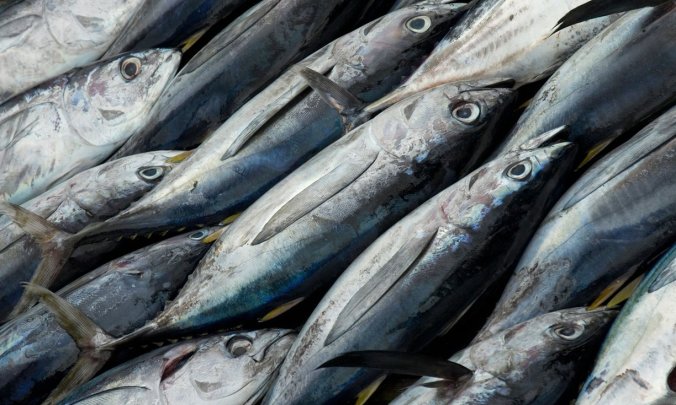
More than 40% of popular species such as tuna are being caught unsustainably, UN FAO says. Photograph: Alamy

Articles like this have me thinking about the meal I had last night, which had not one bit of animal protein in it, and wondering whether I could happily resist adding my own weight to the immensity of the food problem, especially with regard to fish:

Global fish production approaching sustainable limit, UN warns

Around 90% of the world’s stocks are now fully or overfished and production is set to increase further by 2025, according to report from UN’s food body

Continue reading

What Would I Read At Villa del Faro?

Proust

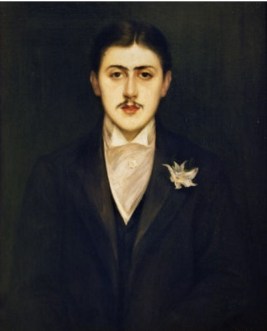
As a teen-ager, Marcel Proust filled out a questionnaire as part of a parlor game. His responses have experienced a startling afterlife. PHOTOGRAPH BY IMAGNO / GETTY

Seth’s post, followed by Jocelyn’s post, both reach me just after reading this fascinating short history on the so-called Proust questionnaire, which I first encountered in the back pages of Vanity Fair magazine when I had nothing better to do. I am reminded of two things: guilty pleasure reading, and actual reading of something other than news, news analysis, or long-form non-fiction–which are a mainstay of my contributions on this site.

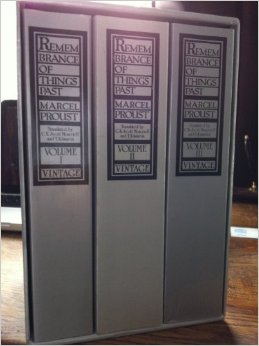
I am reminded of a third thing: Amie’s marathon reading of Proust, and the view of this 3-volume set around our home for a long stretch of time. Those books that she would lug around were the sign of an unreformed, unrepentant student of literature, whose career started as a book editor in New York City, when she had nothing better to do.
41vfEDKvg7L._SY344_BO1,204,203,200_

I say that mainly to contrast what I did with my guilty pleasure reading time back then, and what she did with hers. I say that because in more recent times, especially the past six years in India, she has had something much better to do, and plenty of it to do, and I think we are all better for that. Which has me thinking: if I had the time, what would I read if I could just leave it all behind right now and land at Villa del Faro with nothing but books (and at least a couple changes of clothes, of course)? Would I find that Proust set Amie has in storage? As an amateur nostalgist with limited writing talent, I might choose those volumes as a self-help guide.
9780394711843I write on this site partly to share about events, people and places that I believe are worthy of others’ attention; but also for the sake of further reflection and sense-making of those. Patterns repeat; some people and places important once come back to be important again.  For example, nearly five years ago I was on my third of five extended periods of work in Baja California Sur.  It was on an earlier visit in 2008 that I had met Andy Murphy, then with WWF, with whom I became friends and then eventually more with our project in Ghana. Continue reading

The Melody of Villa del Faro

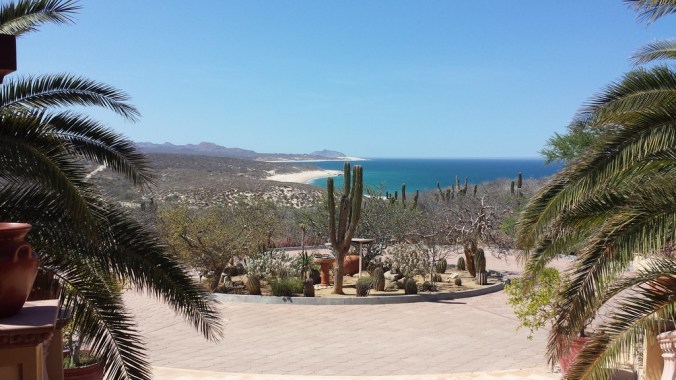
20160707_160842_zpsqsalmexsMy first sightings of southern Baja California from the finger-smudged airplane window surprised me. I expected to gaze upon a flat peninsula with dirt roads connecting a sprinkling of homes; my expectation turned out to be half correct (and I dare readers to guess which part before peeking to the next line). Continue reading
Floating Dairy Farm Planned in Netherlands

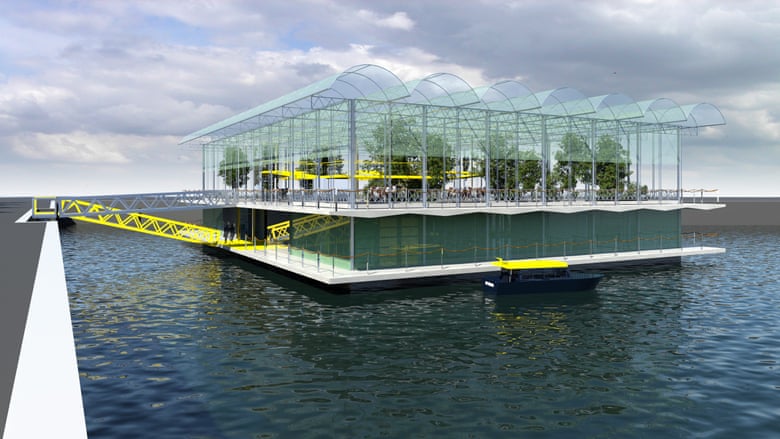
Illustration of proposed floating farm by Beladon.

We’ve written about floating solar panels before, and created a floating fence at Xandari Harbour to keep out water hyacinth, but there are plans in Rotterdam for a floating cow farm that will process milk and yogurt, according to Senay Boztas, writing for the Guardian:

Do cows get seasick? It’s not a question farmers often ask, except in the Dutch city of Rotterdam where a team of developers plans to build a floating dairy.

“They won’t here,” says Minke van Wingerden of Beladon, a company involved with water-based projects from a luxury hotel to this floating farm proposed for Rotterdam harbour. “In Friesland, where I come from, sometimes they bring cows from one place to another on a small barge,” van Wingerden recalls. “[The floating farm] will be very stable. When you are on a cruise ship, you aren’t seasick.”

Continue reading

Villa del Faro’s Layout

The hotel entrance

There are just over a dozen buildings on property, and most of them are for rent by guests wanting to get away from bustling cities or hectic work environments and come down to Baja for some relaxation and the sound of wind and waves.

Villa del Faro’s website references the architecture and interior design as a blend of Mexican hacienda and Italianate villa, which I think perfectly reflects the feel of the structures and decorations experienced as one wanders through the gardens and arches.

Continue reading

Camouflage by Debris

Specimens preserved in amber. © Wang et al. in Science Advances, 2016.

We’ve featured posts here concerning camouflage plenty of times, whether in birds and their eggs, in beach-dwelling crabs, plant-mimicking insects, or strange caterpillars. That last example is the closest to the subject matter of Ed Yong’s latest post on Nat Geo’s Phenomenon blog, where he writes about insects that cover themselves in debris to hide from predators or prey alike:

Every year, in northern Myanmar, thousands of farmers pull tonnes of Cretaceous amber out of the ground, and send the glistening nuggets to local markets. For six years, Bo Wang from the Chinese Academy of Sciences and his colleagues have visited the markets and sifted through 300,000 of the glistening nuggets. It was a lot of work. Then again, it takes a lot of work to find animals that spent their whole lives trying not to be found.

Continue reading

Risky Business, Catchy Name For Catchy Idea

RiskyB

Catchy name means, perhaps, we first think of teenaged Tom Cruise playing the air guitar, until we realize it (the organization whose name is Risky Business) is about something serious. Catchy idea means serious (respected) businessmen funding research on a serious (not respected enough, if you consider the volume of deniers out there) looming crisis:

The U.S. economy faces significant risks from unabated climate change. Every year of inaction serves to broaden and deepen those risks. Founded by co-chairs Michael R. Bloomberg, Henry Paulson, and Tom Steyer, the Risky Business Project examines the economic risks presented by climate change and opportunities to reduce them.

Continue reading

An Introduction to Villa del Faro, via Birds

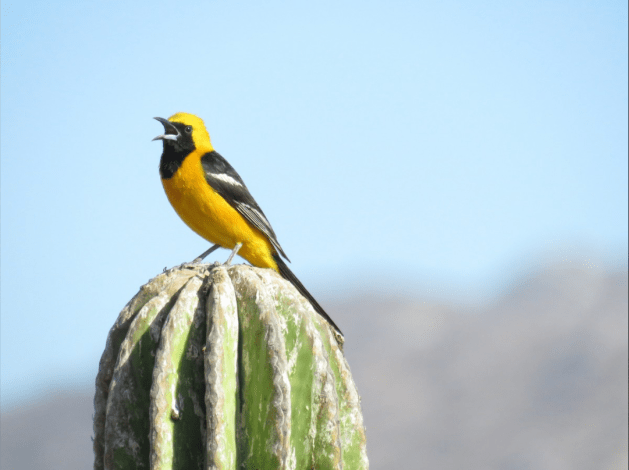
Screen Shot 2020-08-14 at 10.48.43 AM

male Hooded Oriole at Villa del Faro

Jocelyn and I are visiting a property on the southern tip of the state Baja California Sur in Mexico, on the long peninsula running from the mainland into the Pacific Ocean, creating the Sea of Cortez. Grey and Humpback Whales use the sheltered and warm waters in the Bay of California to give birth and raise their calfs, but unfortunately for us, we aren’t here at a time during which these marine mammals can be seen from the many patios and balconies at Villa del Faro.

Continue reading

Drink Maple? Sure

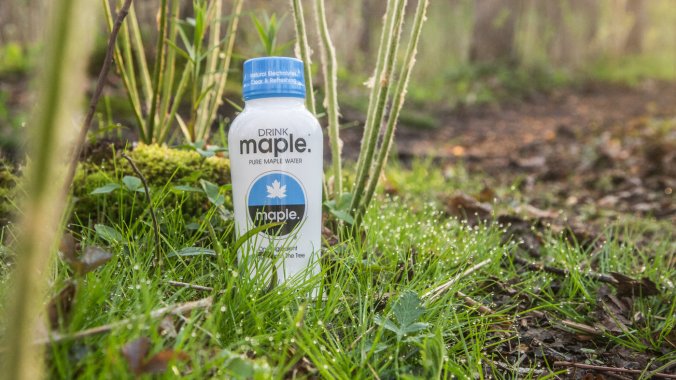
squam-swamp-run-maple--3781_wide-e793fcc0e7e7afb2f5f94466ffbbc47899d9fbae-s1400-c85

Courtesy of Drinkmaple

 Those of us who grew up in maple territory can easily relate to this, and even place palm on forehead and ask–why didn’t I think of that?–so thanks to the Salt over at National Public Radio (USA) for this:

From Tree To Tap: Maple Water Makes A Splash

Unlike syrup, which is boiled down into a thick, sticky liquid, maple water is made from unprocessed sap that is 98 percent water. Its growing popularity is a boon for local farmers. Continue reading

Libraries, Phaidon Style

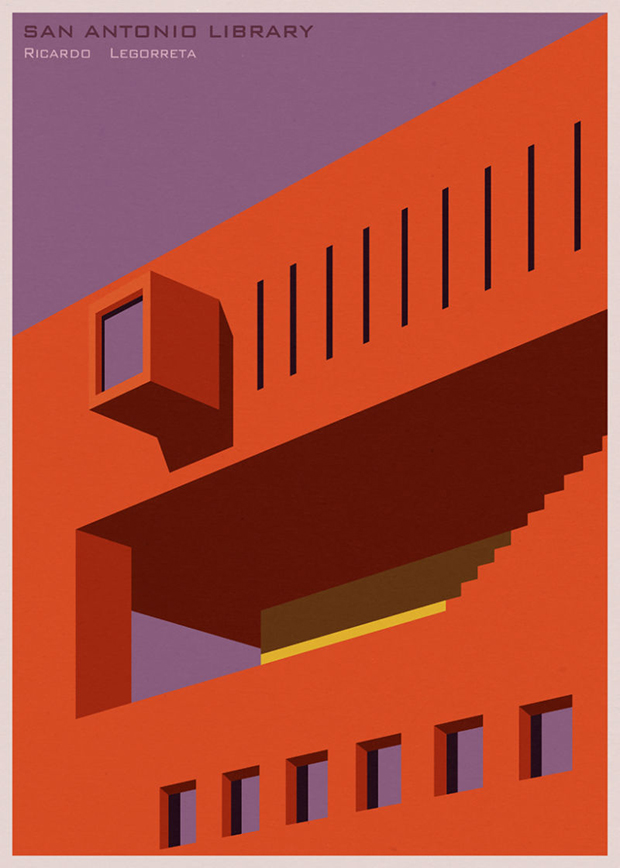
ssanantonio-ricardo

Ricardo Legorreta’s San Antonio library, Texas, as illustrated by André Chiote

Phaidon has produced a book to meet our library fancy:

The world’s best libraries look even better as posters

See how architect André Chiote has illustrated buildings by Norman Foster, Oscar Niemeyer, Rem Koolhaas and co

When successful architects are tasked with designing important city or national libraries, they rise to the challenge. These practices, which often spend much of their time on overtly commercial work, seem to come to life when they put their civic-minded hats on. Continue reading

Connecting the Dots

In our business we often use words like synchronicity and synergy to illustrate the amazing frequency of “right time-right place” meetings and connections. In the summer of 2011 one of the original interns (and creators of this site) came to work with us in Kerala. In search of a project, we introduced him to Diwia Thomas to brainstorm a social entrepreneurship collaboration. That process led to an amazing joint venture paperbag making workshop with the Kerala Forestry Department.

The very first post I wrote on this site was about Diwia Thomas and her company Papertrails. It just so happens it was published exactly 5 years ago. It also just so happened that this morning my Facebook feed included the news that Diwia had been honored with the Unique Times’ Young Women Business Excellence Award 2016. Continue reading

If Only I Could Have Learned So Quickly

Small Talk

The current issue of the New Yorker is a gold mine, but of particular note from my own experience and perspective is this gem of cross-cultural observation:

MY STRUGGLE WITH AMERICAN SMALL TALK

By

“How’s it going?” I ask the barista. “How’s your day been?”

“Ah, not too busy. What are you up to?”

“Not much. Just reading.”

This, I have learned, is one of the key rituals of American life. It has taken me only a decade to master. Continue reading

2016 Audubon Photography Awards Winners

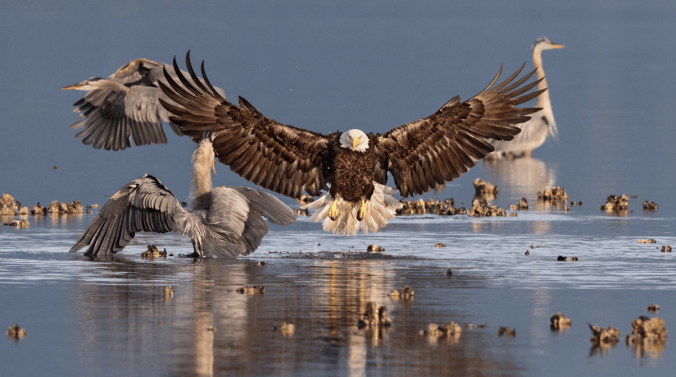
Bald Eagle and Great Blue Herons. Photo: Bonnie Block/Audubon Photography Awards

Bald Eagle and Great Blue Herons. Photo: Bonnie Block/Audubon Photography Awards

Readers of this site have come to expect an avian presence – daily in the form of our Bird of the Day posts, as well as frequently in our applause of many citizen science programs.

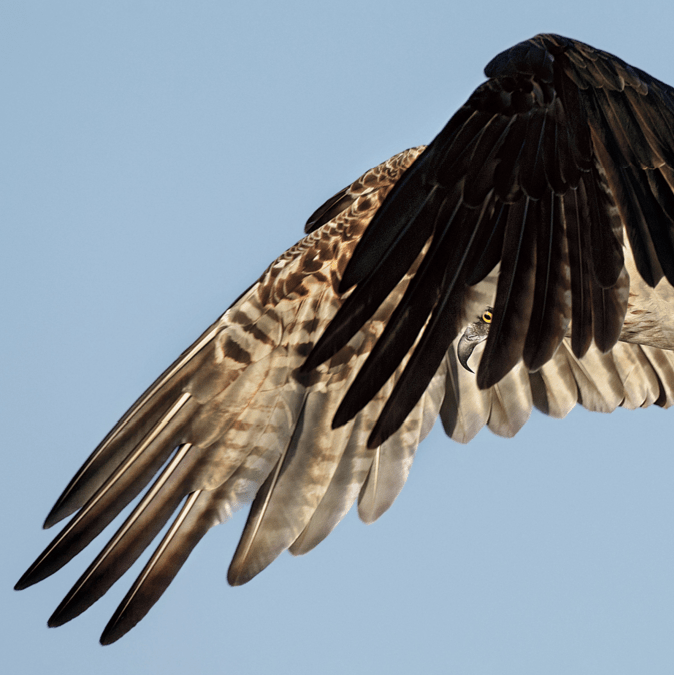
We send out a hearty applause to the 2016 Audubon Photography Award winners – especially the youth and amateur contributors. We’ve posted a few of the fabulous shots here, but be sure to follow this link for the entire set and the details and story behind each shot.

Osprey. Photo: Dick Dickinson/Audubon Photography Awards

Osprey. Photo: Dick Dickinson/Audubon Photography Awards

Quick Stats:

Participants: More than 1,700

Images entered: Nearly 7,000

Categories: Amateur, Professional, Fine Art, Youth

Entrants from: 50 states, 6 provinces, District of Columbia Continue reading