
Vijayapura, Karnataka
Vijayapura, Karnataka
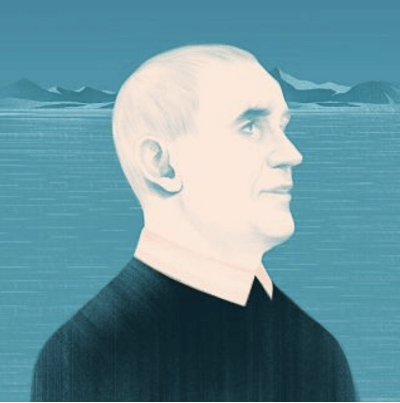
A scholar of the Icelandic Presidency swiftly became a Presidential front-runner. ILLUSTRATION BY JASU HU
This article had me in the first sentence, naming Iceland and mentioning historian together. Seth educated himself, with the help of a great university and its incredible historical archives on Iceland, to be a historian of the bachelor variety. What he learned from those archives and some well structured thinking have served him well since then in Costa Rica.
In his next posting, in Baja California Sur (Mexico), I expect the foundation in history, combined with these last two years of applied practice, will be even more valuable. You will hopefully start hearing about that this week, but meanwhile have a read about current events in Iceland:
ICELAND’S HISTORIC CANDIDATE
How a scholar of the nation’s Presidency swiftly became its Presidential front-runner.
By Adam Gopnik
When I heard that the historian Guðni Jóhannesson was running for President of Iceland—not only running but entering the final weeks of the campaign as the clear favorite—I was intently curious to be present when and if he won. Continue reading
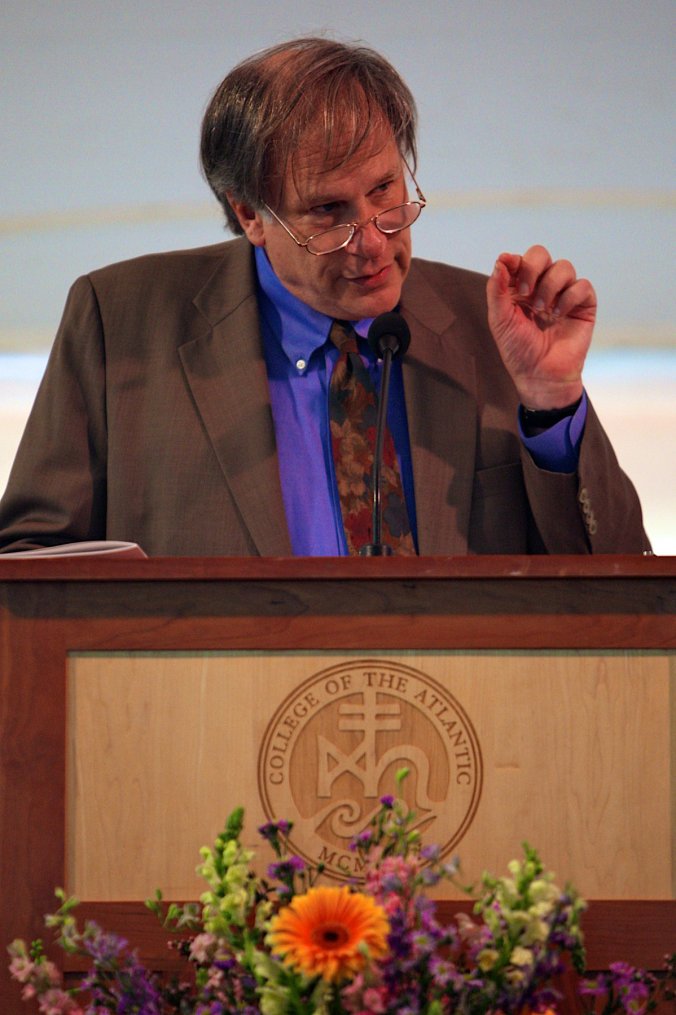
Nearly four years ago we posted about this commencement address that we still love for The Chumbawamba Principle it espoused. Until today I could not have recognized any piece of music belonging to Chumbawamba, but now, surprisingly, that has not only changed but I feel richer for it. Continue reading
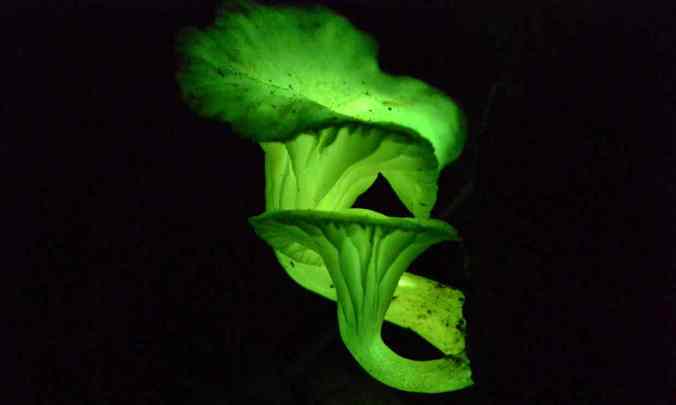
Fungal luciferin could eventually allow the creation of an autonomously luminescent plant. Photograph: Cassius Stevani at the San Paulo University in Brazil
Bioluminescence has appeared in these pages so many times that people probably wonder why. The answer would be because we have contributors who see its wonder of the world quality as directly relevant to our communications mission.
And there was a time when stories about fungi, mushrooms, etc. were the domain of one key contributor. We used to leave stories like this one to our resident mycoenthusiast Milo, but he is no longer in residence with us; instead, busy now setting up a permaculture organic farm in the rolling hills to the west of Ithaca, NY (USA). So, for lack of a better post-person, this recommendation is from the team:
How research into glowing fungi could lead to trees lighting our streets
Bioluminescence, the peculiar ability of some organisms to behave like living night-lights, could be the key to some remarkable advances
On a moonless night deep in a Brazilian rainforest the only thing you are likely to see are the tiny smears of light from flitting fireflies or the ghostly glow of mushrooms scattered around the forest floor. Both effects are the result of bioluminescence, the peculiar ability of some organisms to behave like living night-lights. Continue reading
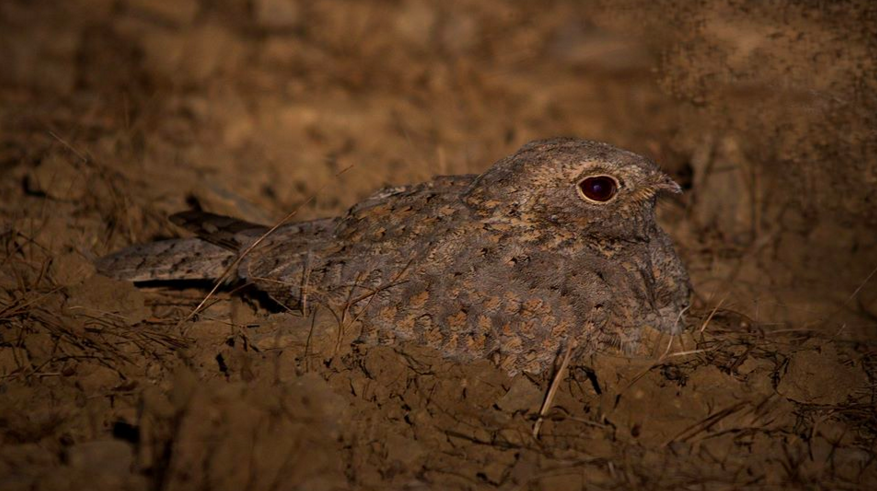
Great Rann of Kutch, Gujurat

We have not mentioned the banjo much around here. Shame on that! I am fond of the instrument for some of the same reasons I am fond of, say, an arboretum. The banjo is an instrument akin to other instruments of entrepreneurial conservation: the more it gets played well, the more it keeps alive a tradition, and even can improve on the tradition. An arboretum, well conceived, well kept, helps species survive in isolation that might otherwise have been lost from the planet entirely.
I see a reference here and there, for example mention of the Seeger family, who I have loved for many reasons my whole life. And Bela Fleck is Exhibit A in the case to be made for the banjo entrepreneurship; Steve Martin and Edie Brickell could be said to support that case as well. They all would acknowledge Dr. Ralph Stanley as essential to their craft’s survival and thriving, so it is with that in mind that I highly recommend you listen to or read this brief interview with him:
…GROSS: How did you get your first banjo?
STANLEY: My first banjo? My mother’s sister, my aunt, lived about a mile from where we did, and she raised some hogs. And she had – her – the hog – the mother – they called the mother a sow – of a hog. And she had some pigs. Well, the pigs were real pretty, and I was going to high school and I was taking agriculture in school. And I sort of got a notion that I’d like to do that, raise some hogs. And so my aunt had this old banjo, and my mother told me, said, which do you want, the pig or a banjo? And each one of them’s $5 each. I said, I’ll just take the banjo…
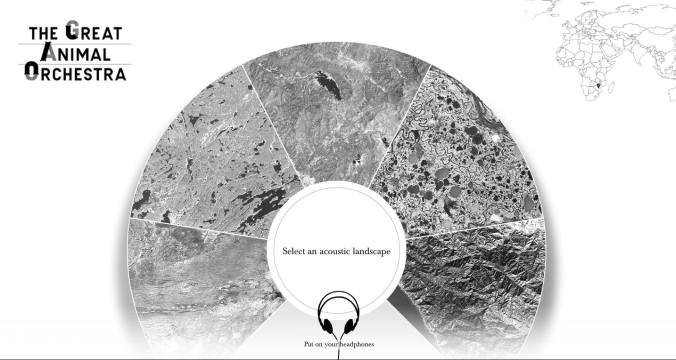
Several members of our circle have enjoyed reading about as well as listening to Mr. Krause since first learning about him. Whether or not you happen to be in Paris, this exhibit is worth a visit (click the image above for the low carbon footprint route)
The New York Times has this to say in a review:
PARIS — The bioacoustician and musician Bernie Krause has been recording soundscapes of the natural world since 1968, from coral reefs to elephant stamping grounds to the Amazonian rain forest.
Now, Mr. Krause’s recordings have become part of an immersive new exhibition at the Cartier Foundation here called “The Great Animal Orchestra.” Named after Mr. Krause’s 2012 book of the same title, the show opens on Saturday and runs through Jan. 8. Continue reading

We like the Audubon Society, the publications they produce, and of course, the artist himself. Over the last half decade, a new CEO for the Society has rewritten their strategic plan and seen overwhelming success in involvement of all sorts. Elsa Wenzel interviewed this CEO, David Yarnold, for GreenBiz:
The Audubon Society appears to be doing everything right in social media and marketing. It’s got apps, maps, a buzz on social media, an engaging website and a funny blog. It’s hip to crowdsourcing and citizen science: In just one weekend, 163,000 of its volunteers recorded on smartphones their sightings of more than 5,000 bird species. Audubon said its digital platforms reach a million people, a staggering climb from just 35,000 a couple of years ago.
Much credit for this goes to David Yarnold, CEO and president. He joined Audubon in 2010 after a long career in journalism at the Pulitzer-winning San Jose Mercury News, and a stint as president at the Environmental Defense Fund.
Bangalore, Karnataka

Canoeing in the Boundary Waters Canoe Area Wilderness near Ely, Minn.CreditBre McGee/The St. Cloud Times, via Associated Press
None in our immediate circle has been there, but it looks like our kind of place. We hope to see it, to canoe it, to breathe in that clean air. This editorial makes it clear what’s at stake, and what needs to be done. It’s not the messengers, it’s the message (but wow on the messenger front too):
Protect Minnesota’s Boundary Water
MINNESOTA’S Boundary Waters Canoe Area Wilderness is one of America’s most popular wild destinations. Water is its lifeblood. Over 1,200 miles of streams wend their way through 1.1 million acres thick with fir, pine and spruce and stippled by lakes left behind by glaciers. Moose, bears, wolves, loons, ospreys, eagles and northern pike make their home there and in the surrounding Superior National Forest. Continue reading
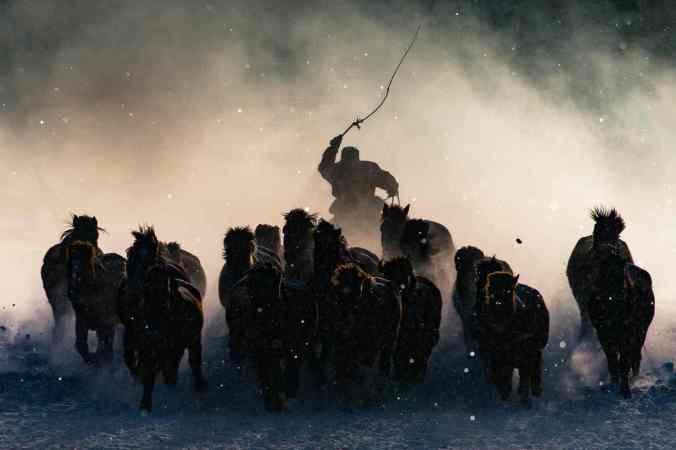
Grand prize winner: Winter Horseman. The Winter in Inner Mongolia is very unforgiving. At a freezing temperature of -20F and lower with constant breeze of snow from all directions, it was pretty hard to convince myself to get out of the car and take photos – not until I saw horsemen showing off their skills in commanding the steed from a distance, I quickly grabbed my telephoto lens and captured the moment when one of the horseman charged out from morning mist. Photograph: Anthony Lau/National Geographic Travel Photographer of the Year Contest
Have a look over at the source:

Winners Announced
The National Geographic Travel Photographer of the Year has been named!
Explore the prize-winning photos and download stunning wallpapers. Share your favorite pictures with your friends and see the judges top picks. Continue reading
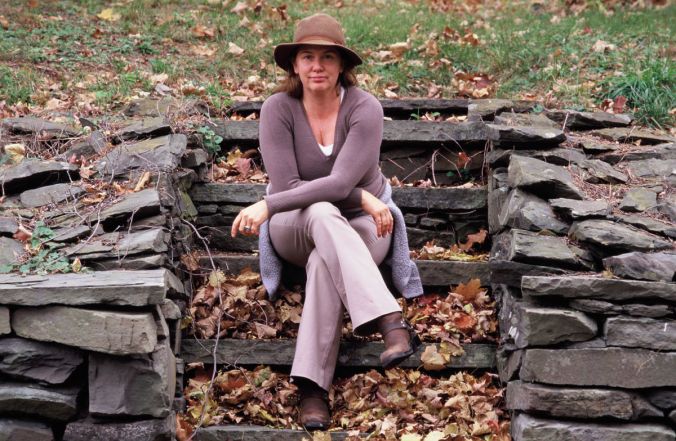
The singer Rebecca Martin helped keep Niagara, a water-bottling company, from tapping a reservoir near her adopted home, in upstate New York. “What’s more important than drinking water? Nothing,” she says. PHOTOGRAPH BY PAT KEPIC
Thanks to Alexis Okeowo for this note about actions our fellow citizens take, a reminder of our rights and responsibilities:
A JAZZ SINGER FIGHTS NIAGARA BOTTLING
By Alexis Okeowo
For years, Rebecca Martin was used to being transient, without a permanent home or commitments. As a jazz musician who performed both solo and with a band named Once Blue, Martin spent much of her time on the road touring and performing, while being loosely based in New York City. When she decided, almost fifteen years ago, to move to Kingston, ninety miles north of the city on the Hudson River, she felt a sense of relief. She had “really lost touch with the idea of community and responsibility to one another,” she said, and took the chance to grow her family and settle down. She started noticing ways that her new town could improve. There was a shop in her neighborhood that was selling large knives, big enough to be called swords, near two schools. Continue reading

Launching an ozonesonde. This balloon transported instrument measures a vertical profile of the ozone layer. Credit: NOAA via Flickr
Thankfully, there’s good news on the atmospheric front from the southern edge of the world, where chlorofluorocarbons released in the seventies and eighties had created a hole in the ozone layer. The seasonal gap in this ultraviolet-blocking layer is not as big this year as others in the past, thanks to prompt and concerted action to prevent release of dangerous chemicals. Alexandra Witze writes for Scientific American:
It’s the beginning of the end for the Antarctic ozone hole. A new analysis shows that, on average, the hole — which forms every Southern Hemisphere spring, letting in dangerous ultraviolet light — is smaller and appears later in the year than it did in 2000.
The 1987 global treaty called the Montreal Protocol sought to reduce the ozone hole by banning chlorofluorocarbons, chlorine-containing chemicals — used as refrigerants in products such as air conditioners — that accelerated ozone loss in the stratosphere. The study shows that it worked.

The Hull family has partnered with U.S. Department of Agriculture (USDA) Farm Service Agency (FSA) Conservation Reserve Program (CRP) in Vermont to conserve sensitive riparian areas on their dairy farm by establishing forested buffer zones and installing high-tensile fence, stream crossings and other water handling equipment. Photo © USDA / Flickr through a Creative Commons license
This article by Kris Johnson for The Nature Conservancy is reminiscent of a post on paying for ecosystem services published here five years ago, where watersheds that would otherwise be affected by agriculture are better protected with incentives from conservation programs. From Cool Green Science today:
Ask someone in the rural Midwest what the Conservation Reserve Program (CRP) does, and a likely answer is: “It pays farmers not to farm.” But, research recently published in the journal Ecosystem Servicessuggests a better answer would be: It pays farmers to grow clean water.
It’s a better answer because with nutrient pollution threatening drinking water supplies, impacting boating and fishing on lakes and rivers throughout the Midwest and causing a persistent “dead zone” in the Gulf of Mexico, figuring out how to produce clean water is a critically important challenge. And the Conservation Reserve Program (CRP) is key to solving it.
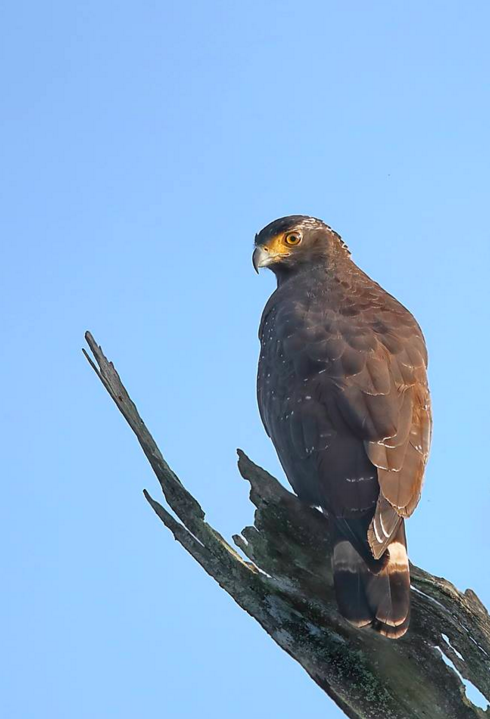
Shoal Bay, Andaman Islands
Two months ago I had the opportunity to visit Chan Chich Lodge in Belize, something I had wanted to do for decades. Sometime in the 1990s I first heard of it, from various visionaries in Costa Rica who considered it to be a model on which to base development, both at the property level and for the destination as a whole. Chan Chich was mentioned frequently in conversations, in Costa Rica and throughout Mesoamerica, when the notion of sustainable tourism was first being developed. Continue reading

If you are not yet listening to Gastropod, this would be as good a place to start as any:
Outside the Box: The Story of Food Packaging
The invention of food packaging is one of humanity’s greatest achievements. It may seem hard to imagine today, but the first clay pots made the great civilizations of the ancient world possible, while paper’s first use, long before it became a surface for writing, was to wrap food. But packaging’s proliferation, combined with the invention of plastics, has become one of our biggest environmental headaches. In this episode, we explore the surprising history of how our food got dressed—and why and how we might want to help it get naked again.
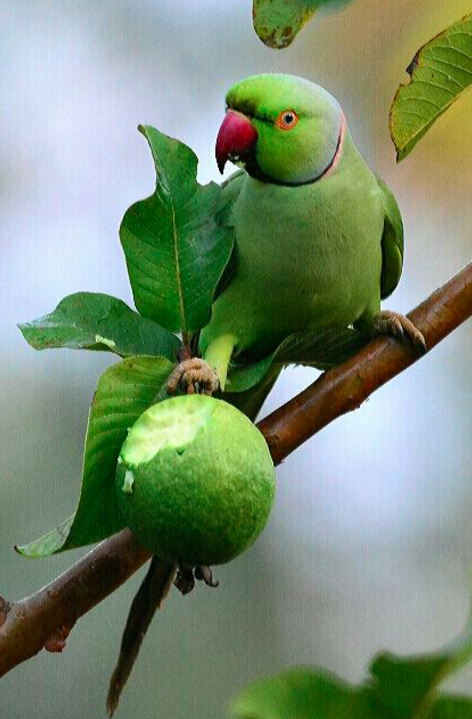
Sivarpanam Palace, Tamil Nadu
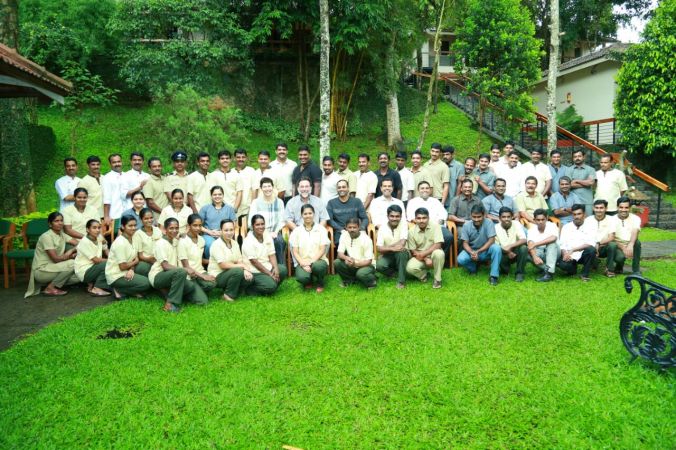
After our visit to Cardamom County last weekend to bid farewell to our colleagues there, Amie suggested that I amend my dozen Xandari love letters writing engagement to a baker’s dozen: Cardamom County has been so integral to our time in Kerala that it would not be proper to reflect only on Xandari in this manner. Continue reading
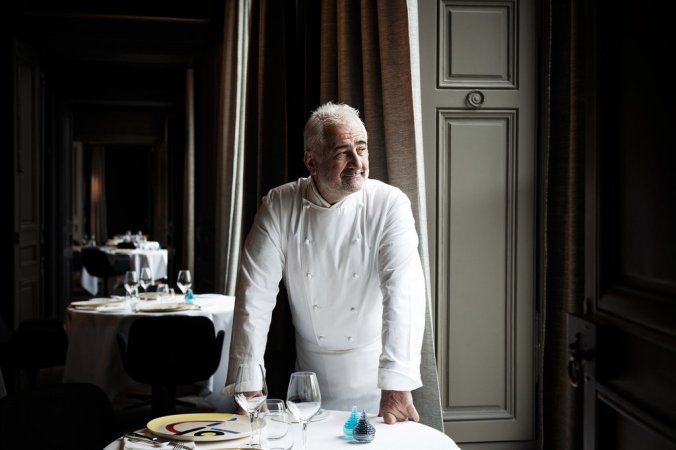
One of the finest food writers, Bee Wilson surprised me by choosing this moment to pen What Brexit Means for British Food, and to post it when most of us continue to consume information and analysis about the “more mportant” implications of that referendum one week ago. But then I read it, and was even more surprised. I expected her to mention how improved UK cuisine is after decades of exchange with the Continent’s great chefs, especially those like Guy Savoy who mentored more than one of today’s UK celebrity chefs. None of that. Much more interesting. I should not be surprised.
Read that post. Ironically, perhaps, it reminded me of this article from more than one year ago that I neglected to share here. Ironic because it seems quaint in light of current headlines from Europe and around the world. But the distraction seems timely. More than three decades ago I worked in restaurant Guy Savoy, in my hometown of Greenwich, CT (USA). Today we would call it a pop-up but in the early 1980s it was what I would call a miracle. He flew the Concorde weekly from Paris to operate this outpost for just a couple years and at the height of its success, shuttered it. His renewed focus on his Paris restaurant was surely what earned him the third Michelin star, which he has retained ever since.
I still do not tire of reading news about him, especially about how he keeps reinventing his home restaurant while retaining something essential. The chef-entrepreneur was one of the first to establish an outpost in the USA while maintaining his home base in France. It has been more than one decade since Amie and I enjoyed a meal as a guest in his rue Troyon restaurant. But not many days go by without my sensing the influence that working for him had on me. So, after reading Bee Wilson’s post, I also recommend that you have a look here:
Restaurant Guy Savoy Has a Striking New Home in Paris
 Organikos