McKibben In The Guardian

3840

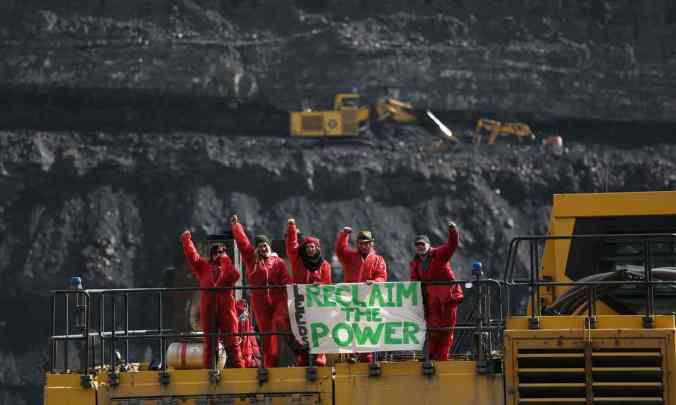
Global direct action began with hundreds of environmental activists invading the UK’s largest opencast coal mine in south Wales on Tuesday. Photograph: Kristian Buus for the Guardian

More McKibben, who we believe we will never tire of sharing here:

The time has come to turn up the heat on those who are wrecking planet Earth

An interesting question is, what are you waiting for?

Global warming is the biggest problem we’ve ever faced as a civilisation — certainly you want to act to slow it down, but perhaps you’ve been waiting for just the right moment. Continue reading

Food Footprints

sugarpic2_custom-cf06be909a47e87ffeab74b513462532b5f1261e-s1400-c85

Leonard Scinto, a researcher at Florida International University, standing beside a concrete post that measures the subsidence of soil in the Everglades Agricultural Area. In 1924, the top of the post was level with the ground surface. Dan Charles/NPR

Five minutes to listen to how your food greens, or does not green, our planet (thanks to National Public Radio, USA):

The Environmental Cost Of Growing Food

Let’s say you’re an environmentally motivated eater. You want your diet to do as little damage as possible to our planet’s forests and grasslands and wildlife.

But how do you decide which food is greener? Continue reading

Exploration in Yellowstone Lake

Yellowstone Lake at dawn by Wikimedia contributor Seglea

We like national parks, and are surprised to learn that the body of water pictured above hasn’t actually been explored much. The good news is that there are efforts underway to send an underwater drone down into the lake’s depths to better study this interesting site of thermal activity. Jeffrey Marlow reports for Discover Magazine’s blog:

2016 marks the 100th anniversary of the National Park Service, a milestone that has set off a year of celebration for what historian Wallace Stegner called “the best idea we ever had.” The first park, Yellowstone, predates the Service itself, and despite its 4.1 million yearly visitors that are putting real stress on a highly interconnected ecosystem, certain portions of the park remain a nearly unadulterated wilderness.

One of these sites is the floor of Yellowstone Lake, a 350 square-kilometer body of water that reaches depths of 120 meters. And while much of Yellowstone’s thermal activity manifests on the surface – think rainbow-colored hot springs, gooey mudpots that smell of sulfur, and spurting geysers – the same forces create heated water and unique oases of microbial life at the lake bottom.

Continue reading

Discovering Gold in the Greater Antilles (Part 3)

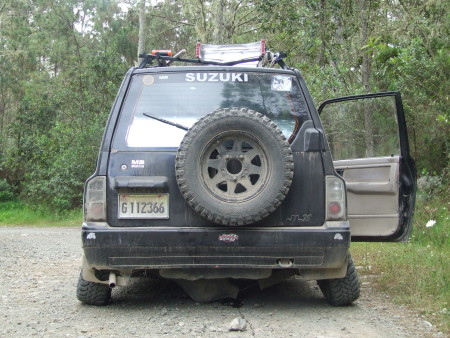
Our (un)faithful jeep breaks down again. This time the rear axle snaps in half. Not good. Parque Valle Nuevo, Dominican Republic, 2012.

This is the final installment of the series; you can read Part 1 and Part 2.

As my vision begins to clear, I know all-too-well what I’ll hear next…
Whoa, sounds like an adventure! So, tell me, what are your plans for a PhD?
[My vision goes dark again…]

In 2014, I conducted my last full field season in the Dominican Republic (in other words, I had burnt up all of my NSF funding and the winds of change were blowing my wife and me from Ithaca down to Raleigh). That being said, I was (and still am) extremely passionate about Golden Swallows, and more and more so about aerial insectivores throughout the Caribbean (swifts and swallows of course; those flycatchers and nightjars will have to find other sponsors). I did, however, have the pleasure of sneaking in one more (big) Golden Swallow adventure before my master’s defense came around. I was asked by Gary Graves, the Curator of Birds at the Smithsonian National Museum of Natural History, to finish the long-running census work he had been carrying out in Jamaica in search of the critically endangered Jamaican Golden Swallow (T. e. euchrysea) – the only other known race of Golden Swallow and one that hadn’t been reliably seen since the 1980’s. Gary had scoured the island except for two places the Cockpit Country in the northwest and the Blue Mountains in the southeast.

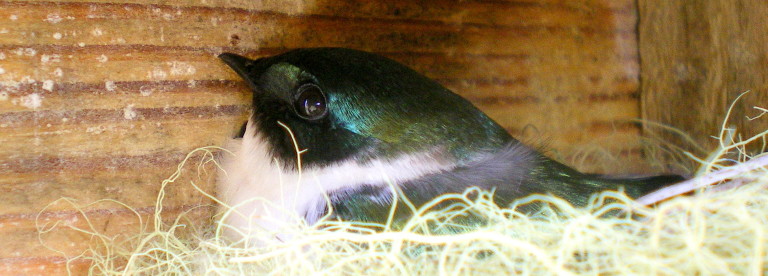
Adult female Golden Swallow incubating her clutch; Parque Valle Nuevo, Dominican Republic, 2013.

Continue reading

Go, Phil, Go

Sohn-TheEcologistWhoRanAway-290x149-1462229623

A worker near the Pebble Mine, in Alaska ’s Bristol Bay region, which is at the center of a long-running legal battle between a Canadian developer, native tribes, commercial fishermen, and environmentalists. PHOTOGRAPH BY AL GRILLO / AP

Thanks to Tim Sohn for bringing Phil North to our attention:

The E.P.A. Ecologist Who Became a Wanted Man

BY

When Phil North retired from the Environmental Protection Agency, after a mostly quiet twenty-three-year career in Alaska, his plan was to embark on an around-the-world sailing trip with his wife and two young children. But when it came time to weigh anchor, there was a problem: the aging boat that North had docked in South Carolina proved unsalvageable. A hunt for another suitable vessel in his price range yielded nothing. After a series of discussions and a vote, the family decided, in early 2014, to fly to New Zealand. “We were only going to go for three months, but we loved it and ended up buying a camper van and driving around for ten months,” North, who is fifty-nine, told me recently. “And then our visa ran out, and we thought, We’re so close to Australia, we can’t not go.” So they went, and toured the country for another year. Continue reading

Another Call to Action from McKibben

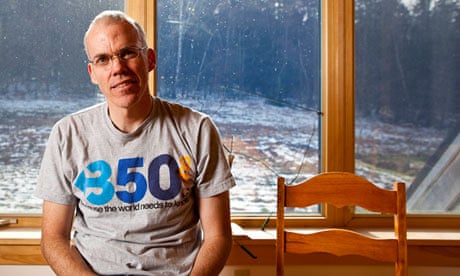
Photo of Bill McKibben by Corey Hendrickson/Polaris via The Guardian

We’ve been sharing pieces about or by Bill McKibben for many years now, like this interview from 2012, the news that he was stepping down from leading 350.org, a piece he wrote for the Guardian last year, and the story of his direct activism in New York a couple months ago. He’s now published an article, once again in the Guardian, about the need to take action around the world against fossil fuel companies. “The time has come to turn up the heat on those who are wrecking planet Earth,” McKibben writes, the question being, what are we all waiting for?

Global warming is the biggest problem we’ve ever faced as a civilisation — certainly you want to act to slow it down, but perhaps you’ve been waiting for just the right moment.

The moment when, oh, marine biologists across the Pacific begin weeping in their scuba masks as they dive on reefs bleached of life in a matter of days. The moment when drought in India gets deep enough that there are armed guards on dams to prevent the theft of water. The moment when we record the hottest month ever measured on the planet, and then smash that record the next month,and then smash that record the next month? The moment when scientists reassessing the stability of the Antarctic ice sheet have what one calls an ‘OMG moment’ and start talking about massive sea level rise in the next 30 years?

Continue reading

Coffee Better Understood

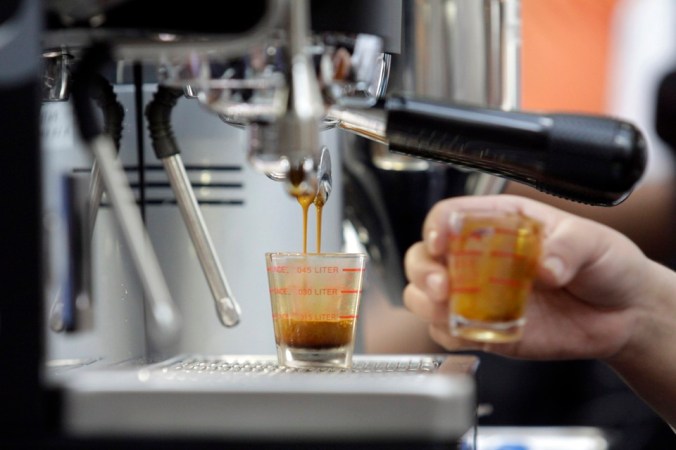
A competitor prepares coffee during the El Salvador National Barista Championship at a mall in San Salvador

STR New / Reuters

From the Atlantic, where some of (but not all) our favorite coffee stories have come from in the past, we have this new item to share:

Specialty Coffee’s Resident Scientist

A computational chemist is changing the way coffee makers think about water.

by Sarah Kollmorgen

Wherever he goes, Christopher H. Hendon brings a homemade supply of powdery white chemicals. Made from coral-reef care sets, the little bottles and plastic bags may raise some TSA eyebrows, but they serve a perfectly innocent purpose. The substances comprise his personal water filtration titration kit.

“Who travels with this much white powder?” Hendon says with a laugh. His duffel currently contains several compounds including calcium chloride, magnesium sulfate, and potassium bicarbonate. These mixtures help detect the invisible chemicals present in a glass of water, he explains. Using them, Hendon can determine how hard the water is in any geographical area, based on the minerals it contains. Continue reading

Soaked Boots and River Squirms

dsc01733_zps0mvho6g0

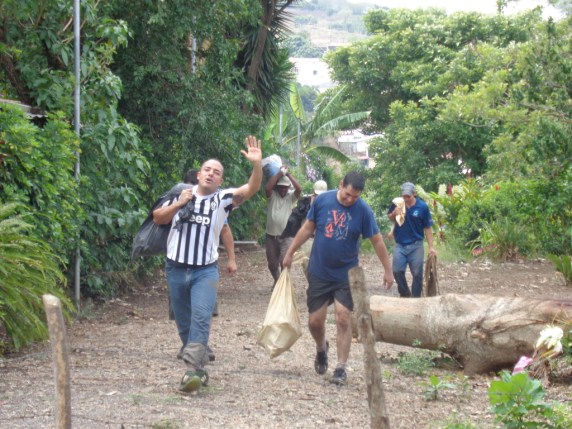
In the spirit of Earth Day, Xandari held a river clean-up last week along the Tacacorí River, which not only is the hotel’s primary supply for irrigation but also the local town’s. Similar to the community street clean-up we led last September and years prior, the purpose of this event was to remove any garbage along the river starting from the river spring and through the length of the property, which amounts to about 1km. Unlike the last clean-up, however, this one was of a smaller, and damper, scale. Continue reading

Bad News for European Vultures

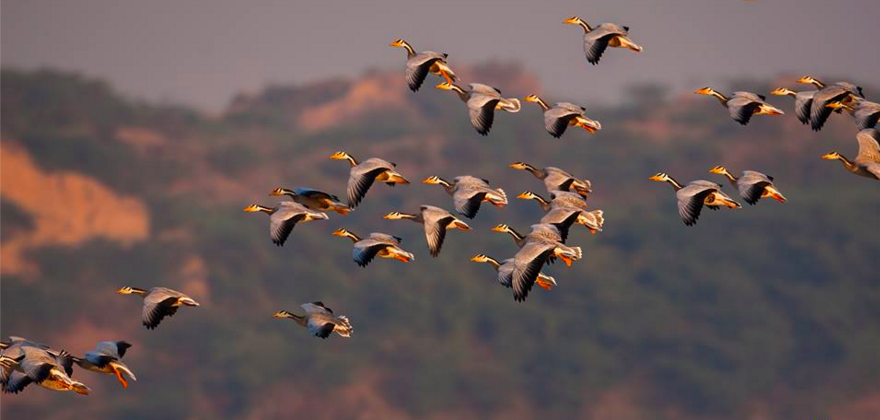
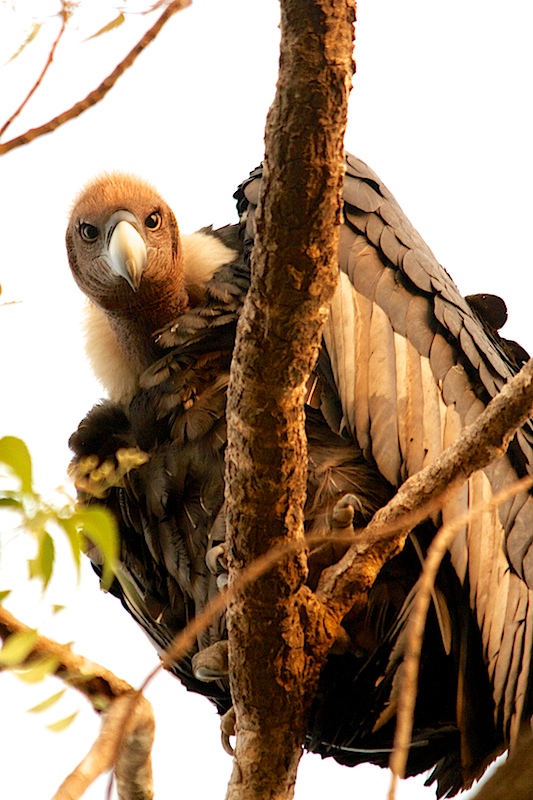
Bird of the Day August 13, 2013: White-rumped Vulture in Ahmedabad, India photographed by Srinivasa Addepalli

Vultures are very important members of many ecosystems in the world as members of a waste-management team, but their role as carrion-feeders is putting them at risk, and has been since the California Condor was endangered in the US (though it’s recovering now). We’ve featured these birds in our daily photo posts quite a bit, even just a week ago, and now there’s news from Scientific American, covering research published in the Journal of Applied Ecology, that European vultures are more threatened than ever, this time by a veterinary drug given to cattle:

A veterinary drug blamed for driving vultures to the brink of extinction on the Indian subcontinent could cause thousands of bird deaths now that it is being used in Spain.

Researchers have expressed concern over use of the anti-inflammatory drug diclofenac in cattle since it was approved for veterinary use in Spain in 2013, as the drug is toxic to vultures who may consume it via dead cows. Now, modelling by Rhys Green, a conservation scientist at the University of Cambridge, UK, and his colleagues suggests that the drug could cause populations of that country’s Eurasian griffon vultures (Gyps fulvus) to decline by between 1–8% each year.

Continue reading

Rainforest Alliance and Sustainable Agriculture Network

Among the farms that the Rainforest Alliance certifies are those that produce bananas, coffee, tea, pineapples, cocoa, flowers and palm oil. Photo by Flickr user Sally Crossthwaite

The Rainforest Alliance and Sustainable Agriculture Network have been doing good work, mostly in developing countries, for over twenty years to improve agricultural practices and protect natural forests. The two groups published an Impacts Report not long ago that reviews their progress, and two executives wrote an article summarizing those impacts on GreenBiz.com:

Independent, third-party certification has grown phenomenally since 1993, when the Rainforest Alliance certified the first banana plantation to meet Sustainable Agriculture Network (SAN) standards.

The standards prohibit conversion of forests or other natural ecosystems to cropland, protect workers and wildlife, regulate the use of chemicals and other farming practices. Today they cover more than a million farmers on Rainforest Alliance Certified farms, most of them smallholders, cultivating 100 crops on a total of 7.4 million acres (about the size of Switzerland) across 42 countries.

Continue reading

Kenya Burns Over 100 Tons of Illegal Ivory

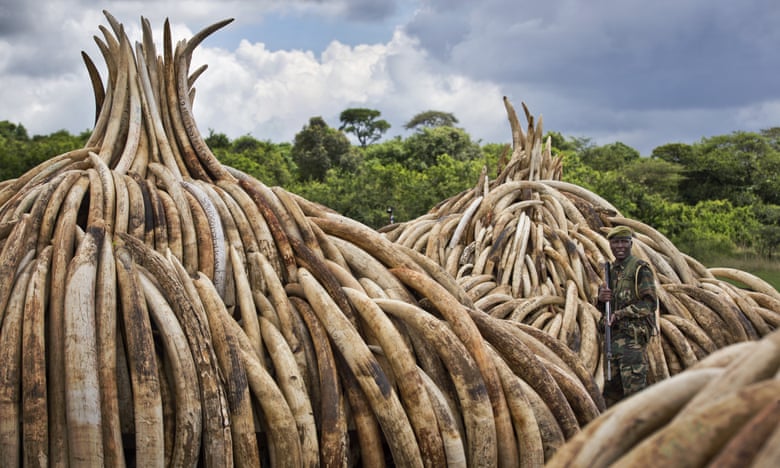
Kenya will burn about 105 tonnes of elephant ivory and 1.5 tonnes of rhino horn in 11 large pyres, about seven times the amount previously burned in a single event. Photograph: Ben Curtis/AP via The Guardian

We featured poaching a few weeks ago here, in the case of primates, and we have discussed the illegal ivory trade and other endangered wildlife on the black market before. This weekend, Fiona Harvey reports for the Guardian, Kenya burned a massive amount of tusks from poached elephants, in a symbolic act of destruction that presumably cost the black market millions of dollars, and thousands of elephants their lives:

Tusks from more than 6,000 illegally killed elephants will be burned in Kenya on Saturday, the biggest ever destruction of an ivory stockpile and the most striking symbol yet of the plight of one of nature’s last great beasts.

The ceremonial burning in Nairobi national park at noon will be attended by Kenya’s president, Uhuru Kenyatta, heads of state including Ali Bongo Ondimba of Gabon and Yoweri Museveni of Uganda, high-ranking United Nations and US officials, and charities. A wide network of conservation groups around the world have sent messages applauding the work.

Continue reading

Must-Read Editorial

01fagin-blog427

Thanks to the New York Times for carrying this in prominent placement:

A Mine vs. a Million Monarchs

In recent years, Angangueo’s 5,000 inhabitants have been cursed by calamities natural and manufactured. Snowstorms, mudslides and flash floods have terrorized the town. Hulking piles of mine tailings line the main road, barren reminders of the silver, gold and copper mining that petered out a quarter-century ago after defining the community for 200 years.

Even the monarch butterflies that are the focus of the “magic town” tourism campaign are suffering. Millions still roost on nearby mountains, a wintertime spectacle that attracts the visitors from “El Norte” who are the town’s economic lifeline. But the overwintering population of monarchs has fallen by almost two-thirds over the past dozen years, and this year’s better-than-usual aggregation was abruptly devastated in March by another freak snowstorm, the worst in years. Continue reading

Photos Worth Viewing

131057014004857876_ruben_salgado_escudero_spain_3rd-place_professional_portraiture_2016_1.pr-fdd94b9ac90bcf41006731d34441184f9bd48803-s1400-c85

A young man from Bali, Indonesia, shows off his rainbow-colored rooster before a cockfight. Courtesy of Ruben Salgado Escudero and the World Photography Organization

Thanks to National Public Radio (USA) for reminding us that it is that time of the year, again, when Sony culls through hundreds of thousands of entries to narrow the field down to a handful of exceptional photos:

6 Sensational Photos From A Global Contest With 230,000 Entries

One photo of a pensive Congolese woman in her distinctive makeup could be mistaken for a Renaissance painting. Another, of a coal plant sending smoke plumes over a town in China, looks like a still from a 1950s propaganda film. And another, of a little girl yawning during an Indonesian festival, will just make you smile. Continue reading

Discovering Gold in the Greater Antilles (Part 2)

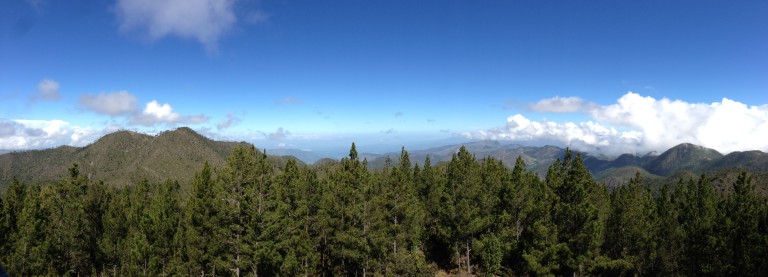
View of Parque Valle Nuevo from the top of the Pajon Blanco Fire Tower; Dominican Republic.

This post follows a previous piece, which you can read here.

And so we set out on an adventure of a lifetime with the underlying goal of studying a bird and using what we learned to help save that bird, while simultaneously nourishing an already burgeoning sense of local stewardship over Hispaniola’s feathered friends and the habitats they so deeply depend upon. We set the bar high from the beginning, and I can be honest in saying that I feel good about what we accomplished and where the project stands today.

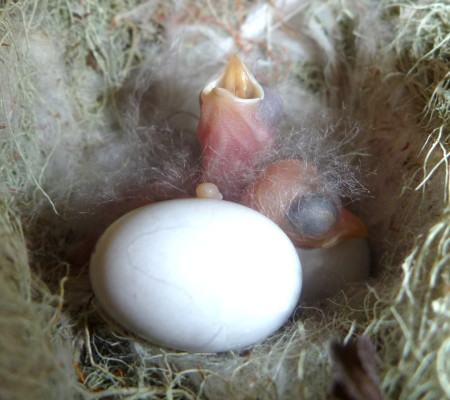
Two Golden Swallow chicks have just hatched. One begs for food, one contemplates life, and one refuses to come out; Parque Valle Nuevo, Dominican Republic, 2014.

However, as opposed to trying to tackle an impossible play-by-play of what transpired over those next three years (thankfully all of that information is in my master’s thesis and can be yours for just three easy payments of $29.99), I’m going to take a slightly different approach. I’m going to share with descriptions of images (and feelings) that go through my head when somebody kindly asks me, “So how’d that Golden Swallow Project go?” Little does that person know how much weight a question like that can have, or how it causes me to temporary black-out as my mind boards a high-speed emotional (and perhaps somewhat spiritual) roller-coaster from which there is little hope for return for at least the ensuing two minutes. So let’s go for a ride.

Continue reading

Library Charisma

01COLORADO1-master768

An old sheep barn and loafing sheds will one day house books. Credit Allison Amend

It has not been long since our last linkage out to a “library love” story. But this one is combined with a travel/journey and a conservation ethos–themes we enjoy seeing addressed together. Worth a read, thanks to the Travel section of the New York Times:

I am perched on a slippery roof ridge at the Buffalo Peaks Ranch in the rain, feet sliding on ancient asphalt shingles atop rotting plywood decking, tethered only by a rope. For fun.

With me on the roof are five other volunteers who are donating their time and brawn to create a live-in rural library in Colorado, helping the booksellers Jeff Lee and Ann Martin realize their dream.

In the course of their 20 years at the independent Denver bookstore Tattered Cover, Mr. Lee and Ms. Martin have accumulated more than 32,000 volumes on the American West (my first novel, “Stations West,” is among them). Seeking to share the books, and their love of Colorado, the pair, who are married, have leased the Buffalo Peaks Ranch, about two hours from Denver, to house their collection. Continue reading

Purity Is Never Out Of Date

germanbeer_custom-b386ef6cf1c1b0762fcba4c0b18588f8df0b00ef-s1400-c85

A waiter carries beers at the Theresienwiese fair grounds of the Oktoberfest beer festival in Munich, southern Germany, last September. For centuries, a German law has stipulated that beer can only be made from four ingredients. But as Germany embraces craft beer, some believe the law impedes good brewing. Karl-Josef Hildenbrand/AFP/Getty Images

Laws can come and go, as far as we are concerned (and we get the point here), but purity remains forever of value (thanks to National Public Radio, USA):

Germany’s Beer Purity Law Is 500 Years Old. Is It Past Its Sell-By Date?

With more than 1,300 breweries producing some five-and-a-half thousand different types of beer, Germany is serious about the amber nectar. There’s even a word for it –bierernst – which means “deadly serious” and translates literally as “beer serious.”

This sober attitude applies particularly to the German beer purity law known as the Reinheitsgebot. Introduced in 1516 by Duke Wilhelm IV of Bavaria, the decree allows for only hops, barley, water and, later, yeast in every Stein. For 500 years, this recipe has served Bavaria very well, and for the last century, the rest of Germany. Continue reading