
Among the farms that the Rainforest Alliance certifies are those that produce bananas, coffee, tea, pineapples, cocoa, flowers and palm oil. Photo by Flickr user Sally Crossthwaite
The Rainforest Alliance and Sustainable Agriculture Network have been doing good work, mostly in developing countries, for over twenty years to improve agricultural practices and protect natural forests. The two groups published an Impacts Report not long ago that reviews their progress, and two executives wrote an article summarizing those impacts on GreenBiz.com:
Independent, third-party certification has grown phenomenally since 1993, when the Rainforest Alliance certified the first banana plantation to meet Sustainable Agriculture Network (SAN) standards.
The standards prohibit conversion of forests or other natural ecosystems to cropland, protect workers and wildlife, regulate the use of chemicals and other farming practices. Today they cover more than a million farmers on Rainforest Alliance Certified farms, most of them smallholders, cultivating 100 crops on a total of 7.4 million acres (about the size of Switzerland) across 42 countries.







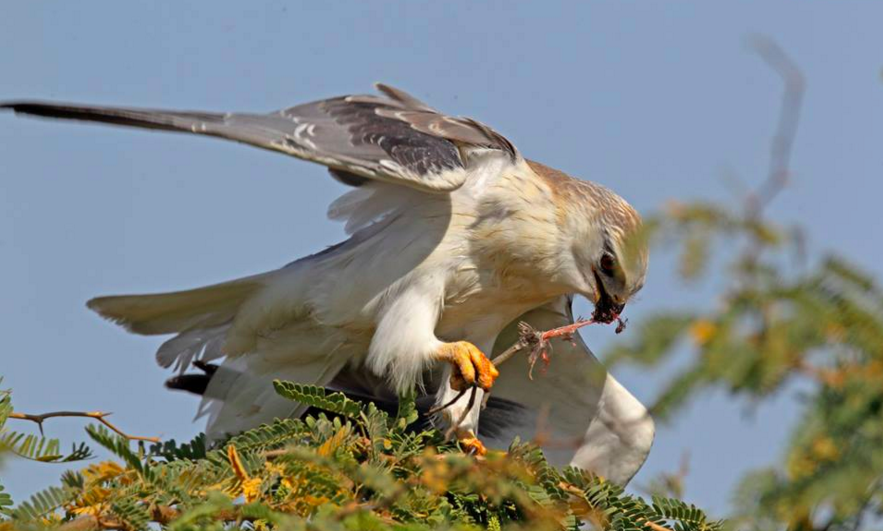



 We are susceptible to stories that spotlight animal intelligence, and challenge our assumptions about the unique capacities of humans. Cleverness and intelligence can be difficult to parse, so the details of the story matters.


 Organikos