Beijing Looks to ‘Making’ Snow

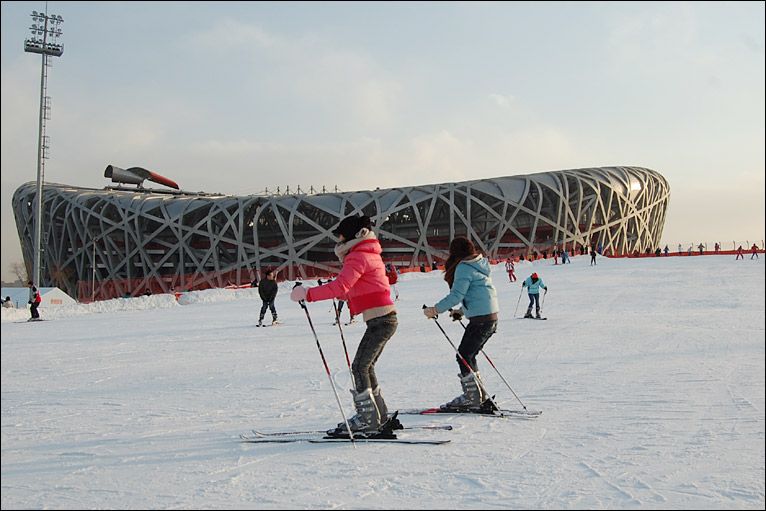
While Beijing has won the bid to host the 2022 Winter Olympics, questions are being raised about the environmental impact of creating artificial snow. PHOTO: BBC

While Beijing has won the bid to host the 2022 Winter Olympics, questions are being raised about the environmental impact of creating artificial snow. PHOTO: BBC

Beijing is still celebrating its chance to host the 2022 Winter Olympics. The International Olympic Committee’s (IOC) decision means China’s capital will become the first city to host the summer and winter events. The candidate cities were down to just Beijing and Almaty, Kazakhstan, after a number of other cities including Krakow, Poland, and Oslo, Norway, dropped out of the bidding, many citing public opposition to the expense of hosting the games. Despite Kazakhstan’s recent oil and gas-driven economic boom, Beijing was considered the safer choice, given that China proved during the 2008 Summer Games that it can put on quite a show. So, think Winter Games, think snow. And where is that going to come from?
Continue reading

A Backyard Solution to Oil Spills

Waste like human hair, sawdust and bird feathers can clean oil spills from water. PHOTO:  Nation of Change

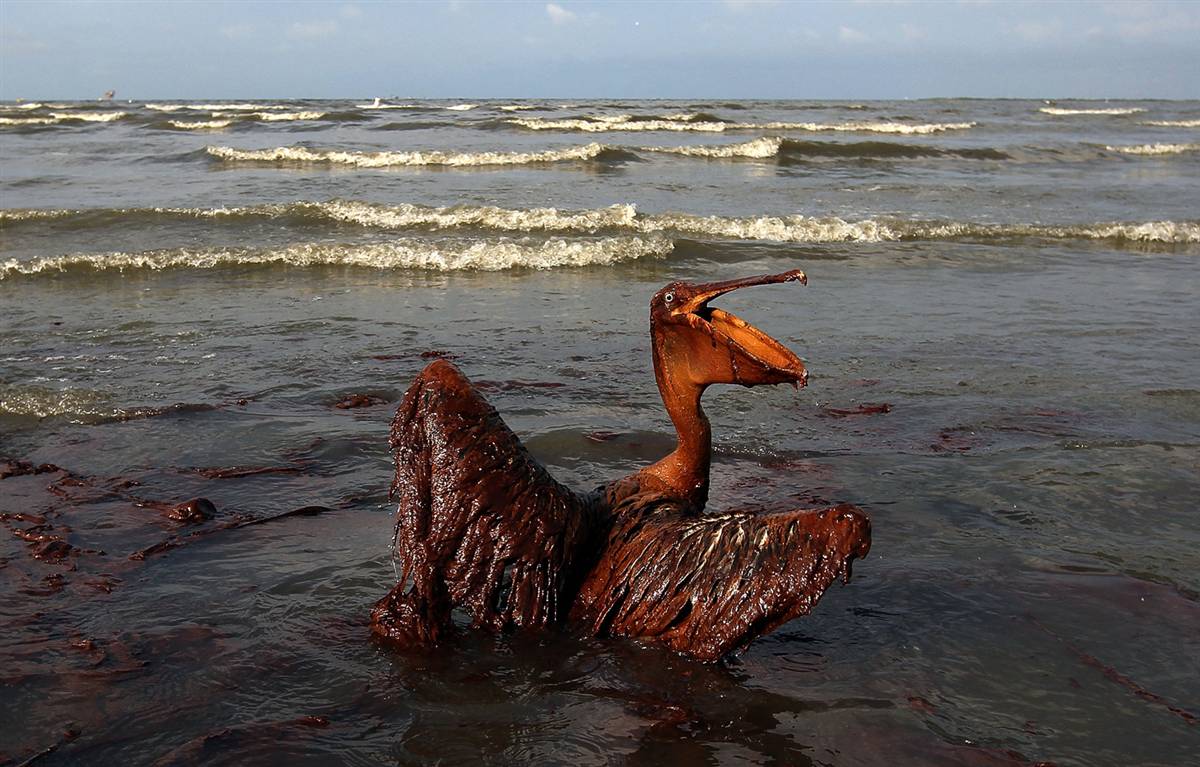
Waste like human hair, sawdust and bird feathers can clean oil spills from water. PHOTO: Nation of Change

Biosorption is a property of certain types of inactive, dead, microbial biomass to bind and concentrate heavy metals from even very dilute aqueous solutions. And Nikhilesh Das discovered just this, at the age of 13, demonstrating reuse and effective waste management. Scalable models of these and we may just have a potent option to deal with oil spills that destroy marine ecosystems for years together.

Continue reading

Fancy Some Printed Food?

What is 3D printing's effect on fine dining? PHOTO: Shiftgig

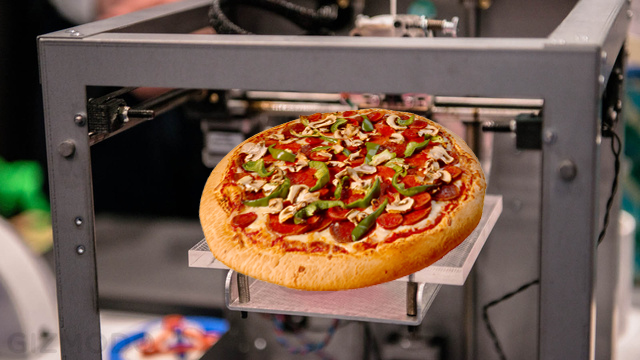
What is 3D printing’s effect on fine dining? PHOTO: Shiftgig

What connects information and software to cooking? 3D printers. Though still finding a fan base among top chefs, the technology is poised to redefine the fine world of fine dining. For now the mechanism is nascent, it takes multiple materials to ‘print’ one dish and its newness is a put-off but it’s also stirring up some interesting innovations in the culinary world. No, not a la carte.

Continue reading

A House For and By the People

This Swedish house was designed by two million people. PHOTO: Tech Insider

This Swedish house was designed by two million people. PHOTO: Hemnet

Technology and democracy – two great forces to reckon with in today’s world. And when these two come together, it exemplifies what community of thought and the powers and possibilities of science can do. Take the Hemnet House. Designed collaboratively by 2 million people (the population size of Jamaica, Latvia, Slovenia and more), the house stands for the greatest tenet of democracy – for the people, by the people.

Continue reading

A Battle on the Ocean Bed

The potential opening of sea cucumber fishing in Galápagos has scientists and conservationists surprised and concerned after news leaked of a July 10 agreement that would allow the collection of 500,000 of the creatures, considered vital to the marine environment. PHOTO: Wikimedia Commons

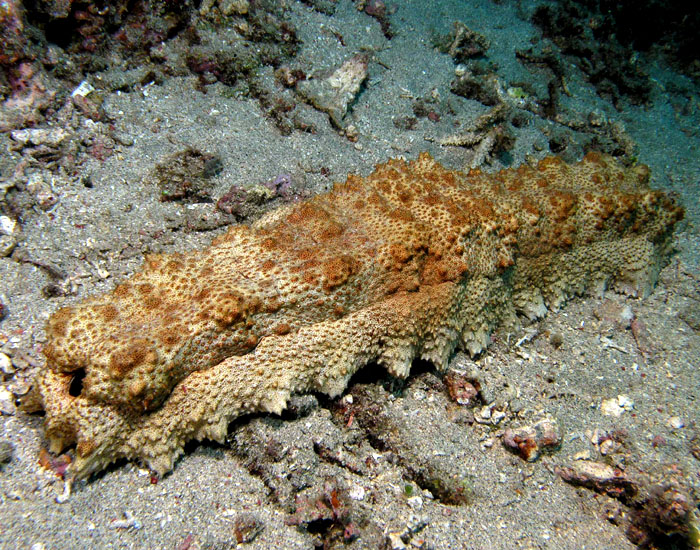
The potential opening of sea cucumber fishing in Galápagos has scientists and conservationists surprised and concerned after news leaked of a July 10 agreement that would allow the collection of 500,000 of the creatures, considered vital to the marine environment. PHOTO: Wikimedia Commons

Sea cucumbers are in the news – again. The marine creature has been talked about as an adjunct treatment for those undergoing chemotherapy. They have also been tipped as a “wonder ingredient” in cosmetics. Not to forget the sea cucumber capsule industry, Asian cuisines that consider it a delicacy, and its place in the underground market of aphrodisiac market. This time around, the news isn’t good.

Continue reading

Will Greece Look to the Sun God?

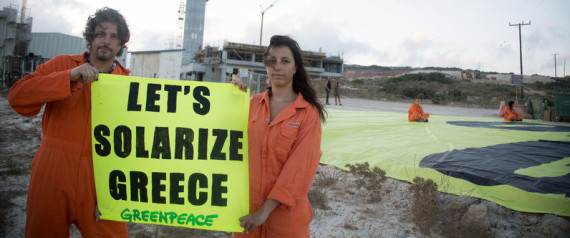
Greenpeace activists spread a banner pointing at a Greek oil-fired power plant under construction in Rhodes, to reveal one of the most unacknowledged causes of the Greek crisis; the country’’s dependence on imported fossil fuels.

Yes, the Greek people are going through difficult times. There are scenes of pensioners queuing at cash machines to withdraw part of their monthly pensions. And there is also a significant need for reform. Even the International Monetary Fund is going back on its word, prompting the country to look at what best it can do. The space of energy would be a good place to start with, given that the country has under-utilized its natural and most abundant asset.

Continue reading

Two Tablespoons of Salt Please

This eco-friendly lamp runs on just 2 tbsp of salt and a single glass of water. PHOTO: SALt

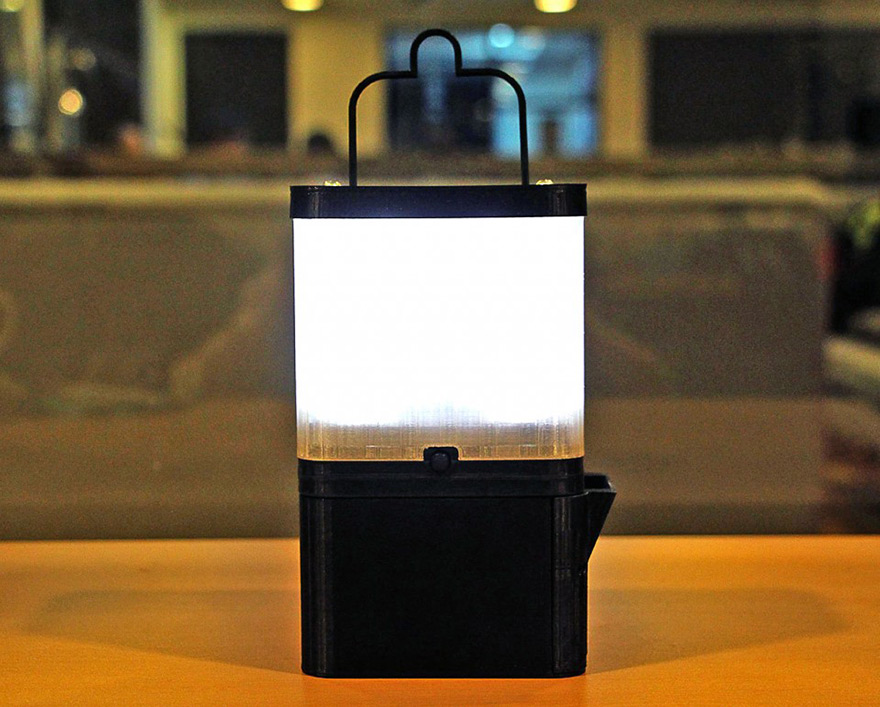
This eco-friendly lamp runs on just 2 tbsp of salt and a single glass of water. PHOTO: SALt

When you discuss abundance of resources, it’s inevitable that shortage creeps into the conversation. So when one looks at how many of the 7,000 islands that make Philippines lack electricity, it’s also difficult to miss the natural and abundant seawater. Engineer Lipa Aisa Mijena and team put both in the same equation and the result is a a lamp that’s capable emitting light for 8 hours on just 1 cup of saltwater.

Continue reading

Can a Casual Birder Have a 500+ Life List?

A Swallow-tailed Kite – a relatively common CR species I first saw just last week – spotted from the El Copal Reserve in Cartago, Costa Rica.

About three years ago, I wrote in a post from Ecuador that “Even after taking a pretty intense ornithology class at Cornell University and working for the Lab of Ornithology, I don’t really consider myself a birder.” Last year I revised that statement a bit, clarifying that “now, as James and I add our observations around Xandari to eBird every day, my opinion may have changed slightly (though I can’t yet subscribe to the labels of bird-head or bird-nerd by a long shot).” Then, this January I wrote of myself and my friends John and Justin that, “Although none of us are the type of birder that pursue ‘life lists’ — a checklist of the thousands of bird species in the world that one has seen — we all use eBird and are definitely interested in seeing and identifying wildlife of any sort.”

Continue reading

Food for the Soul

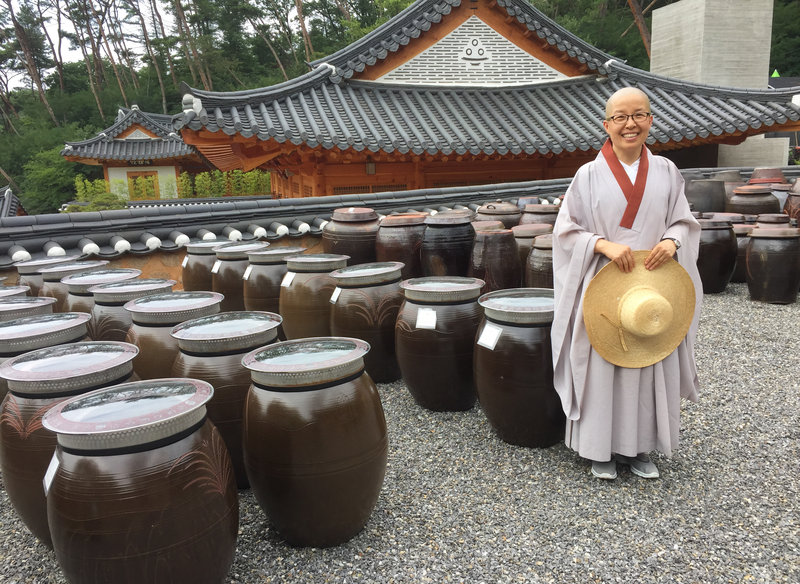
Sun Woo directs the visitor program at Jinkwansa, a Buddhist temple outside Seoul famous for preserving the art of Korean temple food. Behind her are giant jars filled with fermented soybeans. PHOTO:  Ari Shapiro/NPR

Sun Woo directs the visitor program at Jinkwansa, a Buddhist temple outside Seoul famous for preserving the art of Korean temple food. Behind her are giant jars filled with fermented soybeans. PHOTO: Ari Shapiro/NPR

When it comes to faith matters, it’s interesting to see how matters of divinity are linked to food. One interpretation of it could be the need to connect the intangible with the tangible. And no better universal language than food as a medium to impart lessons for the soul. While most Hindu temples distribute prasadchurches have the Eucharist, Jewish rituals revolve around the seder meal and so on. The Buddhist temple at Jinkwansa too has a food tradition, one that goes back 1,600 years and is renowned for its detoxification power.

Continue reading

Recycling the Core of Computers

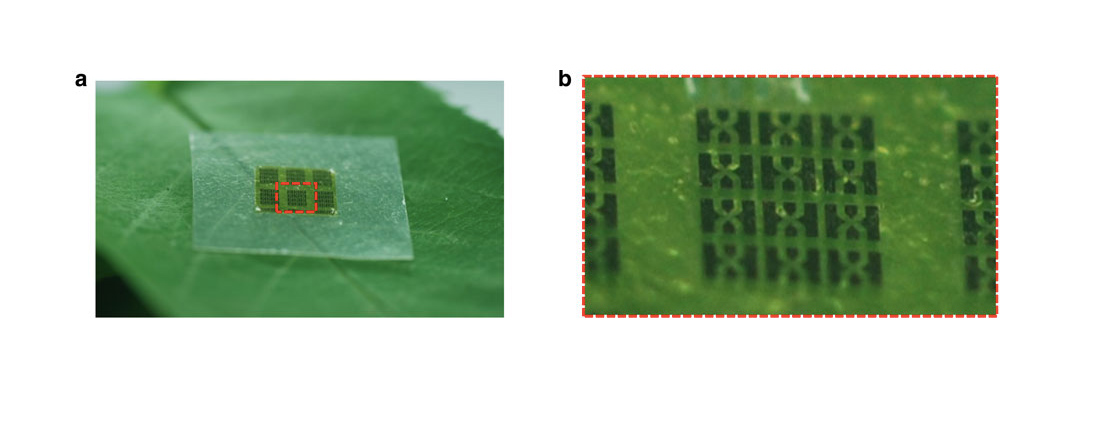
This wooden computer chip could make recycling electronics a lot easier as it replaces most of the silicon with biodegradable cellulose. PHOTO: Co Exist

This wooden computer chip could make recycling electronics a lot easier as it replaces most of the silicon with biodegradable cellulose. PHOTO: Co Exist

A recent report from United Nations University (UNU) found that the world produced 41.8 million metric tons of e-waste in 2014 – an amount that would fill 1.15 million 18-wheel trucks. Lined up, those trucks would stretch from New York to Tokyo and back. Computers and smart phones are among the ditched items, which could top 50 million tonnes by 2017, UNEP estimates. Virtually all electronics contain toxic materials and a lot of this hazardous stuff is in the circuit board, including lead (in the solder), mercury (in switches and relays), and brominated flame-retardants. Some electronics, like smart phones and laptops, contain heavy metals like cadmium, beryllium, hexavalent chromium, or arsenic, which have been shown to build up in our bodies and the environment. Also, the wires and cables that run through all this stuff are often coated with PVC, which contains toxic additives called phthalates.

Continue reading

Many Foods, One Power

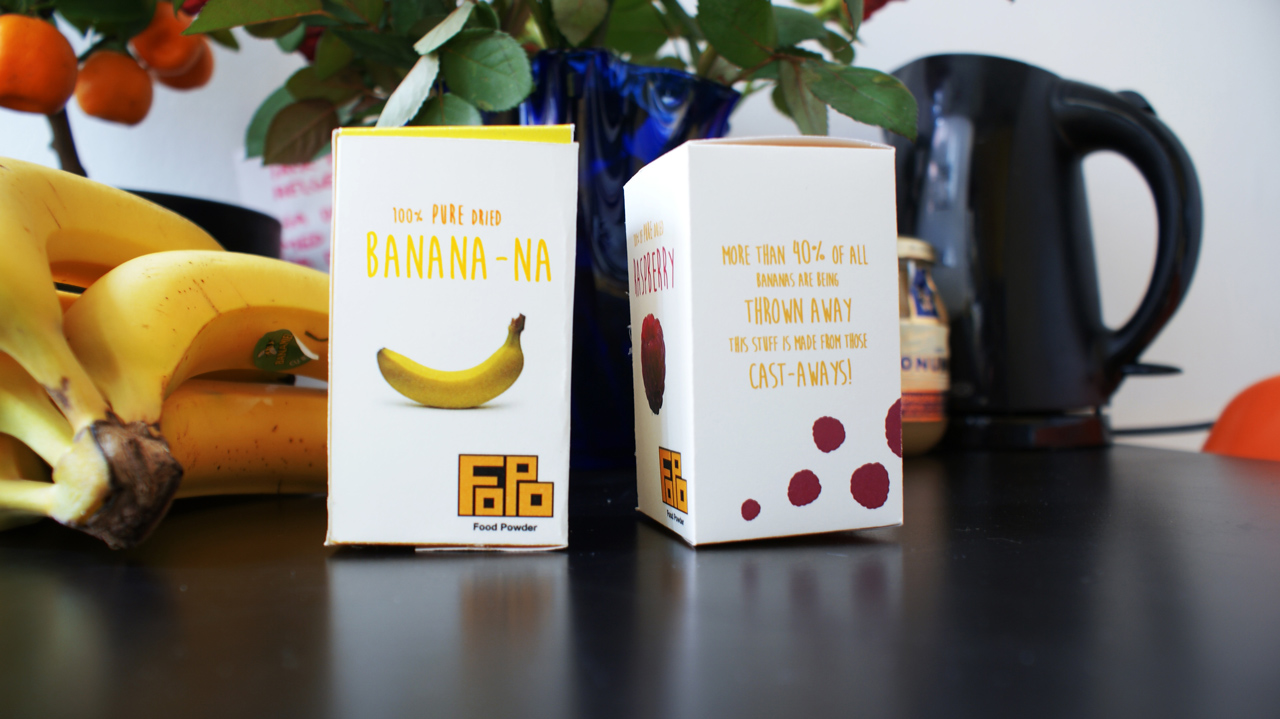
This startup turns almost-expired fruit Into tasty nutritional powder to fight hunger. PHOTO: Co Exist

This startup turns almost-expired fruit Into tasty nutritional powder to fight hunger. PHOTO: Co Exist

According to a 2013 report by UNEP and the World Resources Institute (WRI), about one-third of all food produced worldwide, worth around US$1 trillion, gets lost or wasted in food production and consumption systems. When this figure is converted to calories, this means that about 1 in 4 calories intended for consumption is never actually eaten. About 24 percent of all calories currently produced for human consumption are lost or wasted. In a world full of hunger and volatile food prices, these statistics make a case for ideas to combat food waste. And this Swedish startup may have a solution in which grocery stores and their stock of nearly expired food are the main players.

Continue reading

India to Antwerp, this Story of Diamonds

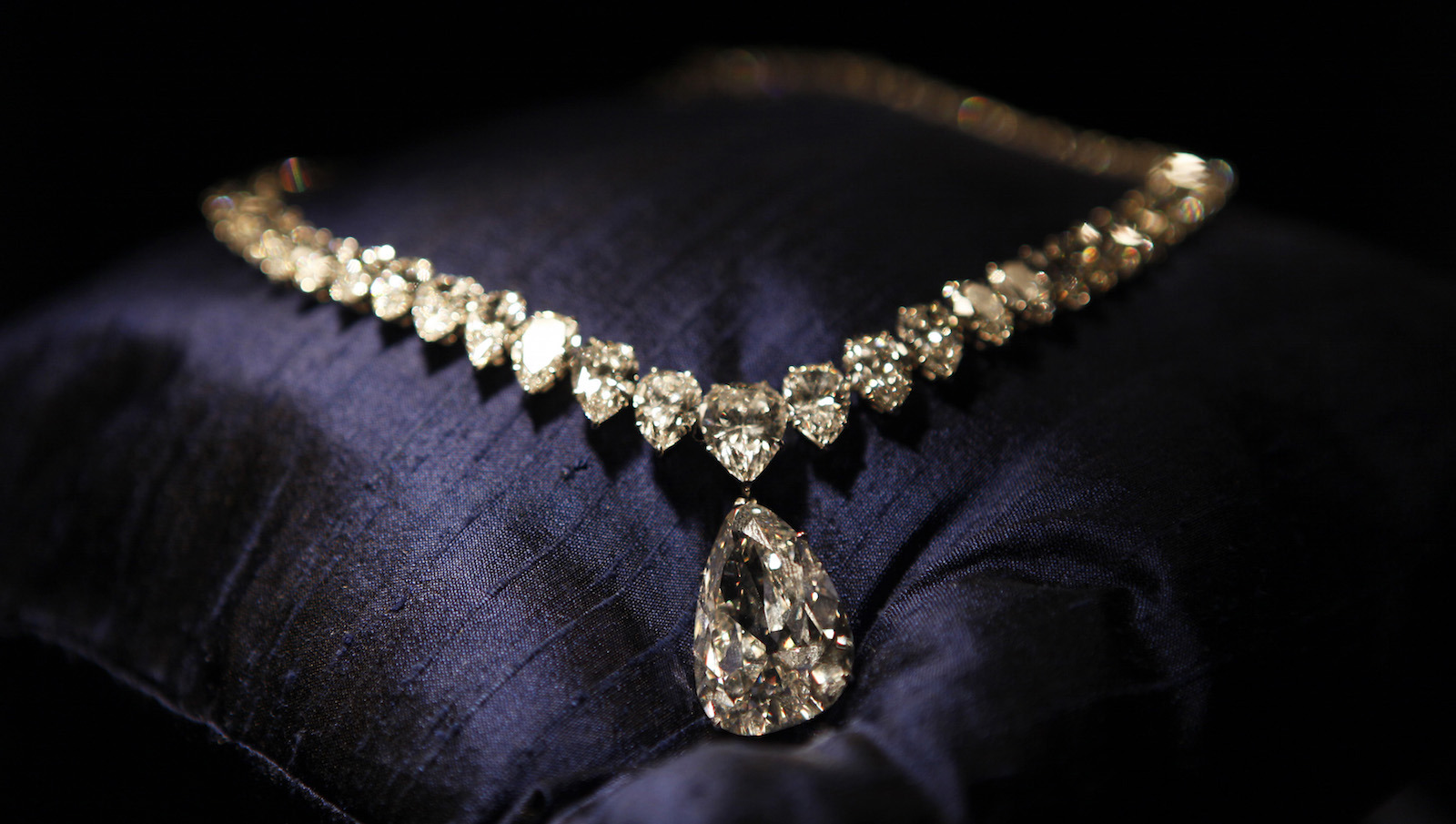
Indians have come to control almost three-quarters of Antwerp’s diamond industry.(Reuters/Finbarr O'Reilly)

Indians have come to control almost three-quarters of Antwerp’s diamond industry. (Reuters/Finbarr O’Reilly)

What New York is to the world’s money markets, Antwerp is to the global diamond trade. Antwerp is also the centre of the secondary or rough diamond market. More than 50% of global production of rough, polished, cut and industrial diamonds passes through Antwerp. Around 80% of the world’s rough diamonds are handled in Antwerp generating an annual turnover of some €30 billion. The most valuable diamonds are usually cut in Antwerp, but as the economy globalises Antwerp remains a nerve centre with much of the actual diamonds shipped out to other, cheaper locations.

Continue reading

Witnessing (and Separating) Color

One must always be camera-ready at Xandari; otherwise one might miss the unexpected beauties that present themselves. On Friday I postponed my dinner (despite my grumbling stomach) in order to take a picture of the breathtaking sunset that was slowly sinking behind the mountains. I had to get to the sunset pool to capture this marvel, and believe it or not, I actually ran. Every second spent getting to the pool meant one less streak of vivid color highlighting the darkening sky. Not to mention, it also meant one second less of battery life on my camera phone with 4% battery left. The stakes were high.

I had not yet witnessed nightfall from the sunset pool, and as soon as I reached my destination I drew in a quick, shallow breath and let out long whispered ‘wooow.’ I was paralyzed with wonder. Birds were swooping down to drink some water from the pool, dodging and weaving one another with such swiftness that I’d lose track of which one I was looking at, all the while the sunlight retreated in the background. It was the ‘bleep’ of my “dying” phone that woke me to my senses and reminded me why I had run here in the first place. I took my pictures quickly and then observed the fleeting moment in stillness. Continue reading

A 3D Printed Shell for Fred

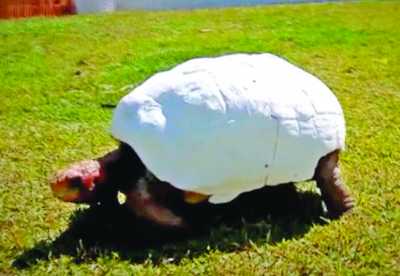
Fred the tortoise received a 3D printed shell after a horrific fire destroyed his original. PHOTO: 3DPrint

Fred the tortoise received a 3D printed shell after a horrific fire destroyed his original. PHOTO: 3DPrint

This one’s a win for goodwill and technology, a fine example of how how ideas can traverse diverse spaces and change lives. The high cost of human prostheses has long been a challenge for amputees and people born with missing limbs, but 3D printers have begun to change that. Unlike traditional manufacturing, 3D printing can create an object in almost any shape by reading a digital model. Using cheap materials, companies and non-profits can now print simple prosthetic hands and arms for as little as $50. And animals like Grecia and Derby, and now Fred, stand to gain, too.

Continue reading