
Ticlio Pass, Peru
Ticlio Pass, Peru

Harvard Natural History Museum
I recently had the chance to visit the Harvard Natural History Museum. Despite having lived in Cambridge for nearly a year, and having often thought about visiting the museum when I passed by going to and from my apartment, I had not stopped in until now. What a treat! The collections are full, diverse, and well curated. On this occasion, I spent most of my time in the animal wing, but I plan to return soon to take in the flora and minerals, and spend much more time in choice display rooms (e.g. the absolutely gorgeous Mammals/Birds of the World permanent exhibit: see below for pictures).

A ground sloth skeleton. It is hard to get an idea of the size of this creature from this photo, but it probably weighed several tons while alive!
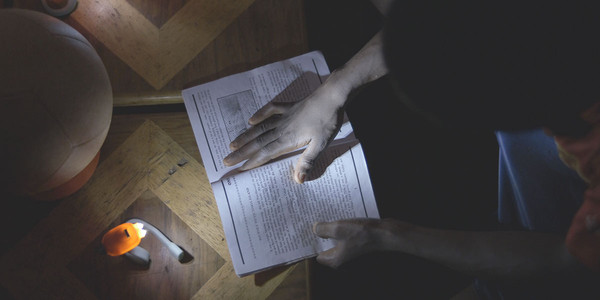
Uncharted Play is a social enterprise based in New York City founded with the mission of harnessing the power of play to achieve social good. PHOTO: UP
1.2 billion people around the world lack access to reliable electricity. They end up using kerosene lamps or diesel generators for their lighting requirements. But did you know that the annual collective emissions from kerosene lamps all over the world is equal to the carbon emissions of 38 million automobiles? It’s not just the carbon footprint – burning kerosene lamps indoors is as bad for the lungs as smoking two packs of cigarettes per day.
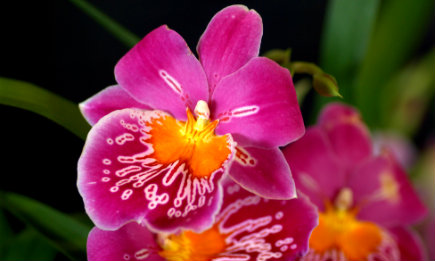
Orchid Observers is a collaboration between the museum and Zooniverse, the citizen science platform established at the University of Oxford. PHOTO: Wikimedia Commons
A citizen science project to study when and where orchids bloom around the UK has already revealed 200 new flowering locations for particular species. Members of the public are submitting and identifying orchid photos, and also annotating historical specimens. Called Orchid Observers, the initiative aims to measure the effect of warming, and other environmental changes, on the distribution of 29 different orchids. Orchid Observers is a collaboration between the museum and Zooniverse, the citizen science platform established at the University of Oxford. The data it yields will not only be used by researchers at the museum, but will feed into the biological records data held by the BSBI.
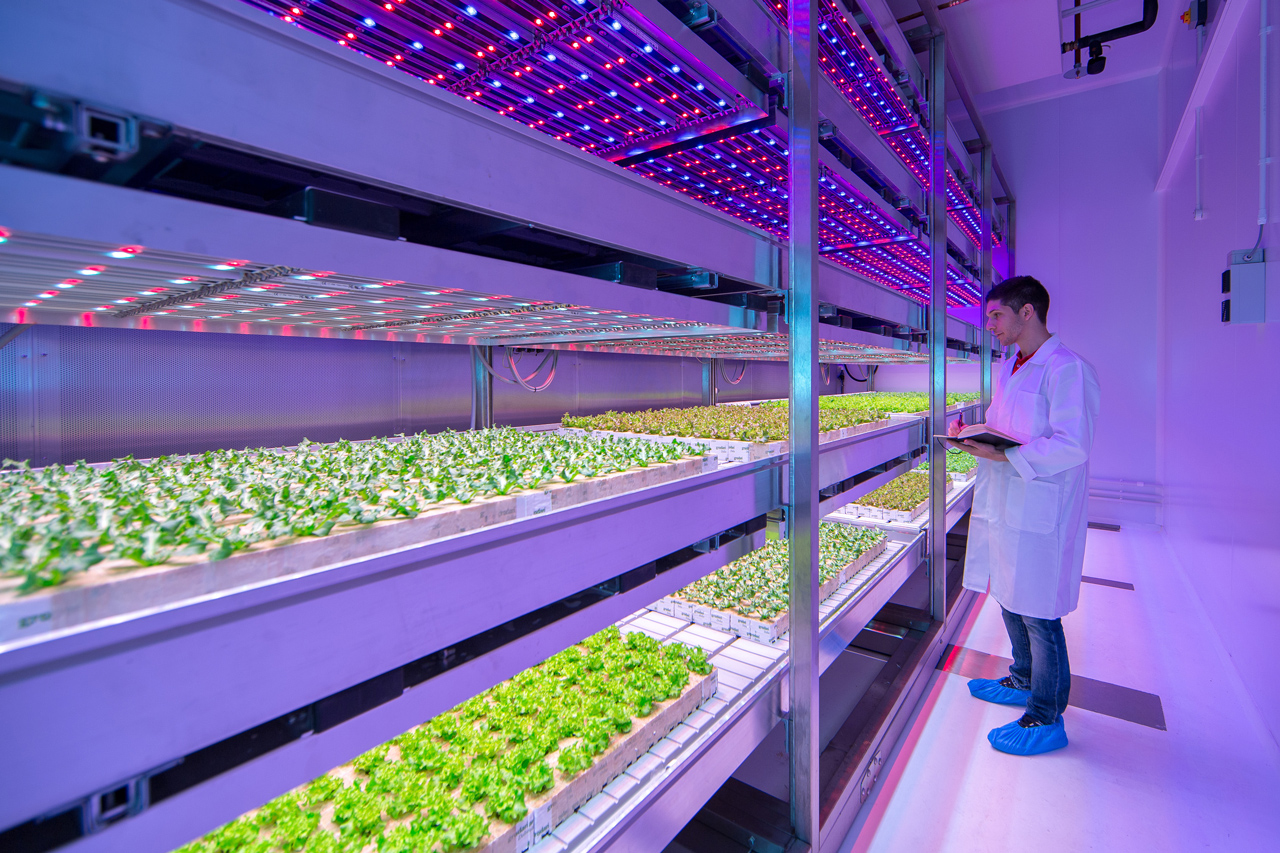
In this huge urban farming lab, LED “Recipes” grow juicier tomatoes and sweeter basil. PHOTO: Co Exist
Behind a vault-like door, the long, windowless room has the same purple glow as the cabin on a Virgin America flight. Instead of passengers, the space is filled with row after row of plants, each growing under a carefully calibrated series of red and blue lights. White-coated researchers walk by studying each leaf of lettuce or kale. Welcome to the GrowWise Center, one of the largest homes for urban farming research in the world.

What radical policy the government adopts and implements to leave a strong footprint in the paradigm of global climate remains to be seen but micro steps are already being taken by individuals in various other sectors. Carbon offsetting is entering mainstream conversations and niche spaces like film making are thinking green. The first example of a carbon neutral production was George Clooney’s Syriana (2005). And now, the unit of the Bollywood movie Aisa Yeh Jahaan, starring Palash Sen and Ira Dubey among others and directed by Biswajeet Bora, has become India’s first ‘carbon-neutral’ movie.
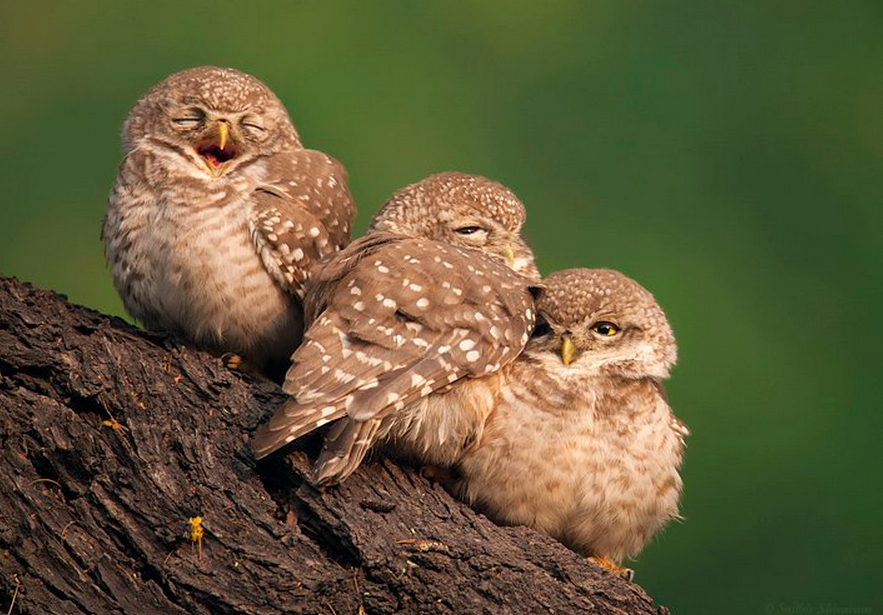
Keoladeo Ghana National Park, Bharatpur, Rajasthan

Your cheap prawn sandwich may be destroying Sri Lanka’s mangroves. PHOTO: Aldi
A swelling appetite for shrimps and prawns in America, Europe and Japan has fuelled industrial farming of shellfish in the past few decades. The industry now has a farm-gate value of $10 billion per year globally and the prawn in your sandwich is much more likely to have come from a pond than from the sea. While the industry is dominated by the likes of China, Vietnam and Thailand, a large number of other countries have invested heavily in cultivation too.
Prawn aquaculture has been likened to slash-and-burn cultivation—find a pristine spot, remove the vegetation and farm it for a few years before moving on. But the analogy is misleadingly benign. Slash-and-burn systems on a small scale can be sustainable, since the cut plots can recover afterwards.

A natural pool set up by Total Habitat
In the years since, they’ve seen a rapid increase in numbers. Today there are over 20,000 natural pools in Europe, including plenty open to the general public.
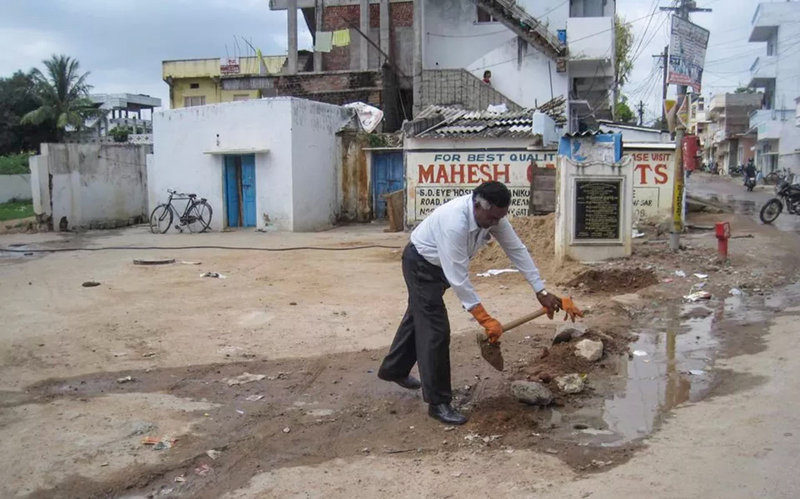
Another pothole bites the dust in India, thanks to the efforts of Gangadhara Tilak Katnam
“You shouldn’t be out there filling potholes at your age.” That’s what Venkateswari Katnam tells her 67-year-old husband, Gandgadhara. He doesn’t listen. Over the past five years, he estimates that he has filled around 1,100 potholes on the streets of Hyderabad. He carries bags of gravel and tar in the trunk of his Fiat, along with a spade, two brooms, a wire brush and a crowbar. When he spies a pothole — or learns of one from a Facebook message — he can usually fill it in under an hour. He clears out any debris or standing water, pours in the mix of gravel and tar, levels it off and waits about 30 minutes for it to set. He puts up red flags in English, Hindi and Telugu to make sure no one steps or drives in it. And when he’s done, he takes a selfie to add to his collection of filled pothole Continue reading
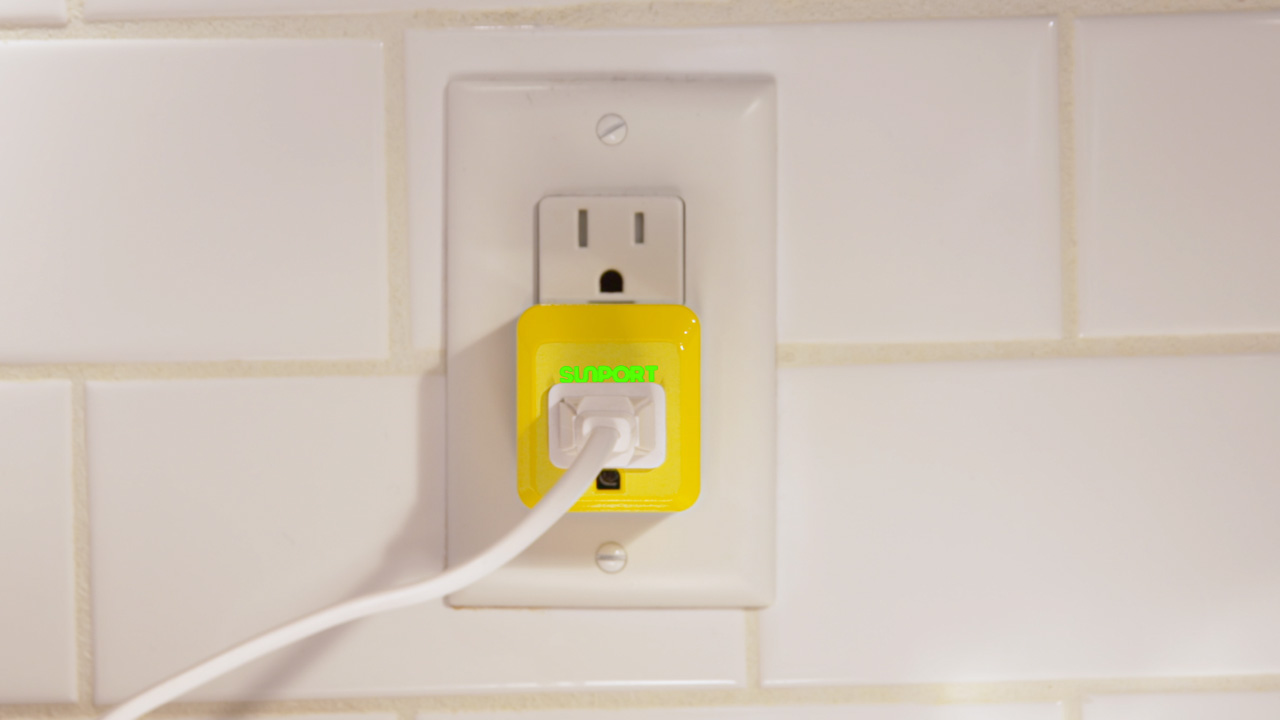
Now you can power your iPhone from the sun, even if you can’t afford solar panels.
Thanks to steeply falling prices, solar power keeps breaking records for new installations. But it still makes up less than 1% of total energy production in the U.S. The chances are good that you probably don’t yet have solar panels on your roof yet. Now, however, you can run your gadgets on solar just by using a different outlet. Plug your laptop into the SunPort, and it will automatically calculate how much power you’re drawing from the grid—and “upgrade” you to solar instead of coal, natural gas, or whatever else your local utility happens to use.

Pucusana, Peru
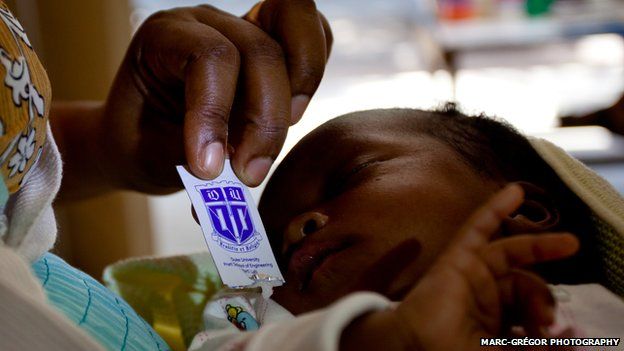
An HIV positive mother in Moshi, Tanzania, giving her baby antiretroviral medicine from the sachet
Inside a foil sachet, which looks more at home in a fast-food restaurant, an exact dose of antiretroviral medicine is helping to protect newborn babies against the threat of infection from their HIV-positive mothers. According to the UN, mother-to-child transmission in the developing world creates 260,000 new infections in children every year. Thanks to a program involving the Ecuadorian government, the VIHDA foundation in Guayaquil and Duke University in North Carolina, at least 1,000 babies have been born without the infection from HIV-positive mothers.The program is enabling newborn babies to take their medicines efficiently – via a pouch that looks just like the small ketchup sachets you get at fast food restaurants. Only in this case, they are filled with antiretroviral drugs, which protect against HIV.
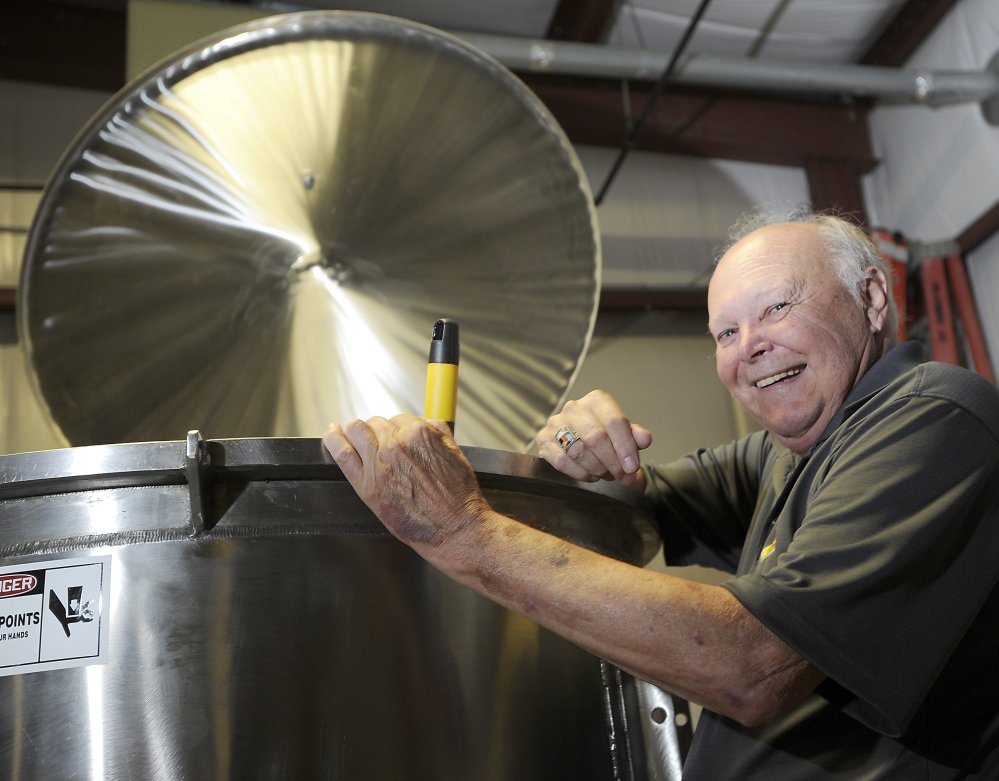
Jim White’s Anti-Pest-O grew out of ill effects of working with chemicals as a botanist. PHOTO: Gordon Chibroski
Are the beanstalks over your heads and the Japanese beetles in your garden driving you into a murderous rage? Then meet Jim White, creator of an eco-friendly insect repellent called Anti-Pest-O. Talk to him about bugs and find how we can dispense with them in the garden without relying on hard-core chemicals. The Portland resident came up with the formula for his product in the late 1990s as a form of self-defense when he was working as a botanist; every time he sprayed his plants with pesticides he broke out in a rash and/or developed a cough.
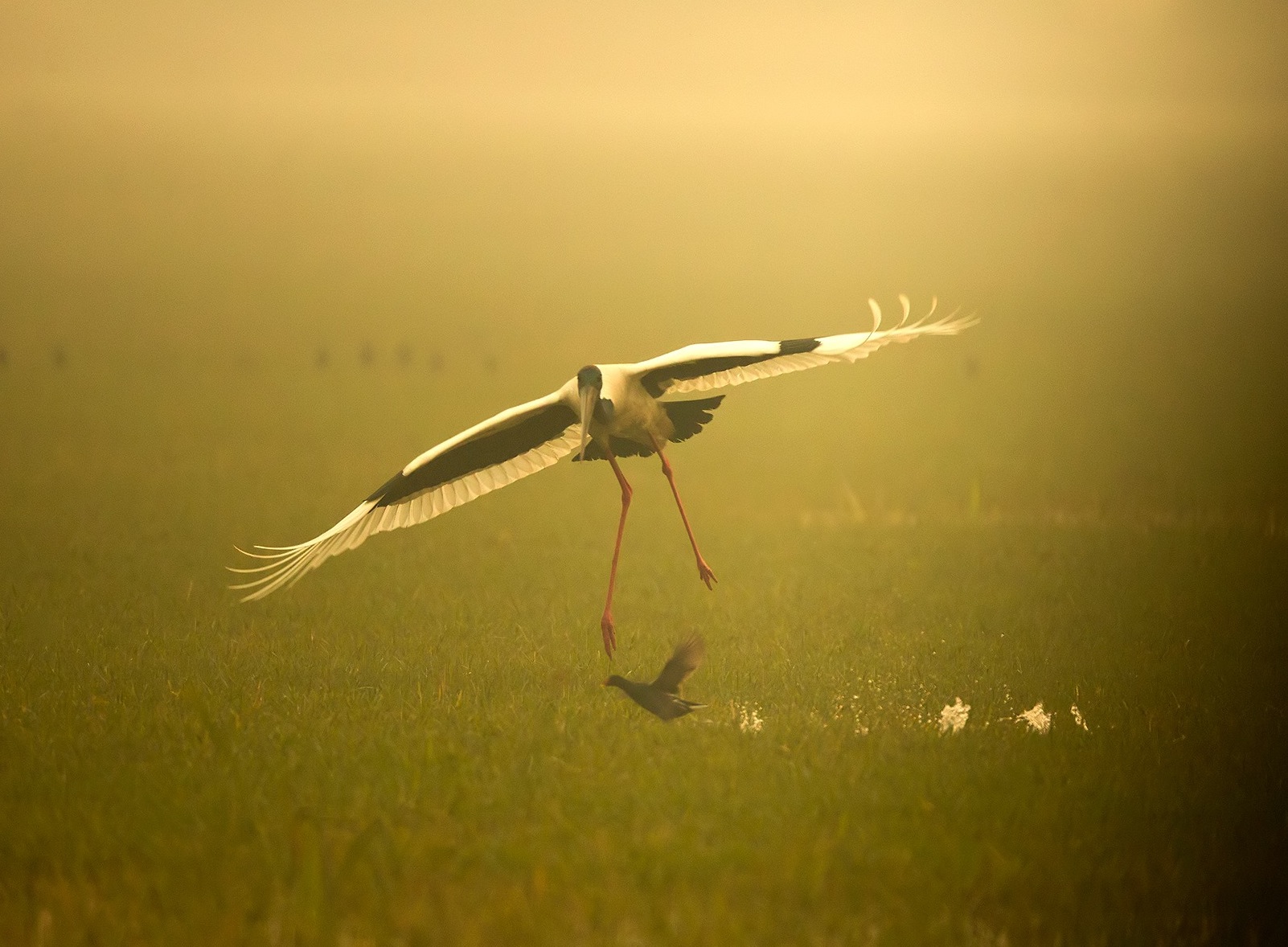
Bharatpur National Park, Rajasthan

Wind turbines rise along the shores of Lake Erie on land that used to be home to Bethlehem Steel. PHOTO: Brendan Bannon for The New York Times
Along a bend in the Buffalo River here, an enormous steel and concrete structure is rising, soon to house one of the country’s largest solar panel factories. Just to the south, in the rotting guts of the old Bethlehem Steel plant in Lackawanna, where a dozen wind turbines already harness the energy blowing off Lake Erie, workers are preparing to install a big new solar array. And in Lockport, to the north, Yahoo recently expanded a data and customer service center, attracted by the region’s cheap, clean power generated by Niagara Falls.
After decades of providing the punch line in jokes about snowstorms, also-ran sports teams and urban decline, the Queen City of the Lakes is suddenly experiencing something new: an economic turnaround, helped by the unlikely sector of renewable energy.

The city of Modesto’s wastewater treatment plant could supply millions of gallons of water to local farmers in California. PHOTO: Lauren Sommer
Many California farmers are in a tight spot this summer, because their normal water supplies have dried up with the state’s extreme drought. In the state’s Central Valley, that’s driving some farmers to get creative: They’re looking at buying water from cities — not freshwater, but water that’s already gone down the drain.
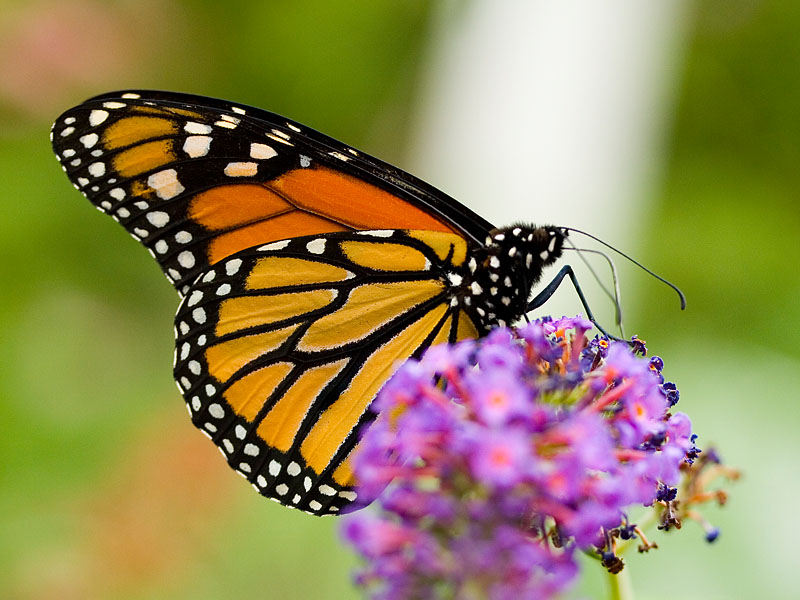
By spending just 15 minutes counting butterflies, you’ll be taking part in the world’s biggest butterfly survey and helping protect these precious insects. PHOTO: Wikimedia Commons
Butterflies aren’t just a beautiful sight, fluttering between flower heads on a sunny summer’s day, they are crucial indicators of the health of our environment. Alas the majority of UK butterflies and moths are still in major decline, they need constant monitoring and protecting. You can help do just that by taking part in Butterfly Conservation’s annual Big Butterfly Count.
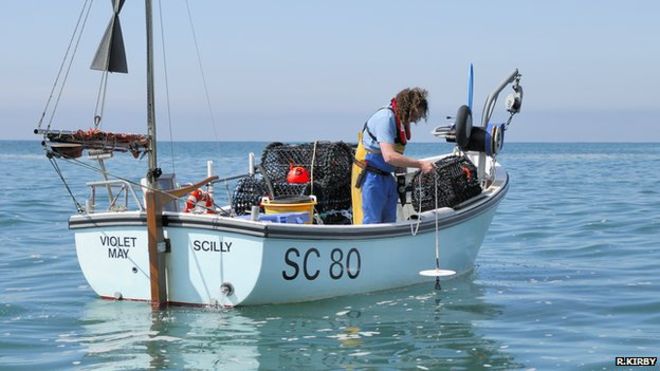
A research programme aims to encourage partnerships between commercial fishermen and scientists
Fishermen in South Devon, UK, have turned their boats into “massive data platforms” for a citizen science study. They have become the first commercial fishers to gather data for the Secchi Disk Study, which is gathering data on the state of the oceans’ phytoplankton. To date, there is little scientific information on the health of the tiny marine plants that form the basis of global food chains. The data will also help fishermen manage stocks.
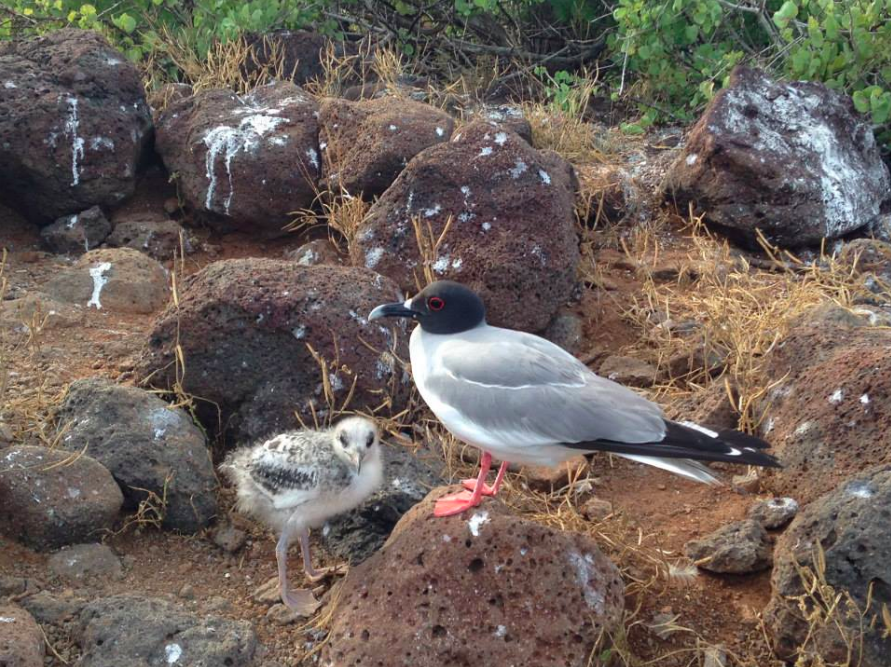
adult with chick – Isla Seymour Norte, Galapagos
 Organikos