The Blue-and-white Swallow

A Blue-and-white Swallow with a view of Alajuela and the Santa Ana wind turbines

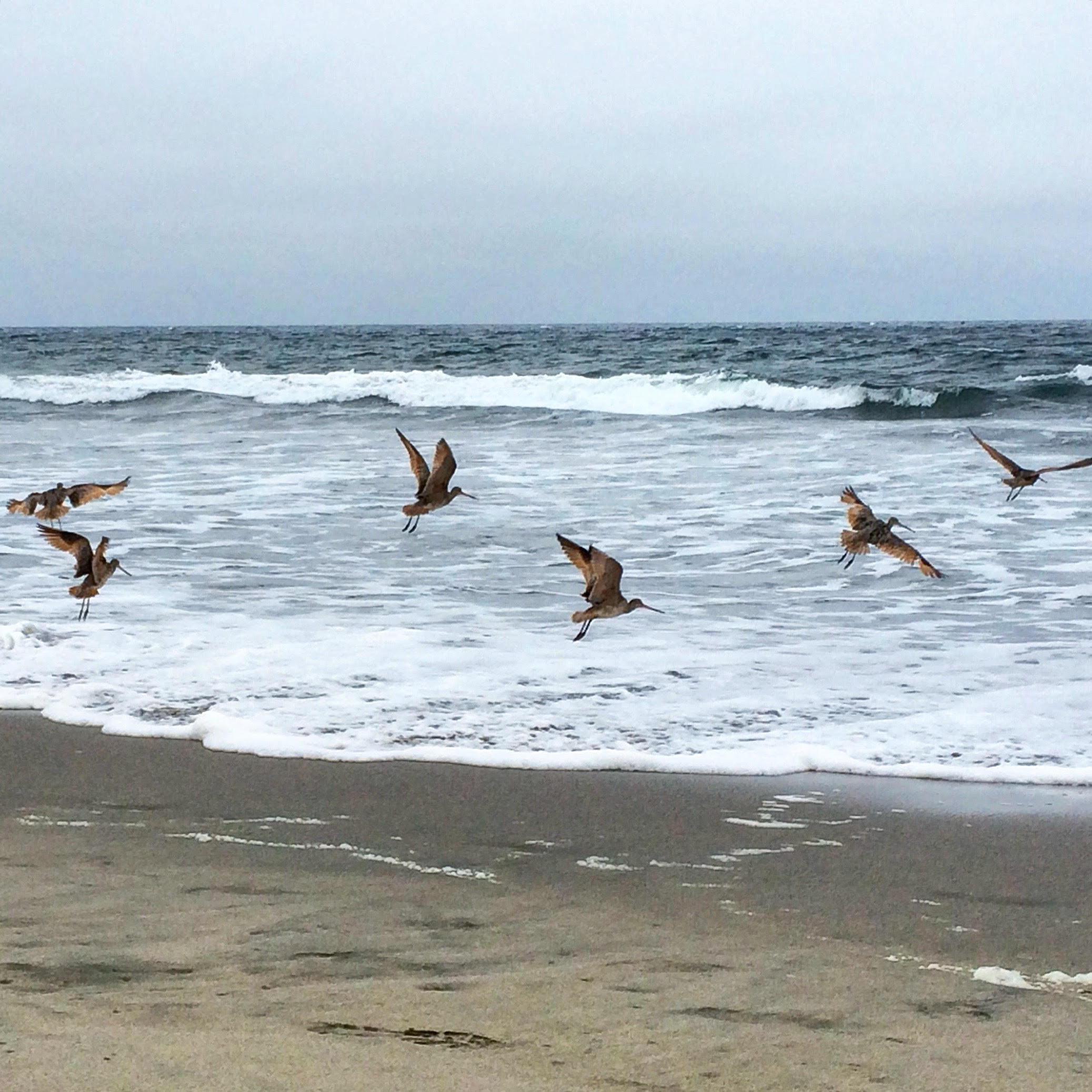
Nearly every day at Xandari you’re quite likely to spot some swallows zooming around anywhere between roughly ten and seventy feet above the ground, foraging for small insects on the wing. Chances are that these aerial insectivores are Blue-and-white Swallows (Pygochelidon cyanoleuca), although Northern Rough-winged Swallows have been seen here before too. The Blue-and-whites are typically in groups of five to twenty, but sometimes they’re solitary or in pairs, and you can also expect to see some swifts mixed in with the flock if there are lots of bugs in the air.

The footage above is from one afternoon last week when the swallows were enjoying Continue reading


Prefab Solar Classrooms Power Education in Kenya

According to a UN report, there are around 57 million children who don’t have a school to go to.The UN’s Educational, Scientific and Cultural Organisation (Unesco) says in some areas it could take 70 years before there are enough primary school places for every child. There has been some progress though; there are now half as many children unable to go to school as there were in the year 2000. That means in the past 13 years around 60 million more children now have access to an education. And initiatives like Aleutia’s definitely play a big role in bringing down the number of children who lack access to education.

Continue reading

When Mines Threaten to Swallow Cities

Kiruna is Sweden’s northernmost city, and soon, it's about to pick up and move two miles to the east, thanks to a mine. PHOTO: Co Exist

Kiruna is Sweden’s northernmost city, and soon, it’s about to pick up and move two miles to the east, thanks to a mine. PHOTO: Co Exist

Kiruna is home to the world’s largest underground iron ore mine, LKAB, supplying iron ore pellets to the steel industry in Europe. In most places, ore is extracted in opencast mines but not in Kiruna. The ore body in Kiruna is four kilometers long and 80 meters wide and stretches for at least two kilometers in the ground. For the moment, they mine at 1 km deep in Kiruna but they plan to mine until at least 2030 because they don’t know the extent of the ore body. But the city is sinking.

Continue reading

Sparkle and Twinkle

The full moon as seen from Xandari on July 31st (photo by S. Inman).

I was quite nervous before my 8am tour as I read through the Sustainability Tour document and general script of facts last Friday. This was going to be my first measurable test to prove everything I have learned so far from working at Xandari for two and a half weeks. The tour consists of making the rounds through the property to each department and having a member of each one describe to the guest their daily practices that are environmentally friendly. My primary role in the tour is to explain in detail the CST (Certificate of Sustainable Tourism) program and its significance not only to the whole mission and vision of Xandari, but also as a greater movement for businesses in the hospitality industry in Costa Rica. In addition, while we are at each department, I become a translator for my coworkers if the guests don’t understand Spanish. Continue reading

Innovating on the Ocean Bed

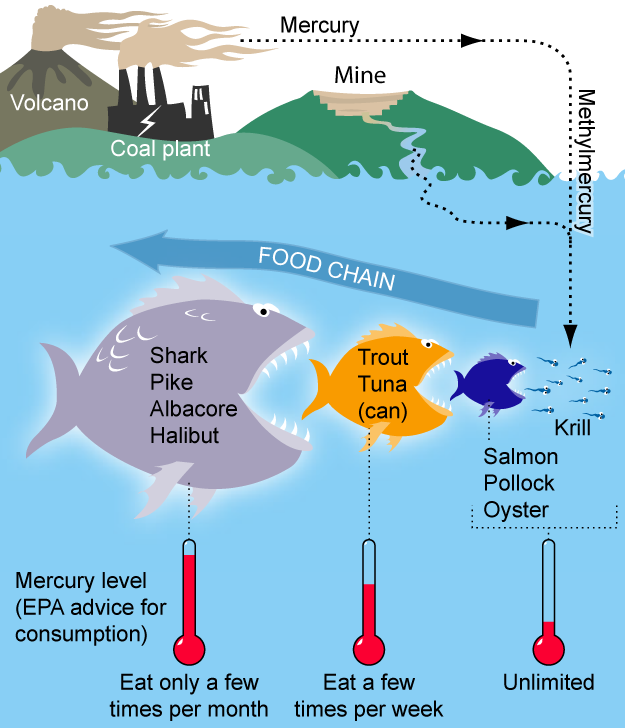
It's important that mercury pollution be contained at the site of spillage, especially oceans, to prevent it from travelling through the food chain. PHOTO: Wikipedia

It’s important that mercury pollution be contained, especially in oceans, to prevent the chemical from travelling through the food chain. PHOTO: Wikipedia

Mercury is a potent toxin that can accumulate to high concentrations in fish, posing a health risk to people who eat large, predatory marine fish such as swordfish and tuna. In the open ocean, the principal source of mercury is atmospheric deposition from human activities, especially emissions from coal-fired power plants and artisanal gold mining. Mercury concentrations in Hawaiian yellowfin tuna are increasing at a rate of 3.8 percent or more per year, according to a new University of Michigan-led study that suggests rising atmospheric levels of the toxin are to blame. And there’s a ‘fake’ solution at hand.

Continue reading

Can We Keep Cars Off the Streets

Madrid's car-free zone is just under 500 acres. Only people who live in the zone are allowed to take their cars inside. Those who want to drive in, but don't live in central Madrid, need to have a guaranteed space in one of the city's official parking lots

Madrid’s car-free zone is just under 500 acres. Only people who live in the zone are allowed to take their cars inside. PHOTO: Pictures Dot News

After over a hundred years of living with cars, some cities are slowly starting to realize that the automobile doesn’t make a lot of sense in the urban context. It isn’t just the smog or the traffic deaths; in some cities, cars aren’t even a convenient way to get around. Commuters in L.A. spend 90 hours a year stuck in traffic. A UK study found that drivers spend 106 days of their lives looking for parking spots. A growing number of cities are getting rid of cars in certain neighborhoods through fines, better design, new apps, and, in the case of Milan, even paying commuters to leave their car parked at home and take the train instead.

Continue reading

Here’s How to See a Meal on a Banana Leaf

Eating on a banana leaf goes beyond the food; it's about science, energy, and teachings of yore. PHOTO: Wikimedia Commons

Eating on a banana leaf goes beyond the food; it’s about science, energy, and teachings of yore. PHOTO: Wikimedia Commons

The rains have ceased and clearer skies bless our days here in Kerala as the calendar turns a page to August. The words are only beginning to be murmured but sadyakasavuand Onam can put the life back in any Keralite’s soul. Food, clothing, and a festival – in translation – who could possibly ask for more! And one thing that binds them all together is how true to the land they stay. The sadya in particular, once you look beyond the fact that it’s an only-hands affair and is best had sitting cross-legged on the floor, is an example of food science, forms of energy, folk teachings, and more.

Continue reading

The Montezuma Oropendola

A week or so ago, Jocelyn discussed the Montezuma Oropendola’s song as heard on Xandari property in Costa Rica. As you could hear from the linked vocalizations in her post, the bird makes an incredibly strange, gurgling/bubbling sound, recently described by a Xandari guest as “the sound of pouring water from one jug into another.” James and I have put up photos of the oropendola as Bird of the Day posts before, but I realized after reading Jocelyn’s thoughts on the bird that we haven’t featured any video of this common resident species at Xandari in the past. So I went out with my camera this weekend and was lucky enough to capture a minute of behavior footage to share here. The main thing missing is what the male often looks like when he’s vocalizing: perched on a branch, he typically leans forward as he calls, bending down so far that it appears he might suddenly fall off. At the end of his call he swings back up, and starts the process again.

Although the Montezuma Oropendola is a species commonly seen (or at least heard) from Xandari on most days, they don’t appear to have any nests on property. And you’d notice Continue reading

Shaken, Not Stirred – The Golden Age of Cocktails

Forget the blender and all of the bottled mixes, the best Daiquiri is made from scratch and it is an unbelievably easy mix of three main ingredients.

Forget the blender and all of the bottled mixes, the best Daiquiri is made from scratch and it is an unbelievably easy mix of three main ingredients.

“Shaken, not stirred” is a catchphrase of Ian Fleming‘s fictional British Secret Service agent James Bond and describes his preference for the preparation of his martini cocktails. The phrase first appears in the novel Diamonds Are Forever (1956), though Bond himself does not actually say it until Dr. No (1958), where his exact words are “shaken and not stirred”. Going by it, there clearly seems to be a preference and an art to topping up a glass. And The Salt‘s trackback to when Americans learned to love mixed drinks shows just that.

Continue reading

Beijing Looks to ‘Making’ Snow

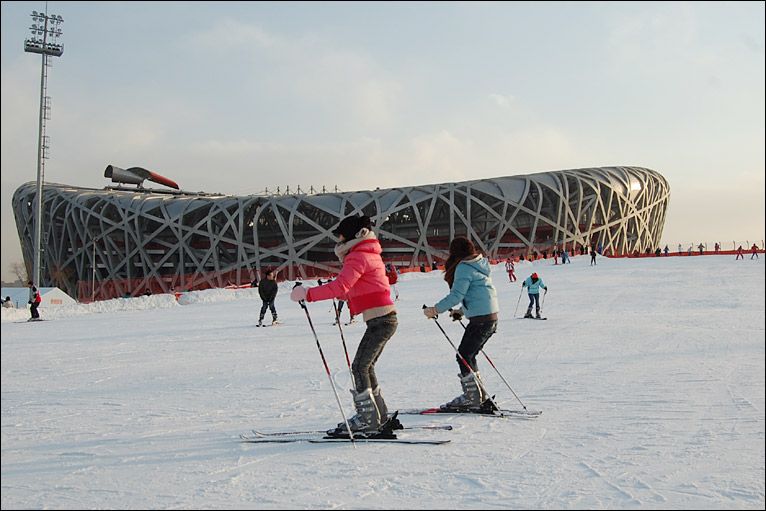
While Beijing has won the bid to host the 2022 Winter Olympics, questions are being raised about the environmental impact of creating artificial snow. PHOTO: BBC

While Beijing has won the bid to host the 2022 Winter Olympics, questions are being raised about the environmental impact of creating artificial snow. PHOTO: BBC

Beijing is still celebrating its chance to host the 2022 Winter Olympics. The International Olympic Committee’s (IOC) decision means China’s capital will become the first city to host the summer and winter events. The candidate cities were down to just Beijing and Almaty, Kazakhstan, after a number of other cities including Krakow, Poland, and Oslo, Norway, dropped out of the bidding, many citing public opposition to the expense of hosting the games. Despite Kazakhstan’s recent oil and gas-driven economic boom, Beijing was considered the safer choice, given that China proved during the 2008 Summer Games that it can put on quite a show. So, think Winter Games, think snow. And where is that going to come from?

Continue reading

A Backyard Solution to Oil Spills

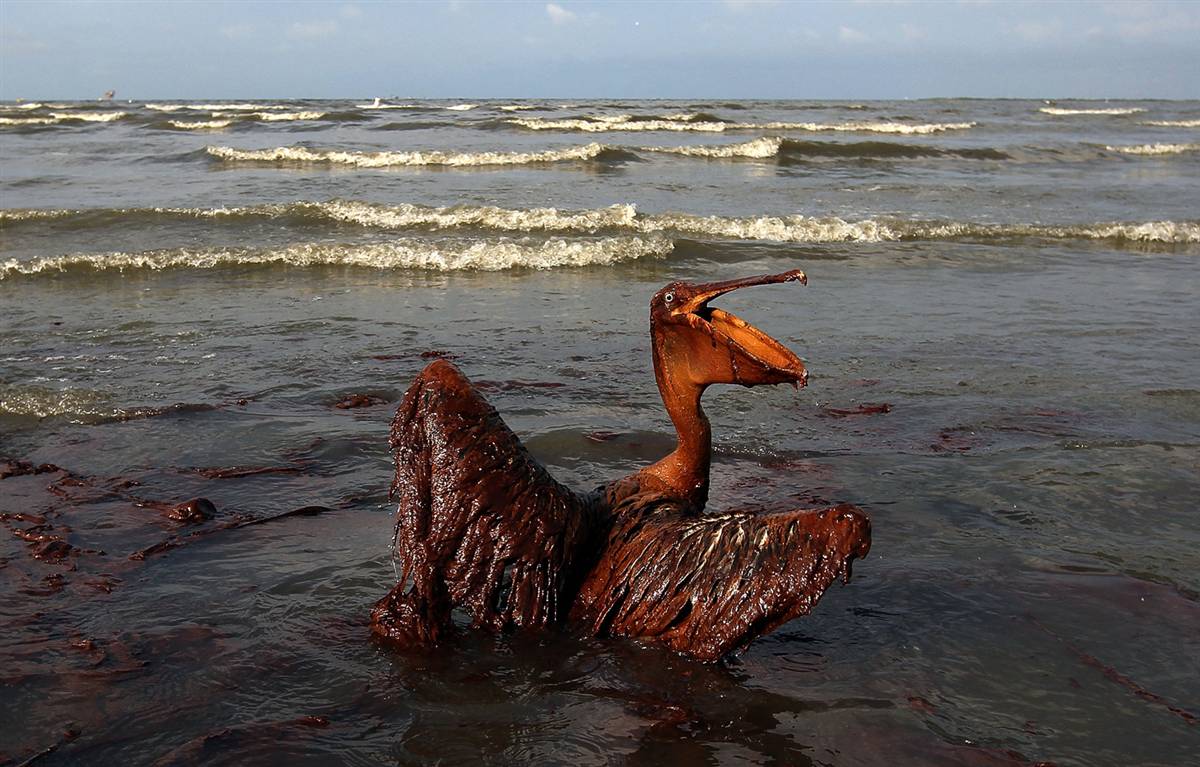
Waste like human hair, sawdust and bird feathers can clean oil spills from water. PHOTO:  Nation of Change

Waste like human hair, sawdust and bird feathers can clean oil spills from water. PHOTO: Nation of Change

Biosorption is a property of certain types of inactive, dead, microbial biomass to bind and concentrate heavy metals from even very dilute aqueous solutions. And Nikhilesh Das discovered just this, at the age of 13, demonstrating reuse and effective waste management. Scalable models of these and we may just have a potent option to deal with oil spills that destroy marine ecosystems for years together.

Continue reading

Fancy Some Printed Food?

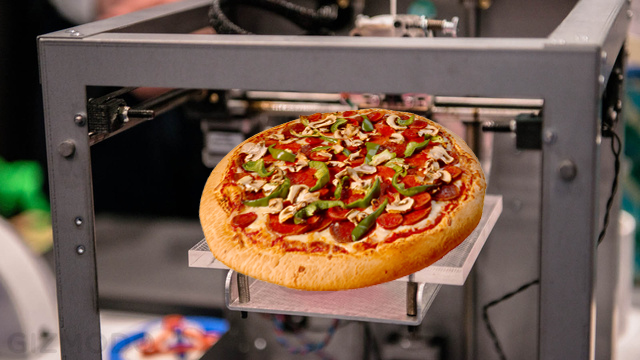
What is 3D printing's effect on fine dining? PHOTO: Shiftgig

What is 3D printing’s effect on fine dining? PHOTO: Shiftgig

What connects information and software to cooking? 3D printers. Though still finding a fan base among top chefs, the technology is poised to redefine the fine world of fine dining. For now the mechanism is nascent, it takes multiple materials to ‘print’ one dish and its newness is a put-off but it’s also stirring up some interesting innovations in the culinary world. No, not a la carte.

Continue reading

A House For and By the People

This Swedish house was designed by two million people. PHOTO: Tech Insider

This Swedish house was designed by two million people. PHOTO: Hemnet

Technology and democracy – two great forces to reckon with in today’s world. And when these two come together, it exemplifies what community of thought and the powers and possibilities of science can do. Take the Hemnet House. Designed collaboratively by 2 million people (the population size of Jamaica, Latvia, Slovenia and more), the house stands for the greatest tenet of democracy – for the people, by the people.

Continue reading

A Battle on the Ocean Bed

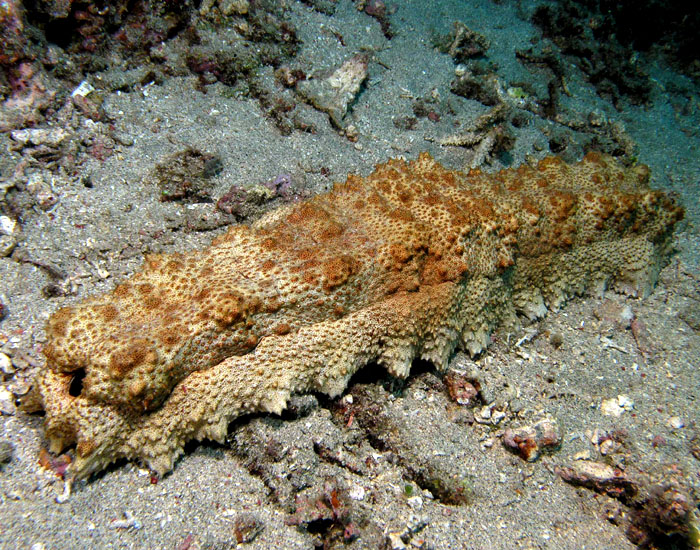
The potential opening of sea cucumber fishing in Galápagos has scientists and conservationists surprised and concerned after news leaked of a July 10 agreement that would allow the collection of 500,000 of the creatures, considered vital to the marine environment. PHOTO: Wikimedia Commons

The potential opening of sea cucumber fishing in Galápagos has scientists and conservationists surprised and concerned after news leaked of a July 10 agreement that would allow the collection of 500,000 of the creatures, considered vital to the marine environment. PHOTO: Wikimedia Commons

Sea cucumbers are in the news – again. The marine creature has been talked about as an adjunct treatment for those undergoing chemotherapy. They have also been tipped as a “wonder ingredient” in cosmetics. Not to forget the sea cucumber capsule industry, Asian cuisines that consider it a delicacy, and its place in the underground market of aphrodisiac market. This time around, the news isn’t good.

Continue reading

Will Greece Look to the Sun God?

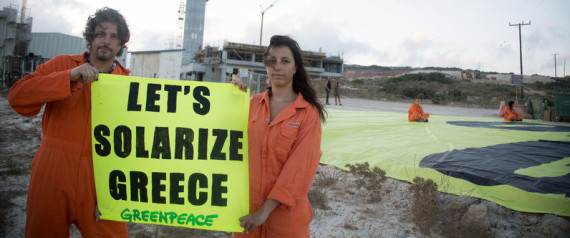
Greenpeace activists spread a banner pointing at a Greek oil-fired power plant under construction in Rhodes, to reveal one of the most unacknowledged causes of the Greek crisis; the country’’s dependence on imported fossil fuels.

Yes, the Greek people are going through difficult times. There are scenes of pensioners queuing at cash machines to withdraw part of their monthly pensions. And there is also a significant need for reform. Even the International Monetary Fund is going back on its word, prompting the country to look at what best it can do. The space of energy would be a good place to start with, given that the country has under-utilized its natural and most abundant asset.

Continue reading