photo credit: Andrew Murphy
photo credit: Andrew Murphy

Melton
Note: Hey I’m John, a new author with Raxa Collective. I am working as a field technician on an expedition studying the Jamaican Golden Swallow with Justin Proctor and Seth Inman.
While traveling in the Jamaican bush, local people would often pleasantly surprise us. While passing us deep in the bush on a donkey with a pack saddle brimming with yellow yams, a local farmer with a ragged hat and torn work shirt told us about how he just spend the last week in Toronto with his Canadian girlfriend. A group of illegal mahogany loggers, upon seeing our camera equipment, enthusiastically asked us to help them film a music video. But by far, our favorite encounter was with Melton Manuel West.
We met Melton as we set up our camp in the late afternoon near BBQ Bottom Rd. He was walking from his home in the bush to go to the market in nearby Campbells. Like most people we met, he asked us about what we were doing. Intrigued by our project, he declared he would take us to the best places in the bush to see swallows. Then he sat down nearby and just hung out near our camp. At first we were suspicious, and it was a little disconcerting. Yet before he left, we agreed that he could guide us into the hills the next day. Continue reading
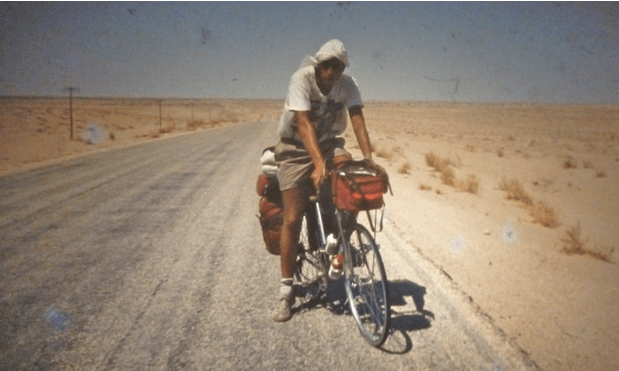
Trevor Ward on a cycle tour in the Sahara. Photograph: Trevor Ward
In the summer of 1988 Crist and I boarded a flight to Missoula, Montana, watching nervously through the window as the luggage that included our bikes and gear was loaded on the plane. We’d been “training” for several months, riding our bikes around New York City, our panniers filled with heavy phone books. Our 900 kilometer journey through the Canadian Rockies from Missoula to Jasper, Alberta – carrying all the requisite gear – was exhilarating, “impossible” and crazy, especially for biking novices such as ourselves. Reading about Trevor Ward’s experiences strikes a chord.
Back in the mid-1980s, I did something that members of my local cycling club found hilarious – I cycled to the Sahara Desert and back.
In their Lycra shorts and replica Peugeot and La Vie Claire racing jerseys, they laughed at my bike which, laden with panniers, tent, cooking stove, sleeping bag, spare tyres and even a small folding deckchair, had been transformed from a sleek blade of steel to something resembling the aftermath of a gas explosion.
My humiliation continued in the remotest parts of Tunisia and Algeria where groups of children would greet my arrival at their villages by throwing lumps of rock at my head. Continue reading
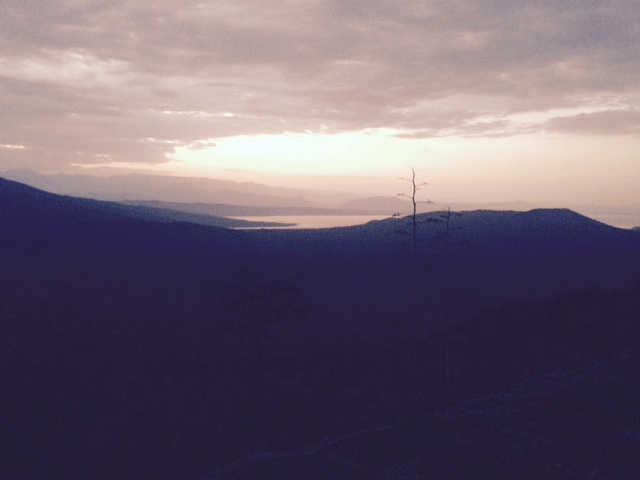
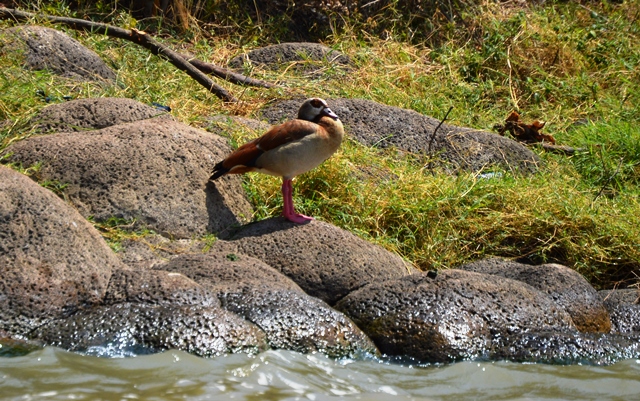
As coincidences go, this one is nothing but typical: Seth’s post about wrapping up the first leg of his scientific expedition in Jamaica is there to be read; this song is coming through the earbuds (do yourself a favor and find it; do the estate of the artist a favor by finding a legal copy to ensure royalties go where they belong); I am looking out over the most fertile lands in Ethiopia, getting ready to board a boat to pass by the hippos and 7-meter long crocodiles that live in the water in the distance (in the photo above) and then climb the hills to where the zebras roam, to see what we can see. And then perfectly, as I glance at the news, a small feature catches my attention:
When people ask where I live and I say Jamaica, it’s almost a given that someone will then randomly say “ah, Bob Marley” in response. It can grate that one man can define an entire country, but this man was that most rare of individuals, an icon, the man who introduced reggae to the world and who drove an equally iconic vehicle, a Series III Land Rover.
I care nothing about cars, but at the moment the story catches my attention I am deeply immersed in the earliest recordings of Bob Marley as preparation for the exploration of Ethiopia. So I read on about this car in Jamaica. And the playlist continues, now Chances Are (again, find it; from when the artist was living in the USA, but this was not released until years later and never got the airplay it deserved) makes me want to know even more about this Land Rover before getting into that boat. Thanks, Bob, for prepping me for the beauty of Ethiopia, and sending me on my way today in good spirits.

View of a foggy Barbecue Bottom valley in Cockpit Country
This past weekend, the first stage of the Smithsonian’s Jamaican Golden Swallow Expedition came to a close. After a full month of exploring Cockpit Country for whatever aerial insectivores we could find, we flew back to Ithaca on the 14th. Now we will process our data and imagery for two weeks while restocking for the second trip.

The bulk of our gear laid out for washing, drying, and sorting on the Windsor Research Centre’s lawn during our last day in Cockpit Country.

Petrified wood. Las Cruces, New Mexico. PHOTOGRAPH BY SHANE LAVALETTE
Contributors to our blog come and go. We wonder from time to time how the talents we saw in India, or Costa Rica, or elsewhere are being deployed today and will be deployed tomorrow. That is how it is with interns, and volunteers, as much as with other types of team members. Above, this, and a few of the other photographs in this post remind us of Milo’s first year with a camera, and his sense of spontaneity combined with visual acuity; someone who is a natural with that tool, the camera, and is ever on the lookout to tell a story with a snapshot:
Last week, the photographer Shane Lavalette set out on a road trip from Austin, Texas, to Joshua Tree, California. Each day, he posted austere, poetic photographs of the region’s landscapes and people to the New Yorker photo department’s Instagram feed, using the photo-editing app VSCO Cam. Continue reading
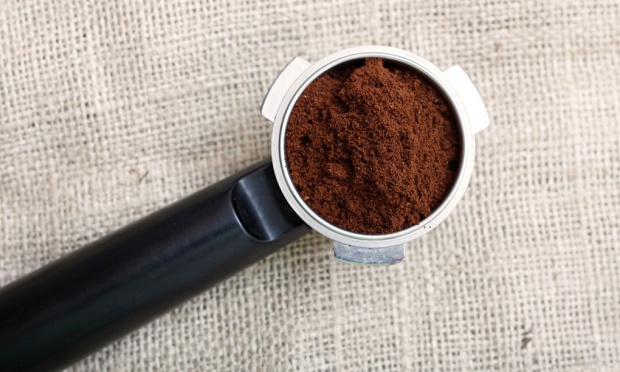
Scientists at the City University of Hong Kong can turn coffee grounds and stale bakery goods into a sugary solution that can be applied to manufacture plastic. Photograph: Alamy
We frequently talk about the recycling on these pages, with an eye toward the developing awareness that the concept is no longer limited to inorganic, static materials. This recent article in the Guardian indicates that plant cellulose based plastic is just the tip of the iceberg in the possible ways to convert the mountains of food waste in many parts of the world into materials with environmental benifits.
Scientists at the City University of Hong Kong have found that they can turn coffee grounds and stale bakery goods – collected from a local Starbucks – into a sugary solution that can be used to manufacture plastic. The food waste was mixed with bacteria and fermented to produce succinic acid, a substance usually made from petrochemicals, that can be found in a range of fibres, fabrics and plastics. Continue reading
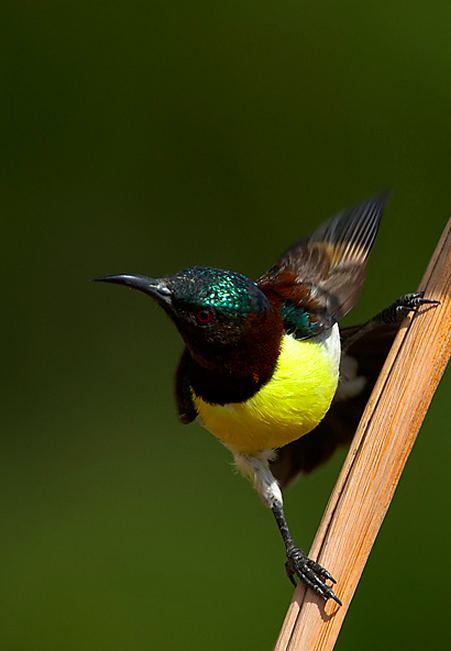
Camp Leopard Rock, Karnataka
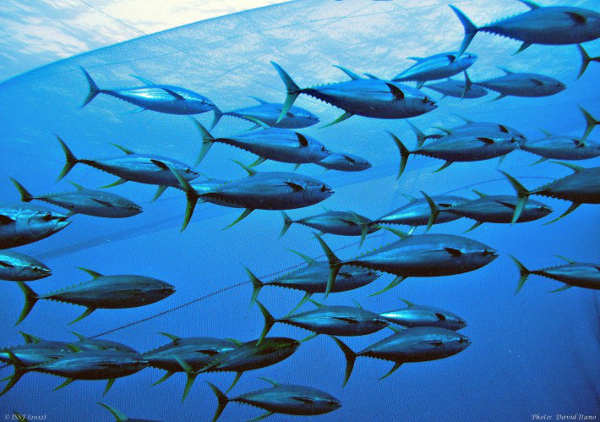
Seafood companies are responding to the public’s increased interest in whether fishing practices deplete tuna populations. Photo credit: David Hano/International Sustainable Seafood Foundation
Thanks to Ecowatch for the updated primer on better canned tuna shopping criteria:
Canned tuna is one of the world’s most popular packaged fish, but it has also long been controversial. Between issues of overfishing resulting in fishery depletion and bycatch that threatens other species including the much-publicized incidental capture of dolphins by tuna fishermen, it has gotten a bad name. With the increased awareness of the harm tuna fishing can cause, companies have stepped up to try to reassure consumers that they are paying attention to the health of our oceans. Continue reading
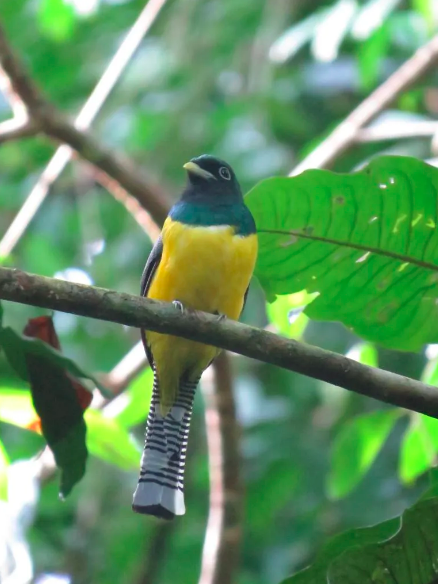 Osa Peninsula, Costa Rica
In my earlier posts, I wrote about the abundance of coconut trees in Kerala and their many uses from ingredients in typical foods to the construction of house boats. Another primary use is for roofing. Here at Marari Pearl, it is used unsparingly for most of the buildings from the restaurant to the 20 villas on site. Continue reading
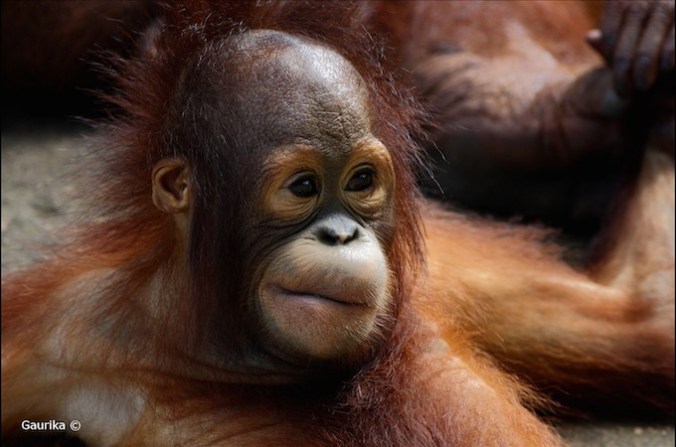
Logging generally does not come high on our priority list for inspirational stories, but we are nothing if not open to new ideas (thanks to Conservation for keeping up us apprised of encouraging surprises), especially when camera traps are involved to verify the facts:
ORANGUTANS MIGHT SURVIVE SUSTAINABLE LOGGING
Like for all of its great ape cousins, the rise of Homo sapiens has not been pleasant for the Bornean orangutan, Pongo pygmaeus. The endangered “red ape,” found only in Borneo, is threatened by the continuing loss of its forest home. Hectare after hectare of primary forest is being lost either to logging or to palm oil plantations. Continue reading
photo credit: Pallavi Kaiwar
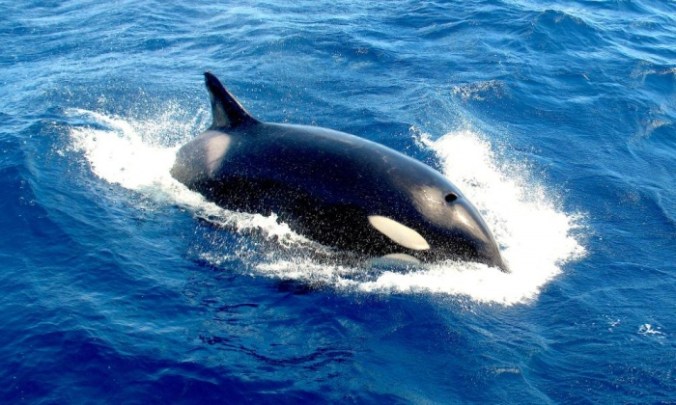
The Guardian‘s Environment section gets us thinking, today, about the unfortunate qualifier–killer–to the name of this amazing animal. All of us non-vegetarians are killers, right? We just hide that fact as conveniently as we can. The spectacular fashion in which this particular marine mammal satisfies its appetites is something to behold:
Even before our boat left the shelter of Bremer Bay boat harbour, in south-west Western Australia, shortly after dawn on the first day of the region’s 2015 killer whale season, it felt like we were already at the edge of the world.
I was there to see a tiny place, far out to sea, that marine scientists and environmentalists regard as one of the most special ocean ecosystems anywhere in Australia’s commonwealth waters.
We would motor more than 65km offshore to a location not much bigger than a few football fields, where the ocean is 4.5km deep and weather conditions are almost always treacherous. Where we were going there was a not a single distinguishing feature or landmark – just a GPS point.
More than anything, though, no one yet knows for sure why each year, during February and March, life from around the Southern Ocean converges on that relatively minute speck in the ocean wilderness. Continue reading
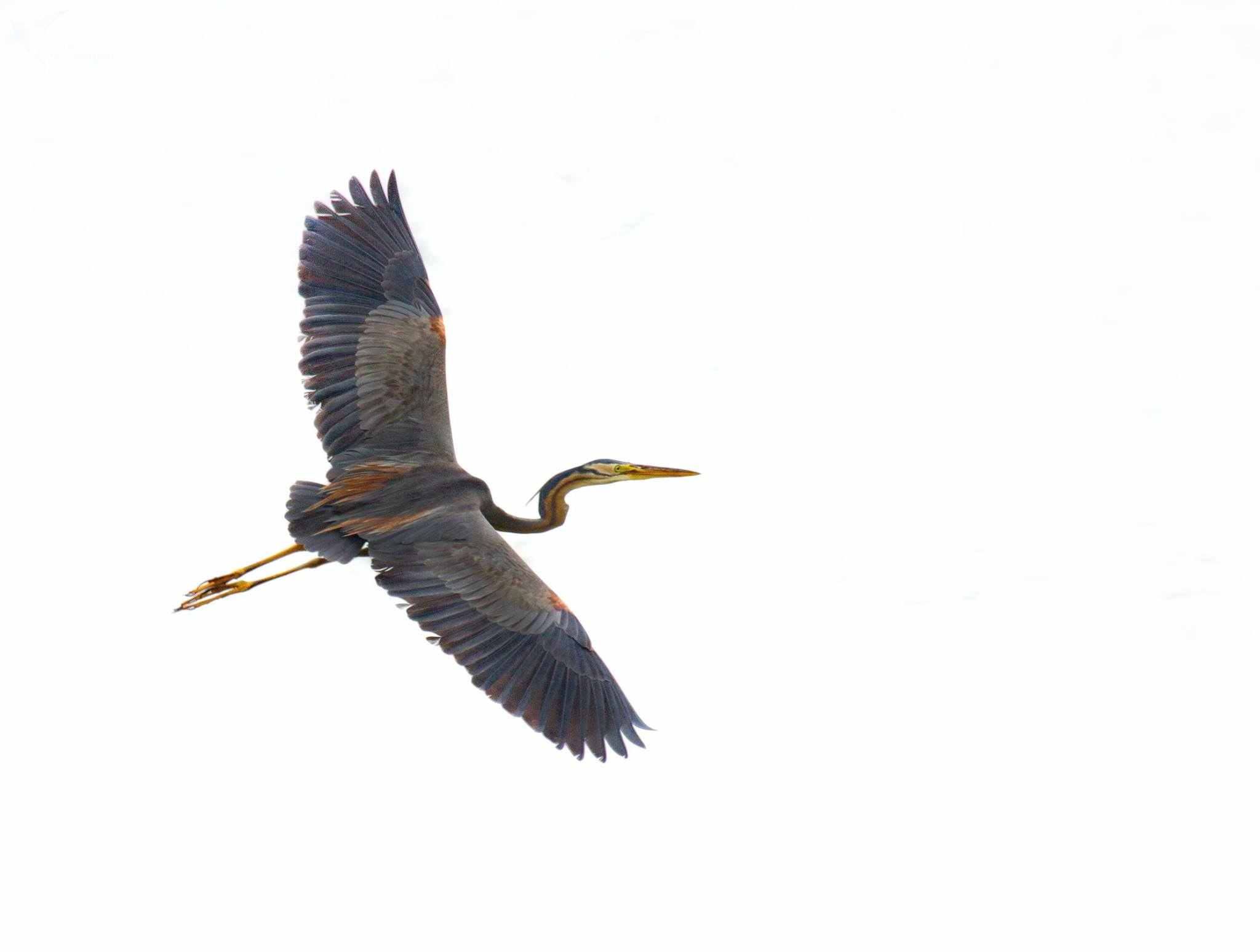

Our interest in birds shouldn’t come as a surprise to readers of these pages. With contributors Seth and Justin on a Smithsonian Expedition in search of the Golden Swallow, over 3 years of our Bird of the Day feature from many talented photographers, and a plethora of posts about the subject, we assume it’s obvious.
Prior to 2013 the Great Backyard Bird Count focussed on North America, but that year it went global and the results were amazing! Continue reading
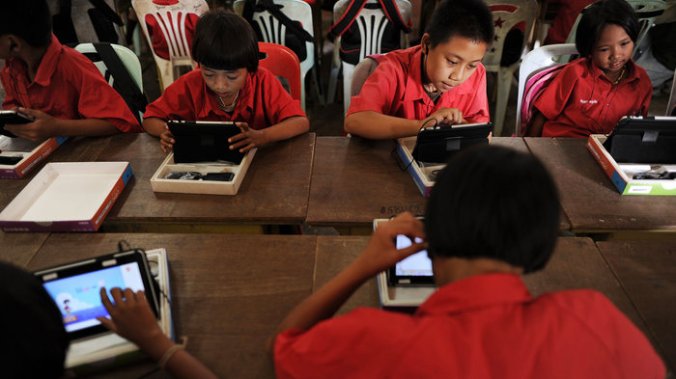
Students use tablets in a classroom in Mae Chan, a remote town in Thailand’s northern province. Christophe Archambault/AFP/Getty Images
Scanning the developing world, anywhere that poverty puts lives at risk, it is useful to have a short list of particularly transformative practices as in this four minute story podcast from National Public Radio (USA):
There are so many projects in global health that sometimes it’s hard to figure out which ones are the most important.
So Lawrence Berkeley National Laboratory set out to list the 50 breakthroughs that would most transform the lives of the poor, especially in sub-Saharan Africa and South Asia. Shashi Buluswar, an author of the study, spoke with Morning Edition‘s Renee Montagne. Here’s a sampling:
A low cost, fuel-free way to desalinate water. Many people in the world do not have enough fresh water to grow crops, and more and more fresh water runs off into oceans. Desalination creates usable water out of salty or brackish sources. “Right now it’s tremendously energy intensive and expensive,” Buluswar tells Montagne, “so trying to come up with a much more affordable, scalable and energy-efficient way of desalinating water would be tremendous.” Continue reading
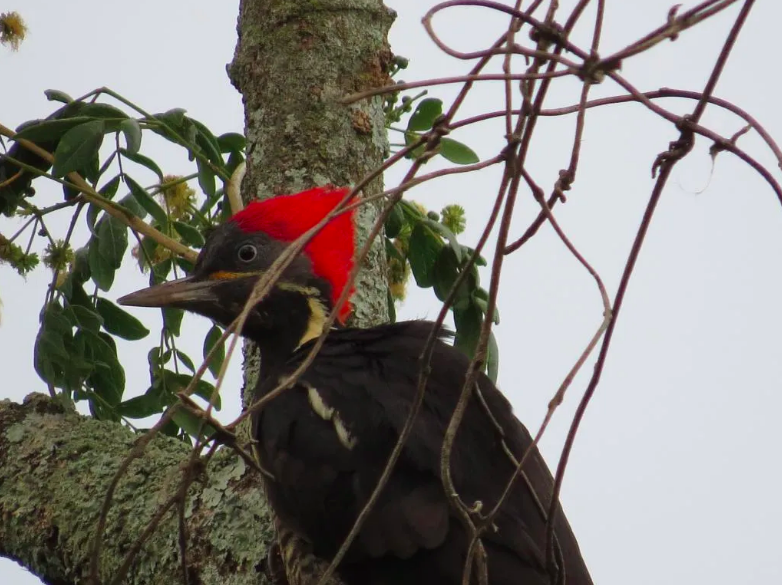
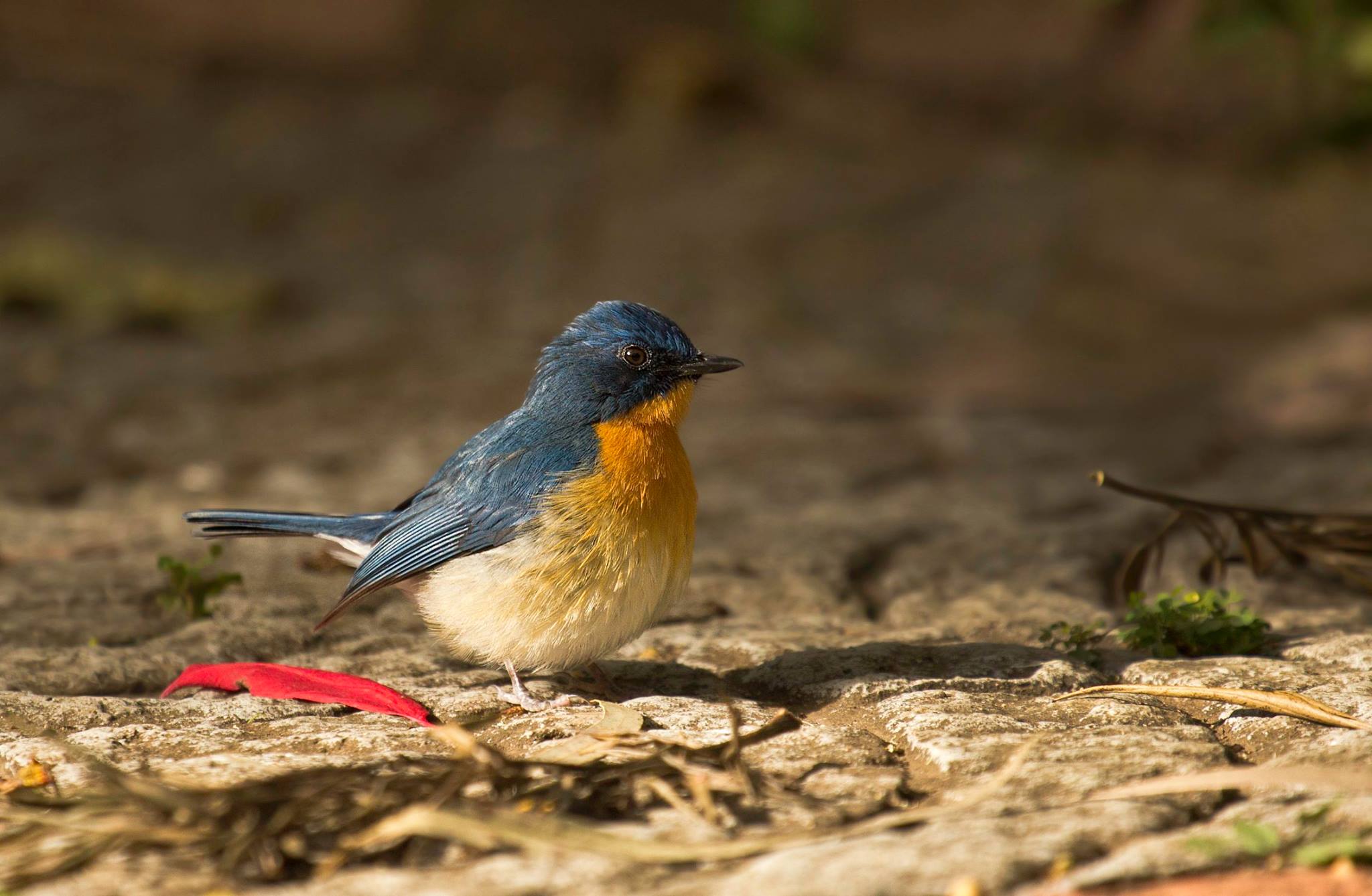
female – Tacacori, Costa Rica
 Organikos