Simplicity, An Elegant Solution To Food Needed Fast

Sam Kaplan for The New York Times. Food stylist: Suzanne Lenzer. Prop stylist: Maeve Sheridan.

Sam Kaplan for The New York Times. Food stylist: Suzanne Lenzer. Prop stylist: Maeve Sheridan.

51 completed its first round of food trials many months ago, and all is well, and getting better all the time.  As we welcome a new executive chef to our team on February 7, lots of ideas await him from our team for the next iteration of Malabar Soul Food.

Though food trials are an ongoing affair, we all do our best to eat a balanced diet, away from work, as much as possible.

So, thank you Mark Bittman for recognizing that there do not seem to be enough minutes in the day:

Simple Stocks for Soup on the Fly

9 ways to transform water into a flavorful dish in a matter of minutes.

Bookstores, Breweries, Bunk

Local Habit, in San Diego, offers a variety of California craft beers. Beer has become as much a part of the San Diego identity as surf and sun. CREDIT PHOTOGRAPH BY EROS HOAGLAND/THE NEW YORK TIMES/REDUX

Local Habit, in San Diego, offers a variety of California craft beers. Beer has become as much a part of the San Diego identity as surf and sun.
CREDIT PHOTOGRAPH BY EROS HOAGLAND/THE NEW YORK TIMES/REDUX

It was already so good at what it did in print, it was easy to wonder what would come next. How to respond to the digital era? The New Yorker‘s transformation has been welcome, and Tim Wu is clearly an awesome part of it, as you may already know:

Consider a few surprising and optimistic facts for the new year: nationwide, independent bookstores have grown by about twenty per cent since 2009; meanwhile, American craft breweries collectively now sell more than 16.1 million barrels of beer annually, outpacing, for the first time, Budweiser. This isn’t the only evidence that small-scale businesses are making a comeback. Over the last ten years, the long-running decline of small farms has levelled out, and more than three billion dollars was spent last year on more than four thousand independent feature films. Over all, since 1990, small businesses (with, generally, fewer than five hundred employees or less than $7.5 million in annual receipts) have added millions of employees, while big businesses have shed millions. Continue reading

Authenticity And Its Discontents

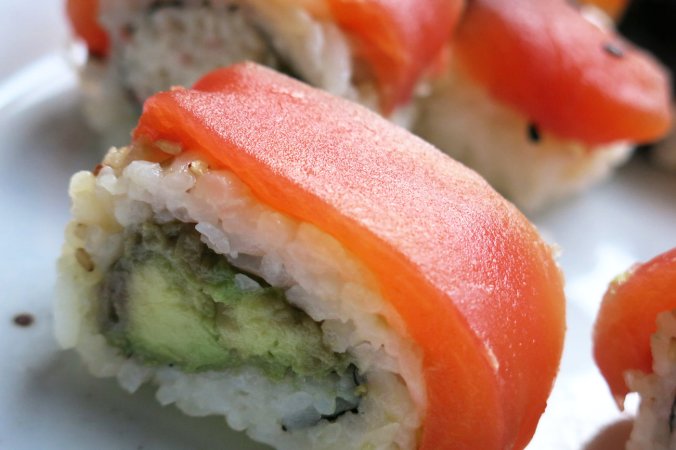
Chef James Corwell's nigiri sushi rolls made with Tomato Sushi, a plant-based tuna alternative, in San Francisco. Alastair Bland for NPR

Chef James Corwell’s nigiri sushi rolls made with Tomato Sushi, a plant-based tuna alternative, in San Francisco.
Alastair Bland for NPR

I am realizing more each day how complex the notion of authenticity is. It is often, I see with increasing frequency, a cliche thrown casually into descriptions and promotions of this or that. Are there times when something other than authenticity is appropriate, even for an organization such as ours that promotes offering travelers authentic experiences of various cultures around the world, including local cuisine?

This story has me thinking (thanks to National Public Radio, USA and its program called “the salt”) that if foodies can make the leap from literal authenticity to a more complex notion of authenticity, for the sake of the environment as well as for broadened pleasures of the palate, it may serve as a model for how to approach seemingly intractable challenges facing the planet (in the case of this story, fisheries collapse but also the broader challenges of collapse), including the ever-changing cultures that make our planet worth traveling:

It’s a dead ringer for Ahi tuna sashimi. It cuts into glistening slivers that are firm and juicy. And it’s got a savory bite.

But this flesh-like food is not fish. It’s made of tomato, and it’s what San Francisco chef James Corwell hopes could be one small step toward saving imperiled species of fish, like bluefin tuna.

“What I want is to create a great sushi experience without the tuna,” Corwell tells The Salt.

To make this Tomato Sushi, he skins and removes the seeds from fresh Roma tomatoes. Then he vacuum seals them in sturdy plastic bags and cooks them in hot water for about an hour — a technique called sous-vide. Continue reading

Expedition Update

Expedition Group – From L to R: Seth, Justin, Bobo, no name donkey, John. Photo credit: Dango, a friendly local

We’re back from a three day and two night excursion into Cockpit Country along the Troy-Windsor trail. We went out with Bobo and his donkey with no name, and made it what we think added up to about twelve miles down the old, overgrown trail. Several times we had to chop through fallen trees that the donkey couldn’t go around or over, and this took up quite a bit of our time.

Photo of rotten tree we cleared by John

Eventually we hit a patch that would have taken a full day to clear so we left the donkey behind with the idea of setting out for a few hours and then coming back. Continue reading

Chinese Fishing Nets, Kerala

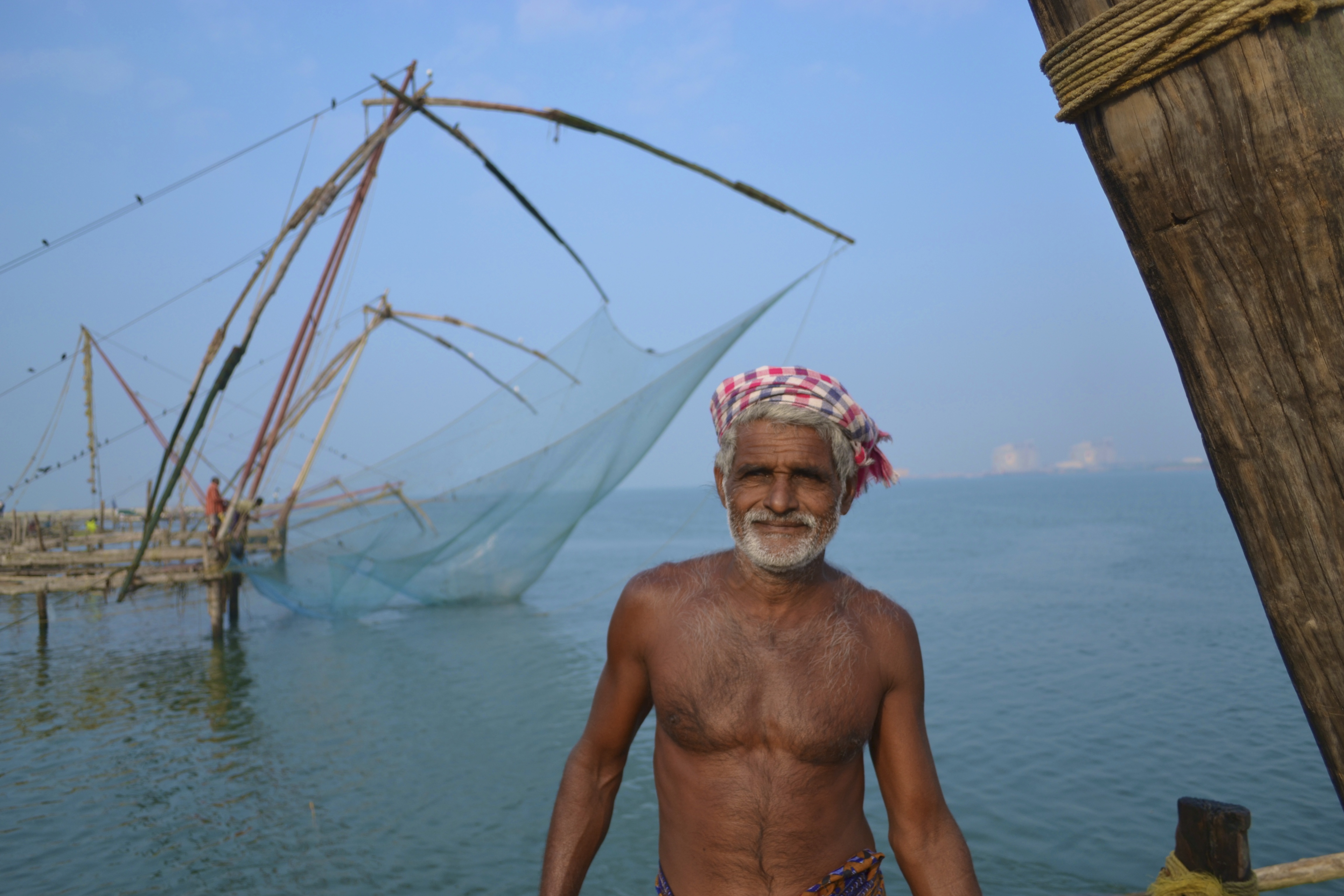
Marconi in front of of the nets in Fork Kochi

Marconi

Marconi is an original decedent of the Mongolian people (a Chinese state at the time) who were the creators of the “Chinese Fishing Nets” in Kerala, India. These structures are at least 30 ft high and the nets stretch out more than 50 ft across the water! It takes half a dozen people to even attempt to heave the nets which work on a pulley system with GIANT boulders hanging from the opposite side to counteract the weight. Continue reading

A Reflection On My Summer In Kerala

Soka Instructional Garden, photo courtesy of Nina Boutin

Soka Instructional Garden, photo courtesy of Nina Boutin

It has been a little over 4 months since I finished my internship, which has given me a lot of time to integrate and reflect on what I learned at Raxa Collective. I spent my first month in Thekkady at Cardamom County and my second month in Cochin at Spice Harbour. I am deeply grateful for this experience because it has informed my personal growth and career path in ways that are hard to articulate, but- I will try.

The month before coming to India, I walked part of the Camino de Santiago, a pilgrimage in Spain. If that wasn’t exhausting enough, I promptly went to India, and when I got to Raxa Collective, I hit the ground running, trying to figure out how I could best be of service and learn as much as possible. I expected for it to be difficult, but I didn’t know how it would be (though I was forewarned about the monkeys).

I’m working towards an environmental studies liberal arts degree at Soka University. A liberal arts degree is interdisciplinary, therefore I’m always looking for the intersection between things people think are separate. Profit and conservation are definitely things people usually think are separate.

I got to look deeply into the way those can intersect when I interviewed Crist about the path they have taken up until now. That interview has been so valuable for me in planning a business model that incorporates environmental and cultural conservation. Now, I think I want to start a restaurant that incorporates my passion for local food, biodiversity, sustainability, agriculture, and community. Continue reading

Kuttanad – “the rice bowl of Kerala”

This slideshow requires JavaScript.

If you are like me, you enjoy the fresh air, green scenic views and appreciate a variety of cultures. Kuttanand, south of Cochin is a promising destination with its rich rice picking culture and its backwater systems. It also offers diverse species of animals, especially birds which can easily be spotted due to the open landscape.

Next on my Kerala bucket list!

To read more click here

(photo credits: Keralatourism.org)

From Cochin to the Periyar Tiger Reserve

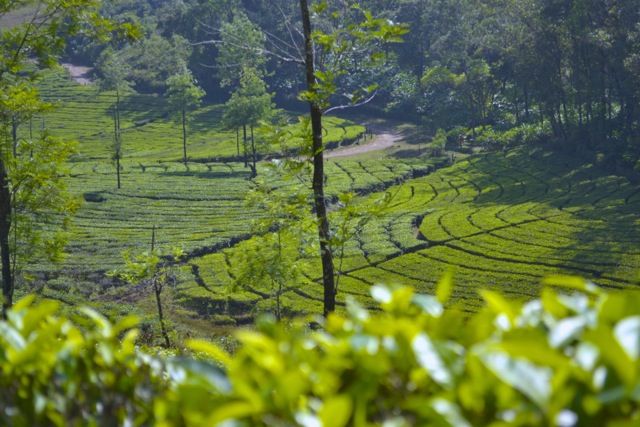
Overlooking a local Chai plantation outside Thekkady

Overlooking a local Chai plantation outside Thekkady

India for the most part is spread out as one can imagine due to sheer size. In Kerala, you have the Kochin Harbor slightly west of the Cochi airport, the Backwaters to the south and to the east you have the third major attraction, the Periyar Tiger Reserve. About a three hour drive outside Cochi, one begins to see the change from the metropolitan to the rural “farmer lifestyle” that is popular in Thekkady. Local farmers mainly specialize in Cardamom, coffee and Chai or tea. However, the most noticeable of these are the Chai plantations which add a striking green layered look to the mountains (especially in the dryer months).

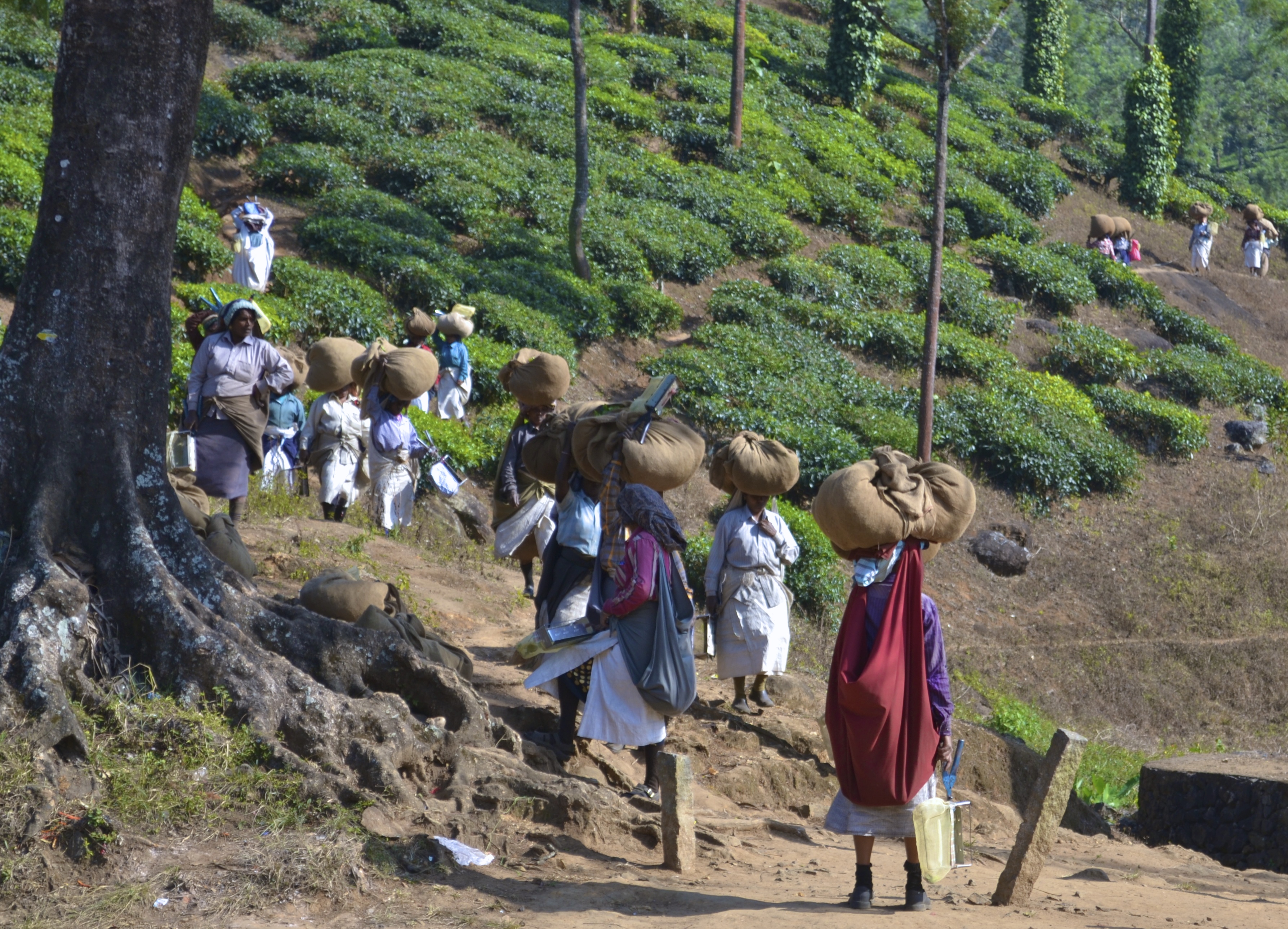
Local woman carrying bundled up Chai

Local woman carrying bundled up Chai

The road winds up, down and around these plantations, giving great perspective and unique photo opportunities around every corner. Historically, women are the ones who harvest the top layer of leaves from these bushes. The leaves are collected into sacks and then transported.

Cardamom County Hotel, located across the road from the tiger reserve offers very comfortable and affordable rooms and a great local Indian (specifically Keralan) cuisine. Continue reading

Words Forming A Name, Becoming A Brand

Illustration by Paul Sahre

Illustration by Paul Sahre

We spent much of the first half of 2011 poring over dictionaries. Mostly Sanskrit to English dictionaries, but also Malayalam to English, and also just English dictionaries with the occasional thesaurus to inspire.

We thought a lot about a company that two of us had formed that had done a lot of projects relevant to, and some interestingly different from, the new enterprise that would re-brand the hospitality portfolio of a major business group based in Kerala, India. We recorded a few facts about that naming process at the time this blog went live. This article not only brings back memories of those days, weeks, months of name-pondering, but gets us thinking about the meaning of Raxa Collective now versus what we thought then:

The Weird Science of Naming New Products

To find the perfect brand, leave no word unturned.

Canopy Feeding

This slideshow requires JavaScript.

We were on our first Sunday outing of the new year at Hebbal Lake in Bangalore. Towards the end of the birding session, we stopped to click pictures of a little Egret and an Intermediate Egret.

The Intermediate Egret was busy preening for a very long time. As we enjoyed watching it, there was one another interesting behaviour that I got to record – “Canopy feeding”. Continue reading

Samso Sheds Light On Maine’s Green Desires

18-SAMSO-1-largeHorizontal375

Wind turbines on the Danish island of Samso. Credit Erik Refner for The New York Times

College of the Atlantic, referenced in the story below, came to our attention once before, to very good effect. The wonderful Krulwich, who has been a mainstay of our onward links since the early days, got us to follow the College. And here it is again, in good light. Also, we knew that Danes creatively care about light, and had read about this island, but had not shared a story about the island until now:

Danish Ingenuity Fuels Green-Energy Ideas

Residents of islands off Maine’s coast seek to draw on the experiences of the Danish island Samso in an effort to explore alternative sources of light and heat.

Pop Up Restaurant Trends

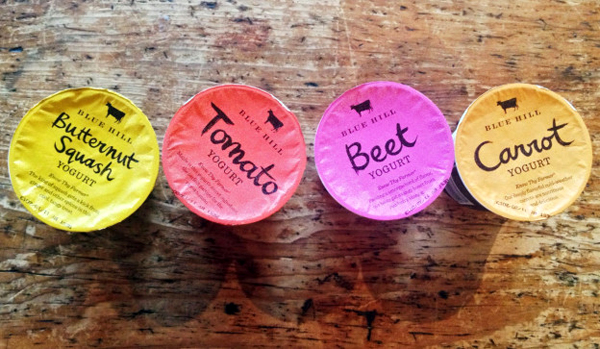
Savory yogurt is one of this year’s top food trends. Photo credit: Blue Hill Yogurt / Facebook page

Savory yogurt is one of this year’s top food trends. Photo credit: Blue Hill Yogurt / Facebook page

Thanks to EcoWatch for this note on trending foodways to watch this year:

On today’s Here & Now, host Jeremy Hobson talked with foodies Kathy Gunst, resident chef for Here & Now, and J.M. Hirsch, food editor for the Associated Press, about some of the trends in food for 2015.

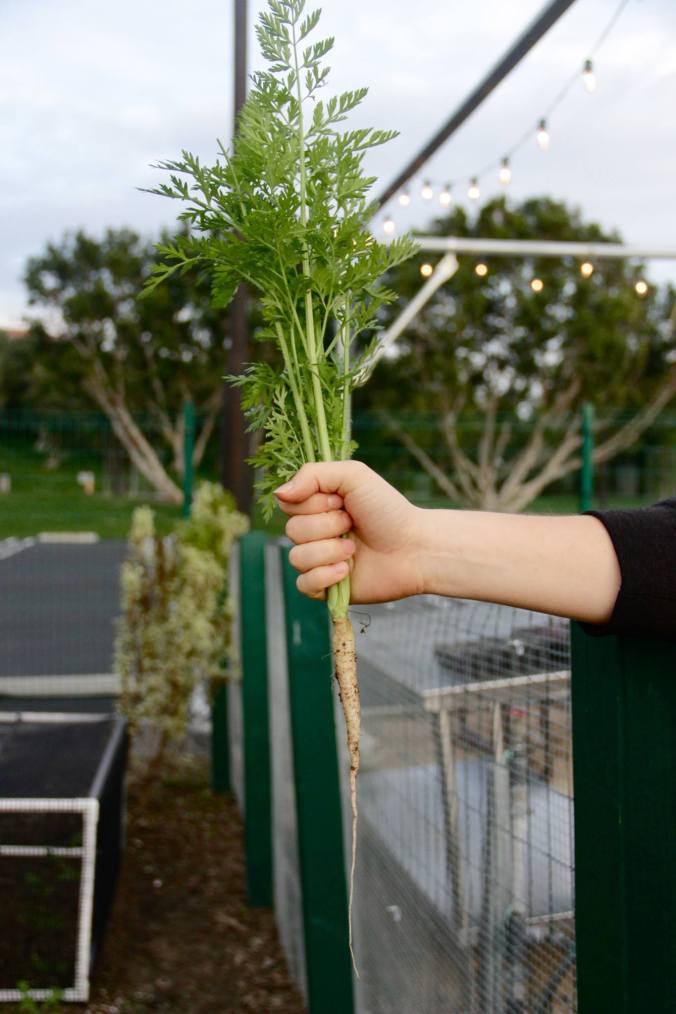
Several trends that the guests identified include, savory yogurt, butter and full-fat dairy, mini vegetables and “new” whole grains such as freekeh, hemp, chia and spelt. Continue reading