What We Read, Why, And How

Chris Hughes, the thirty-one-year-old owner of The New Republic. CREDIT PHOTOGRAPH BY JONATHAN WIGGS/THE BOSTON GLOBE VIA GETTY

Chris Hughes, the thirty-one-year-old owner of The New Republic. CREDIT PHOTOGRAPH BY JONATHAN WIGGS/THE BOSTON GLOBE VIA GETTY

We care about books, and libraries, and languages, and long form journalism among other reasons to get perspective, to become informed beyond our local experience. When a century-old vital institution from any of these realms perishes, it is worth taking note, and mourning as George Packer does in a short punch of a post:

…As for the mass self-purge of editors and writers at The New Republic, it might be taken as part of the ongoing demise of old journalistic institutions in the face of new realities of technology and business. Or it might just be the story of one incompetent media mogul. Two years ago, with a lucky Facebook-based fortune and earnest talk about great journalism, Chris Hughes seduced a lot of hardened veterans of the New York-Washington news world who were desperate for a vision of the future.


Continue reading

Ticking Clocks Of Botanical Gardens

shutterstock_192530375-copy

Image © KPG_Payless | Shutterstock

Thanks to Conservation for Roberta Kwok’s summary of scientific news we had not quite expected, nor wished for:

A relaxing stroll in a botanic garden sounds like a lovely way to spend an afternoon. These green oases can encourage people to appreciate nature and bring attention to conservation issues. But some botanic gardens might harbor an ecological threat: they could be prime sources for invasive species to spread into the wild. Continue reading

From Our Amazing Planet

Twilley-Truffle-690

PHOTOGRAPH BY TIMOTHY A. CLARY / AFP / GETTY

In other news:

A few minutes after 9 A.M. on Saturday morning, at Sotheby’s, on the Upper East Side of Manhattan, a small group of people huddled around a knobbly, dirt-smudged tuber sitting on a white china cake stand. Federico Balestra, the C.E.O. of the North American branch of his family’s company, Sabatino Tartufi, put on a pair of white gloves, squeezed past a rack of oil paintings, and rotated the tuber a few degrees—“for showing its good side” to the in-house photographer, Balestra said. “To be honest, we really didn’t know what to expect,” Dan Abernethy, a Sotheby’s representative, said apologetically. It was the auction house’s first experience with selling a truffle. Continue reading

When Walls Can Talk

As preparation for the second edition of the Kochi-Muziris Biennale slides into the preopening home stretch the streets of Fort Kochi are awash with colorful activity. Stay tuned for more images as they continue to unfold!

This slideshow requires JavaScript.

Rainwater Harvesting, Try This At Home

rainhouse

Thanks to Conservation for this reference to a concept, a design, and a design firm which all catch our full attention:

THIS ENTIRE HOUSE IS A WATER FILTER

Hungarian design firm IVANKA is an avant-garde concrete company. Over the past decade, they’ve developed unexpected ways to incorporate this utilitarian material into everything from designer handbags to BMW concept cars. Lately, though, the company is focusing not just on luxury goods but on the most basic of everyday resources: clean water. Their new “bio-concrete” could turn houses, schools, and factories into giant water filters to produce drinking water from rain. Continue reading

Here, Now

9780375406508We hope that the review of his book (thank you National Public Radio, USA), a hard cover tome that began as what we then called comic strips, brings one of the great graphic novelists of our time appropriate rewards worthy of his herculean efforts:

What is it about Richard McGuire’s Here? A simple-looking, black-and-white cartoon that first appeared in Raw magazine in 1989 — clocking in at a mere 36 panels — it’s maintained its hold on comic artists’ imaginations ever since. McGuire himself spent more than eight years creating this book-length version.

The words of his publisher, Pantheon, about the author make us want to explore this book and his earlier work, especially the toys:

downloadRichard McGuire is a regular contributor to The New Yorker. His work has appeared in The New York Times, McSweeney’s, Le Monde, and Libération. He has written and directed for two omnibus feature films: Loulou et Autre Loups (Loulou and Other Wolves, 2003) and Peur(s) du Noir (Fear[s] of the Dark, 2007). He has also designed and manufactured his own line of toys, and he is the founder and bass player of the no-wave band Liquid Liquid. The six-page comic Here, which appeared in 1989 in Raw magazine, volume 2, number 1, was immediately recognized as a transformative work that would expand the possibilities of the comic medium. Its influence continues to be felt twenty-five years after its publication.

Continue reading

Darter “Spear Fishing”

This slideshow requires JavaScript.

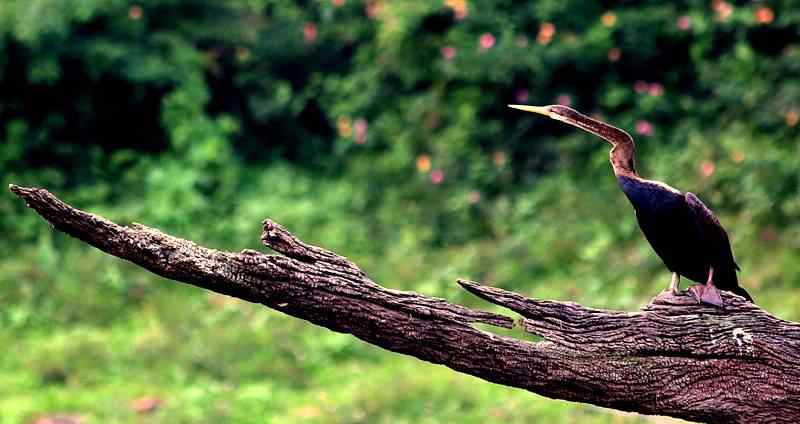
Today’s birding was at Hebbal lake with the Bangalore “bngbirds” birding forum. It was a cold, misty morning with relatively little bird activity. We saw some cormorants, herons, moorhens and a darter as we moved on.

Then, all of a sudden, there was some action that made my day! A Darter hunting!

I hope you enjoy this “blow by blow” account as much as I did!

Seed to Cup Tea Experience

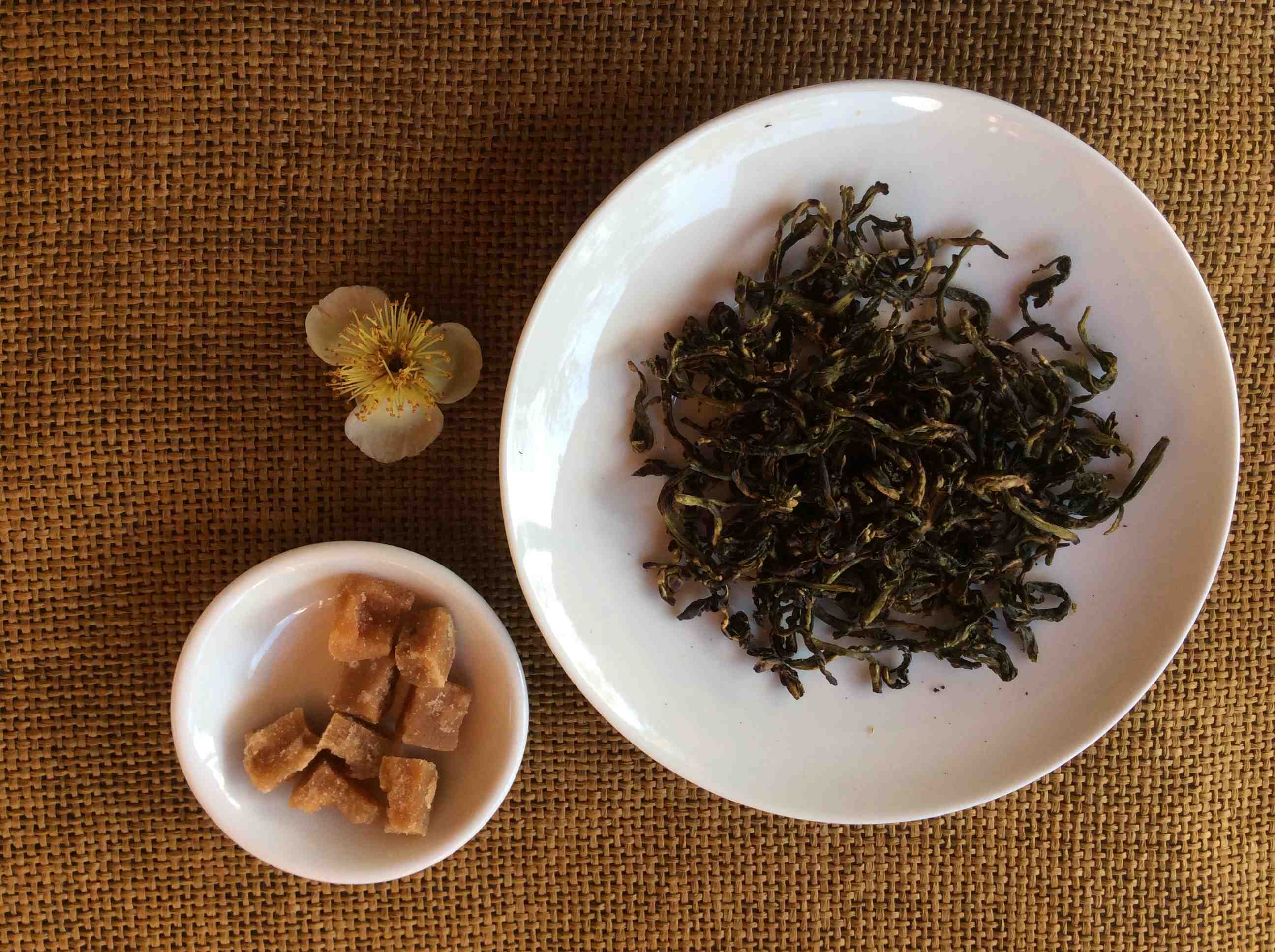
Roasted Assam Tea "nibble" with cane sugar

Roasted Assam Tea “nibble” with cane sugar

Our time in Thailand included a range of sensory experiences, one of which was tea. One might think that living in India, we have little more to learn about tea, but that is far from the truth. Our experience with tea in our adopted home has been more visual than experiential; drives through the beautiful, sculpted tea landscapes of Munnar, or the tea tours near Thekkady, for example.

In the northern Thailand we visited a 60-hectare tea plantation near the Lisu Hilltribe village in Chaing Mai Province. One of the oldest plantations in the country, the owners are working on expanding the quantity of tea produced while offering the full range of tea experience for visitors, from planting a seed that will be lovingly cared for over a 2-year period before being transplanted, to hand plucking the tender green “silver tips” of the tea, Continue reading

Preservation Of Language

We have posted on the topic of intangible patrimony and include it in our explanation of entrepreneurial conservation; the topic extends to our interest in reading and the liberal arts. Below is a link to an op-ed piece published today, penned by a savvy academic whose primary focus is language, that we consider worthy of the brief reading time, even if you are not a language fanatic:

07gray-thumbWideGRAY MATTER

Why Save a Language?

Who’s Got Your Back, Long Term?

Stewartjp-mediumThreeByTwo210We read both publications regularly, and find that both cover environmental issues well, as such; but the difference between this New York Times article and the New Yorker post we started the day with speaks for itself. We understand the purpose of the article below meeting current needs, but do we really need our news to be so parochial? Sorry, Times. You will have to work harder for your subscription money.

Steep Slide in Oil Prices Is Blessing for Most

If history is any guide, it’s hard to see falling oil prices as anything but good news for everyone whose fortunes aren’t tied to oil.

Culture Of Hack

9781781685839_Hacker__hoaxer-294b89cbd6b3950d9cdbfb0e39e66884We are the antithesis of radical, in the political science and political activism sense of that word. We have been more incremental, often experimental and necessarily patient in our approach to entrepreneurial conservation than political radicals are in their approach to social change. Working with children, as we often do in our community outreach, we use methods appropriate to the situations. We sometimes say, perhaps just in the spirit of cheekiness, that we “hack” solutions in remote locations. We even say sometimes that the outcome is “radical.”

But that is the slang use of the word, just as we once called skateboarding or ball-dribbling moves in football “wicked.” We aspire to neither radical nor wicked outcomes in our day to day work, in the proper definitions of those words. Still, as with Mr. Watson, whose methods are different from ours but his objectives are akin, this review of Hacker, Hoaxer, Whistleblower, Spy: The Many Faces of Anonymous in the current issue of Book Forum helps us see some recognizable objectives in this particular culture of hack (with plenty of notable exceptions, as the review makes plain to anyone who regularly reads our blog):

By Any Memes Necessary

An inside look at the hacking group Anonymous reveals a boisterous culture of dissent and debate

ASTRA TAYLOR

THE FIRST TIME I SAW Gabriella Coleman speak about the hacker group Anonymous I was befuddled. It must have been around 2009. Anonymous was already at least three years old, having materialized out of the bowels of the popular, and often excruciatingly obscene, online bulletin board 4chan as early as 2006, yet it was still known mostly for its antisocial pranks.  Continue reading

And the Winners Are…

Employees and guests at Xandari have voted over the last two weeks, and now we have our final fourteen: two winners from each grade, and four from 6th grade. Thank you to those of our readers who took the time to vote in our selection process as well!

Today the students had a Continue reading

Doses Of Truth On Oil Prices, Alternative Energy And Climate Change

PHOTOGRAPH BY DANIEL ACKER/BLOOMBERG VIA GETTY

PHOTOGRAPH BY DANIEL ACKER/BLOOMBERG VIA GETTY

There is a quarter hour podcast about the Lima climate change talks that is as good as it gets in terms of bringing complex issues to a bearable level of simplicity (spoiler alert: our maven of doom is at her best in terms of realism), and that dose of information pairs well with this dose by Michael Specter, the New Yorker‘s other “tough truths” guy:

Just before the turn of the millennium, I met a man who had recently invested a fortune in wind power. He said he wanted to do all that he could to slow the course of climate change. He was also convinced that, as the world began to run out of oil, alternative sources of energy would offer a unique entrepreneurial opportunity. “Oil prices will fluctuate for a while,” he told me. “But, eventually, they can only move in one direction. Up. Oil is a finite resource and, as supplies dwindle, the costs will have to rise. That will make alternatives like wind power much more attractive.” Continue reading

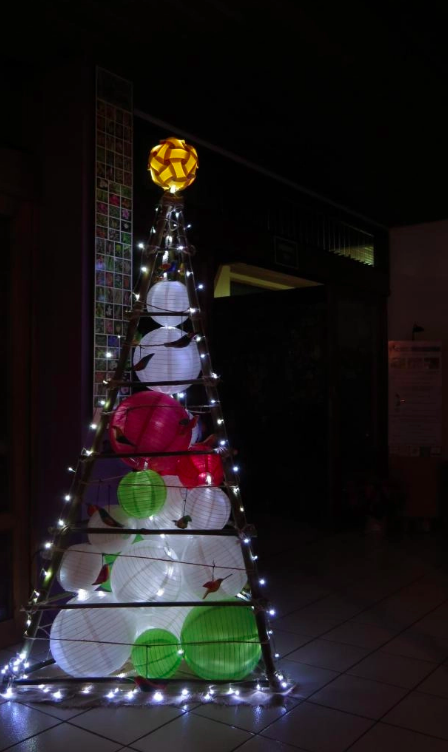
Xandari’s Holiday Tree is Up and Running


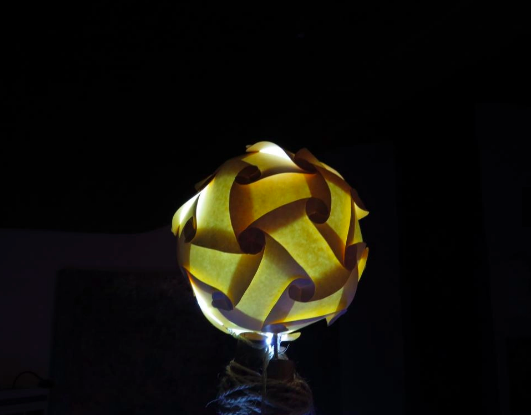
A homemade “loomi” lamp


Like any other tree acquired this time of year, Xandari’s holiday tree had to be put on the roof of a car — in this case, the resort’s golfcart — to transport it up to the lobby area from its site of construction. We snaked an LED “hose” through most of the paper lanterns in the bamboo structure, and now we have balsa-wood bird ornaments made by Costa Rican artists (these birds normally hang in our gift shop). Finally, I made a modular paper lamp recycled from old manila folders (template and how-to pending, but the lamp is basically a DIY Loomi light).

Tomorrow, when I finish the second loomi tree “star,” I’ll put up photos of the smaller tree that Edwin and I made for the Xandari Spa.

Continue reading

Birds, Shakespeare & Ecology

Screen Shot 2014-12-05 at 5.11.25 AM

Thanks to National Public Radio for this story of unusual collaboration:

The Mystery Of The Missing Martins

When half a million songbirds didn’t show up at their usual roosting spot this summer, I went looking for them. My search took me to the back roads of South Carolina, where I saw firsthand evidence of Shakespeare’s influence on American ecology, met a society of strangely enthusiastic landlords, and learned a bizarre fact about the missing birds: They don’t nest in nature anymore. They only breed in houses provided by humans.