Keep On Truckin’ 350!

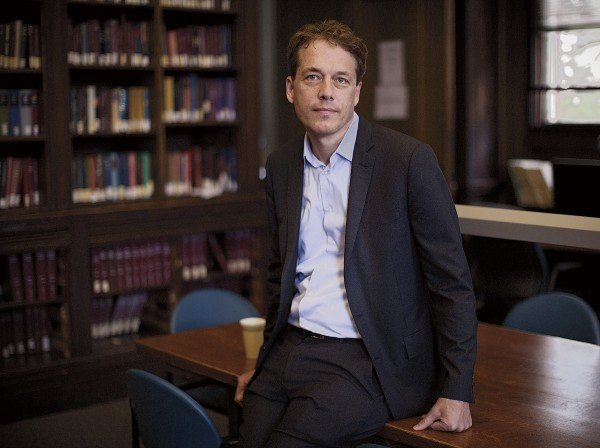
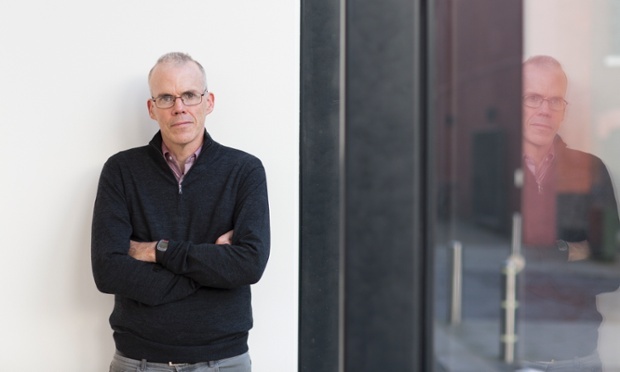
Bill McKibben: ‘I’d rather be causing more trouble more directly, as well as doing some writing’ Photograph: Graeme Robertson

Bill McKibben: ‘I’d rather be causing more trouble more directly, as well as doing some writing’ Photograph: Graeme Robertson

that tag line in the title of this post is directed specifically at the organization, for reasons the article below makes clear, but we extend the sentiment equally to one of our most admired and favorite heroes due to his relentless activism:

Keystone XL opponent Bill McKibben steps down as head of 350.org

‘I’ve had enough years of reviewing budgets’ says US author and climate activist as he steps down from leadership role

The author Bill McKibben, who founded a new generation of environmental activism in the Keystone XL pipeline and divestment campaigns, is stepping down from the daily leadership of his 350.org organisation.
Continue reading

Bosque del Cabo and Xandari

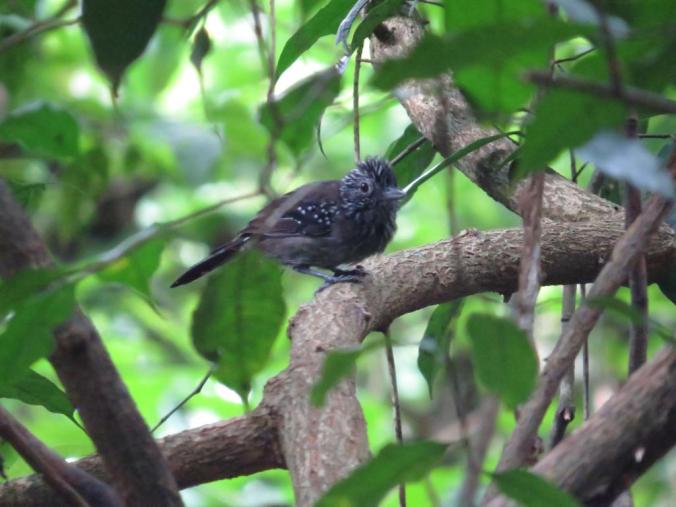
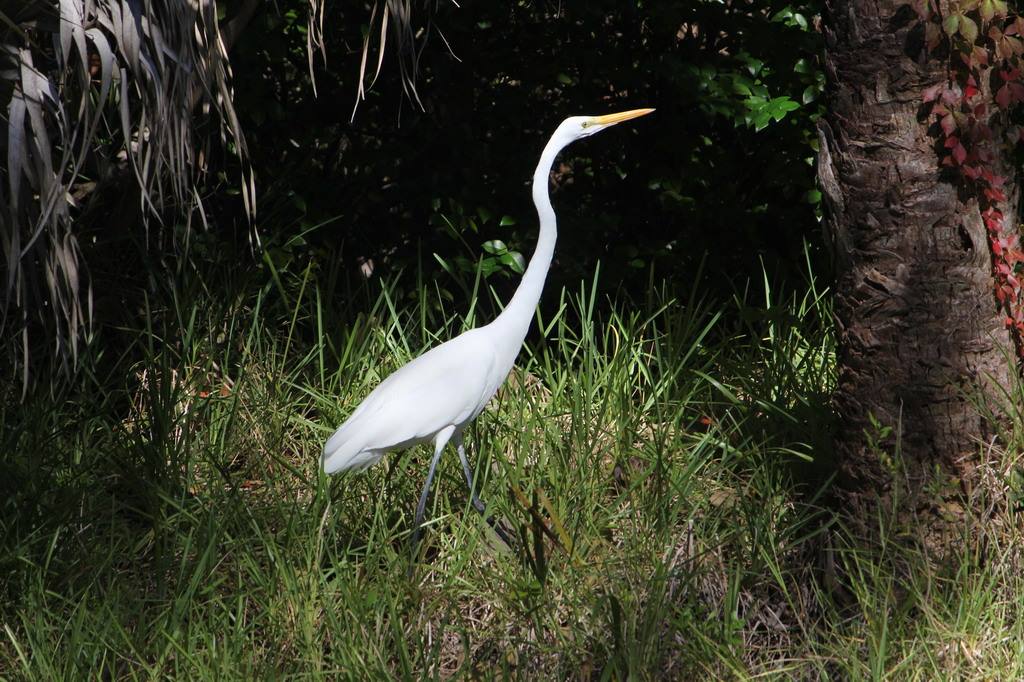
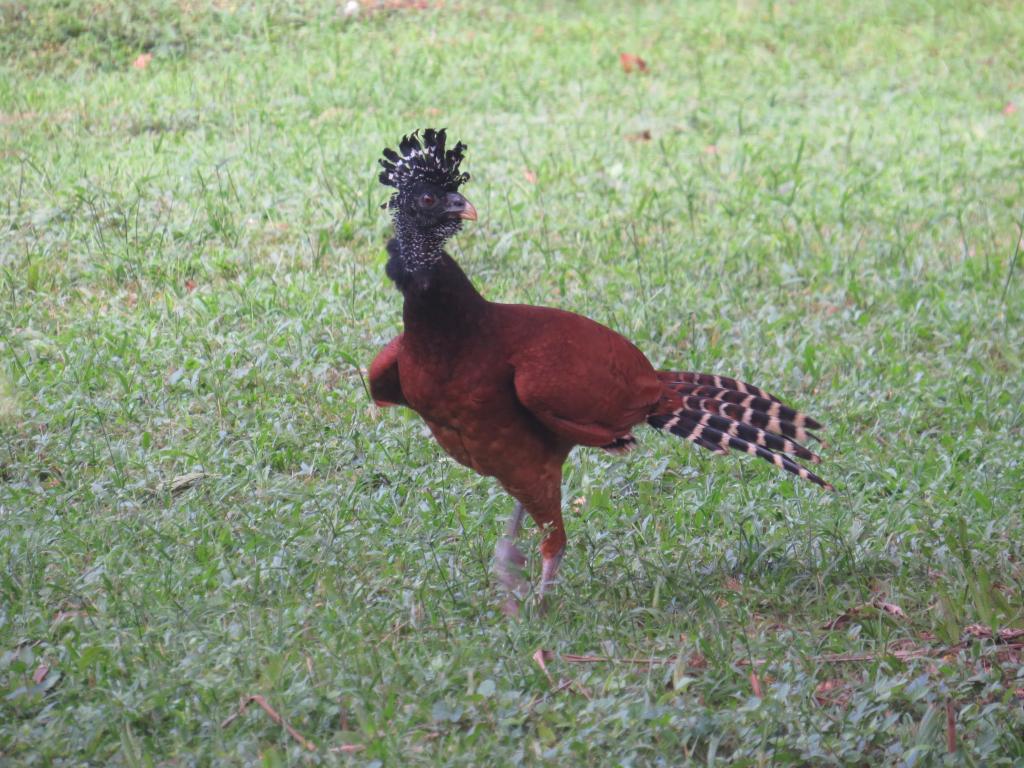
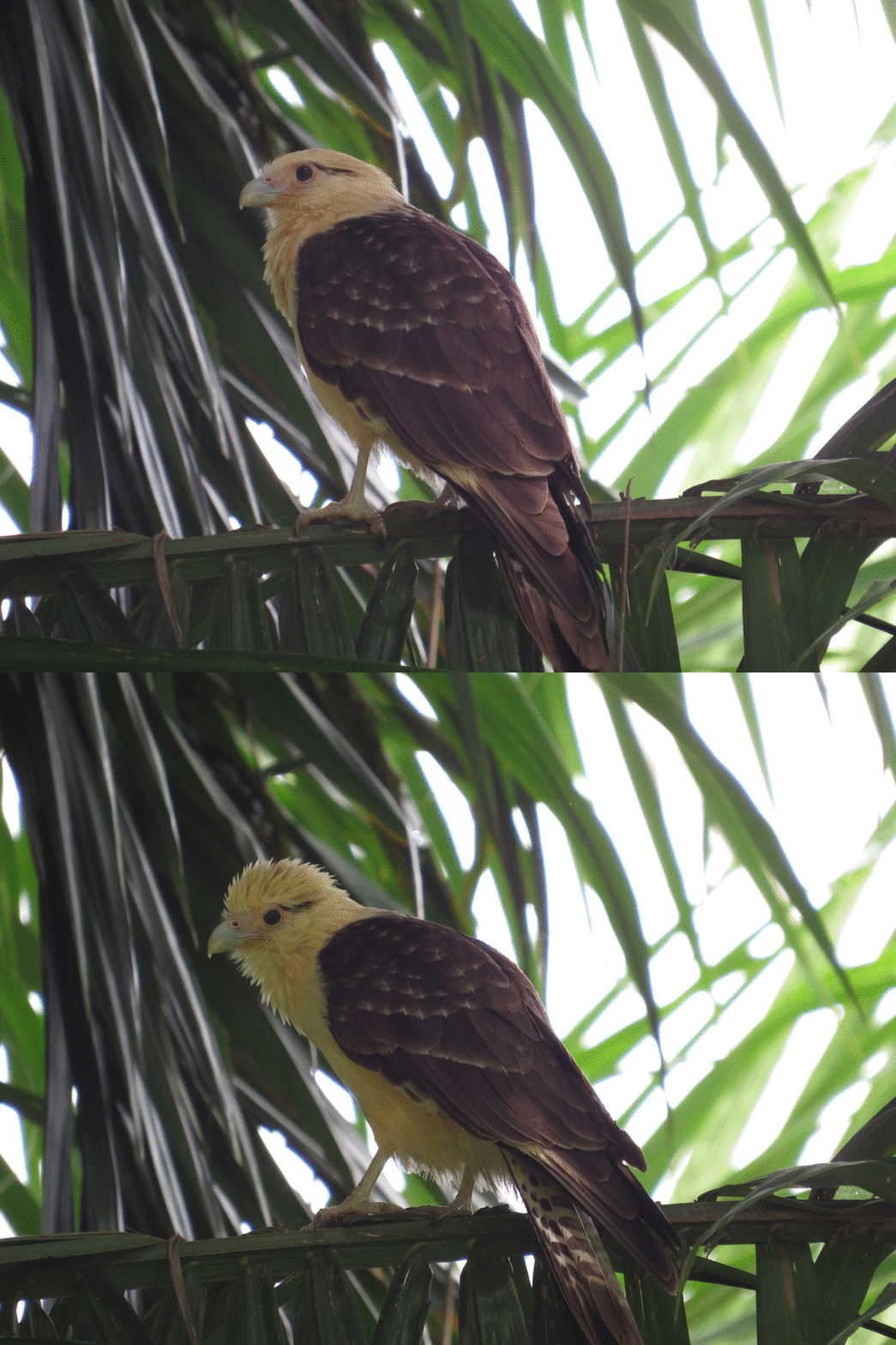
A Yellow-headed Caracara raising its head feathers

A Yellow-headed Caracara raising its crest at Bosque

I’ve posted before on the beauty of Bosque del Cabo and some of the wildlife that my family and I spotted when we were there just about a month ago, but at the time I didn’t touch on the complementarity of the coastal rainforest nature lodge with Xandari Resort in the Central Valley, where I’ve been based the last six months.

My first experience of the compatibility between Bosque del Cabo and Xandari was vicarious. One of my good friends at Cornell knew that I had lived in Costa Rica and asked for advice on places to stay for his parents and younger sister over spring break (unfortunately, he had to stay in Ithaca for varsity athletics). Of course, my first recommendation was Xandari Continue reading

Luxury, Heritage, Authenticity And Progress

A plan to turn the old Samaritaine department store into a five-star hotel is at the center of a debate about what Paris is becoming. CREDIT PHOTOGRAPH BY DENIS ALLARD / REA / REDUX

A plan to turn the old Samaritaine department store into a five-star hotel is at the center of a debate about what Paris is becoming. CREDIT PHOTOGRAPH BY DENIS ALLARD / REA / REDUX

One of the great essayists of our time on a topic we find hitting very close to home as an organization that recycles usage of places in a manner that generates profit, to support conservation, looking forward while trying to retain the core of authenticity:

The Pont des Arts, in Paris, is a steel-and-wood footbridge that connects Left Bank to Right—or, more important to its history and its name, connects the École des Beaux-Arts, where generations of French artists were told how to draw, to the Louvre, where generations went to find out how to look. It was, until relatively recently, a soulful and solitary passerelle, where one could stand for hours in winter, mostly alone, staring out at the view west toward the older, stone parapet of the Pont Royal and the Eiffel Tower, or east toward Notre-Dame and the sharp-jawed Île de la Cité. The view north, toward the Right Bank, remained, until the end of the twentieth century, interestingly mixed, with the newly cleaned Cour Carrée of the Louvre straight ahead and, just to the right, the shiplike prow of the Samaritaine department store, proudly flying a couple of pennants from its top.

In the past nine years, all that has changed. Continue reading

Gifts That Give Back, Often In More Ways Than One

Each item, including boots from Guatemala, a basket from Rwanda and a soda can cuff from Kenya, are handmade. And when people buy these gifts, the profits go back to the artisans and their community. Courtesy of Teysha; Indego Africa; Serrv

Each item, including boots from Guatemala, a basket from Rwanda and a soda can cuff from Kenya, are handmade. And when people buy these gifts, the profits go back to the artisans and their community. Courtesy of Teysha; Indego Africa; Serrv

Thanks to National Public Radio (USA) for this coverage of artisanal products that use materials that might otherwise be called waste, all of which channel resources to where they are most needed, a topic we never tire of reading about:

After you’ve seized all the deals on Black Friday, Small Business Saturday and Cyber Monday, it’s giveback time.

Today is Giving Tuesday, the day that asks people to donate to a good cause. This online campaign was created three years ago by the 92nd Street Y, a cultural and community center in New York, with the support of a slew of partners, including entrepreneurs, philanthropists and the United Nations. The idea is that you can kick off the holiday season by donating your money or time. At least $32.3 million was donated on Giving Tuesday 2013, according to a survey by the trade publication NonProfit Times.

But if you’re still in an acquisitive mood, there are ways to shop altruistically. There are nonprofits and even companies that sell handmade products whose profits go back to artisans and toward community projects in poorer countries. Continue reading

The Sweeping View, For Historians And Non-Historians Alike

Photograph by Charlie Mahoney: Sven Beckert

Photograph by Charlie Mahoney: Sven Beckert

The historians among our contributors, as well as the many readers who seem most oriented to those posts, will find this article from Harvard magazine in synch with many of our non-history stories and posts on this blog. These “sweeping” views are a daily recurring theme for many of us who have worked in more than one region of the world:

The New Histories

Scholars pursue sweeping new interpretations of the human past.

IN MAY 1968, the university’s students wanted to change the world. Left-thinking ideologies like Maoism and socialism were in their minds, and “Vietnam” was on their lips. They went on strike, skipping classes and exams. They rioted and clashed with police. One student was killed, 900 arrested.

If this sounds like a scene from Kent State, where student demonstrators were killed two years later, that is because the May 1968 unrest at the University of Dakar in Senegal was part of the same general mood around the world that moved students to protest, says Omar Gueye, professor of history at Cheikh Anta Diop University in Dakar. Gueye spent six months at Harvard during the 2013-14 academic year as a postdoctoral fellow at the Weatherhead Initiative on Global History (WIGH), a program premised on the belief that events like these—not unlike the seemingly contagious uprisings of the Arab Spring—can be fully understood only in a global context. Continue reading

Water Hyacinth EcoDevelopment Projects

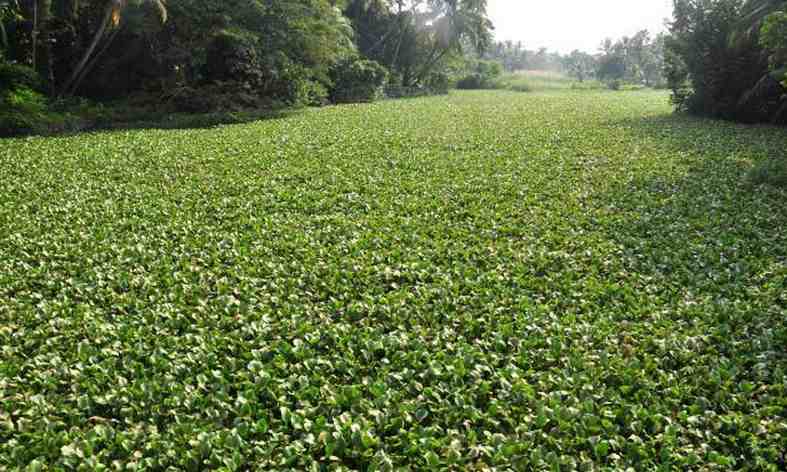
Water hyacinths choke the Poorna river at Tripunithura. Photo: Vipin Chandran; The Hindu

Water hyacinths choke the Poorna river at Tripunithura. Photo: Vipin Chandran; The Hindu

There are many similarities between Indian and Thai river life; watching villagers and people on barges going about their daily lives on the water is one, and the flora and fauna of river life is another. While traveling on the Chao Phraya River it only took a moment to see how the water hyacinths have the potential to choke river traffic. My excitement was piqued when Chananya from Asian Oasis told me that there was an established industry to use the plant for decorative, household and furniture purposes. Continue reading

An Important New Friend For Indonesia’s Peatlands

de6843a8-12cd-4c93-a8c0-99520ebafbac-620x372

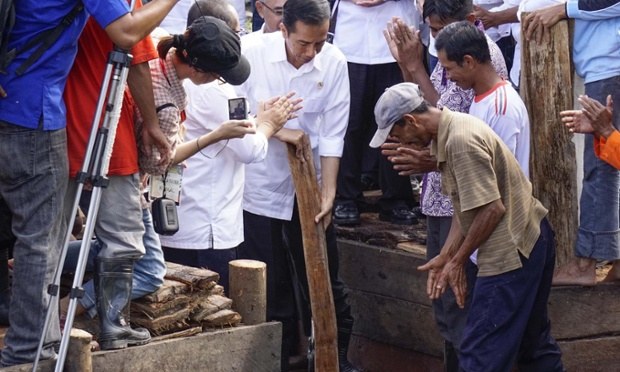
Indonesian President, Joko Widodo joins members of the Sungai Tohor community in damming a canal draining peatlands on Tebing Tinggi island on Thursday. Photograph: Ardiles Rante/Greenpeace

Welcome news, thanks to the Guardian‘s coverage:

Indonesia cracks down on deforestation in symbolic u-turn

Indonesia’s new president announces plans to protect rainforest and peatlands, signalling a new direction for country with worst rate of deforestation in the world

Indonesia’s reforming new president is to crack down on the rampant deforestation and peatland destruction that has made the nation the world’s third largest emitter of climate-warming carbon dioxide.

Joko Widodo signalled the significant change of direction for Indonesia when he joined a local community in Sumatra in damming a canal designed to drain a peat forest. Halting the draining and burning of peatland will also tackle the forest fires which have trebled since 2011 and can pump smoke across the entire region.

Continue reading

An Art Brand, A Big Bubble

Koons’s “Inflatable Flower and Bunny (Tall White, Pink Bunny),” 1979. BROAD ART FOUNDATION, SANTA MONICA

Koons’s “Inflatable Flower and Bunny (Tall White, Pink Bunny),” 1979. BROAD ART FOUNDATION, SANTA MONICA

Because we are not experts in any sense of the subject, contemporary art is only rarely a topic of interest on this blog. But as readers of media far and wide related to the cultures we operate in, we cannot help noticing what experts say about it. We have once or twice linked out to articles that reflect our concern about the overwhelming sense of art and commerce overlapping more than seems right. Jeff Koons, on show in Paris currently, offers an other prime example of our concern.  A review of the New York retrospective of Koons earlier this year had this respectful insight:

…Koons’s smiley mien and a line of patter that is part huckster and part self-esteem guru—“Everybody’s cultural history is perfect”—call to mind Degas’s remark to Whistler: “You behave as though you had no talent.” But Koons has no end of talent and, within his range, mastery, marked by an obsessive perfectionism, and wound tightly around some core emotion, perhaps rage, which impels and concentrates his ambition. It’s really the quality of his work, interlocking with economic and social trends, that makes him the signal artist of today’s world. If you don’t like that, take it up with the world… Continue reading

Pathum Thani River Market

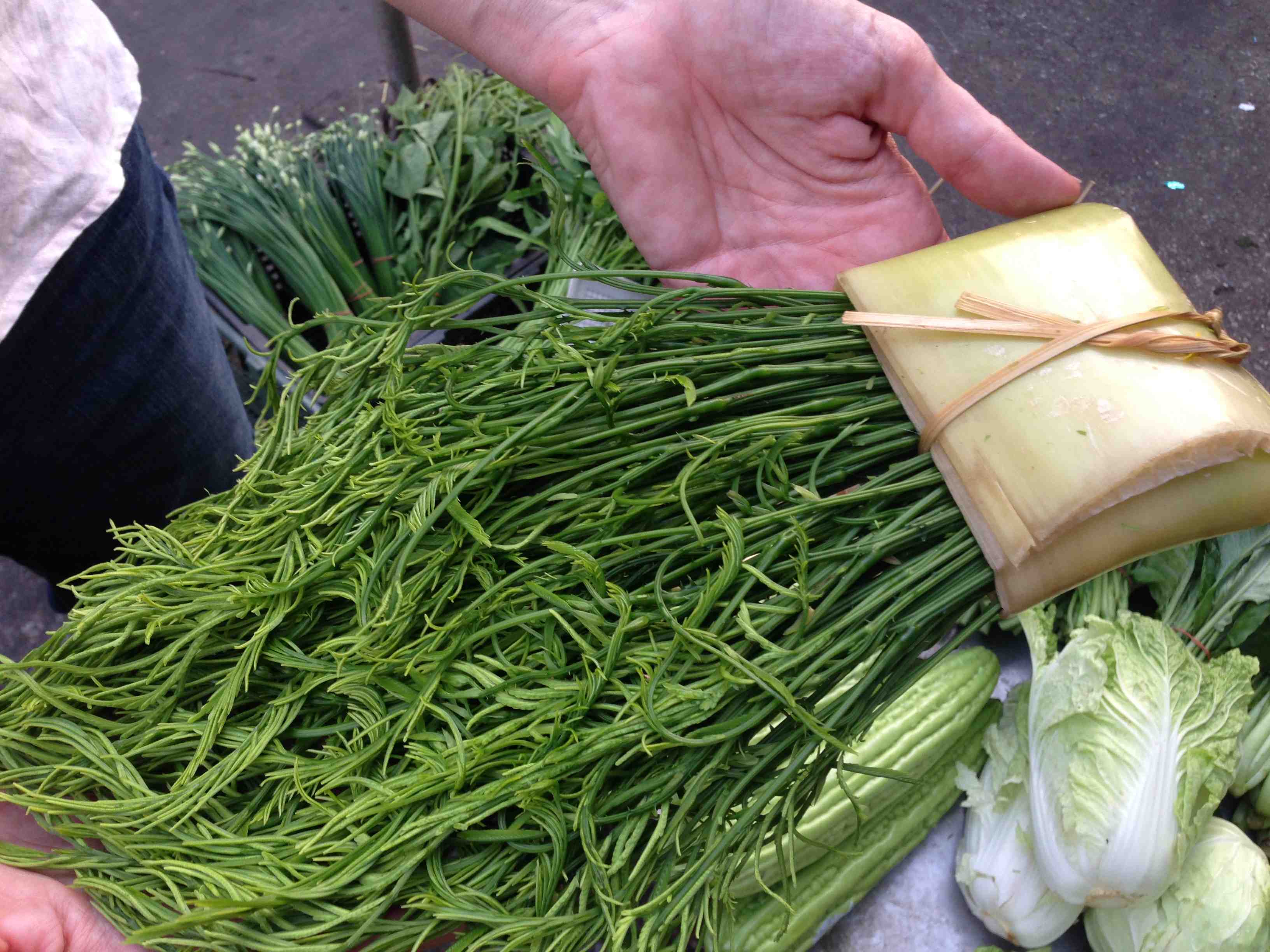
Climbing Wattle (sometimes called Acacia) with a charming banana stalk wrapping. In Thai it’s call “Cha- om ” and it’s mostly eaten fried in egg batter to accompany chili dip. (Thanks to Chananya from Asian Oasis for the wonderful explanation!)

Climbing Wattle (sometimes called Acacia) with a charming banana stalk wrapping. In Thai it’s call “Cha- om ” and it’s mostly eaten fried in egg batter to accompany chili dip. (Thanks to Chananya from Asian Oasis for the wonderful explanation!)

With the opening of Spice Harbour and Marari Pearl, life at RAXA Collective frequently is filled with a flurry of activities. But a current visit to meet colleagues in Thailand has reminded me of my love of markets. The first leg of our trip took place on the lovely Mekhala Rice Boat cruising up the Chao Phraya River from Bangkok toward the Bang Pa In Summer Palace. The overnight was lovely, but one of the highlights was a stop at the riverside market at Pathum Thani.

Although similar to markets I’ve experience in India, this one seemed to have a distinctive Thai flare, with more prepared items than I’ve seen in India.

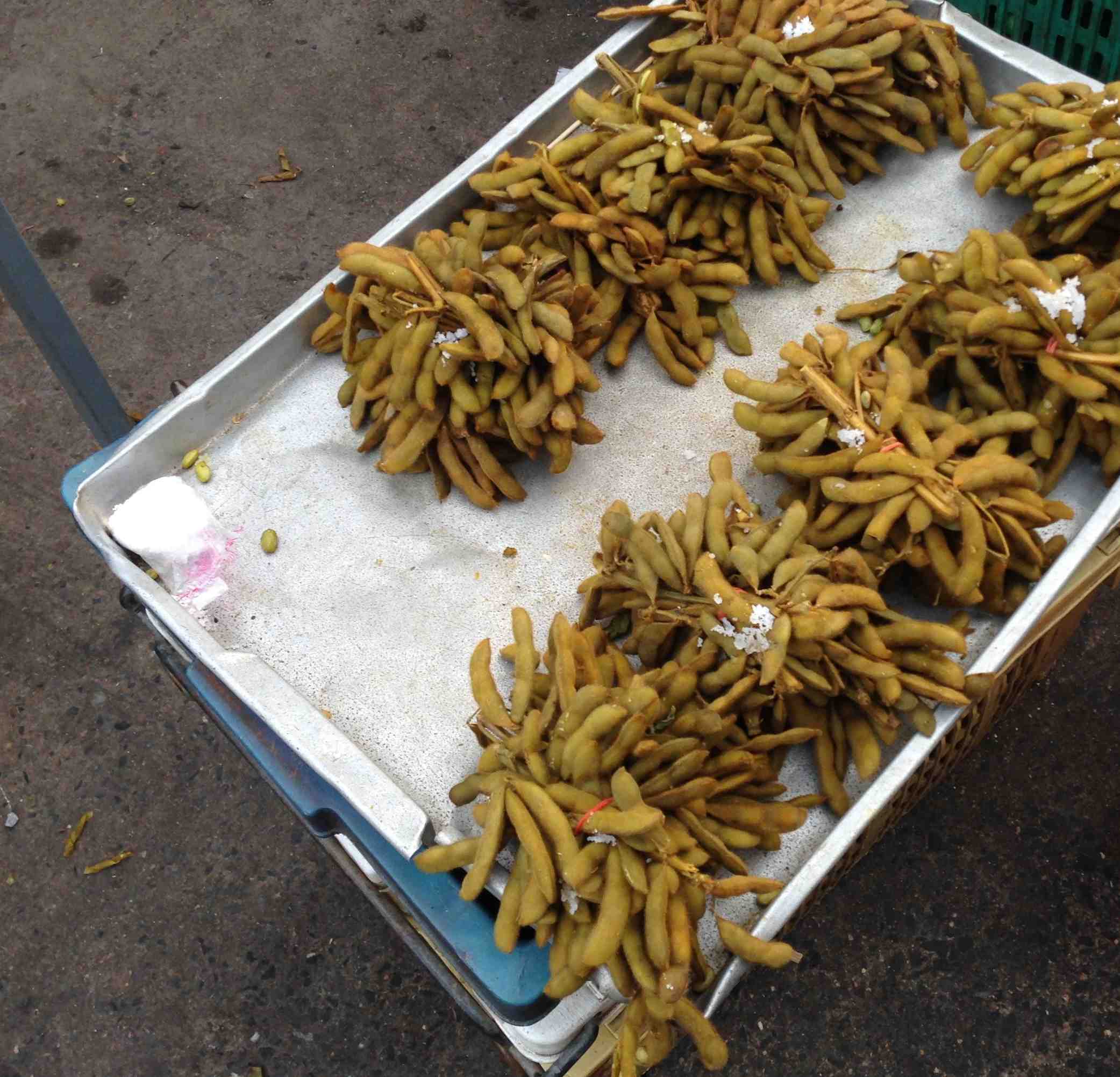
Salted Edamame - I'm guessing steamed.

Bundles of Salted Edamame – I’m guessing steamed.

Continue reading

Carbon Footprint Of Beef

cow-shutterstock_176807426-680x450

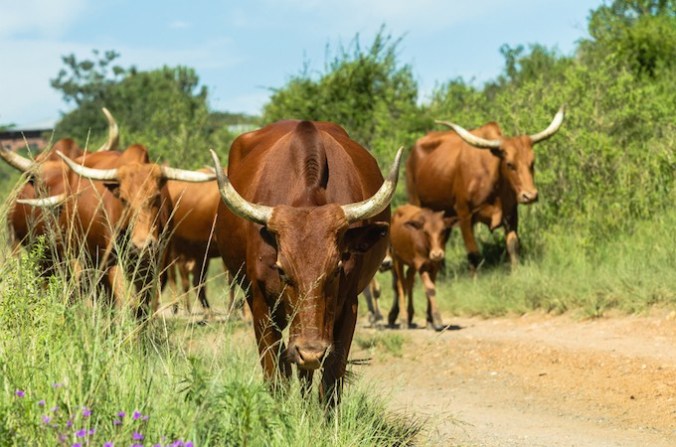
One of our most popular posts of all time, Carbon Emissions Series: Vacationers’ Diets, was an eye-opener for many of us 3+ years ago. The 10,000 views of that one post help us understand that readers of this blog care about the food they eat in more ways than one. Thanks to Conservation for this summary:

ACCOUNTING FOR MEAT: THE HIDDEN EMISSIONS IN YOUR STEAK

Each year, the average American chows down on a whopping 120 kilograms of meat. The same is true in New Zealand and Australia. Most Europeans and South Americans dine on slightly more than half that amount of meat each year. Combined that means that as a species, we’re eating some 310 metric tons of meat each year, a 300% increase in fifty years. Meat – which is the primary product of the livestock industry – doesn’t just impact our planet in terms of the quantity of animals slaughtered or the acres of land converted into suitable grazing pastures. It is also a significant contribution to greenhouse gas emissions. Continue reading

Murals at Cornell’s Lab of Ornithology

Video by Video by Lindsay France/University Photography

Video by Lindsay France/University Photography

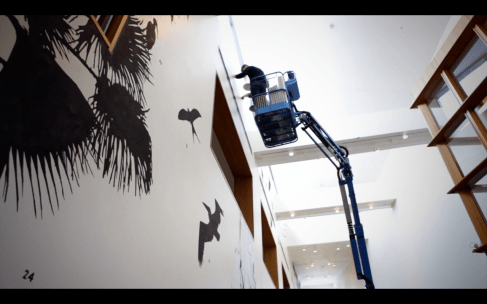
This past spring, naturalist, writer, and artist James Prosek completed the Wall of Silhouettes on the north wall of the Lab’s visitor center. As you can see from the video above, this mural is all in black and white, and shows the life-size, hand-painted silhouettes of 170 birds in different habitats, accompanied by numbers like those in a field guide to represent the relationship between us and nature and one of the ways in which people connect with birds.

A mural by artist Jane Kim planned for the wall facing Prosek’s paintings is scheduled to be completed next November, and will feature representatives from all 231 bird families, Continue reading

Digging Deeper, Getting To No

Casa Dominique is an ecolodge on Lanzarote's northern coast. Julie Genicot, a French trekking guide, has lived in Lanzarote since her grandparents opened the Casa Dominique when she was a child. She worries that offshore oil drilling might ruin the natural environment she grew up in. Lauren Frayer/NPR

Casa Dominique is an ecolodge on Lanzarote’s northern coast. Julie Genicot, a French trekking guide, has lived in Lanzarote since her grandparents opened the Casa Dominique when she was a child. She worries that offshore oil drilling might ruin the natural environment she grew up in. Lauren Frayer/NPR

We cannot possibly say that Spain does not need more oil. But we can say that before going to the Canary Islands there should be more effort to use the sun and wind, as at least one European country with less direct sunlight per year than Spain has successfully done. Spain should dig deeper on the alternative energy front before drilling in the sea. Go, Julie, go! Thanks to National Public Radio (USA) for bringing this story to our attention:

An oil rig now floats offshore in one of Europe’s top winter beach destinations — Spain’s Canary Islands. For the first time, Spain has authorized offshore oil drilling there. It’s hoping to reduce its dependence on foreign oil. But the project has prompted massive protests by local residents and environmental groups like Greenpeace.

Julie Genicot is a French trekking guide who’s lived in Lanzarote, one of Spain’s Canary Islands, ever since her grandparents opened an ecolodge there when she was a child.

“We have all the elements. It’s very windy, we have tides, the sun. It’s a very energetic place,” she says, looking out her windows across sand dunes in a protected natural park, backed by the Atlantic Ocean. “You have earth, the fire — we’re surrounded by volcanoes. And the wind, the sea — it’s very powerful.” Continue reading

Dog + Humans = Team

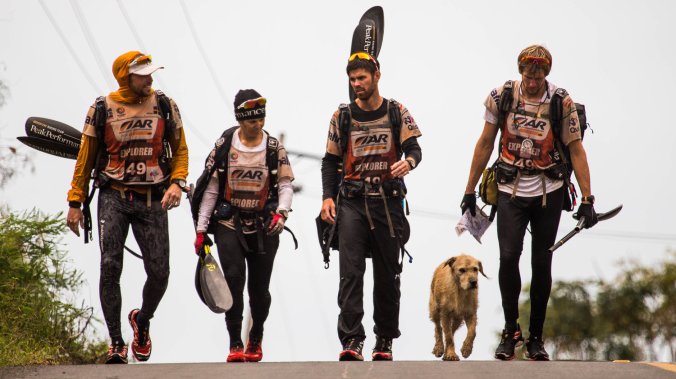
Team Peak Performance says that after six days, they "crossed the finish line with 5 members instead of 4 as the 12th top team in the world." Krister Goransson/Peak Performance

Team Peak Performance says that after six days, they “crossed the finish line with 5 members instead of 4 as the 12th top team in the world.” Krister Goransson/Peak Performance

This takes us back to our Patagonia Expedition Race days. Thanks to National Public Radio (USA) for this reminder of what sometimes counts as the secret ingredient of teamwork in situations that require extraordinary endurance:

After a stray dog in Ecuador met a team of Swedish adventure athletes, he grew so attached to the squad that he ran for miles and swam along to keep up with them. Now Arthur the dog is world-famous — and it all started with a meatball.

Continue reading