Popcorn Patrimony

01-JP-POPCORN2-sfSpan

Dennis Chamberlin for The New York Times. Ears of heirloom popcorn are smaller than with other types of corn but deliver more flavor.

We link to stories about entrepreneurial conservation, most often involving wilderness, whose tangible value is straightforward. Other times it is about art, or language; these forms of cultural patrimony are more intangible in value–not less obviously of value, but less tangibly so.

It should not diminish the concept of patrimony, nor the tangible/intangible divide, to talk about heritage popcorn, as trivial as that might at first sound. In the interest of tangible patrimony that has intangible value embedded into it, we appreciate this New York Times Dining & Wine section offering, an unexpected small pleasure:

Heirloom Popcorn Helps a Snack Reinvent Itself

Heirloom varieties you pop yourself deliver more flavor than those store-bought bags.

Continue reading

Tacacorí Rocks Birds

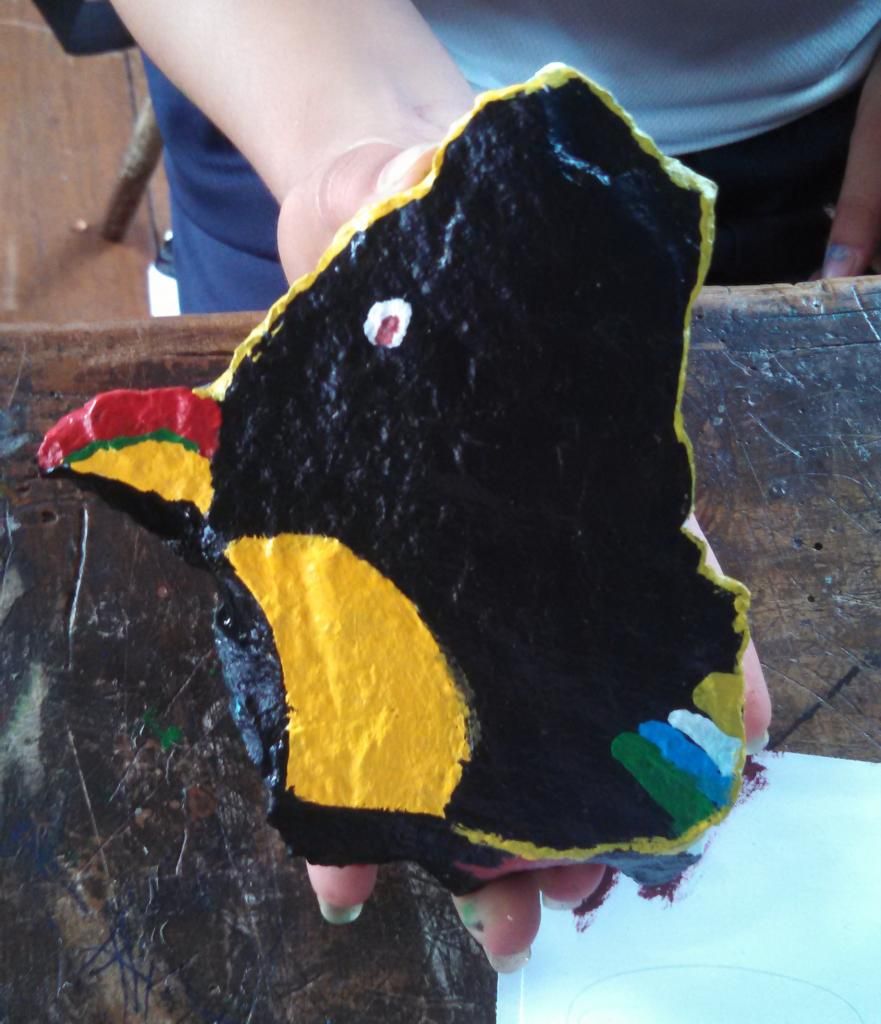
A sixth-grade creation

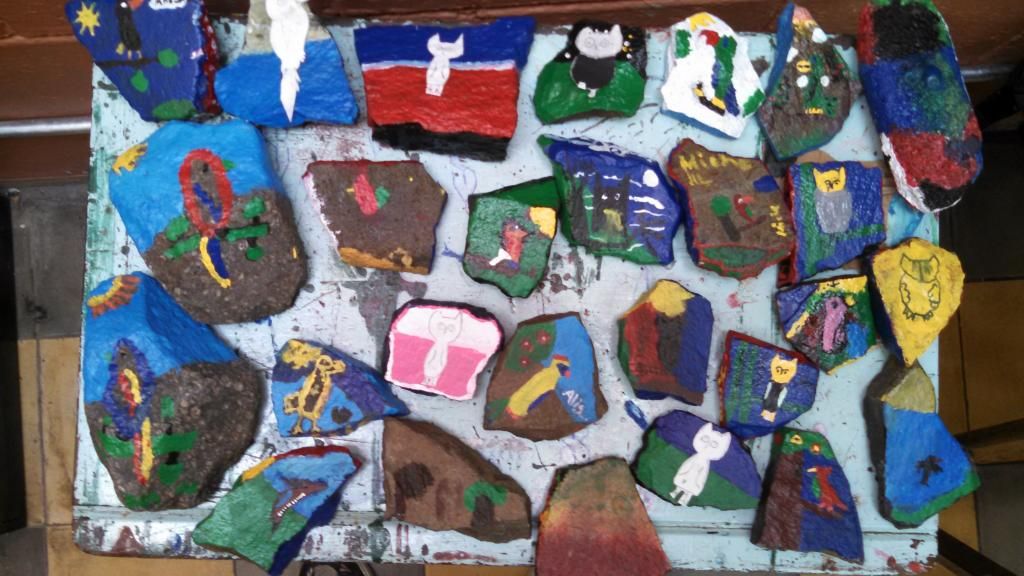
Starting last week, I began the next art project at the elementary school in Tacacorí. After learning that over time the papier-mâché creations succumbed to the Central Valley’s relative humidity and became difficult to preserve, I decided to find a more solid medium. I liked the idea of recycled plastic bottles from the hotel but I worried about the extensive use of scissors they’d require and all the sharp plastic edges that would be created in the process. Instead, I went with the option that, although not exactly recycled, at least doesn’t require industrially-created materials and is fairly abundant: rocks. And the best part is that stone is impervious to humidity (on the scale of time that we’re thinking about).

Fifth-grade creations — some kids pasted paper versions of their bird on the rock.

In the slideshow below, you can see some of the fifth- and sixth-graders’ works of art Continue reading

Giant of Africa

Nigeria is known as the Giant of Africa and that’s where I’m currently based. I was looking for a change in my life, so promptly accepted the position when it was offered. Most of you must be wondering why I’m here, and that’s one question I don’t have a clear answer to. Perhaps it’s the adventure and the challenge that comes along with moving into a territory. The nature of the job is different from the regular office administration job that I was used to so that was new as well.

So I packed my bags along with words of advice from family and friends – “don’t mingle too much”; “don’t be over friendly”; “do your work and go directly home”; “don’t get into any unnecessary relationships” etc. etc. It’s not surprising that a woman about to embark on this type of adventure should receive advice like this, so I thanked everyone and was on my way. The journey had it’s challenges, none of which were surprising. I was carrying heavy luggage and changing planes in Mumbai was the toughest. I promised myself that I’ll be taking a different route when I visit India next – not just a different route, I intend to fly Business class! Continue reading

Monkeys Learning, Improving Coexistence Probabilities

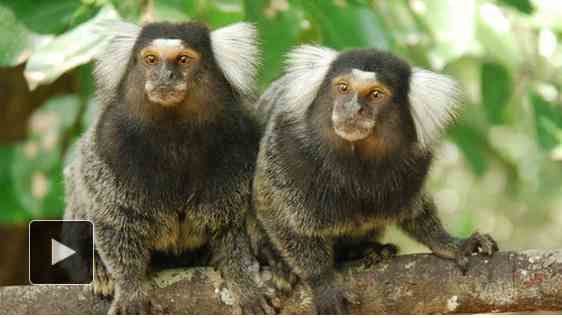
From the New York Times, a short video on something we might take into account at Cardamom County, where the monkeys do their monkey business without any concern for who’s who or what’s what:

ScienceTake | Marmoset See, Marmoset Do

Wild monkeys can learn from a demonstration video set up in the forest.

Hill Station Carrots, By Roger

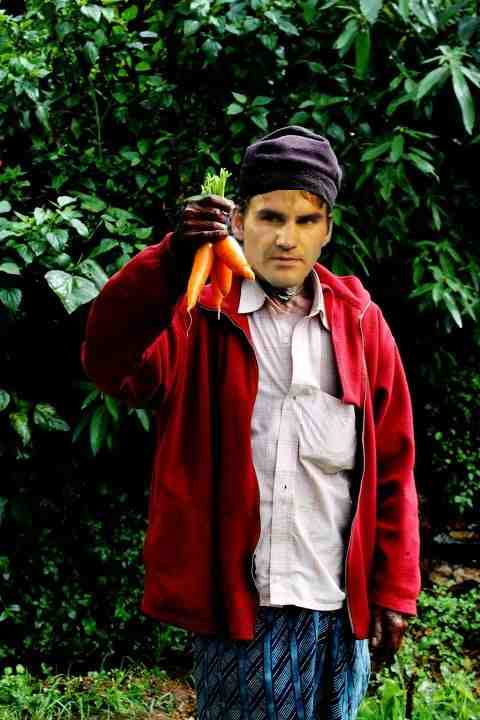
Roger Carrot-seller

Ever in search of the best produce for our vegetarian menu items, we are frequently on road trips to farms where we hear the vegetables are tastiest. We bought some organic carrots from a roadside stand in the Western Ghats, and little did we realize then who it was selling to us. He gets around.

Xandari Pysanky

This slideshow requires JavaScript.

Sample eggs in the Xandari gift shop

Over the last four days, I made six sample eggs with parts of the designs I had drafted and shared in my last post on the subject. With a slightly limited palette of dye colors (black and purple so far) and an attempt at a home-made coffee-based dye (i.e. coffee), I followed three very simple color schemes and tried a couple different design themes.

I also tried my hand at some vinegar etching, which I had read about recently and seemed like a cool way to  Continue reading

The Missing Link In The Museum Of Natural History

PHOTOGRAPH BY ERIC FEFERBERG/AFP/GETTY

PHOTOGRAPH BY ERIC FEFERBERG/AFP/GETTY

Thanks to Alex Carp over at the New Yorker‘s website, and specifically the increasingly awesome Elements section, for keeping us up to date on the acquisitions at one of our favorite museums:

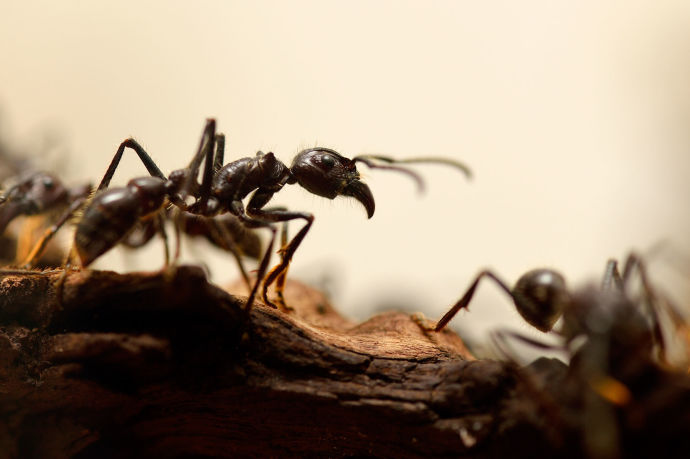
The insect collection at the American Museum of Natural History holds approximately sixteen million specimens, collected from some of the most remote corners of the world. But until earlier this year, the museum lacked a single ant from a place that scientists have traditionally neglected to look: the sidewalks and street medians of Manhattan. Almost by definition, natural science tends to begin its examination of wildlife only after travelling as far away from people as possible. Continue reading

Roger In Kerala

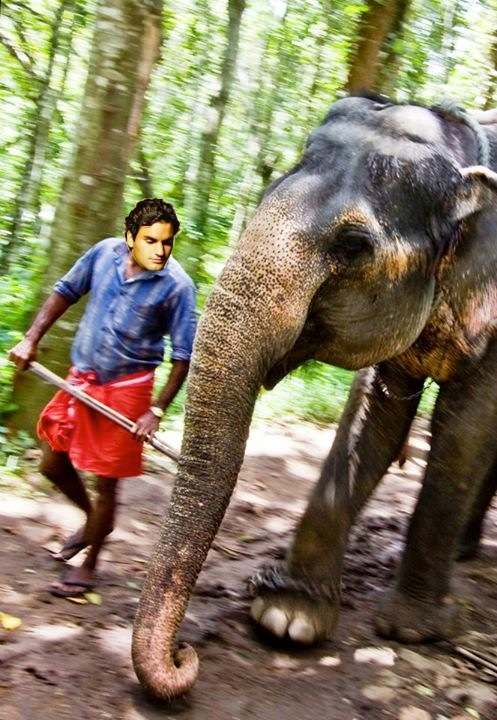
Roger Mahoot

When Seth and Milo Inman heard that Roger would be in India, and that he wanted suggestions on what he would be missing given his short time available, they thought he might be interested in visiting some of Raxa Collective’s stomping grounds in the south of the country. He would be able to get back to nature, and in an authentic way.

Seth has worked in Kerala, and Milo lived and worked here for two years. During that time, Milo took the photo above, not realizing until today that he had captured an image of Roger moonlighting as a mahoot. We hope Roger will return to show us his best moves.

If You Happen To Be In Big Sur (But You Don’t Have to Be…)

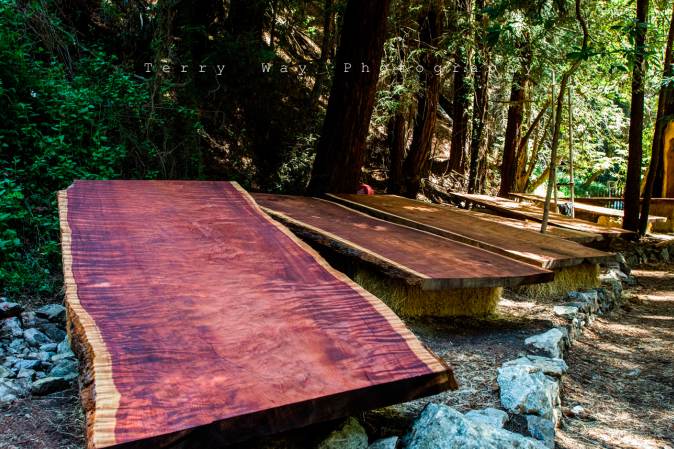
Big Sur fallen redwood auction: Proceeds benefit the Henry Miller Memorial Libarary

Big Sur fallen redwood auction: Proceeds benefit the Henry Miller Memorial Libarary

Although we’d never wish damage to a tree of this age and history we’re happy to hear that the rare and beautiful wood will help a cause near and dear to our hearts.

Profits generated from the redwood auction will be used for the following purposes:

Upgrading the Library to meet State and Federal regulatory requirements. This includes a water-treatment system, ADA compliant bathrooms, upgraded septic system, and more. Bringing the Library into compliance will ensure the Library can remain operational while also providing exceptional programming, including our acclaimed short film screening series,workshops, audio series, etc. This will require paying for building and maintaining a water system as well as paying related legal and administrative fees. Continue reading

Thinking Of Greece, 2014 And Beyond

This slideshow requires JavaScript.


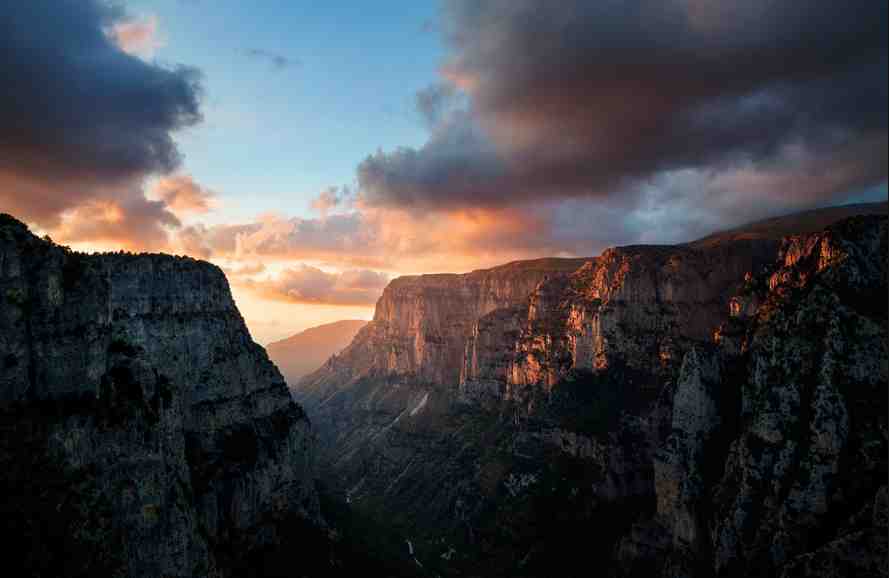
Of all the links we have provided in recent years to stories in varied media, on various topics, this one surprises and delights us more than most.  The photos here may speak to anyone who has been in Greece and seen musicians play in out of the way places, those who keep traditions alive for the sake of the music and its cultural import.

Several La Paz Group contributors have heritage in Greece, in particular to one of the great folk music conservationists. Two La Paz Group scouts were in Greece this month investigating opportunities to collaborate, and this story captures more than one among many reasons why we expect to be operational in Greece in 2015:

Hunting for the Source of the World’s Most Beguiling Folk Music

Continue reading

Sustainable Development Oddball

Mark Peterson and Greta Pratt for The New York Times. The Tamatea Nui Lana’i Polynesian dance group. All of Lanai’s owners have sought, in one way or another, to refashion the island into a paradise on earth. Larry Ellison hopes to transform it into the “first economically viable, 100 percent green community.”

Mark Peterson and Greta Pratt for The New York Times. The Tamatea Nui Lana’i Polynesian dance group. All of Lanai’s owners have sought, in one way or another, to refashion the island into a paradise on earth. Larry Ellison hopes to transform it into the “first economically viable, 100 percent green community.”

This Times Sunday Magazine article attempts to help us understand the challenges inherent in one of the more unusual sustainable development stories we have heard of in recent years:

Henry Jolicoeur is a retired French Canadian hypnotherapist and a glass-products importer who enjoys making very low-budget documentary films. In the summer of 2012, Jolicoeur read that Larry Ellison, a founder of the Silicon Valley giant Oracle and the fifth-richest man in the world, had bought 97 percent of the Hawaiian island of Lanai — not a 97 percent stake in some kind of company, but 97 percent of the physical place. Jolicoeur was curious, so he booked a flight and packed his camera. Continue reading

Greening Headquarters

Thanks to Alexandra Lange and the Culture Desk at the New Yorker’s website for this explanation of the latest, greatest in green building:

Two recent dispatches from the frontiers of office design: a drone video of the vast circular excavations for Apple’s new Cupertino headquarters, and the news that Weyerhaeuser, the tree- and forest-products company, was selling its own earthwork-like 1971 building to move to Pioneer Square, in downtown Seattle. These projects have more in common—for better and for worse—than you might think. Weyerhaeuser (shrinking) is giving up the suburbs of Federal Way, Washington, for the dream of urban connection, even as growing companies drape themselves in vines to make their out-of-town locations seem like the earth-friendly choice. Continue reading

Chai Wallah Surprise

_77818591_vinoddsa

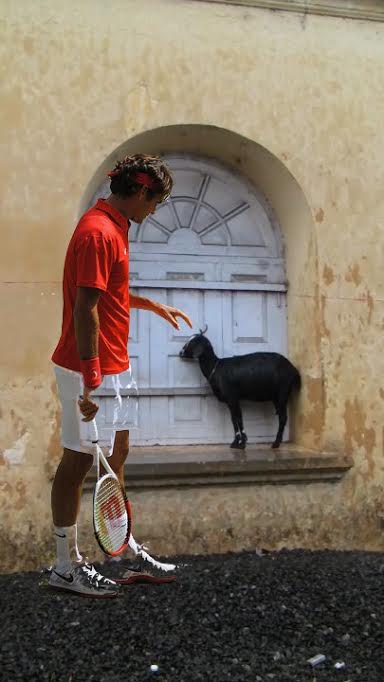
Thanks to the BBC we learn that Roger Federer will be in India soon. He has not made reservations at any Raxa Collective properties yet, but we await his arrival and the opportunity to learn his moves:

Swiss tennis ace Roger Federer has run into a problem familiar to most people who travel on business – he’s going to India later this year but won’t have time to see the sights. So he has asked fans to help him. Continue reading

Sovereign Lepidoptera

This slideshow requires JavaScript.

The seasonal migrations that occur in the animal kingdom annually vary in scale on many levels and cover nearly all classifications and all ecosystems of land, sea and air. Climactic conditions and other environmental changes impact these movements on a regular basis. In the case of the monarch butterfly migrations from North America to Mexico, the fragile balance is especially evident as populations are noticably dropping due to habitat loss, insecticide/herbicide use and extreme weather. (An interesting note in this case is that the migration itself was initially caused by human impacted landscape changes when the great North American forests began to be cleared for agriculture in the 1600s.)

Milkweed is the sole food plant for the monarch caterpillers. Continue reading