Appledore Island, Maine
Appledore Island, Maine
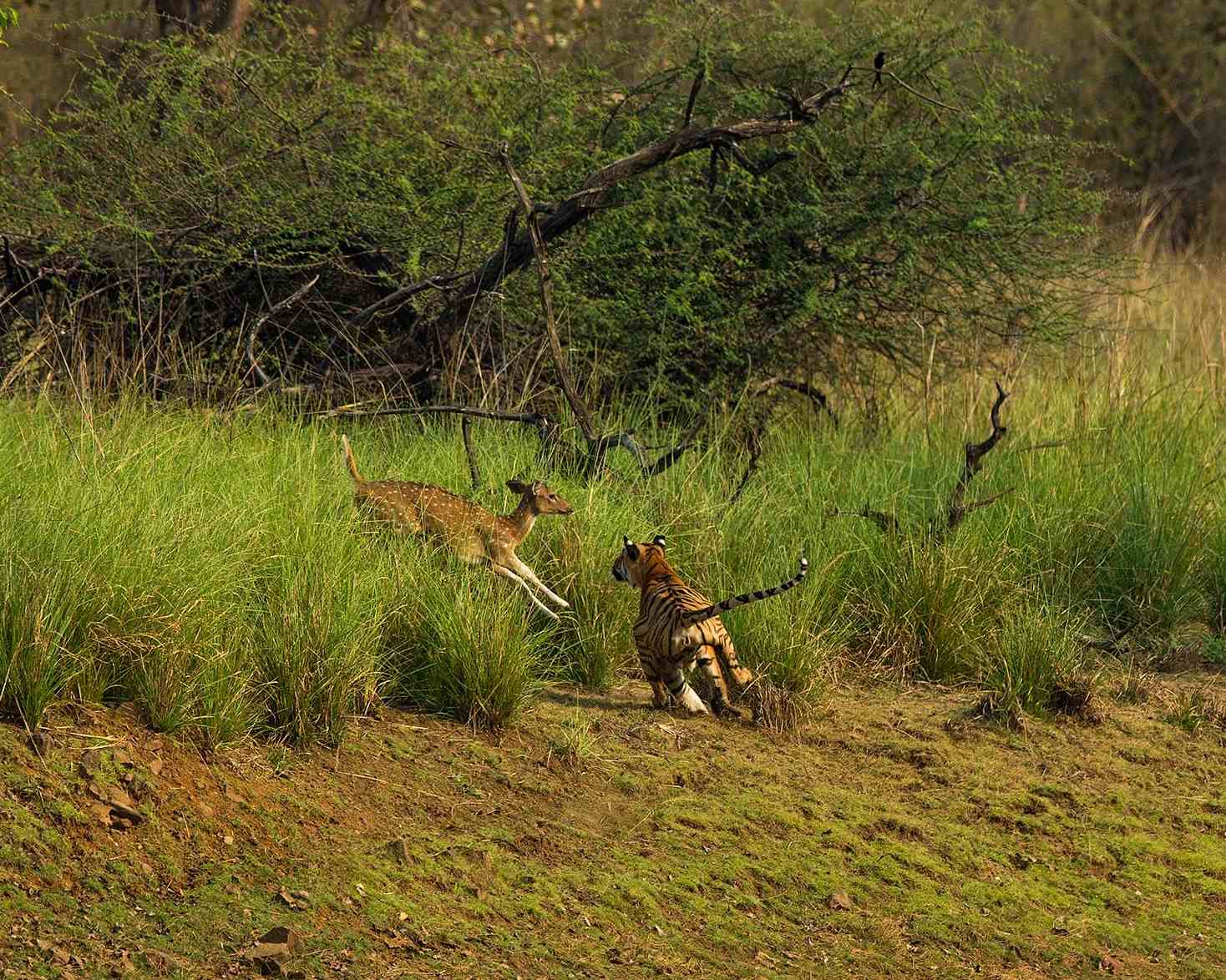
As a part of celebrating World Wildlife Week I will be sharing information about the importance of saving our Natural Heritage, hopefully trying to create awareness among the growing population of nature lovers and wildlife photographers. My first post makes the correlation between a healthy tiger habitat with our own well-being.
Now let me talk about the importance of deer in our forests.
One of the primary reasons why large areas of forest in India no longer have tigers is because local people have hunted and eaten away most of the prey animals. While the direct poaching of tigers is contributing to their rapid decline now, it is the steady erosion of the tiger’s prey base that has resulted in low numbers of tigers to start with.
An adult tiger needs about 3000 kg of food a year. This translates roughly into one deer-sized animal every week.
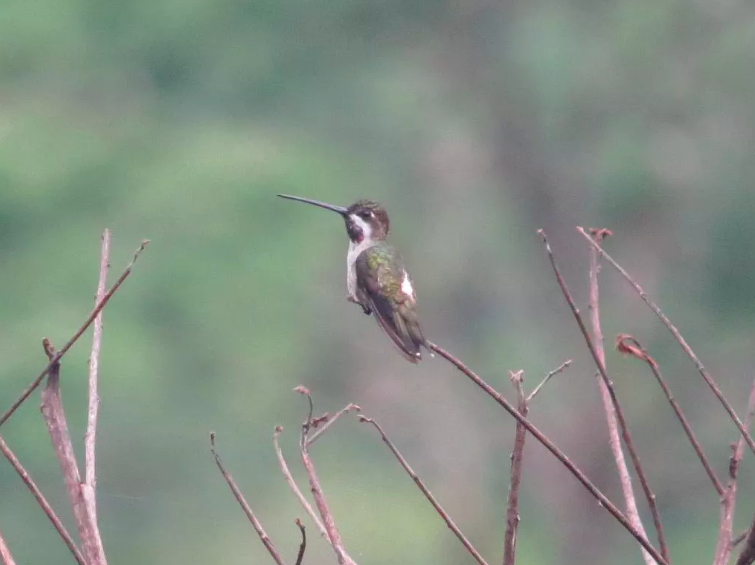
Osa Peninsula, Costa Rica

Mother and kids at Kayal Villa
Goats have been on our radar recently for various reasons, mainly dairy. Kayal Villa got its first family of goats a few months ago and the herd has expanded organically, so to speak. And we have expanded it by bringing in new individuals from various locations to expand the gene pool.
We do so with some awareness of the challenges ahead, all in the interest of better dairy for our kitchens. We have heard it said that “if you don’t have any problems, get a goat” — the humorous meaning of which is related to goats being notoriously troublesome in their eating habits, devouring everything in sight and very cleverly finding their way to go where they should not go and do things they should not do (i.e. if you have no problems, you will if you get a goat).
But this briefing in Conservation gives us more reason to appreciate these hooved creatures:
Where herbicides and mowers have failed, goats might succeed. In a new study, scientists have found that these humble herbivores can devour 12-foot-high invasive plants, allowing native species to regain a foothold in wetlands.
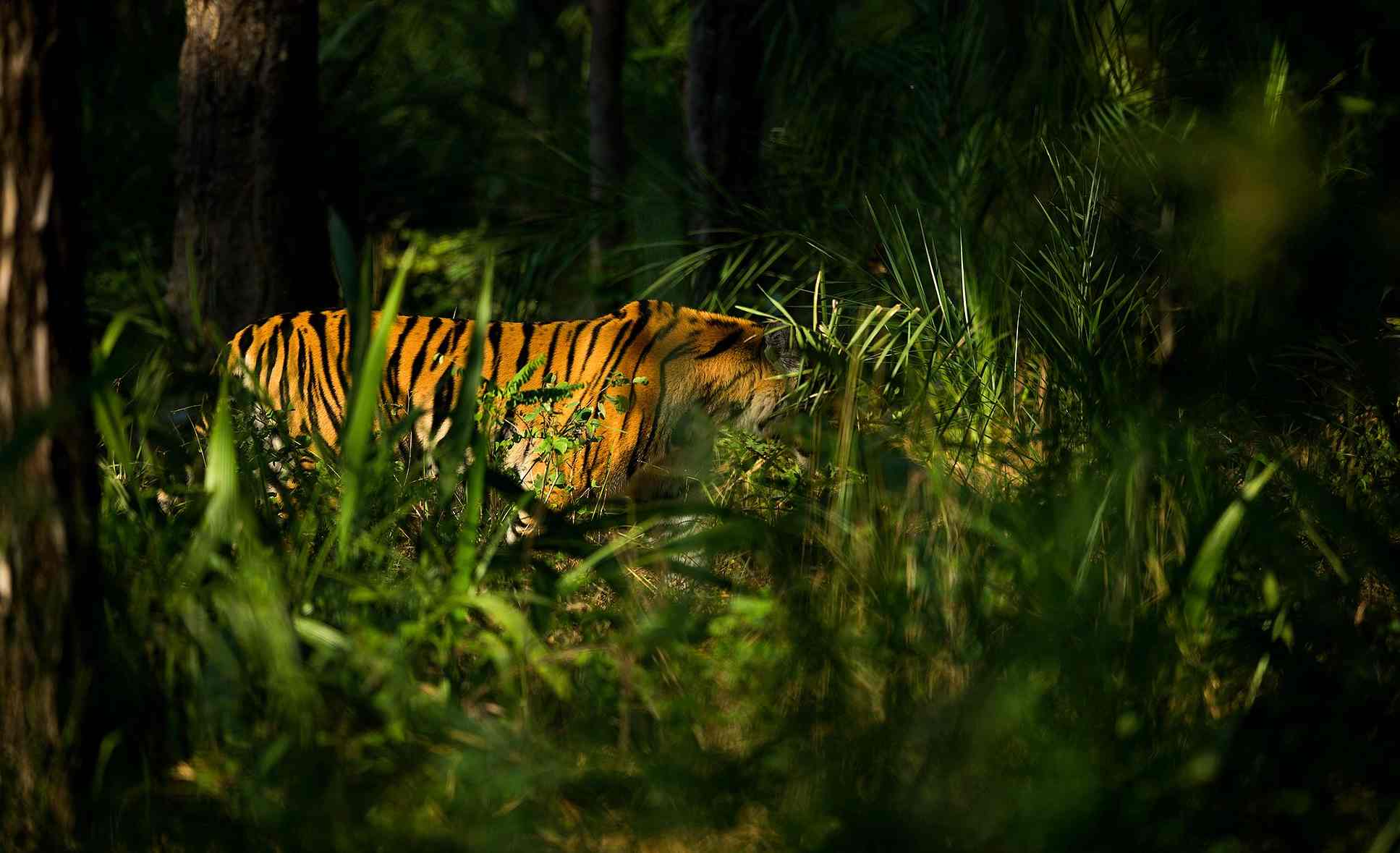
As a part of celebrating World Wildlife Week I will be sharing information about the importance of saving our Natural History, hopefully trying to create awareness among the growing nature lovers. Lets start with why we need to save the Tiger.
The tiger is at the top of the food chain. Therefore, the healthy presence of tigers indicates healthy forests. The presence of tigers in a forest has dual benefits, firstly, it keeps the ungulate (hoofed animals like deer and wild boar) population in check and also keeps humans at bay as most people are scared of venturing into a tiger or lion forest. This mostly applies to poor villagers and not poachers and hunting tribes. If there is no apex predator, herbivores wreak havoc and humans enter the forest for farming, logging, and poaching of smaller animals with less fear. The existence of tigers is vital for the survival of forests. But why do we need forests? Think of the forest as a gigantic sponge. A sponge absorbs water and stores it until and unless you squeeze it out.
As we prepare activities at Marari Pearl, in which frisbee features a cameo role, we find ourselves scooped by the team in this short video.
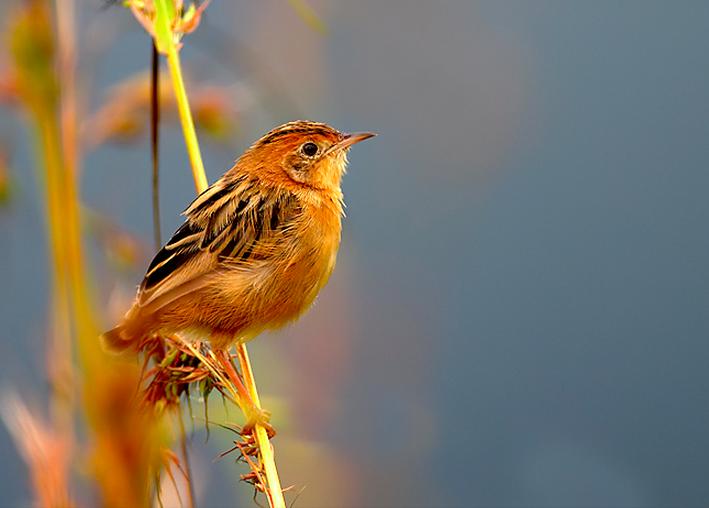
Kemmangundi, Western Ghats, Karnataka

Bangalore, Karnataka

The WeBike cycling desk can be found at airports and train stations across in Western Europe. WeWatt
Do something! That is a call to action everyone has heard at some moment in their life, from a drill sergeant, a coach, a parent…and it turns out there is good reason to heed the call for the sake of longevity. And entrepreneurs are doing something about it to give you options in unexpected ways and places, as we learn in this story from National Public Radio (USA):
Amsterdam is famous for its laissez-faire attitude about extracurricular activities, its beautiful canals and of course, its bicycles. Now, even if you only have a layover at Amsterdam’s Schiphol Airport, you can get in some pedaling, and power your phone and other devices at the same time. Continue reading
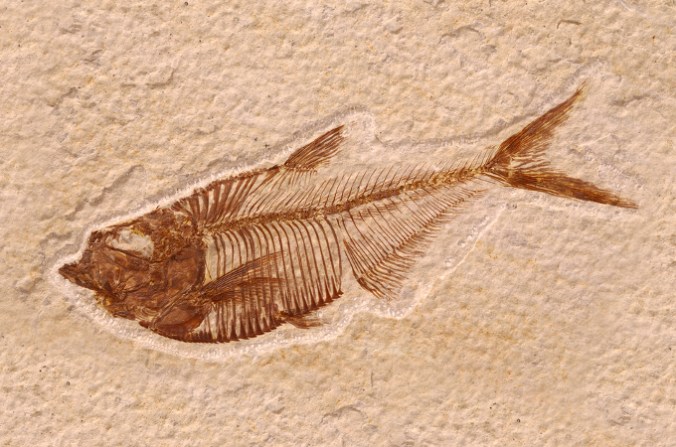
Thanks to Conservation for this note on the relationship between the proper identification of a species’ extinction risk and the amount of time practically required to do something about it:
Congratulations, you’ve made the IUCN Red List of Threatened Species! Now what? Is that enough to promise your salvation? Or will the increasing press of climate change on your vulnerable/endangered/critically endangered back spell your doom anyway?
A new study aimed to answer this question, of just how long placement on the Red List gives conservationists to try and save a species on its way to oblivion thanks to climate change. Continue reading

Dennis Chamberlin for The New York Times. Ears of heirloom popcorn are smaller than with other types of corn but deliver more flavor.
We link to stories about entrepreneurial conservation, most often involving wilderness, whose tangible value is straightforward. Other times it is about art, or language; these forms of cultural patrimony are more intangible in value–not less obviously of value, but less tangibly so.
It should not diminish the concept of patrimony, nor the tangible/intangible divide, to talk about heritage popcorn, as trivial as that might at first sound. In the interest of tangible patrimony that has intangible value embedded into it, we appreciate this New York Times Dining & Wine section offering, an unexpected small pleasure:
Heirloom Popcorn Helps a Snack Reinvent Itself
By KIM SEVERSON
Heirloom varieties you pop yourself deliver more flavor than those store-bought bags.

Little Rann of Kutch, Gujarat
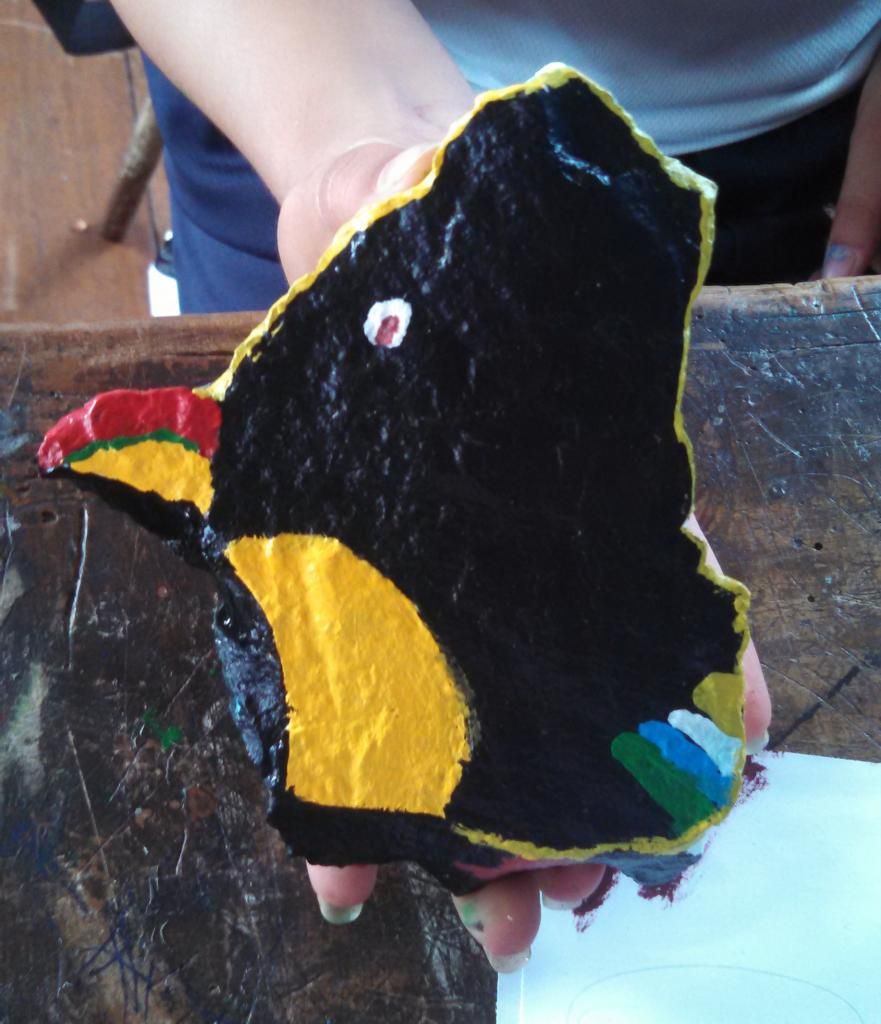
A sixth-grade creation
Starting last week, I began the next art project at the elementary school in Tacacorí. After learning that over time the papier-mâché creations succumbed to the Central Valley’s relative humidity and became difficult to preserve, I decided to find a more solid medium. I liked the idea of recycled plastic bottles from the hotel but I worried about the extensive use of scissors they’d require and all the sharp plastic edges that would be created in the process. Instead, I went with the option that, although not exactly recycled, at least doesn’t require industrially-created materials and is fairly abundant: rocks. And the best part is that stone is impervious to humidity (on the scale of time that we’re thinking about).
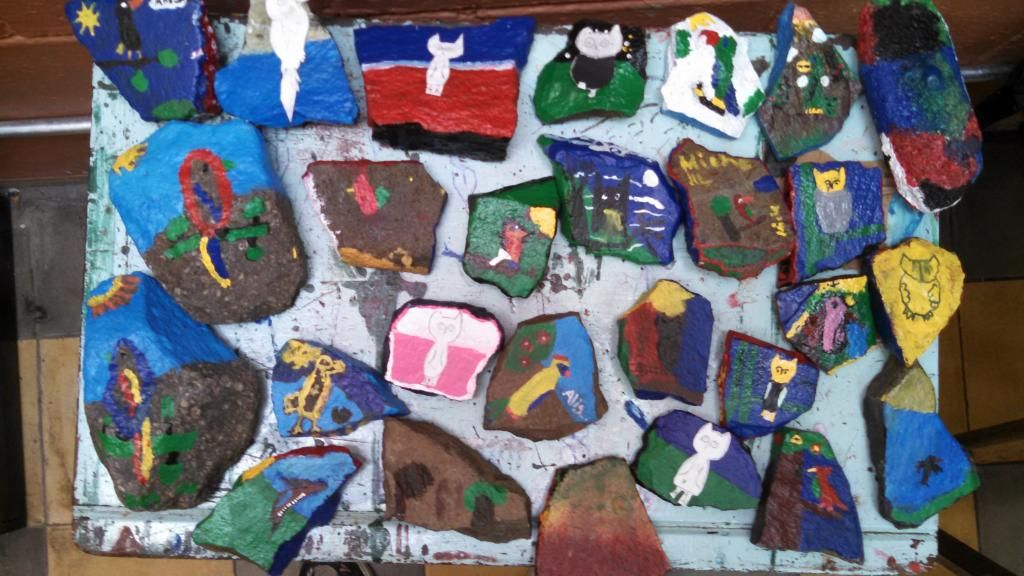
Fifth-grade creations — some kids pasted paper versions of their bird on the rock.
In the slideshow below, you can see some of the fifth- and sixth-graders’ works of art Continue reading
 Nigeria is known as the Giant of Africa and that’s where I’m currently based. I was looking for a change in my life, so promptly accepted the position when it was offered. Most of you must be wondering why I’m here, and that’s one question I don’t have a clear answer to. Perhaps it’s the adventure and the challenge that comes along with moving into a territory. The nature of the job is different from the regular office administration job that I was used to so that was new as well.
So I packed my bags along with words of advice from family and friends – “don’t mingle too much”; “don’t be over friendly”; “do your work and go directly home”; “don’t get into any unnecessary relationships” etc. etc. It’s not surprising that a woman about to embark on this type of adventure should receive advice like this, so I thanked everyone and was on my way. The journey had it’s challenges, none of which were surprising. I was carrying heavy luggage and changing planes in Mumbai was the toughest. I promised myself that I’ll be taking a different route when I visit India next – not just a different route, I intend to fly Business class! Continue reading
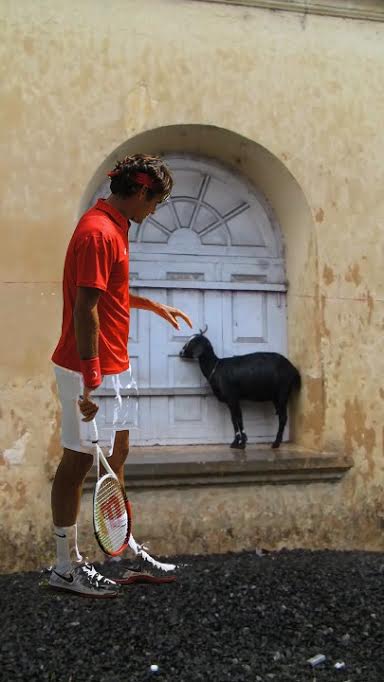
Just for fun, a continuation of the series.
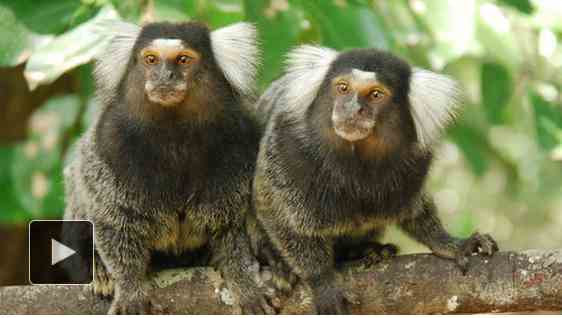 From the New York Times, a short video on something we might take into account at Cardamom County, where the monkeys do their monkey business without any concern for who’s who or what’s what:
ScienceTake | Marmoset See, Marmoset Do
Wild monkeys can learn from a demonstration video set up in the forest.
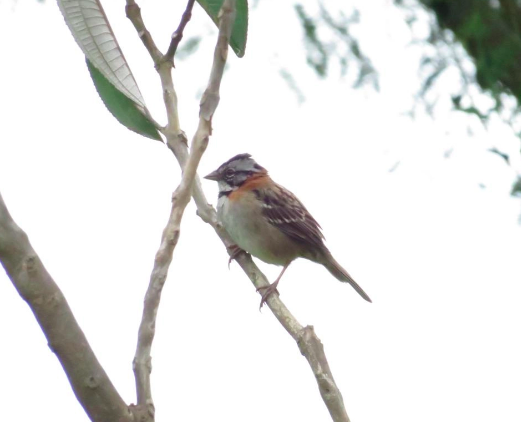
Tacacori, Costa Rica