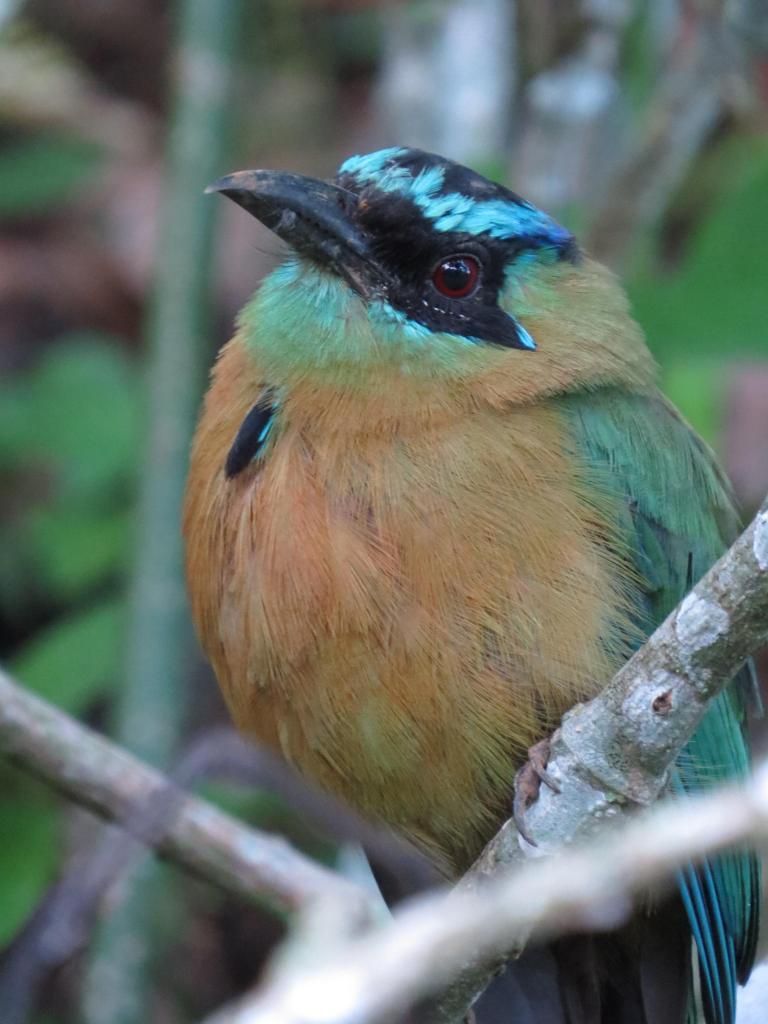
Tacacori, Costa Rica
Tacacori, Costa Rica

When Horace Greely (well, actually John B. L. Soule) said “Go West, young man, and grow up with the country!” he was speaking from the perspective of limitless possibilities. The Lewis and Clark Expedition had helped map out the west and many young men, and later women, answered the call.
With wilderness in peril, that same entrepreneurial spirit has opened up a new world of empowerment and possibilities for later generations. The California Conservation Corps and Southwest Conservation Corps have teamed with the non-profit Veterans Green Jobs in a win-win program to support both the country’s military veterans and the country’s national parks. Continue reading

A dragonfly on a path at Xandari
Whenever I have the opportunity to visit a national park in Costa Rica, I obviously take my camera with me so I can try to get some good photos or videos of all the wildlife I hope to see. Looking back on my files of images from the past couple months, I realized that I happened to have some half-decent videos that represented what I’d consider the four most important classes of Kingdom Animalia/Metazoa from the point of view of a terrestrial biophile: Aves, Reptilia, Mammalia, and Insecta. In other words, when I’m walking through the rainforest, the animals I keep an eye out for will likely fall into the category of bird, reptile, mammal, or insect. If I’m out at night, then maybe Amphibia will get thrown in there too!
In the video above, you can Continue reading

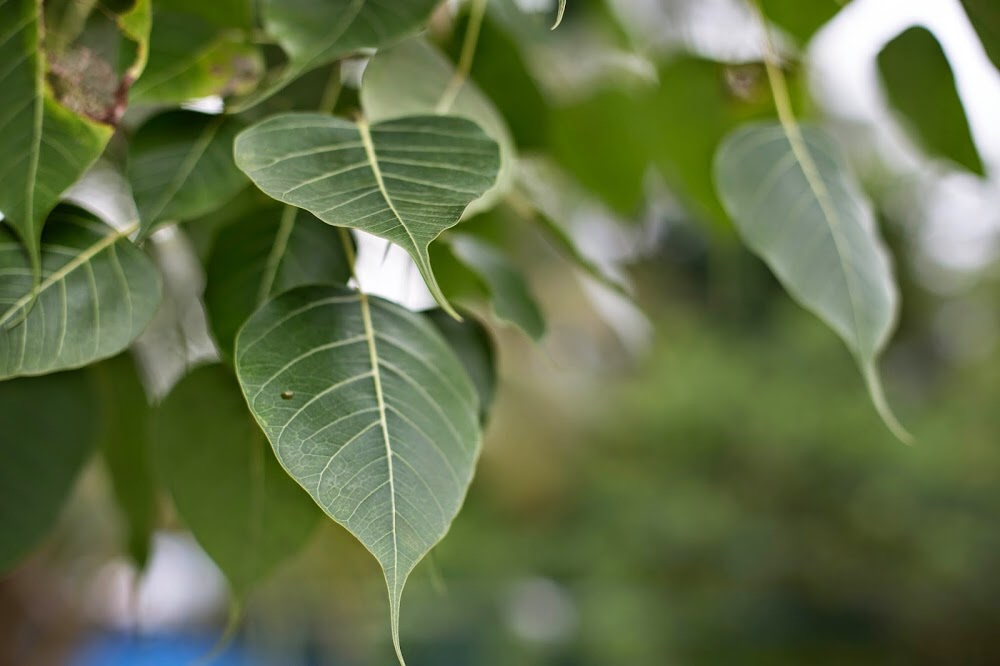
Photo credit: Heena Metha
As I mentioned earlier, the internship program for my school requires we do an Informational Interview with our supervisor. I wanted to share the interview here for other people who are interested in entrepreneurial conservation. The rest of the information from the interview will soon be in the updated About section of the site.
Informational Interview with Crist Inman, Founder of La Paz Group:
1. How does the partnership between environment and business work in the sustainable tourism industry?
The idea behind it is what we call the valorization of nature, paying for conservation through experiential services rather than exploiting nature for its extractive value. For example, you can cut down a tree only once, but you can monetize it by having people pay for a hike over and over again. It is a partnership between environment and business that engages people in conservation. Philanthropic conservation such as writing a check to WWF or The Nature Conservancy is good and important, but there is still a deficit of conservation.
The public sector plays an incredibly important role as well, but we are going to need more than philanthropy and public sector work because the world is losing more wilderness than all the philanthropies and governments in the world combined can protect. The intangibles of culture loss are harder to detect and comprehend but the world is losing too much cultural heritage as well. This is a business model that allows people to engage in conservation rather than just writing a check as a donation or in the form of tax. This allows people to participate and experience nature and culture in a way that makes business sense as much as it achieves conservation.
2. What is entrepreneurial conservation?
Usually these two words don’t get used in the same sentence. Together though, these words build something more valuable and effective than either could on their own. The premise underlying entrepreneurial conservation is that there are good economic reasons to preserve natural and cultural heritage. And when such good reasons present themselves, opportunity and need go hand in hand. Essentially, it is professionals developing and/or managing a business whose profits are invested in the conservation of natural and/or cultural patrimony. Continue reading
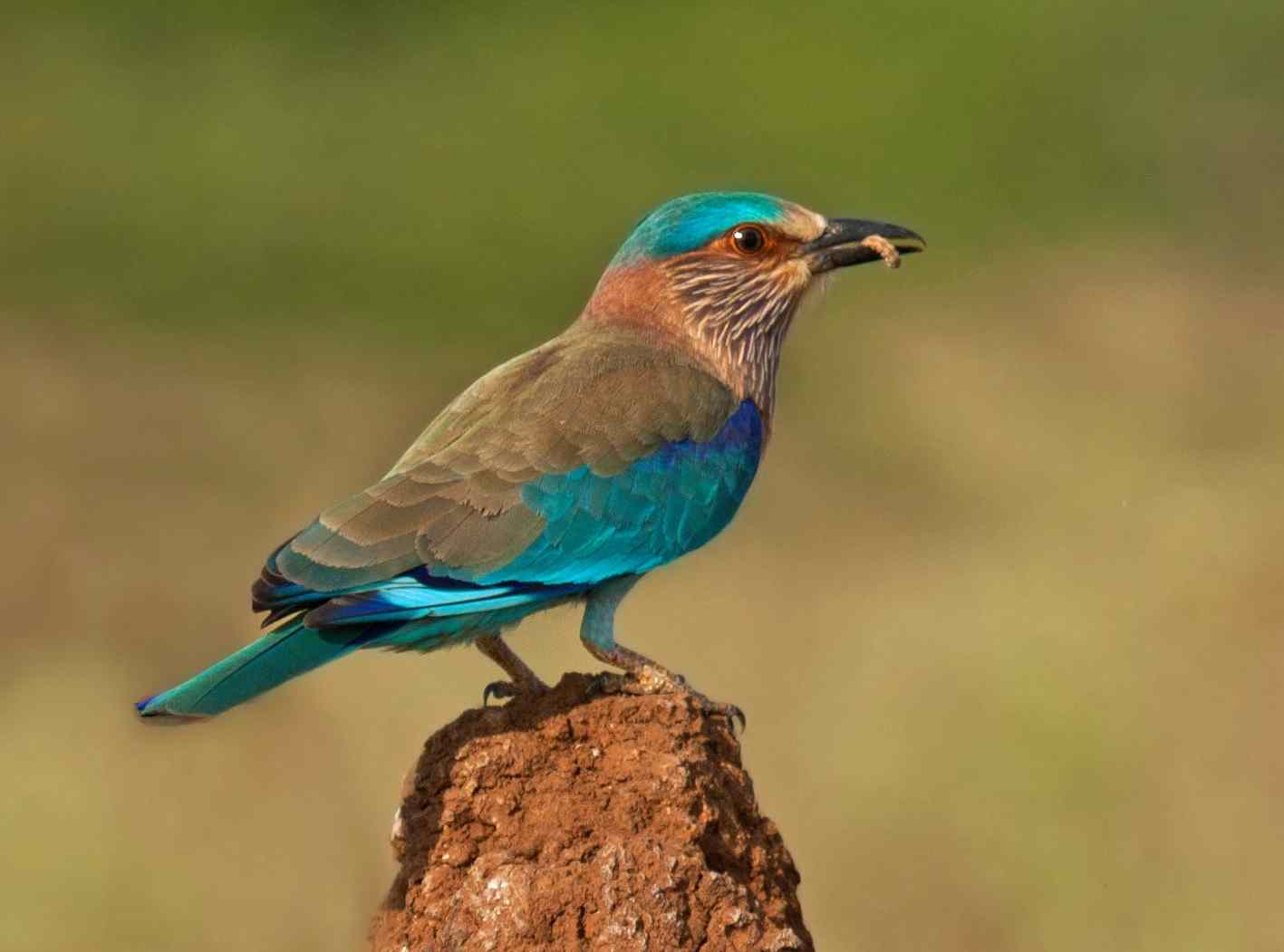
Bangalore, Karnataka

Photo credits: Sudhir Shivaram
Back in the early days of my photography work I traveled to Thattekkad Bird Sanctuary, and hired Eldhose, one of the finest bird guides in Kerala, as my guide. The Salim Ali Bird Sanctuary (also commonly known as the Thattekad Sanctuary) is located in the Kothamangalam Taluk of Ernakulam district on the northern bank of the Periyar river. The sanctuary was created in 1983 based on a recommendation made by Dr. Salim Ali many years previously. Ali described Thattekad in the 1930’s as the richest bird habitat in peninsular India, comparable only with the eastern Himalayas. Since then much of the forest has been converted to cultivation of teak and mahogany plantation but what survives gives a glimpse of the phenomenal bird diversity of the once widespread lowland forests of Kerala.
When I arrived Eldhose was waiting for me at the park entrance and helped me check into a home stay which is inside the sanctuary. I dumped my luggage and immediately was ready with my gear to head to the park. Our main target for the morning was to get the Ceylon (or Srilankan) frogmouth. The weather wasn’t on my side and it was drizzling. I always carry a huge plastic cover to protect my camera and lens, so with the little showers accompanying us, we set out in to the forest. Continue reading
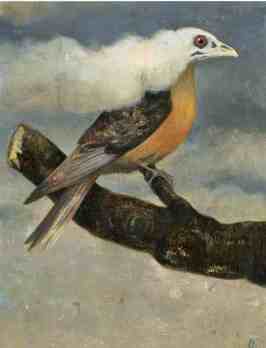
Gérard DuBois
My favorite doomsday journalist (and I mean that as the highest compliment) posted over the weekend an unamusing memo to remind us that this is an important centenary anniversary. It ups the ante on our commitment to the community of birdwatchers, casual and serious alike, who support important conservation of wildlife habitat all over the world.
It is not amusing to be reminded about various tragic commons, especially ones for which collective action would seem to have been achievable. We link to these stories in the hope that doomsday outcomes will become less likely if we remind ourselves often enough.
Yesterday the ever-better New York Times, newspaper of record that pays more and better attention to environmental issues than most other publications, saw fit to print this piece by the Executive Director of the Cornell Lab of Ornithology, for which we give our thanks and share with you in whole due to its value as a public service:
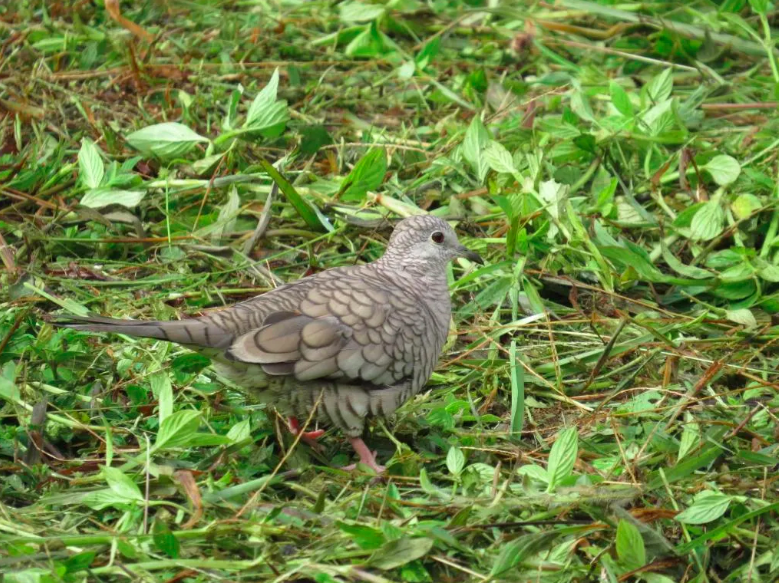
ITHACA, N.Y. — THE passenger pigeon is among the most famous of American birds, but not because of its beauty, or its 60-mile-an-hour flight speed. Nor is it a cherished symbol of our great country. No, we remember the passenger pigeon because of the largest-scale human-caused extinction in history.
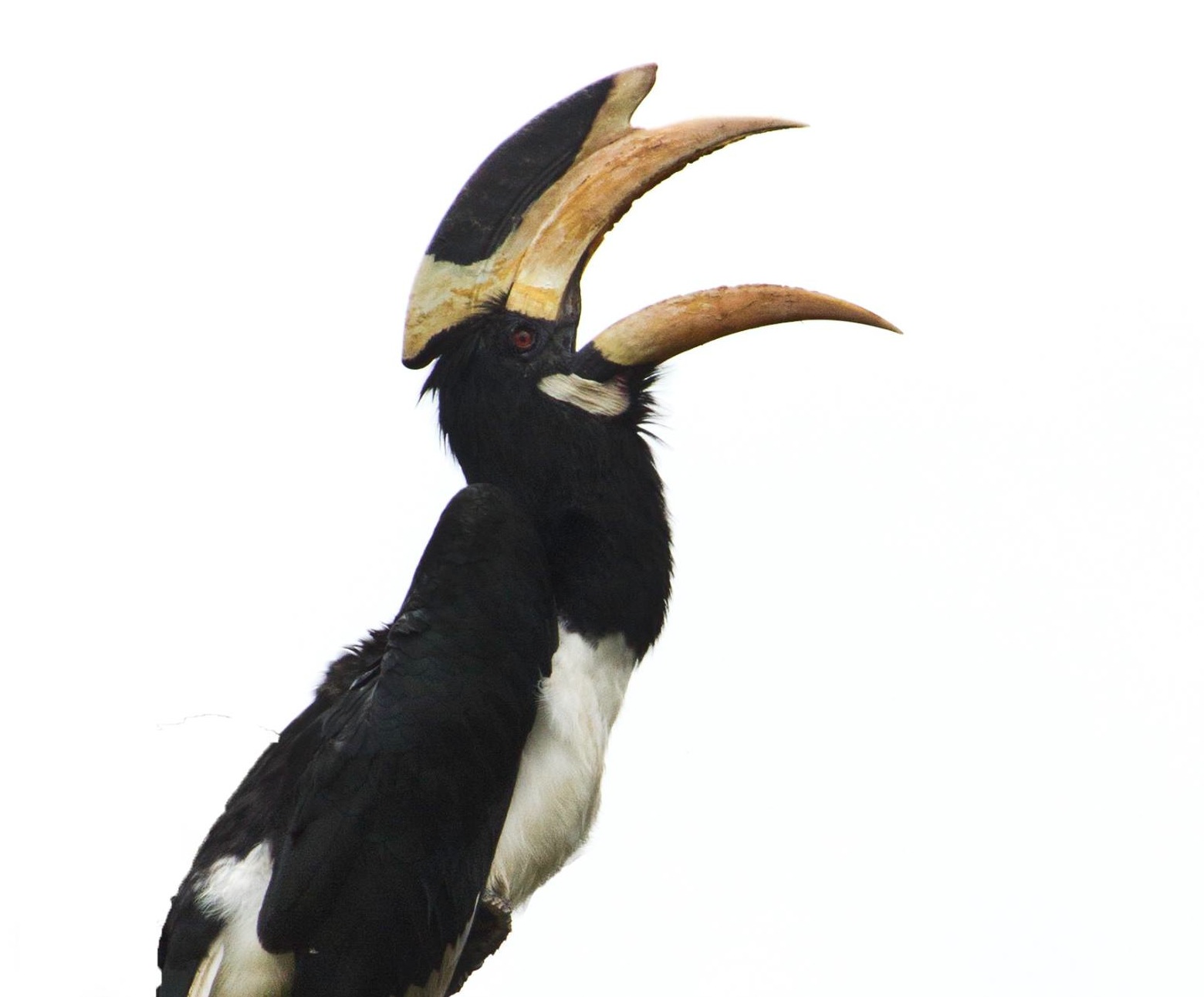
Dandeli, Karnataka

Photo courtesy of behindthebrands.org
The Oxfam International campaign Behind the Brands aims to address how little is known about supply chains of the top 10 largest food and beverage companies. Listening to the NPR Salt Chat provides a good explanation about how pushing for transparency from these big companies is a catalyst for on-the-ground change. The campaign has only been around for a year and a half and they’ve already seen great progress in terms of land rights for local community, government intervention, and women’s rights.
It’s not always easy to connect the dots between the food we consume and the people who grow it, or the impact of growing and processing that food on the health of our planet.
But a campaign called Behind the Brands, led by Oxfam International, an advocacy organization dedicated to fighting poverty, is trying to make the inner workings of the 10 biggest food companies in the world more visible…
We sat down to talk with Chris Jochnick, one of the architects of this campaign and Oxfam America’s director of private sector development. We touched on how social media is giving activists more power, why big food companies respond to pressure, and whether corporate executives are his friends or his enemies.
We also wanted to know: Will the promises that these companies make really translate into concrete changes on, say, cocoa farms in West Africa?

PHOTO COURTESY OF KEVIN MA AND PAKPONG CHIRARATTANANON
At RAXA Collective we’re often writing about the birds and the bees within the context of ornothological and entomological biodiversity, as well as the agricultural health of the planet. The impact of CCD, or colony collapse disorder, is significant enough that the Obama administration has challenged scientists with the same force of urgency as Kennedy’s 1962 appeal for a moon landing before the decade was over.
Food attorney and National Geographic contributor Mary Beth Albright writes:
To stay optimistic on this planet I have to believe that most agree that saving honeybees is vastly preferable to replacing them but an interesting alternative is coming out of Harvard. On its website a research team led by engineering professor and National Geographic Emerging Explorer Robert Wood states “we do not see robotic pollination as a wise or viable long-term solution to Colony Collapse Disorder. If robots were used for pollination—and we are at least 20 years away from that possibility—it would only be as a stop-gap measure….”

Photo credit: Nancy Buron
female – Leicester, Massachusetts

Photo Courtesy of digitaldeconstruction.com
I have been endlessly fascinated by walking. I asked myself Why We Walk while I walked 400 km on the Camino de Santiago. A recent article by Adam Gopnik in the New Yorker has brought me to this question again in a new context. The article talks about what it means to be a pedestrian in the modern world and how the role of walking has changed as it’s become less necessary. The sad thing about walking for pleasure instead of necessity means that it occurs less. Many of us spend our lives in the sitting position: sitting in cars to then go sit at work and then sitting at home after a long day of sitting. I’m generalizing here as I call myself out on my sedentary life. Our bodies are made to walk, so I must ask myself, Why Don’t We Walk?
Roads are not enjoyable to walk in an increasingly auto dependent world. When living in a residential area there isn’t much activity to make walking around something that invites ‘randomness’. Adam Gopnik writes in the New Yorker about Why We Walk. He says,”We start walking outdoors to randomize our experience of the city, and then life comes in to randomize us.” The sidewalks are public space. In the suburbs we have a lot of private space and little public space. I have to wonder how it could affect our psyche to not brush up against the world. I wonder what we take away when we lose the opportunity to have chance interactions in indeterminate public spaces. I wonder how creative we could be as a culture if the majority of our interactions with strangers didn’t occur over money exchanges. Adam Gopnik talks about the vague excitement and pure chance of walking in New York City.
You could walk anywhere. Saturday all day, Sunday all day, I’d tramp through the lower-Manhattan neighborhoods. The differences, architectural and social, among Tribeca and SoHo and the East Village, to name only contiguous areas, were distinct and vivid and nameable then: cast-iron buildings shading off into old egg- and paper-carton factories sweetly interrupted by small triangular parks, and edging over, as you walked east, into poor-law tenements that were just being reclaimed by painters. I would set off on a Saturday morning and walk all day, and achieve Kazin’s feeling of vague excitement, of unearned release, in a way that I have never felt before or since.
I like this description because it shows the way he was able to interact with the environment around him as a walker. Suburbs that are designed for cars make walking an outdated form of transportation. It’s inefficient and time consuming if you live in a city that’s designed for cars rather than pedestrians. In the suburbs, there aren’t many people dancing in the ‘sidewalk ballet’ as Jane Jacobs puts it. So, I just wonder what a healthier culture there would be if there were more public space for people to live outward facing lives that brushed up against each other.
The article brings up a quote from Frédéric Gros’s book A Philosophy of Walking, “The purpose of walking, is not to find friends but to share solitude, for solitude too can be shared, like bread and daylight.” This quote to me highlights the sort of communion we can have with each other while walking. While I was walking the Camino, I felt that communion with fellow walkers as well as with the landscape. I was sharing solitude with the landscape. I think taking away that walking aspect of communion in our lives further isolates us from nature. Continue reading

Alleppey, Kerala
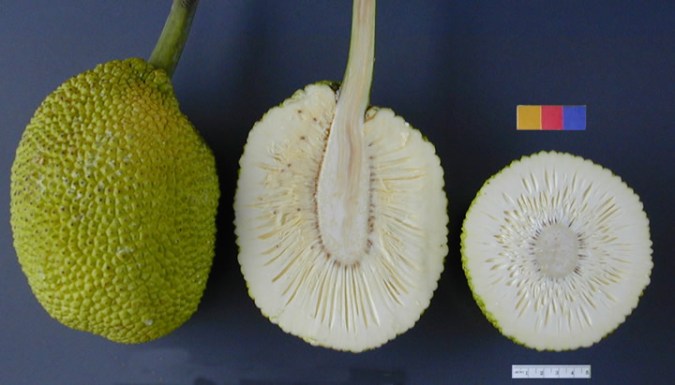
This is a picture of breadfruit, which actually tastes like freshly baked bread
I’ve been writing about the exciting biodiverse varieties of plants at the new property, Marari Pearl. I want to point out though that even before we started, the land has hundreds of coconut trees on it, as well as dozens of mango and cashew trees, which is exciting in its own right.
One thing about the coconut trees that makes them a win-win, is that it helps provide local jobs. There is a certain group of people whose legal right it is in Kerala to do the job of tending to coconut trees. Before Marari Pearl was there, no one was hiring them to take care of the trees. Now that we are utilizing them to provide coconuts for our properties, they get jobs and we get fresh coconuts.
We are adding a cornucopia of other fruits, both local and exotic. I mentioned that we have pomelos, rambutans, tamarinds, several types of jackfruit, lovi-lovis, mangos, and oranges as well as the infamous miracle fruit. There is also the hong kong guava, burmese grape bud, pomegranate, sapota, malayalam champa fruit, abiu fruit, jaboticaba fruit, langsat tree, and several varieties of avocados or ‘butter fruit’ as its called here. There are breadfruit trees as well as peanut butter trees. There is karonda fruit, nelli puli fruit, mangosteen, and mooty fruit. There are five pages of names, some I know, some I don’t, and some I can’t understand because it’s a handwritten list. Continue reading
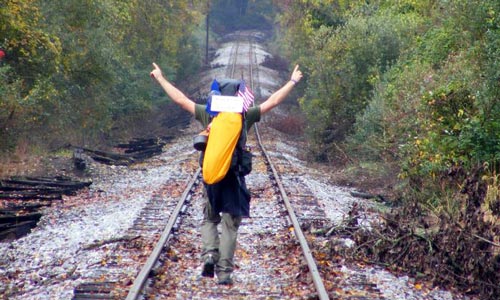
Andrew Forsthoefel. Photo by Therese Jornlin, Andrew’s mom. Chadds Ford, PA.
The interns we have had the honor of hosting since setting up shop in Kerala a few years ago have all shared in the responsibility to communicate their experiences in writing on this blog. We are committed to the written word, but not Ludditically opposed to other forms of communication. We have barely put a toe in the water with video, and not even thought about radio as an option, even though we consider Jay Allison an epic hero of good, important communication.
Because of him, we know alot of worthy things that otherwise would have escaped our attention; most recently we learned of and from Andrew Forsthoefel, whose radio story is worth an hour of your time. After which, if you are like us, you will want to know where he is now, and what he is doing. We hope Andrew will see our shout out here and consider our welcome mat in Kerala. Here is his introduction to the podcast when it originally aired nearly 17 months ago: Continue reading
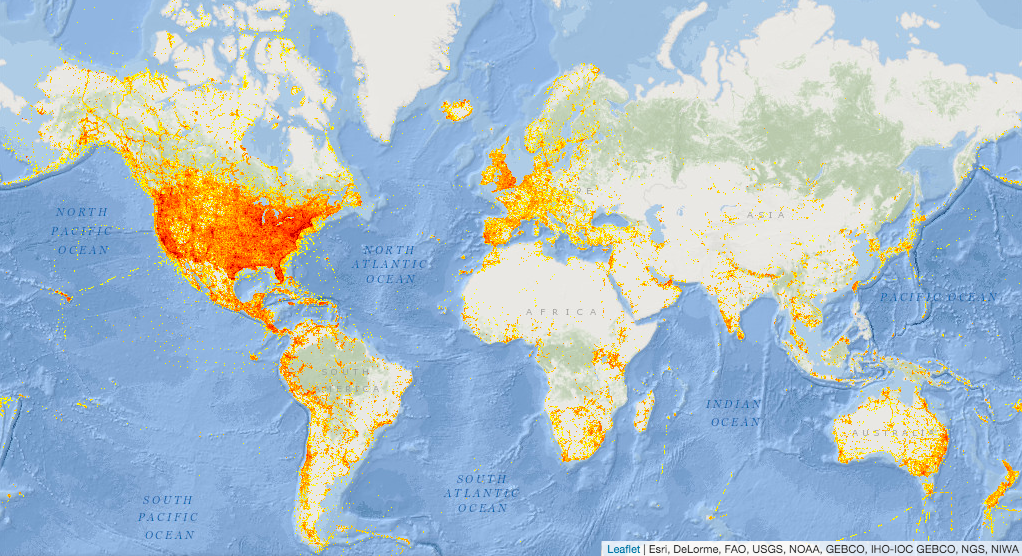 Including historical data since 1810 and extending into checklists from December of last year, eBird’s Observational Dataset just hit a milestone of 500 million records, making eBird the largest repository of biodiversity information that is freely accessible.
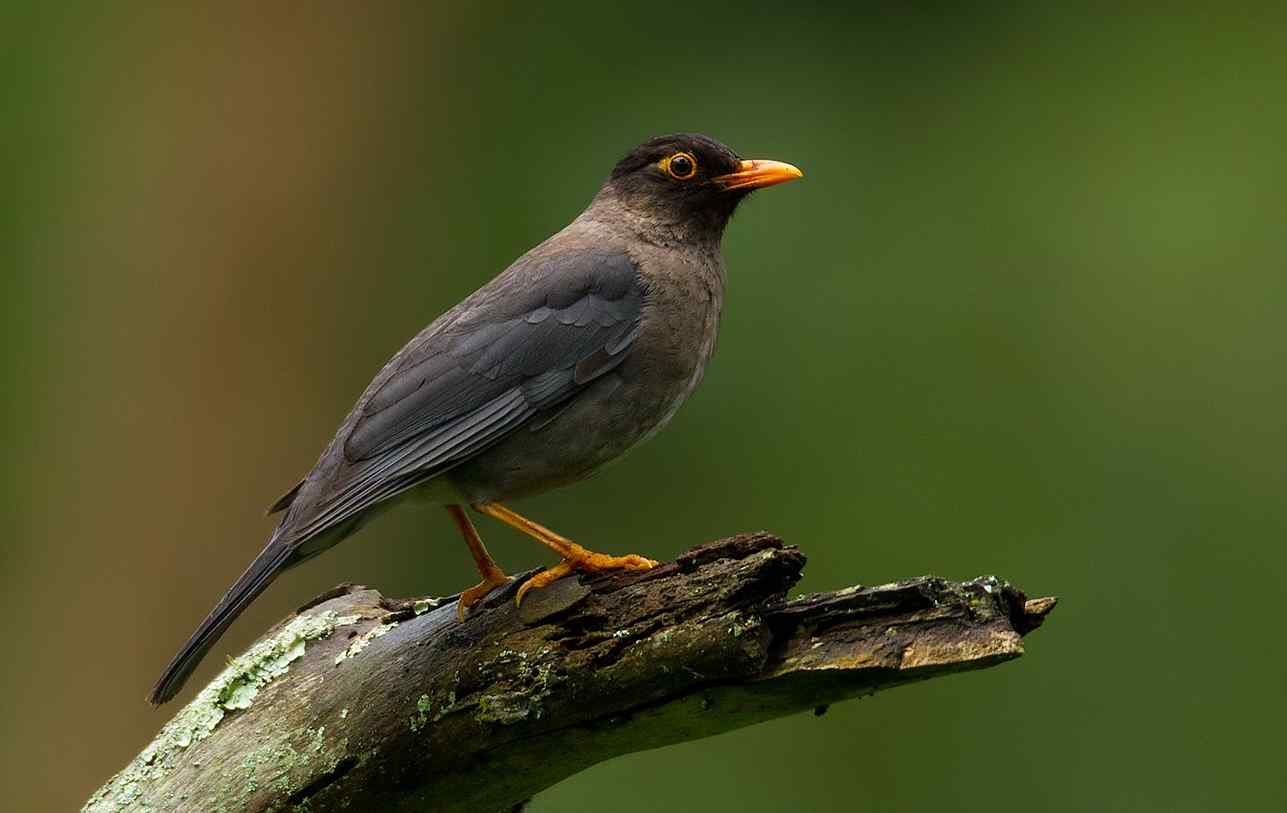
Biligiri Rangana Tiger Reserve, Karnataka

Today we went to a 68 acre fish farm in Thrissur called ‘Haya Poya’. They were using a traditional box system (the local name is petty para) to collect fish and manage the water level. We went to learn about implementing aquaculture at Kayal Villa, a newer property.
By using this traditional method, they do not have to introduce new varieties of fish in order to farm. They do this mainly because it is less costly to collect the fish naturally than to artificially introduce fish. Also, since it is all local varieties, it limits the possibility of messing up the natural ecosystem with foreign invasive species.
During our ride home, the agronomist, Mr. Deyal, and I continued the conversation about doing what’s ecologically beneficial is actually easier and more cost-efficient. He said
“Only an ecologically viable system will be economically viable. When we fight against the environment, the environment will go against us and we will have to invest more money to protect against it.”
This reminds me of a conversation I had with an oil driller recently. When I asked him what the most challenging thing about his job was, he said ‘going against nature,’ and then proceeded to tell me how rebellious nature was to the oil drilling process and how costly it is. I found it interesting that although their career choices were the antithesis of each other, the conversations I had with them had parallel messages: going against nature is costly. Continue reading
 Organikos