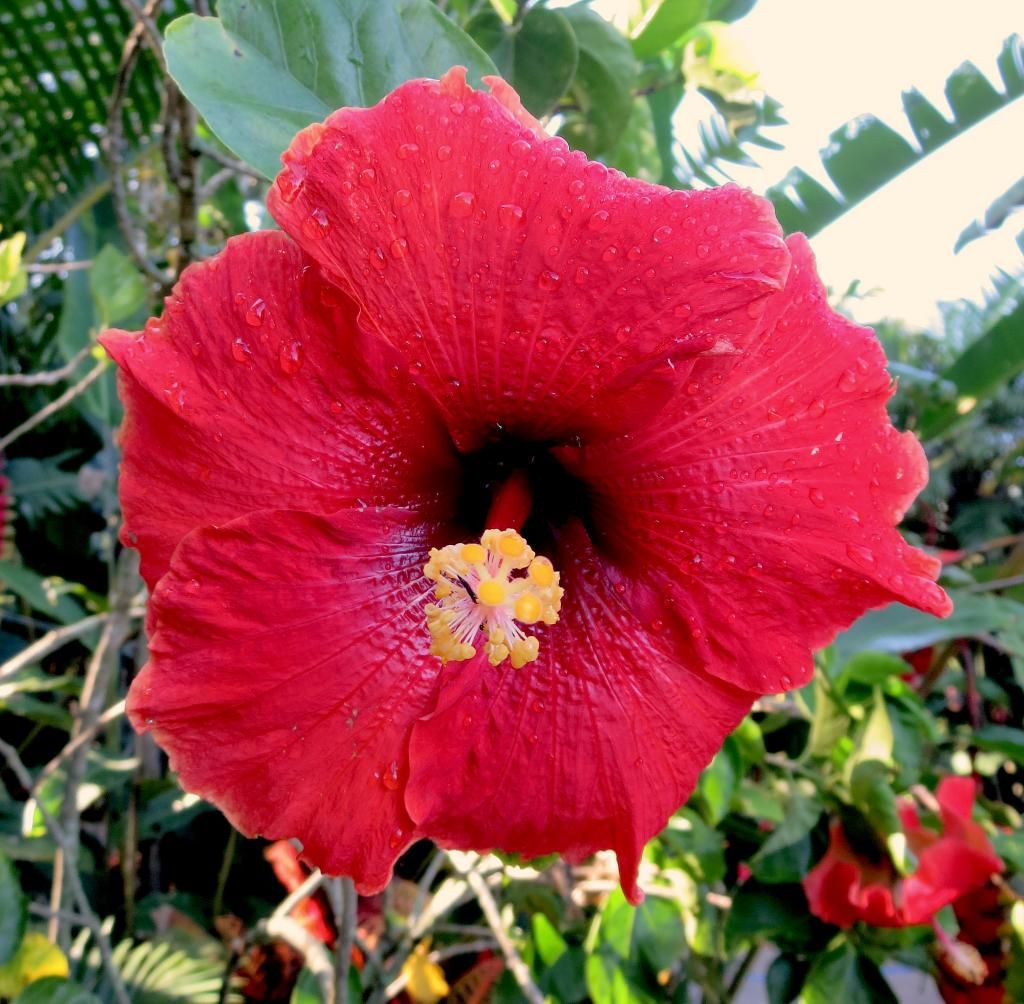
Outside of Xandari lobby
Continuing the flora-files (see post #2). Continue reading
Outside of Xandari lobby
Continuing the flora-files (see post #2). Continue reading
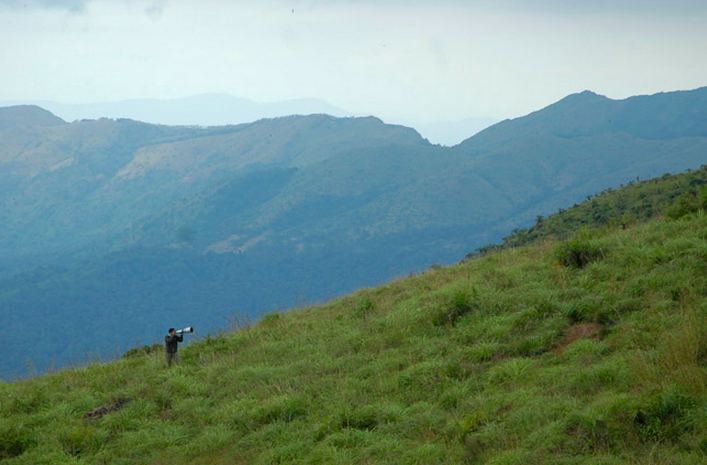
Habitat of the Bright Headed Cistola. That’s me trying to capture one! photo credit: Yathin
I always wanted to visit the Western Ghats and was looking for an opportunity to do so. The weather was a bit cloudy and was drizzling, so we were a bit worried about the weather in Kemmangundi, a hill station in the Chikkamagaluru district in the state of Karnataka. But what the heck, rain or shine, we decided to go ahead with the trip.
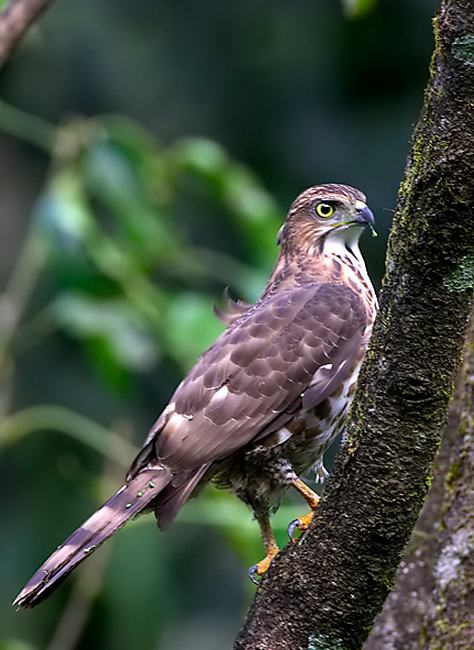
Crested Goshawk
The next morning we were all set to go and capture the brilliant Bright-headed Cisticola. After all, that was the reason for the trip. We decided to visit the same place where Yathin had shot it previously. We took it easy and shot at what ever moved in the sholas. I was a lucky to get an accipiter which we thought was the Besra. But it was later confirmed as Crested Goshawk. Continue reading
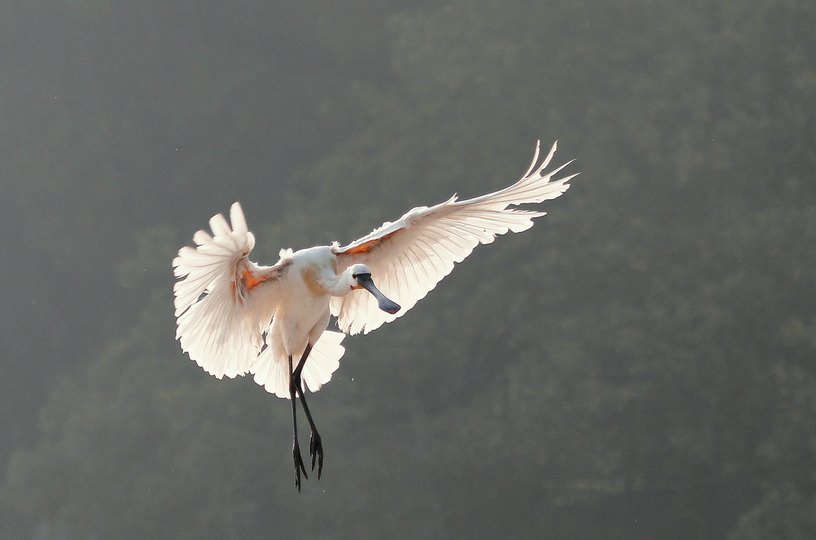
Ranganthittu Bird Sanctuary, Sanctuary
From guerilla gardeners, to food foraging, to our own movement toward preserving food biodiversity and farm to table sustainability, we love to write about the food we eat and how it reaches our plate.
Luckily for all of us we’re not alone in either our interest or speaking out about it. Generations since Rachel Carson‘s seminal book there have been people writing about, and more importantly, acting upon the need to re-embrace the old methods of food production while sometimes using technology to our more healthy advantage.
Food Forward opens the door into a new world of possibility, where pioneers and visionaries are creating viable alternatives to the pressing social and environmental impacts of our industrial food system. Continue reading
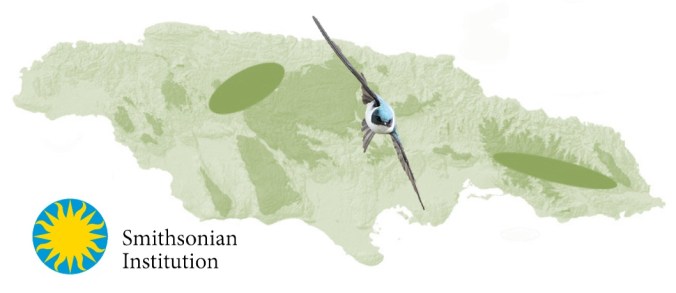 It was in 1844 that English naturalist Philip Henry Gosse arrived in Jamaica for his first time. Gosse would ultimately spend 18 months on the island, where he became fascinated in studying the local birdlife he found there. After returning back to London, he went on to publish a book entitled, “The Birds of Jamaica,” in which can be found the first formal descriptions of many birds still cruising about the Caribbean landscape today. The encounters he had with one bird in particular inspired Gosse to write the following:
This exceedingly lovely little Swallow, whose plumage reflects the radiance of the Hummingbirds, is found, as I am informed by Mr. Hill, in the higher mountains formed by the limestone range of the very centre of the island, as in Manchester, and St. Ann’s. It is not until we ascend this central chain, that we meet with this sweet bird, occasionally in the more open dells, but principally confined to the singular little glens called cockpits.
In this passage Gosse speaks of the Golden Swallow, a small passerine that has only been historically known from two islands, Hispaniola and Jamaica. And while populations of this species continue to persist in several mountain ranges of Haiti and the Dominican Republic, the beautiful bird that Gosse describes in his Jamaican travels has not been seen on that island for more than 25 years.
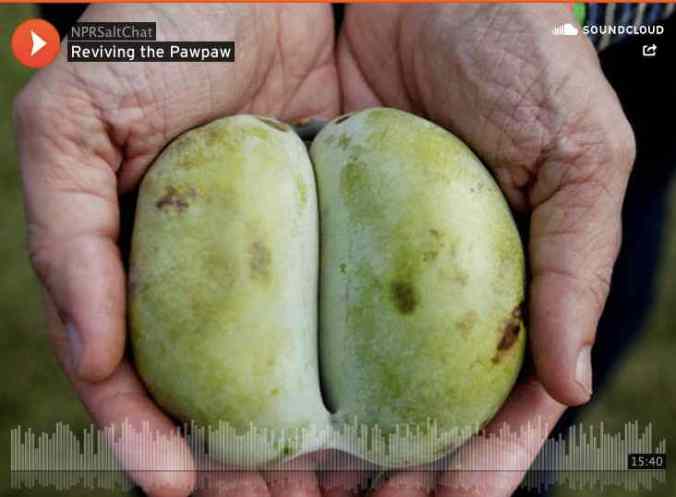
We are always interested in innovative methods for resuscitating the value of heritage, whatever form it may take, the fruity included so listen to this short podcast about the nearly lost pawpaw (thanks to National Public Radio, USA):
A Coming-Out Party For The Humble Pawpaw, Native Fruit Darling
September 05, 2014 3:59 PM ETIf you’ve never tasted a pawpaw, now is the moment.
PHOTOGRAPH BY ALEX MAJOLI/MAGNUM
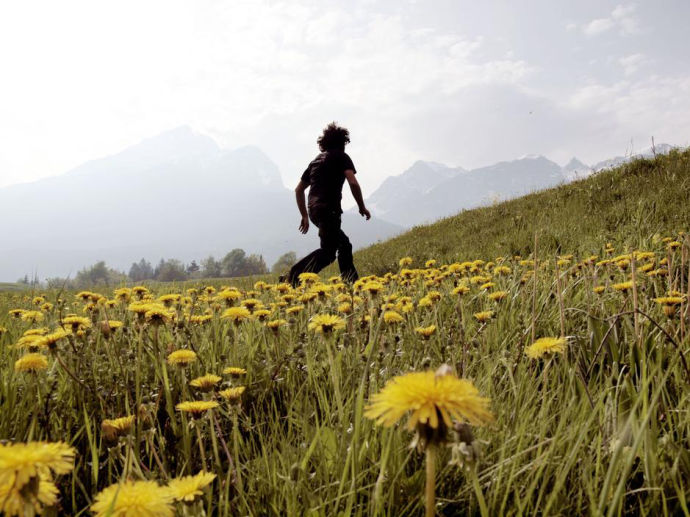
We are all for it. We post here about walking frequently for a reason. When travelers join us, whether in Africa, Latin America or Asia there is a common thread in conversations about their journeys, with walking be essential to the value of the experience of new places. Otherwise, it is just site-seeing. This New Yorker post expands on the theme well, linking walking to thinking, which we stretch to imply (for our own work) the source of progress:
In Vogue’s 1969 Christmas issue, Vladimir Nabokov offered some advice for teaching James Joyce’s “Ulysses”: “Instead of perpetuating the pretentious nonsense of Homeric, chromatic, and visceral chapter headings, instructors should prepare maps of Dublin with Bloom’s and Stephen’s intertwining itineraries clearly traced.” He drew a charming one himself. Several decades later, a Boston College English professor named Joseph Nugent and his colleagues put together an annotated Google map that shadows Stephen Dedalus and Leopold Bloom step by step. The Virginia Woolf Society of Great Britain, as well as students at the Georgia Institute of Technology, have similarly reconstructed the paths of the London amblers in “Mrs. Dalloway.” Continue reading
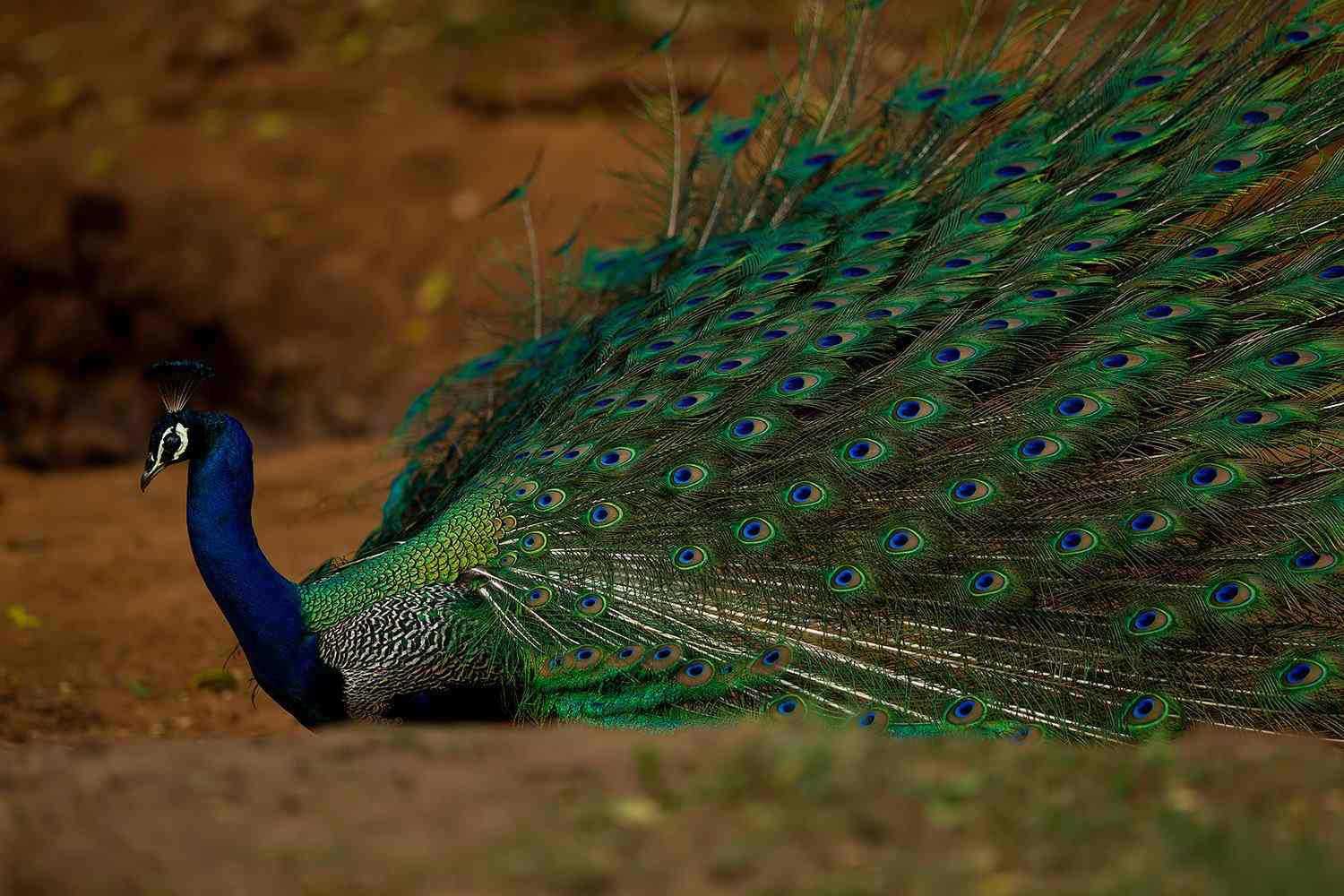
Kabini National Park, Karnataka
The most spectacular event of all Kerala festivals, Onam epitomises a new found vigour and enthusiasm about everything. The festival celebrates the return of King Mahabali, who is said to visit his subjects each year. To convince their beloved King that Kerala continues to be prosperous land of milk and honey people decorate their homes and celebrate to the fullest sometimes even faking prosperity to present a happy and flourishing facade to their King. Continue reading
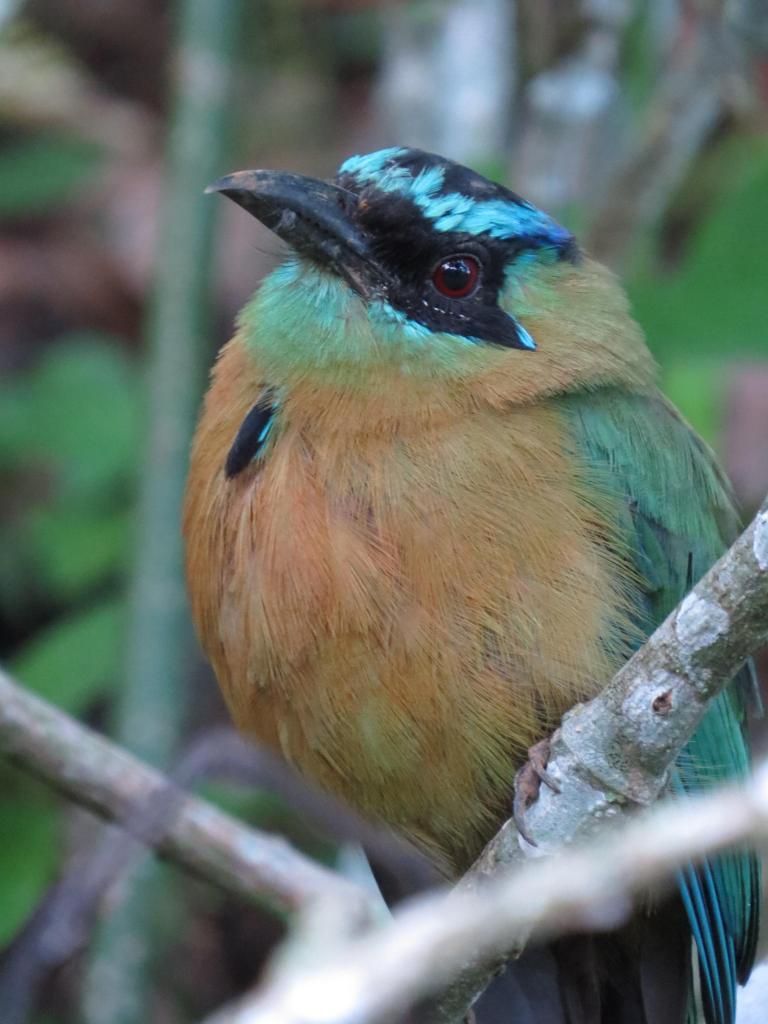
Tacacori, Costa Rica

When Horace Greely (well, actually John B. L. Soule) said “Go West, young man, and grow up with the country!” he was speaking from the perspective of limitless possibilities. The Lewis and Clark Expedition had helped map out the west and many young men, and later women, answered the call.
With wilderness in peril, that same entrepreneurial spirit has opened up a new world of empowerment and possibilities for later generations. The California Conservation Corps and Southwest Conservation Corps have teamed with the non-profit Veterans Green Jobs in a win-win program to support both the country’s military veterans and the country’s national parks. Continue reading

A dragonfly on a path at Xandari
Whenever I have the opportunity to visit a national park in Costa Rica, I obviously take my camera with me so I can try to get some good photos or videos of all the wildlife I hope to see. Looking back on my files of images from the past couple months, I realized that I happened to have some half-decent videos that represented what I’d consider the four most important classes of Kingdom Animalia/Metazoa from the point of view of a terrestrial biophile: Aves, Reptilia, Mammalia, and Insecta. In other words, when I’m walking through the rainforest, the animals I keep an eye out for will likely fall into the category of bird, reptile, mammal, or insect. If I’m out at night, then maybe Amphibia will get thrown in there too!
In the video above, you can Continue reading


Photo credit: Heena Metha
As I mentioned earlier, the internship program for my school requires we do an Informational Interview with our supervisor. I wanted to share the interview here for other people who are interested in entrepreneurial conservation. The rest of the information from the interview will soon be in the updated About section of the site.
Informational Interview with Crist Inman, Founder of La Paz Group:
1. How does the partnership between environment and business work in the sustainable tourism industry?
The idea behind it is what we call the valorization of nature, paying for conservation through experiential services rather than exploiting nature for its extractive value. For example, you can cut down a tree only once, but you can monetize it by having people pay for a hike over and over again. It is a partnership between environment and business that engages people in conservation. Philanthropic conservation such as writing a check to WWF or The Nature Conservancy is good and important, but there is still a deficit of conservation.
The public sector plays an incredibly important role as well, but we are going to need more than philanthropy and public sector work because the world is losing more wilderness than all the philanthropies and governments in the world combined can protect. The intangibles of culture loss are harder to detect and comprehend but the world is losing too much cultural heritage as well. This is a business model that allows people to engage in conservation rather than just writing a check as a donation or in the form of tax. This allows people to participate and experience nature and culture in a way that makes business sense as much as it achieves conservation.
2. What is entrepreneurial conservation?
Usually these two words don’t get used in the same sentence. Together though, these words build something more valuable and effective than either could on their own. The premise underlying entrepreneurial conservation is that there are good economic reasons to preserve natural and cultural heritage. And when such good reasons present themselves, opportunity and need go hand in hand. Essentially, it is professionals developing and/or managing a business whose profits are invested in the conservation of natural and/or cultural patrimony. Continue reading
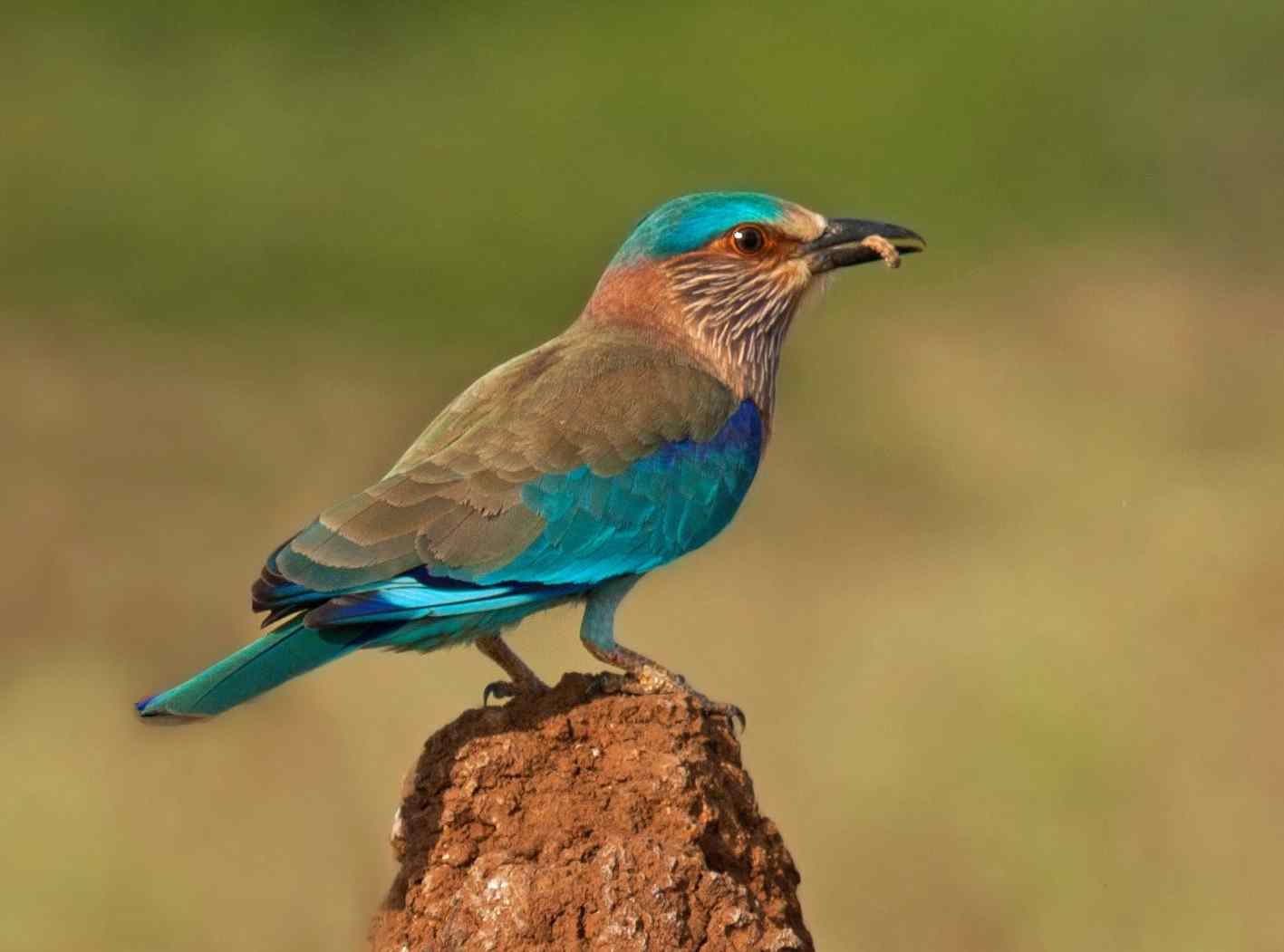
Bangalore, Karnataka

Photo credits: Sudhir Shivaram
Back in the early days of my photography work I traveled to Thattekkad Bird Sanctuary, and hired Eldhose, one of the finest bird guides in Kerala, as my guide. The Salim Ali Bird Sanctuary (also commonly known as the Thattekad Sanctuary) is located in the Kothamangalam Taluk of Ernakulam district on the northern bank of the Periyar river. The sanctuary was created in 1983 based on a recommendation made by Dr. Salim Ali many years previously. Ali described Thattekad in the 1930’s as the richest bird habitat in peninsular India, comparable only with the eastern Himalayas. Since then much of the forest has been converted to cultivation of teak and mahogany plantation but what survives gives a glimpse of the phenomenal bird diversity of the once widespread lowland forests of Kerala.
When I arrived Eldhose was waiting for me at the park entrance and helped me check into a home stay which is inside the sanctuary. I dumped my luggage and immediately was ready with my gear to head to the park. Our main target for the morning was to get the Ceylon (or Srilankan) frogmouth. The weather wasn’t on my side and it was drizzling. I always carry a huge plastic cover to protect my camera and lens, so with the little showers accompanying us, we set out in to the forest. Continue reading
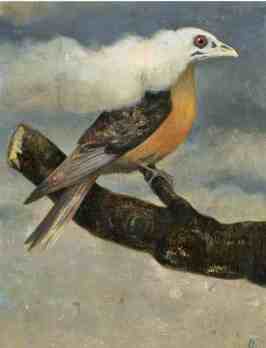
Gérard DuBois
My favorite doomsday journalist (and I mean that as the highest compliment) posted over the weekend an unamusing memo to remind us that this is an important centenary anniversary. It ups the ante on our commitment to the community of birdwatchers, casual and serious alike, who support important conservation of wildlife habitat all over the world.
It is not amusing to be reminded about various tragic commons, especially ones for which collective action would seem to have been achievable. We link to these stories in the hope that doomsday outcomes will become less likely if we remind ourselves often enough.
Yesterday the ever-better New York Times, newspaper of record that pays more and better attention to environmental issues than most other publications, saw fit to print this piece by the Executive Director of the Cornell Lab of Ornithology, for which we give our thanks and share with you in whole due to its value as a public service:
ITHACA, N.Y. — THE passenger pigeon is among the most famous of American birds, but not because of its beauty, or its 60-mile-an-hour flight speed. Nor is it a cherished symbol of our great country. No, we remember the passenger pigeon because of the largest-scale human-caused extinction in history.
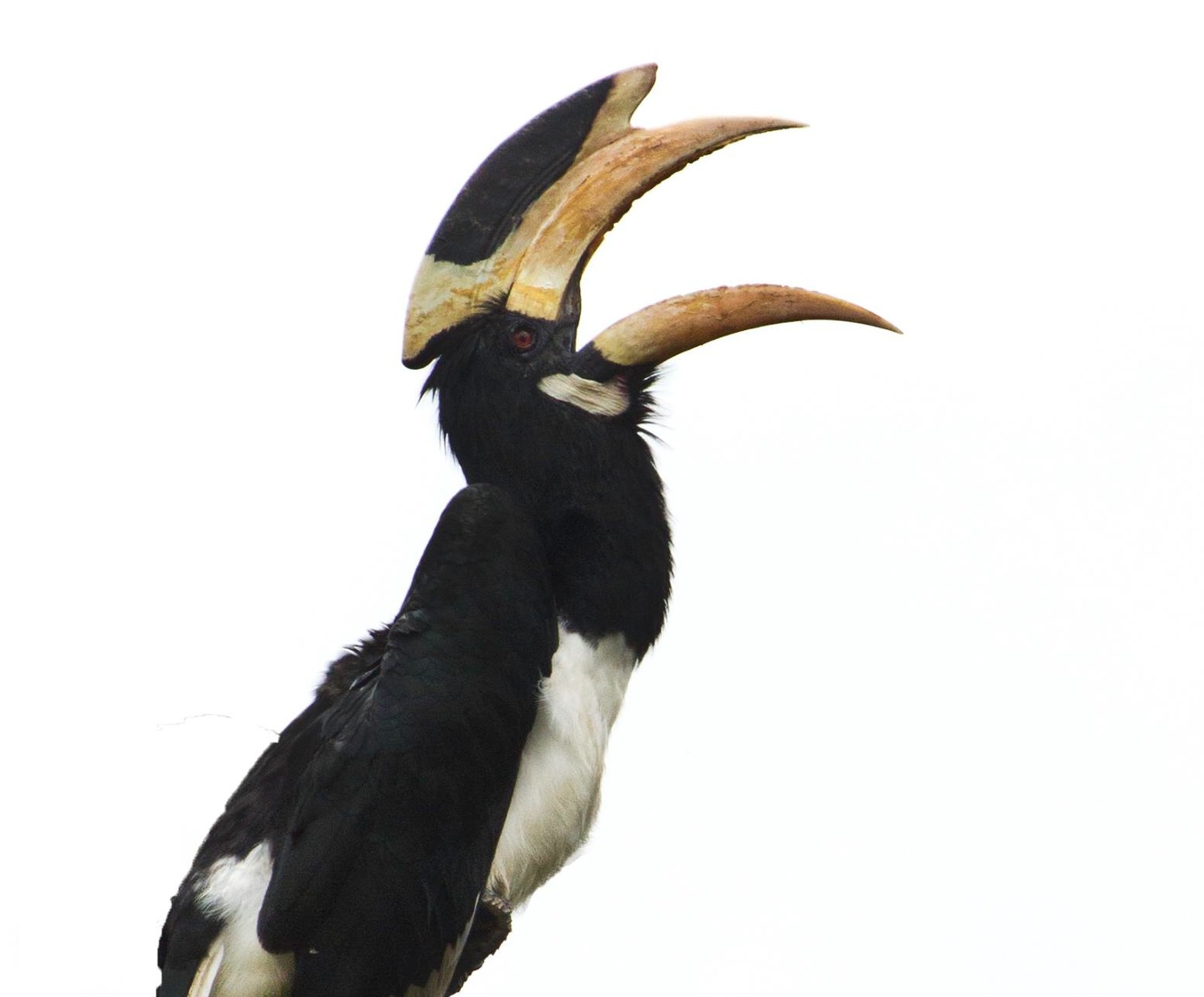
Dandeli, Karnataka

Photo courtesy of behindthebrands.org
The Oxfam International campaign Behind the Brands aims to address how little is known about supply chains of the top 10 largest food and beverage companies. Listening to the NPR Salt Chat provides a good explanation about how pushing for transparency from these big companies is a catalyst for on-the-ground change. The campaign has only been around for a year and a half and they’ve already seen great progress in terms of land rights for local community, government intervention, and women’s rights.
It’s not always easy to connect the dots between the food we consume and the people who grow it, or the impact of growing and processing that food on the health of our planet.
But a campaign called Behind the Brands, led by Oxfam International, an advocacy organization dedicated to fighting poverty, is trying to make the inner workings of the 10 biggest food companies in the world more visible…
We sat down to talk with Chris Jochnick, one of the architects of this campaign and Oxfam America’s director of private sector development. We touched on how social media is giving activists more power, why big food companies respond to pressure, and whether corporate executives are his friends or his enemies.
We also wanted to know: Will the promises that these companies make really translate into concrete changes on, say, cocoa farms in West Africa?

