Musical And Photographic Patrimony

This slideshow requires JavaScript.

We are always moved by exhibitions that intersect our interest in cultural and historical patrimony, as in the case of this event at the Foley Gallery (which comes to our attention thanks to the New Yorker‘s coverage of the arts):

Lisa Elmaleh first heard Appalachian folk music in 2010, and “it stirred something in my soul,” she told me. Since then, she has followed folk musicians from Ohio to Georgia, capturing them with her nineteen-forties Century Universal 8 x 10 camera and the hundred-and-fifty-year-old tintype process. Continue reading

Yes, We Can

Andrew Scrivani for The New York Times

Andrew Scrivani for The New York Times

Food trials at 51 are a permanent condition, thankfully, because we are on the constant search for ever-better vegetarian meals.  This definitely qualifies:

A GOOD APPETITE

The Ultimate Veggie Burger

It’s difficult to make a veggie burger with great flavor and a firm, succulent texture. This is how you do it.

If You Happen To Be In Florence, Alabama (USA)

Robert Rausch for The New York Times. Tom Hendrix at the Florence, Ala., memorial he built for his great-great grandmother, Te-lah-nay, a Yuchi Indian.

Robert Rausch for The New York Times. Tom Hendrix at the Florence, Ala., memorial he built for his great-great grandmother, Te-lah-nay, a Yuchi Indian.

Thanks to the New York Times for this coverage of a moving tribute to one man’s lineage and his peoples’ heritage:

Off Alabama’s Beaten Path, Tribute to a Native American’s Journey Home

Tom Hendrix has built a mile-long stone wall to memorialize his Native American great-great grandmother, who was displaced during the Trail of Tears.

Elephant Blessings

Photo Credits :Ramesh Kidangoor

Photo Credits: Ramesh Kidangoor

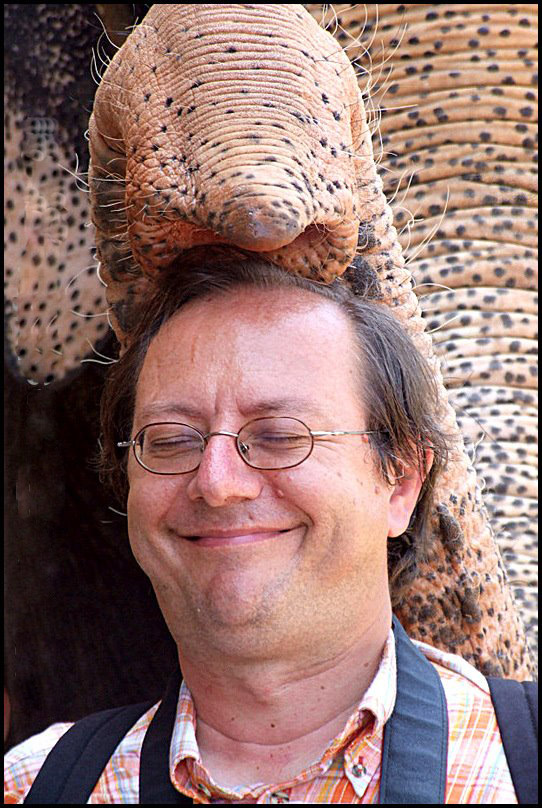
In Hinduism, the elephant represents one of the most important Gods: Lord Ganesh. Many Hindu temples in south India have elephants stationed outside the main door to give blessing to visitors. For a long time, elephants have been part of life in Kerala. People here consider this animal a harbinger of good fortune, a remover of obstacles and an inseparable part of religious and economic life. Continue reading

Ken Brown, Come to Kerala!

This slideshow requires JavaScript.

The colorful ebb and flow of  daily life is evident in our Spice Harbour neighborhood of Mattanchery. We keep wondering what odd-abilia Ken Brown would find waiting for him here!

(all photos ©Ken Brown)

The Gender Politics Of The Vegan Diet

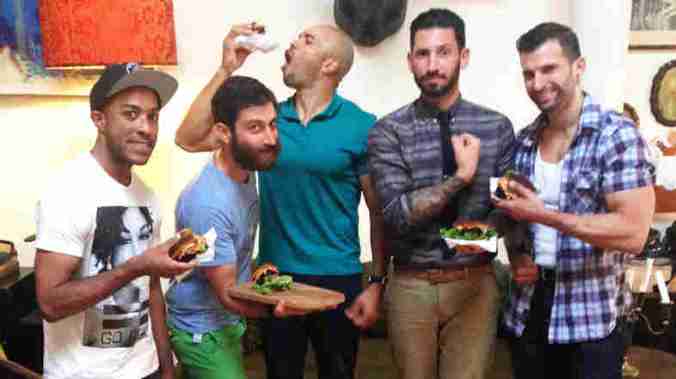
Mixed martial arts fighter Cornell Ward (from left), chef Daniel Strong, triathlete Dominic Thompson, lifestyle blogger Joshua Katcher and competitive bodybuilder Giacomo Marchese at a vegan barbecue in Brooklyn, N.Y. Courtesy of James Koroni

Mixed martial arts fighter Cornell Ward (from left), chef Daniel Strong, triathlete Dominic Thompson, lifestyle blogger Joshua Katcher and competitive bodybuilder Giacomo Marchese at a vegan barbecue in Brooklyn, N.Y. Courtesy of James Koroni

Thanks to National Public Radio (USA) for this article and accompanying podcast on the masculinity of men denying themselves animal protein:

For These Vegans, Masculinity Means Protecting The Planet

by 

…Thompson grew up in a rough Chicago housing project. He was the kind of kid who would rush in to save stray cats or dogs if he saw people picking on them.

“[There’s] nothing more cowardly to me than taking advantage of something that’s defenseless,” he says.

Today, Thompson is the kind of adult who checks clothing labels to make sure he never buys leather, wool or products tested on animals. “To me, compassion is the new cool,” he says.

Continue reading

Notes from the Garden: A Harvest for Everyone

10491215_10201551076698566_8417073961388965292_n (1)

Green beans at Cardamom County

When we see an abundant harvest overflowing from a wheelbarrow, maybe it’s primal, but I think there is a sense of never going hungry. There is a sense of the aliveness of freshly picked food.

Remember how we used to share our food? Remember the connection to food we had before it came from chain grocery stores? I think something in us does. Or something in us wants to remember.

By simply putting out our hand, the food passes into our possession, but it’s a different kind of possession than picking up something in a supermarket and putting it in a cart. A possession isn’t really yours, which happened without the exchange of money. I think that the natural givingness of the land makes us feel like it is not really ours and that it is for everyone, meant to be shared. When I harvest, I remember this gift. I like sharing it with other people.


Since I have been here as an intern, I haven’t done all that much field work. This is probably the first day I’ve been able to help just by providing extra hands. I felt like it was a way to connect with the people I am working with as language barrier has stopped us. I appreciate the togetherness that can be felt by simply harvesting something together. They are teaching me Malayalam words and using the English words they know.

Continue reading

Bird Behavior at Xandari

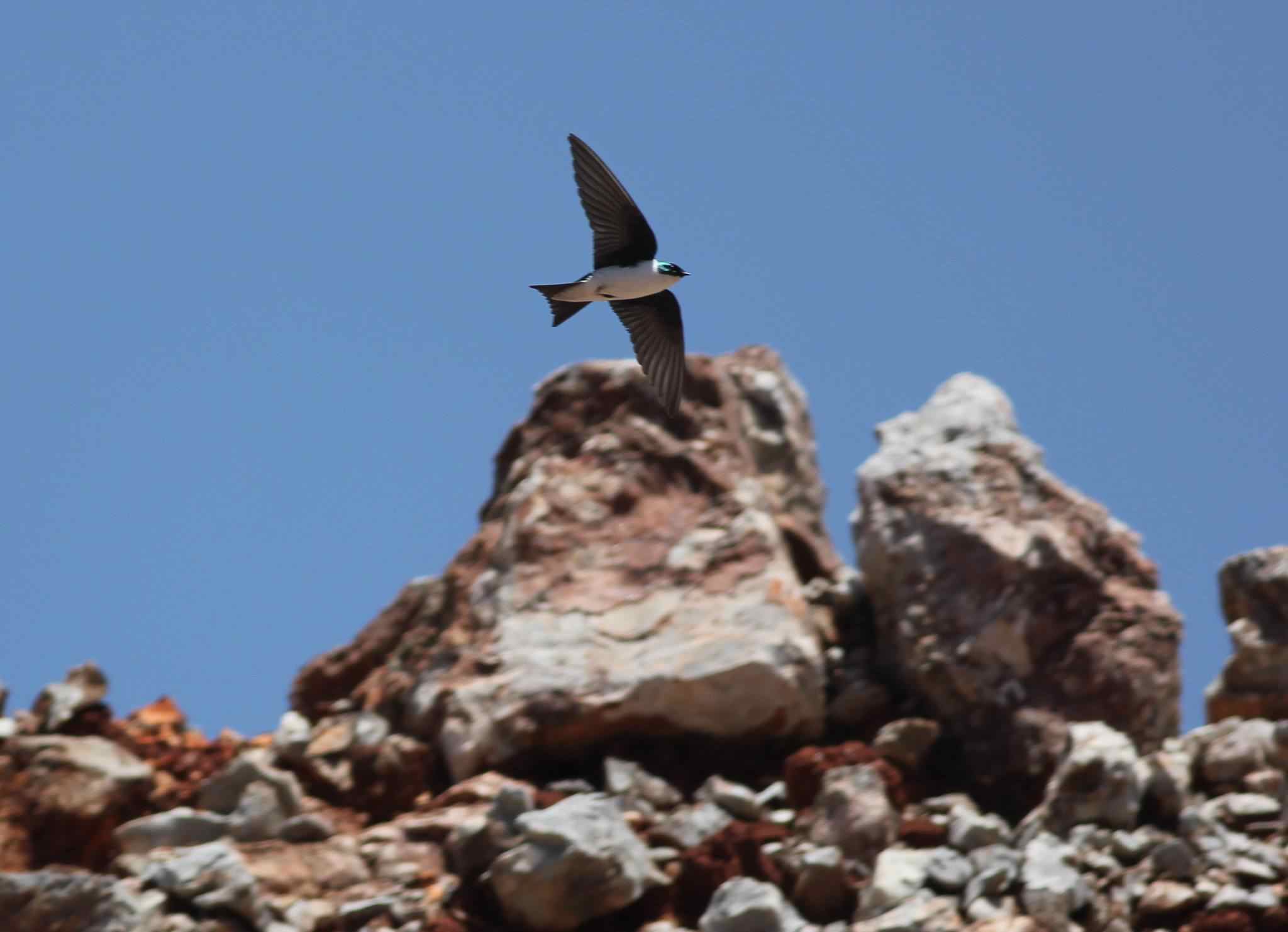
Over the past several weeks, I’ve had the fortune of being able to find birds sitting relatively still and have filmed them doing their stuff. All of the species in the video below are quite common here at Xandari, but I hope to eventually be able to share footage of even more rare and exciting birds that James and I sometimes see!

For more bird videos that I’ve taken in the past, you can  Continue reading

Monsoon Kerala

Photo credits : Ramesh Kidangoor

Photo credits: Ramesh Kidangoor

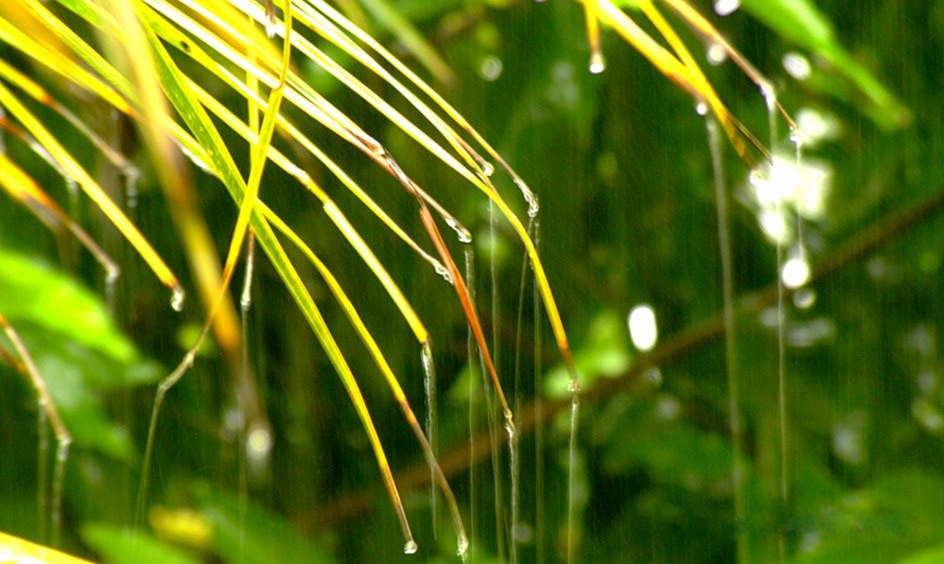
With its long monsoon season, Kerala is one of the rainiest states in India. Starting from June to August, many visitors flock to Kerala during Monsoon when the climate is cool, the nature is lush green, the atmosphere is dust free, and the streams and waterfalls of the high ranges are flowing with water. There is also the long traditional belief that the rainy monsoon season is the best time for Ayurveda treatments. Continue reading

The Fate of Coffee . . . at Xandari!

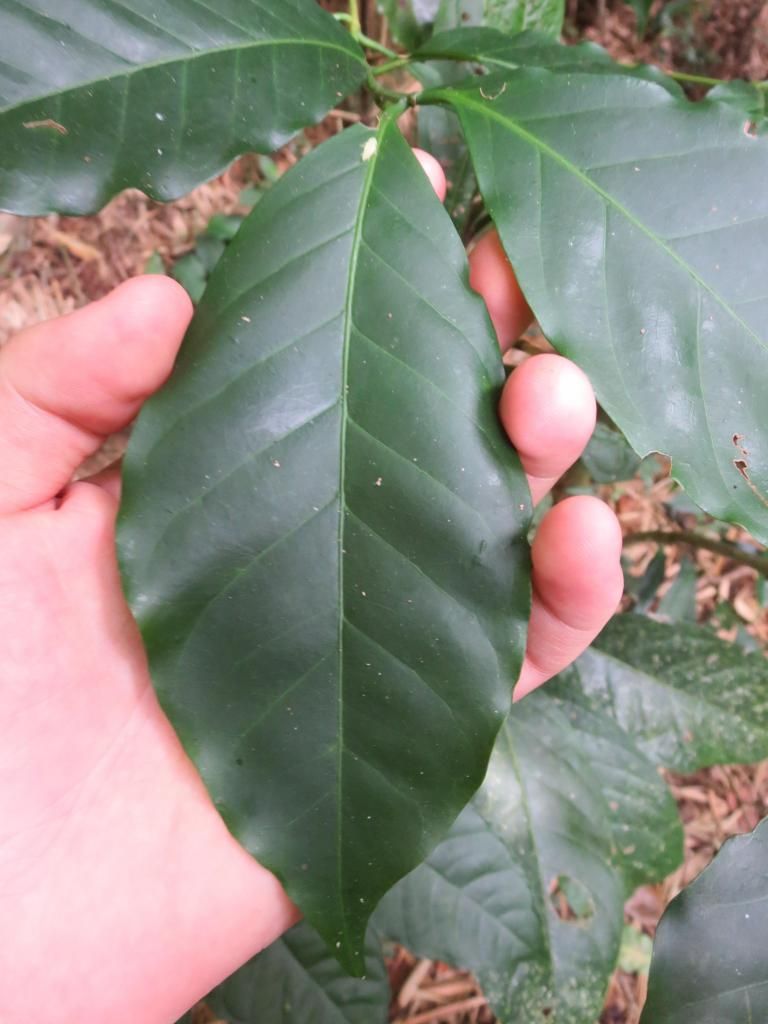
A coffee leaf (Arabica sp.)

If I hadn’t put the ellipses and “Xandari” in the title, this post would have been a lot more mundane, because the fate of (most) coffee beans isn’t particularly interesting from an existential standpoint. Or, on second thought, maybe it is very interesting? Now that I think about it, different answers might betray different philosophical commitments. For example, what would be a better answer to the question of coffee’s fate: “roasting, grinding, and filling someone’s stomach” or “waking somebody up”? The previous answer is a mechanical life-history of matter composing the coffee-bean, while the latter places coffee in a meaningful context of life, where “coffee” isn’t a chemical sequence, but rather a beverage people consume for the flavor and its beneficial effects–“coffee” as most people besides chemists perhaps think of it, that is. Anyways, this post really isn’t about philosophy, even if the title has me (and perhaps you) waxing contemplative over how we make sense of things.

What this post is really about is the fate of wild coffee plants around Xandari Resort. You’ve already seen how Seth and I have been planting coffee in a bid to bring back the bean around Xandari (see Seth’s most recent post here, from which you can bounce all the way back to the first ones) and learned about the history of coffee at Xandari (here). When Xandari first began to be converted from a fertile, shade-grown coffee plantation Continue reading

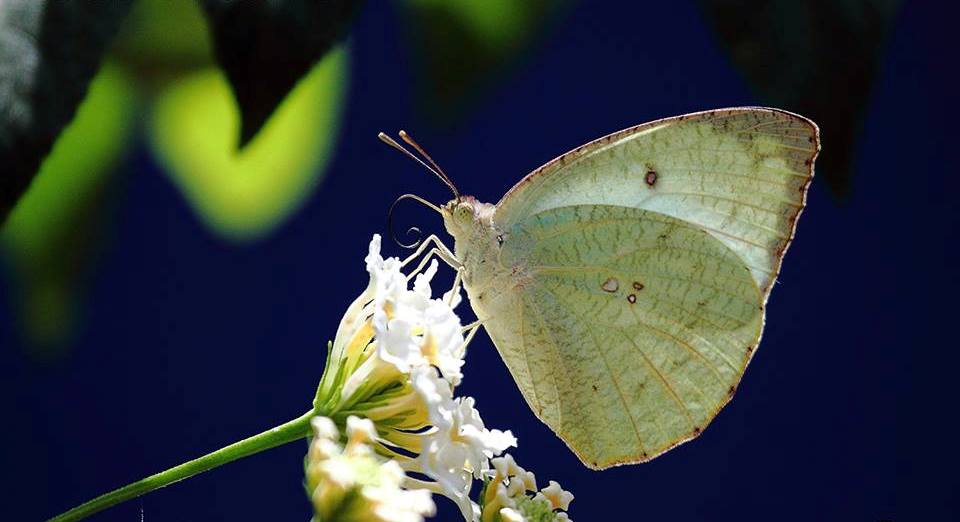
Common Emigrant Butterfly

Photo credits : Faisal

Photo credits: Faisal

Butterflies are ecologically important due to the role they play in the food chain of a forest ecosystem. They also greatly affect biodiversity, since most butterflies are pollinators of flowering plants. India’s Western Ghats play home to many species of butterfly.

The Common Emigrant Butterfly is Continue reading

Note To A Classicist, For The Day When He May Seek Employment

Library of Congress

Library of Congress

We are midway or more through the summer, when interns are most commonly in our midst. Normally, but not always, they are enrolled for the other nine months of the year either in undergraduate or graduate programs of just about every conceivable variety. And within a year or two of their internship they will seek employment. So we encourage them to contribute to this blog in part to practice their communication skills for when that day comes; this post in the Atlantic caught our attention for that reason, so we pass it on especially to our interns.

And to one more than the others, which seems fair in this case. As noted earlier, one of our adventurers in Costa Rica is headed soon to Cambridge, MA (USA) to enter a doctoral program in Classics. He will not likely seek employment, gainful or otherwise, for some years to come.  But when that day does come, this reference may come in handy, from one of the class classic acts of all time:

Selling yourself often feels like a grotesque act. So job applicants’ cover letters seem unlikely to contain much great prose. Instead, we tend to fill the page with false notes and empty phrases. (“I believe my skills make me the ideal candidate, and I would appreciate your consideration…”)

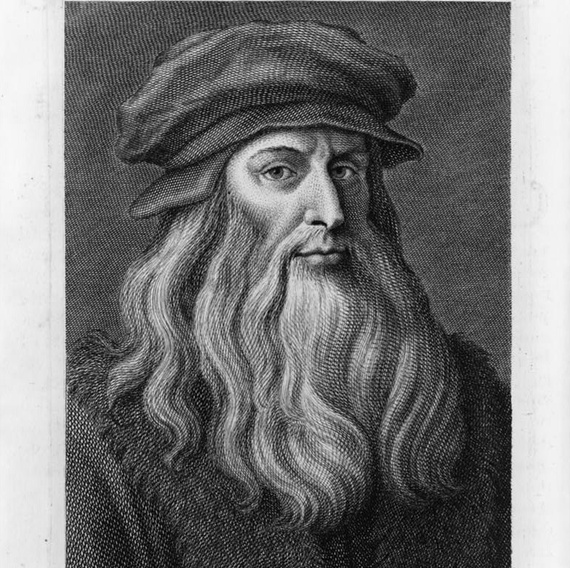
But it doesn’t have to be that way. When a 30-something Leonardo da Vinci sought work in the court of the duke of Milan in the 1480s, he wrote a short, bulleted list of ten skills that would have been sure to catch the eye of any Renaissance-era ruler: he could design portable, indestructible bridges; build unassailable vehicles; destroy most fortresses; and so on. (He also could “execute sculpture in marble, bronze and clay,” and wasn’t so bad with a paintbrush, either.) His letter was brisk, convincing, and a pleasure to read…

Continue reading

Camino de Santiago Adventure: Paris, not quite like I planned

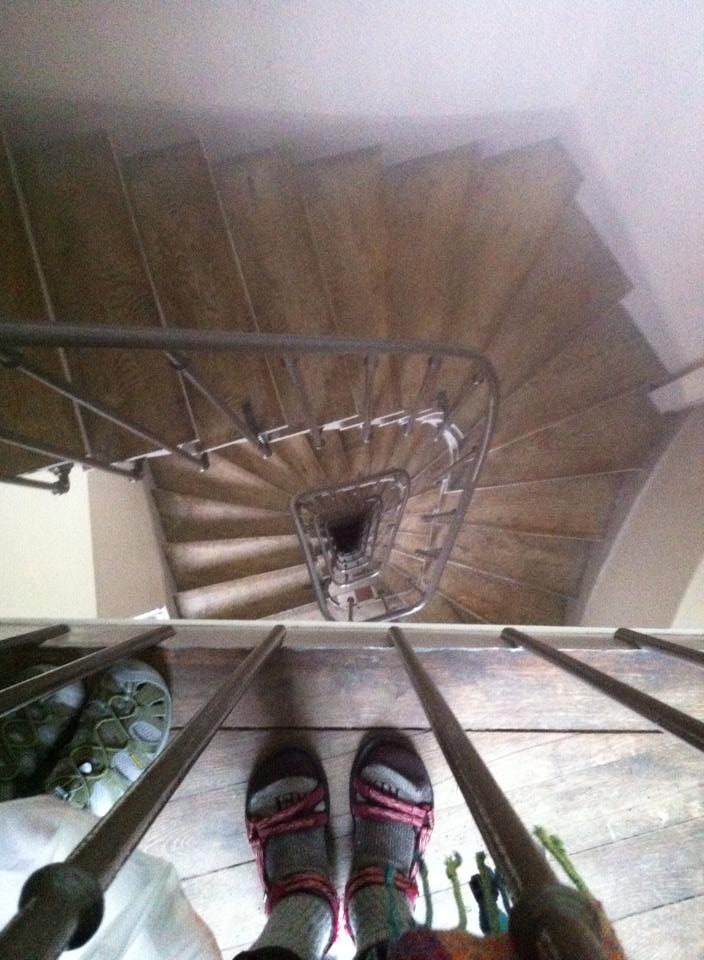
We walked up this very skinny, tall staircase to our microscopic abode that night.

We walked up this very skinny, tall staircase to our microscopic abode that night.

One of my biggest lessons on the Camino was in planning. My friend and I arrived in Paris with no plan, or a very loose one that failed as soon as we looked at what time it was. We were going to just find a train upon arrival to reach the starting point in our pilgrimage: St. Jean Pied de Port. If there were no trains, we were going to find a cheap hostel. Our plane arrived around 8 PM. There goes the plan.

Paris is the most visited city in the world. We just figured the infrastructure for tourists would be obvious. Upon exiting the airport we realized that it’s far from obvious. We didn’t even know which train station we were looking for. There was no wifi around and figuring out all these things would be much more difficult as daylight slipped from us.

A man who spoke English noticed our obvious “lost-ness” and ended up being our angel of the night. He let us use his smart phone to look up which train station we needed to go to, how to get there, and what hostels were nearby. Turns out all the hostels we found were way out of our price range. Along the Camino- albergues were 10 euros, tops. Since we weren’t planning on staying in Paris, we didn’t realize how expensive they were. This was happening at a bus station, and when his bus arrived we just followed him on with no ticket and ended up taking that all the way to the train station. Continue reading

Meenakshi Temple Gopuram – Madurai

Photo credits : Remash Kidangoor

Photo credits: Remash Kidangoor

Madurai has a historical legacy over 2500 years, making it the oldest city in Tamil Nadu. On the banks of the river Vaigai, Meenakshi Temple dominates the city of Madurai, which evolved around it. The architecture in this temple is purely Dravidian, but the styles of many dynasties have influenced the decorations and construction of Meenakshi since it has changed hands over the centuries. Continue reading

Grouse, Green Goals, Collaboration Required

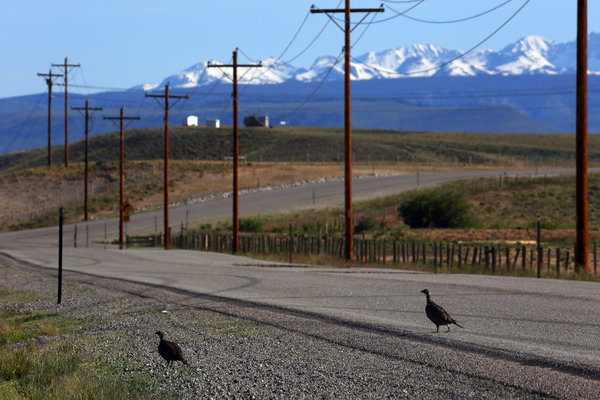
Sage grouse in a part of Wyoming where Shell has gas fields. Credit Jim Wilson/The New York Times

Sage grouse in a part of Wyoming where Shell has gas fields. Credit Jim Wilson/The New York Times

Conservation is a classic collective action challenge. Collaboration is a requisite for success. This New York Times report on the struggle between the energy needs of a country, and efforts to conserve a bird species illustrates how green priorities can sometimes conflict in unexpected ways, and how cooperation can prevail for the common good:

…On paper, at least, the Wyoming plan is in line with federal goals, officials say. It cordons off large areas as critical for the bird to survive, and its authors say it is the best compromise they could fashion.

Nestled in the gray-green sagebrush on the sprawling ranches or pecking their way along the dusty roads near the Pinedale Anticline gas fields, the squat, mottled-brown birds appeared unruffled. But they are persnickety creatures easily disturbed by human activities. Every year, males return to relatively open areas called leks, splaying their tail feathers and puffing up their chests as they waddle and call to attract hens. Vulnerable to predators like coyotes and eagles, the grouse depends on vast expanses of sagebrush for food and shelter. Wyoming’s plan would restrict development to levels that would not disturb the birds. For example, it would limit surface disturbance to 5 percent a square mile and ban activity within 0.6 miles of the leks. Continue reading