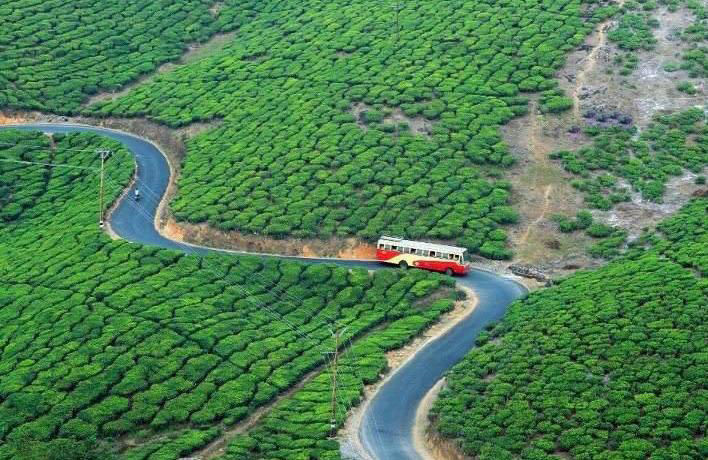
The Backwaters of Kerala have a unique ecosystem where fresh water from the rivers meets the salt water from the Arabian Sea. The partly brackish Backwaters stretch over 1900 km, providing drinking water and irrigating paddy fields. They include the large inland lakes of Kerala, as well as an entire network of canals, estuaries and curious water formations. Continue reading
Mindfulness, Effectiveness And Health Benefits

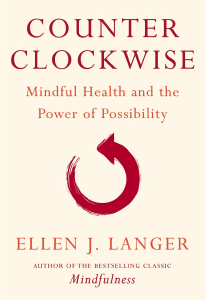
Take a brilliant, creative social scientist, without any respect for conventional wisdom and you get Ellen Langer. She is a fantastic storyteller, and Counterclockwise is a fascinating story about the unexpected ways in which our minds and bodies are connected. – Dan Ariely, Ph.D., author of Predictably Irrational
We are in constant search of better ways to focus our efforts and achieve more effective results. The work of Ellen Langer, whose new book (click the image above to go to her website) continues her “mindfulness” theme on into the realm of health, brought to our attention in a post on the New Yorker’s website today:
In the mid-nineteen-seventies, the cognitive psychologist Ellen Langer noticed that elderly people who envisioned themselves as younger versions of themselves often began to feel, and even think, like they had actually become younger. Men with trouble walking quickly were playing touch football. Memories were improving and blood pressure was dropping. The mind, Langer realized, could have a strong effect on the body. That realization led her to study the Buddhist principle of mindfulness, or awareness, which she characterizes as “a heightened state of involvement and wakefulness.”
But mindfulness is different from the hyperalert way you might feel after a great night’s sleep or a strong cup of coffee. Continue reading
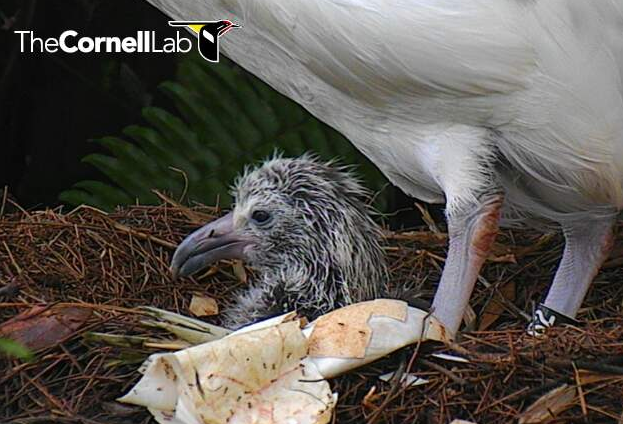
Bird of the Day: Laysan Albatross (Kauai, Hawaii, USA – via Cornell Lab)

Photo by the Cornell Lab’s AlbatrossCam
Click on the image above to check out the Cornell Lab’s latest bird cam in Hawaii!
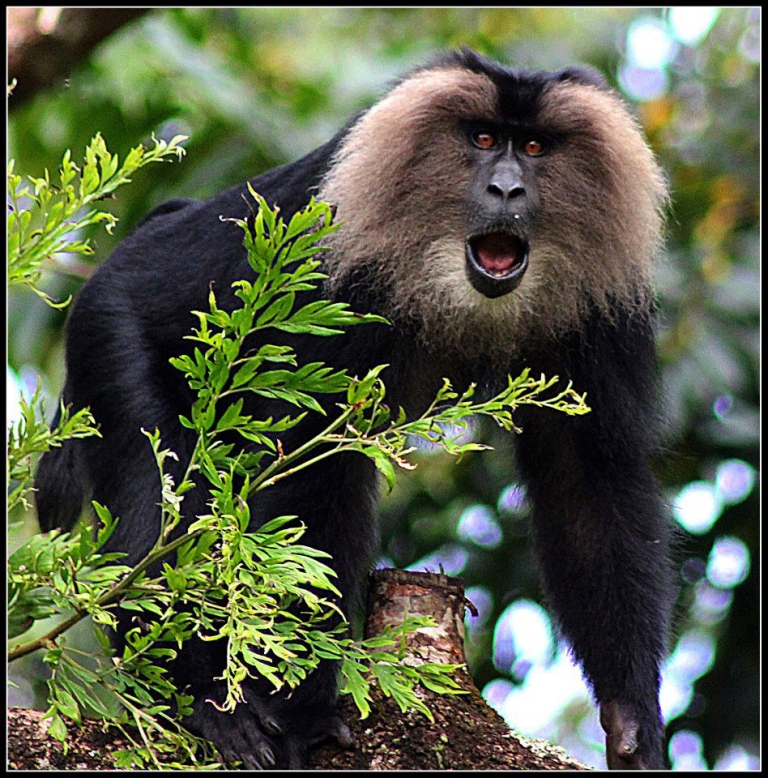
Wild Periyar – Lion-Tailed Macaque
The Lion-Tailed Macaque, Macaca silenus, is ranked among the rarest and most threatened primates in the Western Ghats. The population is scattered across small patches of evergreens in Karnataka, Kerala and Tamil Nadu, where they spend most of their lives in the upper canopy of tropical moist forests. Continue reading
A Science Writer’s Public Service

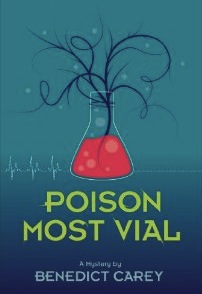
The famous forensic scientist Dr. Rama is dead – murdered – and suspicion has fallen on Ruby Rose’s father, the only family she has. Ruby is new to her school and is having enough trouble just making a friend; now she has far bigger problems. To save her father, she will have to solve the murder herself, relying for help on an elderly neighbor who used to be a toxicologist. But is this woman reliable? And is there enough time?
Benedict Carey is better known as a science reporter for the New York Times, but that is just his day job. It certainly qualifies as public service, but in addition he moonlights on further public service. He explains his purpose:
Both books are adventures in which kids use science to save themselves and solve a mystery. It’s real science, accessible but not obvious, and builds understanding of some fairly advanced principles – transcendental numbers (among other things) in “Island of the Unknowns,” and mass chromatography in “Poison Most Vial.”

In a trailer park called Adjacent, next to the Folsom Energy Plant, people have started to vanish, and no one seems to care. At first Lady Di and her best friend, Tom Jones, barely notice the disappearances—until their beloved math tutor, Mrs. Clarke, is abducted, too. Mrs. Clarke has left them clues in the form of math equations that lead them and other kids all over the trailer park, through hidden tunnels under “Mount Trashmore,” and into the Folsom Energy Plant itself, where Lady Di and Tom Jones and a gang of other misfits uncover the sordid truth about what’s really happening there. That’s Di on the left and Tom on the right.
Perfectly principled reality: if you had been restricted to Benedict Carey’s better known science reporting for the New York Times, that would be not such a bad thing. He also serves on the board of Edge, a non-profit which seeks to “arrive at the edge of the world’s knowledge, seek out the most complex and sophisticated minds, put them in a room together, and have them ask each other the questions they are asking themselves.” Again, not bad.
But we like in particular the effort to branch out further, reaching the next generation and aiding the mathematical and scientific efforts of educators who otherwise compete with entertainment of all sorts for the hearts and minds of youth.
That said, do not miss his reporting. He is a master at this trade, and improves the quality of conversation we are determined to engage in more often. His most recent article for the Times reviews the research into cognitive performance and aging and with humor and gravitas all at once he acknowledges why as we get older we tend not to be too interested in these findings: Continue reading
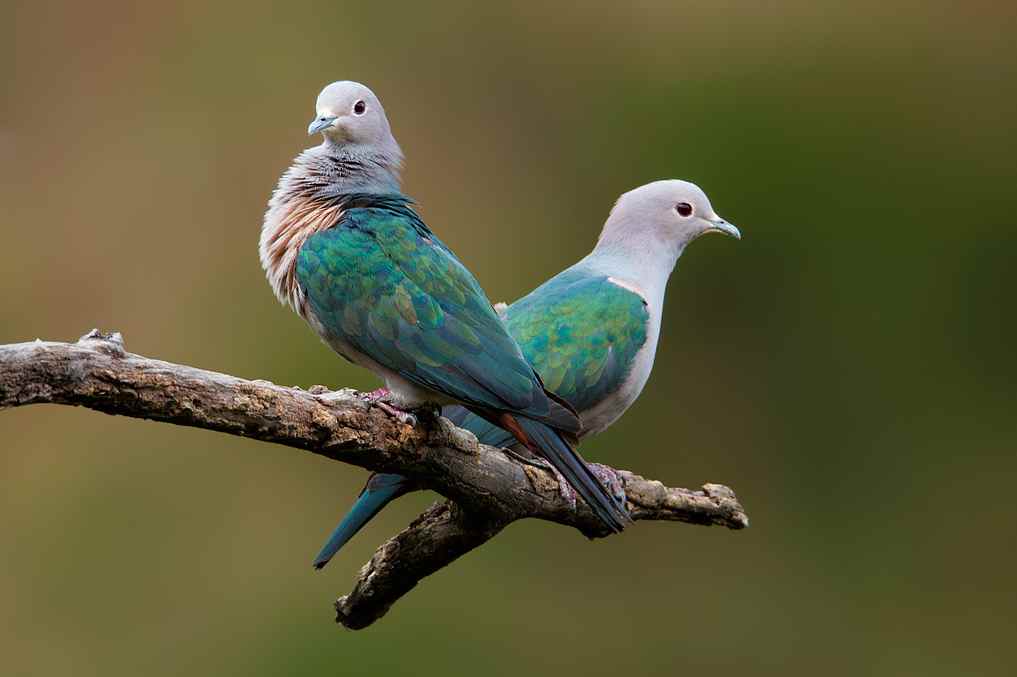
Bird of the Day: Green Imperial Pigeons
Better About The Weather
Click the image above to go to a post on the Atlantic‘s website by Senior Editor and technology writer Alexis Madrigal about being better prepared to discuss the weather. Not the way a previous generation might have talked about it, but no thanks at all to the climate conundrums confronting this and future generations:
Talking about the weather used to be a euphemism for not talking about anything at all.
But lately, that once-innocent diversion has become mottled with darkness. No matter how many times scientists tell us that weather isn’t climate, the day-to-day weather sure does remind us of the long-term trends that together form the climate.
Is the unseasonably warm, dry weather we’re having in California a pleasant occasion for pleasantries or an impending sign of planetary doom? Maybe both. Continue reading
Kalamezhuthu – Temple Art
Kalamezhuthu is a unique form of art found only in Kerala, and is almost solely used in temples. The “drawing” with the powders is done by hand, without using any tools whatsoever, and the powders used are all natural (from vegetables and minerals). Continue reading

Bird of the Day: Atlantic Puffin (Machias Seal Island, Maine)
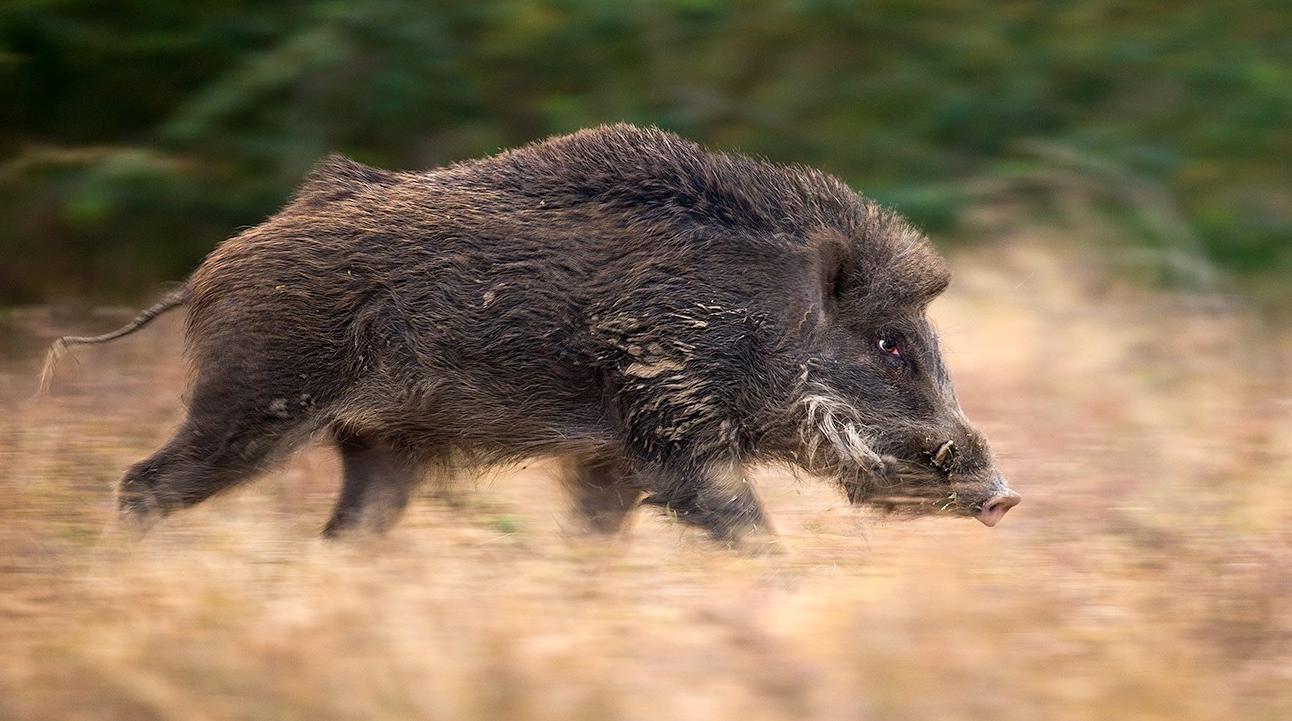
Boar on the Run
The Little Rann of Kutch in Gujarat is a nature photographer’s dream for capturing a range of wildlife as well as stunning landscapes. The wide open views are particularly good for panning shots. As a photographer you need to understand the impact of shutter speed on your images. If the image is static (no movement) then the shutter speed isn’t critical since it doesn’t have any impact (of course aperture will have). Continue reading
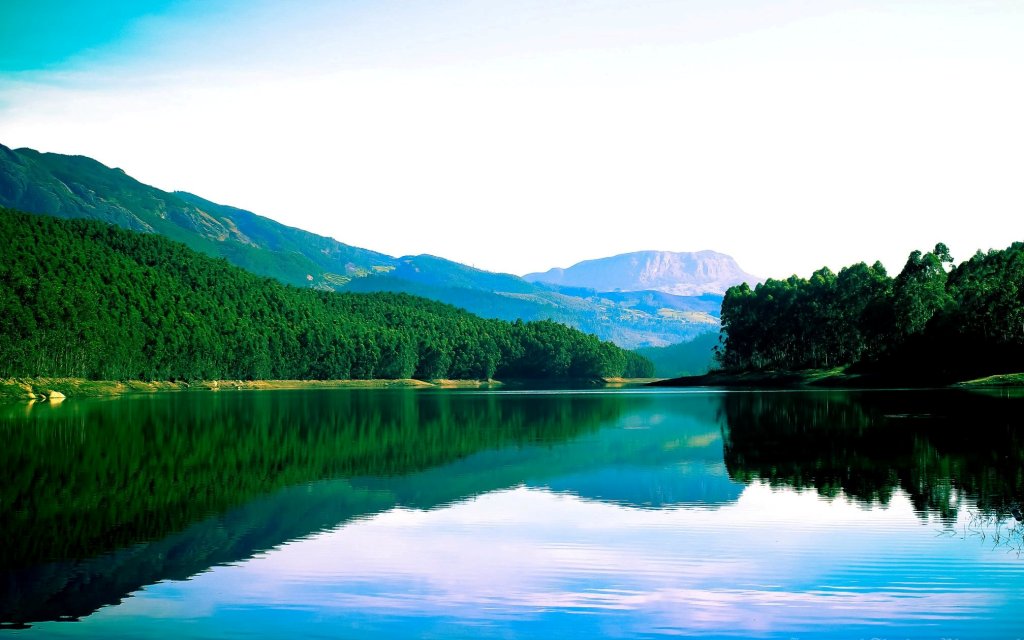
Echo Point – Munnar
Located at a height of 1700 meters above sea level and close to Munnar, Echo Point is a favorite haunt of weekend travelers. It is on the way to Top Station, and is named for the echoing you can hear in the hills. Continue reading
Fair Use In The Ever-Modernizing World
We have no doubt, as we post our several items a day on this blog, that we should credit photographs, writing and all other content whether original to our own contributors, linked to a third party website, or whatever the case may be. But we admit sometimes there are borderline cases where we learn by trial and error what the rules of fair use are. We appreciate all learning opportunities on this topic. Click the banner to the left to go to the magazine’s website Technology section, where this article illuminates the shadowy borders of fair use, with a story about two remarkable young entrepreneurs and the ethical, if not legal, issues they face in building traffic over the internet:
There is a new ubiquitous media brand on Twitter.
No, I’m not talking about Pierre Omidyar’s First Look Media or BuzzFeed or The Verge, or any other investor-backed startup.
I’m talking about @HistoryInPics, which, as I discovered, is run by two teenagers: Xavier Di Petta, 17, who lives in a small Australian town two hours north of Melbourne, and Kyle Cameron, 19, a student in Hawaii. Continue reading
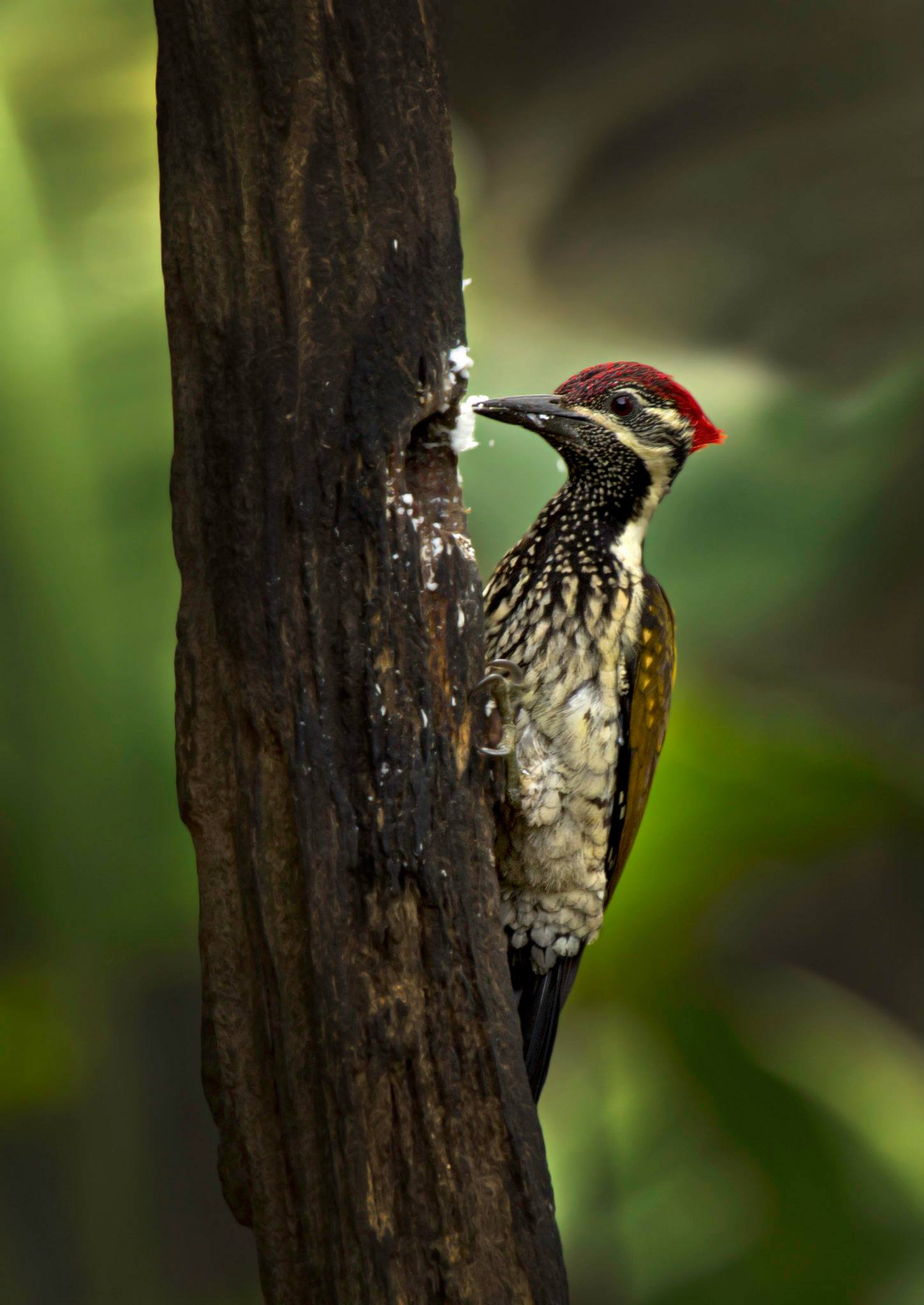
Bird of the Day: Black-rumped Flameback
If You Happen To Be In New York City
Raxa Collective has favored photography that captures natural and/or cultural heritage at its best in documentary mode. But we are interested in the boundaries of this medium, not least because several contributors cross those boundaries in their other work. If you are interested in these issues, and happen to be in New York City any time in the next few months this show looks worth a visit:
Organized by ICP Curator Carol Squiers, What Is a Photograph? will explore the intense creative experimentation in photography that has occurred since the 1970s. Conceptual art introduced photography into contemporary art making, using the medium in ways that challenged it artistically, intellectually, and technically and broadened the notion of what a photograph could be in art. A new generation of artists began an equally rigorous but more aesthetically adventurous analysis, which probed photography itself—from the role of light, color, composition, to materiality and the subject.What Is a Photograph? brings together these artists, who reinvented photography.
From the press release for the exhibit:
On view at the International Center of Photography from January 31 through May 4, 2014, What Is a Photograph? explores the range of creative experimentation that has occurred in photography since the 1970s. Continue reading
Butterflies of Kerala
Kerala’s butterflies are a richly diverse and scientifically interesting group of insects, which number around 330 species in the state. The largest butterfly in India, the Southern Birdwing, has a wingspan of about 25 centimeters, and the smallest, called the Grass Jewel (pictured below), has only a 1.5 to 2 centimeter wingspan. Can you name the species in the photo above? Continue reading
Early Adopters Of Agricultural Ethics
In conversation with Milo recently, several of us concluded that we might soon expect a series of illuminating posts from him on the topic of alternative agriculture, much as we have had from him over the last few years illuminating and visually arresting series of posts on dragonflies, mushrooms and photography itself. So, we share the article below from the Science section of the New York Times this week, in anticipation of those posts on a topic of great interest to Raxa Collective:
The Elders of Organic Farming
By CAROL POGASH
For nearly a week, two dozen pioneers of sustainable agriculture from the United States and Canada shared decades’ worth of stories, secrets and anxieties.
Bhutan, Inspiration For A Happier World
Click the image to the left to go to the Kingdom of Bhutan’s website, which we have been visiting in recent months in advance of a planned visit for work. Our friends to the north will surely appreciate the sentiments and insights of this essay in the current issue of Orion magazine, which we find useful background preparation in case our visit, and prospective new project, come to pass:
FROM THE FORESTED HILLSIDE above us, a bulldozer sends giant rocks and tree limbs sailing down onto the hundreds-of-years-old footpath leading us from the Paro Valley floor to Dra Lhakhang, a cliffside temple where the six of us plan to sleep on the first night of our three-day hike to, Dragipangtsho, a lake considered holy. Karma Wangchuk, the leader of our hiking party, blows his pocket whistle and screams along with the rest of us, hoping our distressed voices will penetrate the roar of the machine. Finally, the bulldozer stops and the road crew hollers and waves down to us in acknowledgement, oblivious to our peril. Continue reading
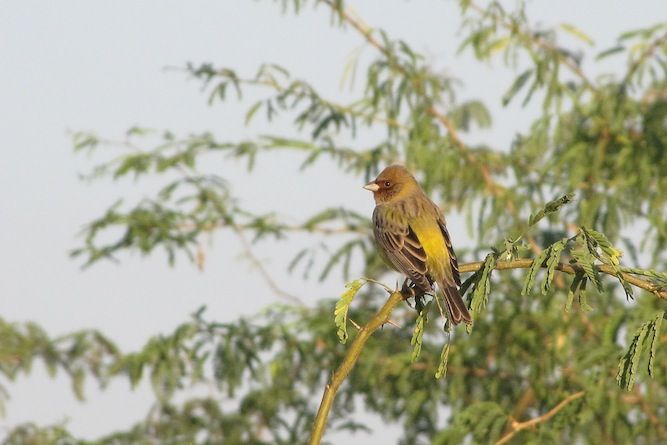
Bird of the Day: Red-Headed Bunting
Beauty of Vagamon – Elappara
Elappara is a small tea plantation village near Vagamon, about 40km from Thekkady. This tiny village overlooks the awe-inspiring Annan Thampi mountains, the steep slopes of which British planters used to hike up before embarking on hunting expeditions. Continue reading
The Story of “Kalyana Saungandhika”
The true Kathakali experience that I’ve referred to previously is only understood fully within the context of the grand Indian epic stories that they express. The rightful heirs to the throne of Hastinapur were 5 Brothers called Pandavas. The brothers were beaten in a game of dice by their 100 cousins called the Kauravas and were sent to the forest. The arrangement was such that the Pandavas were required to spend 12 years in the forest (Vanavaasa) and one year incognito (Ajnaathavaasam). If they were to be recognized by the Kauravas during the year of living incognito, they had to repeat the 12 years of forest life.
Many incidents good and bad occurred while they were undergoing Vanavaasa and the story of Kalyana Saungandhika is about one such incident, which also happens to be the favorite of ‘Kathakali’ performers.
Arjun, one of the 5 Pandavas, won his future wife Draupadi through an archery test and due to a misunderstood statement by Kunti the mother of the Pandavas, Draupadi had to accept all 5 of the Pandavas as her husband. Continue reading