Vivid Performance Art, Clearing The Fog Surrounding Climate Change

eva-mosher1Sometimes, as with a good cup of coffee in the morning, our wake up is enhanced with a dose of intoxicating taste to get our senses going. As we swing from polar vortex to the next big thing in climate change, thanks to the dean of Duke’s Nicholas School of the Environment for this article on Eva Mosher and the important role performance art may play in the needed wake up call:

Convincing Americans that climate change is a real and present danger has proven to be a daunting and often frustrating challenge for scientists. Despite the growing evidence of climate change, and humanity as the driver of that change, there remains a hardcore 20 percent or so that reject the whole notion of it and a healthy percentage that remain unconvinced that humans are causing it. And on top of those dismal statistics, more than half of Americans believe that climate change does not represent a threat to them.

Scientific Data vs. Vividness and Accessibility Continue reading

Skimming the Globe

Stemming from a spontaneous fascination while living in India, I have photographed and written extensively about dragonflies in the past, and as an untrained naturalist, my interest has been mainly focused on dragonflies’ aesthetics rather than their physiology or ecological significance. However, as my interest in holistic ecology and the natural world grows, my thoughts have wandered from dragonflies and mushrooms to a bigger-picture ideology focusing on the connectedness and relationships between organisms within an ecosystem. Those relationships are present across the globe, year-round – regardless of how lifeless a place may seem. Being used to tropical climates unfortunately gives me a predisposition to fear the painful cold of Colorado mountain winters, and I retreat to a less hands-on approach to my research.

While seeking food for thought online, I stumbled upon a TED Talk given in 2009 on dragonflies – which in itself would interest me. But this talk concerns an exceptionally interesting species of dragonfly (though I didn’t realize it when I noticed its swarms in Gavi) – and one that aligns more with my current biological interests than those I held in the past few years (skimming the surface, some might say). Continue reading

Sustainable Forestry And Eco-efficient Wood Heating

This slideshow requires JavaScript.

Thanks to Harvard Gazette for this follow up story shedding more light on the role of forests of Massachusetts in better understanding the planet’s ecological needs:

In heavily wooded New England, forests are dynamic ecosystems that support a range of plants and animals, and their ability to soak up carbon also makes them an important piece of the climate-change puzzle. How changes to forests over time affect the flow of carbon through the atmosphere has long been a focus of researchers at the 3,700-acre Harvard Forest. Now, three wood-fired boilers are providing those scientists with a new tool to expand their understanding. Continue reading

Temple Elephants

Photo credits :Ramesh Kidangoor

Photo credits: Ramesh Kidangoor

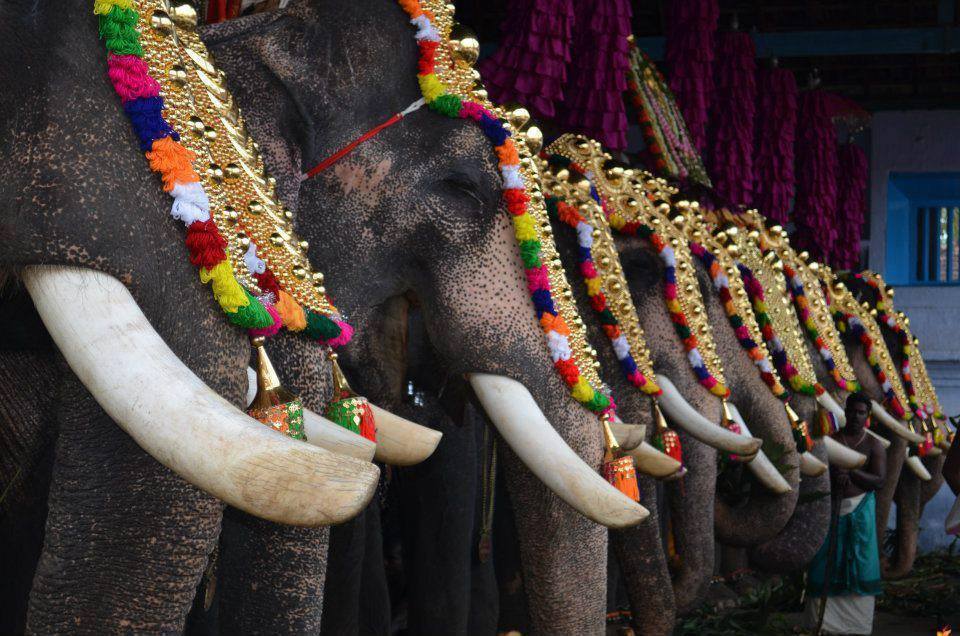
In the history of Kerala, elephants have been part of the festival and cultural ethos of the state. People believe that this animal is a remover of obstacles, a harbinger of good fortune and an integral part of religious and economic life. Over the years, no temple festival in the state has been complete without the participation of elephants: all major temples in Kerala have an attachment to them. Continue reading

Maps, More Than A Practical Tool

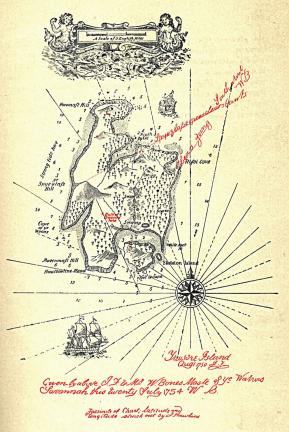
Map of Treasure Island, from Robert Louis Stevenson’s “Treasure Island.”

Map of Treasure Island, from Robert Louis Stevenson’s “Treasure Island.”

Travel without a map can be fun, sometimes, if adventure is the objective; but context and direction helps more than it hurts most of the time. The same is true when maps are there just for the sheer pleasure or comfort, in environmentally sensitive, creative graphic design, or for historical research. This post on the New Yorker‘s website captures the sentiment well:

For years, I carried the same map wherever I went. When I wasn’t travelling, Scotch Tape held it to the back of my bedroom door: it was visible to me when the door was closed, but invisible to almost everyone else. That map moved from dorm rooms to apartments and houses, from the Eastern Shore of Maryland to New England, from New England to the United Kingdom, and back again.

When I felt homesick, I would drag my fingers up and down the map’s paper folds, tracing its shorelines and rivers, wishing they were the real thing. But touching that map only made me more homesick. Continue reading

20 Years Of Camera Traps In India

4640_photo_kdlffejdk6syhb2fejxe7v66csguoo4tfzqnozlypf2gukfxr27q_850x638

Thanks to the National Geographic Society’s excellent website (membership required) for this story on a topic close to our hearts. Camera traps are the source of some of the best nature photography we have seen, as made clear by these authors:

By Krithi K. Karanth and Arjun Srivathsa

With close to 50 species of wild carnivores, India is a haven for elusive families of cats, dogs, hyaenas, bears, otters, civets and mongooses. The Wildlife Conservation Society-India Program has been camera-trapping critters in India for more than 20 years. Continue reading

Kathakali – An Introduction

Tiraseela

Tiraseela – the cloth that is used both as curtain and dramatic effect

Kathakali is one of the oldest theatre forms in the world. Originating in the area of southwestern India now known as the state of Kerala, it is a group presentation in which dancers take various roles in performances traditionally based on themes from Hindu mythology, especially the two epics, the Ramayana and the Mahabharata.

One of the most interesting aspects of the art form is its elaborate make-up. Characters are categorized according to their nature, which determines the colors used in the make-up. Continue reading

Chinese Fishing Nets, Kochi

Photo credits : Ramesh Kidangoor

Photo credits: Ramesh Kidangoor

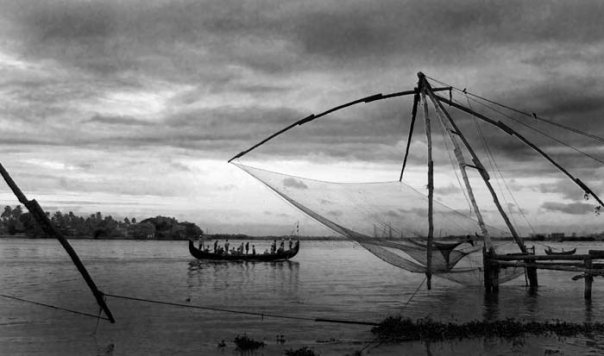
The Chinese fishing nets are a unique and special part of Kochi. A legacy of some of the earliest visitors to this coast, they are thought to have been brought to Kochi by traders from the Chinese court some time between 1350 and 1450. Employed mainly during high tides, these nets are set up on bamboo poles supported by teak wood structures and require at least four men to operate their system of counterweights. Continue reading

Science Writers Contribute To The Conversation

As we have more conversation in 2014 and beyond, it will definitely be improved with the science writers we have been following the last few years, and their successors who follow in their footsteps.

For example, we appreciate Virginia Hughes and the kind of writing that she publishes all over the place, and which National Geographic‘s Phenomena website collects, with this most recent example of hers:

An Old and Optimistic Take On Old Age

I’ve been reading and thinking a lot lately about the process of aging. Many scientists who study it argue — quite convincingly — that it’s the most important scientific topic of our time. In his 1997 bestseller Time of Our Lives, biological gerontologist Tom Kirkwood writes that the science of human aging is “one of the last great mysteries of the living world.” Continue reading

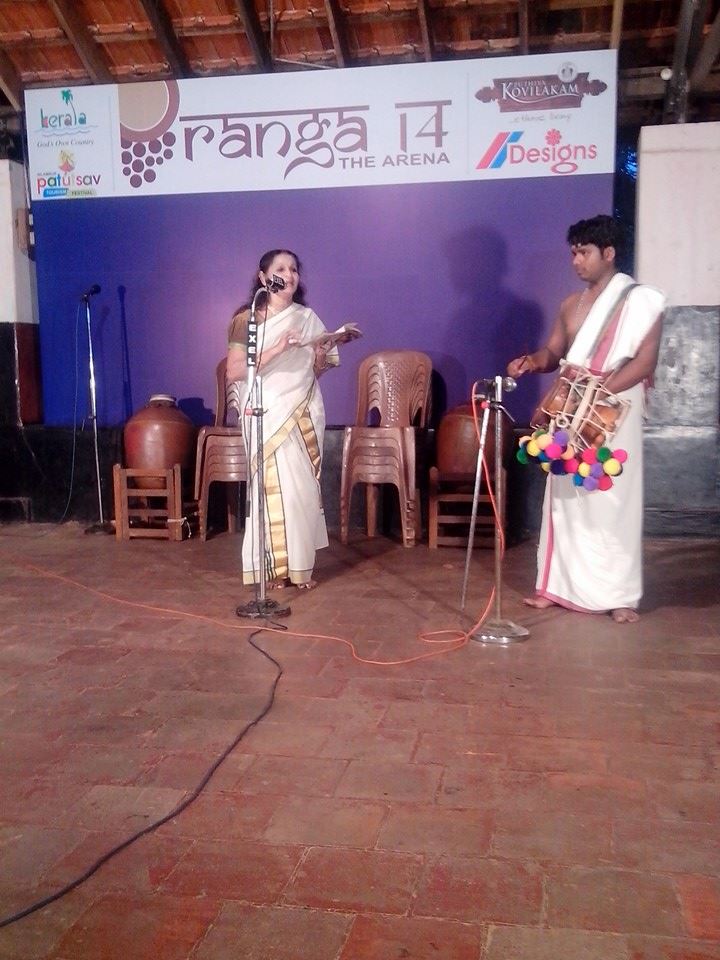
Kerala Culture and Arts – Ranga 2014

Ashtapadi

With the goal of conserving the cultural art of Kerala from extinction, Nilambur Kovilakam recently conducted an event called ‘Ranga 2014’ on the 17th and 18th of January.  It was a two day event wherein artists portrayed their talents to a mixed audience of people from the Kovilakam and visitors from farther afield. The major intention of this event was to showcase the cultural heritage of Kerala and demonstrate its art forms to an invited audience from various parts of the world.  Continue reading

Starling Murmuration Season

This slideshow requires JavaScript.

Thanks to the Guardian for this photographic spread on one of our favorite bird phenomena:

From October to March thousands of starlings flock together to perform extraordinary displays across the UK. This gallery captures the murmurations of starlings as they swirl in the sky above reed beds where they roost at night. Some of the pictures were sent to us by our readers via GuardianWitness and via Guardian Environment desk’s Flickr group Green Shoots.


Bridging Art & Science

Detail of the cover of the October 2013 issue of SciArt in America, showing the “Observe” exhibition at Williamson Gallery in Pasadena (photograph by Steven A. Heller/Art Center College of Design)

Detail of the cover of the October 2013 issue of SciArt in America, showing the “Observe” exhibition at Williamson Gallery in Pasadena (photograph by Steven A. Heller/Art Center College of Design)

This is an appropriate follow up, of sorts, to the plea in favor of liberal arts, humanities and the like:

It’s no revelation that science and art have long been linked, the curiosity about the workings of the world aligned with artistic creativity. Recently, however, there seems to be more of a movement towards connecting the two worlds into a tighter community. Continue reading

Solar’s Messy Compromises

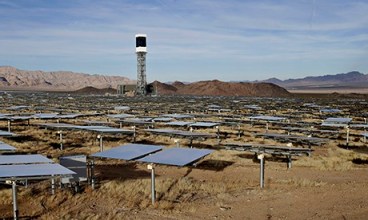
BrightSource Energy's Ivanpah Solar Electric Generating System in the Mojave Desert. Photograph: Isaac Brekken/Washington Post

BrightSource Energy’s Ivanpah Solar Electric Generating System in the Mojave Desert. Photograph: Isaac Brekken/Washington Post

It’s not easy being green.  Even seeming no-brainers like this solar initiative requires complicated tradeoffs between one environmental objective and another:

…The Ivanpah Solar Electric Generating System will send that power across California, the Golden State, early this year, becoming the largest solar plant in the world to concentrate the sun’s rays to produce electricity. Such utility-sized solar plants are beginning to appear across the US, with 232 under construction, in testing or granted permits, many in the south-west and California, says the Edison Electric Institute, which represents utilities. The scale of the largest plants is difficult to imagine in the eastern part of the country, where a relative lack of available open land and unobstructed sunlight have limited solar facilities to perhaps a tenth the size of the West’s plants. In the west, ample sun, wide-open spaces, financial incentives, falling costs and state mandates have made big solar plants possible…

…But even as the largest plants are helping utilities meet state requirements for renewable energy, the appetite for them may be waning, say experts. The next phase of solar development – especially in the east – may feature smaller projects located closer to cities. Environmental groups want regulators to look at sites such as landfills and industrial zones before allowing construction in largely undisturbed environments such as deserts. Continue reading

Jaipur Literature Festival’s Guest From The New Yorker

Courtesy of Sukruti Anah Staneley. Jonathan Shainin.

Courtesy of Sukruti Anah Staneley. Jonathan Shainin.We link to the New Yorker frequently and to The Caravan occasionally, so we are happy to share a link to a story that provides an intersection to both:

We link to the New Yorker frequently and to The Caravan occasionally, so we are happy to share a link to a story that provides an intersection to both:

A Conversation With: Jonathan Shainin, Newyorker.com News Editor

By MAX BEARAK

Jonathan Shainin was the senior editor at The Caravan, an English-language long-form journalism magazine, for three years before leaving India in October to become the news editor at The New Yorker’s website, where he commissions and edits both domestic and international news stories.

Continue reading

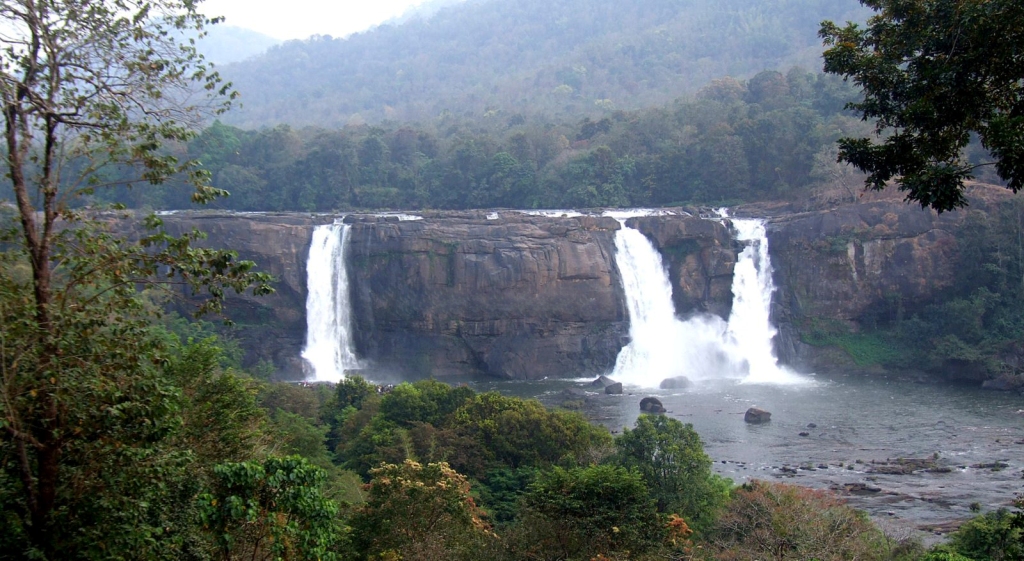
Beauty of Kerala – Athirappally Waterfall

Photo credits : Ramesh Kidangoor

Photo credits: Ramesh Kidangoor

The Athirappally Waterfall  is one of the largest in Kerala, situated about 1000 ft above sea-level on the Chalakkudy River, at the entrance to the Sholayar Forest Range of the Western Ghats. Falling from a height of 80 ft, this cataract is a major tourist attraction. Continue reading

From Arctic to Oceania in Eight Days

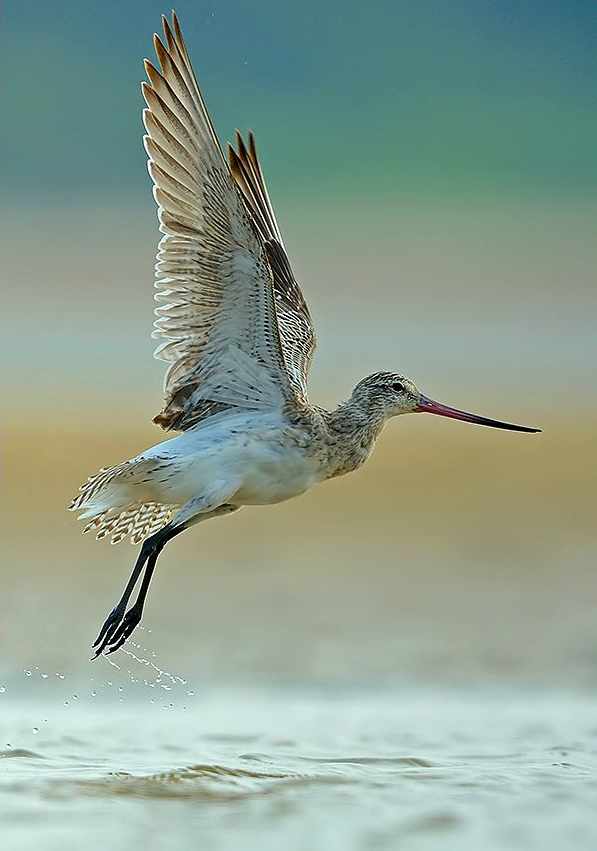
Migrating Bar Tailed Godwit – Mulki, India

Every autumn the Bar-tailed godwit undertakes an eight-day journey from Alaska to New Zealand. The bird flies non-stop, rarely breaking the whopping 11,000 kilometer journey to rest or eat.

This wading bird is far superior to all aircraft constructed by humans when it comes to the art of flying for a long time without a break; unlike seabirds, they can neither rest on water nor feed at sea. Continue reading