
Kanakakunnu Palace was built during the reign of Sree Moolam Tirunal (1885-1924), one of the most popular ruler’s of Travancore state. Situated near the Napier Museum, it was mainly used for the Royal family guest entertainments. Continue reading
Kanakakunnu Palace was built during the reign of Sree Moolam Tirunal (1885-1924), one of the most popular ruler’s of Travancore state. Situated near the Napier Museum, it was mainly used for the Royal family guest entertainments. Continue reading

Photograph by Alex Livesey/Getty.
Samanth Subramanian–an author we hope will pay us a visit in Kerala one day soon, considering how much of his authorship overlaps with our own interests, especially this book–has posted on the New Yorker‘s website a blog post about a remarkable young man, and two fellow countrymen from India, very much worth the read. The Jamaican bobsled team gets all the attention, and it is well deserved, but they are, rather surprisingly, in good company. We excerpt from the second half of the post because the first half is a too-familiar “dirty laundry” story which we would rather not repeat, but what follows is inspirational:
…The thirty-two-year-old Keshavan will be participating in his fifth Winter Games. He set a speed record for Asia in 2012 and won the Asian Luge Cup in 2011 and 2012, but he has not been so dominant on the world stage; his best Olympic performance remains a twenty-fifth-place finish at Turin, in 2006. Continue reading

Seneca Falls, NY
Thanks to the Atlantic for this link over to the 33 photos chosen as finalists for this great annual competition; from the website of the WPO:
…Selected from 139,544 images from 166 countries, WPO today reveals the shortlist for the 2014 Sony World Photography Awards. The highest number of entries in the awards’ seven year history, this year’s jury selected an eclectic shortlist representing the very finest in international contemporary photography from 2013. Continue reading

This post is simply a link to a resource that we think furthers the case for the liberal arts tradition. In case you do not yet know it, get to know it here:
The epigraph stamped on The Baffler no. 1, from Arthur Rimbaud’s “Morning of Drunkenness,” introduced it as a punk literary magazine. It was the summer of 1988. The founders, Thomas Frank and Keith White, were recent graduates of the University of Virginia. They named their magazine as a joke on academic fads like undecidability, then in fashion. The Baffler was born to laugh at the baffling jargon of the academics and the commercial avant-garde, to explode their paralyzing agonies of abstraction and interpretation. Continue reading

Photo credit: Vijay
Cherai is a lovely beach not far from Kochi. Its position on the border of Vypeen island makes it ideal for swimming, and a typical Kerala village with paddy fields and coconut groves nearby provides an added attraction. Continue reading
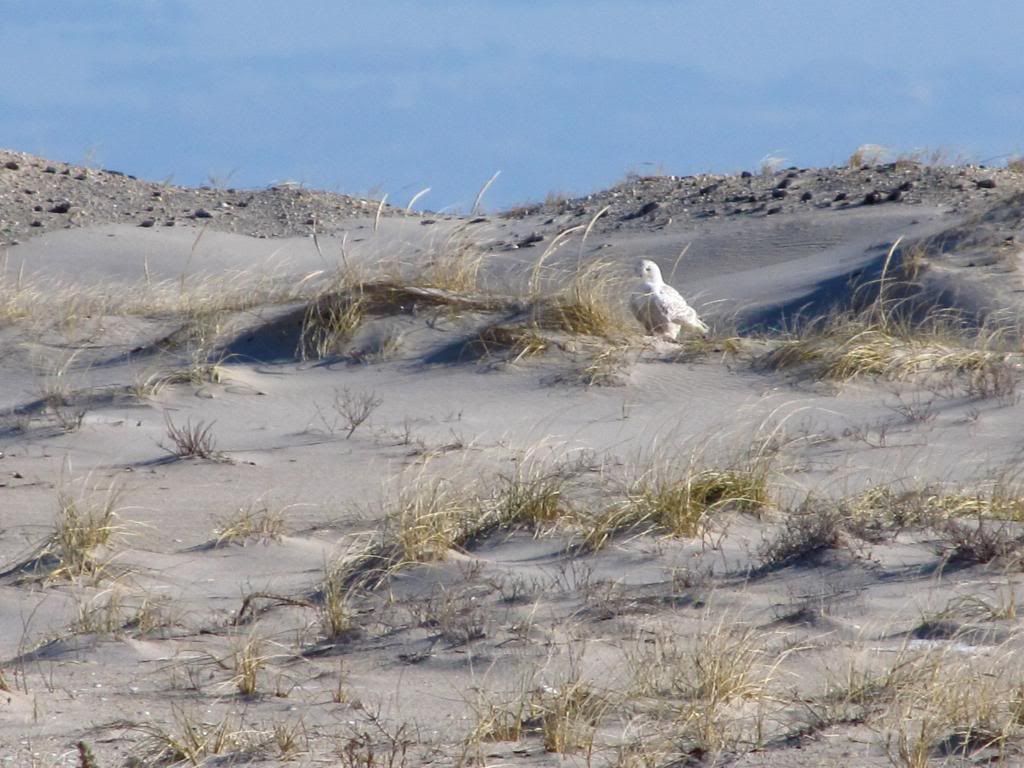
We first shared news of this fascinating species’ strange movements late last year, and since then the unusual Bubo scandiacus behavior has only been more eye-catching.
Last week, the New York Times reported that the Boston area is “seeing the largest number of snowy owls ever recorded,” and that birdwatchers had even spotted a Snowy Owl in Bermuda. See the excerpt from John Schwartz’s article below:

Norman Smith releasing a snowy owl in Duxbury, Mass., that had recently been captured at Logan airport in Boston. Photo by Gretchen Ertl for The New York Times
“This year’s been bizarre,” said Dan Haas, a birder in Maryland. “The numbers have been unprecedented. Historic.”
No one is sure why so many snowies are showing up in so many places — whether it can be attributed to more food in their Arctic habitats than usual, or climate change at the top of the world. “Think about the canary in the coal mine,” said Henry Tepper, the president of Mass Audubon, “you think about the snowy owl in the Arctic.” Continue reading
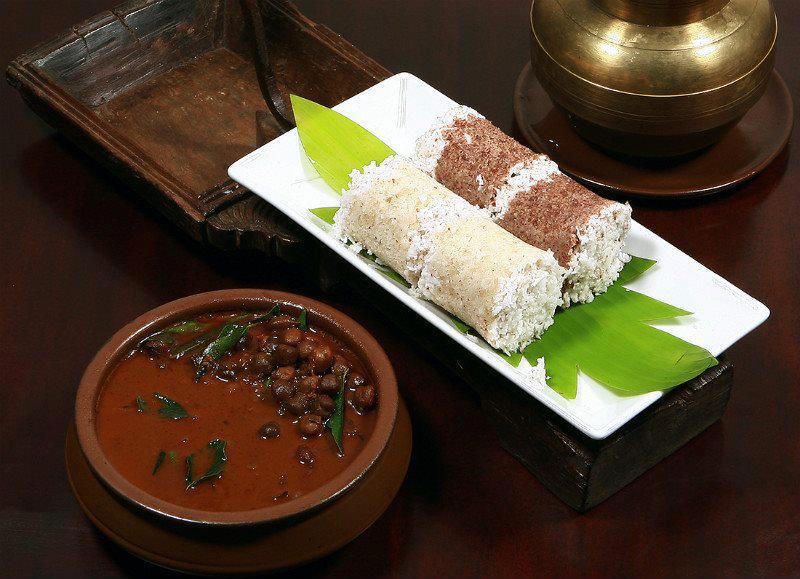
Puttu on right and kadalakari on left. Photo credits: Renjith
Puttu and kadalakari (chickpeas), make a popular breakfast for Keralites. Puttu is made by steaming rice flour along with grated coconut in a puttu kudam (a steamer in cylindrical shape) Continue reading
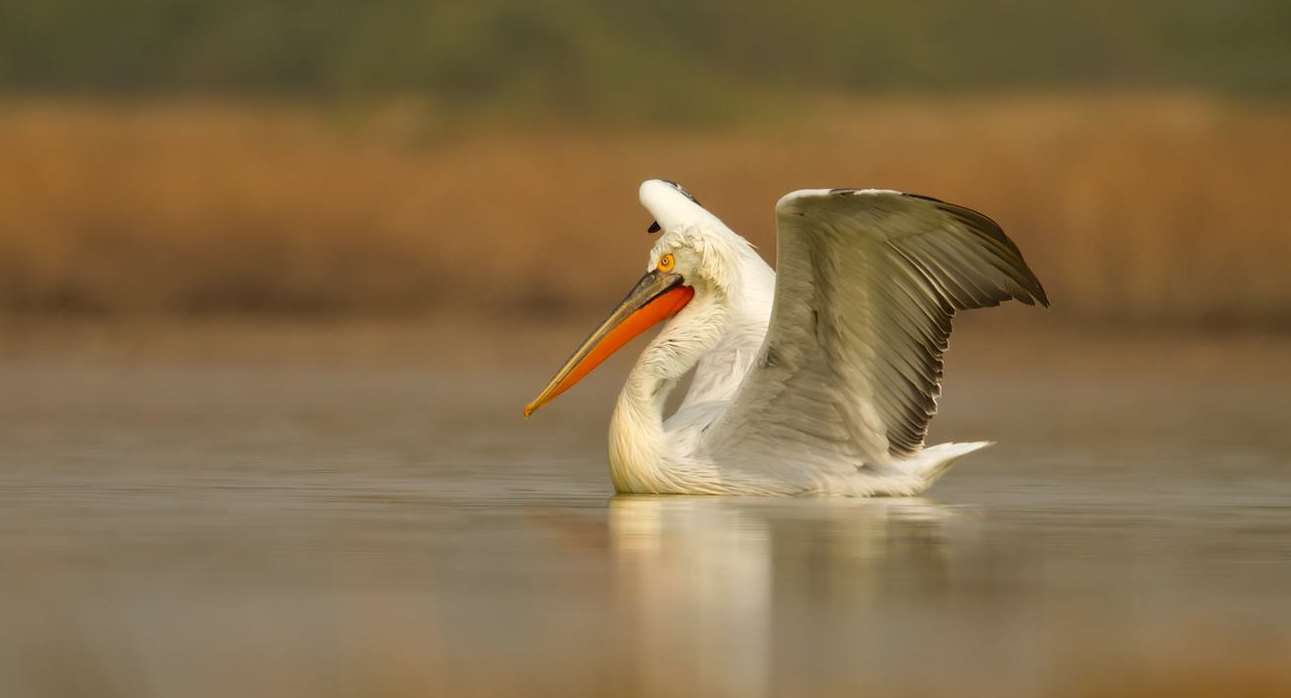
Little Rann of Kutch, Gujarat

Courtesy of Jhaveri Contemporary gallery. An installation by Rana Begum that was sold by Jhaveri Contemporary gallery in Mumbai, Maharashtra.
Thanks to India Ink for this update on the expanding market for contemporary art in India (click the image above to go to the source):
NEW DELHI — On the heels of Christie’s successful auction in India, the sixth edition of the India Art Fair demonstrated that demand in the country’s art market remains strong.
Spread across three tents and 200,000 square feet, this year’s fair, which ran from Thursday to Sunday, featured 91 booths and modern and contemporary works by over 1,000 artists from India and overseas…
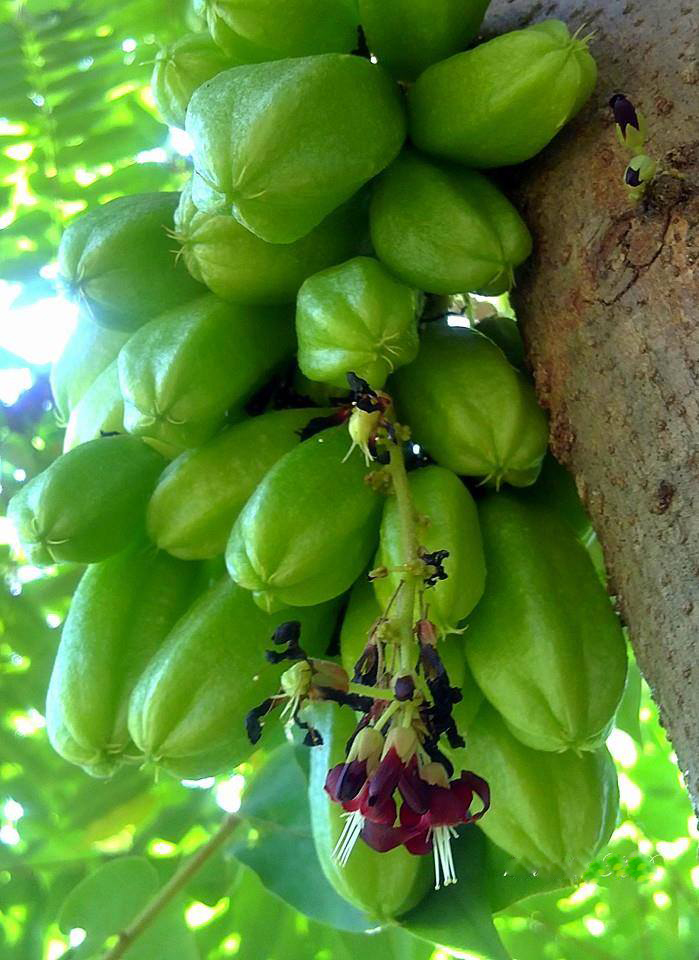
Photo credits: Kannadas KD
Bilimbi is an evergreen tree native to tropical Asia, grown for its edible fruits. The trees are commonly found in the high ranges of Kerala and the fruits are mainly used in making pickles, soups, sauces and curries. Continue reading
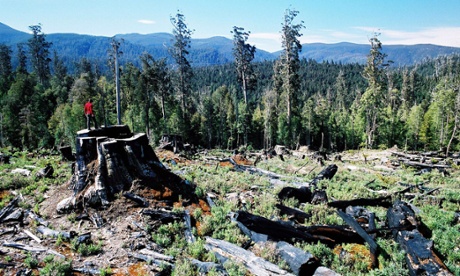
The Wilderness Society says more than 93% of the disputed area is old growth, rainforest or intact natural forest and non-forest. Photograph: AAP
The Guardian today reports on a disturbing attempt to roll back conservation in Tasmania:
Fallout from the federal government’s request to Unesco to remove 74,000 hectares of Tasmanian forest from world heritage listing has erupted into a war of words and pictures over the status of the disputed land.
On Friday the Coalition announced it would follow through on an election commitment to request a rollback of last year’s 170,000 hectare extension of world heritage listed forest. The final proposal sought to delist a smaller area of 74,000 hectares but was met with strong opposition from environmental groups, the Tasmanian state government and representatives of the timber industry. Continue reading

Dandeli, Karnataka

Hayes has devoted the past fifteen years to studying atrazine, a widely used herbicide made by Syngenta. The company’s notes reveal that it struggled to make sense of him, and plotted ways to discredit him. Photograph by Dan Winters.
It has been many months since we last read something that a company did that made us think–Really?–in this manner that we have on several earlier occasions. We are sparing in these kinds of posts because we still believe most companies, most of the time, want to do the right thing. But when they clearly do not, they must be called out.
This post is a reminder to all of us to support public funding of science and private funding of journalism–subscribe to the New Yorker! Thanks to Rachel Aviv’s reporting, we see the fire behind the smoke, and it is not good fire. Two paragraphs of her story are shared here, but spend the 30-60 minutes digesting the whole story on the New Yorker‘s website, where thankfully it is not behind the subscription wall, and be sure to share it widely:
…Three years earlier, Syngenta, one of the largest agribusinesses in the world, had asked Hayes to conduct experiments on the herbicide atrazine, which is applied to more than half the corn in the United States. Hayes was thirty-one, and he had already published twenty papers on the endocrinology of amphibians. Continue reading
The United States National Football Leage (NFL) and it’s Hunky Dory Saucery Thing (which is beyond my scope of imagination) have never held any interest for me. The sport doesn’t elicit any reaction other than sympathy for the players’ bodies, although my disinterest bears no grudge against those who enjoy a game, whether from within the dynamic minefield of titanic collisions or from the comfort of their own home’s sofa, or anything in between. In fact, I know so little of the culture, statistics, and geopolitical implications of the sport that before last week I couldn’t have named three teams off the top of my head. Today, I unsuspectingly watched this:

Photo credits: Ramesh Kidangoor
Bordered on the east by the towering Western Ghats and interspersed with the magical backwaters for much of its length, Kerala’s coast has attracted people through the ages. In ages past it was traders, asylum seekers and empire builders; now it is haven for beach buffs and tourists. Continue reading

Photo credits: Shaji MN
Kerala offers an amazing diversity of dishes for every meal and every occasion. Food is an important indicator of a region’s history, and with a rich and vibrant ancient culture greatly influenced by civilizations from almost every corner of the globe down the ages, Kerala is indeed the proverbial melting pot. Continue reading
If you want to get a handle on what’s happening at the frontier of biology, Carl Zimmer is your man. He’s the author of numerous books, including Evolution: The Triumph of an Idea, writes a regular column on science for the New York Times, and his award-winning blog, The Loom, is part of National Geographic’s Phenomena collective.
We asked him how he writes.
What’s the one thing you’ve learned over time that you wish you knew when you started out?
I wish someone told me I shouldn’t be making ships in a bottle. To write about anything well, you have to do a lot of research. Even just trying to work out the chronology of a few years of one person’s life can take hours of interviews. If you’re writing about a scientific debate, you may have to trace it back 100 years through papers and books. To understand how someone sequenced 400,000 year old DNA, you may need to become excruciatingly well acquainted with the latest DNA sequencing technology. Continue reading

