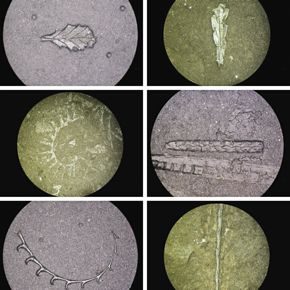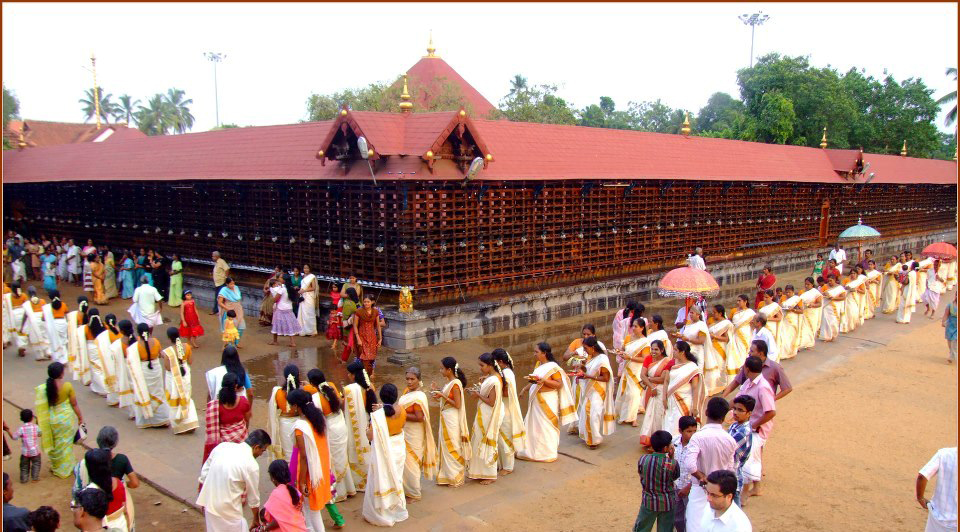
The Ettumanoor Mahadeva temple is one of the most revered temples of Hindu worship in Kerala. Built in the 16th century, the presiding deity is Lord Shiva; it is believed that the Pandavas and the sage Vyasa established this shrine. This traditional Kerala style temple has a conical roof above the main shrine which is copper plated — exquisite wooden carvings of scenes from the Ramayana and Krishna Leela are depicted within. The temple is also rich in mural paintings depicting various Hindu myths and lore. Continue reading
Panoramic Viewpoints

Fred F. Scherer, left, and James Perry Wilson, center, paint the background for the American Bison/Pronghorn antelope diorama in 1942.

Visitors to the American Museum of Natural History look at a diorama for which Scherer painted the background decades prior.
Growing up in and around New York I spent many happy hours at the American Museum of Natural History. In addition to it being the depository of many anthropological, archeological and paleontological wonders, it also successfully brings the outside inside for many city dwellers. One of the ways they effectively did this was through museum dioramas. In the age that preceded high-quality large format photography the dioramas required skilled mural painters to help bring the taxidermic animals “to life”. Continue reading
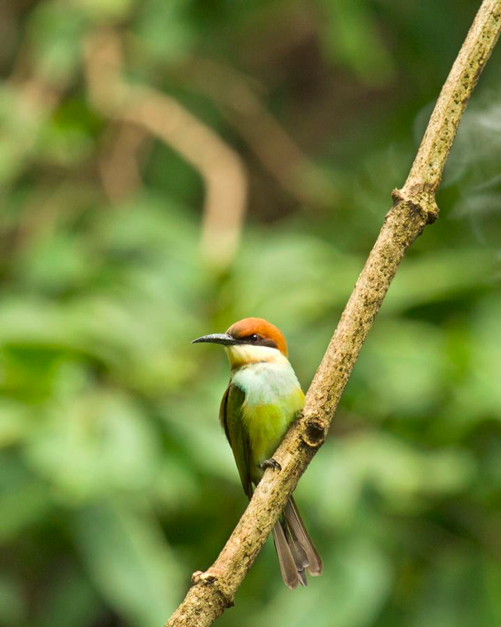
Bird of the Day: Chestnut-headed Bee-eater
Extraterrestrial Citizen Science
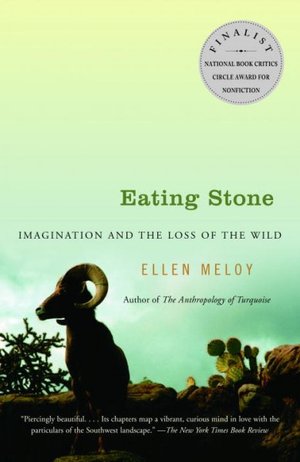
Robert Krulwich riffs on (or off) this book in a recent post on Krulwich Wonders titled:
What’s That Clinging To The Towering Wall And Why Doesn’t It Fall Off?
In the spirit of citizen science, of which Krulwich is a master promoter, it makes sense to share this post of his on the same day that we posted about citizen science related to creatures that fly, and creatures that swim. These ones climb, but not on earth as we know it. While calling them extraterrestrials is not quite accurate, you will get the point:
Maybe you’ve seen this, (it’s gotten around), but I’m still gobsmacked. Totally amazed. We’re in northern Italy looking at the face of the Cingino Dam, and here and there on the vertical stone wall, you’ll see a few dark specks. Continue reading
Borneo, Birds And The Field Method Of Learning Science
More than one contributor to this site has been a fan of the Cornell Laboratory of Ornithology for several decades. During graduate school, for example, when Sapsucker Woods provided more than just a walk in the woods. The Lab’s fan base is global, for good reason, both among casual bird lovers and more serious bird watchers. The Lab became the focus of professional interest to several of us when we began managing lodges in the rain forests of Central America, and we discovered what we had not known while at Cornell: it has the largest collection of field recordings of bird songs in the world. Guests at our lodges were awed by this resource when it was pointed out to them. The images above reflect more recent appreciation we have for the Lab. Continue reading
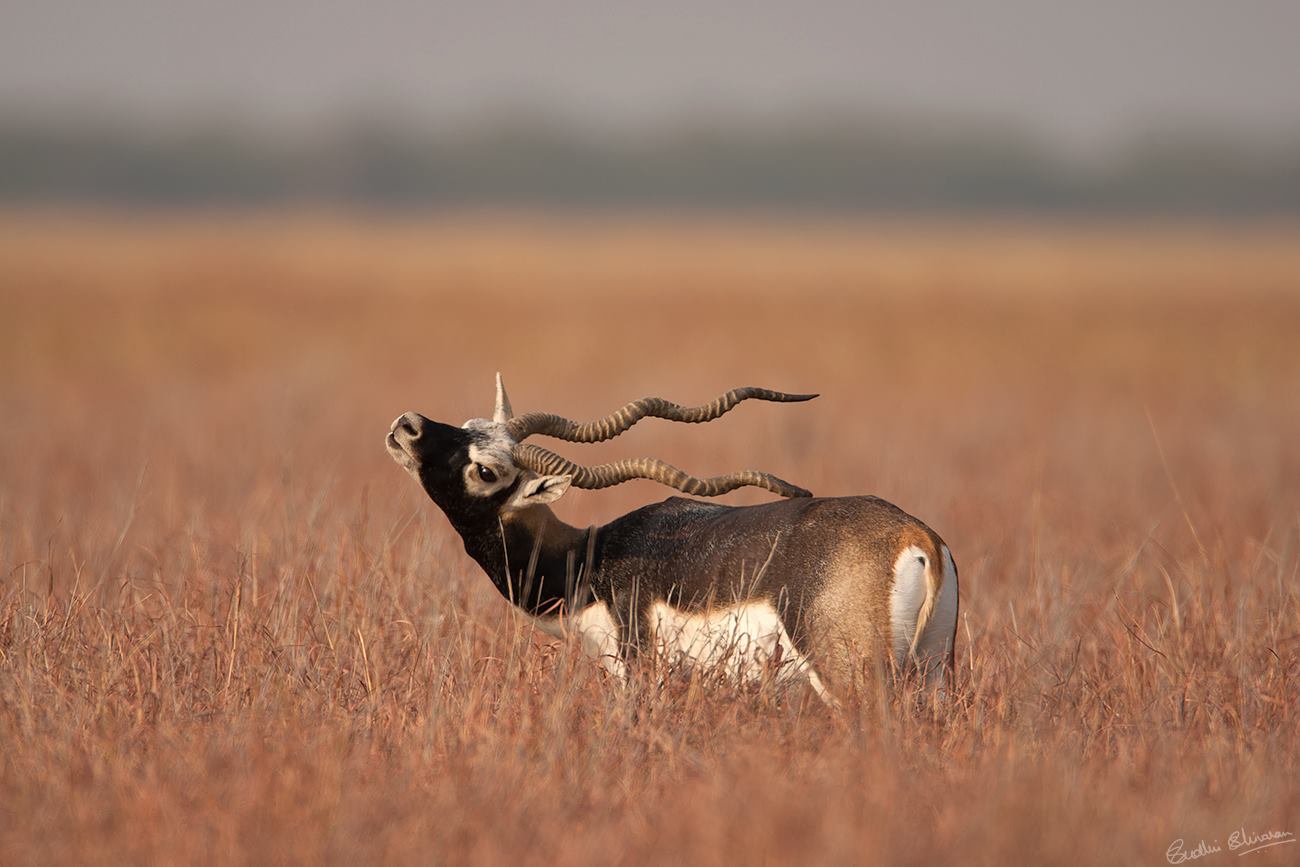
Blackbuck Photo Op
Exposure is a complex area of photography, but in situations like these where the habitat is open it is a bit easy to use the standard “sunny f16 rule”. Continue reading
Radical Interpretation Of Plants’ Secret Lives
When he goes out on a limb he invites others to join him, and like any journalist worth his salt he keeps pushing further out onto the limb. The venues in which he publishes deserve credit for having faith in readers willing to get out onto that limb:
In 1973, a book claiming that plants were sentient beings that feel emotions, prefer classical music to rock and roll, and can respond to the unspoken thoughts of humans hundreds of miles away landed on the New YorkTimes best-seller list for nonfiction. “The Secret Life of Plants,” by Peter Tompkins and Christopher Bird, presented a beguiling mashup Continue reading
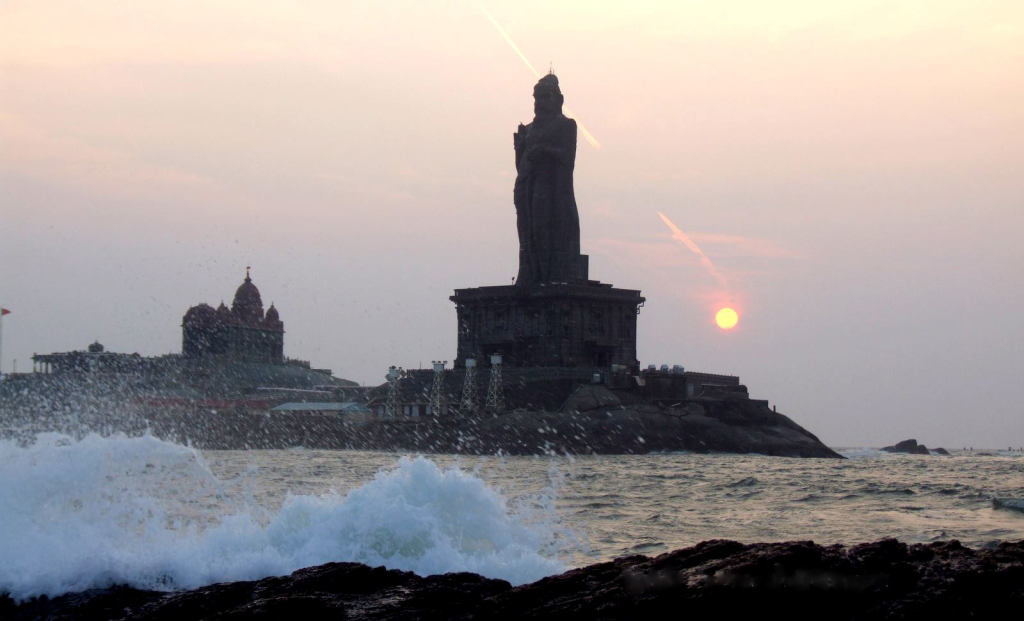
Kanyakumari – Cape Comorin
Kanyakumari, or Cape Comorin, is the southernmost tip of the Indian subcontinent. The mighty Arabian Sea and the Bay of Bengal merge into the Indian Ocean here. Kanyakumari is famous for its glorious sunrise and sunsets due to being nearly surrounded by water. The unique location offers the possibility of seeing the moon rise and sunset simultaneously. Continue reading
Bird of the Day: Double-toothed Kite
Geology And The Natural History Of The Environment’s Future
Here is the second installment in a series on natural/environmental history from the perspective of what is referred to here as human impact and the geology of the future. The author requires you to work, but it is important work, worthy of the effort to focus the lens of history for the sake of our decisions about the future:
The Geological Society of London, known to its members as the Geol Soc (pronounced “gee-ahl sock”), was founded in 1807, over dinner in a Covent Garden tavern. Geology was at that point a brand-new science, a circumstance reflected in the society’s goals, which were to stimulate “zeal” for the discipline and to induce participants “to adopt one nomenclature.” There followed long, often spirited debates on matters such as where to fix the borders of the Devonian period. “Though I don’t much care for geology,” one visitor to the society’s early meetings noted, “I do like to see the fellows fight.” Continue reading
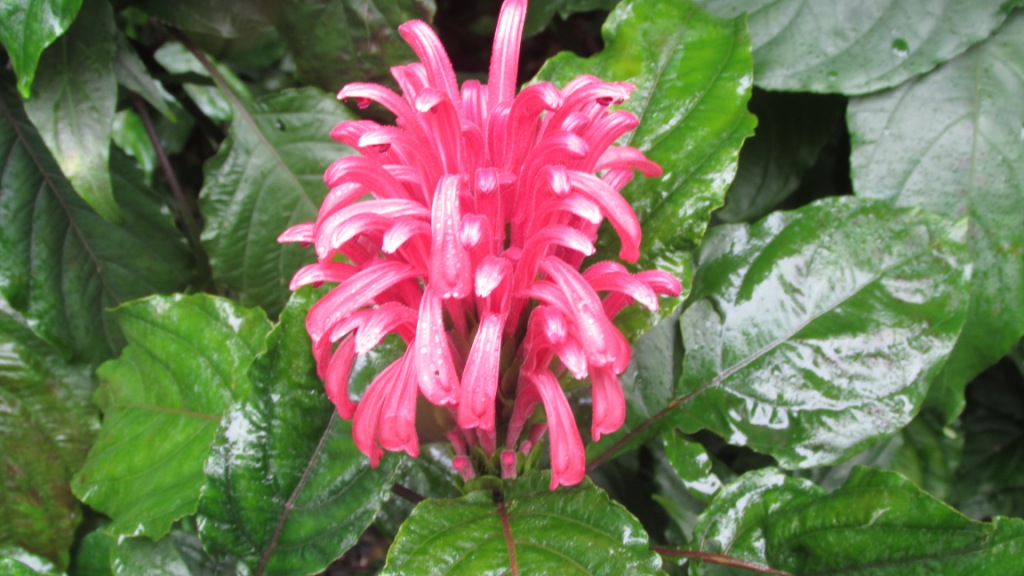
Plume Flower
Plume flowers, native to Brazil, are a tropical tender perennial shrub with unusual pods holding many tubular flowers that bloom throughout the summer. They are naturalized in the Western Ghats of India; the colors can range from Pink, Purple, Orange and Yellow. Continue reading
Our Gang, Thevara (Smile Factory)
Superior Urban Design, Superior Health

Happy City: Transforming Our Lives Through Urban Design by Charles Montgomery, published in November 2013 by Farrar, Straus and Giroux, LLC. Copyright © 2013 by Charles Montgomery. All rights reserved.
The text below is excerpted from the book above (click above to go to the source), and we thank Slate for publishing what amounts to a public health announcement disguised as a commentary on urban design. Because several of Raxa Collective’s contributors and more than a few of those who follow this blog have lived in, worked in or gone to school in Atlanta the case study here hit home to more than one of us:
…Of every 100 American commuters, five take public transit, three walk, and only one rides a bicycle to work or school. If walking and cycling are so pleasurable, why don’t more people choose to cycle or walk to work? Why do most people fail to walk even the 10,000 daily steps needed to stay healthy? Why do we avoid public transit? Continue reading
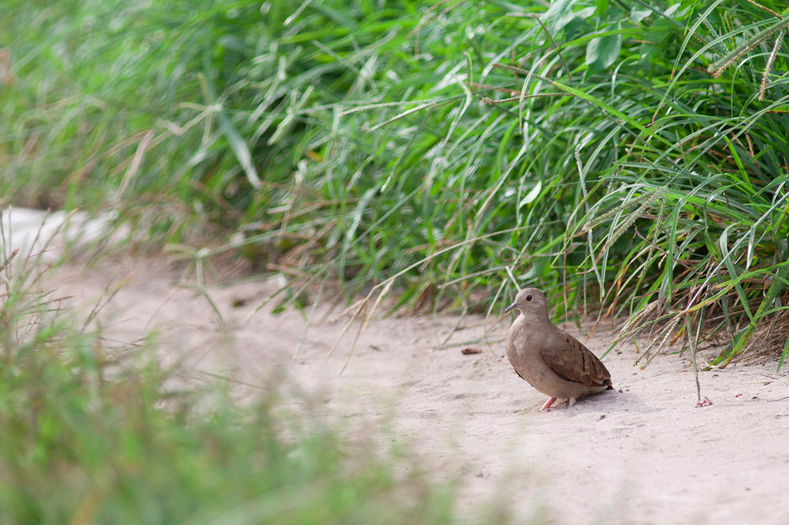
Bird of the Day: Ruddy Ground-Dove – Female (El Cuyo, Mexico)
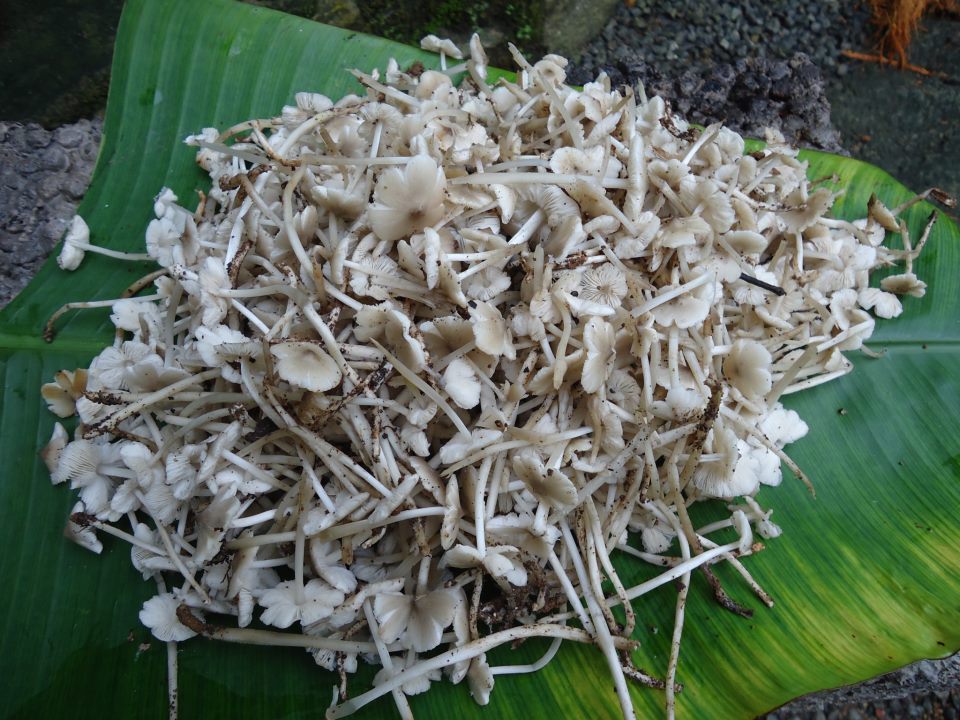
Wild Mushrooms
Mushrooms are found on almost every continent and due to the rich flora of Kerala they usually flourish unattended in the Western Ghats. Wild mushrooms are used for cooking various dishes from curries to dry starters and are relished by vegetarians and non-vegetarians alike. Continue reading
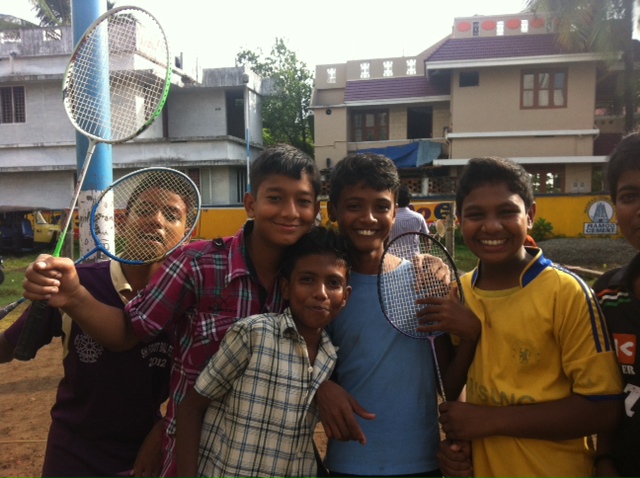
Our Gang, Thevara (Racquets In Hand)
As we post this, collaboration on the badminton court is in full swing; these young friends in our community are Raxa Collective’s best hope for global domination of a sport: the power smile. We are cheering them on in badminton as well. December 23 is a big day, we are told. Stay tuned.
Cockneys in Iceland

The Cockney Tourist, or Where Shall We Go To? © Look and Learn / Peter Jackson Collection / The Bridgeman Art Library
Earlier last week, I completed a working draft of one of my thesis’ chapters. Its subject matter is a bit different from what I’ve been writing about in previous months, because I more closely address trends in travel and travel literature rather than the travellers’ interactions with the environment around them. Here’s an edited (and de-annotated, so comment for further reading) version of the introduction to this chapter:
After the Napoleonic Wars, as continental Europe reopened to British travel during the 1820s, there came to be an exaggerated perception that sightseers were swarming sites of the Grand Tour, previously inaccessible due to both military and socioeconomic barriers. Many aristocratic Britons considered this type of tourist, the mere excursionist, distinct from themselves, the sophisticated travellers more interested in natural history, authentic culture, and exploration. Iceland, with its near-mythical Continue reading
Eco On Journeys Of The Mind
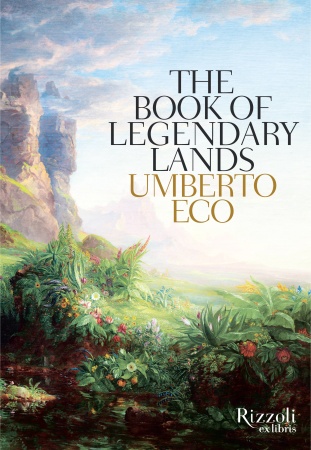
If you are a fan of Umberto Eco, and/or alternative travelogues, this book may be for you. If only the former, you might want to just go here or here. In its blurb for Eco’s new book (click the image to the right to go to the source), the USA publisher Rizzoli Ex Libris has this to say, which make it at least worthwhile to search the book reviews:
A fascinating illustrated tour of the fabled places in literature and folklore that have awed, troubled, and eluded us through the ages. From the epic poets of antiquity to contemporary writers of science fiction, from the authors of the Holy Scriptures to modern raconteurs of fairy tales, writers and storytellers through the ages have invented imaginary Continue reading
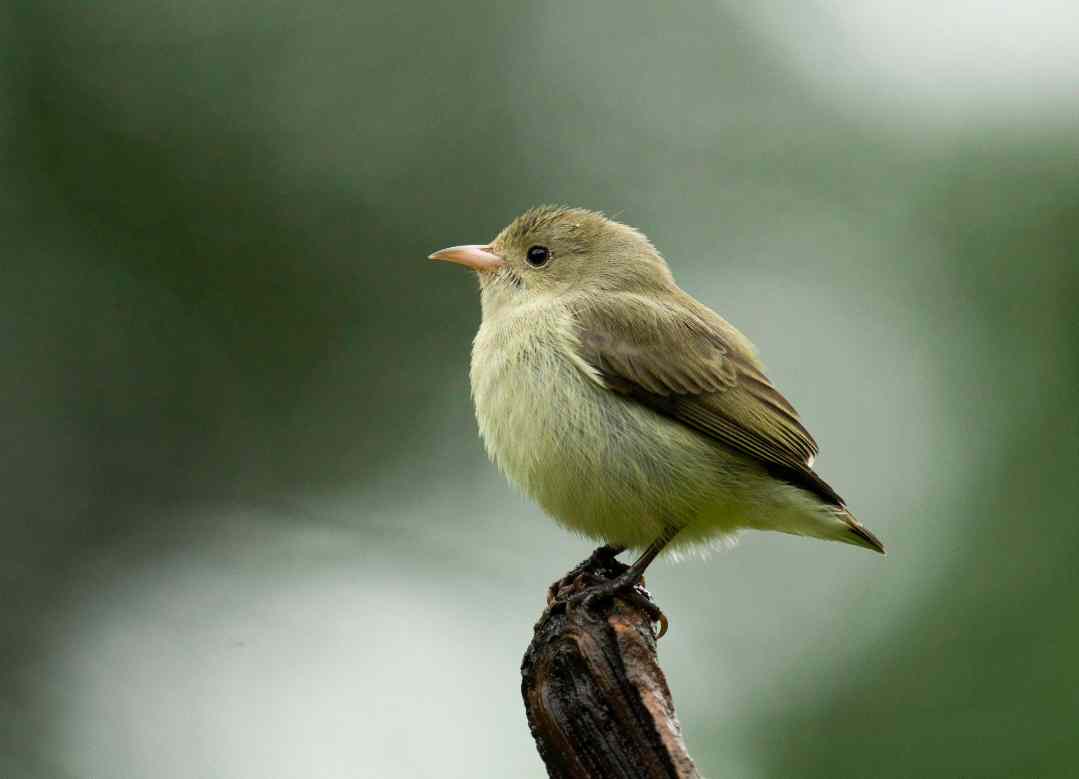
Bird of the Day: Pale-billed Flowerpecker (Dandeli Wildlife Sanctuary, Karnataka)
National Geographic Delivers
Once again, National Geographic delivers mesmerizing high definition captures of nature in its new film documentary “One Life;” always looking out for ways to demonstrate the awe-inspiring power present in the natural world, “One Life” is bursting with unbelievable slow motion shots and incredibly detailed images.