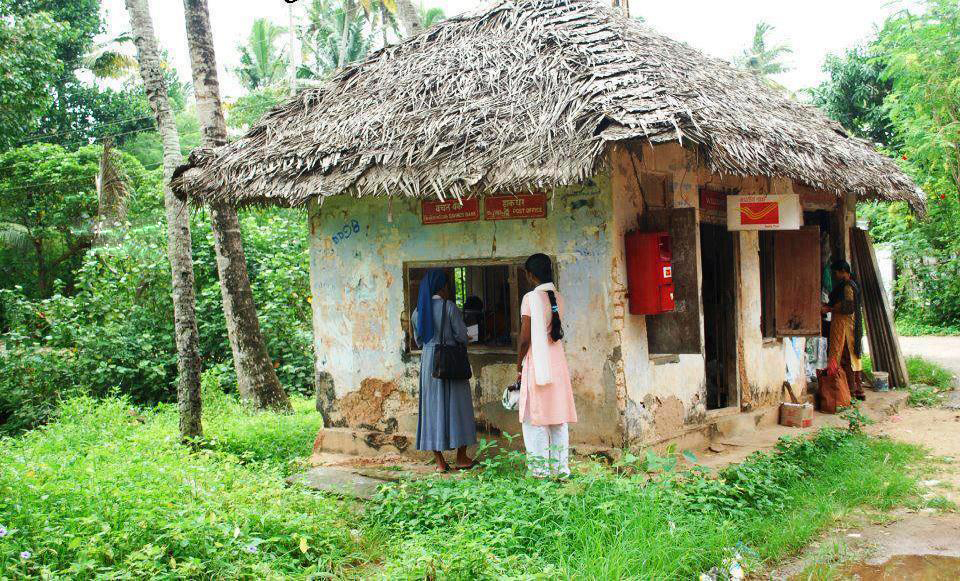
From Behind the Wheel: A Postcard-worthy Post Office

Appam And Egg Roast
Appam is a sort of rice pancake which is usually accompanied with savory curries ranging from meat, fish, egg to vegetarian. This light and tasty dish is commonly eaten for breakfast with Egg Roast, and is the closest one would find to the usual toast and egg in the state of Kerala. Continue reading
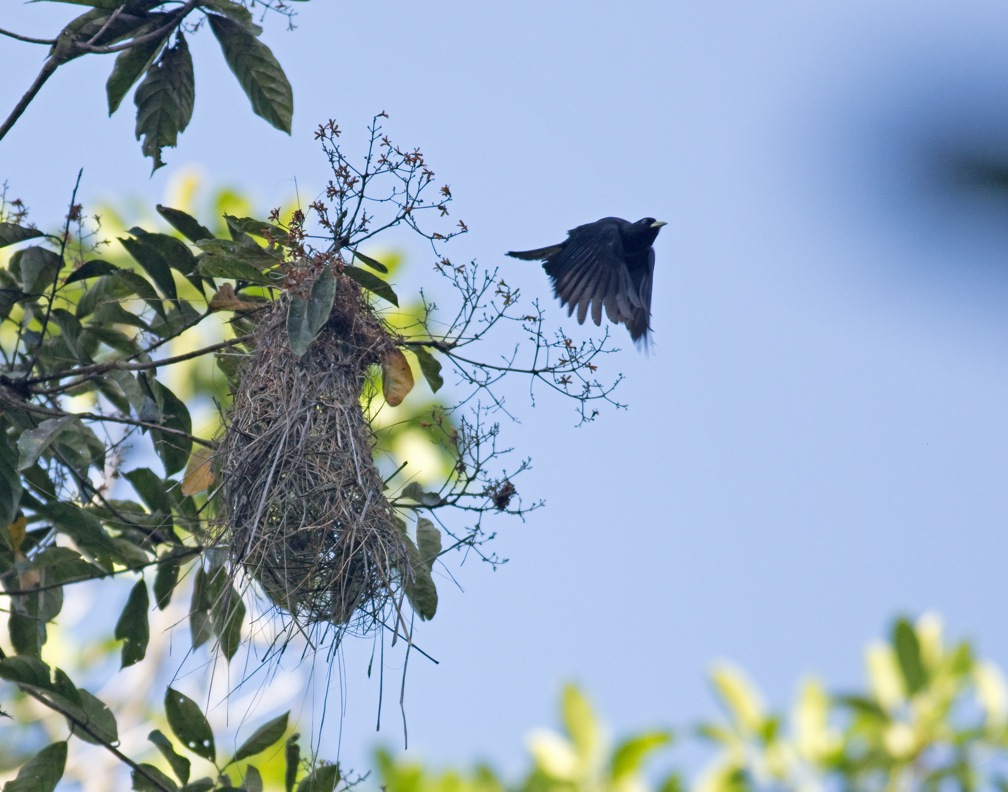
Gamboa, Panama
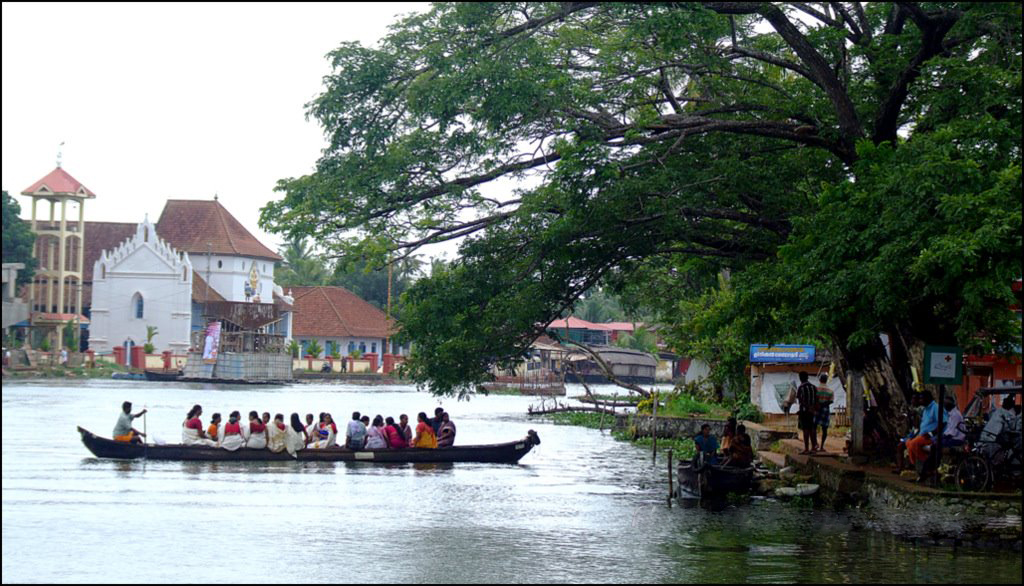
Photo credits: Ramesh Kidangoor
Alleppey, situated at the south-western tip of the Vembanad Lake, is famous for its criss-crossing canals, lakes and lagoons, and is popularly known as the “Venice of the East.” Tourism is its primary industry, which has revitalized the area and given a new charm to the entire district. Continue reading

(A man looks at an antique tribal mask, Tumas Crow Mother, circa 1860-1870, revered as a sacred ritual artifact by the Native American Hopi tribe in Arizona, displayed at the Drouot auction house ahead of its sale in Paris December 9, 2013. REUTERS/Christian Hartmann)
Reuters reports today on a remarkable act by a foundation to restore cultural artifacts, at long last, to their rightful place (click the image above to go to the source):
An American foundation bought nearly two dozen Native American artefacts and will return them to the Hopi tribe in Arizona, which had mounted legal challenges to their planned sale by a French auction house. Continue reading

During travel to national parks and wildlife areas, apart from concentrating on mammals, birds and local fauna, it’s always good to absorb and document the flora and habitat as well. Kanha is a very beautiful park and the habitat is what makes it special. The early morning mist especially provides a lot of opportunities to make creative images. Continue reading
 We are unabashedly in favor of reading, thinking and decision-making in advance of travel, during travel, and after travel. We are also in favor, when the fancy strikes, of just hitting the road without knowing why, where to, or for how long. On our pages you will find posts for either end of the spectrum from meticulously planned to wanderlust journeys. It is about discovery. So this book caught our attention. Nothing to do with hobbits, as reviewed by the Monitor (click the book image to the left to go to the source) it sounds like the perfect prelude, accompaniment or postscript for travel in a part of the world we have not been covering in our pages as much as we maybe should:
…In “The Discovery of Middle Earth,” Robb sets out to establish the momentous contributions made to the arts of cartography and communication by the once-great Celtic peoples, who at various points in history spread all the way from modern-day Turkey to Ireland. In the process, he consults old documents, interviews experts, examines artifacts, and bicycles more than 26,000 kilometers across France, taking his readers along with him… Continue reading

Ek Balam, Mexico
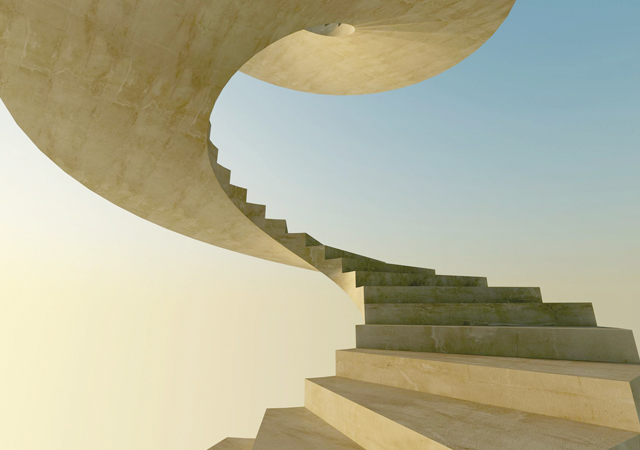
Image ©Maria Kazanova/123rf
They just keep coming, these good reads from Conservation Magazine; this one, thanks to Megan Molteni about how the business of demolition is getting greener (click the image above to go to the source):
The modern age is built upon concrete. Concrete is cheap to make, easy to transport, and highly formable—making it a ubiquitous and universal feature of the developed landscape. But unlike building materials that defined past eras, concrete doesn’t exactly stand up to the test of time. Concrete structures have an expiration date—they can last up to 100 years in some situations, but often much less—after which they need to be demolished and rebuilt. And that process creates a lot of waste. Approximately 200 million tons of waste concrete are generated annually in the U.S. alone. About half of that is recycled, and the rest of it winds up in landfills. But what if that concrete could be given a new life as a filter for runoff? Or what if we could eliminate that waste altogether with a new and smarter way to demolish buildings? Two recent innovations explore these possibilities for a greener concrete afterlife. Continue reading

Photo credits: Ramesh Kidangoor
Palayam Mosque is located in the heart of Trivandrum, the political capital of Kerala. Typical of Kerala’s comfortable blend of religions and cultures, a temple and a church stand in its vicinity. Continue reading
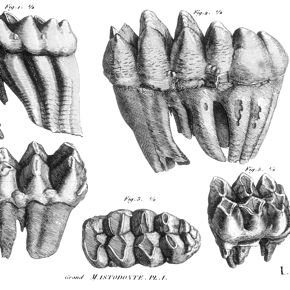 Who knew of such a thing as a calendar specific to the French Revolution? I obviously missed that session in my history education, or have forgotten it; but it is good to be reminded. And the way it is invoked is an almost-missable detail but essential to thinking about how we, in all our wisdom as evolving cultures, rewrite rules in ways that sometimes moves us two steps backward for every step we had already taken forward. From the New Yorker‘s environment-focused writer, a superb new look at the earth’s history from the unexpected perspective of teeth:
ANNALS OF EXTINCTION PART ONE
THE LOST WORLD
The mastodon’s molars.
DECEMBER 16, 2013
On April 4, 1796—or, according to the French Revolutionary calendar in use at the time, 15 Germinal, Year IV—Jean-Léopold-Nicholas-Frédéric Cuvier, known, after a brother who had died, simply as Georges, delivered his first public lecture at the National Institute of Science and Arts, in Paris. Cuvier, who was twenty-six, had arrived in the city a year earlier, shortly after the end of the Reign of Terror. Continue reading
We’ve noted before how local cuisine helps to define local culture. From the regional to the national people are proud of their food ways.
We love these literal examples !
Hampi, Karnataka
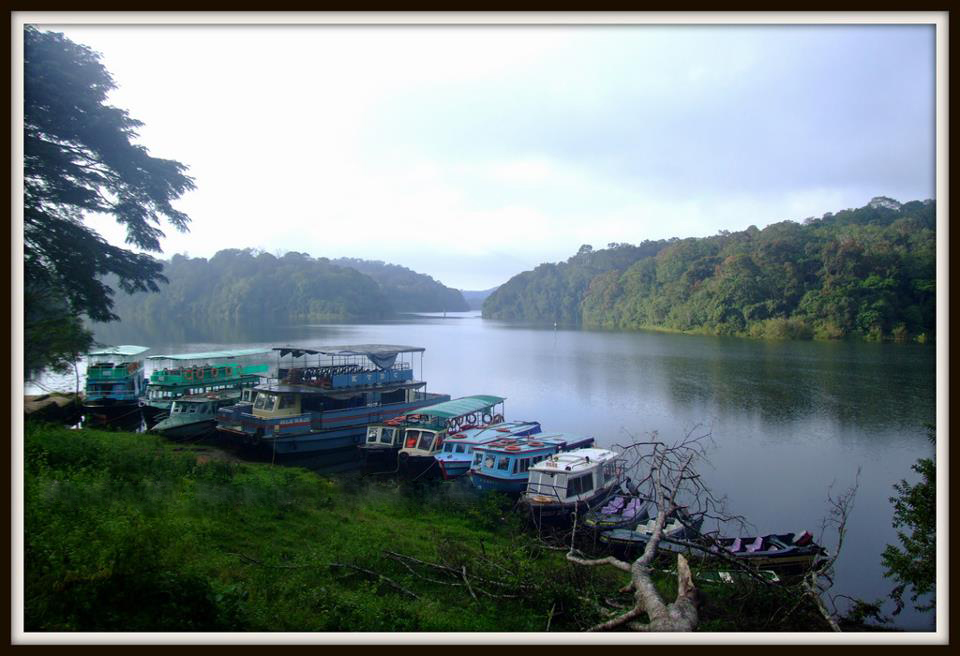
Photo credits: Ramesh Kidangoor
Kumily is a plantation town, closely associated with Thekkady, the home of Kerala’s first promotion of environmental tourism. Both Thekkady and Kumily are situated in the Periyar Valley, making them a convenient base to explore the beauty of Periyar Tiger Reserve. Continue reading

Thanks again to Roberto Kwok and her contributions to the Conservation This Week feature in Conservation Magazine, which recently carried this story:
ECO-LABEL MAKES COFFEE TASTE BETTER
December 5, 2013
Mmm, that environmentally-friendly coffee tastes good. Or does it? According to a study in PLOS ONE, people presented with two cups of coffee are more likely to prefer the taste of the eco-labelled one — even if the brews are in fact identical. Continue reading

Photograph by Chip Somodevilla/Getty.
We stay away from politics as much as possible, but on occasion it is a topic we cannot avoid if we want to stay tuned to important environmental issues. Keystone XL is one we have been following from various angles in the last year or so. Here is some hopeful news about the future of this issue, especially if you know something about politics in the USA (click the image above to go to the source):
Shortly after the 2012 election, John Podesta was invited to speak at a board meeting of the American Petroleum Institute. Podesta is an outspoken environmentalist who served as Bill Clinton’s White House chief of staff and then founded the Center for American Progress, an influential liberal think tank. A.P.I. represents the interests of the oil-and-gas industry. Continue reading

Rocky Mountain National Park, CO
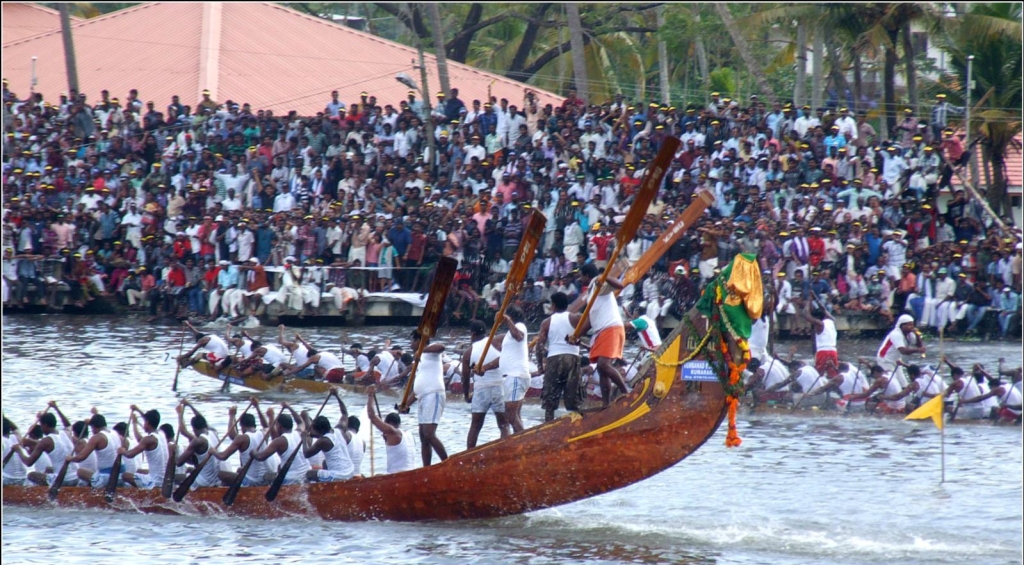
Photo credits: Ramesh Kidangoor
The tranquil backwaters of Kerala turn into a sports arena once every year as more than a dozen snake boats, some manned by 100- 125 oarsmen, fiercely compete with each other in the boat races called “Vallamkali”. Vallamkali are an integral part of the history and culture of the people of Kerala. Continue reading
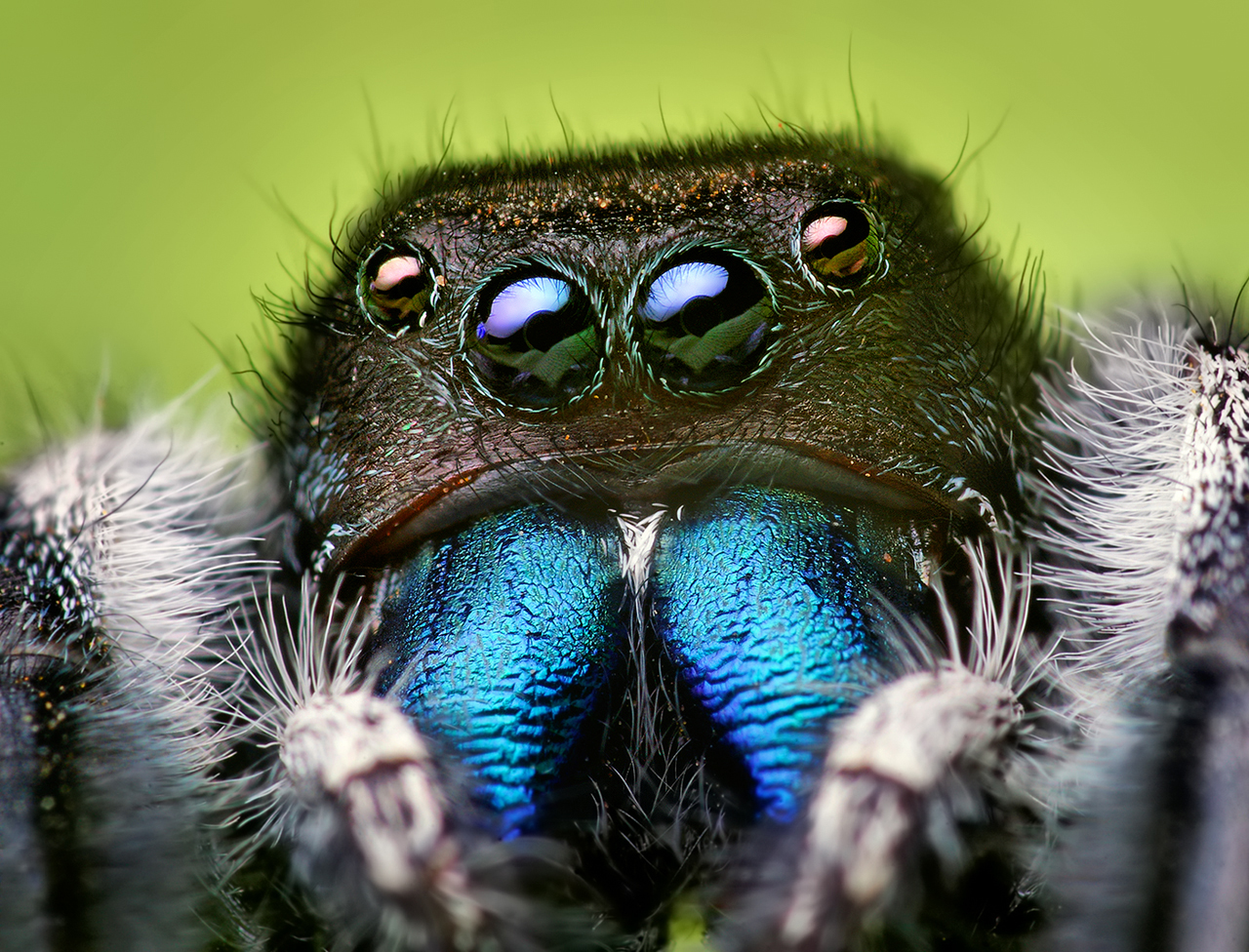
Image Courtesy: http://en.wikipedia.org
Salticidae, better known as jumping spiders, are a curious family of spider that comprises ~13% of the order. They are best known for their two large anterior median eyes flanked by a smaller set, giving them exquisite vision, as well as their ability to jump distances many times the length of their own bodies. Their unmistakable body structure, most notably the enlarged cephalothorax, makes them an easily recognizable family; and due to their reliance on vision to hunt prey, Salticidae are primarily diurnal hunters.
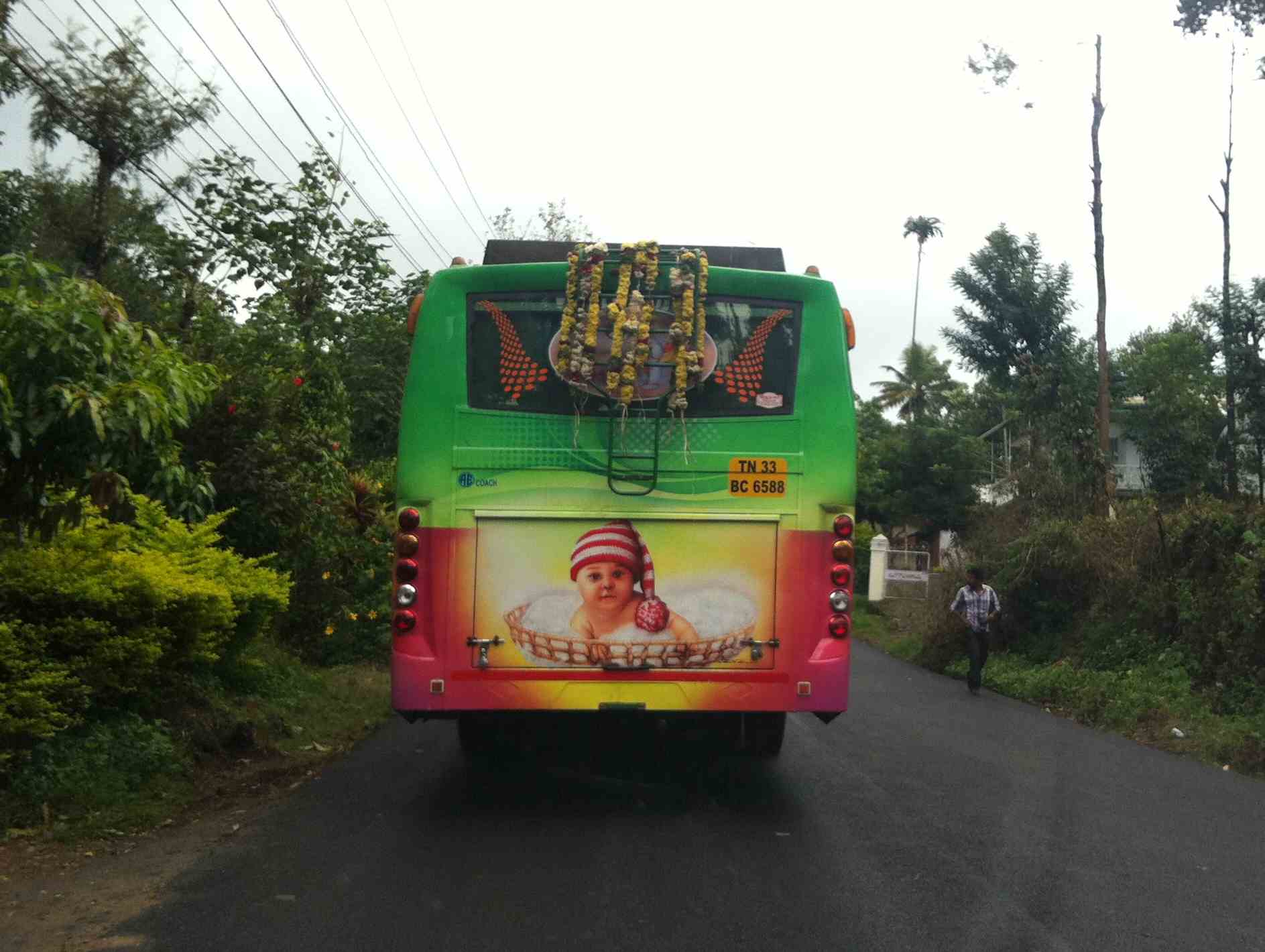
Idukki District near Sabarimila
Fro
 Organikos