
Pawnee National Grassland, CO
Pawnee National Grassland, CO
For those of us (and there is more than one of us among Raxa Collective contributors to this blog) who took advanced literature courses during high school in the 1970s, when Samuel Beckett was still writing and directing, this post on the New Yorker‘s website is a thrill. Beckett was taught in a manner that made him seem to a teenager like a contemporary Shakespeare. We had no images of him to know how amazing his face was, nor any details of his life until a biography that came out after his passing. So, we appreciate this:
In this week’s issue of the magazine, Hilton Als reviews the current production of Samuel Beckett’s “Waiting for Godot,” directed by Sean Mathias, at the Cort Theatre.
In contrast to the minimalism of his plays, Beckett himself led a rich life. An Irishman in Paris, he met James Joyce in the nineteen-twenties, and the author took Beckett under his wing as a research assistant for a book that eventually became “Finnegans Wake.”

Argyreia nervosa
Native to India, Silky Elephant Glory is a large woody, perennial climber with heart shaped leaves with silky silver undersides–both he leaves and roots are used in traditional medicine.

Kuni Takahashi for The New York Times. Sampling the product at York Winery.
Thanks to India Ink for bringing our attention to a story about our neighborhood, broadly defined:
Cultivating a Wine Region in India | “In India, where whiskey is the alcoholic drink of choice and teetotalers exist by the legions, a wine culture has been almost nonexistent,” Shivani Vora wrote in The New York Times. Continue reading


Photo credits: Ramesh Kidangoor
The Siva Temple in Ettumanoor is a huge temple with excellent woodcarvings and 16th century murals depicting deeds of Krishna and scenes from The Ramanaya. Another added attraction is the mural depicting Lord Shiva performing his cosmic tandava dance. Continue reading
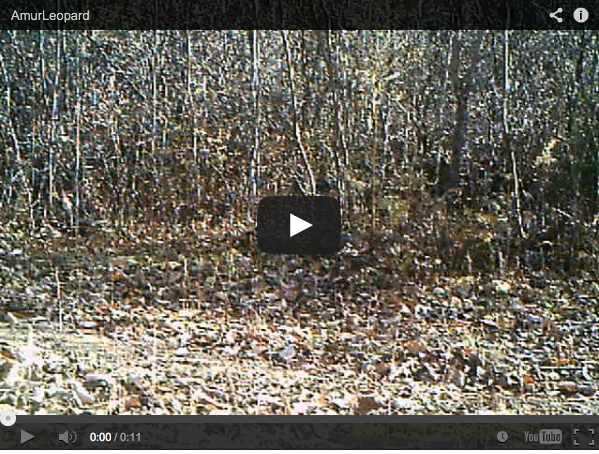
The following was contributed by Dr. Jason G. Goldman to Scientific American‘s blog. The author received his Ph.D. in Developmental Psychology at the University of Southern California, so when we read his views on camera traps, a subject that we have posted on as often as possible, we can feel confident that his scientific perspective is a worthy one:
…Maybe it’s because camera traps offer up a rare opportunity to catch a glimpse of nature on its own, undisturbed by our species. It’s a romantic notion, isn’t it? Nature untouched. It’s foolish to think that humans exist apart from nature; we are but one species in a massive tree of life. As in physics, so too in wildlife biology. Continue reading

A Goa Sunset. Image Courtesy: http://howanxious.wordpress.com
As a young, avid and ferocious consumer of music dabbling in amateur production, this post has been a long time coming. No doubt everybody has their individual preferences when it comes to music, and I don’t want to be that person with the single-minded elitist views on what someone should or should not listen to (for the record my favorite band is The Doors), because I’m not. I love trance music, it’s melodic, it’s uplifting, it’s beautiful, it makes people dance, it has great history, and when it’s done right it can be very emotional.
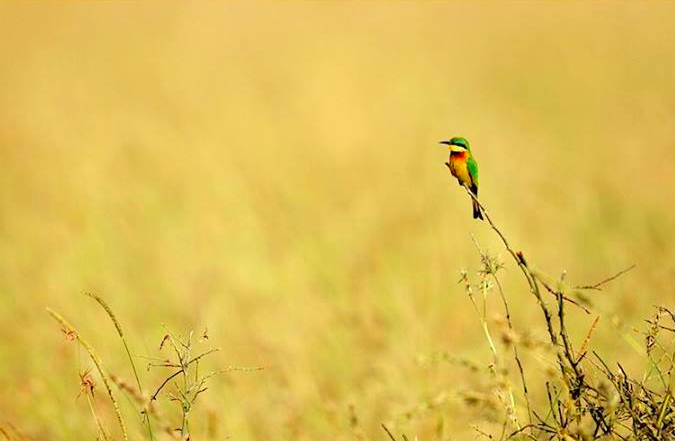

All photos courtesy of the AKTC
We’d been living in Kerala for 6 months before we traveled back to the U.S. via Delhi in order to update our visas. Having only experienced the sights in my “southern home” up until that point, we scheduled our flight to allow for a Delhi city tour, and Humayun’s Tomb was the first item on the agenda.Unluckily for us the “Travel Gods” were not favoring us, and between flight delays and Delhi traffic we reached the gates of the tomb compound at 5:58pm, just in time for us to see the guard saunter over to lock them for the night. I was seriously disappointed, but I’ve since learned that perhaps those aforementioned gods were looking after our best interest after all. Continue reading
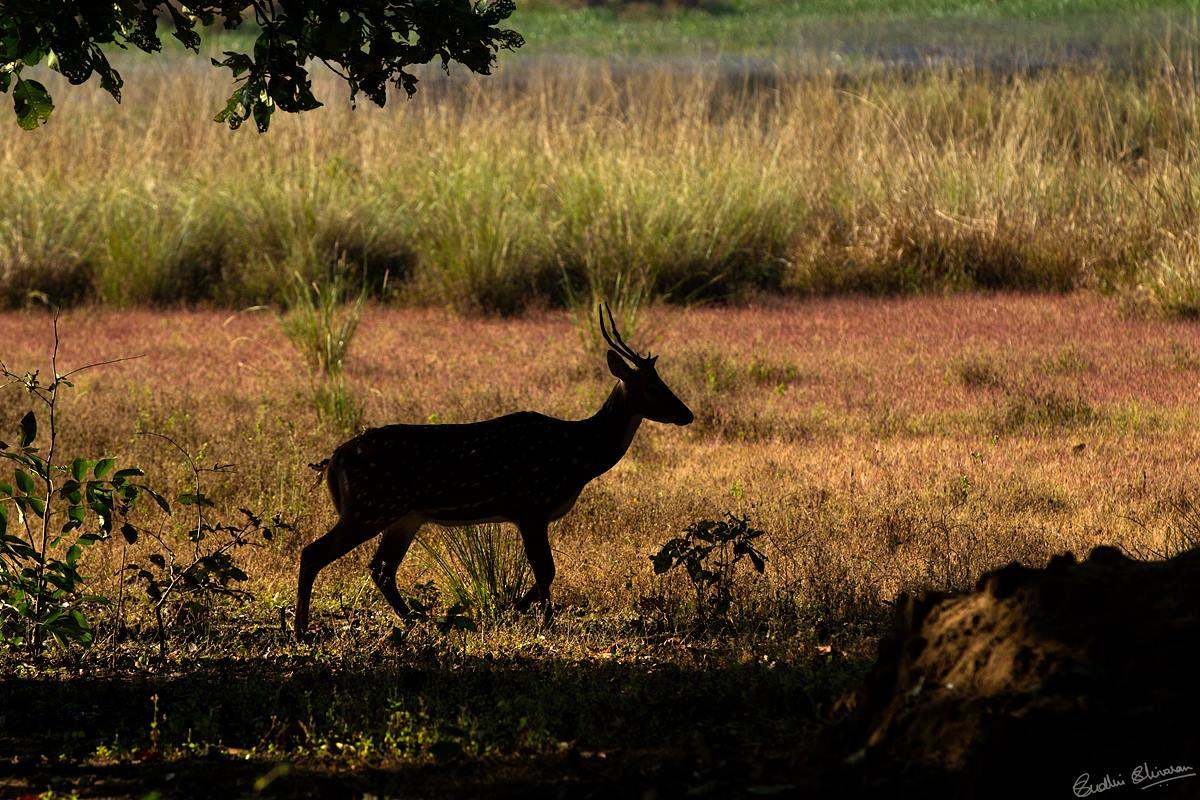
As I scan through the various images photographed at Kanha National Park, I found this one interesting as it takes a simple subject but presents it in an unexpected way. I’ve said many times that tigers aren’t the only subjects in the Indian wilds. Kanha is such a beautiful place that it’s not difficult to make creative images of more commonly sighted wildlife subjects. Continue reading

Photo credits: Ramesh Kidangoor
Kerala has an extensive network of waterways that lace the interior coastline from north to south. For visitors the backwaters of spell relaxation–people can’t help but unwind as they enjoy the blue waters of the canals and the verdant shade on the banks . Continue reading

Los Quetzales, Panama
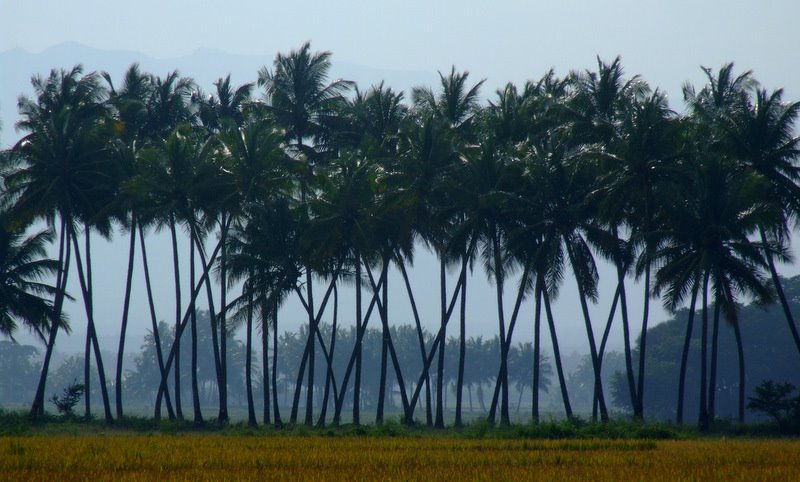
Photo credits: Ramesh Kidangoor
Kerala literally means the “land of Coconut” and is one of the leading producers of coconut in the world. Coconut trees are an integral part of the lifestyle and the economy of the state, and because of the numerous products and by-products derived from its various parts coconut is known as the “Tree Of Life”. Continue reading
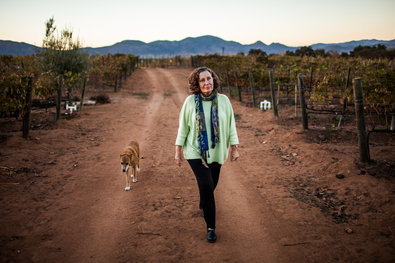
Max Whittaker for The New York Times
Natalia Badán, a winery owner and longtime resident of the Guadalupe Valley, called a zoning change “an aggression.”
If you have ever swung a golf club, in earnest, on a challenging hole somewhere on a beautifully crafted course, you might agree: the game is good for the soul. But there is such thing as too much of a good thing:
A Rustic Paradise, Open for Development
By DAMIEN CAVE Continue reading
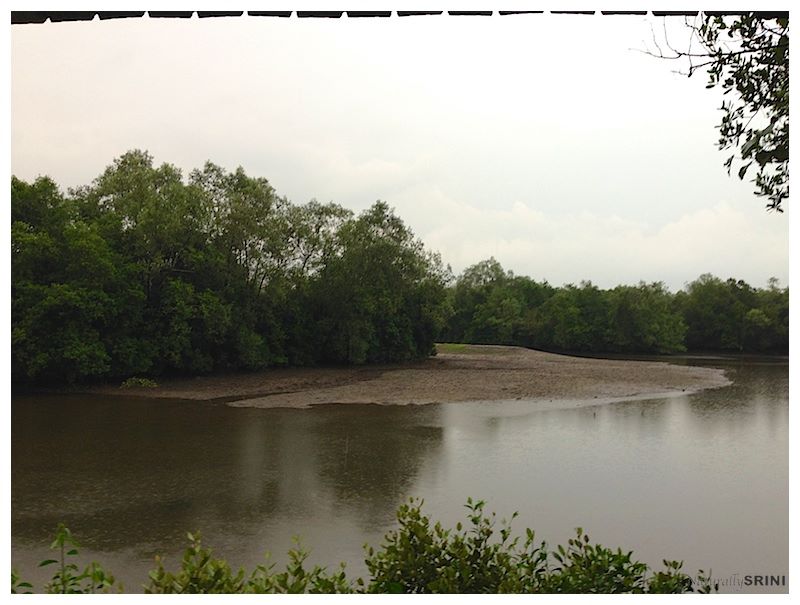
Eye-view at 4.1mm taken on the iPhone
On a recent trip to Singapore I visited the Sungei Buloh Wetland Reserve to photograph the wildlife there. Singapore had experienced an unusually heavy storm that afternoon and I was wondering if my trip all the way to to the reserve was going to be a waste. Just as I was about to leave (it was getting dark and frankly, a bit lonely/scary), I saw a slight movement in the leaves, far away. Continue reading

Doug McLean
It was just recently when we started noticing it on the Atlantic‘s website, and needed some time to determine the fit with our blog:
By Heart is a series in which authors share and discuss their all-time favorite passages in literature.
It took this one to make us realize the fit:
Jonathan Franzen on the 19th-Century Writer Behind His Internet Skepticism
His new book translates works by Karl Kraus, whose misgivings toward progress mirror Franzen’s belief that technology can be “very harmful” to artistic production.JOE FASSLER OCT 1 2013, 3:43 PM ET
We have several times linked to stories involving Franzen, and there is no question that it is in part because of his bird-loving devotions; but it is not only that. We put ourselves in his corner a few months ago and there are plenty of paradoxes in this corner but read this to appreciate the depth of Franzen’s sense of purpose related to technology, starting with Joe Fassler’s excellent commentary:
Karl Kraus, the Austrian satirist, playwright, and critic of the mass media, was born in 1874 and ran the magazine Die Fackel (“The Torch”) from 1899 until his death. And according to novelist Jonathan Franzen, he was the first-ever iteration of what we might now call a media theorist. Continue reading
A few weeks ago I joined the RAXA Collective team and have been spending time familiarizing myself with all the properties. The last location to visit was Thekkady.
As a child, I have frequently travelled to Poonjar, my grandpa’s place; each vacation was spent there until about 25 years back. That’s a long time!! Those then remained distant memories until yesterday when I had the chance to travel through the same route. Kaduthuruthy, Pala, Erattupetta, Bharananganam and St. Alphonsa’s Church were familiar small towns which I passed on my way to Cardamom County, Thekkady. Nostalgia and a sense of loss (as both my grandparents have passed) is what I felt and if time had permitted, I would have definitely convinced Amie to drop in at Poonjar for a few minutes – it was only a 5km detour….
I have a lot of places to cover in Kerala before even I think of exploring other destinations. The small coffee shop placed on a small hill which had a magnificent view to the valley and a majestic water fall was the highlights of the journey.
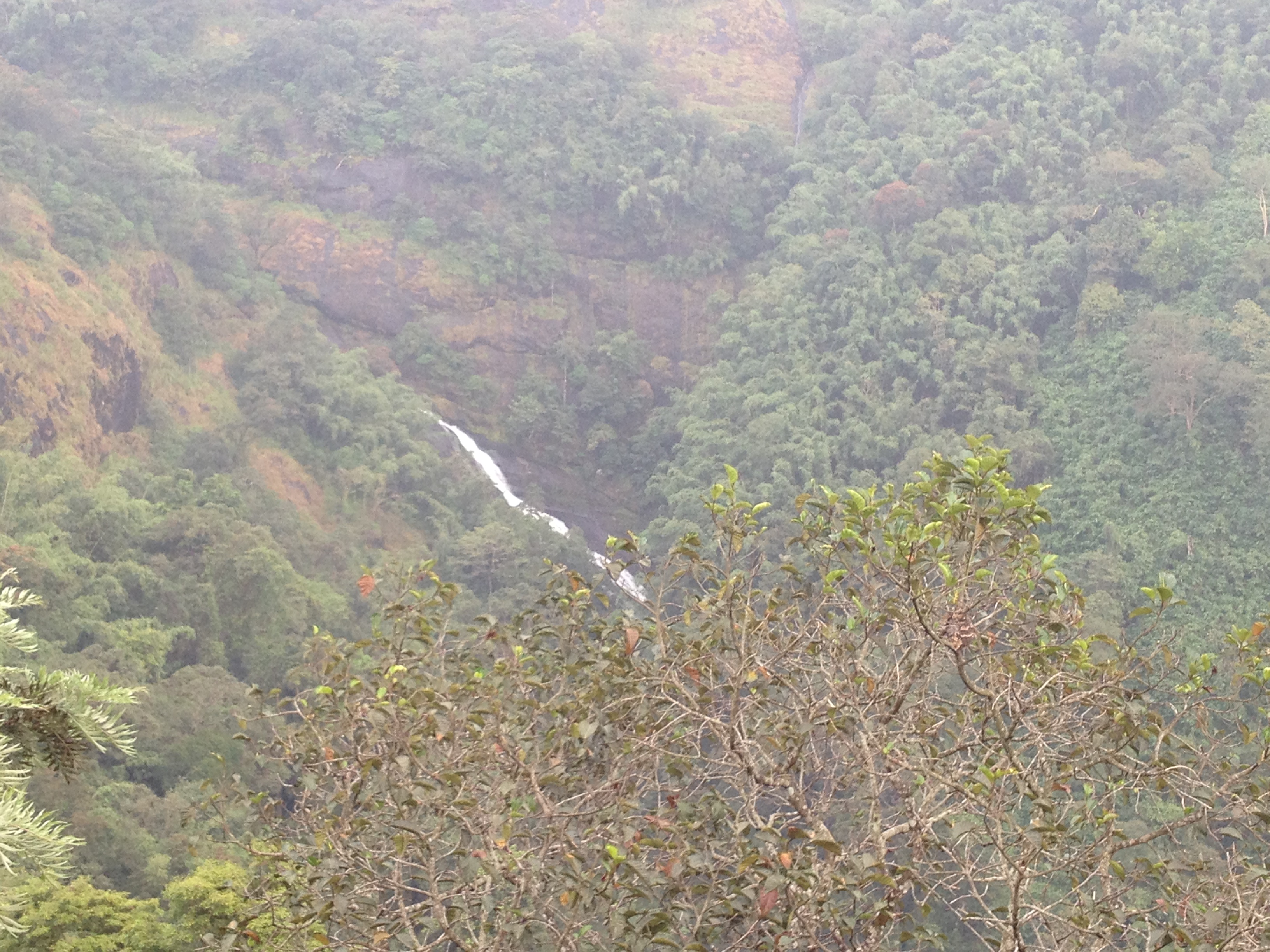
After a longish car drive, the yellow lights alongside the Cardamom County garden and the warm ‘garland’ welcome which I received from the staff was quite refreshing. I immediately concluded that I was going to have a whale of a time, even though the trip was official. Continue reading

LEFT, COURTESY OF TIM JENISON.
Left, Tim Jenison, with part of the optical apparatus he created above him, at work in his San Antonio studio. Right, Vermeer’s The Music Lesson, the painting Jenison chose to re-create.
Thanks to Kurt Andersen and a magazine we do not normally scan (but maybe we should; click the image above to go to the source):
In the history of art, Johannes Vermeer is almost as mysterious and unfathomable as Shakespeare in literature, like a character in a novel. Accepted into his local Dutch painters’ guild in 1653, at age 21, with no recorded training as an apprentice, he promptly begins painting masterful, singular, uncannily realistic pictures of light-filled rooms and ethereal young women. After his death, at 43, he and his minuscule oeuvre slip into obscurity for two centuries. Then, just as photography is making highly realistic painting seem pointless, the photorealistic “Sphinx of Delft” is rediscovered and his pictures are suddenly deemed valuable. By the time of the first big American show of Vermeer paintings—at the Metropolitan Museum of Art, in 1909—their value has increased another hundred times, by the 1920s ten times that. Continue reading
 Organikos