Drink the Wild Air

“Live in the sunshine, swim the sea, drink the wild air.” Alejandra Benavides/conCIENCIA

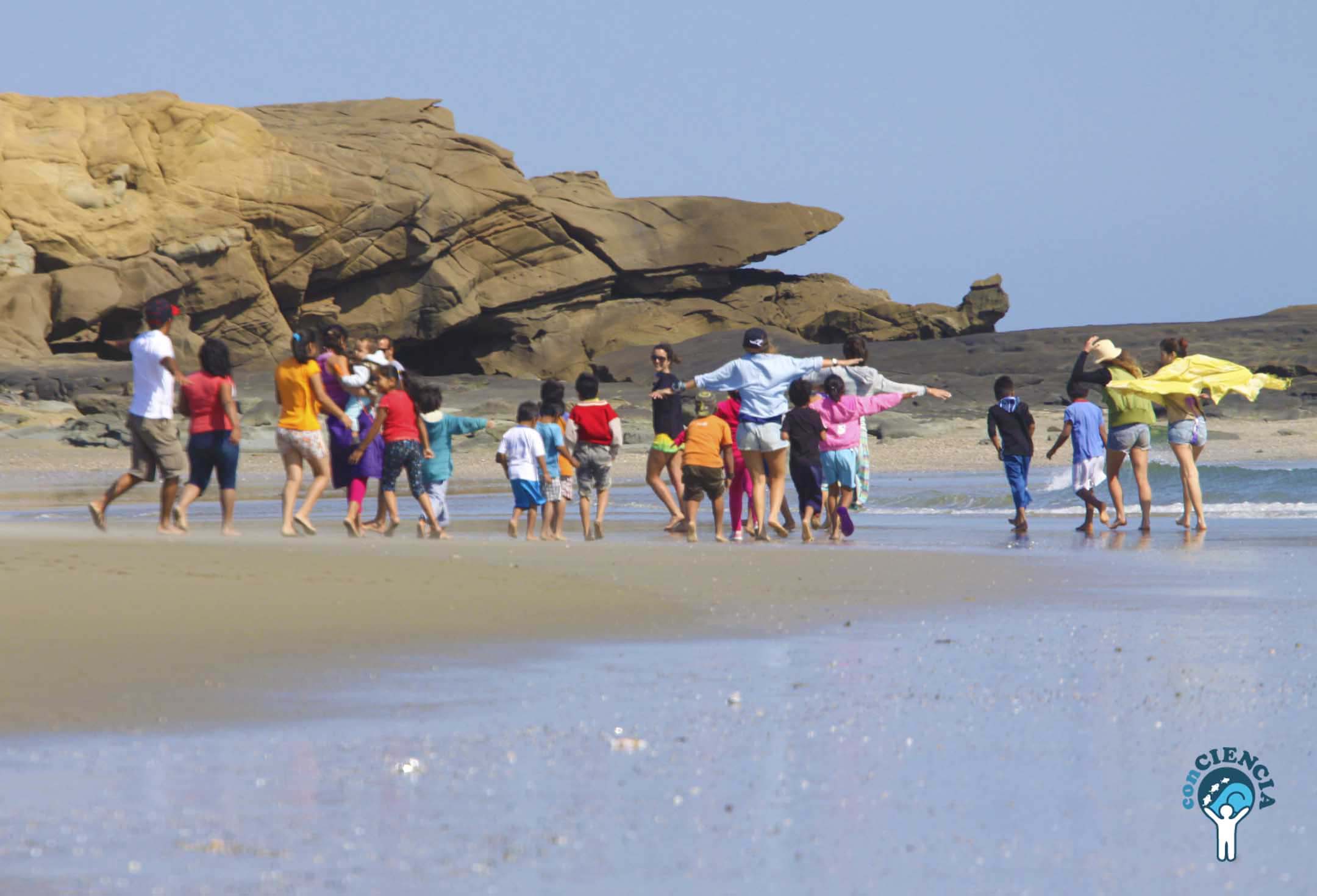
Working for the balance and health of nature as a conservation biologist brought me to understand the importance of nature in the balance and health of communities. The great gap between the two inspired me to establish conCIENCIA, a nature-based education design program. We build environmental identity in fishing villages across Peru through nature-based integrated learning guided by play, creativity, curiosity and the senses.
As First Mermaid in conCIENCIA, I work with an amazing group of artists and scientist, to connect coastal children to the natural wonderland, since 2010.

Lobitos has some of the most beautiful beaches on the Peruvian coast. Its world-class surfing draws hundreds of surfers from all over the planet and is known far and wide. A lesser-known fact is that it also has 153 children enrolled in its elementary school. Walking down the beach we wonder where these kids are. We walk from point to point with not one in sight. There’s no laughter or splashing on the shores. Surfers and fishermen dominate our view. No mothers and children sharing the democratic fun the beach offers: a place with more attractions than we could ever finish exploring.

In Latin American cities like Rio de Janeiro it is on the beach that rich and poor meet, crossing the giant social chasm that separates them, virtually identical in their bathing suits, covered in sand, sweat and salt. Surprisingly, this doesn’t seem to be the case in many of Peru’s coastal towns. Exactly why is hard to say. Our NGO conCIENCIA helps coastal communities develop an environmental identity and engagement through outdoor science-based learning. We hope to be able to answer the question ‘why’ through surveys, conversation and appreciation.

On the surface one could say it is cultural.  Fishermen don’t bathe in the sea or lounge on the beach. This is their place of work, as for a New Yorker her office would be–of course, with greater hardships and demands. The sea is treacherous and fish stock is dwindling. Continue reading

Tackling Tough Topics

Author Vaclav Smil tackles the big problems facing America and the world.   Andreas Laszlo Konrath

Author Vaclav Smil tackles the big problems facing America and the world. Andreas Laszlo Konrath

Thanks to this interview in Wired magazine (click the image above to go to the source) we hear a bit about the craft of a thinker-writer’s approach to major economic, environmental and technological puzzles, one book at a time, but at an amazing pace:

You’ve written over 30 books and published three this year alone. How do you do it?

Hemingway knew the secret. I mean, he was a lush and a bad man in many ways, but he knew the secret. You get up and, first thing in the morning, you do your 500 words. Do it every day and you’ve got a book in eight or nine months.

What draws you to such big, all-encompassing subjects?

I saw how the university life goes, both in Europe and then in the US. I was at Penn State, and I was just aghast, because everyone was what I call drillers of deeper wells. These academics sit at the bottom of a deep well and they look up and see a sliver of the sky. They know everything about that little sliver of sky and nothing else. I scan all my horizons. Continue reading

Beauty of Munnar Tea Plantations

Photo credits:Ramesh Kidangoor

Photo credits: Ramesh Kidangoor

Located above 1700 meters Munnar was the summer residence of the British administration of South India.The British recognized the potential of tea and started planting on about 580 square kilometers of land. Now famous for its tea plantations, Munnar retains its colonial charm with sprawling estates, rolling hills , sparkling waterfalls undulating valleys and hamlets. Continue reading

Our Gang, Thevara (Future Houseboat Craftsman)

This slideshow requires JavaScript.

Our young friends in the neighborhood were recently trying their hand at the design and mock up of a new houseboat. The parents of most of the children in the Our Gang, Thevara series are fishermen and fish___ (if you know the name for wives who clean and process the fish for sale, please comment). Most build and maintain their own simple boats.  Kids follow in their footsteps, traditionally, but this being Kerala our neighborhood gang is also getting a superb education at their local public school.  Some will leave the fishing and boat-making to siblings and cousins.  Some will become boat designers, we imagine. Continue reading

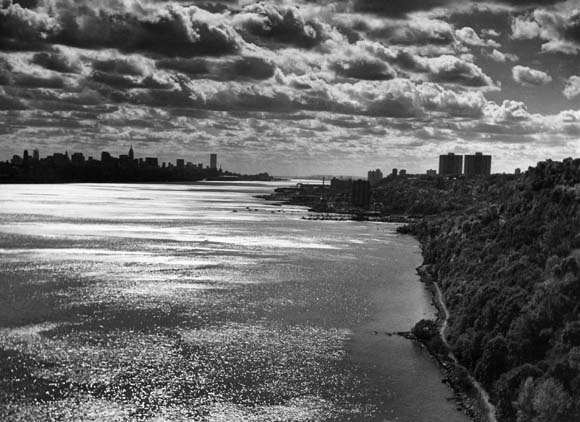
The River Project, A Template From New York Ready For Replication

Photograph by Peter Keegan/Keystone/Getty.

Photograph by Peter Keegan/Keystone/Getty.

The news in this New Yorker website blog post is the short and sweet specialty we most enjoy:

On a recent Wednesday that felt like the first of winter, about a hundred and fifty children—mostly under seven—and their parents gathered at Pier 40, over at West Street and Houston. Their mission: to thank for their service the numerous small riverine creatures that have whispered their secrets to the kids since last spring, and liberate them. The River Project’s tanks needed to be drained and emptied for winter. Ergo, fishy freedom. Continue reading

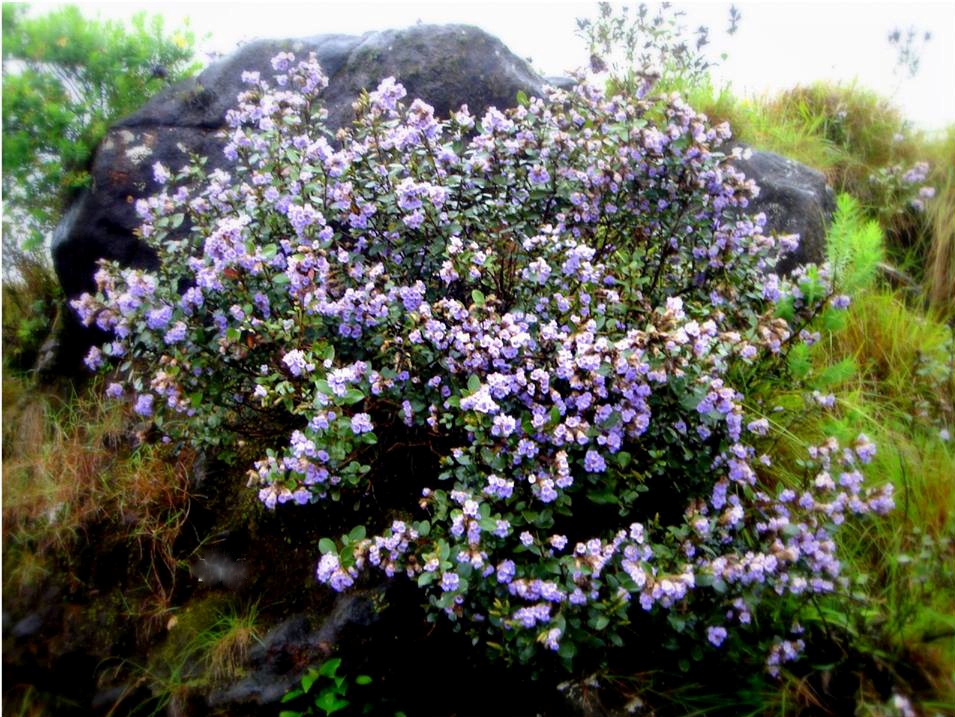
Neela Kurinji Flower

Strobilanthes kunthiana

Strobilanthes kunthiana

Neela Kurinji is a blue bell-shaped flower found on the hilly slopes of the Western Ghats at an altitude between 6000 and 7000 feet. The unique feature of this tall bushy shrub is that it blooms only once in 12 years. Eravikulam National Park is famous for the flower, which will next bloom in 2018. Continue reading

Designing With Imperfection In Mind


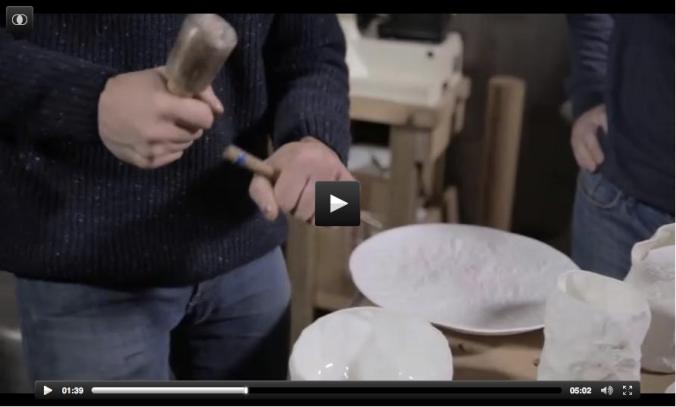
Raxa Collective’s social enterprise initiatives, its entrepreneurial conservation projects, its hospitality services–pretty much anything we do can approach perfection on a great day but we are always mindful of being human.  We are competitive but never boast. Humility is important. We strive for design excellence but know that beauty is in the eye of the beholder. So, we emphasize our commitment to artisan ethos. Spend five minutes with the designer in this video (click above to go to the Guardian’s website where the video is based) to see and hear someone in a completely different field whose views we can very much relate to.  Go here to read what he says about it and to see the entire collection:

Crockery
Fine bone china tableware. Made in Staffordshire, England.

A collection of fine bone china tableware slip-cast from plaster models carved by hand, with glazed interior for functionality and raw exterior reflecting the modest surface texture of the plaster original. Continue reading

Thanks For The First Book Press-Printed In The New World

Photograph by Emmanuel Dunand/AFP/Getty.

Photograph by Emmanuel Dunand/AFP/Getty.

If you are familiar with the history of the place now called the United States of America, you may be familiar with the role religious pilgrims played in the early settlement of the northeastern region of what is now that country (and what before that was the home of people who lived a very different life from the pilgrims before those pilgrims arrived, and a radically changed life after). Now, if you are a more ambitious follower of that history, you may know when the first printing press was brought to the New World, and by whom. And in that case, you likely also know what book was first published. Fitting that today, when Thanksgiving Day is celebrated in the USA, news of that first book is in front of us thanks to Casey Cep and the New Yorker‘s ever resourceful and innovative website:

Today, Sotheby’s will auction a copy of the first English-language book printed in America. “The Whole Booke of Psalmes,” or the Bay Psalm Book, as it is now known, is expected to sell for between fifteen and thirty million dollars, which would make it the most expensive book in the world. Continue reading

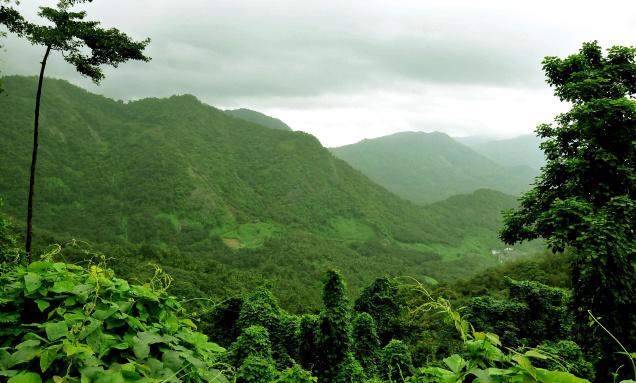
Parambikulam Wildlife Sanctuary

Photo credits; Renjith K Thomas

Photo credits: Renjith K Thomas

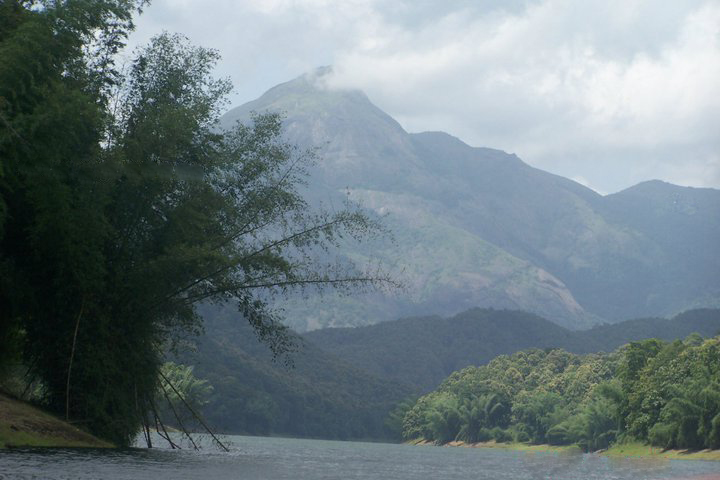
Parambikulam Wildlife Sanctuary lies in the Western Ghats nestled between the Anamalai Ranges of Tamil Nadu and the Nelliyampathi Ranges of Kerala. Spread across 277 sq km, the sanctuary is a heaven of tranquil greenery as well as the first scientifically managed teak plantation. Blessed with rich flora and fauna, Parambikkulam is a paradise for wildlife enthusiasts. Continue reading

Thanks For Your Notes, Tom

Mark Seliger/Little, Brown and Company, via Associated Press

Mark Seliger/Little, Brown and Company, via Associated Press

When we read a great book, we get transported into a world of the author’s creation. We are not expected, nor do we normally want, to think about what went into that creation.  Literary critics, perhaps, but not we lay readers. One exception to this general rule is when a writer comes along and changes things with his or her style of writing.  Then, we might be curious about the craft itself. We have posted on this topic from time to time for various reasons related to Raxa Collective’s commitment to written documentation of our experiences. Today, one such craftsman has decided to share his craft (at a wow price, for both him and the recipient, we note). A few excerpts about this news as reported in the New York Times:

…But now, Mr. Wolfe is about to be enshrined in one of the city’s most august institutions, thanks to the sale of his archives to the New York Public Library. Continue reading

Dealing with Invasive Species One Holiday Table at a Time

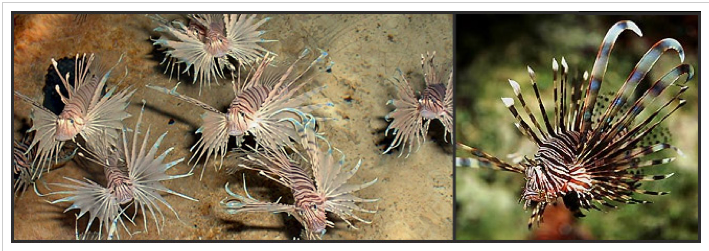
Lionfish (also known as turkeyfish) have venomous spines that can be very painful Photo: NOAA

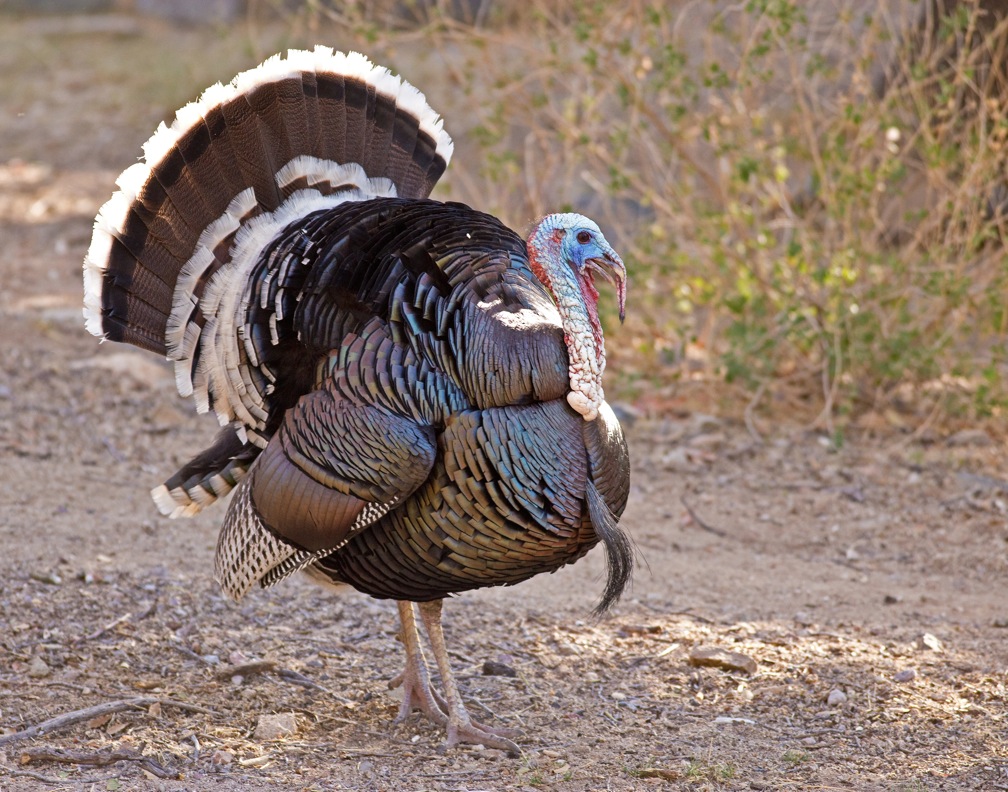
When I was growing up a common Thanksgiving holiday decoration included a colored paper turkey formed by a tracing of my hand, the fingers forming turkey feathers. While that memory might seem out of left field it makes more sense when you start looking at photos of turkeys parading around a barnyard alongside the many lion fish photos we’ve been publishing in our Citizen Science in Belize series.

This NOAA article about lion fish, or turkey fish as they’re imaginatively calling it, is a perfect “if you can’t beat’em, eat ’em” extension. Continue reading

Vegan Viewpoint

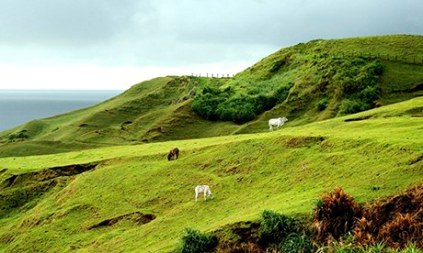
'By preventing the growth of trees and other deep vegetation in the hills, and by compacting the soil, grazing animals cause a cycle of flash floods and drought.' Photograph: Farley Baricuatro (www./Getty Images/Flickr RF)

‘By preventing the growth of trees and other deep vegetation in the hills, and by compacting the soil, grazing animals cause a cycle of flash floods and drought.’ Photograph: Farley Baricuatro (www./Getty Images/Flickr RF)

One of the editorialists at the Guardian whom we read for an unflinching environmentalist perspective, today on veganism:

He did it quietly, and the decision is the better for that: Al Gore, according to reports in the US press, has gone vegan.

Certain things could be said about other aspects of his lifestyle: his enormous houses and occasional use of private jets, for example. While we can’t demand that everyone who espouses green causes should live like a Jain monk, I think we can ask that they don’t live like Al Gore. He’s a brilliant campaigner, but I find the disjunction between the restraint he advocates and the size of his ecological footprint disorienting.

So saying, if he is managing to sustain his vegan diet, in this respect he puts most of us to shame. I tried it for 18 months and almost faded away.  Continue reading

Western Ghats Ecosystem Must Be Protected, But Humans Will Be Humans

The Hindu

Local farmers in the Western Ghats, like their counterparts everywhere, generally want to be unencumbered to do what farmers do. Any given morning we wake up feeling complete solidarity with farmers. Full stop. We wake up every day looking for opportunities to support conservation where we live and work. Full stop. Currently, one such region where we work, known as the Western Ghats in southern India, is wrestling with the challenge of letting farmers be farmers while also allowing the ecosystem–one of those rare places worthy of being called a biodiversity hotspot–to continue to be the ecosystem.  Sometimes, farmers and ecosystems do not get along well. We thank the Hindu for its coverage of this issue, which is much more complicated than one article can convey:

…The sites, spread over 34 countries, “harbour the majority of the populations of more than 600 birds, amphibians, and mammals, half of which are globally threatened. Many of these irreplaceable areas are already designated as places of ‘Outstanding Universal Value’ under the UNESCO World Heritage Convention,” the report said. Continue reading

More Liberal Arts In India

Courtesy of Ashoka University. An artist’s impression of Ashoka University, currently under construction in Kundli, Haryana.

From today’s India Ink some good news related to India’s changing education system (we consider more liberal arts anywhere, any time, a positive development):

NEW DELHI – For decades, India’s institutes of technology and management, the famed I.I.T.’s and I.I.M.’s, have been seen as the pinnacle of this country’s higher education, offering world-class courses and above all, employability to its graduates. Continue reading

Beyond the Fringe

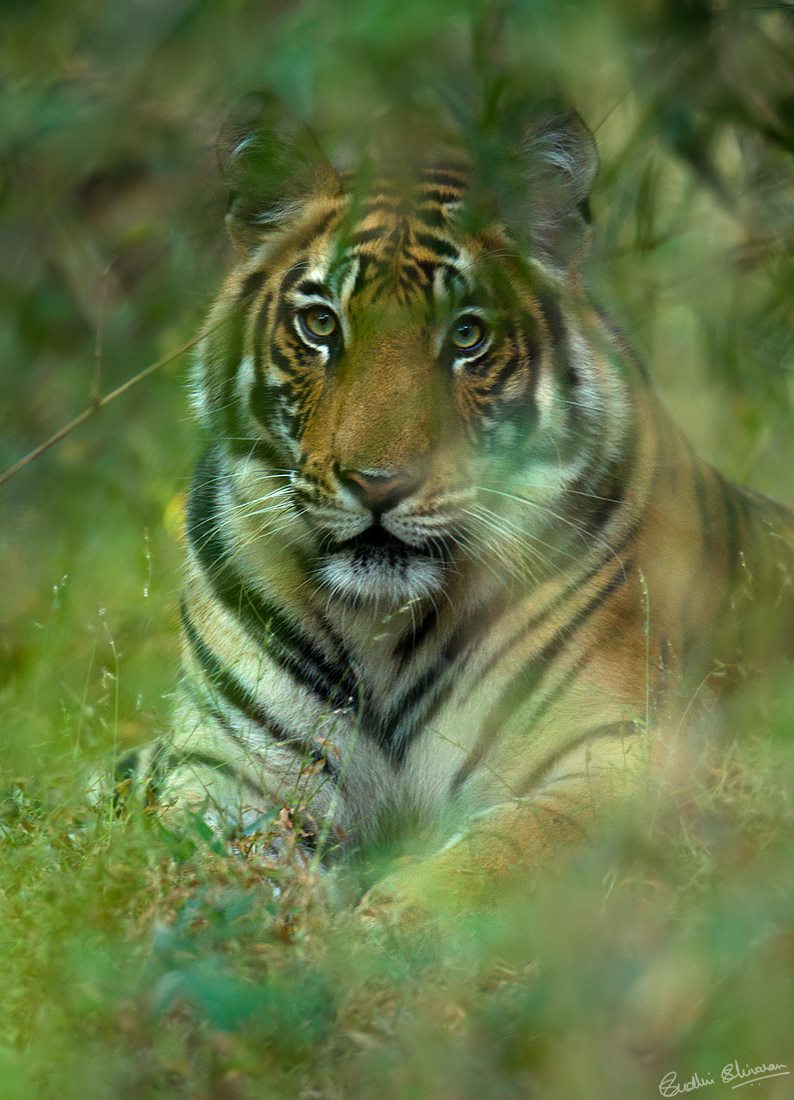
We’ve been having amazing tiger sightings at our Bandhavgarh Tiger Reserve workshop.

I captured this cub during the evening safari at Magdi zone. It was a real beauty. We saw it along with the other cub. Later it came on to the road and the other Jeep got some amazing shots… Continue reading