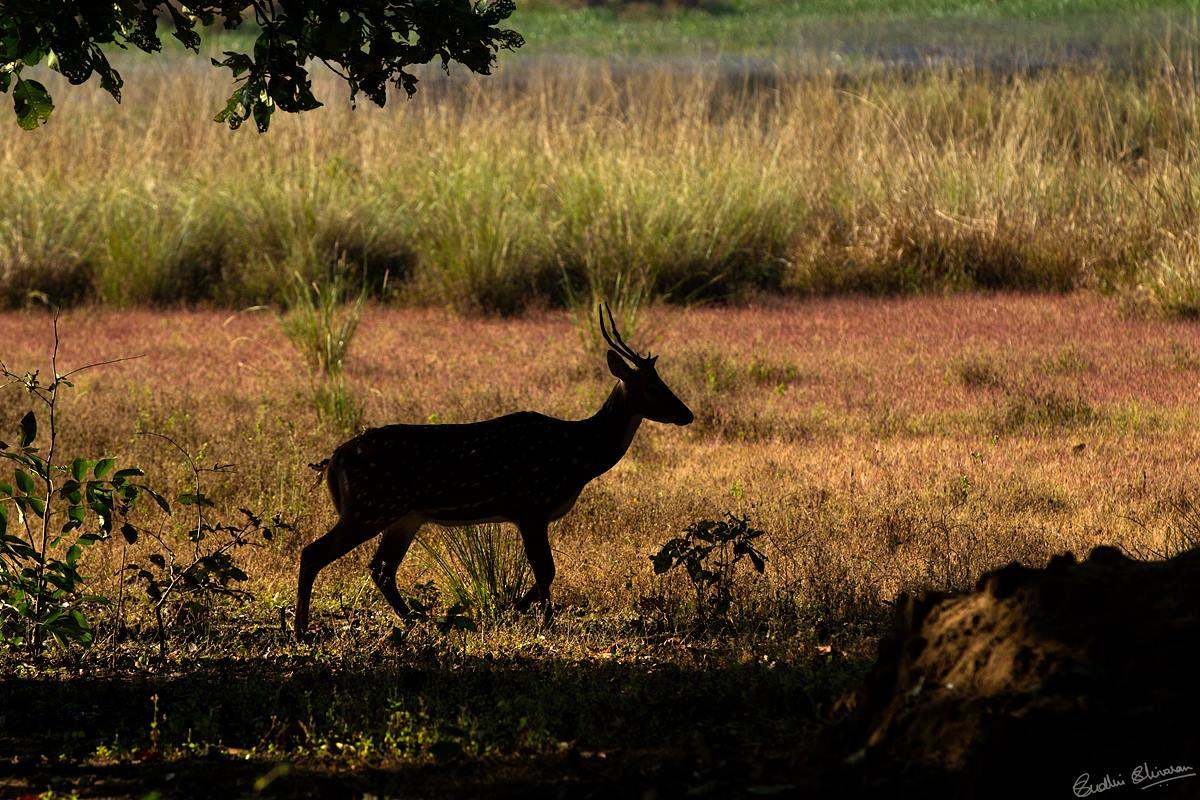
As I scan through the various images photographed at Kanha National Park, I found this one interesting as it takes a simple subject but presents it in an unexpected way. I’ve said many times that tigers aren’t the only subjects in the Indian wilds. Kanha is such a beautiful place that it’s not difficult to make creative images of more commonly sighted wildlife subjects. Continue reading
Backwaters of Kerala
Kerala has an extensive network of waterways that lace the interior coastline from north to south. For visitors the backwaters of spell relaxation–people can’t help but unwind as they enjoy the blue waters of the canals and the verdant shade on the banks . Continue reading
Bird of the Day: Magnificent Hummingbirds
Coconut – Tree of Life
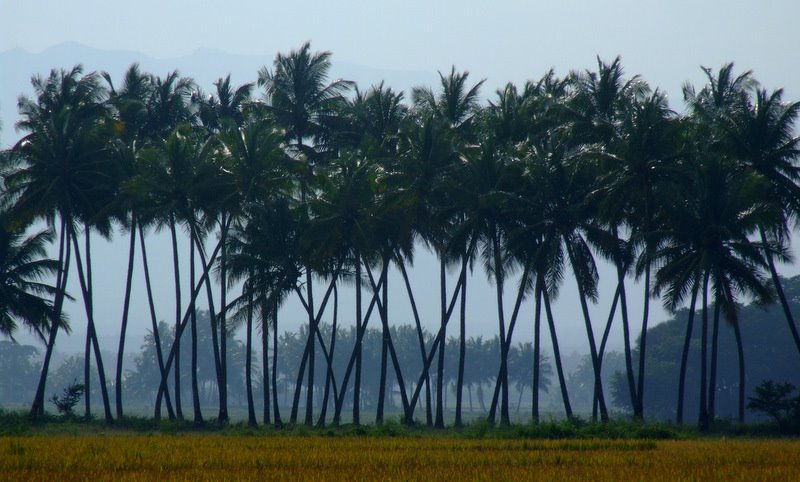
Kerala literally means the “land of Coconut” and is one of the leading producers of coconut in the world. Coconut trees are an integral part of the lifestyle and the economy of the state, and because of the numerous products and by-products derived from its various parts coconut is known as the “Tree Of Life”. Continue reading
The World Needs Another Golf Course Like It Needs Another Hole In The Ozone

Max Whittaker for The New York Times
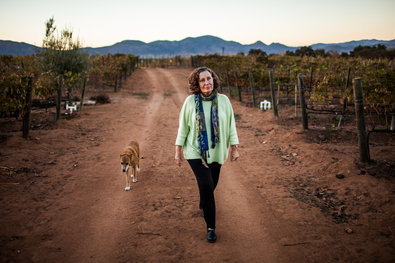
Natalia Badán, a winery owner and longtime resident of the Guadalupe Valley, called a zoning change “an aggression.”
If you have ever swung a golf club, in earnest, on a challenging hole somewhere on a beautifully crafted course, you might agree: the game is good for the soul. But there is such thing as too much of a good thing:
A Rustic Paradise, Open for Development
By DAMIEN CAVE Continue reading
White-collared Kingfisher, Revealed
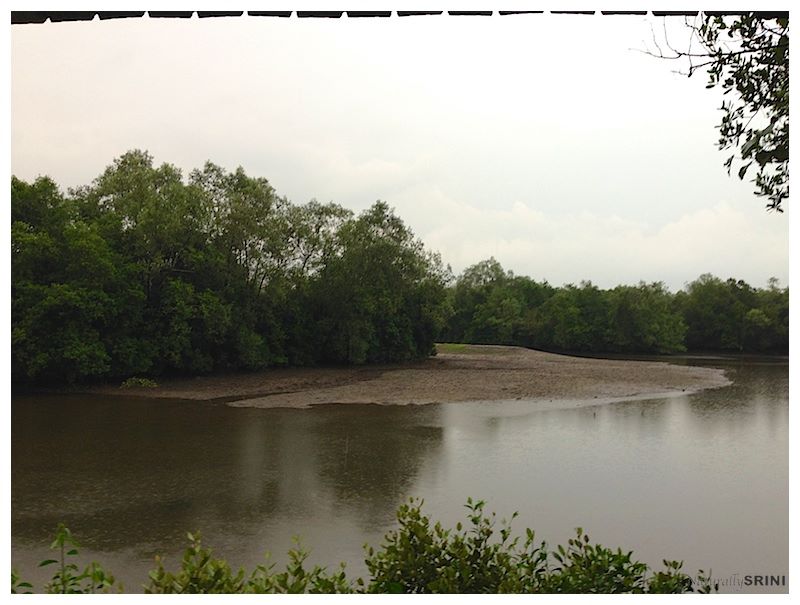
On a recent trip to Singapore I visited the Sungei Buloh Wetland Reserve to photograph the wildlife there. Singapore had experienced an unusually heavy storm that afternoon and I was wondering if my trip all the way to to the reserve was going to be a waste. Just as I was about to leave (it was getting dark and frankly, a bit lonely/scary), I saw a slight movement in the leaves, far away. Continue reading
Technology, Activism, Discontent & Keeping It Honest
It was just recently when we started noticing it on the Atlantic‘s website, and needed some time to determine the fit with our blog:
By Heart is a series in which authors share and discuss their all-time favorite passages in literature.
It took this one to make us realize the fit:
Jonathan Franzen on the 19th-Century Writer Behind His Internet Skepticism
His new book translates works by Karl Kraus, whose misgivings toward progress mirror Franzen’s belief that technology can be “very harmful” to artistic production.JOE FASSLER OCT 1 2013, 3:43 PM ET
We have several times linked to stories involving Franzen, and there is no question that it is in part because of his bird-loving devotions; but it is not only that. We put ourselves in his corner a few months ago and there are plenty of paradoxes in this corner but read this to appreciate the depth of Franzen’s sense of purpose related to technology, starting with Joe Fassler’s excellent commentary:
Karl Kraus, the Austrian satirist, playwright, and critic of the mass media, was born in 1874 and ran the magazine Die Fackel (“The Torch”) from 1899 until his death. And according to novelist Jonathan Franzen, he was the first-ever iteration of what we might now call a media theorist. Continue reading
Memories and Cardamom County…..
A few weeks ago I joined the RAXA Collective team and have been spending time familiarizing myself with all the properties. The last location to visit was Thekkady.
As a child, I have frequently travelled to Poonjar, my grandpa’s place; each vacation was spent there until about 25 years back. That’s a long time!! Those then remained distant memories until yesterday when I had the chance to travel through the same route. Kaduthuruthy, Pala, Erattupetta, Bharananganam and St. Alphonsa’s Church were familiar small towns which I passed on my way to Cardamom County, Thekkady. Nostalgia and a sense of loss (as both my grandparents have passed) is what I felt and if time had permitted, I would have definitely convinced Amie to drop in at Poonjar for a few minutes – it was only a 5km detour….
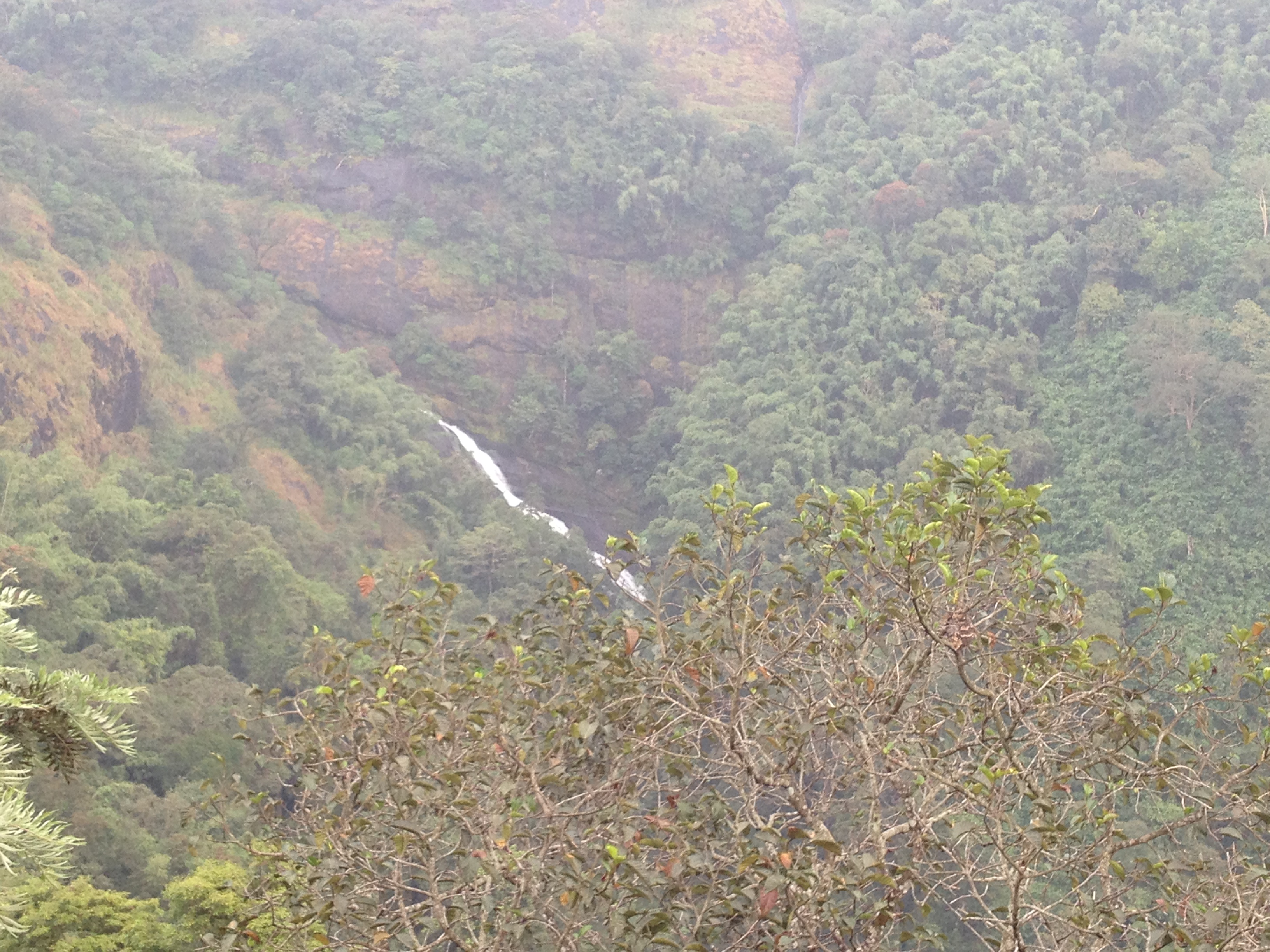
I have a lot of places to cover in Kerala before even I think of exploring other destinations. The small coffee shop placed on a small hill which had a magnificent view to the valley and a majestic water fall was the highlights of the journey.
After a longish car drive, the yellow lights alongside the Cardamom County garden and the warm ‘garland’ welcome which I received from the staff was quite refreshing. I immediately concluded that I was going to have a whale of a time, even though the trip was official. Continue reading
One Of The Art World’s Mysteries Demystified

LEFT, COURTESY OF TIM JENISON.
Left, Tim Jenison, with part of the optical apparatus he created above him, at work in his San Antonio studio. Right, Vermeer’s The Music Lesson, the painting Jenison chose to re-create.
Thanks to Kurt Andersen and a magazine we do not normally scan (but maybe we should; click the image above to go to the source):
In the history of art, Johannes Vermeer is almost as mysterious and unfathomable as Shakespeare in literature, like a character in a novel. Accepted into his local Dutch painters’ guild in 1653, at age 21, with no recorded training as an apprentice, he promptly begins painting masterful, singular, uncannily realistic pictures of light-filled rooms and ethereal young women. After his death, at 43, he and his minuscule oeuvre slip into obscurity for two centuries. Then, just as photography is making highly realistic painting seem pointless, the photorealistic “Sphinx of Delft” is rediscovered and his pictures are suddenly deemed valuable. By the time of the first big American show of Vermeer paintings—at the Metropolitan Museum of Art, in 1909—their value has increased another hundred times, by the 1920s ten times that. Continue reading
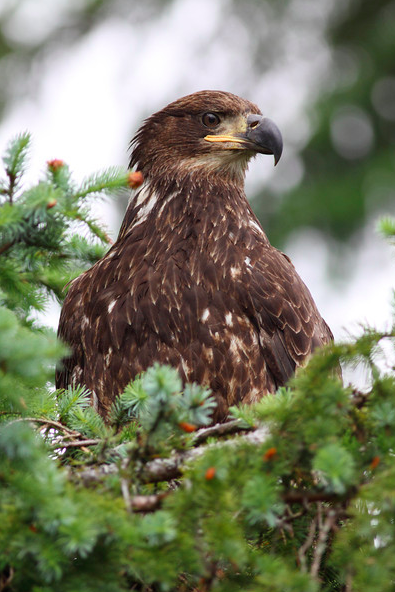
Bird of the Day: Immature Bald Eagle (Auke Bay, Alaska)
Drink the Wild Air
Working for the balance and health of nature as a conservation biologist brought me to understand the importance of nature in the balance and health of communities. The great gap between the two inspired me to establish conCIENCIA, a nature-based education design program. We build environmental identity in fishing villages across Peru through nature-based integrated learning guided by play, creativity, curiosity and the senses.
As First Mermaid in conCIENCIA, I work with an amazing group of artists and scientist, to connect coastal children to the natural wonderland, since 2010.
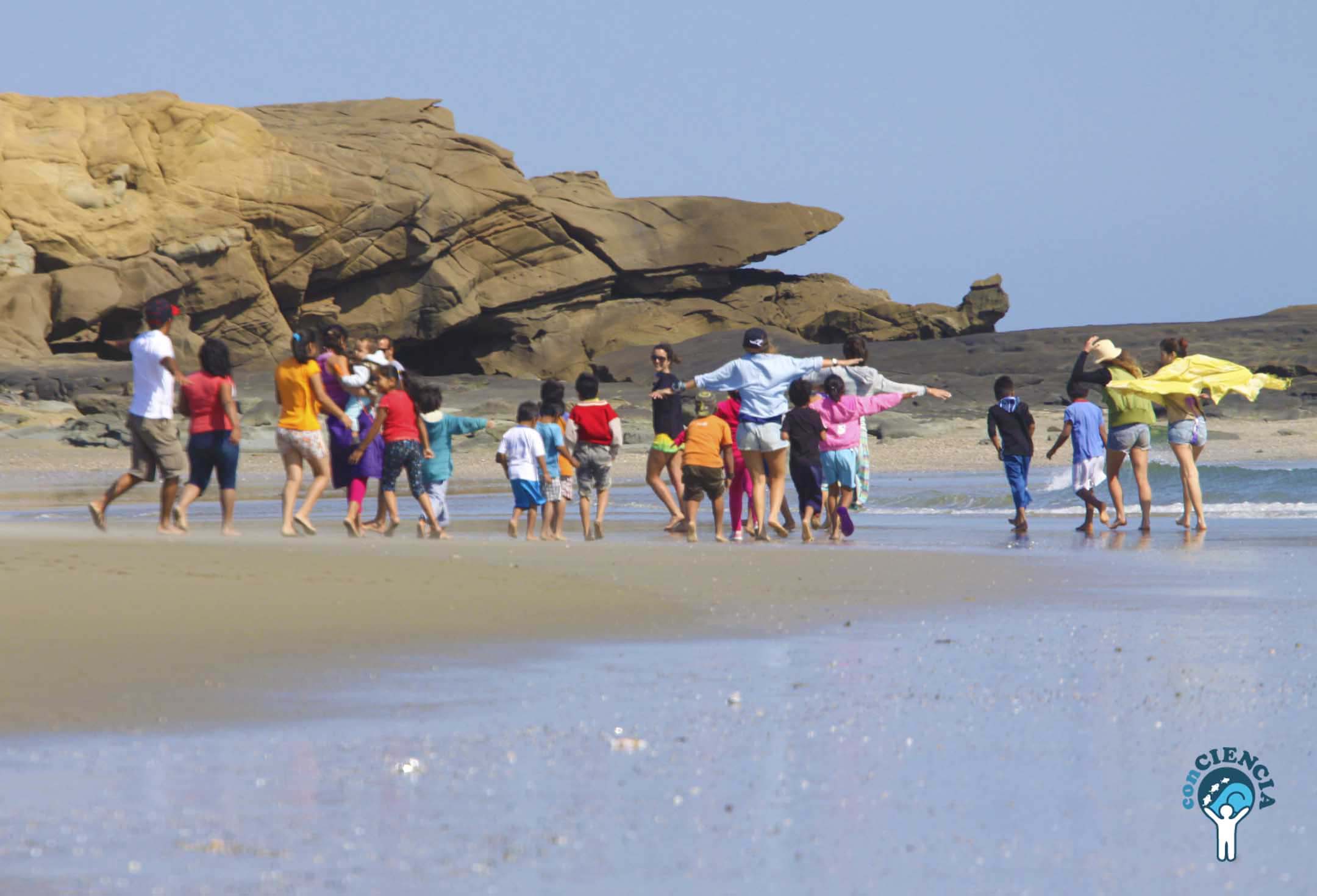
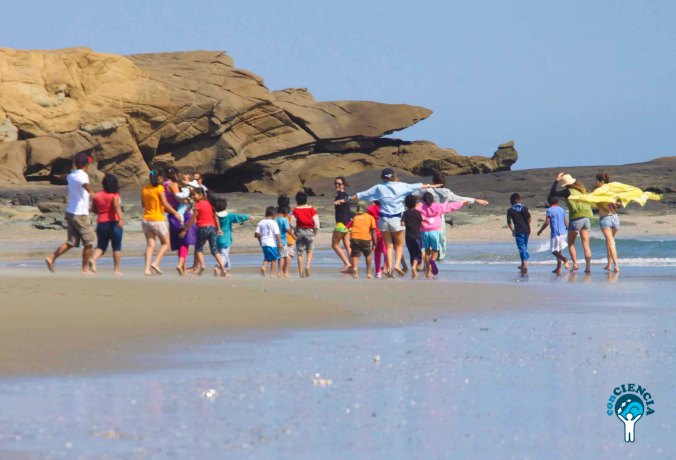
Lobitos has some of the most beautiful beaches on the Peruvian coast. Its world-class surfing draws hundreds of surfers from all over the planet and is known far and wide. A lesser-known fact is that it also has 153 children enrolled in its elementary school. Walking down the beach we wonder where these kids are. We walk from point to point with not one in sight. There’s no laughter or splashing on the shores. Surfers and fishermen dominate our view. No mothers and children sharing the democratic fun the beach offers: a place with more attractions than we could ever finish exploring.
In Latin American cities like Rio de Janeiro it is on the beach that rich and poor meet, crossing the giant social chasm that separates them, virtually identical in their bathing suits, covered in sand, sweat and salt. Surprisingly, this doesn’t seem to be the case in many of Peru’s coastal towns. Exactly why is hard to say. Our NGO conCIENCIA helps coastal communities develop an environmental identity and engagement through outdoor science-based learning. We hope to be able to answer the question ‘why’ through surveys, conversation and appreciation.
On the surface one could say it is cultural. Fishermen don’t bathe in the sea or lounge on the beach. This is their place of work, as for a New Yorker her office would be–of course, with greater hardships and demands. The sea is treacherous and fish stock is dwindling. Continue reading
Tackling Tough Topics
Thanks to this interview in Wired magazine (click the image above to go to the source) we hear a bit about the craft of a thinker-writer’s approach to major economic, environmental and technological puzzles, one book at a time, but at an amazing pace:
You’ve written over 30 books and published three this year alone. How do you do it?
Hemingway knew the secret. I mean, he was a lush and a bad man in many ways, but he knew the secret. You get up and, first thing in the morning, you do your 500 words. Do it every day and you’ve got a book in eight or nine months.
What draws you to such big, all-encompassing subjects?
I saw how the university life goes, both in Europe and then in the US. I was at Penn State, and I was just aghast, because everyone was what I call drillers of deeper wells. These academics sit at the bottom of a deep well and they look up and see a sliver of the sky. They know everything about that little sliver of sky and nothing else. I scan all my horizons. Continue reading
Beauty of Munnar Tea Plantations
Located above 1700 meters Munnar was the summer residence of the British administration of South India.The British recognized the potential of tea and started planting on about 580 square kilometers of land. Now famous for its tea plantations, Munnar retains its colonial charm with sprawling estates, rolling hills , sparkling waterfalls undulating valleys and hamlets. Continue reading
Our Gang, Thevara (Future Houseboat Craftsman)
Our young friends in the neighborhood were recently trying their hand at the design and mock up of a new houseboat. The parents of most of the children in the Our Gang, Thevara series are fishermen and fish___ (if you know the name for wives who clean and process the fish for sale, please comment). Most build and maintain their own simple boats. Kids follow in their footsteps, traditionally, but this being Kerala our neighborhood gang is also getting a superb education at their local public school. Some will leave the fishing and boat-making to siblings and cousins. Some will become boat designers, we imagine. Continue reading
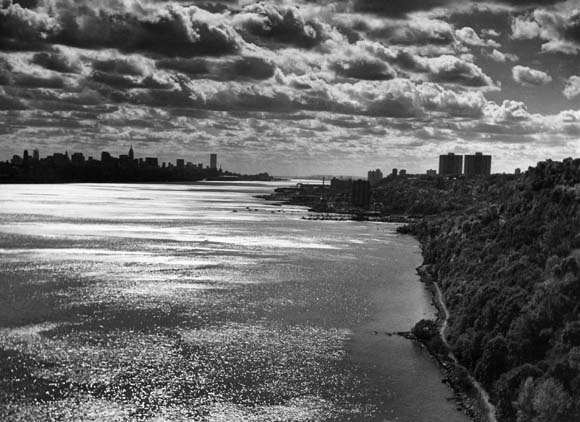
The River Project, A Template From New York Ready For Replication
The news in this New Yorker website blog post is the short and sweet specialty we most enjoy:
On a recent Wednesday that felt like the first of winter, about a hundred and fifty children—mostly under seven—and their parents gathered at Pier 40, over at West Street and Houston. Their mission: to thank for their service the numerous small riverine creatures that have whispered their secrets to the kids since last spring, and liberate them. The River Project’s tanks needed to be drained and emptied for winter. Ergo, fishy freedom. Continue reading
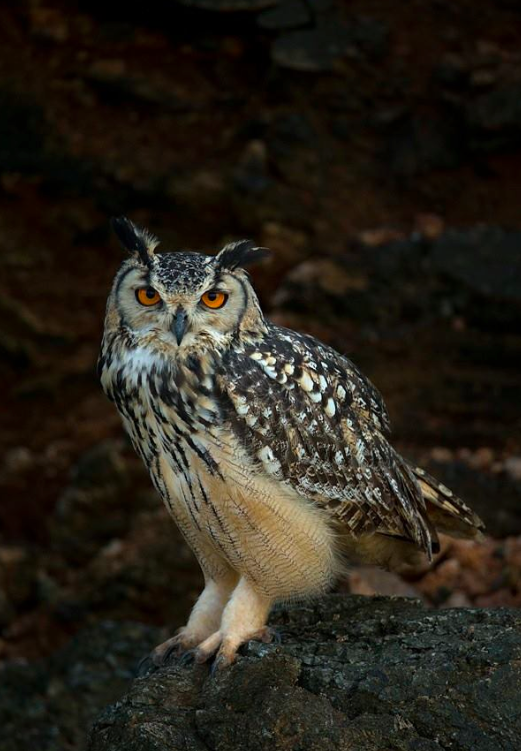
Bird of the Day: Eurasian eagle-owl
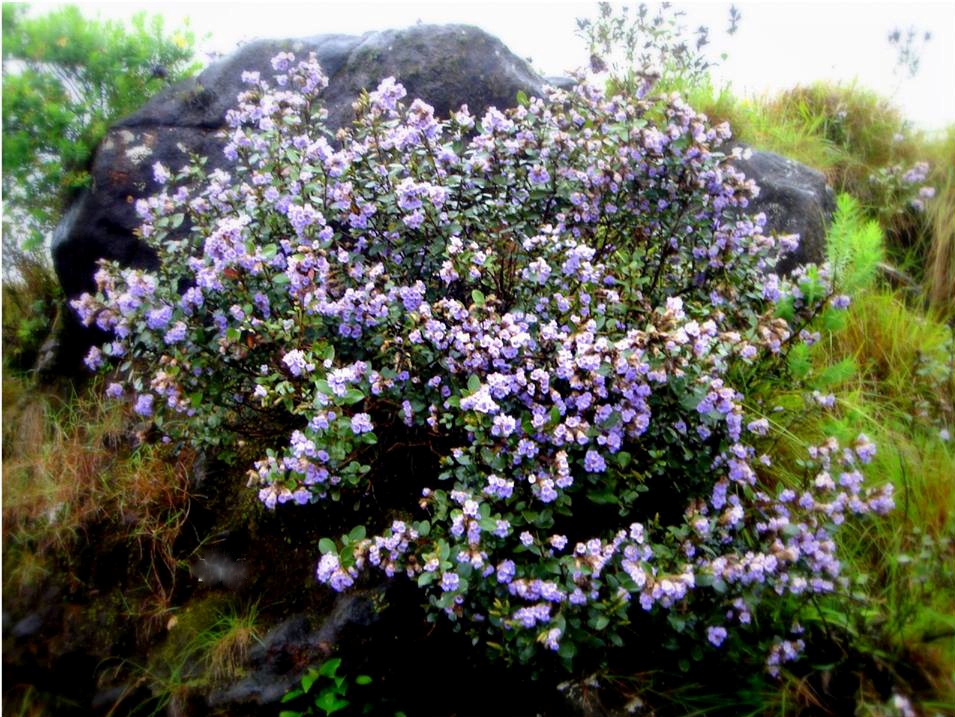
Neela Kurinji Flower
Neela Kurinji is a blue bell-shaped flower found on the hilly slopes of the Western Ghats at an altitude between 6000 and 7000 feet. The unique feature of this tall bushy shrub is that it blooms only once in 12 years. Eravikulam National Park is famous for the flower, which will next bloom in 2018. Continue reading
Designing With Imperfection In Mind
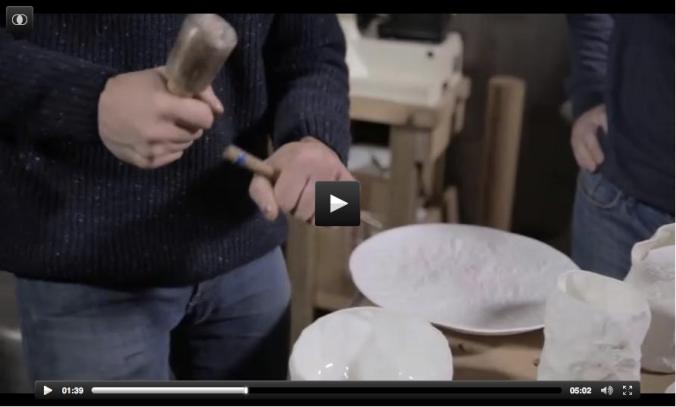
Raxa Collective’s social enterprise initiatives, its entrepreneurial conservation projects, its hospitality services–pretty much anything we do can approach perfection on a great day but we are always mindful of being human. We are competitive but never boast. Humility is important. We strive for design excellence but know that beauty is in the eye of the beholder. So, we emphasize our commitment to artisan ethos. Spend five minutes with the designer in this video (click above to go to the Guardian’s website where the video is based) to see and hear someone in a completely different field whose views we can very much relate to. Go here to read what he says about it and to see the entire collection:
Crockery
Fine bone china tableware. Made in Staffordshire, England.A collection of fine bone china tableware slip-cast from plaster models carved by hand, with glazed interior for functionality and raw exterior reflecting the modest surface texture of the plaster original. Continue reading
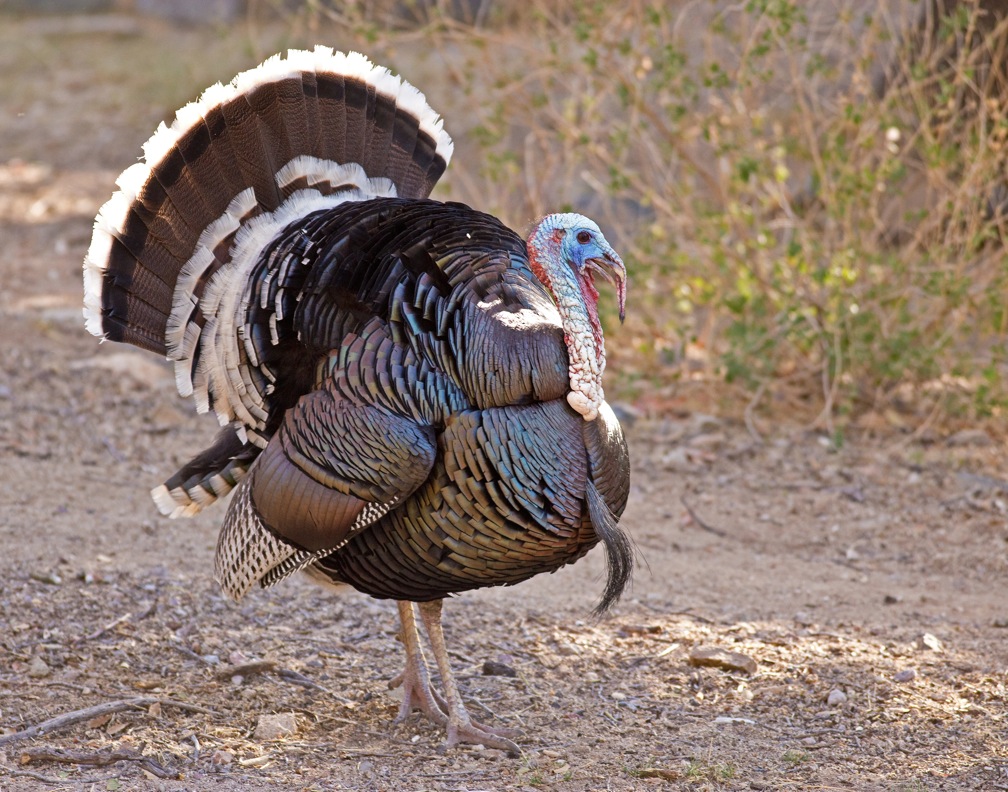
Bird of the Day: Wild Turkey
Thanks For The First Book Press-Printed In The New World
If you are familiar with the history of the place now called the United States of America, you may be familiar with the role religious pilgrims played in the early settlement of the northeastern region of what is now that country (and what before that was the home of people who lived a very different life from the pilgrims before those pilgrims arrived, and a radically changed life after). Now, if you are a more ambitious follower of that history, you may know when the first printing press was brought to the New World, and by whom. And in that case, you likely also know what book was first published. Fitting that today, when Thanksgiving Day is celebrated in the USA, news of that first book is in front of us thanks to Casey Cep and the New Yorker‘s ever resourceful and innovative website:
Today, Sotheby’s will auction a copy of the first English-language book printed in America. “The Whole Booke of Psalmes,” or the Bay Psalm Book, as it is now known, is expected to sell for between fifteen and thirty million dollars, which would make it the most expensive book in the world. Continue reading