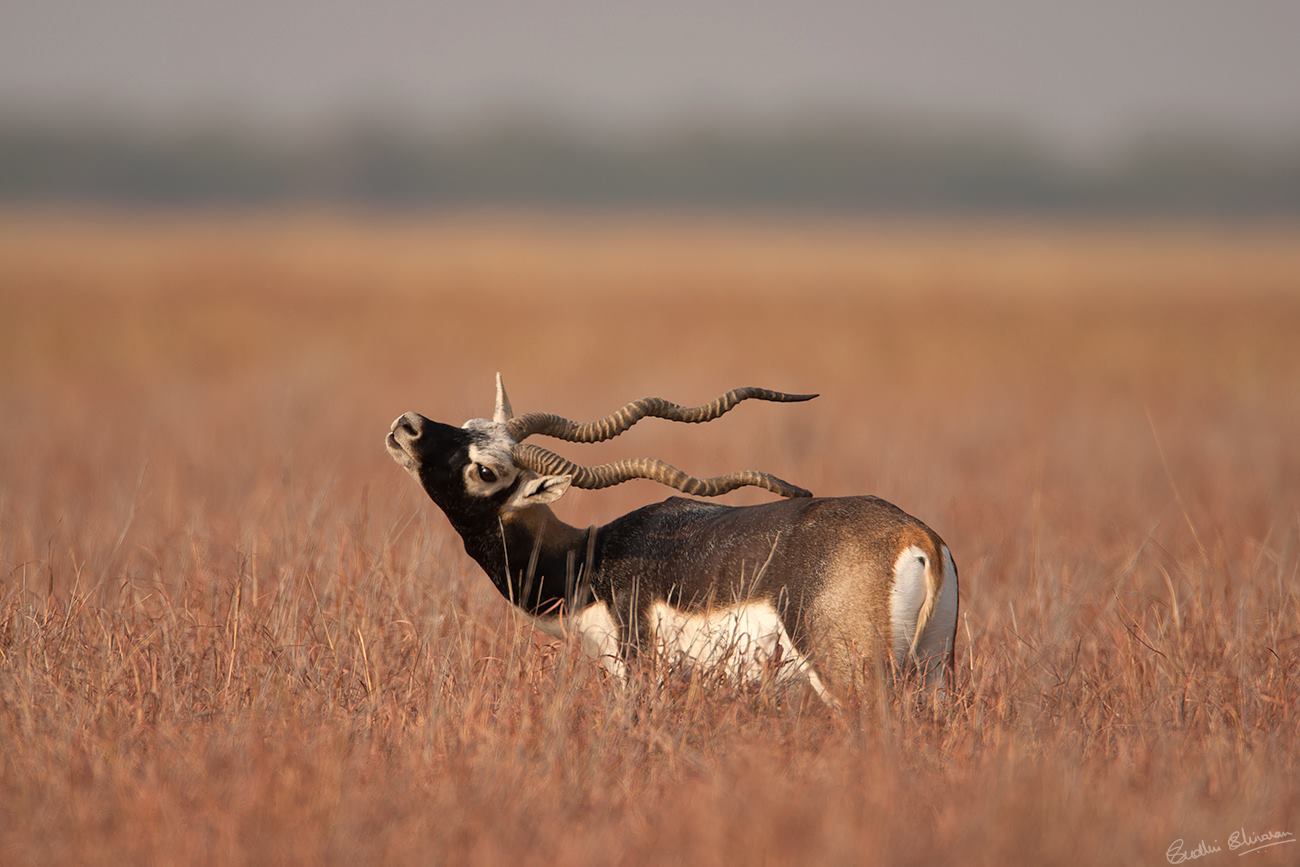
Blackbuck Photo Op

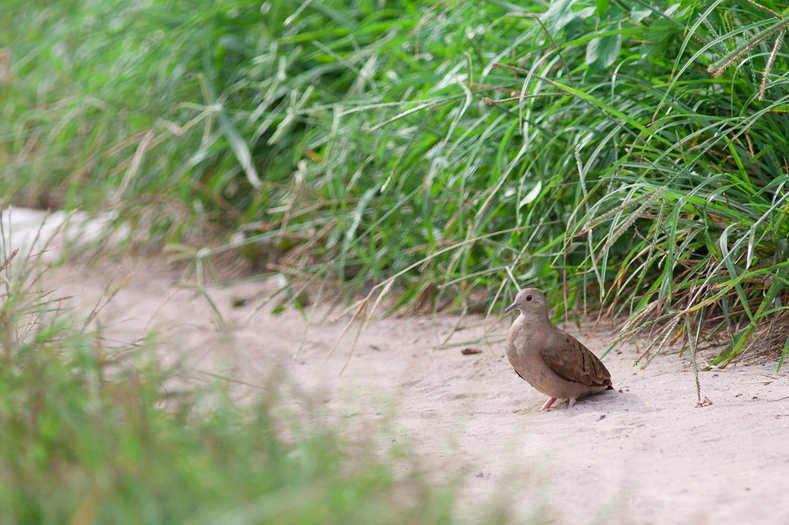
Blackbuck National Park at Velavadar in the Bhavnagar District of Gujarat is a paradise to photograph blackbucks in their natural habitat. They are photographer friendly and will pose for you.

Exposure is a complex area of photography, but in situations like these where the habitat is open it is a bit easy to use the standard “sunny f16 rule”. Continue reading →

Radical Interpretation Of Plants’ Secret Lives

When he goes out on a limb he invites others to join him, and like any journalist worth his salt he keeps pushing further out onto the limb. The venues in which he publishes deserve credit for having faith in readers willing to get out onto that limb:

In 1973, a book claiming that plants were sentient beings that feel emotions, prefer classical music to rock and roll, and can respond to the unspoken thoughts of humans hundreds of miles away landed on the New YorkTimes best-seller list for nonfiction. “The Secret Life of Plants,” by Peter Tompkins and Christopher Bird, presented a beguiling mashup  Continue reading →

Kanyakumari – Cape Comorin

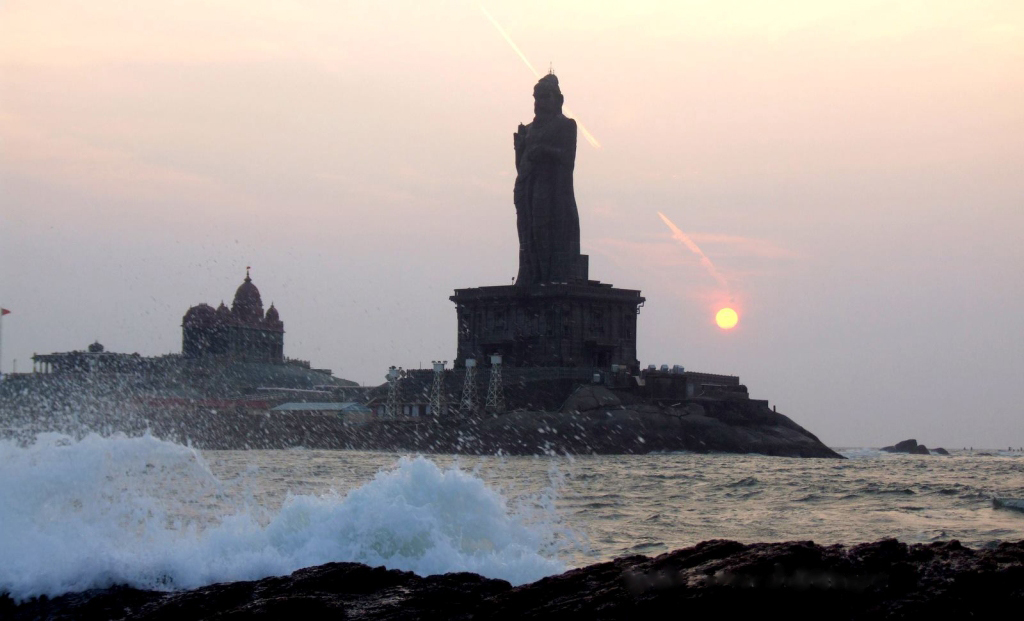
Photo credits: Ramesh Kidangoor . Sunrise at Kanyakumari

Photo credits: Ramesh Kidangoor . Sunrise at Kanyakumari

Kanyakumari, or Cape Comorin, is the southernmost tip of the Indian subcontinent.  The mighty Arabian Sea and the Bay of Bengal merge into the Indian Ocean here. Kanyakumari is famous for its glorious sunrise and sunsets due to being nearly surrounded by water. The unique location offers the possibility of seeing the moon rise and sunset simultaneously. Continue reading →

Geology And The Natural History Of The Environment’s Future

Here is the second installment in a series on natural/environmental history from the perspective of what is referred to here as human impact and the geology of the future. The author requires you to work, but it is important work, worthy of the effort to focus the lens of history for the sake of our decisions about the future:

The Geological Society of London, known to its members as the Geol Soc (pronounced “gee-ahl sock”), was founded in 1807, over dinner in a Covent Garden tavern. Geology was at that point a brand-new science, a circumstance reflected in the society’s goals, which were to stimulate “zeal” for the discipline and to induce participants “to adopt one nomenclature.” There followed long, often spirited debates on matters such as where to fix the borders of the Devonian period. “Though I don’t much care for geology,” one visitor to the society’s early meetings noted, “I do like to see the fellows fight.” Continue reading →

Plume Flower

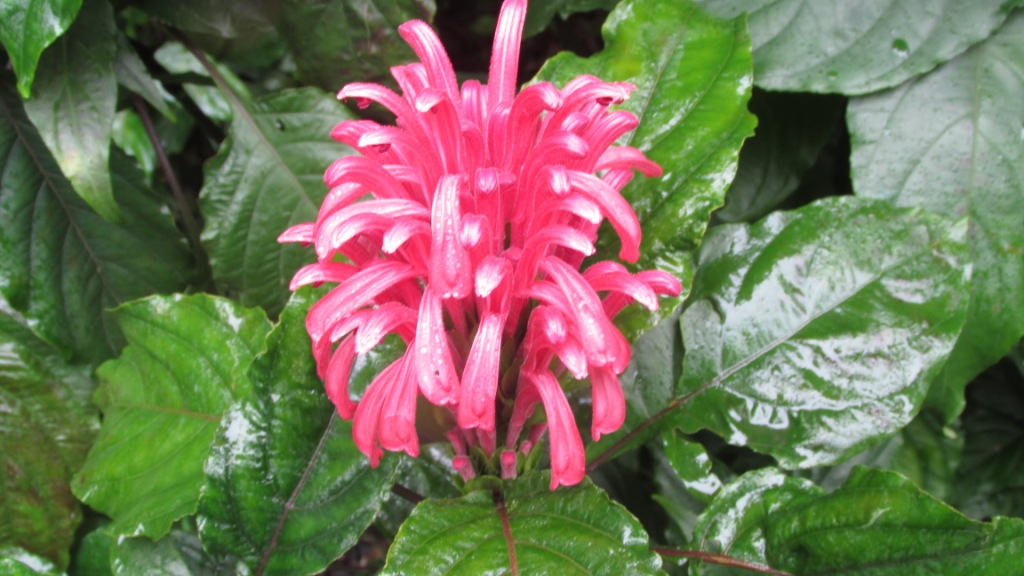
justicia carnea

justicia carnea

Plume flowers, native to Brazil, are a tropical tender perennial shrub with unusual pods holding many tubular flowers that bloom throughout the summer.  They are naturalized in the Western Ghats of India; the colors can range from Pink, Purple, Orange and Yellow. Continue reading →

Superior Urban Design, Superior Health

Excerpted from Happy City: Transforming Our Lives Through Urban Design by Charles Montgomery, published in November 2013 by Farrar, Straus and Giroux, LLC. Copyright © 2013 by Charles Montgomery. All rights reserved.

Happy City: Transforming Our Lives Through Urban Design by Charles Montgomery, published in November 2013 by Farrar, Straus and Giroux, LLC. Copyright © 2013 by Charles Montgomery. All rights reserved.

The text below is excerpted from the book above (click above to go to the source), and we thank Slate for publishing what amounts to a public health announcement disguised as a commentary on urban design.  Because several of Raxa Collective’s contributors and more than a few of those who follow this blog have lived in, worked in or gone to school in Atlanta the case study here hit home to more than one of us:

…Of every 100 American commuters, five take public transit, three walk, and only one rides a bicycle to work or school. If walking and cycling are so pleasurable, why don’t more people choose to cycle or walk to work? Why do most people fail to walk even the 10,000 daily steps needed to stay healthy? Why do we avoid public transit? Continue reading →

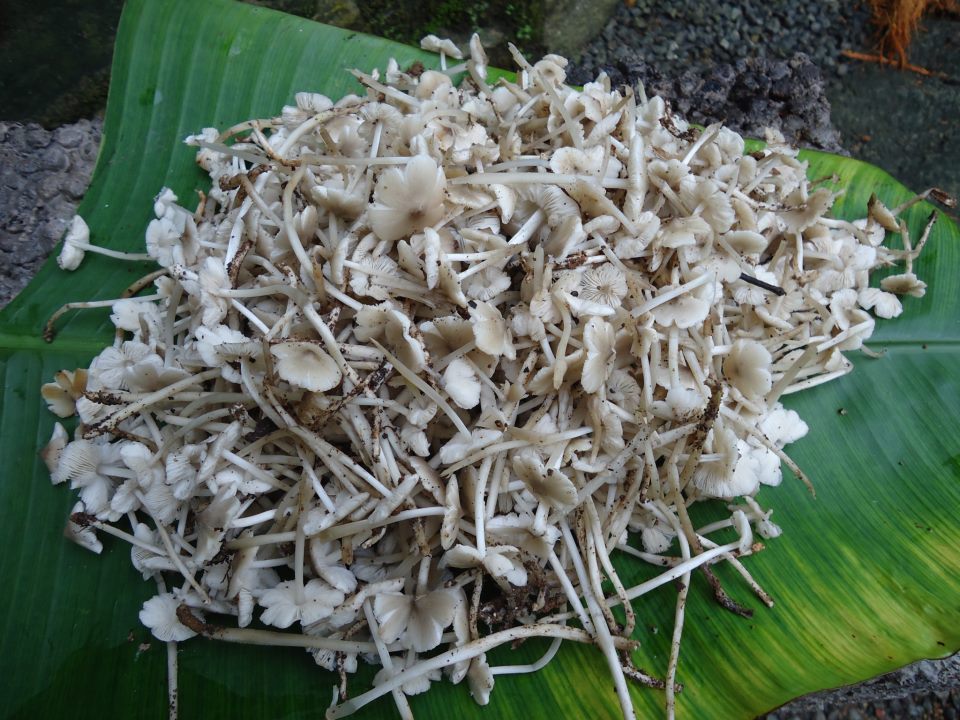
Wild Mushrooms

Wild Mushrooms

Wild Mushrooms

Mushrooms are found on almost every continent and due to the rich flora of Kerala they usually flourish unattended in the Western Ghats. Wild mushrooms are used for cooking various dishes from curries to dry starters and are relished by vegetarians and non-vegetarians alike. Continue reading →

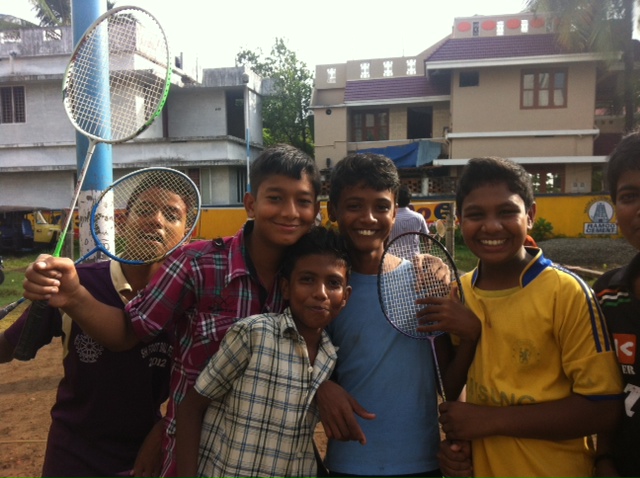
Our Gang, Thevara (Racquets In Hand)

photo

As we post this, collaboration on the badminton court is in full swing; these young friends in our community are Raxa Collective’s best hope for global domination of a sport: the power smile. We are cheering them on in badminton as well. December 23 is a big day, we are told. Stay tuned.

Cockneys in Iceland

The Cockney Tourist, or Where Shall We Go To? © Look and Learn / Peter Jackson Collection / The Bridgeman Art Library

Earlier last week, I completed a working draft of one of my thesis’ chapters. Its subject matter is a bit different from what I’ve been writing about in previous months, because I more closely address trends in travel and travel literature rather than the travellers’ interactions with the environment around them. Here’s an edited (and de-annotated, so comment for further reading) version of the introduction to this chapter:

After the Napoleonic Wars, as continental Europe reopened to British travel during the 1820s, there came to be an exaggerated perception that sightseers were swarming sites of the Grand Tour, previously inaccessible due to both military and socioeconomic barriers. Many aristocratic Britons considered this type of tourist, the mere excursionist, distinct from themselves, the sophisticated travellers more interested in natural history, authentic culture, and exploration. Iceland, with its near-mythical  Continue reading →
Eco On Journeys Of The Mind

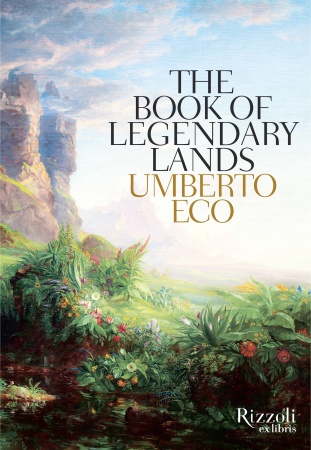
9780847841219

If you are a fan of Umberto Eco, and/or alternative travelogues, this book may be for you. If only the former, you might want to just go here or here.  In its blurb for Eco’s new book (click the image to the right to go to the source), the USA publisher Rizzoli Ex Libris has this to say, which make it at least worthwhile to search the book reviews:

A fascinating illustrated tour of the fabled places in literature and folklore that have awed, troubled, and eluded us through the ages. From the epic poets of antiquity to contemporary writers of science fiction, from the authors of the Holy Scriptures to modern raconteurs of fairy tales, writers and storytellers through the ages have invented imaginary  Continue reading →

National Geographic Delivers

Image Courtesy: national geographic

Once again, National Geographic delivers mesmerizing high definition captures of nature in its new film documentary “One Life;” always looking out for ways to demonstrate the awe-inspiring power present in the natural world, “One Life” is bursting with unbelievable slow motion shots and incredibly detailed images.

Continue reading →

Flavours of Kerala

Appam And Egg Curry

Appam And Egg Roast

Appam is a sort of rice pancake which is usually accompanied with savory curries ranging from meat, fish, egg to vegetarian. This light and tasty dish is commonly eaten for breakfast with Egg Roast, and is the closest one would find to the usual toast and egg in the state of Kerala. Continue reading →

Alleppey – Kerala

Photo credits: Ramesh Kidangoor

Photo credits: Ramesh Kidangoor

Alleppey, situated at the south-western tip of the Vembanad Lake, is famous for its criss-crossing canals, lakes and lagoons, and is popularly known as the “Venice of the East.”  Tourism is its primary industry, which has revitalized the area and given a new charm to the entire district. Continue reading →

Masking Cultural History

(A man looks at an antique tribal mask, Tumas Crow Mother, circa 1860-1870, revered as a sacred ritual artifact by the Native American Hopi tribe in Arizona, displayed at the Drouot auction house ahead of its sale in Paris December 9, 2013. REUTERS/Christian Hartmann)

(A man looks at an antique tribal mask, Tumas Crow Mother, circa 1860-1870, revered as a sacred ritual artifact by the Native American Hopi tribe in Arizona, displayed at the Drouot auction house ahead of its sale in Paris December 9, 2013. REUTERS/Christian Hartmann)

Reuters reports today on a remarkable act by a foundation to restore cultural artifacts, at long last, to their rightful place (click the image above to go to the source):

An American foundation bought nearly two dozen Native American artefacts and will return them to the Hopi tribe in Arizona, which had mounted legal challenges to their planned sale by a French auction house. Continue reading →