Yesterday, Jake and I were kindly invited by our Assistant Manager Salim to dinner with his clients and family. His wife cooked us beef stew, fish fries, tapioca, appam, and many other things. The other dishes were mouthwatering and flavorful, but everyone was so amazed by her soft, fluffy, sweet and delicious appam! Continue reading
Art Versus Commerce
Since we are not a site for art criticism, we have not found the words to say so, elegantly, but we see a worthy distinction between art and commerce. In a blog post called “The Circus” we have found a one minute reading assignment to recommend:
A hundred and forty-two million dollars and change is a lot of money, or is it? What would the former possessor have done with the wad if he or she—or a corporate it—hadn’t splurged, at Christie’s in New York, yesterday, on the triptych “Three Studies of Lucian Freud,” by Francis Bacon? Nothing as interesting, certainly. Far larger amounts of money move around the world—numbers falling on one balance sheet, rising on another—night and day, and few notice. Most entail commodities (stuffs, like oil or wheat, sold by metric measure) or abstractions (stocks and bonds, financial instruments). When a tangible, useless object is the occasion, in public, there’s drama, though the stakes are relatively trifling. Continue reading
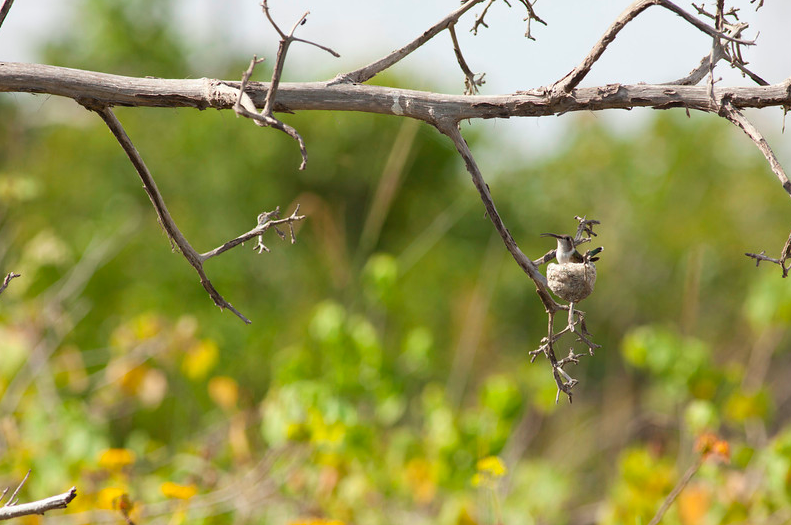
Bird of the Day: Mexican Sheartail Hummingbird on nest
Kerala’s Brainy Cuisine
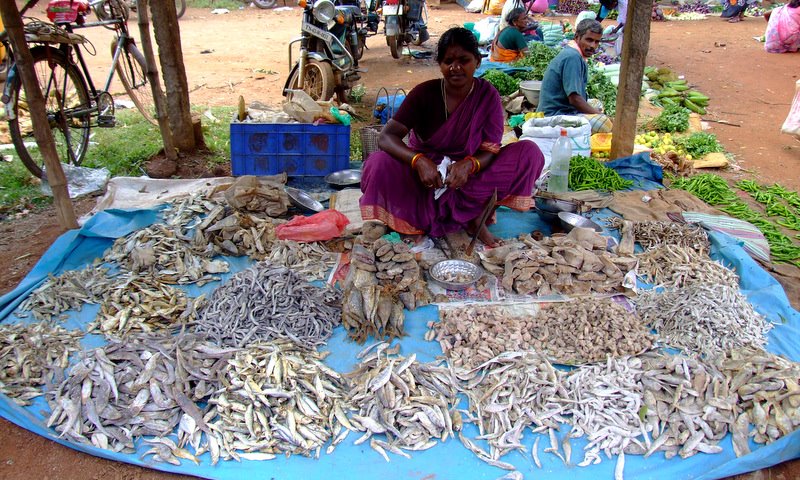
The state of Kerala is known to be the most literate state in India and one is able to understand why after noting the Malayali’s profound love for fish.
Fish is an integral part of Kerala cuisine, including breakfast, indicating the vast diversity of recipes that are available considering it is often eaten twice or thrice a day. The benefits of fish are well publicized, specifically that the Omega 3 fatty acids help in brain development. Continue reading
Bird of the Day: Say’s Phoebe
Lord of the Jungle
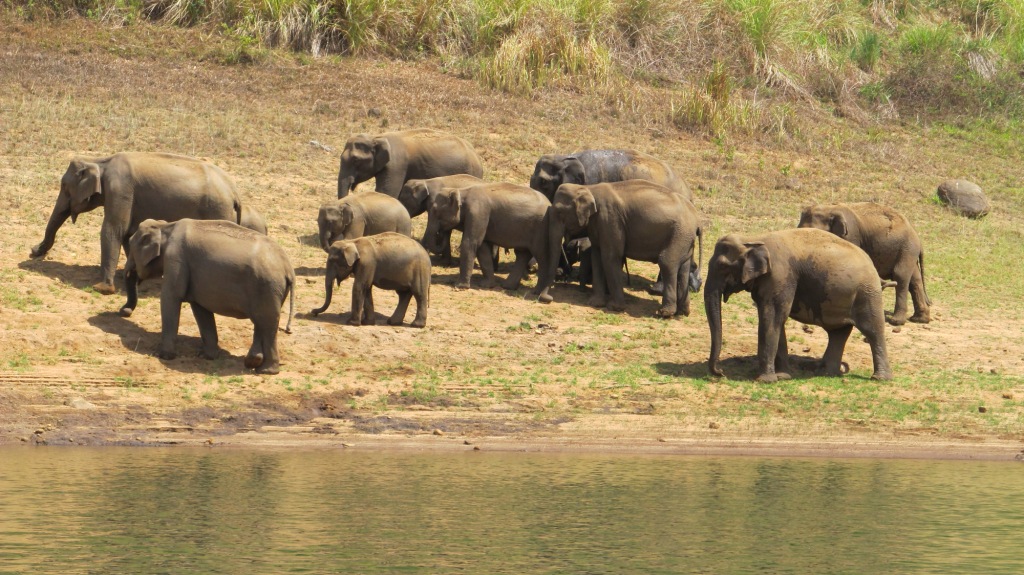
Periyar Tiger Reserve may be famous for its tiger population but it’s also a paradise for elephant lovers. Over 1,300 of the magnificent creatures call the 925 plus sq kms of PTR their home. Also know as “keystone animals”, elephants have a huge impact on the ecosystem they live in. For example when elephants uproot trees with their trunks they create grasslands and savanna and their habit of digging for water during drought causes big water holes that also supports other wildlife in the area. The major threats for elephants have been the illegal ivory trade but due to strict laws the elephants can find themselves safe in the reserve.
The Golden Light of Kutch
Wildlife Reigns at Cardamom County
It is no secret that the Periyar Tiger Reserve hosts a magnificently large collection of wildlife, that is what attracts tourists around the world — take a hike within the boundaries of the massive sanctuary and you are likely to see some amazing creatures. However, we cannot forget that the boundaries of the reserve are merely human constructs, designed by our minds to protect and preserve the organisms within. Animals abide by no such regulations, boundaries for them are constrained only by the habitats in which they may successfully occupy, thus, spillover is likely.
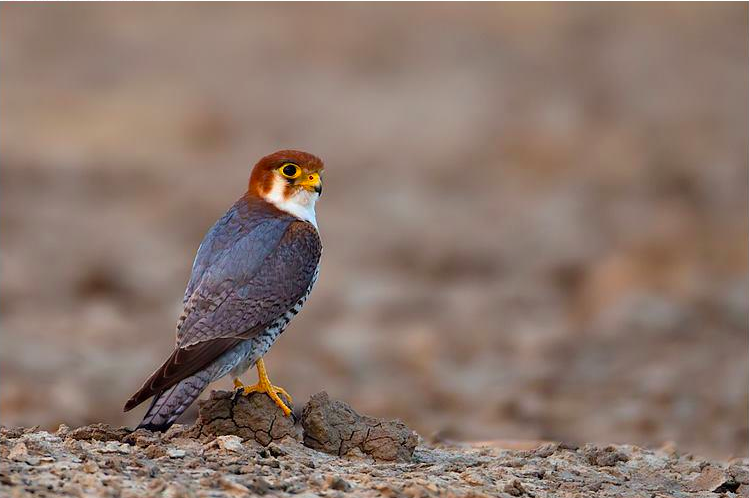
Bird of the Day: Red-headed Merlin
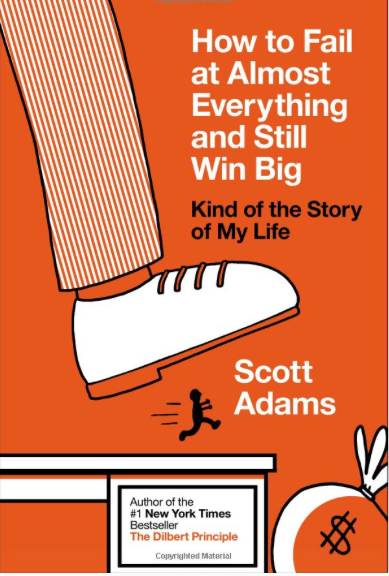
A Hint Of Evil, And Laughter May Be The Only Antidote
Thanks to this HBR Ideacast we had the opportunity to listen to the author of this book discuss its core message(s). Anyone who has looked at a few Dilbert cartoons can pretty well figure out that its author is not what you may think a typical MBA is. About 10 minutes into the podcast, the most remarkable statement, worthy of your attention, begins:
DAN MCGINN: So you’re saying management really doesn’t matter?
SCOTT ADAMS: I think it’s certainly something you can do wrong. So avoiding doing it wrong is the big thing. And I think if you’re a bit of a psychopath or sociopath, I don’t know the exact definitions of those, you know, if you push people to think that you being happier, and you as the manager making more money, and you as the company making more money is more important than the employees’ own personal life and their health, then you’re a great manager. And you absolutely can do great things. And you’ll probably be able to reproduce that wherever you go. Continue reading
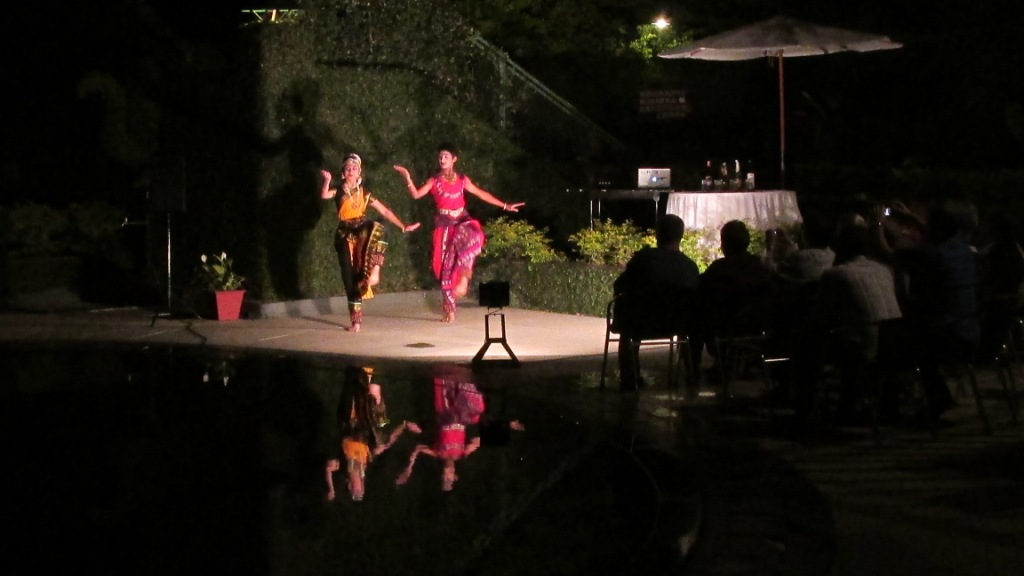
Music and Dance at the Water’s Edge
Guests at Cardamom County are usually out and about enjoying the Periyar Tiger Reserve, the town or the spice plantations during the day, but in the evening there’s a lot of excitement at Cardamom County, especially as we head in to the holiday season. Continue reading
The Contribution Of Old Photographs To Thinking Ahead
With news this past weekend of one of the largest tropical storms in recorded human history still fresh, our antennae are up. We believe in looking back in the interest of looking forward. The beginning and ending lines of this article can induce even those most unlikely to visit Sotheby’s next week:
For more than 100 years, nearly every time a ship ran aground off the coast of Cornwall, a man would arrive on the scene to document the wreckage. Continue reading
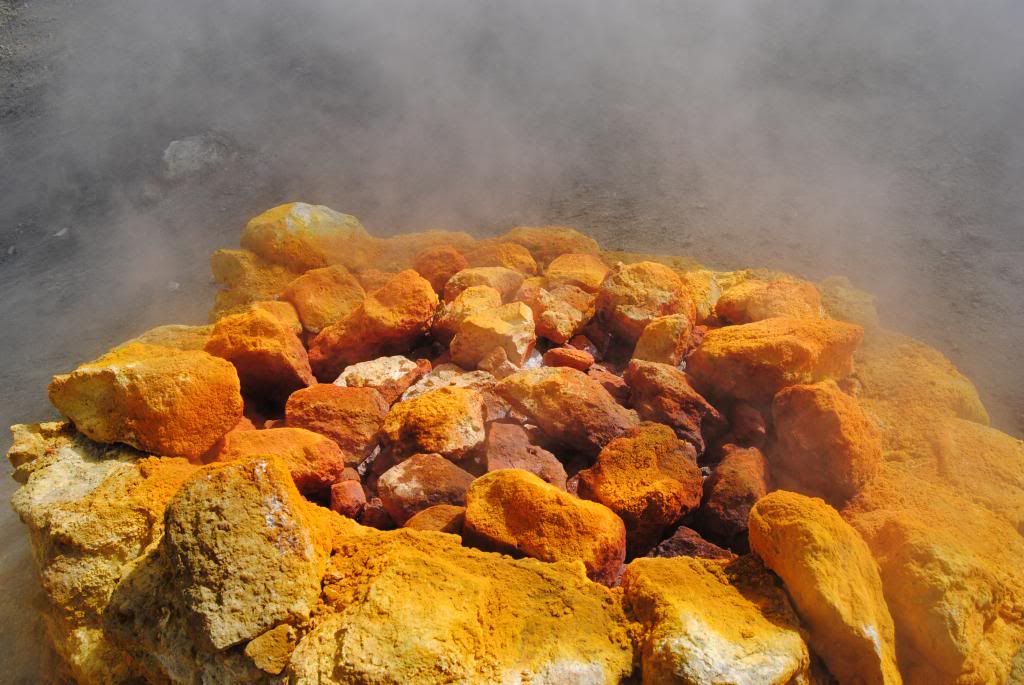
Solfatara
Solfatara, a shallow volcanic crater in Pozzuoli, near Naples, is a hotbed (no pun intended) of geothermal activity. Upon walking into the depression, hemmed round by steep hills, the smell of rotten eggs greets your nose. The stench comes from the clouds of sulphurous steam pouring forth from vents in the rock. The Romans believed that this steam had healing properties Continue reading
Food-Related Whodunnit
Food and/or its by-products are not the centerpiece of any literary genre that we know of, other than cookbooks and more recently food histories. This week’s New Yorker has a welcome addition in the annals of food as a key ingredient in other genres:
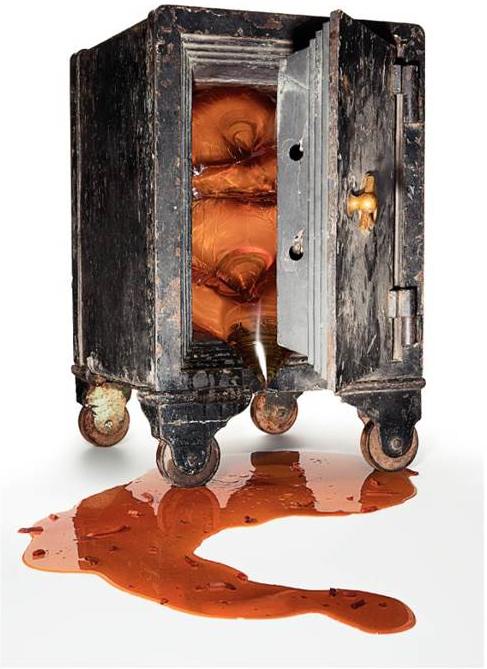
A few months ago, in a clanging, hissing plant on the outskirts of Newark, a tanker truck backed up to a deep reservoir and delivered thousands of dollars’ worth of raw material—what people in the rendering industry sometimes refer to as “liquid gold.” The plant’s owner is a company called Dar Pro, and the C.E.O., Randall Stuewe, looked on while a hose from the truck gushed a brown fluid, filled with fine sediment and the occasional mysterious solid. Slowly, the pit became a pool, whose surface frothed and eddied and gave off a potent odor of old French fries, onion rings, and batter-fried shrimp. “Used cooking oil,” Stuewe told me. “We process two billion pounds a year.” Continue reading
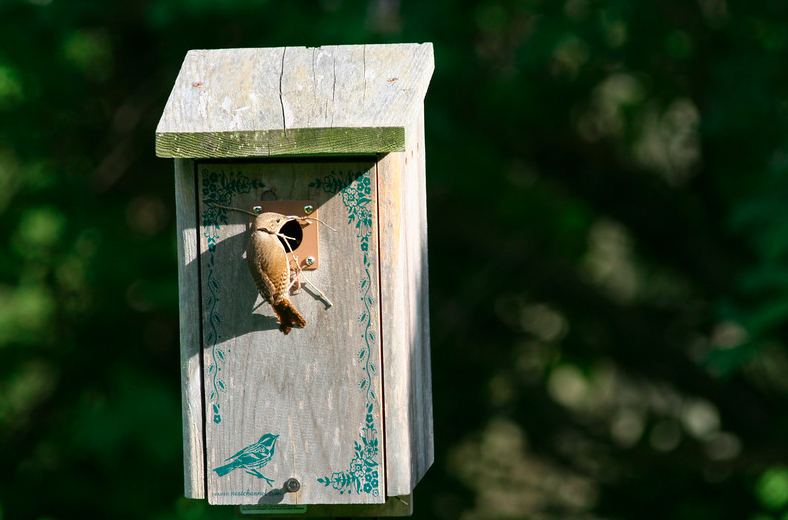
Bird of the Day: House Wren Building Nest (Milwaukee, Wisconsin)
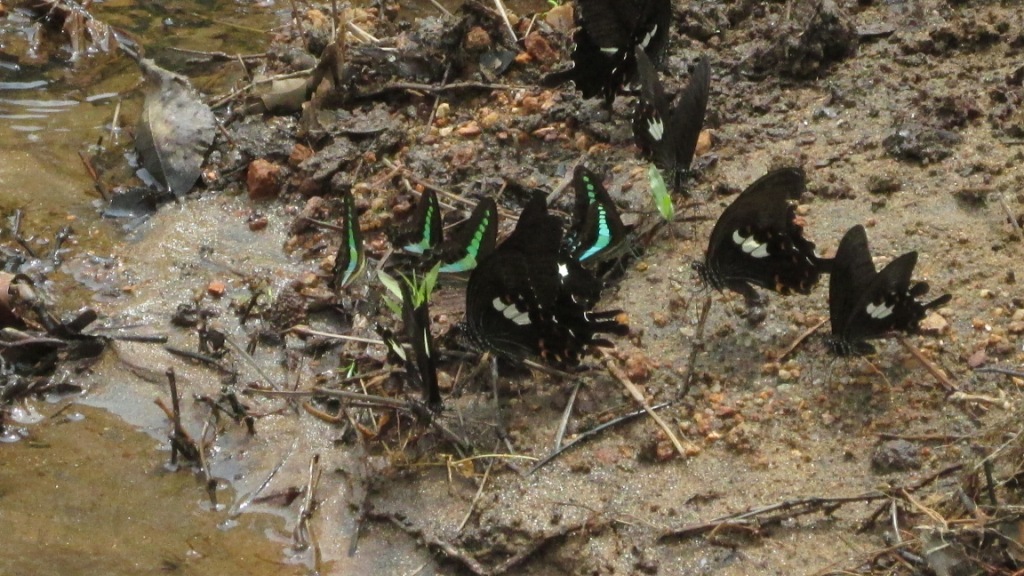
Mud-Puddling Butterflies
Periyar Tiger Reserve is home to an impressive species diversity of 160 butterflies, underscoring the crucial relationship between plants and animals. Butterflies mainly males need minerals for reproduction, so they are often found gathering together to take salt and minerals from the wet soil and plants in a behavior called mud-puddling. Continue reading
Wildlife Sanctuaries of India — Ranthambore National Park
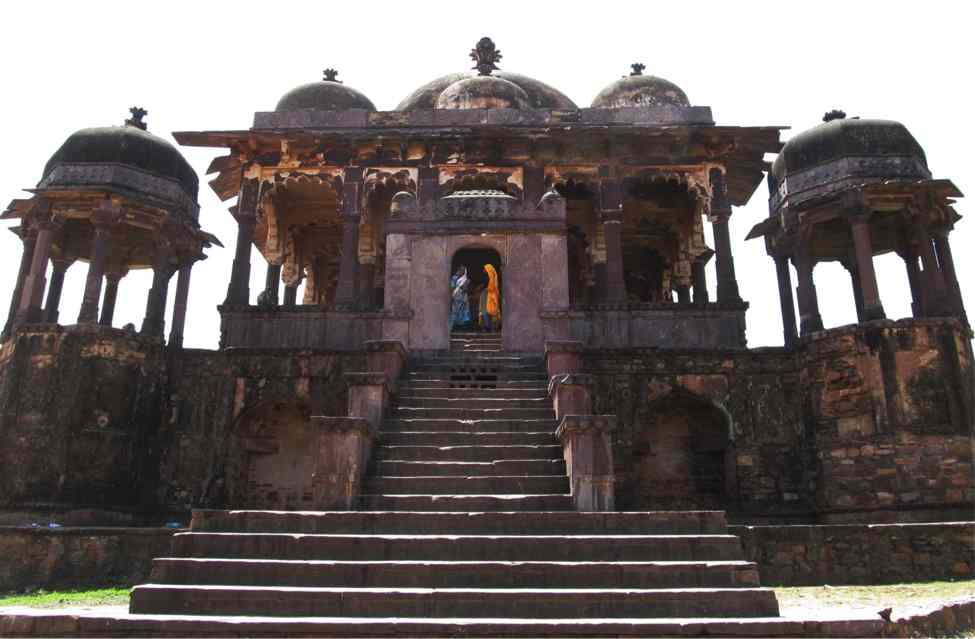
If you are looking for a wildlife sanctuary with a blend of rich history, Ranthambore National Park is the national park for you! Inside the park, the formidable Ranthambore fort lies overlooking the entire park area. There are three Hindu temples inside the fort dedicated to Ganesh, Shiva and Ramlalaji constructed in the 12th century. The fort itself was built in the 10th century and played a critical role in the historical development of Rajastan. Due to its strategic location between north and central India, many rulers coveted and fought over the area. Continue reading
Bird of the Day: Smooth-billed Ani
Seeds Of Change
Rounding out the hat trick of food-related stories for today, this story details the intersection between food, commerce and governance:
Kauai has a long agricultural history – from the first Polynesian settlers thousands of years ago bringing taro — a starchy pacific vegetable – to plant, to biotech-companies producing genetically-modified crops today. When Captain James Cook landed on the island in 1778 — little did he know that he had stumbled upon a farmer’s utopia. Continue reading
Understanding Food More, Better
Speaking of food transparency, if you have not yet watched any of the lectures, you are missing an amazing opportunity to learn about the science of food from some of the greatest chefs of our time, in one of the great institutions of higher education. Click here to see this article at its source, and/or click the link below to visit the website where the course’s recordings of lectures by visiting guest chefs, including this one, are made available:
When Joanne Chang ’91 was approached by a cable TV network in 2006 to host a show about the science of sweets, she was thrilled. The owner of the landmark Flour Bakery and graduate of Harvard College, where she was an applied mathematics concentrator, Chang always enjoys discussing her pastries, but she loves talking about them at the molecular level best.