Lazing Across The Wilderness

Bamboo Rafting

Bamboo Rafting

In recent posts we’ve been sharing what guests spot during their excursion on the bamboo rafts. We were delighted that Ms. Helen Worsley was willing to share her experience through these beautiful photographs.

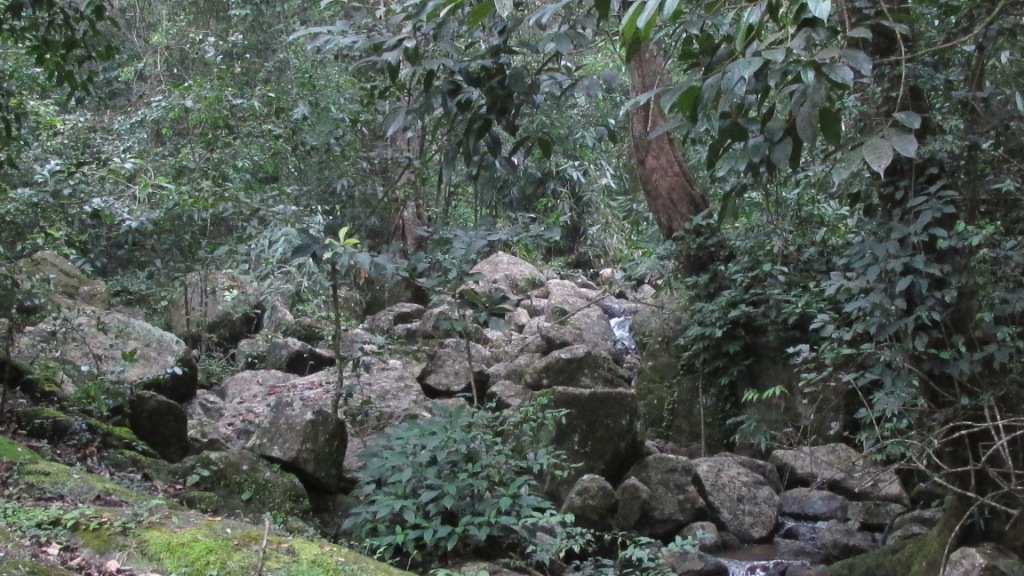
Bamboo rafting is either a half-day or full day program that starts in the early hours of morning. Forest guides in the reserve take guests on a 2-hour hike to where the rafts have been docked. The group consists of a maximum of 10 people excluding the guides who explain about the rich flora and fauna they spot on their hike. The hike itself is breathtaking for its wild beauty and by the time guests reach the raft they’re usually looking forward to what is to come. Continue reading

Food Transparency

Shelburne Farms' clothbound cheddar has a bright yellow color because it's made from the milk of cows that graze on grasses high in beta-carotene. Courtesy of A. Blake Gardner

Shelburne Farms’ clothbound cheddar has a bright yellow color because it’s made from the milk of cows that graze on grasses high in beta-carotene. Courtesy of A. Blake Gardner

We have been posting on the topic of transparency in food several times each year since starting this blog, so this news/commentary podcast fits in a tradition:

The news from Kraft last week that the company is ditching two artificial dyes in some versions of its macaroni and cheese products left me with a question.

Why did we start coloring cheeses orange to begin with? Turns out there’s a curious history here. Continue reading

Cardamom County – Home For One And All

Actias selene

Actias selene

This entire week we have been talking about the rich fauna in the Periyar Reserve and how it overlaps into Cardamom County. Today we share with you a rare sighting of the Indian Luna Moth! We found this little guest taking shelter in our cardamom plantation waiting for night to arrive as they usually only fly in the night. Continue reading

The Best Memories

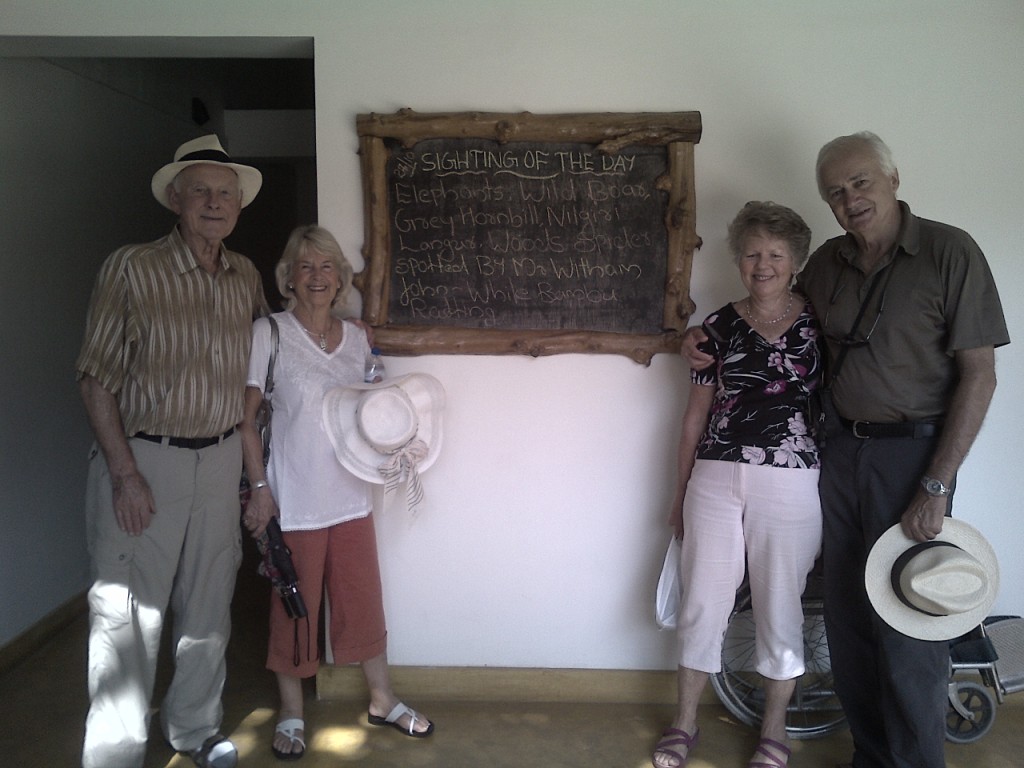
Sighting Of The Day

Sighting Of The Day

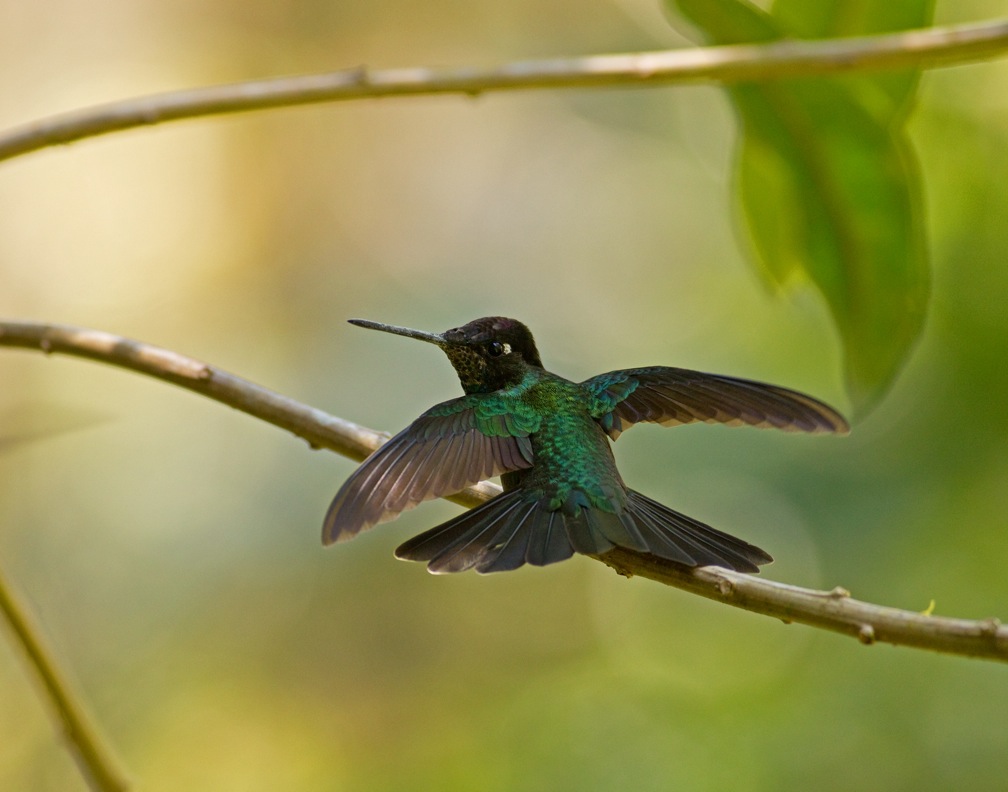
Cardamom County receives guests of all ages who are enthusiastic about trekking, hiking and bamboo rafting as well as others who just like to relax in the beautiful ambiance of our property. Our privileged location across the street from the Periyar Tiger Reserve means a lot of overlap of fauna such as birds, butterflies and even monkeys between us, although obviously we don’t have any tigers on property! Continue reading

The Educational Mission Of A Food Entrepreneur

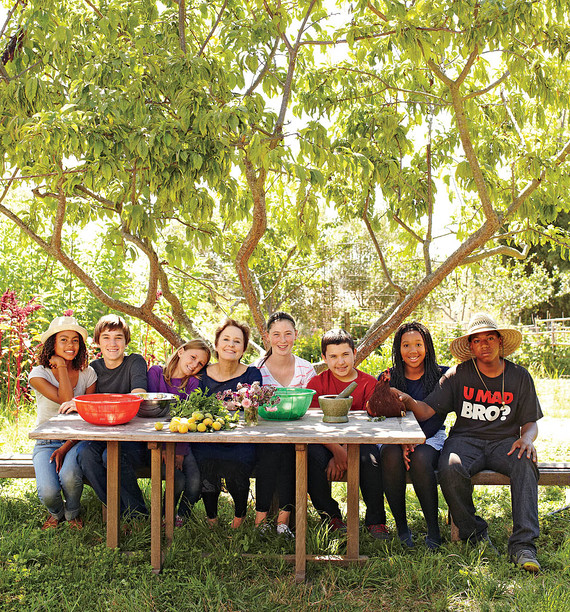
With students, under an elephant heart plum tree at the Edible Schoolyard Photography by William Abranowicz

With students, under an elephant heart plum tree at the Edible Schoolyard Photography by William Abranowicz

We never tire of listening to Alice Waters or watching for her next move. This article is ostensibly focused on an award from the Wall Street Journal, but we are most interested in the educational component of her work, which closes out the article:

AS THE EDIBLE SCHOOLYARD moves toward its third decade, Waters aims to expand its curriculum into high school programs, like at Edible Sac High, a Sacramento charter high school—housed within the second-oldest high school west of the Mississippi—where Waters’s ideals have been incorporated. Continue reading

Bullock Cart Re-Discoveries

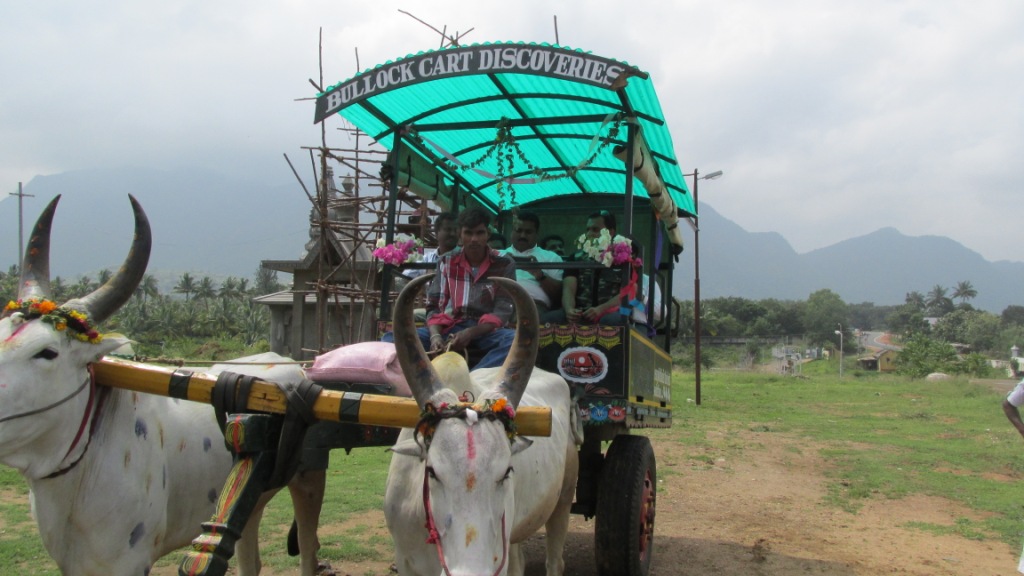
Bullock Cart Discoveries

Bullock Cart Discoveries

In the villages of India bullock cart rides are still very common modes of transportation, not only fun but also eco-friendly. Today the Raxa Collective Cardamom County team took part in the Thekkady TDPC (Tourism Destination Promotion Council) sponsored bullock cart within the local community to provide guests with a zero carbon experience that will also provide a source of income for the locals who cannot afford vehicles to exploit this large tourism market in the state. Continue reading

Blogrolling Is Alive And Well


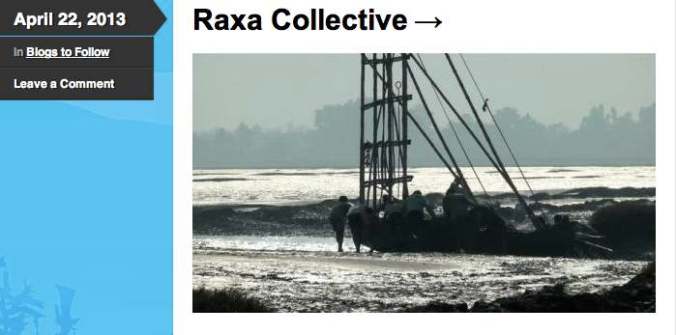
We do not stop enough to smell the roses, so to speak.  Every day someone or something, somewhere, points to someone or something here. On our blog we link out to stories we find worthy of passing along, and likewise other bloggers point back to our blog and blog posts to spread the word. This rosy moment we would like to bring your attention to the blog where this was posted with the photo above:

This is Raxa Collective, an amazing website based in India, whose mission is to connect people and groups involved in entrepreneurial conservation projects. Continue reading

Encased in Ash

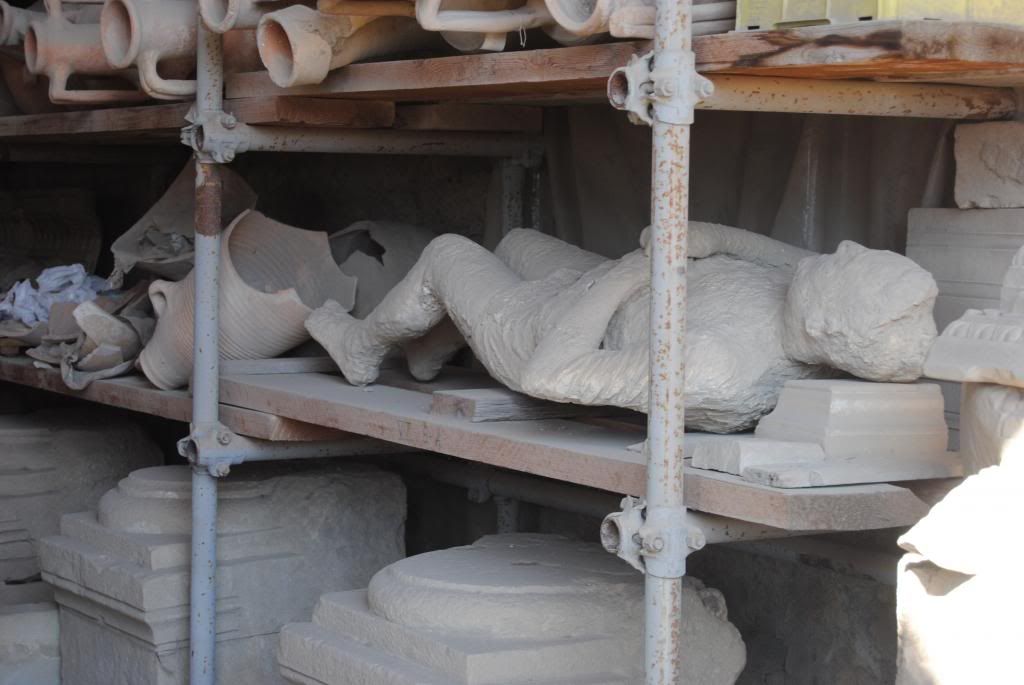
Encased in Ash – Body Mold from Pompeii

In 79AD, Mt. Vesuvius erupted with disastrous consequences for the residents of nearby Pompeii, Herculaneum, and other cities in the Campania region. Flows of boiling mud and rock rushed down the slopes, clouds of noxious fumes billowed upwards in the wind, and thousands of tons of rock and ash rained down upon the countryside. Pliny the Younger saw the eruption and likened it to a pinus, a pine tree. This may baffle some American readers, who may be accustomed to see pine trees that taper from a wide base to a narrow point Continue reading

Wild Periyar – Boating

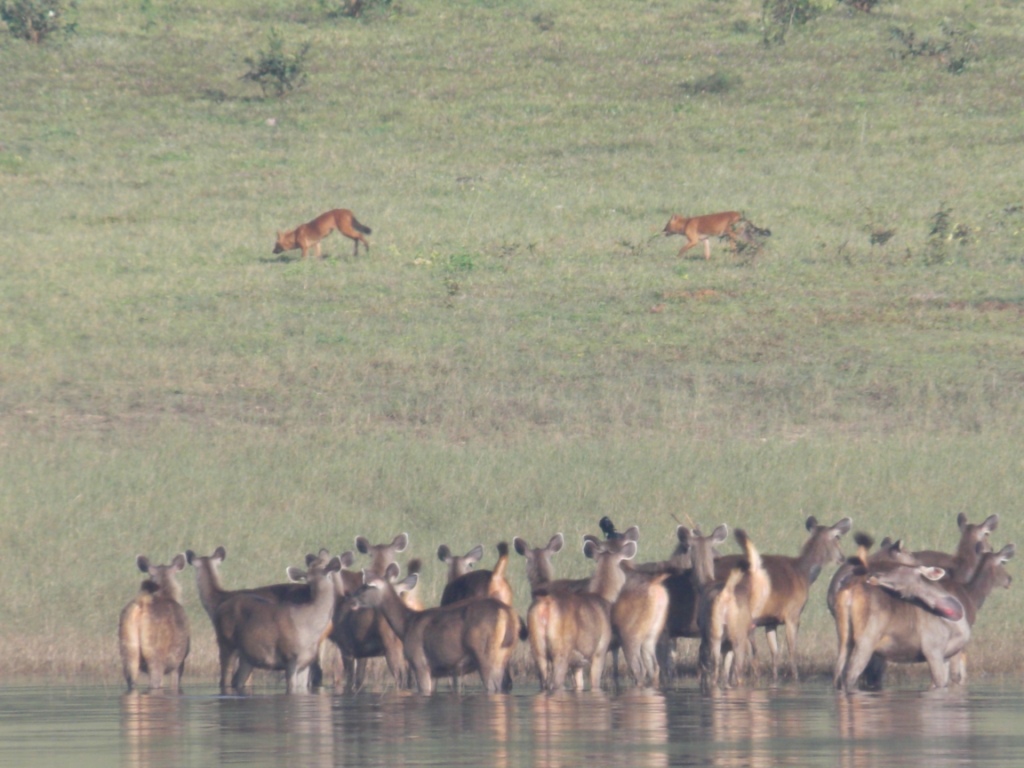
Sambar Deer

Sambar Deer

Where better to spot wildlife than on the lake looking to quench their thirst, cool down or save themselves from wild dogs? Here we share the documentation of the Bowden family’s experience visiting the Periyar Tiger Reserve on a boat cruise.  The Periyar reservoir expands over 26 square kilometers and is the main resource of water for not only the animals in the reserve but also the state of Tamil Nadu, where it provides daily water for livelihood in 3 of its districts. Continue reading

Into The Mind, Come To Kerala!

Jake may be our guide into a future where surfing plays a larger role in Raxa Collective’s portfolio of experiential offerings. For now, he is going to paint his masterpiece at Pearl Beach and take things one step at a time from there. This clip is from a film we hope to premier in Kerala in the coming months. We have sent an invitation, formally, to Sherpas Cinema, and will keep you posted on whether and when this may happen:

This is a story of rising to the ultimate challenge. Having the courage to risk fatal exposure and the perseverance demanded on the quest for achievement. These are not solely physical feats, they are mental conquests. Continue reading

If You Happen To Be In New York

Screen Shot 2013-11-04 at 6.31.12 PM

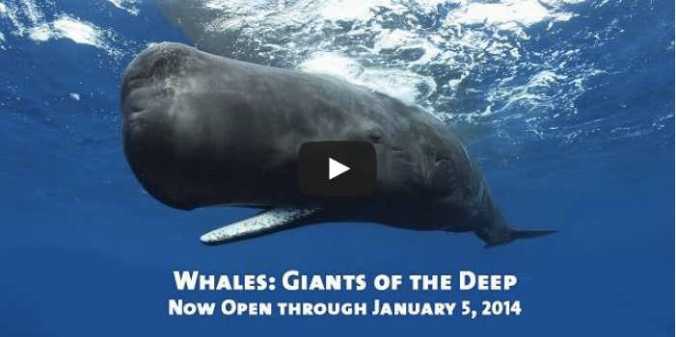
The exhibition goes well beyond that big whale you may remember in that great open space at the Museum:

Whales: Giants of the Deep explores the latest research about these marine mammals as well as the central role they have played for thousands of years in human cultures. From the traditions of New Zealand’s Maori whale riders and the Kwakwaka’wakw peoples of the Pacific Northwest to the international whaling industry and the rise of laws protecting whales from commercial hunting, the exhibition traces the close connections humans and whales have shared for centuries.  Continue reading

Periyar Trekking – Border Hike

semi evergreen forest

semi evergreen forest

Recent guests from Austria staying at Cardamom County shared photos of their Border Hike experience with us.  The Periyar Tiger Reserve extends over 925 sq kilometers and this particular trek covers a minimum of 18km of the peripheral zone. It’s difficult not to get lost and even more difficult to spot animals in the rich flora of the reserve, hence the importance of the professionally trained forest guides. Continue reading

The Newest, Dismalest Branch Of Science

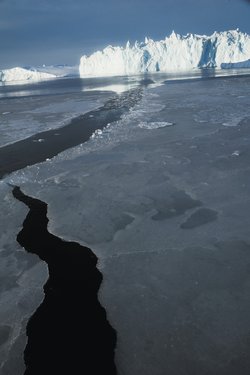
Stanley Greene/NOOR/Redux Greenland, photographed from a boat navigating the melt where dog sleds used to travel across the ice, October 2009

Stanley Greene/NOOR/Redux
Greenland, photographed from a boat navigating the melt where dog sleds used to travel across the ice, October 2009

We prefer the news about solutions to challenging problems. Preferably positive news. Preferably innovations that invoke smiles. Sometimes, dismal is the only way to move forward. Thanks to the New York Review of Books, and Paul Krugman for this review:

Forty years ago a brilliant young Yale economist named William Nordhaus published a landmark paper, “The Allocation of Energy Resources,” that opened new frontiers in economic analysis.1 Nordhaus argued that to think clearly about the economics of exhaustible resources like oil and coal, it was necessary to look far into the future, to assess their value as they become more scarce—and that this look into the future necessarily involved considering not just available resources and expected future economic growth, but likely future technologies as well. Moreover, he developed a method for incorporating all of this information—resource estimates, long-run economic forecasts, and engineers’ best guesses about the costs of future technologies—into a quantitative model of energy prices over the long term. Continue reading