Praveen Kumar
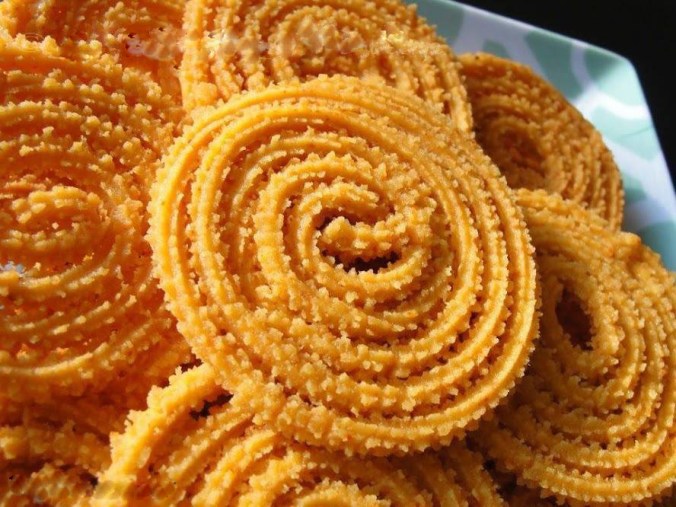
Murukku is a crunchy tea time snack traditionally served in Kerala homes and tea stalls. The main ingredient for murukku is rice flour, with cumin and red chili powder added for flavour and asafetida for added colour.
Praveen Kumar
Murukku is a crunchy tea time snack traditionally served in Kerala homes and tea stalls. The main ingredient for murukku is rice flour, with cumin and red chili powder added for flavour and asafetida for added colour.

Yanacocha Reserve, Ecuador
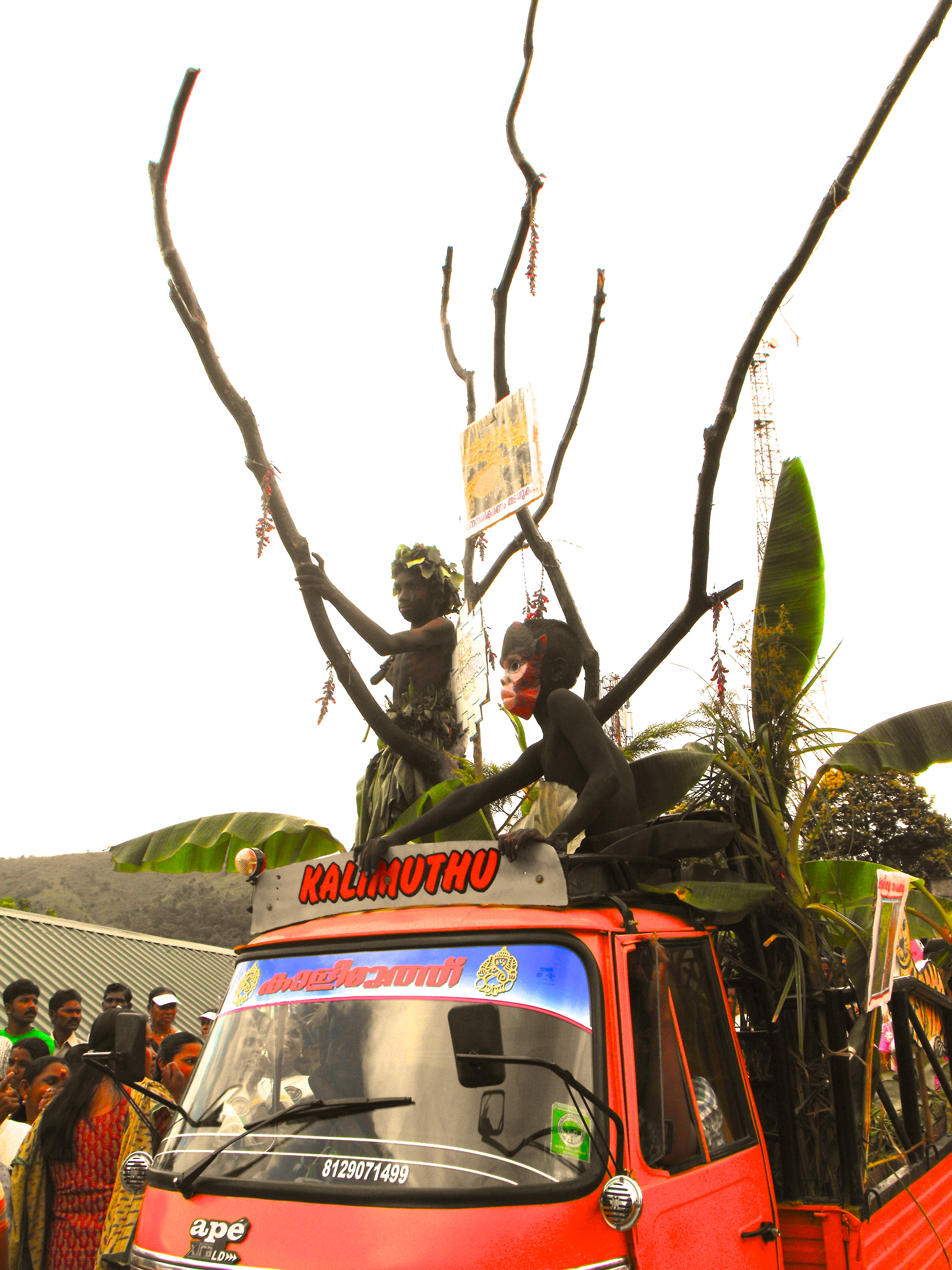
Parade float with children dressed as plants and animals
On the 8th of October Kumily held a parade in support of the Periyar Tiger Reserve and Wildlife Week. As an intern for Raxa Collective, I had the unique opportunity to participate in this procession. This was my first Indian parade, and in some ways it was very similar to the parades I had participated in the USA; the majority of people waited around in some confusion until someone with the knowledge of the lineup said to start walking, but what made this a very unique experience is I couldn’t understand the conversations of anyone besides my own party.
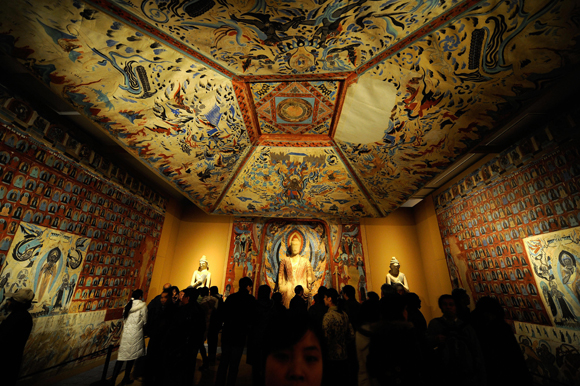
Visitors visit a replica parts of the Mogao Cave during the Dunhuang Art Exhibition in Beijing on February 20, 2008. The exhibition displays collections mostly from the Dunhuang Grottoes which were constructed between the 4th and the 14th century, including recovered antres, original painted sculptures and their replicas from Library Cave of Dunhuang. Dunhuang, located in Jiuquan of Northwest China’s Gansu province along the historic Silk Road, is in danger of being swallowed by sands of the adjacent Kumtag desert, which are creeping closer at a rate of up to four metres (13 feet) a year. (Photo credit TEH ENG KOON/AFP/Getty Images)
We tend to avoid topics pertaining to religion, spirituality or related highly personal matters that sometimes can lead to misunderstandings, misapprehensions, or worse; but our love of libraries, of archives, of discoveries are all satisfied in one fell swoop of a blog post, and we are particularly impressed to learn that Gutenberg may not be the only key to understanding the history of printing:
Just over a thousand years ago, someone sealed up a chamber in a cave outside the oasis town of Dunhuang, on the edge of the Gobi Desert in western China. The chamber was filled with more than five hundred cubic feet of bundled manuscripts. They sat there, hidden, for the next nine hundred years. When the room, which came to be known as the Dunhuang Library, was finally opened in 1900, it was hailed as one of the great archaeological discoveries of the twentieth century, on par with Tutankhamun’s tomb and the Dead Sea Scrolls. Continue reading
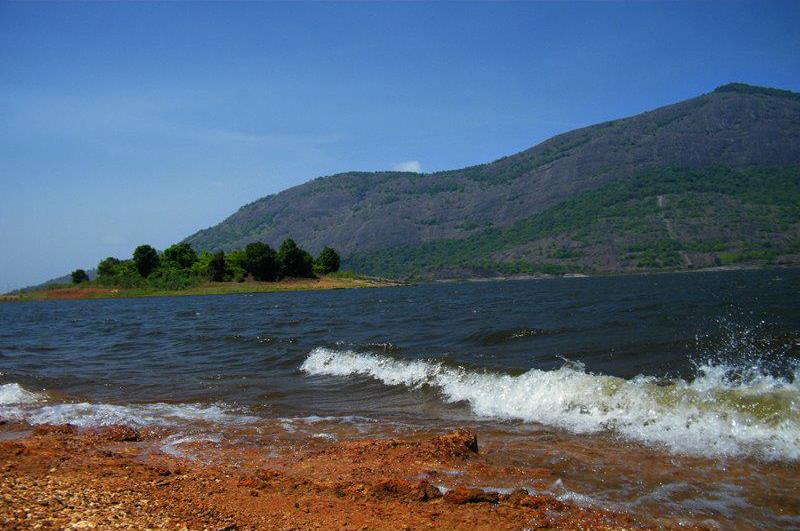
Photo credits : Rafeek
Kava Lake lies in the foot hills of the Malampuzha Dam in the Palakkad district. The area is ideal for trekkers, natural lovers and adventures. Continue reading
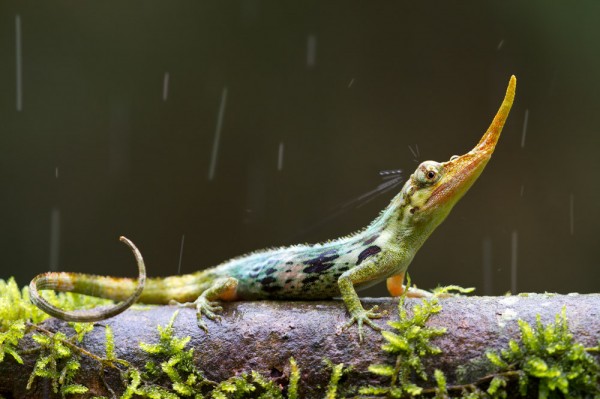
The lizard’s superschnoz on display. Photograph by Alejandro Arteaga, tropicalherping.com
News from Ecuador in recent weeks was mostly a bummer, environmentally speaking. The government there knew it was sitting on a gusher; specifically an extremely sensitive, biodiversity hotspot is sitting on that gusher; and they tried their best to offer the world an opportunity to help them avoid drilling. Did they do everything conceivable before deciding to drill? There is lots of opinion on that; no matter who is right, the outcome is not a good one. But let’s not throw the baby out with the bathwater. This week, however, there is news out of Ecuador that brings a smile to the face:
It’s no lie—scientists have spotted a lizard with a nose like Pinocchio in an Ecuadorian cloud forest. What’s more, the long-nosed reptile was thought extinct, having been seen only a few times in the past 15 years. Continue reading

Shiroor, Karnataka
As countries go, India is just about as varied as they come. With a history of people coming here to either lose themselves or find themselves, it’s simultaneously colorful, soulful and gritty.
This offering by the Indian tourism board will take your breath away!

Photo credits: Dileep Kumar
The Thenmala-Sengottai Meter Gauge Ghat section had been one of the gems of the Indian rail system and certainly one of Kerala’s most beautiful routes. Maharajah Balarama Varma of Travacore conceived and implemented the railway line during 1904, with an , with an inaugural run in July of that year. Continue reading
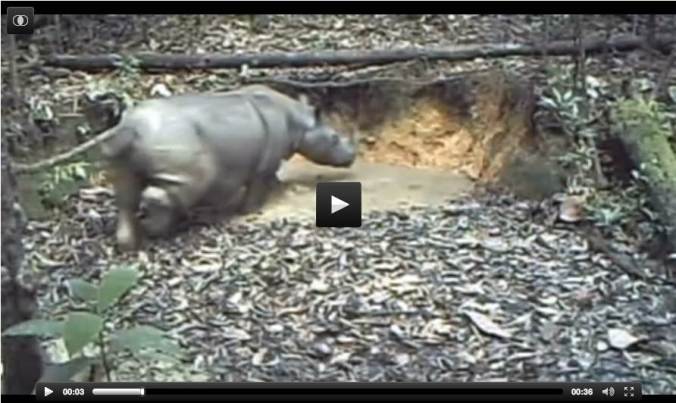
Scientists have captured video of a Sumatran rhino, once thought to have been wiped out, in the Kalimantan forest in Indonesia. In footage captured by the WWF, the animal can be seen bathing in a puddle and scurrying among trees. The video proves the charity’s efforts to preserve the species have had some impact
We have been thrilled by the increasing velocity with which camera-trapped images and video of endangered animals get hurled across the wired world. The video above (click to go to the Guardian‘s host site for that half minute of pleasure). Back in March, WWF released this news release and at the time we did not link to it because it seemed premature; now, read it and weep:
Found! Traces of Sumatran Rhinos in Indonesian Part of the Heart of Borneo
Sendawar, East Kalimantan, March 28, 2013. A team from WWF-Indonesia has found fresh footprints resembling those of a rhino in the Heart of Borneo (HoB) area of East Kalimantan, Indonesia. Continue reading

Madera Canyon, AZ
International street art eminence, Banksy, arrived in NYC and word had it that he would do a piece somewhere in the city each day, for one month. A friend tipped me on a location for the third day Continue reading

Photo credits : Nobi Pauls
Similar to many other cultures, a traditional meal in Kerala ends with maduram, something sweet. Payasam is the classic Kerala dessert. There are many varieties of payasam; Paal Pyasam, Paruppu Payasam, Semiya Payasam and Ada Pradhaman. Continue reading


Entrance to the Tourism Event
This past weekend Cardamom County was the venue for a Thekkady Destination Promotion Council (TDPC) event to promote the activities available in Thekkady and Kumily. At first I thought it was just going to be like other conference events I had witnessed in my 3 months here, but I soon realized I was wrong. The first evidence of my misconception came when someone asked me if I was coming early to see the elephants before the guests arrived. I was completely surprised by the question but of course I responded, “yes!” quite aware that this event was becoming a lot more interesting than I had previously thought. Continue reading
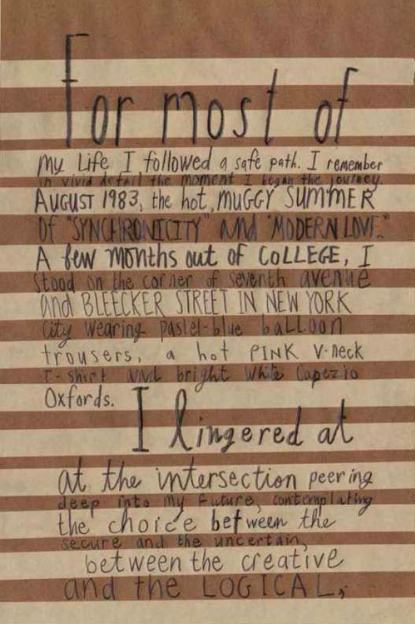
Thanks to the team at exp,lore.com, and hopefully by clicking the image above you will always be able to find the series of handwritten texts described here:
The seasonal trope of the commencement address is upon us as wisdom on life is being dispensed from graduation podiums around the world. After Greil Marcus’s meditation on the essence of art and Neil Gaiman’s counsel on the creative life, here comes a heartening speech by artist, strategist, and interviewer extraordinaire Debbie Millman, delivered to the graduating class at San Jose State University. Continue reading

Photo credits: Tintu
Toddy shops are not just about toddy. They are also known for the food they serve, mainly the spicy variety. The particular dishes vary from the region to region. The eastern part of the state favours dry food while in the central and southern districts seafood is preferred. Continue reading
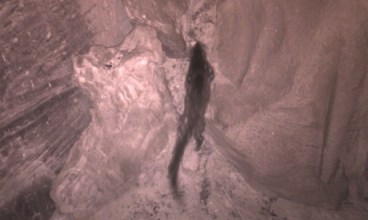
Spotted: the surprise sighting of the tiger quoll in the Grampians national park. Photograph: Parks Victoria
We have recently become fans of modern technology‘s ability to leverage charismatic images for conservation’s purposes with creatures large and small. It is not as simple as the scientific “seeing is believing;” more “seeing is caring.” In this case, if we did not have the title and subtitle of the article, we would have little clue what we were looking at:
Tiger quoll seen in Grampians – in first sighting in wilderness area since 1872
Remote camera set up to spy on wallabies sends back images of endangered marsupial Continue reading
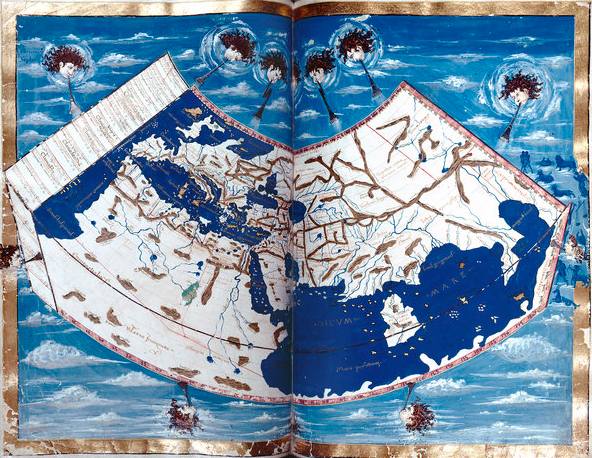
New York University’s Institute For The Study Of The Ancient World is hosting an exhibition that speaks to those of us who love maps and the ideas they represent in historic as well modernistic terms. (GPS-guided navigation systems, we love you, but this is about your ancestors). Those ideas can be as simple as “Getting From Here To There, In Hindsight,” which might have been a subtitle to this exhibition:
Measuring and Mapping Space will explore the ways in which ancient Greek and Roman societies understood, perceived, and visualized both the known and the unknown areas of their world. It brings together more than forty objects, combining ancient artifacts with Medieval and Renaissance manuscripts and printed books that draw upon ancient geographic treatises. Together, they provide a fascinating overview of Greco-Roman theories of the shape and size of the Earth, ancient methods of surveying and measuring land, and the ways in which geography was used in Roman political propaganda. A specially designed multimedia display examines the increasing importance of modern technologies in mapping the ancient world. Continue reading

 Organikos