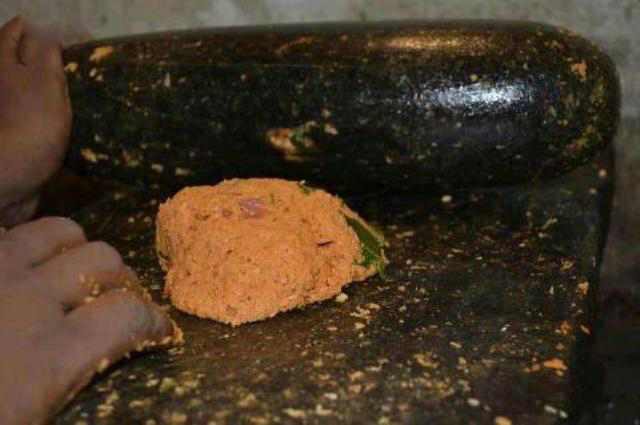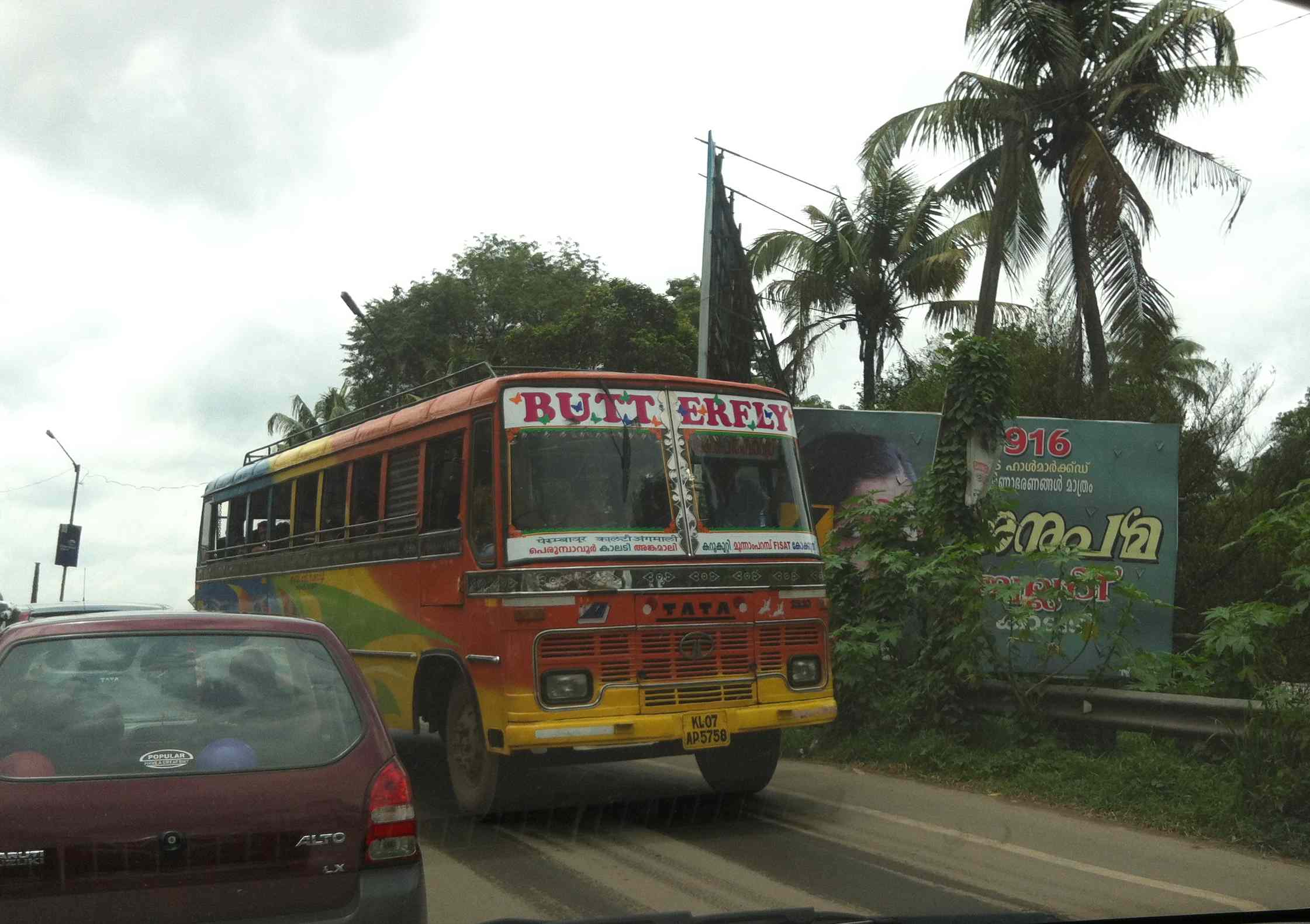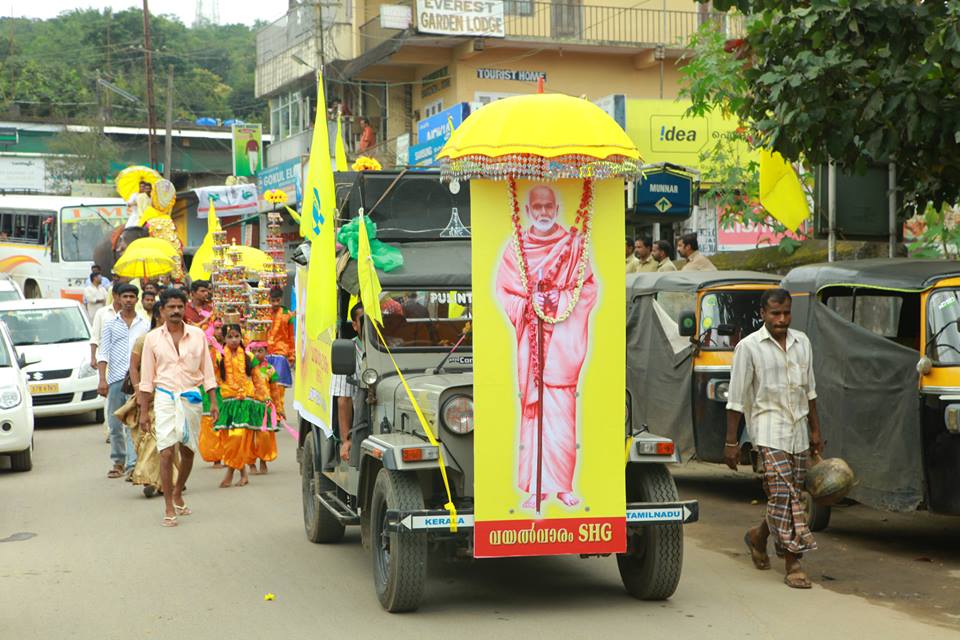
From Behind the Wheel: “It’s All About Coconut”
Bull Festival Karnataka
The Bull Worshiping Festival is celebrated by Indian farmers, mainly in the State of Karnataka. On this day farmers bathe their bulls, decorate them with ornaments and shawls, paint their horns, and place garlands of flowers around their necks. Continue reading
Bird of the Day: Mexican Jay (Southwestern Research Station, AZ)
Kettuvallom – Houseboats
The publishers of the most recent edition of the Lonely Planet India place Kerala’s backwaters as second only to the Taj Mahal in their “must do” list of the country. The houseboat experience is partially the reason why. Traditional Kettuvallom are thatch-covered barges built to carry rice and other commodities through the waterways that once formed the lifeline of Kerala’s transportation systems. Continue reading
Spirit + Energy + Water + Patience + Talent = National Geographic Traveler Photo Contest Winner
Thanks to the National Geographic Society’s many innovations, and in particular for the small ones like this photo contest:
I was in Manaus, Amazonas, during the Brazilian Aquathlon (swimming and running) championship. I photographed it from the water and my lens got completely wet, but there was so much energy in these boys that I just didn’t worry about that. —Wagner Araujo Continue reading
Bird of the Day: Osprey (Bhadra Wildlife Sanctuary, Karnataka)
Protecting The Largest Forests

Photo courtesy Valerie Courtois, Canadian Boreal Initiative. Migratory tundra caribou in the boreal region of Quebec migrate hundreds of miles and require large tracts of protected wilderness.
Thanks to Krishna Ramanujan for this story in the Cornell Chronicle about the new mega-scale of conservation planning:
At least half of Canada’s 1.4 billion acre boreal forest, the largest remaining intact wilderness on Earth, must be protected to maintain the area’s current wildlife and ecological systems, according to a report by an international panel of 23 experts. Continue reading
From Behind the Wheel: Directing Pondicherry Traffic
Kovalam – Kerala
Kovalam beach is covered with coconut palms, and framed by the headlands that rise steeply above the shore. The crescent shaped beaches of Kovalam are an international tourist attraction. With golden sands, miles of shimmering sea, and picturesque beaches it is no wonder that this beautiful place is one of Kerala’s most popular destinations. Continue reading
Those Fabulous Buffett Boys
It sure sounds like a great way to pass time, giving away billions of dollars. The fact that they seem to think deeply about the implications of their wealth, as well as their methods of getting and giving, makes them even more noteworthy. Thanks to tax-payer, and listener-supported National Public Radio in the USA for bringing the other brother/son to our attention with this story:
Get Howard Buffett into the cab of a big ole’ farm tractor and he’s like a kid — albeit a 58-year-old, gray-haired one. He’s especially excited when it comes to the tractor’s elaborate GPS system, which he describes as “very cool.”
“I’m driving hands-free,” says Buffett, the son of billionaire investor Warren Buffett. Continue reading
Bird of the Day: Bald Eagle Carrying Chum Salmon (Auke Bay, Alaska)
Luke Shepard, Come To Kerala!
We send these invitations, modern messages in modern bottles, with discriminating intent, if random expectations. Luke reminds us of how much we miss the Raxa Collective Design Team, a 2012 phenomenon. We cannot see much about Luke except that he “does things.” The photography and film-making among those things, we like from what we see here. The welcome mat is out…
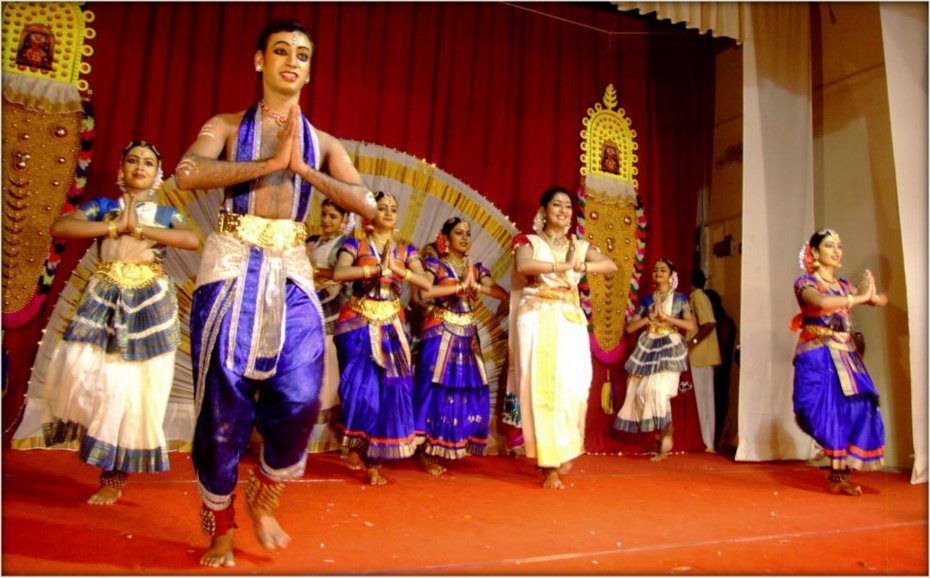
Mahashivratri Festival – Attappadi
Attappadi is situated in the northeast part of Palakkad district, and is a stunning forest that is mainly inhabited by local tribes. The Malleshwarn peak of Attappadi is worshiped as a huge Shivalinga, the symbolic connection between male and female forces, by these tribes. They celebrate the festival of Shivratri with fanfare on the hill, by illuminating the top of this peak. Continue reading
The New Social Work, A Bangalore Innovation

Courtesy of Flavy Shankar. Deena Pinto, extreme left, with her friends during a Sunday brunch meeting in Bangalore, Karnataka.
Thanks to India Ink for this coverage of Bangalore’s social scene intersecting with its entrepreneurial innovation:
Deena Pinto, in her 30s and single, is much sought after in some social circles in Bangalore. Continue reading
Eat Wild, Eat Well
As we start thinking through food programming at the two new properties we are working on here in Kerala, our attentions are scattered around the world, but eating wild keeps coming to us from all over. So when the great interviewer Dave Davies discusses this book with its author, podcast here, our attention is riveted:
In her new book, Eating on the Wild Side, Robinson argues that our prehistoric ancestors picked and gathered wild plants that were in many ways far more healthful than the stuff we buy today at farmers’ markets.
But this change, she says, isn’t the result of the much-bemoaned modern, industrial food system. It has been thousands of years in the making — ever since humans first took up farming (some 12,000 years ago, more or less) and decided to “cultivate the wild plants that were the most pleasurable to eat,” she writes. More pleasurable generally meant less bitter and higher in sugar, starch or oil.
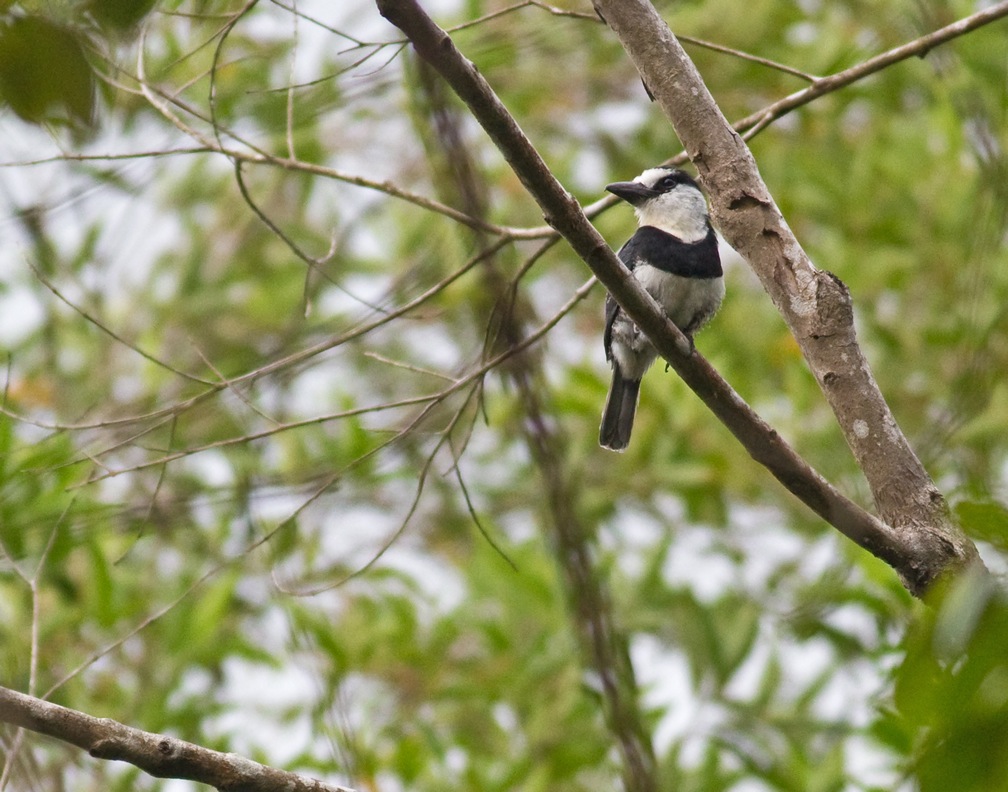
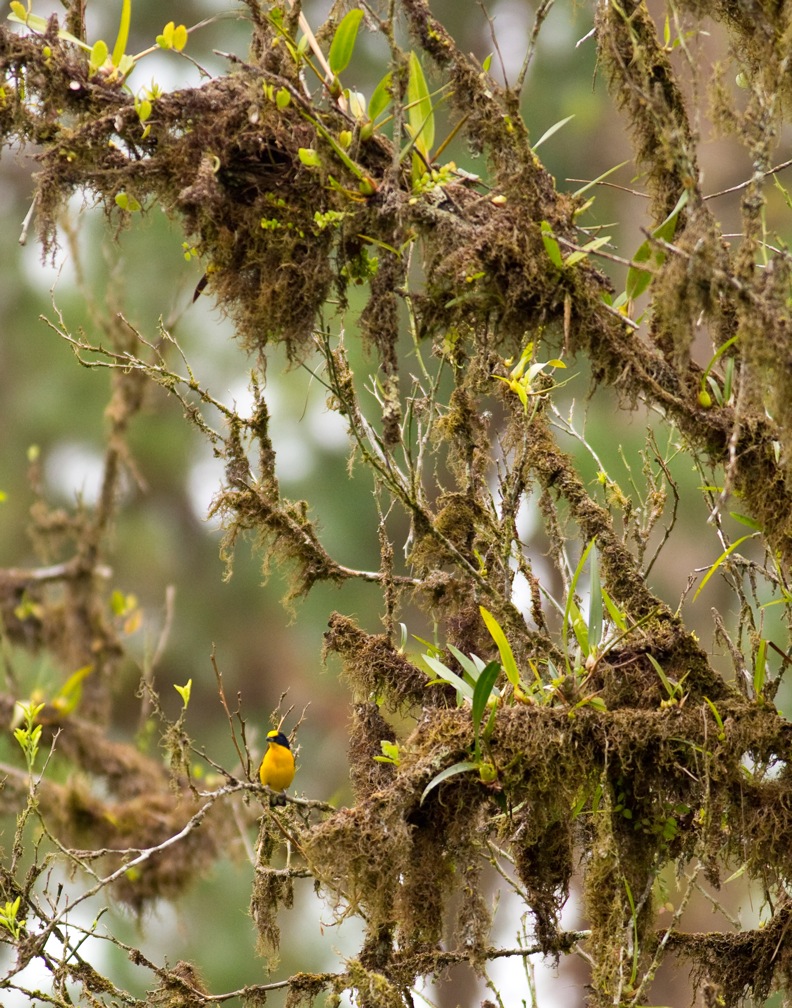
Bird of the Day: White-throated Mountain Gem
If You Are Planning Marriage
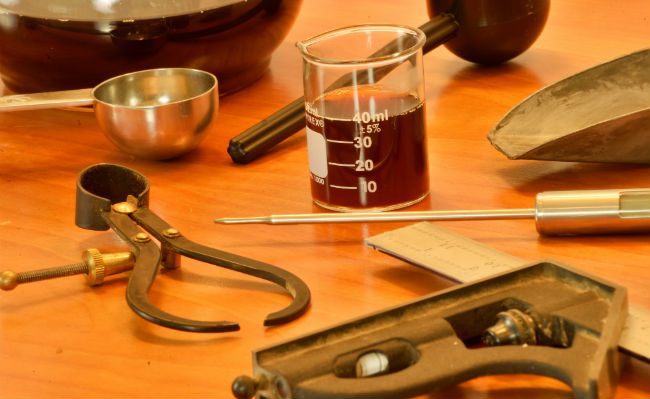
Champagne is associated with celebration for many reasons, and having just learned that one of our former interns is planning a wedding we could not resist sharing this information in the spirit of citizen science-sharing (click the image above to go to the source in Scientific American‘s website):
…In Uncorked: The Science of Champagne, recently revised and translated into English, physicist Gerard Liger-Belair explains the history, science and art of the wine. His book also features high-speed photography of champagne bubbles in action and stop-motion photography of the exact moment a cork pops (potentially at a speed of 31 miles per hour (!). Continue reading
“Buy a Fish, Save a Tree”
One would normally associate conservation with protecting the natural environment and the animals in it, but this Discovery Magazine article shows a new, almost counter-intuitive, way the local people are helping conserve and protect the Amazon Rainforest.
At sunrise on a September day in 1991, as Scott Dowd’s riverboat floated up the Rio Negro in Brazil, flocks of shrieking macaws streaked the sky red and gold. Otherwise, “my full field of vision was filled with jungle,” he remembers.
Best of all for the self-described “fish nerd” from Weymouth, Massachusetts, the dark waters beneath his boat teemed with beautiful fish—species he’d kept in aquarium tanks since he was 10. Now he was headed to the place they’d come from: Barcelos, a town of 20,000 in the heart of the Amazon.
But when he got there, he was horrified.
The riverfront was jammed with men in dugout canoes. They had come from the surrounding municipality, a rainforested area the size of Pennsylvania, bringing hand-woven baskets lined with plastic, now brimming with tiny, colorful fish. Tubs of the fish they caught would fill the entire bottom floor of an 80-foot ferryboat headed to Manaus, 280 miles to the south.
The fish were bound for exporters supplying home aquaria around the world. The estimated catch of tropical fish leaving the area, Dowd discovered, was more than 40 million fish per year. “My kneejerk reaction to this was, this was out of control!” he says.
But now, 22 years later, he eagerly admits: “I could not have been more wrong.” Continue reading