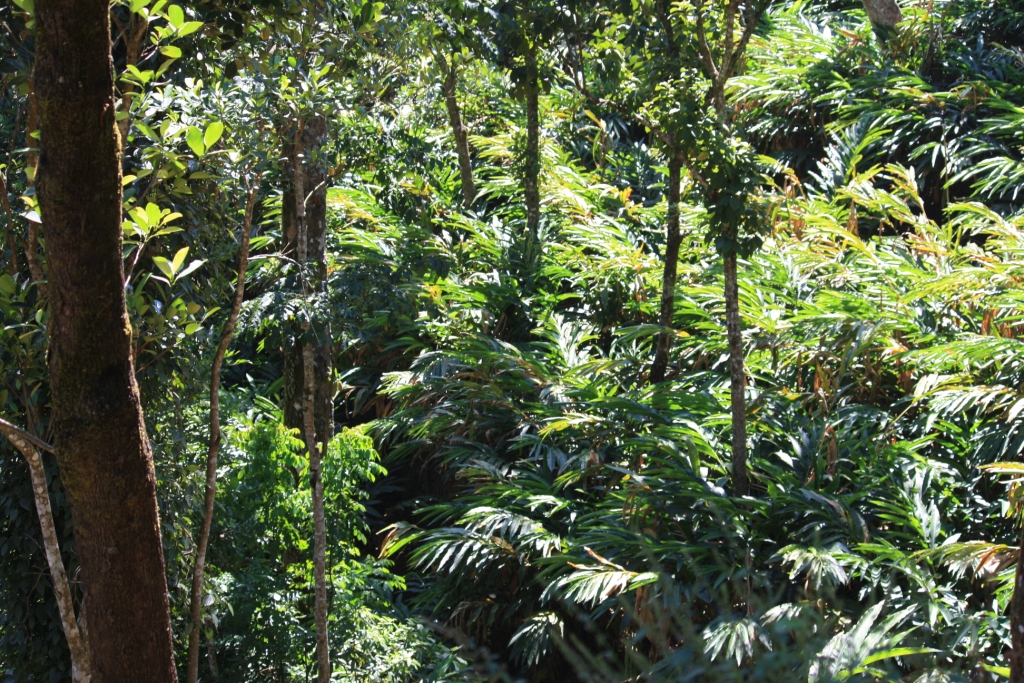
Cardamom is popularly known as the “Queen of Spice” and is one of the important commercial crops found in the high ranges of Kerala. The best quality cardamom grown in and around the Idukkki District is the species Mysore Cardamom. Continue reading
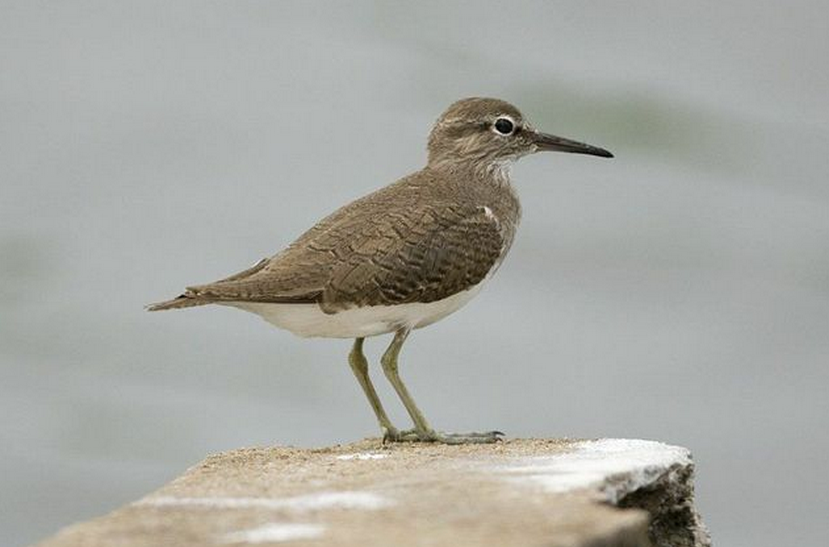
Bird of the Day: Common Sandpiper (Mole National Park, Ghana)
19th Century Modern
Students in need of tuition money sometimes prove the saying that necessity is the mother of invention, as this New Yorker historical note indicates:
In 1843, a Dartmouth College freshman named Augustus Washington needed to earn some money for tuition. As a man of mixed-race—a black father, a South Asian mother—many professions were closed to him. But anyone could learn the new art of daguerreotype photography, which had been perfected and publicized a few years earlier by the French artist Louis-Jacques-Mandé Daguerre. After mastering the bulky camera, Washington opened a studio in Hartford, Connecticut, where he made a good living photographing middle-class families. Continue reading
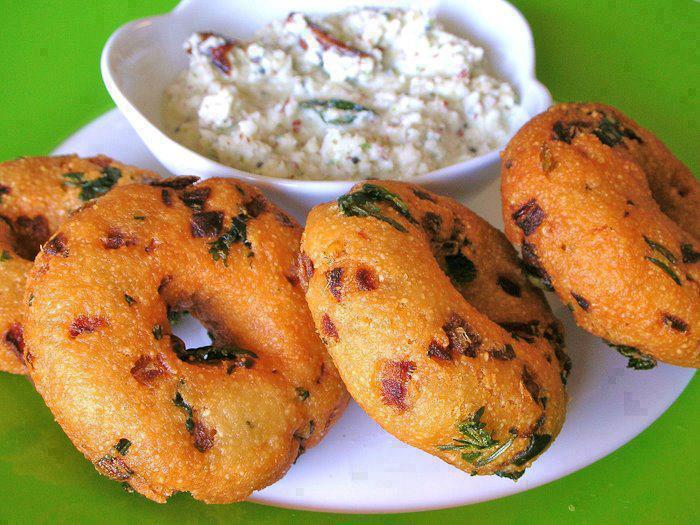
Uzhunnu Vada – Flavours Of South India
Uzhunnu Vada is a very common snack in South India, and is often found at breakfast with items such as Idli, Sambar and Chutney. The main ingredients for this dish are black lentils, ginger, onion, salt and curry leaves. Continue reading
Indian Food For Thought
Thank you, Mr. Cardoz, on behalf of all those who resist the family’s gravitational pull to other professions, and choosing food. And thanks to the New York Times for bringing your story in brief, thoughtful form:
In Edison, New Jersey, “Floyd Cardoz was scanning the shelves at a supermarket called Apna Bazar Cash and Carry, looking for inspiration,” Jeff Gordinier wrote in The New York Times. Continue reading
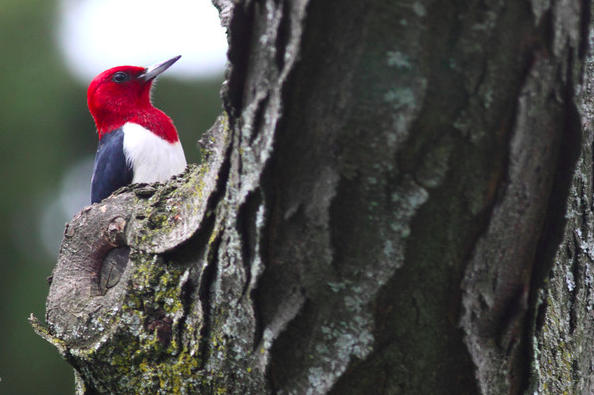
Bird of the Day: Red-headed Woodpecker
Ducks at Kuttanad
Kuttanad is a large area made up of low-lying land spread across Alappuzha District. Agriculture is the major occupation and paddy is grown as far as the eye can see. Duck rearing is a subsidiary occupation for many farmers and thousands of ducks wadding over the fields, lakes and rivers is a beautiful sight across the district. Duck growers from even distant places bring their flocks to Kuttanad during the harvest season. Continue reading
Extinction Is Forever, Except When It Is Not
From the fellow who brought you Dolly, a philosophical yet practical consideration of the ethics of cloning an extinct species:
It is unlikely that a mammoth could be cloned in the way we created Dolly the sheep, as has been proposed following the discovery of mammoth bones in northern Siberia. However, the idea prompts us to consider the feasibility of other avenues. Even if the Dolly method is not possible, there are other ways in which it would be biologically interesting to work with viable mammoth cells if they can be found. Continue reading
Our Gang Thevara (Cricket, Bollywood Style)
Our neighborhood buddies are almost always in cricket mode, but when they sense an audience the stance switches, as if on cue, to film star mode. Action!
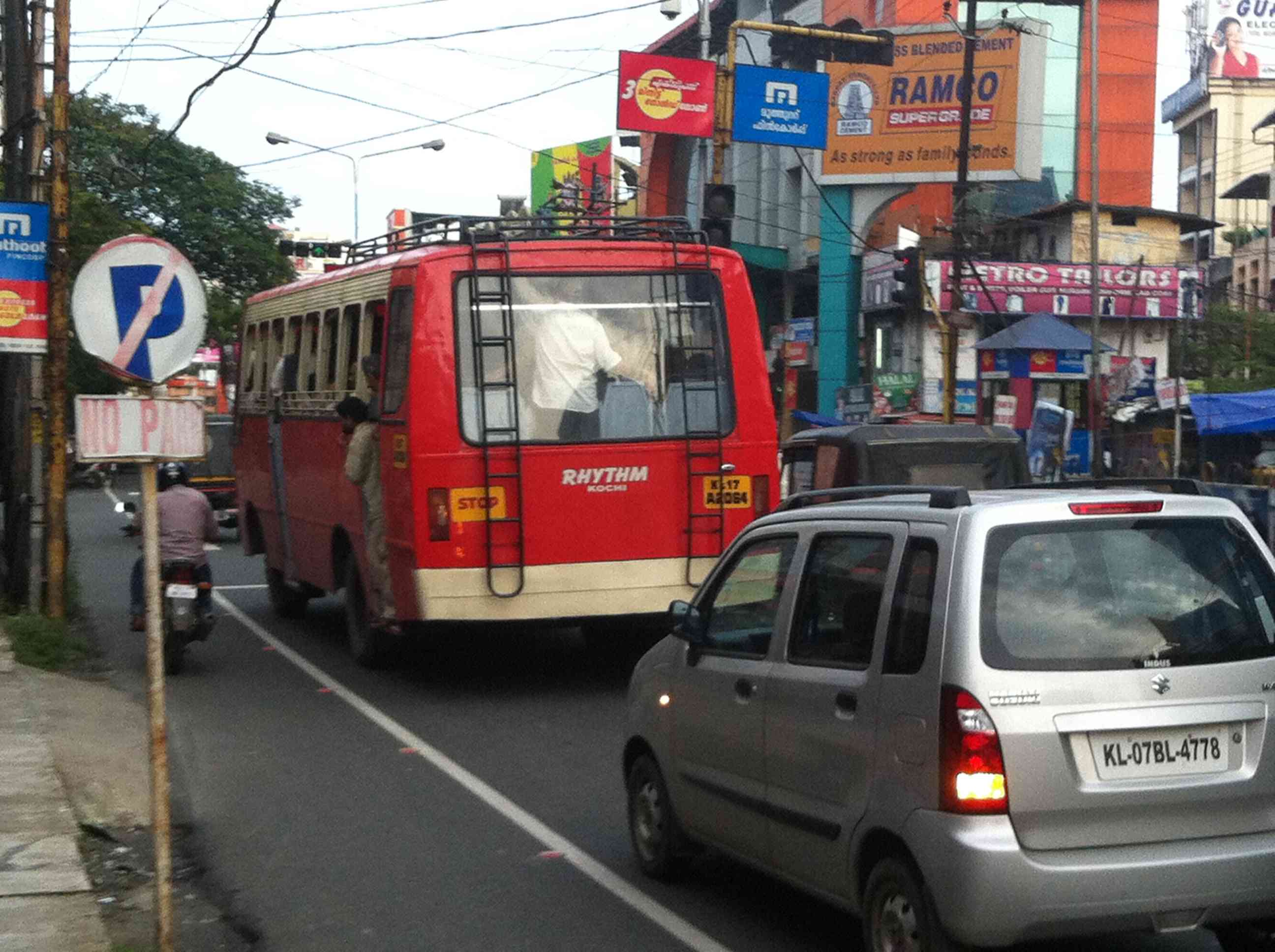
From Behind the Wheel: Syncopated Mass Transit
Icelandic Cartography: Thoroddsen
This tiny thumbnail is all the American Geographical Society Library will let you download from their digital map collection, but if you click on the photo you’ll be routed to the University of Wisconsin’s Milwaukee Libraries Digital Collections page and have access to the map in stupendously high resolution, with the capability to zoom in and move around Þorvaldur* Thoroddsen’s 1901 Geological Map of Iceland; Surveyed in the years 1881-1898. This version was published in English at Copenhagen, but I have featured the 1906 version before, and keep a printed copy of the later publication (publ. Gotha, Germany), hanging in my room in Ithaca.
I use my copy for any quick reference I need to make while reading or thinking about places in Iceland for my research, and I also plan on starting to use little ball pins to mark down the most often-traveled areas and more quickly become accustomed with place-names and distances between locations. One interesting difference between the 1901 English and 1906 German versions of this map is the Vatna/Klofa Jökull region, which Continue reading
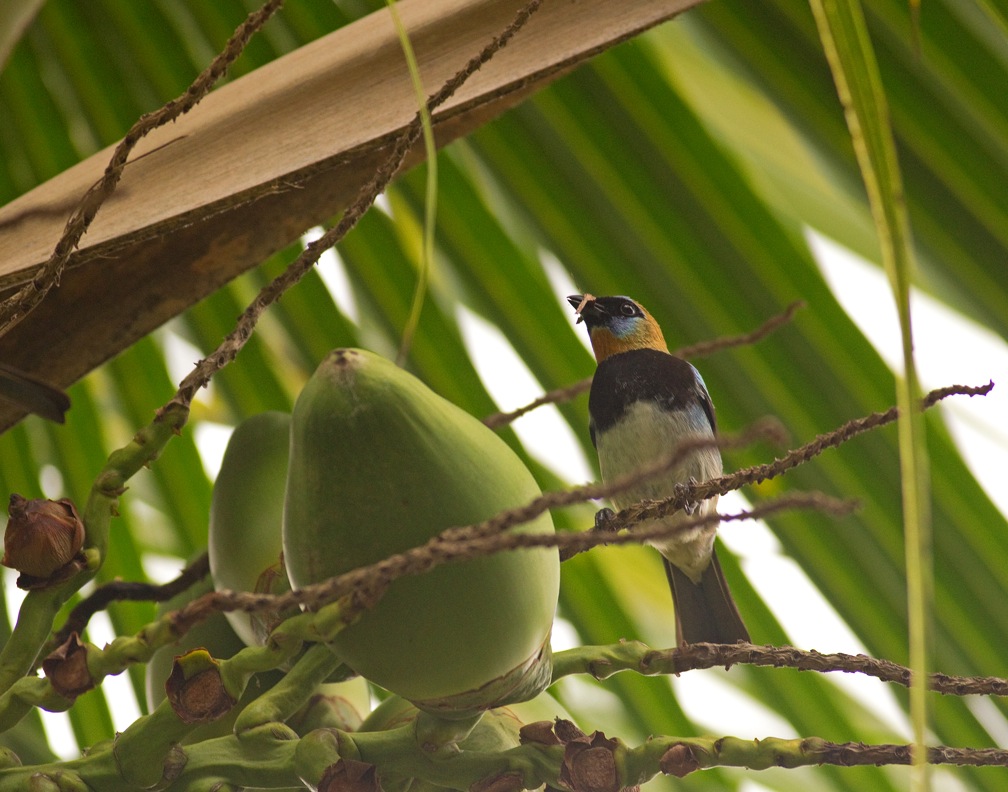
Bird of the Day: Golden-hooded Tanager (Gamboa, Panama)
Trashy bags : social and environmental entrepreneurship inspiration from Ghana
How we do business and perceive the world has been informed for many years by the concepts of Recycling and Upcycling. So our first introduction to Trashy Bags during a trip to Accra was exciting to say the least.
Trashy Bags is a social enterprise that makes recycled eco-friendly bags and gifts from plastic trash. They employ over sixty local people to collect, clean and stitch plastic trash into bags and other products. Packaging and “billboard flex film” waste is a huge problem worldwide, not just in Ghana. But a growing issue in parts of world where clean drinking water isn’t readily available is the build-up of spent “water sachets”—non biodegradable plastic water pouches.
It is estimated that in Ghana, waste produced from plastic packaging amounts to 270 tonnes per day; most of it non-biodegradable. That adds up to over 22,000 tons of plastic in one year.
This figure has risen in just ten years by about 70%. Despite this rise, it is estimated that only 2% of plastic waste is recycled. You may ask what happens to the remaining 98%. Continue reading
Hill Clerodendrum (Clerodendrum viscosum)

Hill Clerodendrum
Hill Clerodendrum is an aggressive colonizer commonly found on hills and forest clearings. The pink-centred and white flowers are sweet scented in the evening but oderless during the day. Long-tonged Hawkmoths are the primary pollinators. Continue reading
Bird of the Day: Shikara (Bangalore, Karnataka)
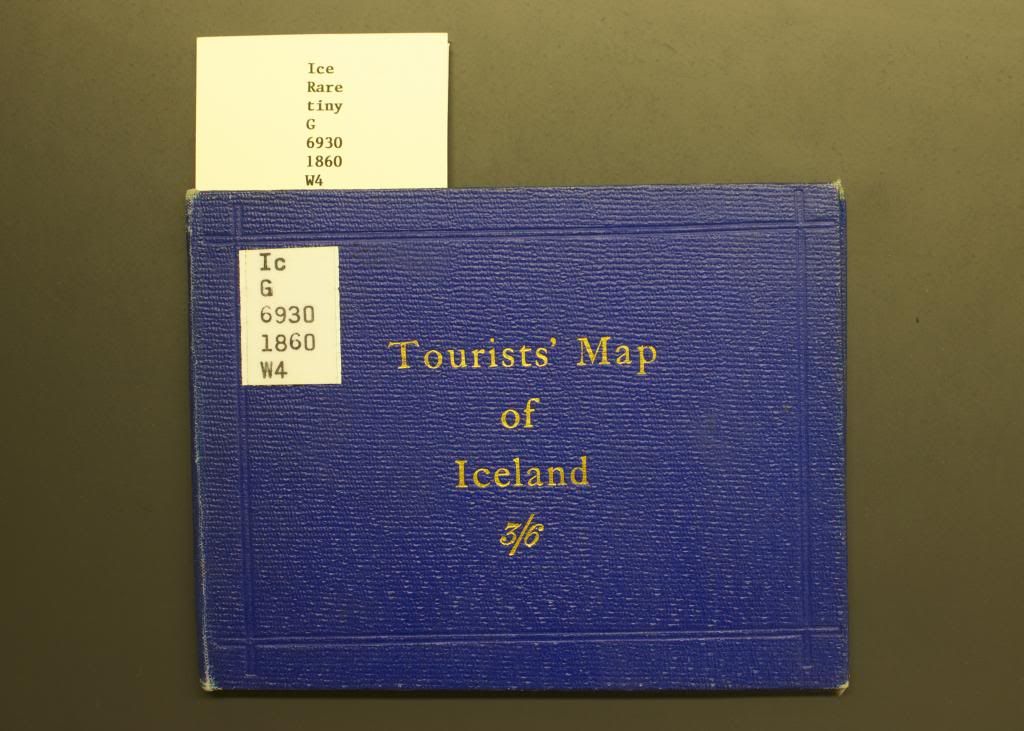
Icelandic Cartography: ca. 1875(?)
Although the paper documentation on this item give the date as 1860, when I looked at the map last week I noticed a discrepancy that made such a date of publication impossible. It’s all thanks to William Watts and his expeditions across the nice blank spot in the south-east corner of the island. When he crossed the Vatna Jökull, Watts helped add several landmarks to that white blotch (which, remember, was still in Gunnlaugsson and Ólsen’s 1849 “complete” map of Iceland) and Continue reading
From Behind the Wheel: Rickshaw Pondicherry Style
Chakkayappam – Flavours Of Kerala
Chakkayappam (jackfruit dumplings) is a popular seasonal and authentic snack from Kerala. The main ingredients and preparations for Chakkayappam are a smooth paste made from chopped Jackfruit flesh incorporated with rice flour, grated coconut and jaggery mixed together to prepare a dough. This dough is then wrapped in fresh green bay leaves shaped into cones and steamed. The flavour of bay leaves and jackfruit together creates a deliciously unique taste. Continue reading
A Tiger’s Tale
A few months ago I wrote about the RAXA Collective and Pixetra Photography master bird photography class held at Cardamom County. It was an amazing experience in and of itself, but it also gave us the opportunity to meet the instructor, wildlife photographer Sudhir Shivaram, and some talented participants, one of whom is now a contributor to our site. (I’m always keeping my hopes up that others will join her!)
During the 3 day workshop, between treks in the Periyar Tiger Reserve, the Megamalai Wildlife Sanctuary and a private 200 acre cardamom plantation, I spoke with Sudhir about his experiences as a photographer and an ambassador for Indian wildlife conservation.
He’s been photographing wildlife in India for well over a decade, so I asked him to describe his most memorable “capture”. He shared this experience from 2006 in the Bhadra Tiger Reserve:
10 years of wildlife photography and I had never seen a tiger in the wild, let alone photographing one. Many of my friends advised me to go to Bandhavgad if I wanted to see a Tiger. But I always had the wish to see my first Tiger in the wild in the south Indian forests. On March 17th 2006, I had seen my first tiger at BRT Wildlife Sanctuary- just the body and the tail. That too for a fraction of a second. And this visit to Bhadra along with Vijay and Yathin proved to be a lucky one. I had shot my first Leopard at Bhadra on 31 Oct 2004 (which is my website logo). And 2 years later, I was seeing and photographing my first Tiger at the same place. Here’s the sequence of events which followed then. Continue reading