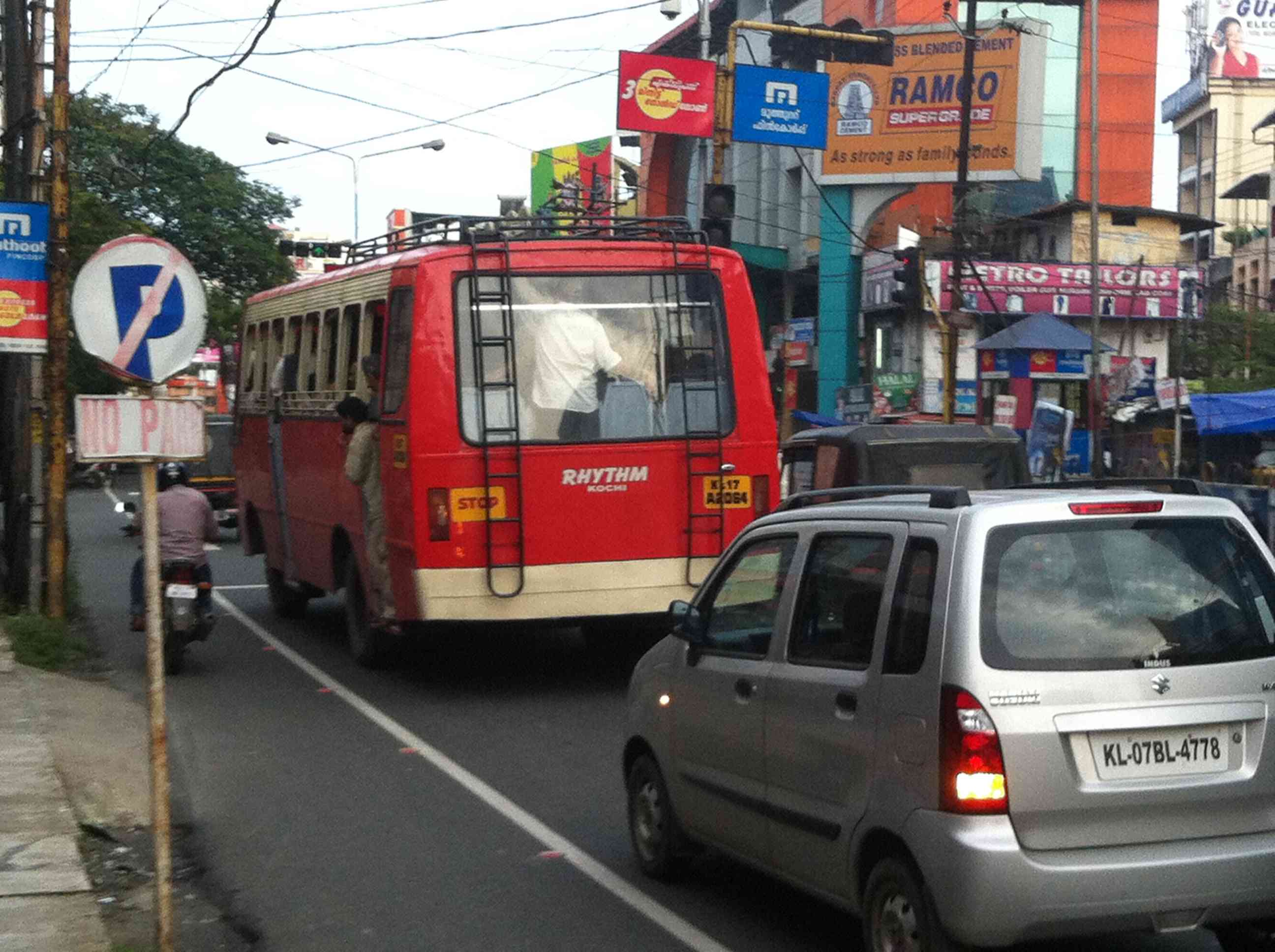
Pallimukku Junction, Ernakulam
Pallimukku Junction, Ernakulam

This tiny thumbnail is all the American Geographical Society Library will let you download from their digital map collection, but if you click on the photo you’ll be routed to the University of Wisconsin’s Milwaukee Libraries Digital Collections page and have access to the map in stupendously high resolution, with the capability to zoom in and move around Þorvaldur* Thoroddsen’s 1901 Geological Map of Iceland; Surveyed in the years 1881-1898. This version was published in English at Copenhagen, but I have featured the 1906 version before, and keep a printed copy of the later publication (publ. Gotha, Germany), hanging in my room in Ithaca.
I use my copy for any quick reference I need to make while reading or thinking about places in Iceland for my research, and I also plan on starting to use little ball pins to mark down the most often-traveled areas and more quickly become accustomed with place-names and distances between locations. One interesting difference between the 1901 English and 1906 German versions of this map is the Vatna/Klofa Jökull region, which Continue reading


How we do business and perceive the world has been informed for many years by the concepts of Recycling and Upcycling. So our first introduction to Trashy Bags during a trip to Accra was exciting to say the least.
Trashy Bags is a social enterprise that makes recycled eco-friendly bags and gifts from plastic trash. They employ over sixty local people to collect, clean and stitch plastic trash into bags and other products. Packaging and “billboard flex film” waste is a huge problem worldwide, not just in Ghana. But a growing issue in parts of world where clean drinking water isn’t readily available is the build-up of spent “water sachets”—non biodegradable plastic water pouches.
It is estimated that in Ghana, waste produced from plastic packaging amounts to 270 tonnes per day; most of it non-biodegradable. That adds up to over 22,000 tons of plastic in one year.
This figure has risen in just ten years by about 70%. Despite this rise, it is estimated that only 2% of plastic waste is recycled. You may ask what happens to the remaining 98%. Continue reading

Hill Clerodendrum
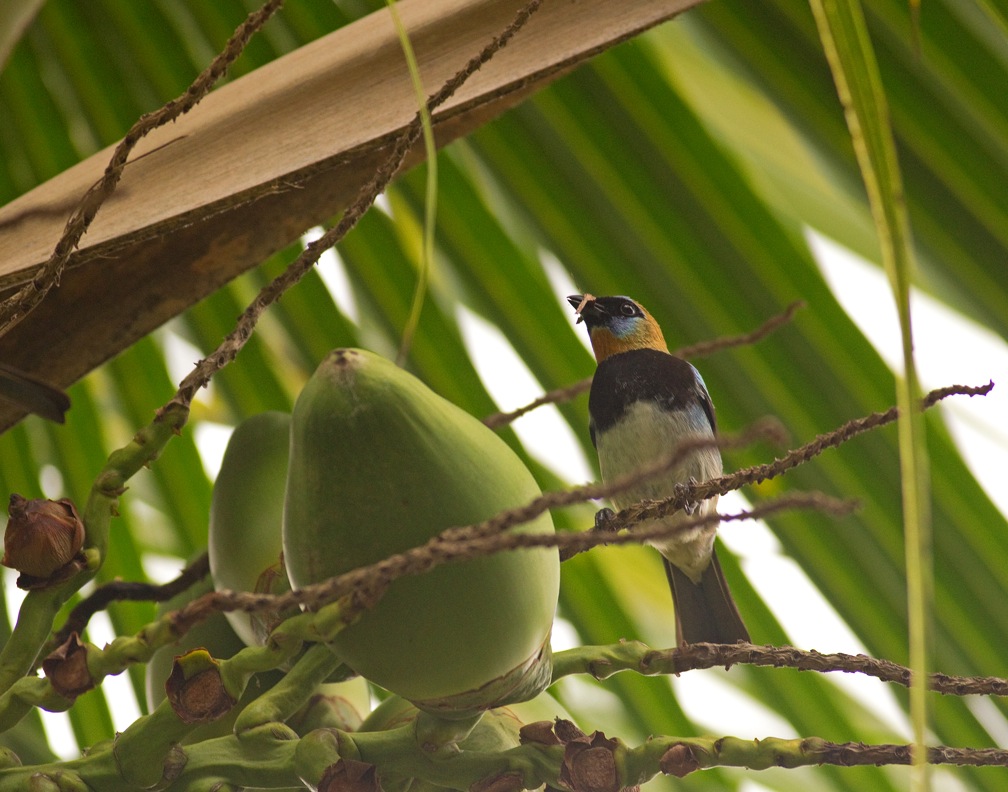
Hill Clerodendrum is an aggressive colonizer commonly found on hills and forest clearings. The pink-centred and white flowers are sweet scented in the evening but oderless during the day. Long-tonged Hawkmoths are the primary pollinators. Continue reading

Photo credit: 10 year old Anup Prakash

Tourists’ Map of Iceland by Edward Weller
Although the paper documentation on this item give the date as 1860, when I looked at the map last week I noticed a discrepancy that made such a date of publication impossible. It’s all thanks to William Watts and his expeditions across the nice blank spot in the south-east corner of the island. When he crossed the Vatna Jökull, Watts helped add several landmarks to that white blotch (which, remember, was still in Gunnlaugsson and Ólsen’s 1849 “complete” map of Iceland) and Continue reading

Photo Credit: Ramesh Kidangoor

Chakkayappam (jackfruit dumplings) is a popular seasonal and authentic snack from Kerala. The main ingredients and preparations for Chakkayappam are a smooth paste made from chopped Jackfruit flesh incorporated with rice flour, grated coconut and jaggery mixed together to prepare a dough. This dough is then wrapped in fresh green bay leaves shaped into cones and steamed. The flavour of bay leaves and jackfruit together creates a deliciously unique taste. Continue reading

Photo credit: Sudhir Shivaram
A few months ago I wrote about the RAXA Collective and Pixetra Photography master bird photography class held at Cardamom County. It was an amazing experience in and of itself, but it also gave us the opportunity to meet the instructor, wildlife photographer Sudhir Shivaram, and some talented participants, one of whom is now a contributor to our site. (I’m always keeping my hopes up that others will join her!)
During the 3 day workshop, between treks in the Periyar Tiger Reserve, the Megamalai Wildlife Sanctuary and a private 200 acre cardamom plantation, I spoke with Sudhir about his experiences as a photographer and an ambassador for Indian wildlife conservation.
He’s been photographing wildlife in India for well over a decade, so I asked him to describe his most memorable “capture”. He shared this experience from 2006 in the Bhadra Tiger Reserve:
10 years of wildlife photography and I had never seen a tiger in the wild, let alone photographing one. Many of my friends advised me to go to Bandhavgad if I wanted to see a Tiger. But I always had the wish to see my first Tiger in the wild in the south Indian forests. On March 17th 2006, I had seen my first tiger at BRT Wildlife Sanctuary- just the body and the tail. That too for a fraction of a second. And this visit to Bhadra along with Vijay and Yathin proved to be a lucky one. I had shot my first Leopard at Bhadra on 31 Oct 2004 (which is my website logo). And 2 years later, I was seeing and photographing my first Tiger at the same place. Here’s the sequence of events which followed then. Continue reading
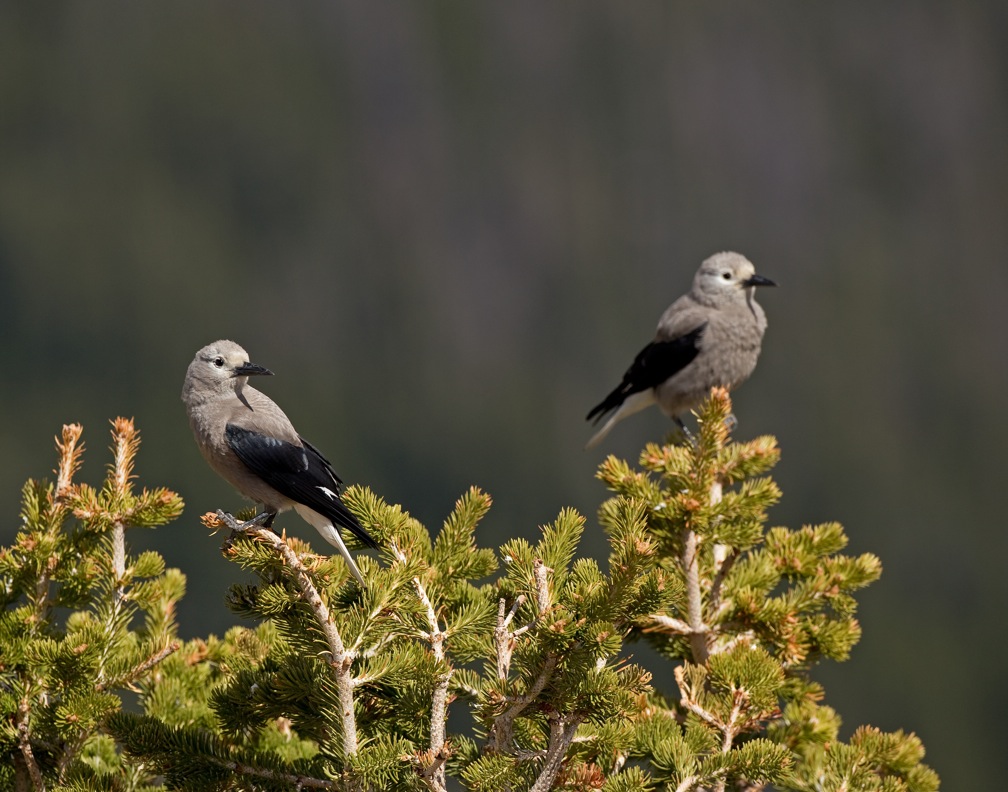

Photo credits: Ramesh Kidangoor
The lush paddy fields of Kuttanad are referred to as the “Rice bowl of Kerala”. It’s one of the few places in the world where farming is done below sea level. This one-time prosperous trading and fishing centre is today a world renowned backwater tourist destination. Continue reading

Open, N.Y.
We are grateful when people whose name and heritage give them convocation power use their power on behalf of others less fortunate (until they shake our confidence), so we give thanks to the New York Times and to Peter Buffett, both privileged, for sharing this startling opinion piece. We, a small group of moderately privileged people with a small platform for sharing ideas, are particularly interested in the intersection of good and market forces, so Mr. Buffett’s challenge here is germane to our mission and to our practice:
I HAD spent much of my life writing music for commercials, film and television and knew little about the world of philanthropy as practiced by the very wealthy until what I call the big bang happened in 2006. That year, my father, Warren Buffett, made good on his commitment to give nearly all of his accumulated wealth back to society.
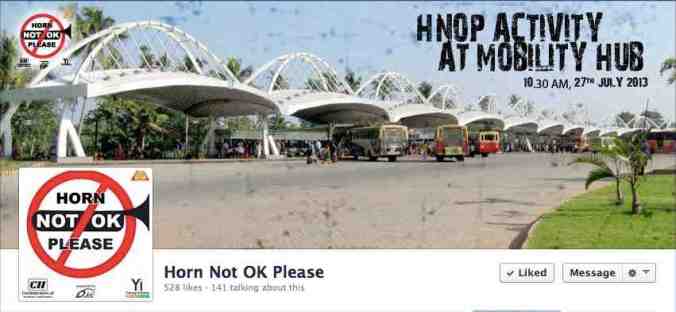
Yesterday was another milestone for anti-noise pollution’s cleverest activists in India. We have mentioned this project, introduced here when it was still just a catchy much-needed idea, but it has now become a movement. We are still hoping for an update in person from the idea’s originator, but meanwhile: don’t honk if you like HNOP, but like it on Facebook!

St. Andrews Manor, Shanghai, China (2009)
Thanks to Atlantic’s far-reaching reviewers and commentators for their attention to this book:
Swedish-born photographer Martin Adolfsson has been living in New York City since 2007, but he’s spent a lot of his time documenting upper middle-class suburban enclaves outside the U.S. Continue reading
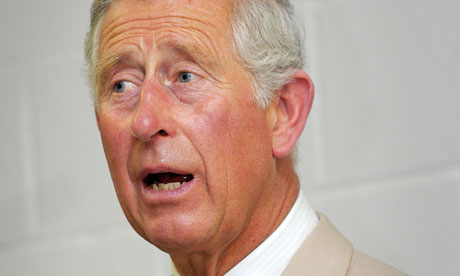
Prince Charles, who has criticised the global food industry for shipping ‘vast quantities of commodities halfway round the world’. Photograph: Tim Ireland/PA
We have been impressed with him on occasion in the past, so it was with some surprise, and a tinge of nausea, that we read this :
Prince Charles is funding his charities with profits from shipping royal-branded mineral water 6,000 miles to the Middle East in an arrangement that has been described by Friends of the Earth as “completely insane”. Continue reading
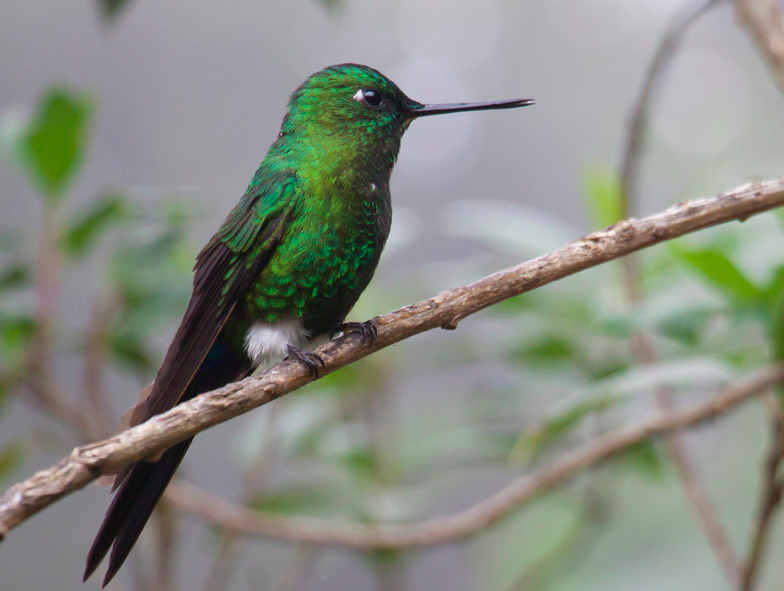
Yanacocha Reserve, Ecuador
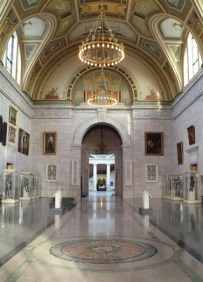 We understand and sympathize with Mr. Schjeldahl’s reconsideration of the implication of his earlier post, considering the volume of vitriol among the comments that followed it. But the core point of that post was lost in the reconsideration:
I take back my endorsement, in an earlier post, of the idea that the city of Detroit should ease its financial crisis by selling art works from the collection of the Detroit Institute of the Arts. I also apologize to the many whom my words pained. Continue reading

Shenoys Junction, Ernakulam
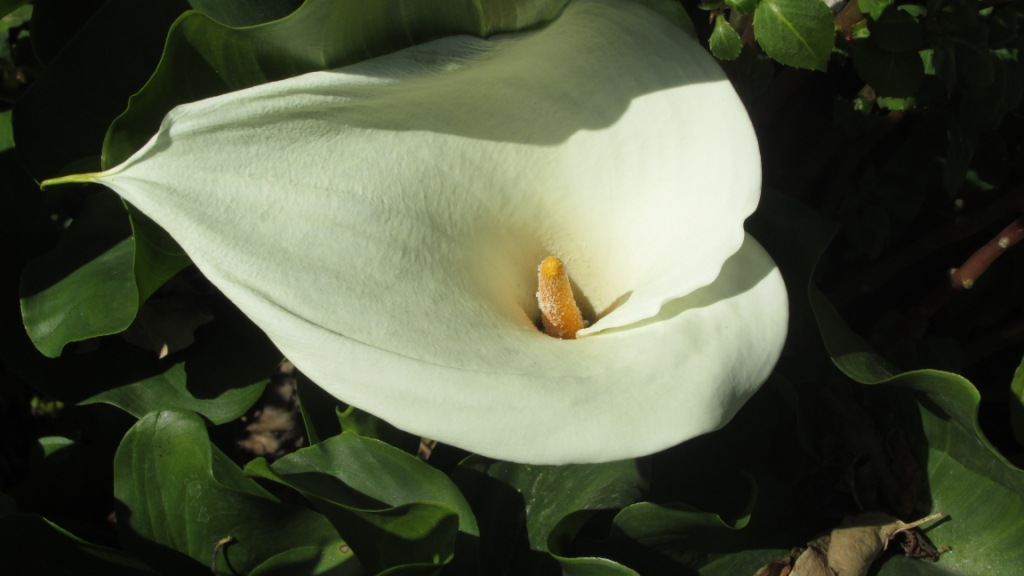
The Arum Lily is one of the world’s most iconic and widely known plants. Native to Southern Africa, these long-lived flowers have been described with adjectives from the poetic: such as elegant, secretive, exotic, and expressive, to the mundane: decorative. Continue reading
 Organikos