
From Behind the Wheel: Reliable Mass Transit
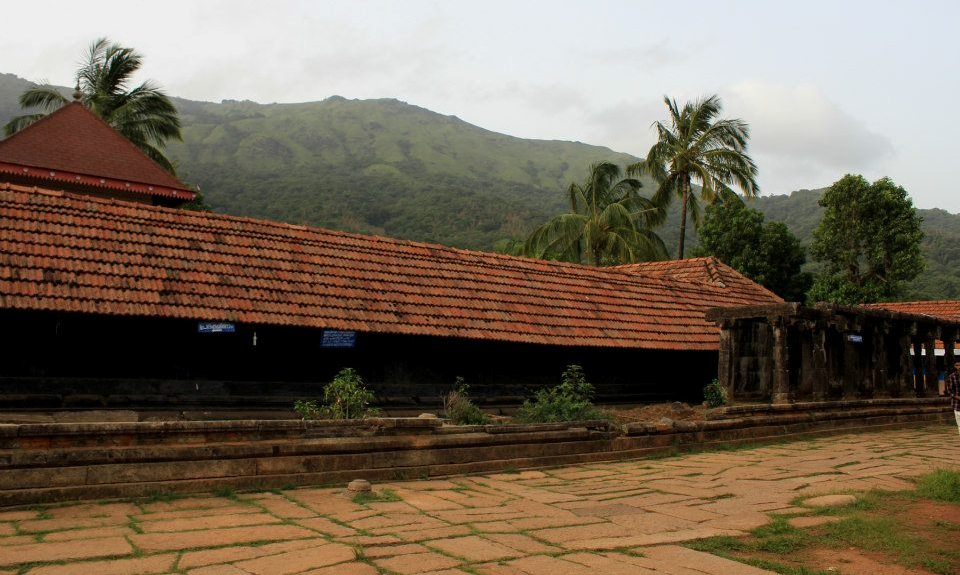
Thirunelli Temple
Thirunelli Mahavishnu Temple is one of the most ancient temple in Kerala, situated at the foothills of Brahmagiri in norh Wayanad , surrounded by mountain and beautiful forest.The temple is popularly known as ‘ Kashi of the South’. According to legend, Lord Brahma himself installed the idol of Lord Vishnu in this temple . The waters of the Papanasini River , which flows close to the temple,is said to have mystical powers.It is believed that bathing in the River will wash away one’s sins. Continue reading
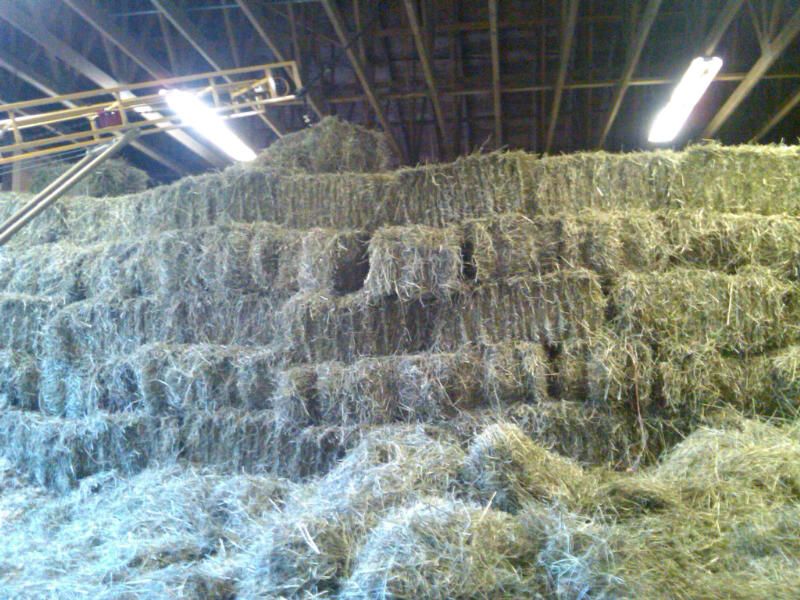
We ended up filling this barn up to the rafters the next day.
I took this past weekend away from Cornell to help a friend with the hay harvest at a farm in rural NY where she works. Although I had been duly forewarned that haying is pretty hard and uncomfortable work, I had expected the bales to be relatively easy to lift and move around, and was wrong for a number of reasons.
First of all, the bales were pretty tightly packed. This meant that they were heavier than your average bale, and also put more pressure on the two pieces of twine that keep the flakes (segments of hay in a bale analogous to slices of bread in a loaf) compressed together. The twine, which unless you have a prodigious wingspan is the most efficient way to grab hold of the bales for throwing or carrying quickly, pinches your fingers against the bale when it is too tight, making it painful and difficult to get your hands on and off the bale. Add to these inconvenient factors the heat at the top of the barn and the need to crouch to avoid rafters and lightbulbs while carrying or tossing the bales (or, as I did, hit your head too often), Continue reading

U.S. President Barack Obama wipes sweat off his face as he unveils his plan on climate change June 25, 2013 at Georgetown University in Washington, DC. President Obama laid out his plan to diminish carbon pollution and prepare the country for the impacts of climate change. (Photo by Alex Wong/Getty Images)
Thanks to Elizabeth Kolbert for a timely, pithy explanation of yesterday’s announcement of policy action in the USA:
Better late than never. This afternoon, speaking at Georgetown University, President Obama laid out what his aides had billed as a major initiative to fight climate change. The big news—which was not really news, since it had already been widely reported—was that the Administration will impose rules limiting carbon emissions from both new and existing power plants.
“For the sake of our children and the health and safety of all Americans, I’m directing the Environmental Protection Agency to put an end to the limitless dumping of carbon pollution from our power plants,” Obama said. This is, truly, a big deal. Power plants are responsible for about forty per cent of U.S. emissions. Continue reading

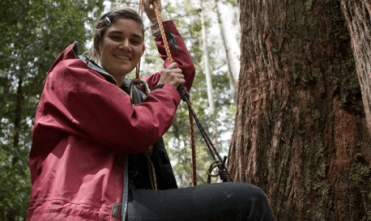
Miranda Gibson tree-sitting. Photograph: Miranda Gibson
When we first wrote about Miranda Gibson November 2012 she’d already lived an arboreal life for 300 days. Her goal was simple: to protect Tasmania’s wild forests from logging and other man-made degredation. She’d learned early on that sometimes grandstand gestures were the only way to get her voice heard, and if living (and blogging about) 449 days in a tree without touching the ground isn’t such a gesture we don’t know what is.
We’re happy to report that yesterday the decision was official to increase the Tasmanian Wilderness World Heritage Area by 170,000 hectares to now cover over 1.4 million hectares (or about 3.46 million acres), thereby representing about 1/5 of the area of the island state of Tasmania.
Nothing can explain how I felt the moment the hammer went down to mark the decision yesterday – Tasmania’s Wilderness World Heritage Area was officially extended by 170,000 hectares. Forests that I had spent the past six years of my life fighting to defend, some of the most contentious forests that thousands of people here and around the world have fought to save for over two decades, were now officially listed.
There’s one patch of that forest that I know like the back of my hand. It’s the Tyenna Valley, surrounding a 400 year old giant Eucalypt known to me as the Observer Tree, and whose upper canopy I lived in for over 14 months without once setting my feet on the ground. Continue reading
On Sunday, we joined our River Escapes colleagues and went to the annual Champakulam Moolam Boat Race. Champakkulam is a serene village in the district of Alleppey and this boat race is one of the most ancient in Kerala. During our lunch on board of the Pallanayar, a River Escapes houseboat, we saw, flocking on the river Pamba, numerous vallam (boats) including the famous chundan :the snake boat. Continue reading
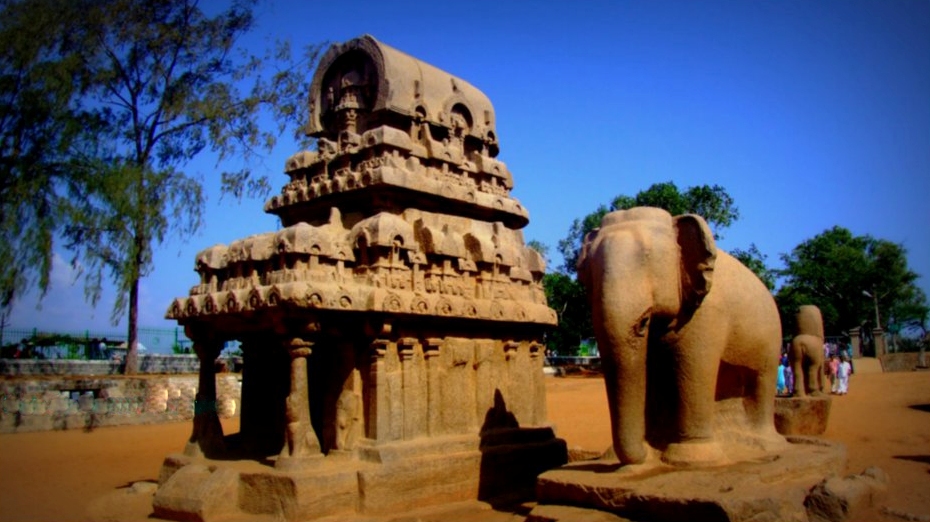
Photo credits: Ramesh Kidangoor
These Rathas (chariots) are the most extraordinary of all the monuments in Mamallapuram. These monolithic shrines near the beach are carved out of granite boulders. There has been much fanciful speculation about them, mostly by people uninformed that similar such monuments exist elsewhere in India. These particular rathas are among the oldest and well-preserved vimana models in Tamil Nadu. Continue reading
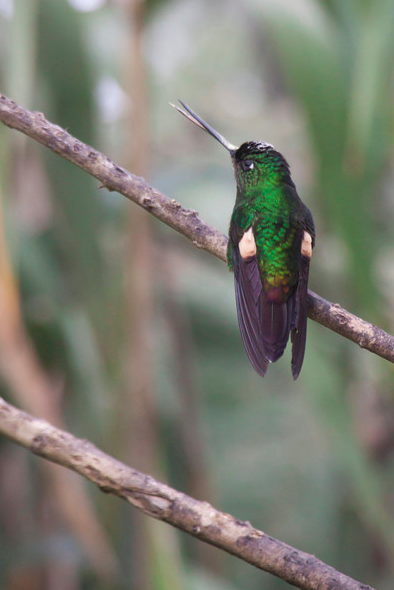
Yanacocha Reserve, Ecuador


Wandering around Mattancherry : the vibrant murals covering the walls of Mattancherry Palace as well as each and every street; Dockers carrying sacks of produce urging you to move out of the way; Those boats that look more like works of art…not to mention the art installations on the docks… The streets that surround Spice Harbour, a development Raxa Collective is currently working on, are full of colours, spices and, yes goats… Continue reading
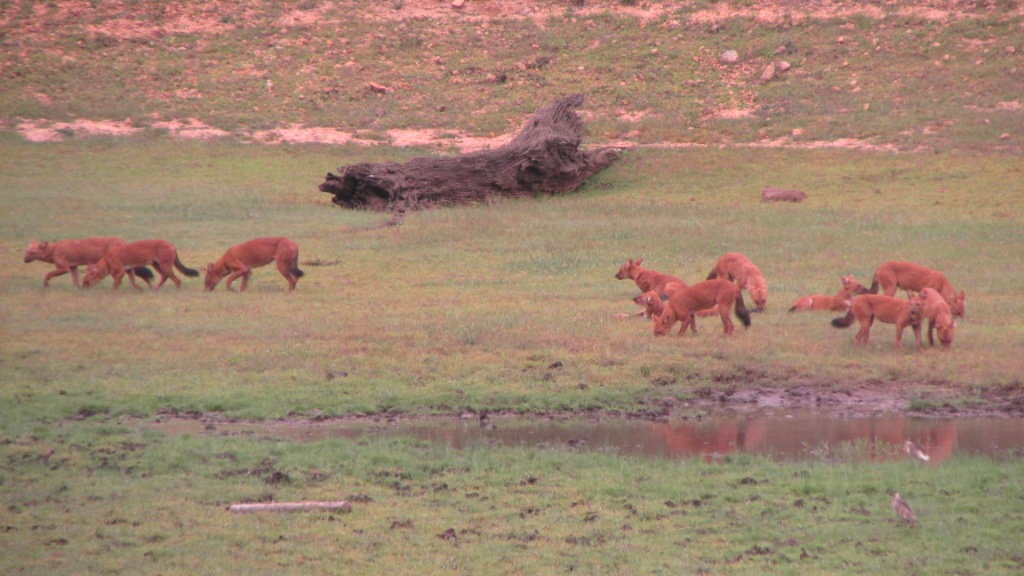
Recently disignated as a World Heritage Site by UNESCO, the Western Ghats and Periyar Tiger Reserve are among India’s prime ecological hot spots The rich and productive banks of the Periyar reservoir attract Wild Dogs that gather near the lake looking for Sambar Deer and Wild Boar. Continue reading
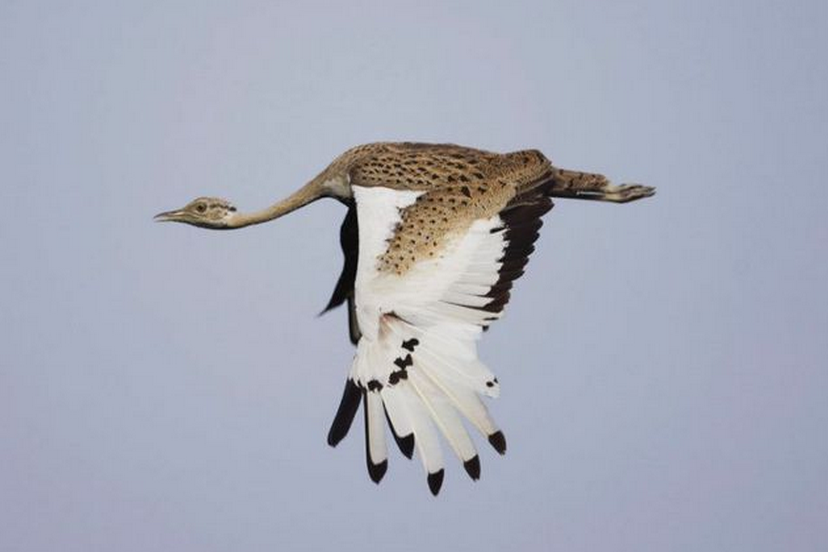

Malcolm Gladwell brings to our attention an economist/planner/idea guy who might not otherwise have found his way to our reading list. In his usual writing style, Gladwell makes the man, by reviewing his biography, irresistible. Toward the end of the review, what is described as one of the economist’s key contributions provides a perfect counterpoint to these ideas. We like this guy because he chooses voice over exit (click the image to the right and it is definitely worth reading to the end):
In the mid-nineteenth century, work began on a crucial section of the railway line connecting Boston to the Hudson River. The addition would run from Greenfield, Massachusetts, to Troy, New York, and it required tunnelling through Hoosac Mountain, a massive impediment, nearly five miles thick, that blocked passage between the Deerfield Valley and a tributary of the Hudson. Continue reading
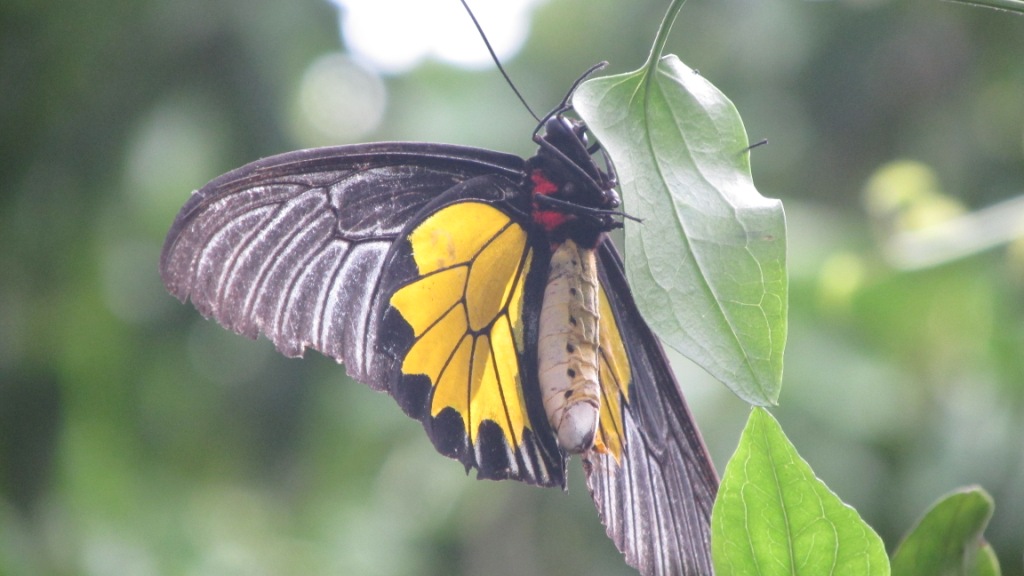
Periyar is popular for its bio-diversity and rich in butterfly population. The impressive species diversity of 160 butterflies in Periyar underscores the crucial relationship between plants and animals. The Golden Birdwing Butterfly is common in the entire region of the Western Ghats. Continue reading
An article recently published in n+1 examines a utopian futurist form of an idea that seems oddly symmetric with Seth’s posts about the history of exploration using Iceland as a case study. Looking back, we see much in common with explorers, pioneers, pilgrims and adventurous thinkers of all sorts. Looking forward, we are inclined to embrace smart, creative, enthusiastic group efforts to resolve seemingly intractable challenges. Especially when they involve living on boats. We recommend reading the following all the way through:
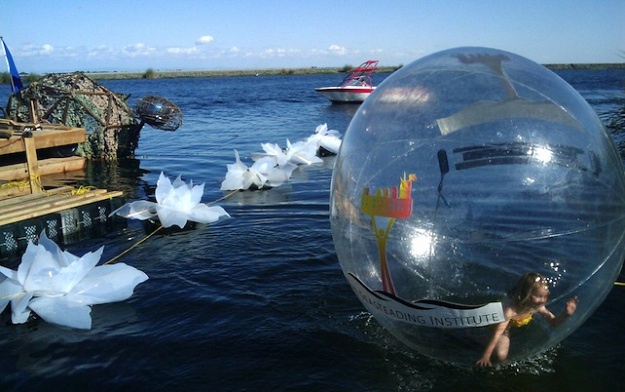
To get to Ephemerisle, the floating festival of radical self-reliance, I left San Francisco in a rental car and drove east through Oakland, along the California Delta Highway, and onto Route 4. I passed windmill farms, trailer parks, and fields of produce dotted with multicolored Porta Potties. I took an accidental detour around Stockton, a municipality that would soon declare bankruptcy, citing generous public pensions as a main reason for its economic collapse. After rumbling along the gravely path, I reached the edge of the Sacramento–San Joaquin River Delta. The delta is one of the most dredged, dammed, and government subsidized bodies of water in the region. It’s estimated that it provides two-thirds of Californians with their water supply. Continue reading

New research shows that cabbage, carrots and blueberries are metabolically active and depend on circadian rhythms even after they’re picked, with potential consequences for nutrition. Photo by Flickr user clayirving
Smithsonian has an article about a surprising natural phenomenon, which may not impact your feelings but should get your thoughts stirred up a bit:
You probably don’t feel much remorse when you bite into a raw carrot.
You might feel differently if you considered the fact that it’s still living the moment you put it into your mouth.
Of course, carrots—like all fruits and vegetables—don’t have consciousness or a central nervous system, so they can’t feel pain when we harvest, cook or eat them. But many species survive and continue metabolic activity even after they’re picked, and contrary to what you may believe, they’re often still alive when you take them home from the grocery store and stick them in the fridge. Continue reading

Tompkins County, NY

Tholpavakoothu
Tholpavakoothu is a traditional form of shadow art using leather puppets. It is an important part of the temple festivals in Kerala, especially in Palakkad. The performance spans seven to 21 days; the belief being that the Devi witnesses the performance. Continue reading

Ponies for export, Reykjavík. Collodion print by Frederick W. W. Howell. Bequest of Daniel Willard Fiske; compilation by Halldór Hermannsson; Cornell University Library Rare & Manuscript Collections.
Before jumping into the expeditions of William Watts into the Vatna Jökull (which, by the way, is pronounced /’jœ:kytl/ or “yokutl” as opposed to the “yokull” that most of us might expect), I thought I’d share some of the interesting and amusing impressions of British and French travelers regarding their encounters with the famous ponies and dried fish over and over again around the island.
This post will cover the horses and the next will examine the stockfish. There are a large number of images in the archival collections I am exploring this summer, and it would interesting enough just to share those and let them speak for themselves. But my task is to harvest history, so for now I will resist images and focus on ideas (sharing more images as the ideas take shape). Continue reading
Courtesy of Jairaj Singh
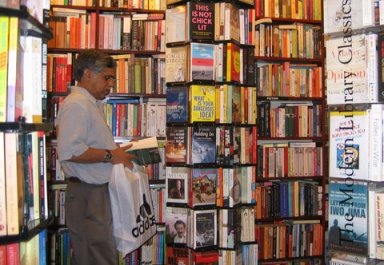
A customer at the Fact & Fiction bookstore in New Delhi.
Our friends at the India Ink blog site offer a cross-generational look at the world of books in our part of the world:
In the summer of 1984, two years before I was born, my father, Ajit Vikram Singh opened a small corner bookshop, Fact & Fiction, in South Delhi’s Vasant Vihar area, Continue reading
 Organikos