
Tompkins County, NY
Tompkins County, NY

Greenpeace is leading the charge against corporations that practice what has come to be called greenwashing. Image: iStockPhoto
Worth a moment of your time:
Dear EarthTalk: I hear the term “greenwashing” a lot these days but am still not sure exactly what it means. Can you enlighten?—Ruth Markell, Indianapolis
In essence, greenwashing involves falsely conveying to consumers that a given product, service, company or institution factors environmental responsibility into its offerings and/or operations. CorpWatch, a non-profit dedicated to keeping tabs on the social Continue reading
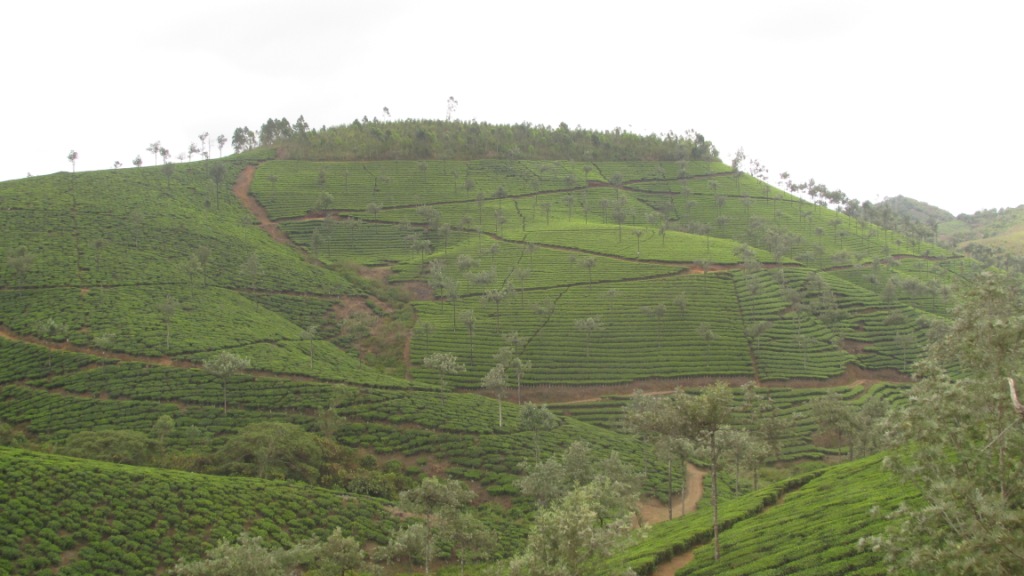
Tea Estates
Pampanar is located near Thekkady en route to Kottayam. It is a picturesque place with an unending expanse of lush green tea plantations. Tea estates, lush hillsides, forests and coffee estates views lend charm to this hill station. Continue reading

Pip Jamieson, Jeff Lyons, Danny Miller
The Guardian continues its quest to creatively avoid the irrelevance and economic demise challenging all print-based journalism enterprises:
Overview
In a uncertain economic climate, many of us dream of setting up our own business – using our creative skills, while becoming our own boss. It could be a design studio, a series of events, a retail empire or a web venture – there are common challenges to meet and problems to solve. Continue reading


Pipeline Road, Gamboa, Panama

Click above to go to the location where Cornell University is hosting this brief video by a fellow alum of several Raxa Collective contributors:
Can shopping save the world? The Story of Change urges viewers to put down their credit cards and start exercising their citizen muscles to build a more sustainable, just and fulfilling world. Continue reading

Another science fair-winner, again a young woman, has caught our attention (click the image to the left to go to the source):
Interest in nanochemistry research and energy storage led 18-year-old Eesha Khare, a senior at Lynbrook High School in San Jose, to develop a supercapacitor that could potentially be used in flexible displays and fabrics.
Her effort won her first prize at the Intel Science Fair and the Project of the Year award in the California State Science Fair’s senior division for 2013. Continue reading
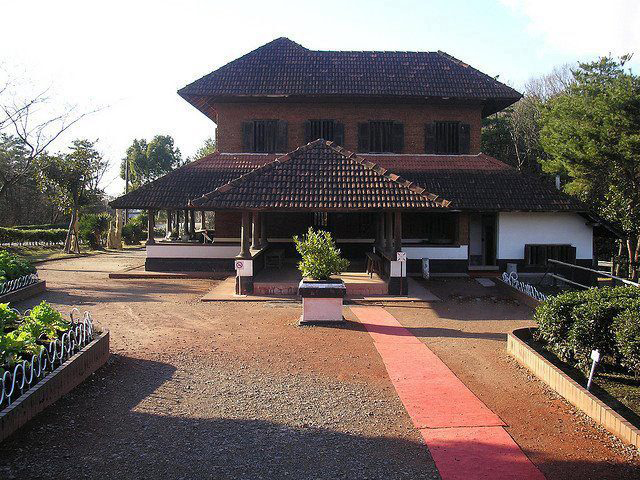
Tulsi Thara in frond of the house
Tulsi Thara is a sacred stone platform in front of traditional Kerala houses on which the Holy Basil (tulsi) plant is grown. Tulsi is a sacred herb known as the Queen of the herbs. Tulsi Thara is made to welcome the Goddess Lakshmi. In mornings and evenings a burning lamp is placed on the platform. Continue reading
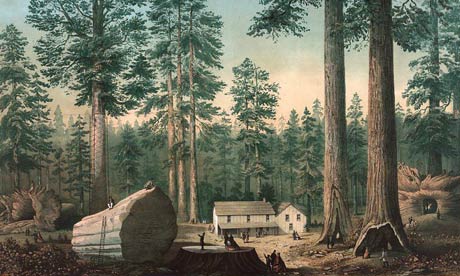
Tourists inspecting the stump of the ‘Mammoth Tree’ in Calaveras County, California, c1860. The ‘Mother of the Forest’, without its bark, can be seen in the background. Image: LoC
We have written about and sometimes celebrated important moments in conservation history in the past, and these celebrations are among those most responded to by readers of this blog. A few days ago, a landmark anniversary was observed in an editorial at the newspaper that most consistently keeps us in perspective:
Today marks the 160th anniversary of a seminal, but largely forgotten moment in the history of the conservation movement.
On Monday, 27 June, 1853, a giant sequoia – one of the natural world’s most awe-inspiring sights – was brought to the ground by a band of gold-rush speculators in Calaveras county, California. It had taken the men three weeks to cut through the base of the 300ft-tall, 1,244-year-old tree, but finally it fell to the forest floor. Continue reading


From time to time, I get letters from people thinking seriously about becoming science writers. Some have no idea how to start; some have started but want to know how to get better. I usually respond with a hasty email, so that I can get back to figuring out for myself how to be a science writer. I thought it would be better for everyone—the people contacting me and myself—to sit down and write out a thorough response. (I’m also going to publish a final version of this on my web site, here.) Continue reading

photo credits: Ramesh Kidangoor
Urban fish markets are a common sight in Kerala. The extensive network of rivers, coastline and backwaters means that fish is central to the local menu and these open-air markets provide a daily supply of fresh fish. Continue reading
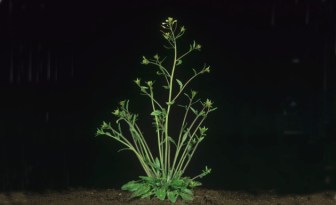
NIGEL CATTLIN/GETTY
Heidi Ledford introduces the following scientific finding on Nature‘s website:
As if making food from light were not impressive enough, it may be time to add another advanced skill to the botanical repertoire: the ability to perform — at least at the molecular level — arithmetic division. Continue reading
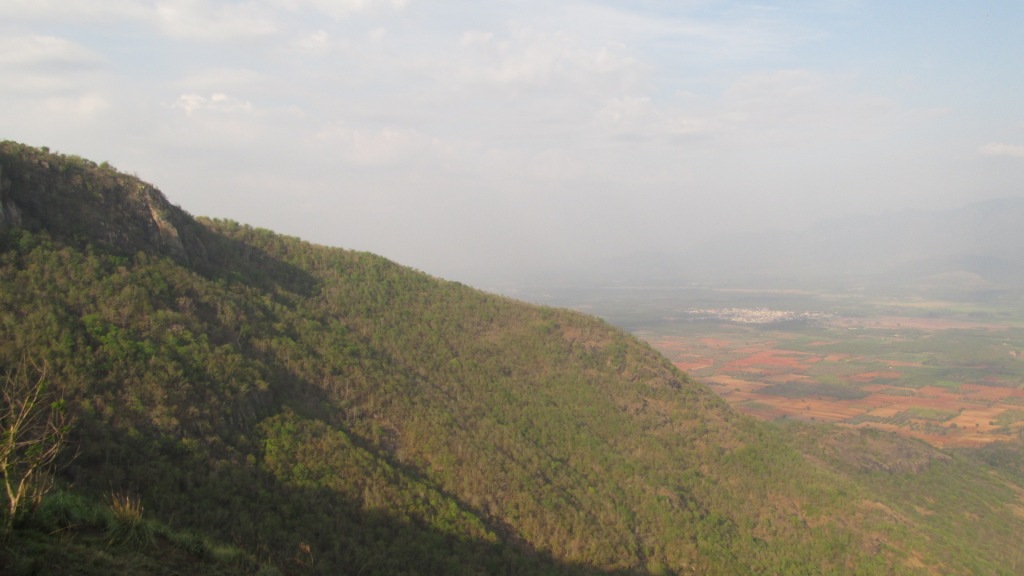
Chellar Covil
Situated about 14 km from Thekkady on the Munnar road, Chellar Covil has one of the best overlooks from the heights of Kerala into Tamil Nadu. The sleepy little hamlet offers a breathtaking view of the plains and cascading waterfalls of the neighboring state. Continue reading


Photography by Robert Polidori. BLUE HEAVEN | Built in the 15th century by Rao Jodha, the walls of the fortress of Mehrangarh are 70 feet thick. Many of the houses of Jodhpur are painted blue to deflect the sunlight, and, according to folklore to repel insects.
The Wall Street Journal carries a feature that is quite our cup of tea:
EACH SPRING, Maharaja Gaj Singh II hosts a Sufi music festival inside his family’s vast desert fort in the Indian city of Jodhpur. From a distance, this monumental sandstone fortress, called Mehrangarh, looms over the city’s chalky blue buildings, evoking the country’s ancient and otherworldly history. And yet people fly in from across the globe because the festival—and the maharaja who hosts it—blends old India so deftly with new. Continue reading
Parque Valle Nuevo, Dominican Republic
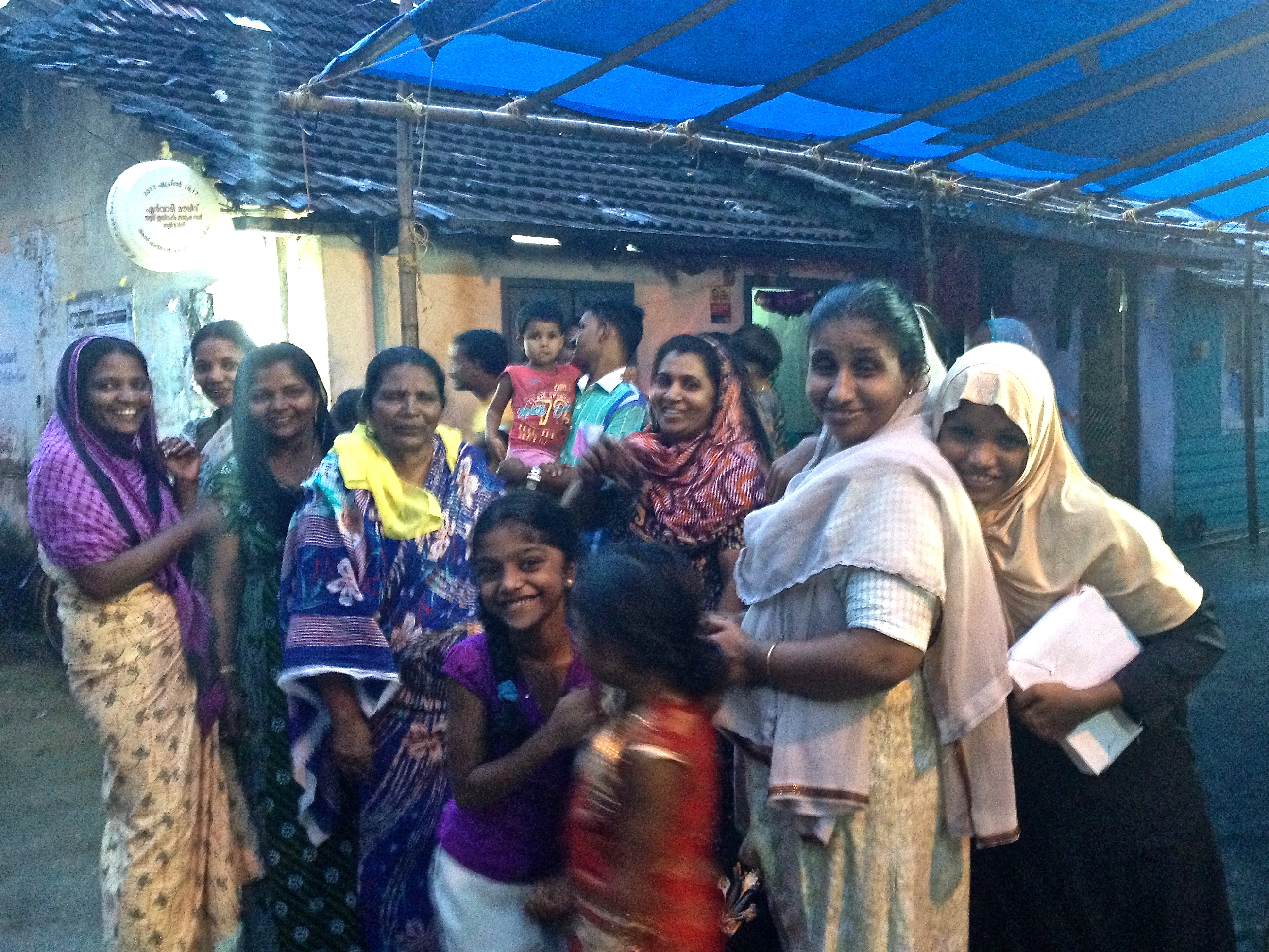 One of the projects we are currently working on is renovating a heritage building in the historical neighborhood of Mattancherry in Cochin. We hope that Spice Harbour will encourage other entrepreneurs to tackle these beautiful yet challenging buildings before they disappear into the night. But a neighborhood is not all about old stones.
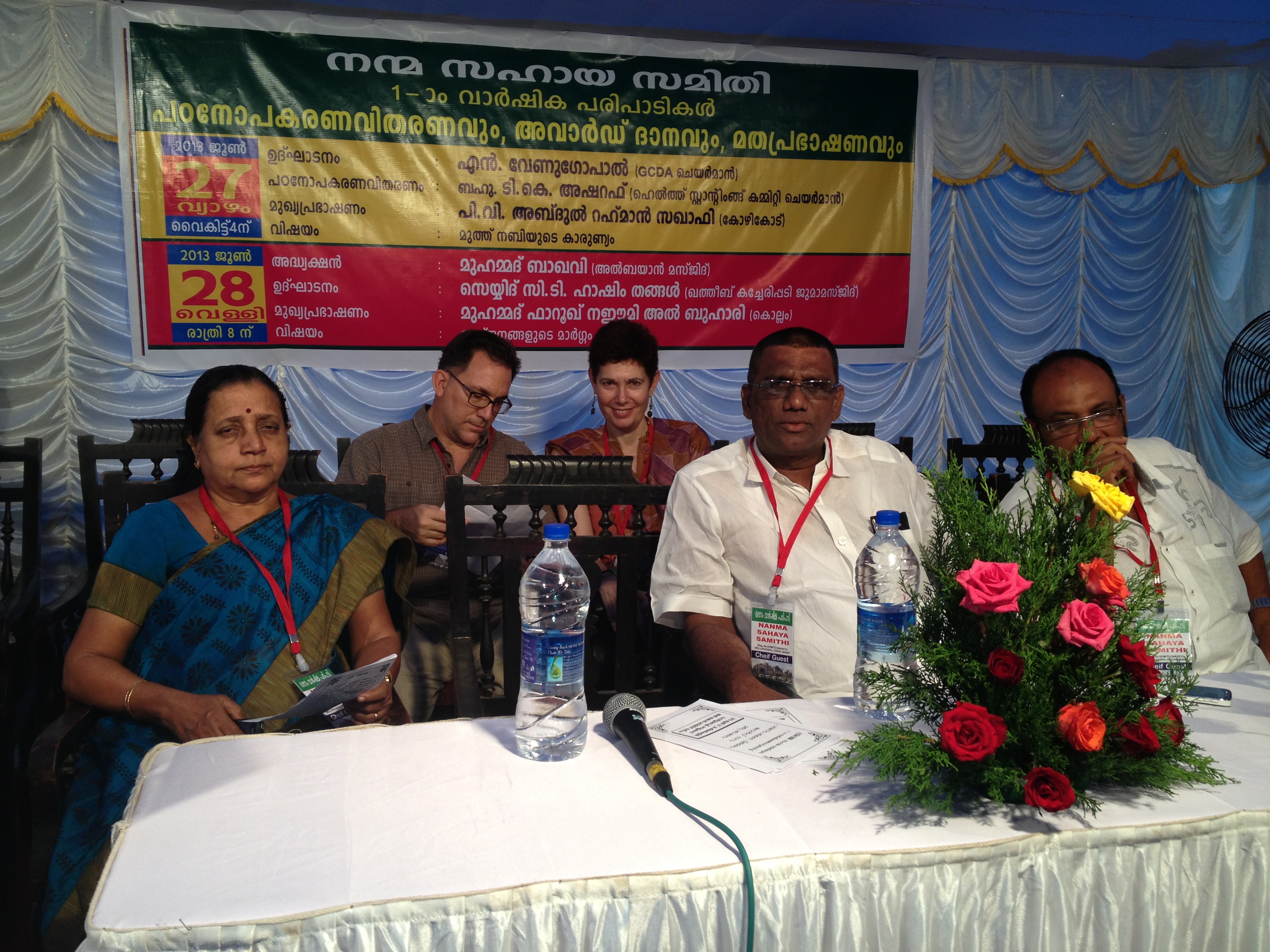
The people of Mattancherry form a tight-knit community and a year ago a group of young enthusiastic locals created a neighborhood association “Nanma Sahaya Samithi”. Nanma Sahaya Samithi focuses on harmonious living and works on making healthcare and education accessible to everyone in the neighborhood. We were invited to donate notebooks and pens to children and to meet with other actors of the community. Continue reading

