
A house on a coffee plantation in Spring Valley, Kumily, Kerala
A house on a coffee plantation in Spring Valley, Kumily, Kerala

ESSAY: A Different River Every Time
What is ‘smart’ and how does it fit our consciousness? Is there just one way to it? Are smarter people happier, richer? The answers may not always be that obvious. by SANDIPAN DEB
…Which, of course, brings us to that common capitalist question: “If you’re so smart, why aren’t you rich?” There is something abhorrent about this query. Of course, Mukesh Ambani is super-smart, but so was Jagadish Chandra Bose, who invented wireless communication at least a couple of years before Guglielmo Marconi, who received the Nobel prize for the breakthrough (It is now established that Marconi met Bose in London when the Indian scientist was demonstrating his wireless devices there, and changed his research methods after that meeting). Bose also invented microwave transmission and the whole field of solid state physics, which forms the basis of micro-electronics. Bose’s contributions are all around us today, from almost every electronic device we have at home to the most powerful radio telescopes in the world. But he steadfastly refused to patent any of his inventions, or to license them to any specific company. Some 70 years after Bose’s death, the global apex body, Institute of Electrical and Electronics Engineers, officially acknowledged Bose to be the father of wireless communication.
This is an excerpt whose catchy question pervades an essay worth reading in full. Intelligence, specifically smart Indian people, is the subject of a whole special issue of Outlook magazine. We have pondered amazing people from India on occasion in the past, and if the brief tale above intrigues you then see this post about Tesla versus Edison, but for now Continue reading

Photo credits : Ramesh Kidangoor
Thirvunamalai Arunacaleshwara Temple is dedicated to Jyothi Lingam, the fire incarnation of Lord Shiva. Situated amidst picturesque surroundings at the base of the 2600-ft Annamalai hills, it is one of the largest and most revered shrines in South India. The nine imposing gopurams of the temple constructed in the Vijayanagar style are a magnificent sight. There is a “thousand pillared hall” with intricate carving of minor deities and demi-Gods. Continue reading
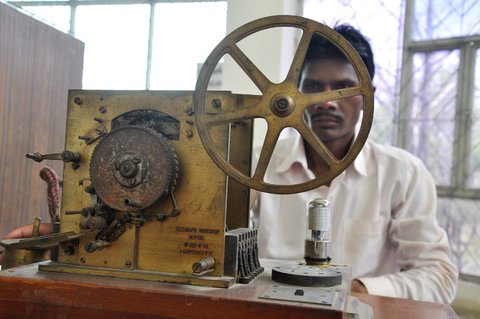
Sanjeev Gupta/European Pressphoto Agency. An employee of the National Telecom Museum in Bhopal, Madhya Pradesh, sitting behind an 1871 model of a telegraphic code machine invented by French engineer Emile Baudot.
As we mentioned, history is about to be amended and here is a small post at India Ink about what various people intend to do in honor of the occasion:
On Saturday afternoon, Vikrant Deshpande, a 32-year-old Indian Air Force pilot, drove with his wife to the Central Telegram Office in New Delhi. The newly married couple gazed at a sign in the Telegram Office lobby that read, “Standard Phrases for Greeting Telegrams.” Continue reading
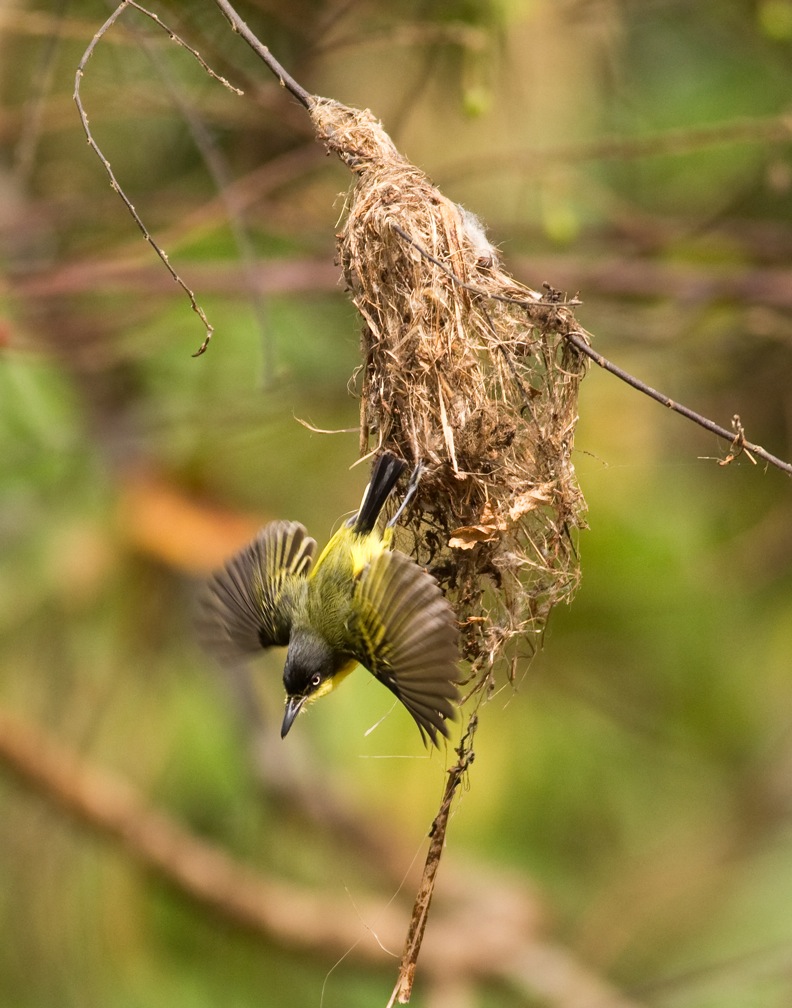
Gamboa, Panama
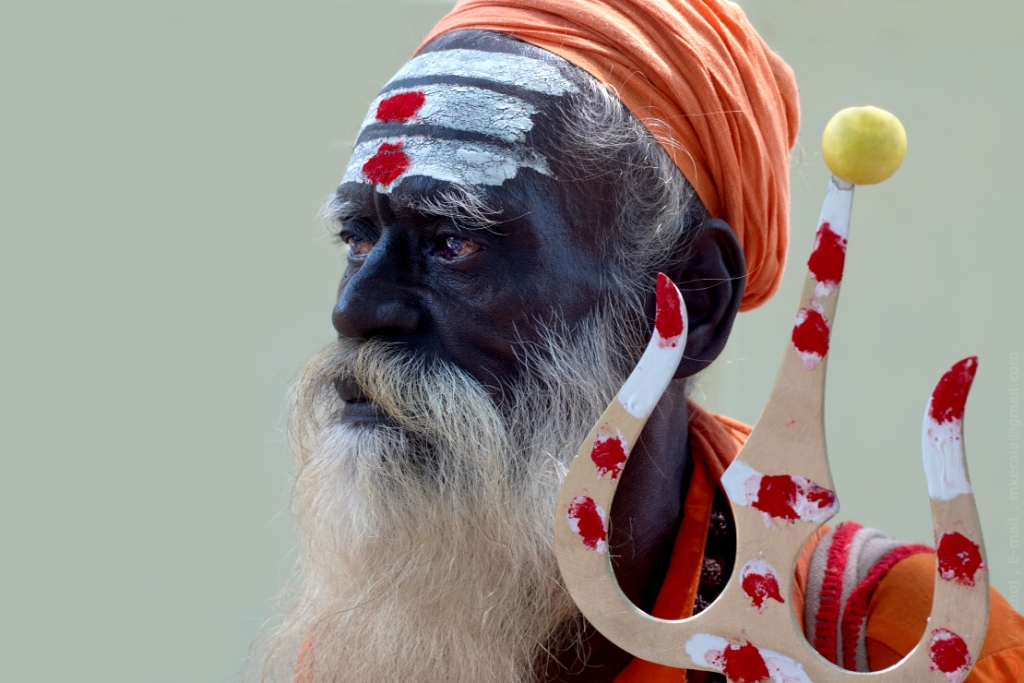
Photo credits :Manoj Vasudevan
Sadhus are commonly found outside famous temples in India. They live an ascetic life on the fringes of society, free from all family ties with neither possessions or permanent house and eat little. They live off alms given by pilgrims and devotees and often wear saffron coloured clothing. Continue reading
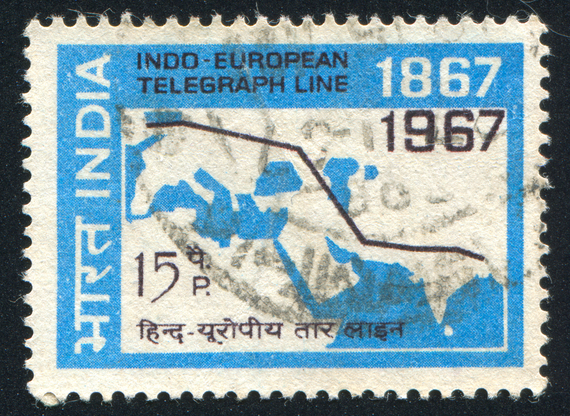
A stamp for the Indo-European Telegraph, circa 1967 (Shutterstock/rook76)
The Atlantic is reporting, and it reaches us in India, that July 14 will be a historic day. On that day (coincidentally aka Bastille Day in France), an era will end:
In 1850, the British inventor William O’Shaughnessy — who would later become famous for his early experiments with medical cannabis — sent a coded message over a telegraph line in India. His telegram would usher in a new age of communication in and for India, connecting the country in a way that had never before been possible. Continue reading

Mysore, Karnataka
The Atlantic‘s website has a great feature that will capture your imagination in 5 minutes or less:
Inspired in part by the great geography game GeoGuessr, I spent some time recently in Google Maps, finding the edges of their Street View image coverage.

Photo credits: Ramesh Kidangoor
Kalamezhuthu is the art of creating very large pictures on the floor, and is a unique form of art found only in Kerala. Typically, Kalamezhuthu is conducted as part of the general festivals in temples. The patterns that are drawn and the colors that are used are traditionally stipulated. Additionally, the colored powders used for the Kalams (drawings) are prepared solely from natural products. Kalams are drawn in connection with the worship of Gods and Goddesses, and are drawn directly with the hands. No tools are ever used. Continue reading
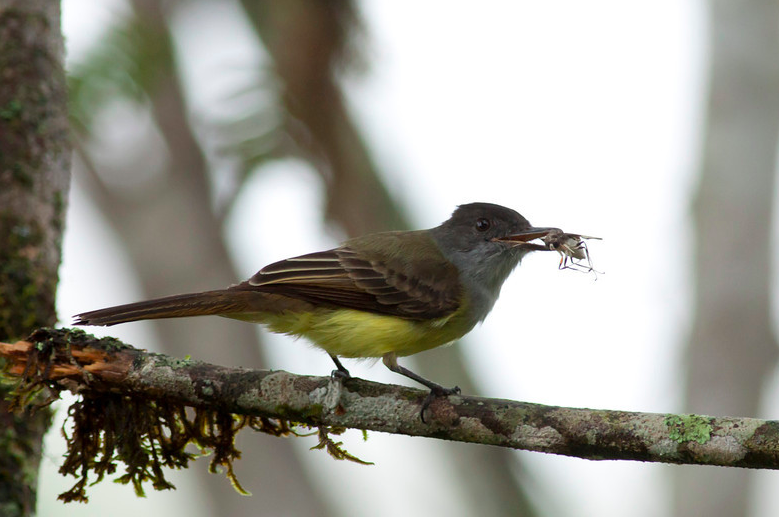
Sanskrit lyric poetry is often noted for its sexual nature and flourished in the eleventh century where it was compiled by Vidyakara under the title “The Treasury of Well-Turned Verse”. Vidyakara, was a poet and a scholar of the XIth century. Although he is thought to have been a buddhist monk, his “Treasury” is well versed on the matters of heart . This anthology of sanskrit court poetry addresses themes such as sex, love, and heroes, peace and nature.
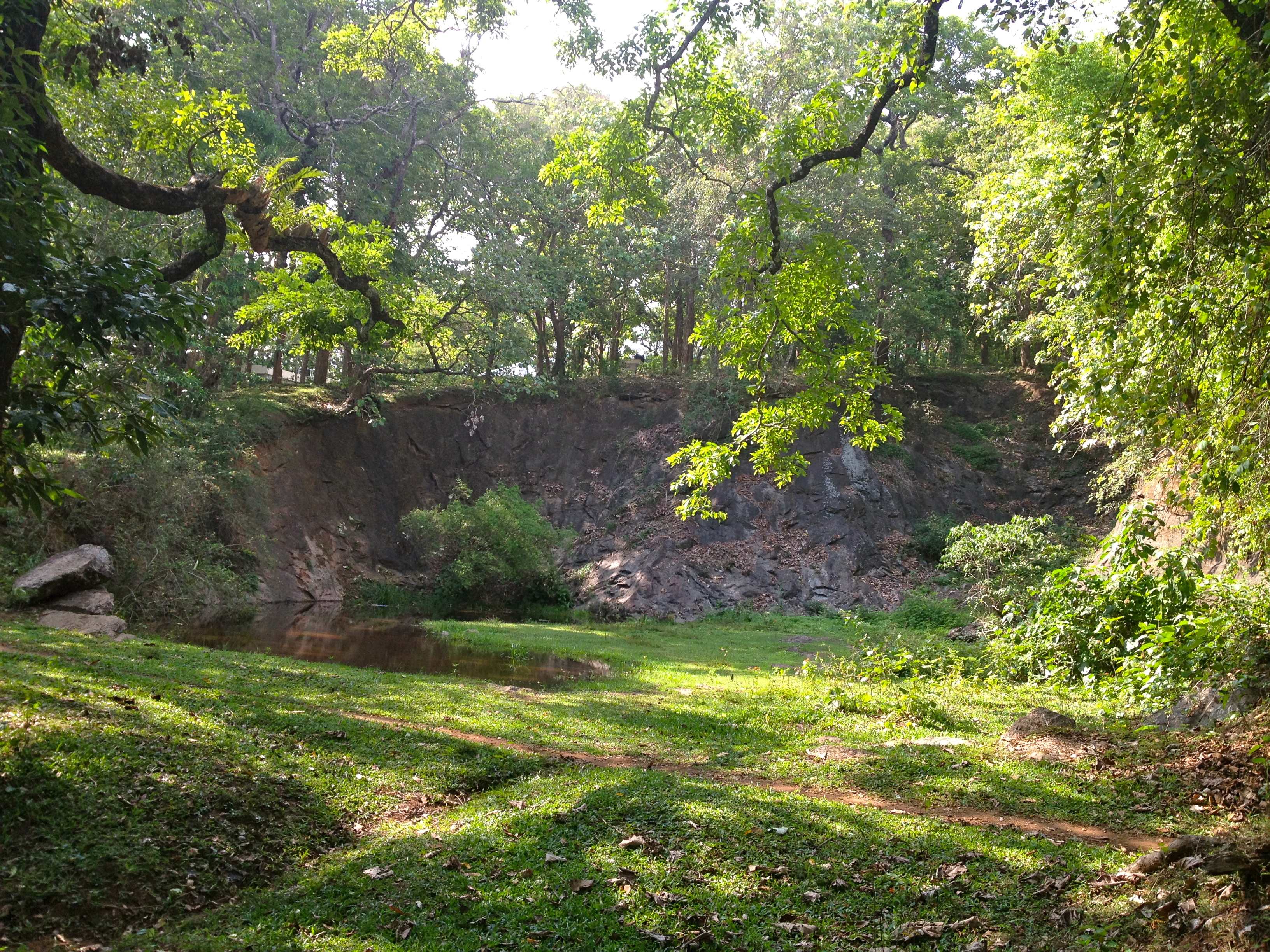
Ponds in the woods of Thekkady
If my absent bride were but a pond, Continue reading
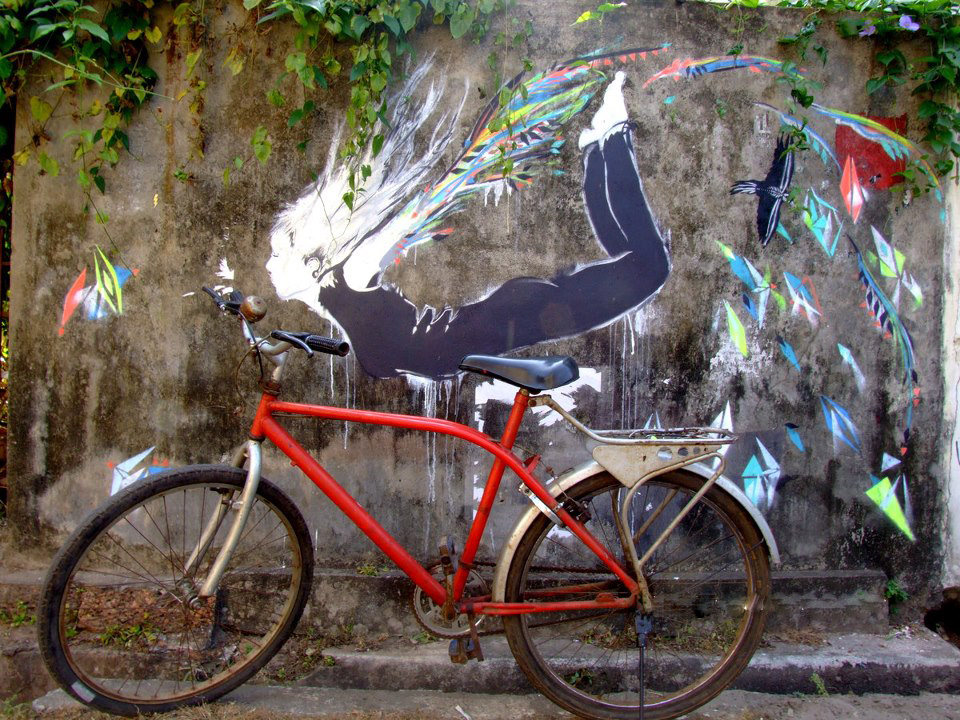
Photo Credits : Ramesh Kidangoor
Cochin Carnival is celebrated at Fort Cochin annually during the last ten days of December. The carnival is celebrated as a continuity of the Portuguese New Year festivals during the colonial years. During the carnival period all establishments in the city don white paper buntings. All available space on the streets is used to host traditional competitions such as kalam vara (floor drawing), tug-of-war, and bicycle racing. Additionally, people often play beach volleyball or go for a swim in the sea. The festivity and revelries continue until midnight of December 31st, culminating in a marvelous show of fireworks. Continue reading
 Click the image to the left for an interview with Tim Westergren about his experience prior to and as founder of Pandora. The path to that founding is colorful and unlike other startup stories. Launching a business that threatens the status quo is a classic tale, retold often.Travis Kalanick tells his own variation on a founder’s story about an industry’s reaction to disruptive technology; it is worth listening to both interviews back to back.
Michael Philips has a very insightful blog post covering Pandora’s recent moves in a brutal chess game–incumbents are under no obligation to sit back and watch an upstart deliver creative destruction on a silver platter, but the defensive moves to protect entrenched interests from the power of innovation obviously do not always serve the best interests of society. Philips gives attention to Kalanick’s Uber travails at the same time:
This week, the Internet-radio service Pandora planted itself in South Dakotan soil. It bought an FM radio station in Rapid City. The station, KXMZ-FM (Hits 102.7, “Today’s hits without the rap”), serves the two hundred and fifty-fifth largest radio market in America. Its Facebook page highlights a local Good Samaritan who bought new tires for a stranger’s beat-up pickup truck. But Pandora’s purchase is not a bid for heartland radio; it is the company’s latest gambit in the war between artists, publishers, broadcasters, and technology companies over who will profit from popular music. Continue reading

Singye Wangchuk/Reuters. A statue of Lord Buddha at Kuensel Phodrang in Thimphu, Bhutan on May 20, 2012.
Our friends at India Ink share a story about the mysteriously happy kingdom to the north:
Bhutan does things differently in South Asia, and nothing illustrates this so as much as the way it has conducted its transition to democracy. Continue reading


Vechur cow
We recently talked about the cowbird, but today I’d just like to talk about cows. Cows are ubiquitous here in India. The Vechur cow, however is on the FAO’s ‘Critical-Maintained Breeds List.’ Continue reading

Photo credits: R Ranjith
Kathakali is known for its heavy, elaborate makeup and costumes.In fact, the makeup is so intricate and the costumes so huge and heavy that it looks as though the artist is wearing a mask. The makeup is based on a certain set of colors each of which is used to represent a particular character. Only natural dyes are used on the face and the process will take hours. Continue reading
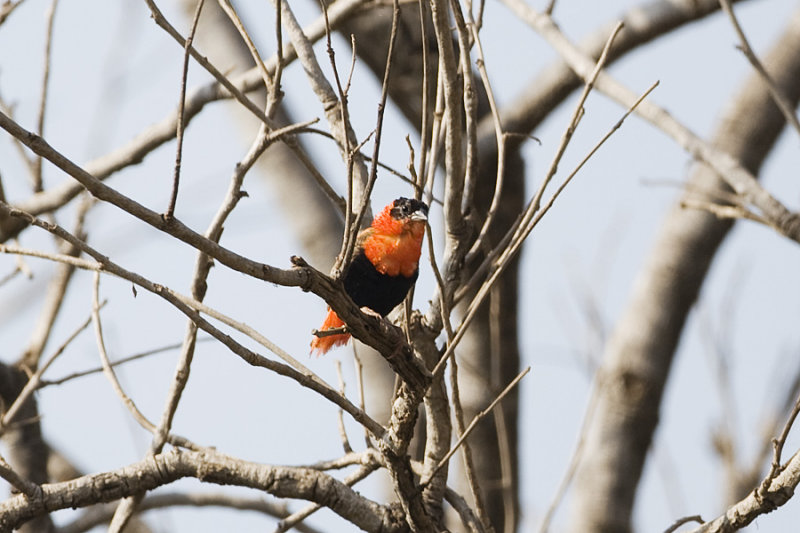

Photo Credits: Ramesh Kidangoor
Thalappoli is a traditional and ritual procession carried out by young girls and ladies of Kerala to attract happiness and prosperity in the community which holds the festival. The participants wear traditional dress and hold thalam (a metal plate) in their hands filled with fresh paddy, flowers, rice, coconut and a lighted lamp. Continue reading
 Organikos