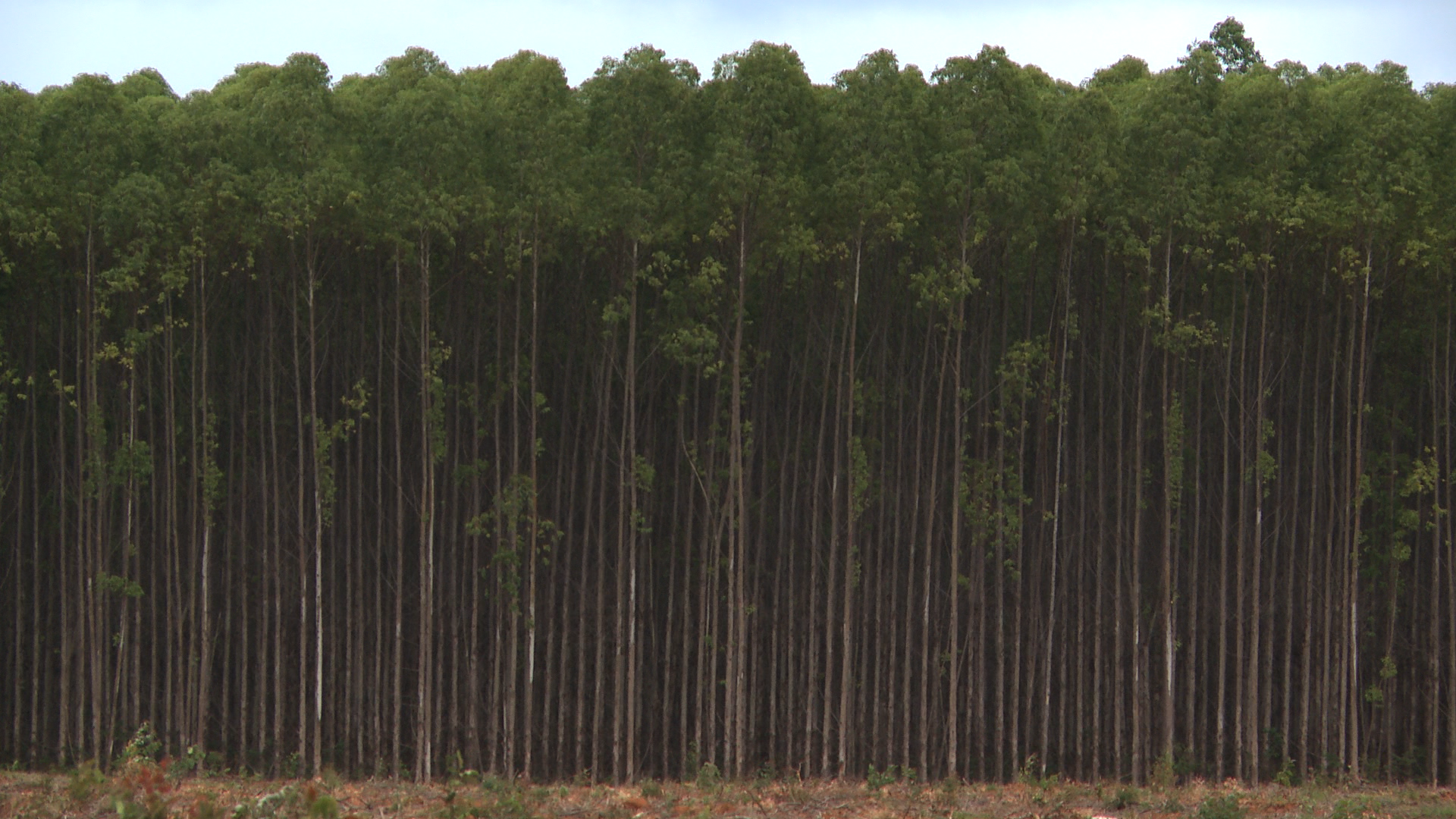
I am from Europe where since the Roman conquest forest and civilization were perceived as antagonistic. Silva, the forest, was wild and needed to be tamed, and ager, the man-made open space was culture. So when Western countries debate of reducing deforestation and planting trees to offset carbon emissions, you can bet they mean elsewhere.
We have shops where you can buy a wooden chair but in exchange you pay for a carbon offsetting voucher which will allow for trees to be planted somewhere. That’s the thinking behind the Clean Development Mechanism (CDM), which allows a country with an emission-reduction or emission-limitation commitment under the Kyoto Protocol to implement an emission-reduction project in developing countries. Director Amy Miller went around the world to meet the communities where some of those offsetting projects were implanted. See the trailer after the jump.
 Among the 144 families of butterflies in the Periyar Tiger Reserve, the Common Pierrot is distributed across the forest, flying from January to December in the plains. Continue reading

Anupam Nath/Associated Press. An Internet cafe in Guwahati, Assam.
An article in India Ink today explores the odd (from the perspective of non-Indians, at least) phenomenon of elites downgrading their socio-economic status in the interest, apparently, of a stronger sense of community belonging:
If you are an Indian reading this, you are very likely among the top 10 percent in the country, since you have Internet access. Continue reading
This seminal talk from 2006 by Majora Carter, founder of the Majora Carter Group, introduced me to entrepreneurial conservation. So you can say it kind of led me here.
It is unfortunate how the reputation of a neighbourhood may reflect on its inhabitants. In french the silly expression “C’est le Bronx” refers to a messy room. People from the Bronx, Majora Carter included, decided to change this image. In fact, they decided to reclaim their rivers, their air, their land while creating jobs, leisure activities for local families, a safer gentler environment for children to grow up in.
It’s a story I’d like to hear about in many neighbourhoods around the world.
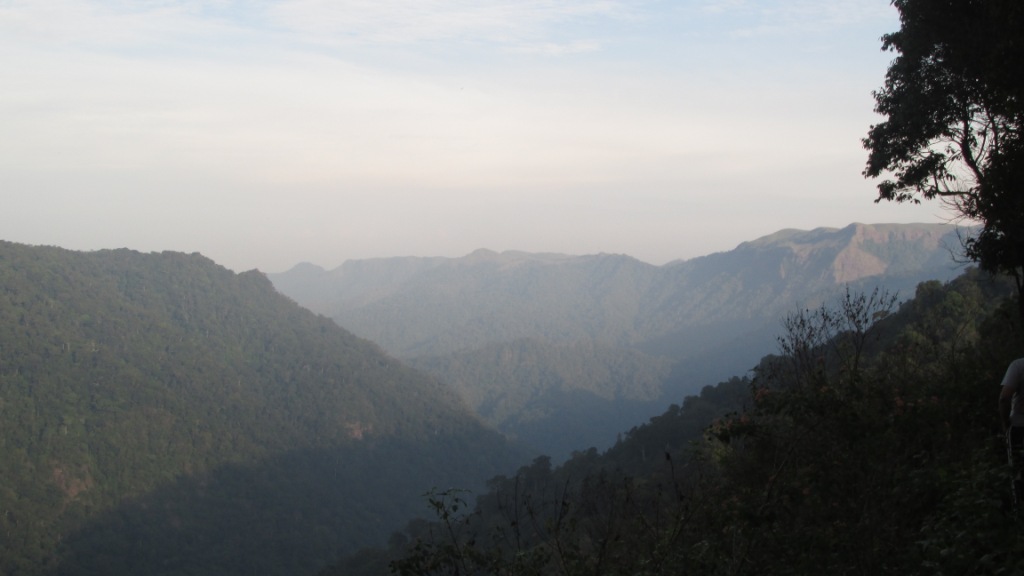
Gavi, part of the Periyar Tiger Reserve under the management of the Kerala Forest Development Corporation, is one of the off-the-beaten-track destinations ideal for a wilderness retreat replete with trekking, birding, canoeing and facilities for lodging. There are hills and valleys, tropical forests, sprawling grasslands, sholas (evergreen tropical forests), cascading waterfalls and cardamom plantations. Elephants, Nilgiri Thar, and the endangered Lion-tailed macaque are all often sighted at the outskirts of Gavi. Yesterday Mr. Sunu from Kottayam visited Gavi and shared some of his photos. Continue reading
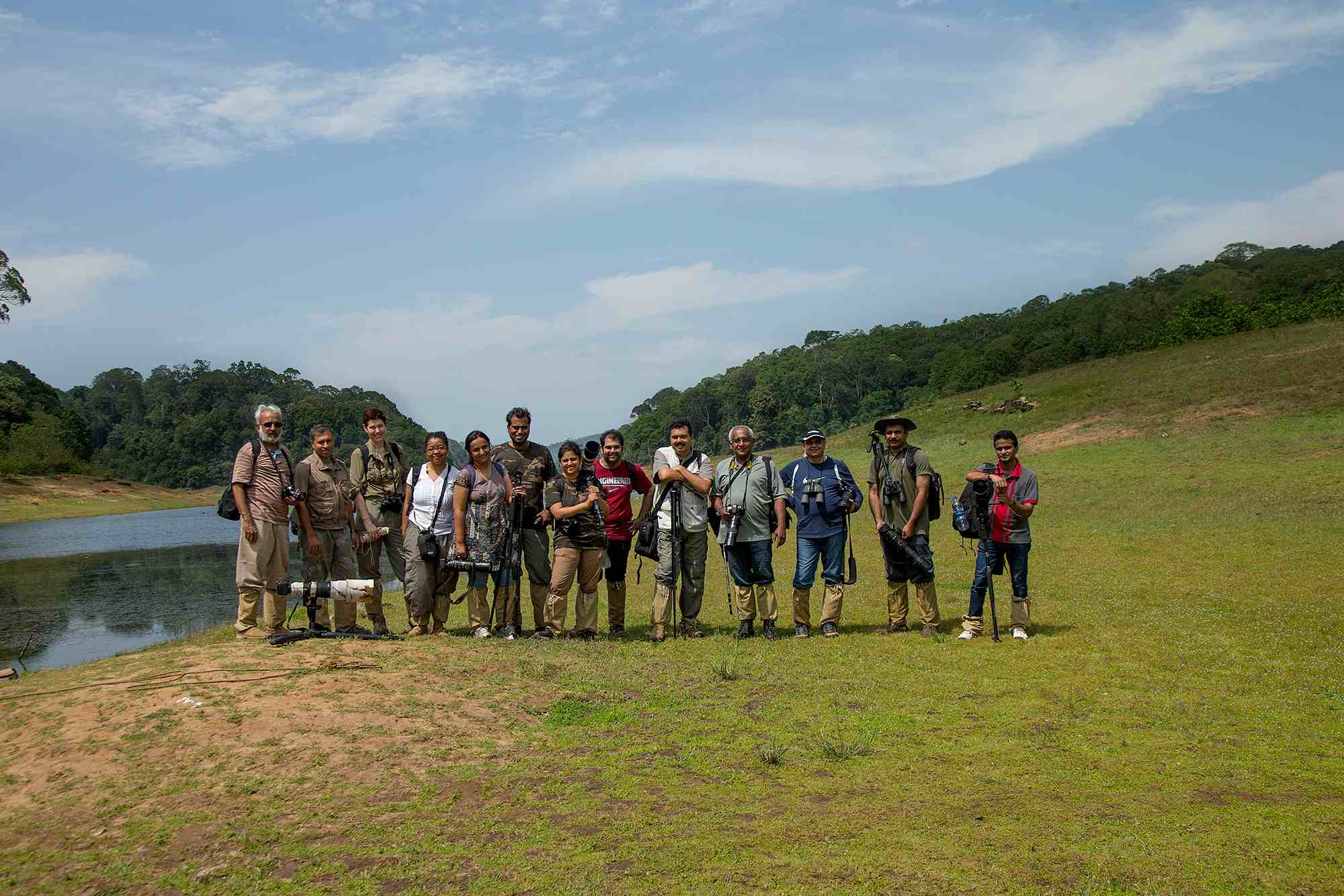
Master Wildlife Photography class in Periyar Tiger Reserve
We’ve referred to the concept of Biophilia on these pages before, defined by the Oxford English Dictionary as “A love of or empathy with the natural world, esp. when seen as a human instinct”—in other words, it’s an innate human desire to seek out nature.
This concept was played out last weekend when a group of photographers gathered at Cardamom County at the edge of the Periyar Tiger Reserve to attend a Master Class with Sudhir Shivaram, a renowned wildlife photographer in India. The fact that the majority of the participants have “day jobs” in the worlds of IT, engineering and medicine make the word Biophilia all the more relevant. Continue reading
Our neighborhood, where kids know how to have fun on a hot summer’s day, is currently full of kids all day every day, now that school has been out for a while. The usual suspects are at it again, thinking about how to get airborne.


Fire. That’s what comes to my mind when I think of Indian food. I understand from my colleagues that here in Kerala food can never be too spicy. Don’t get me wrong– I love spicy food. I am less keen on surprises. But how to make sure to avoid them ? Continue reading

Bamboo Rafting
Community based ecotourism is the hallmark of the Periyar Tiger Reserve. These programmes are conducted by the local people responsible for the surveillance of the vulnerable parts of the reserve. Bamboo Rafting is a dawn to dusk range hiking and rafting programme through some of the richest forest tracts of the reserve. Continue reading

Seekers of past Honduran, Mexican civilizations to speak Wednesday at Meeting of Americas
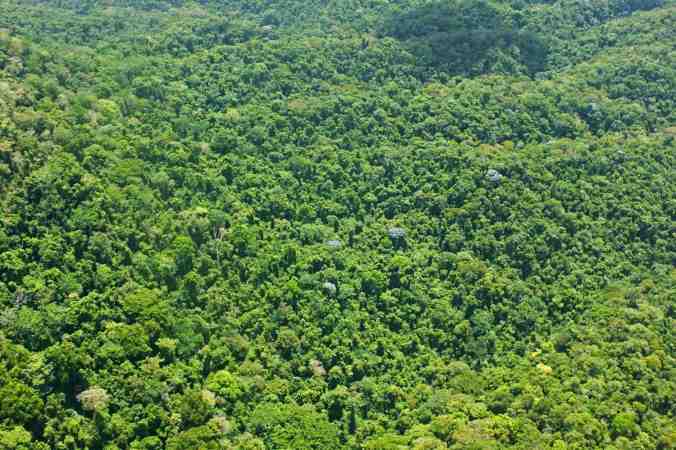
We should not be surprised at the headline above or that the article we linked to here was a precursor to the pre-conference press release issued this week by the AGU:
A high-tech archeological exploration team of scientists and a filmmaker, who announced a year ago that they had glimpsed remnants of what might be a fabled ancient city in the Honduran rain forests, plans to speak about the team’s discoveries here tomorrow (15 May) at the 2013 Meeting of the Americas, and to show previously undisclosed images of apparent archeological sites. Continue reading
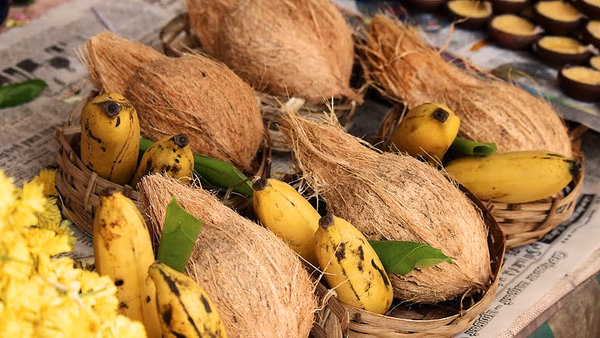
When we last saw New York Times contributor Joan Nathan she had written a lovely article about the fading tradition of a cuisine in India–exactly the type of story we love to share on this blog, but somehow we failed to. This time, failure is not an option. We missed her at Cardamom County, but found her now in the New York Times. She was in our neighborhood, walking our walk and talking our talk:
Kumily, India — One of the best parts of traveling, at least for me, is bringing back a food story, a new ingredient or a recipe. My family journeyed last year from the verdant tea plantations of Munnar down to the Cardamom Hills of Kerala, in southwestern India. Our driver, Janaki Raman, who had proved himself by dodging many a cow on the winding mountain roads, asked whether we might like to go to a local cooking class. Continue reading
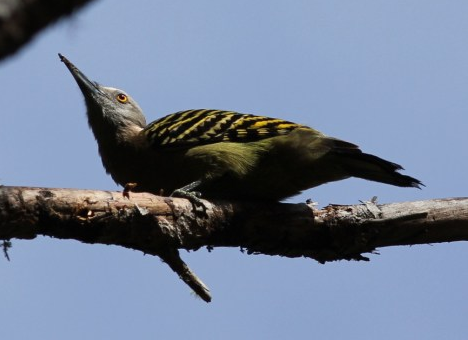
Parque Valle Nuevo, Dominican Republic
Tea in India tastes stronger, so I always ask for mine to be mild, just like I do for curry. As I learnt today during a visit at a tea plantation and factory this is due to the processing of tea mostly used here for the Indian market: CTC. Continue reading
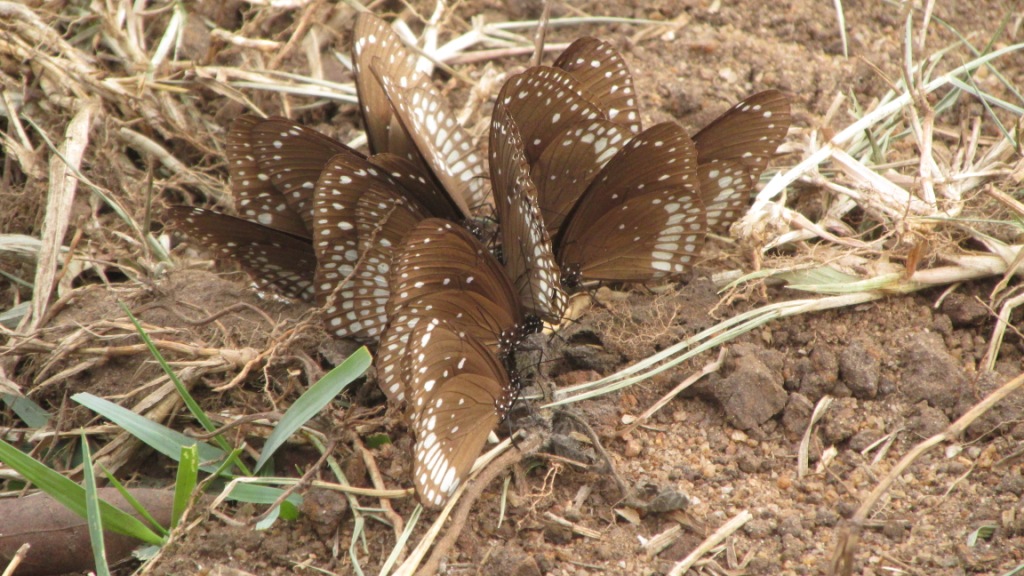
Common Crows
Males of many butterfly species assemble on spots of ground contaminated with animal urine or excreta or even some food plants. The butterflies absorb essential elements such as sodium that have been lost during the mating process. Continue reading

Dr. “Canopy Meg” Lowman, uses the canopy walkway to study leaf growth and defoliation in the forest canopy
Nicknamed the “Real-Life Lorax” by National Geographic and “Einstein of the Treetops” by the Wall Street Journal, Meg Lowman pioneered the science of canopy ecology. She is currently the Director of the Nature Research Center at the North Carolina Museum of Natural Science, and research professor at NCSU. For over 30 years, “Canopymeg” has solved mysteries of insect pests and ecosystem health in the highest layer of the world’s forests, designing the tools of the trade- hot-air balloons and walkways for treetop exploration- as she went. Her personal mantra is “no child left indoors.” Continue reading
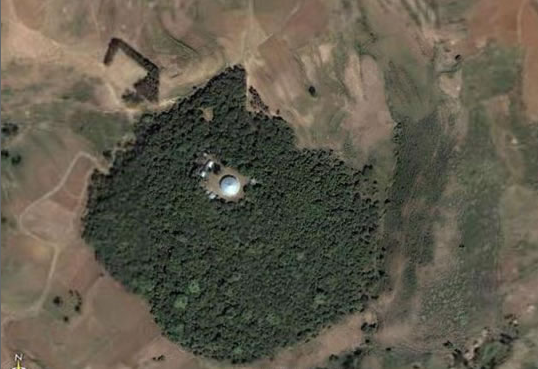
Debresena church forest- South Gondar, Ethiopia (Picture from Google earth)
“I can try to explain it to you, but unless you see it for yourself, you really can’t gasp the situation. They’re going through one of the worst droughts ever, it’s barely rained in three years. There is no water to grow vegetation, no water to drink. Everything is like desert. For people in the United States, it’s hard to wrap your mind around that.”
Anquan Boldin, Football star for Baltimore Ravens, winner of the 2013 SuperBowl
As a nerdy scientist, I was never a SuperBowl fan. This year when Anquan Boldin, who shares my passion for building stone walls in Ethiopia, made the first touchdown of the winning Baltimore Ravens, I became one. Continue reading
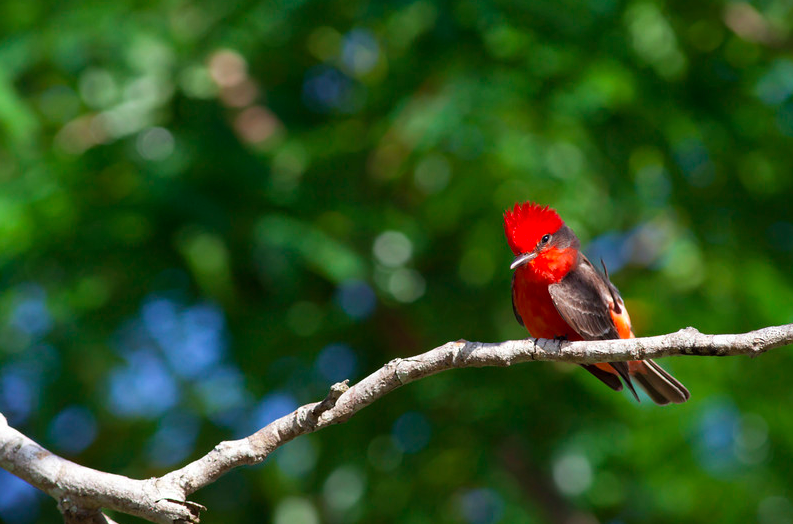
El Cuyo, Mexico
 Organikos