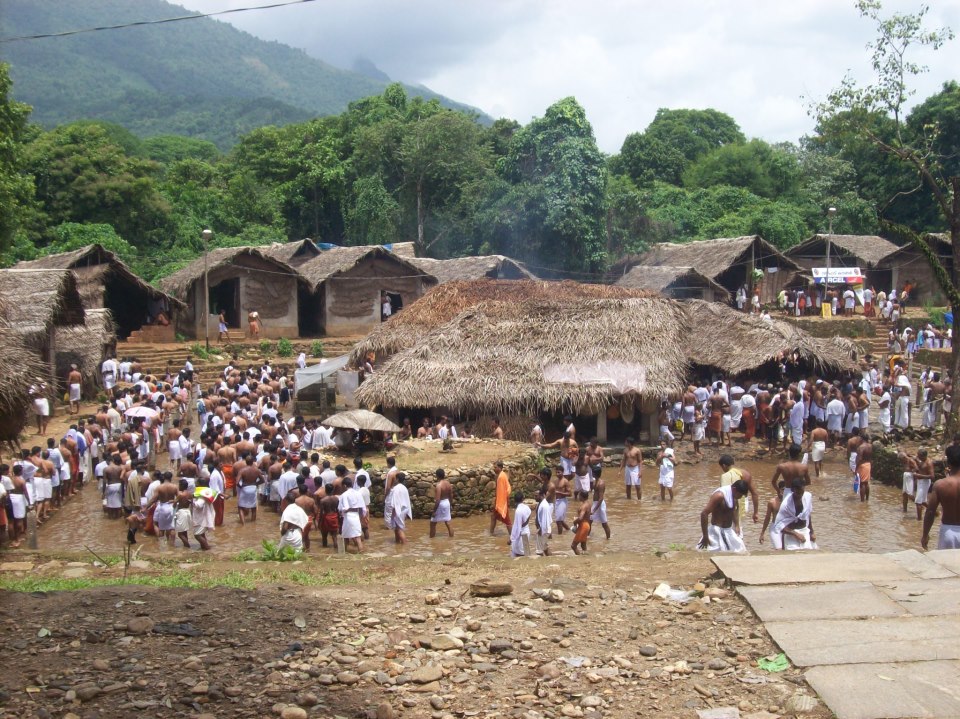
Kottiyoor Mahadeva Temple is located near Kelakam in the Kannur district. Described as the ” Varanasi of the South”, the shrine is dedicated to Lord Shiva and is an important pilgrim centre of north Kerala. Located in the deep forest, it is interesting to notice that there are no physical temple structures except for a Shiva linga. The annual festival attracts lakhs of devotees every year during the ” Vaisakha Maholsavam”. Continue reading
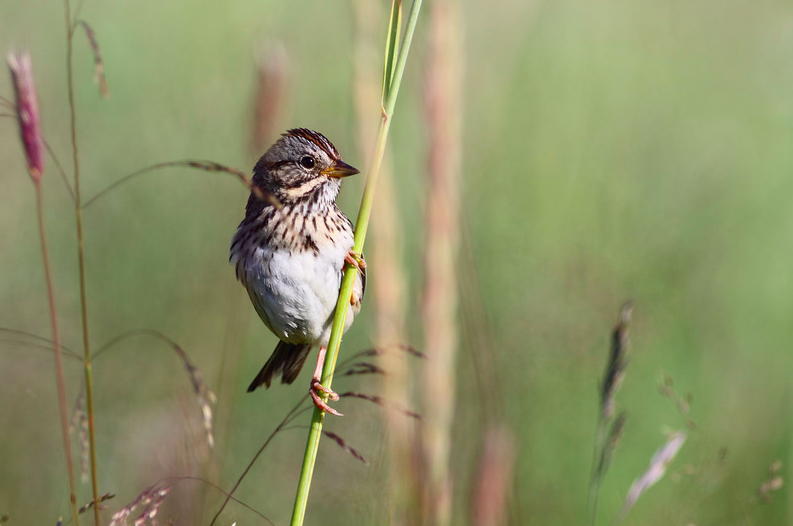
Bird of the Day: Lincoln’s Sparrow (Mendenhall Wetlands, Alaska)
A stroll around Kumily
Cardamom County is located at the junction of Kumily and Thekkady and for me it is not quite clear yet where one starts and the other stops. Walking around Kumily in the early morning is a privileged moment to witness daily wonders. Continue reading
Astronaut Coffee Taste Test
Thanks to Megan Garber, one of the Atlantic‘s other intrepid investigative writers for this story of collaboration by members of the food and astronaut communities:
So we finally have an answer to that age-old culinary question: What do professional foodies think about … space coffee?
Two celebrity chefs — David Chang of Momofuku and Traci Des Jardins of Jardiniere — made a trip to the Johnson Space Center in Houston. Their particular mission? To do some testing of the culinary offerings developed in the Space Food Systems Laboratory. Continue reading
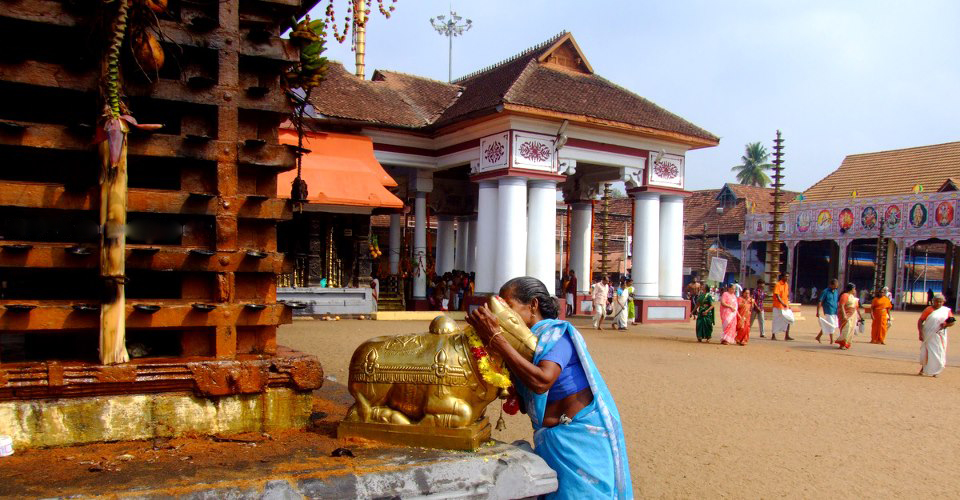
Prayer
Temple worship has had a glorious tradition in India and over the years there have been many temples built for different Gods and Goddesses. In the Hindu religion, people believe the only way of establishing a relationship with God is through an animal mediator, such as the bull, snake and elephant. Continue reading
Replacing Street Lamps With A Natural Glow
Thanks to the New York Times for the link to this tree-hugger’s get rich quick scheme:
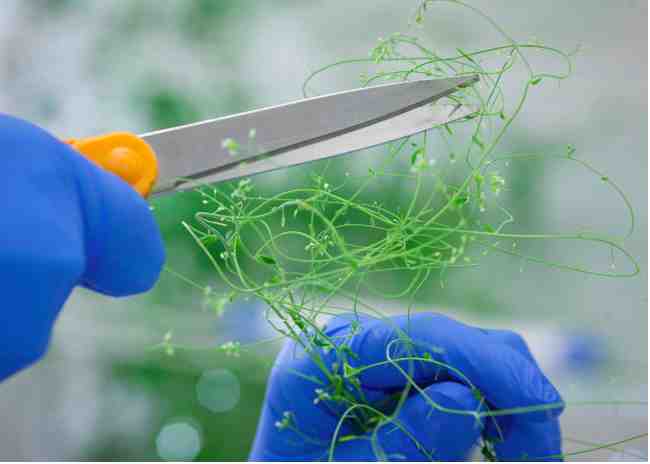
Hoping to give new meaning to the term “natural light,” a small group of biotechnology hobbyists and entrepreneurs has started a project to develop plants that glow, potentially leading the way for trees that can replace electric streetlamps and potted flowers luminous enough to read by. Continue reading
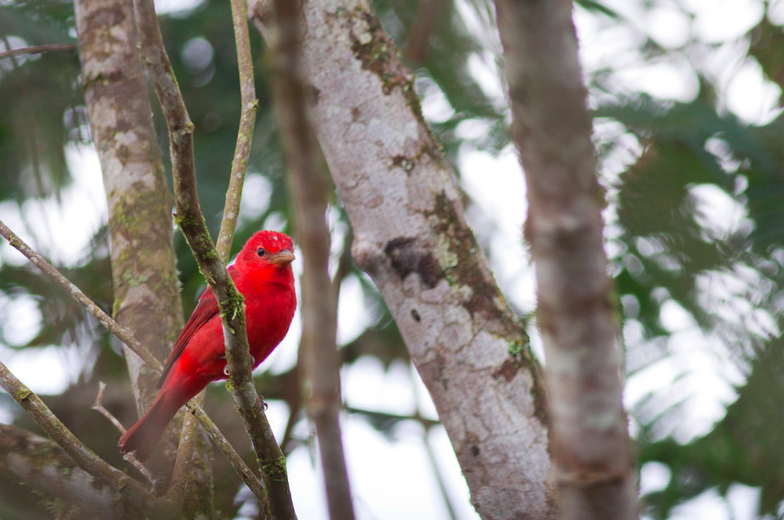
Bird of the Day: Summer Tananger
Tribal Ecology Lesson

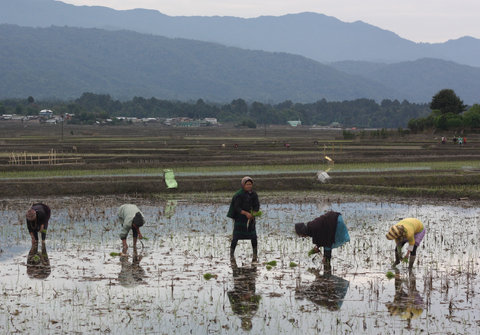
Photo: Brian Orland. Farmers belonging to the Apa Tani tribe transplanting paddy in the Lower Subansiri district of Arunachal Pradesh.
Thanks to India Ink for the reference:
ZIRO VALLEY, Arunachal Pradesh — The end of April is planting time for the women of the Apa Tani tribe. Their 50-square-kilometer valley is a meticulously groomed jewel of green conservation, compared to the flood-beset Assam plains below or the slash-and-burn plots that neighboring tribes cultivate in the shrinking forests of the surrounding hills. Continue reading
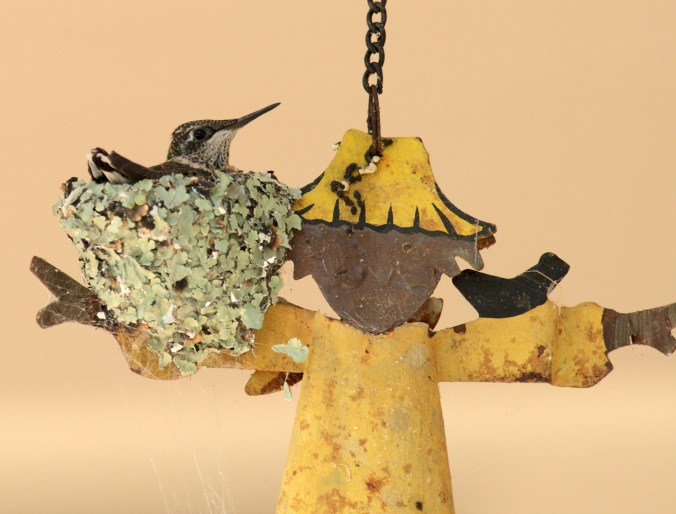
Funky Hummingbird Nests
If you enjoyed my last post on hummingbirds, then I think you’ll like these photos that I uploaded on the Celebrate Urban Birds blog even more!
Kerala’s Classical Arts
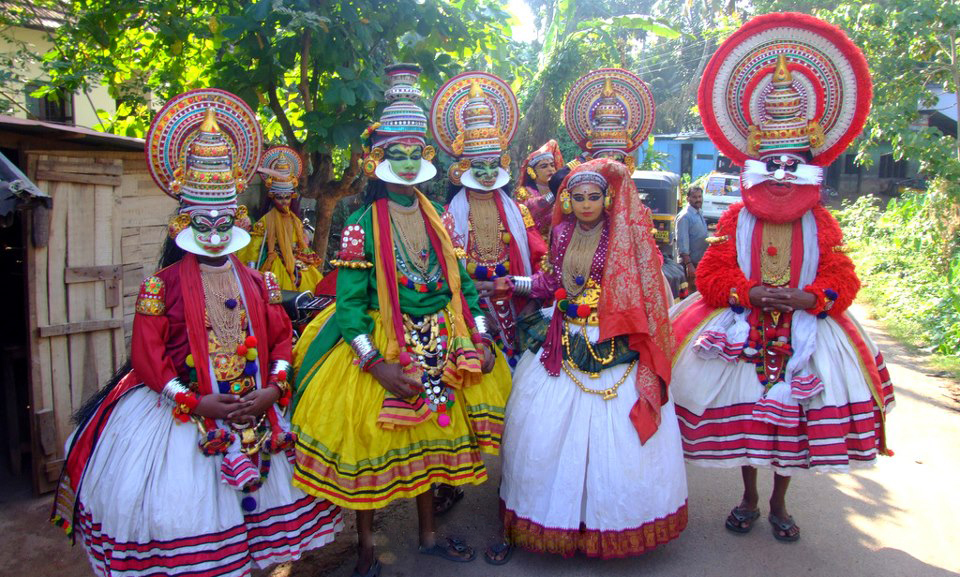
From December to May Kerala comes alive with its colorful Temple festivals. Each Temple has its own lore, ranging from the fantastic to the bizarre, and always involving many people within their communities. Kerala’s classical arts such as Kathakali, Theyyam and Panchavadyam, among others enjoy a frenzied resurrection during the festival season. Continue reading
First Egg: Same Box; Same Female; Same Ordinal Date!
We couldn’t believe it either, but an ASY female (an ASY is a bird known to have hatched earlier than the calendar year preceeding the year of banding) that we banded last year has returned to the same box at the same site, built a nest and laid her first egg on the same ordinal date as last year. (In 2012, February had 29 days and the first egg arrived on April 30th, this year February has 28 days and the first egg arrived on May 1st.) We celebrated how any other field biologists in the middle of nowhere would – a hot cup of tea and an invigorating game of cribbage. Continue reading
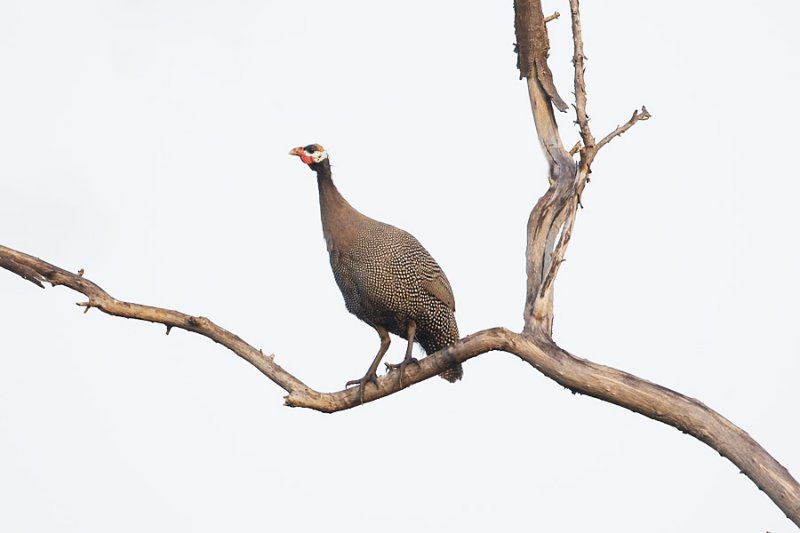
Bird of the Day: Helmeted Guineafowl
Green man-made landscapes
Sometimes you look at workers through a tourism car window and you think: they may be doing the same gestures that their ancestors were doing centuries ago.
Bolgatty Palace – Kochi
The Bolgatty Palace was built in 1744 by the Dutch and later taken over by the British. Today it is a hotel run by the Kerala Tourism Board. The palace is located on Bolgatty Island, one of the islands that form part of the city of Kochi. It is a two-storied building with well-laid verandas on both sides facing the seas. Set amidst lush, tropical greenery, this Dutch heritage building has the added advantage of a spectacular view of the backwaters.
Continue reading
Artisanal Glass & Natural History
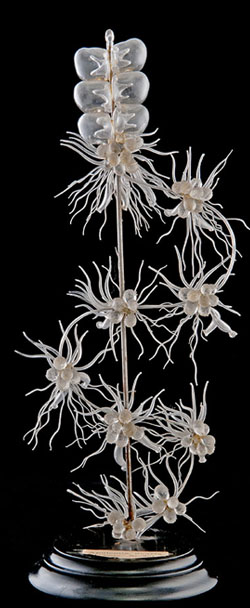
An article in today’s New York Times by C. Drew Harvell profiles the Blaschkas, glassmakers who were commissioned to create anatomically perfect sculptures of marine creatures for scientific purposes starting in the late 1800s, and current efforts to find living specimens of the same. From the introduction to one of the original collections, at Cornell University:
Before Jacques Cousteau and the aqualung, before Kodachrome and underwater photography – there were the Blaschkas, father and son glassworkers who produced some of the most extraordinary glass objects that have ever been made. Their work has been described as “an artistic marvel in the field of science and a scientific marvel in the field of art.”
Artifacts inevitably reflect the cultural values leading to their creation. In 19th century Europe and America, an explosion of interest in science and education directly affected Leopold and Rudolf Blaschka. Reflecting these interests, new museums were built and opened to the public. They differed from earlier museums not only by admitting the public but also by featuring collections that illustrated science and natural history and often displayed systematic arrangements of plants and animals.
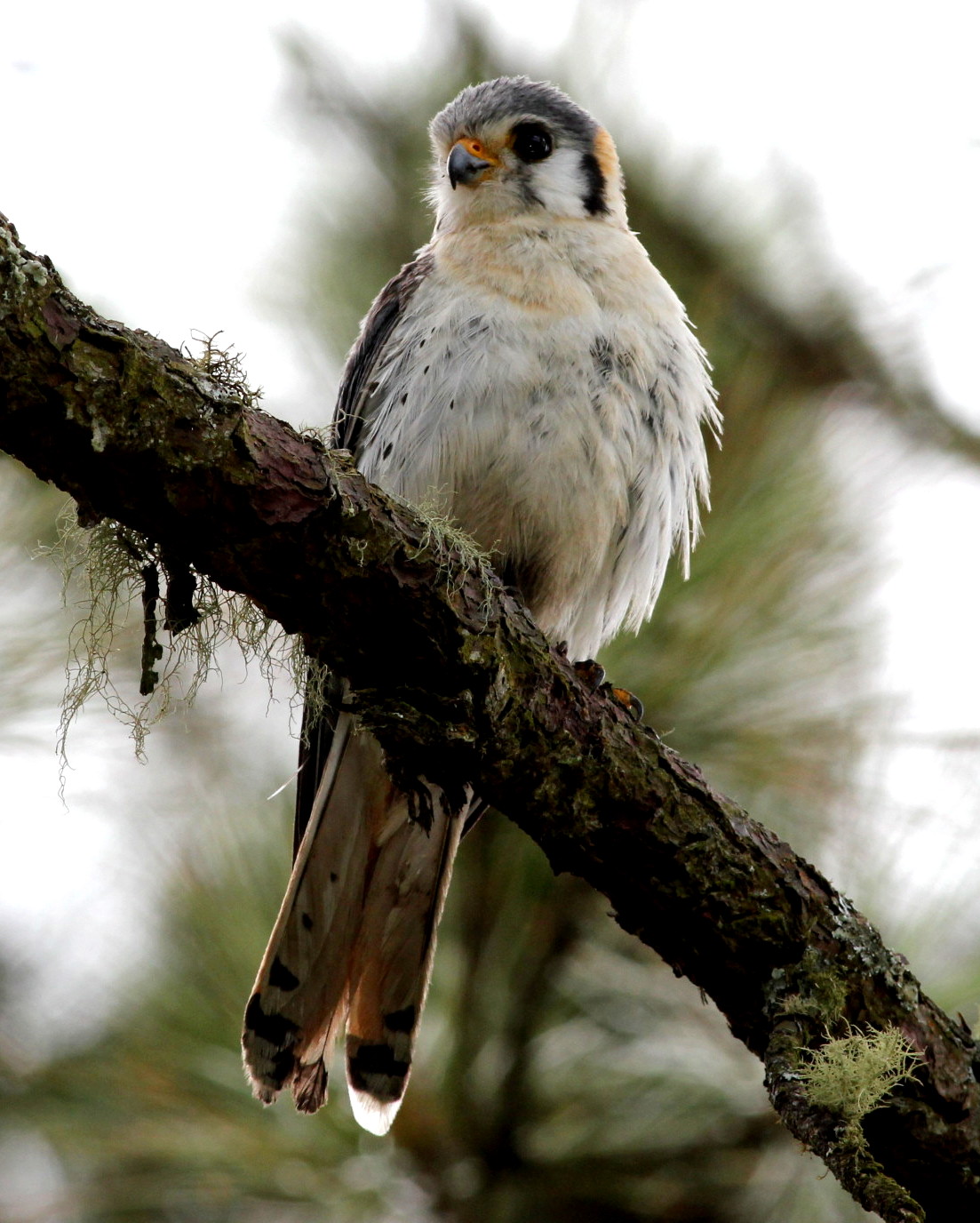
Bird of the Day: American Kestrel
Kathakali: non-speaking communication as an art form
My colleagues pressed me to arrive at Kathakali half an hour early : “You cannot miss the make-up session”, they insisted. Kathakali is non-speaking theatre you see. So the performance starts early on, before the show even starts. Continue reading
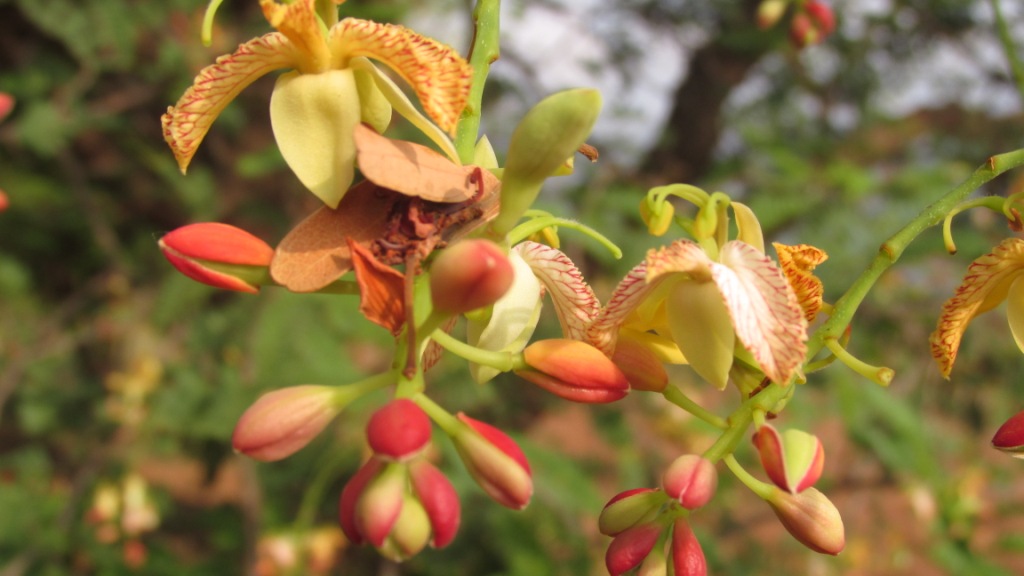
Tamarind Tree Flowers
The Tamarind is a large evergreen tree that grows up to 30 to 35 metres in height with beautiful flowers. Tamarind grows all over India, especially in hot and dry climate. Continue reading
Egg Coloration

Gray Catbird nest with eggs. Photo by Flickr user JMK Birder.
In my last post I covered Killdeer eggs and nests, focusing on their pyriform shape and mottled coloration. Here I’d like to talk a bit about egg pigmentation in more detail, since variation in patterns and colors is so fascinating in itself!
We saw with Killdeer that the spotted coloration of the eggs helped them blend in better with their surroundings, but what about eggs that aren’t marked at all? Well, white eggs, as we might assume, don’t have much camouflage potential unless placed in a white background, which is essentially limited to very light sand or gravel. White eggs, therefore, need to be disguised in other ways. They can be covered by things like feathers or vegetation, which is what many waterbirds do–wet leaves or seaweed can even stain parts of the eggs brown! They can also be laid in burrows or cavities where they won’t be seen anyway, which is what many woodpeckers, parrots, and owls, among other species, do.