Krulwich is our go-to guy on a certain kind of day. A day when important scientific ideas might otherwise put us to sleep, and just need a fresh approach to get our attention. Today is one of those days, and the pied piper of fun science delivers a short and sweet one:
Continue reading
Really, Monsanto (Again)?

There are plenty of reasons to be concerned about the intersection of business interests and political interests around the world. As an entrepreneurial organization, we take a business approach to what we care about, and believe in the rights and responsibilities associated with influencing public policy. But we also believe in the importance of transparency, clear rules of the game, and common sense decency. We do not believe in making a buck at any cost. We do not believe companies who cut corners and sacrifice others’ wellbeing for the sake of making a buck are serving society’s interests.
So, in a series of shout outs to investigative journalists whose critical work points us to the ugly back alley activities of businesses and open air atrocities of little countries as well as otherwise commendable huge countries, we now return to one company for the second time:
Remember that one time? In Congress? When an anonymous group of House Republicans tried and failed to sneak a rider into the farm bill that would have exempted agribusiness from liability for biotech crops and all but eliminated the government’s power to regulate them? Good times. Continue reading

San Francisco Bay Trail, CA
Bird of the Day: Great Egret
Foodways Through The Long Lens Of History And Brought To Your Attention By A Great Magazine
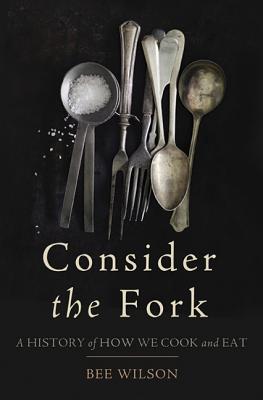
In this week’s New Yorker, two great things that add up to more than two great things:
Jane Kramer reviews “Consider the Fork: A History of How We Cook and Eat,” by the British food writer and historian Bee Wilson. It’s more than a book review, though: The New Yorker’s European correspondent brings into it her own passion for cooking and her years of writing about food.
The book review mentioned above is discussed in a podcast on the magazine’s website, meaning the book to the left generating two contributions from one of that magazine’s finest writers. How does 1 + 1 add up to more than 2? Here is a magazine, against all odds of print journalism in the 21st century, adding value with the very technology that is killing other publications. Creative destruction, culling out weaker publications, is also working its magic. Continue reading
Cape Camorin, Known Locally As Kaniyakumari
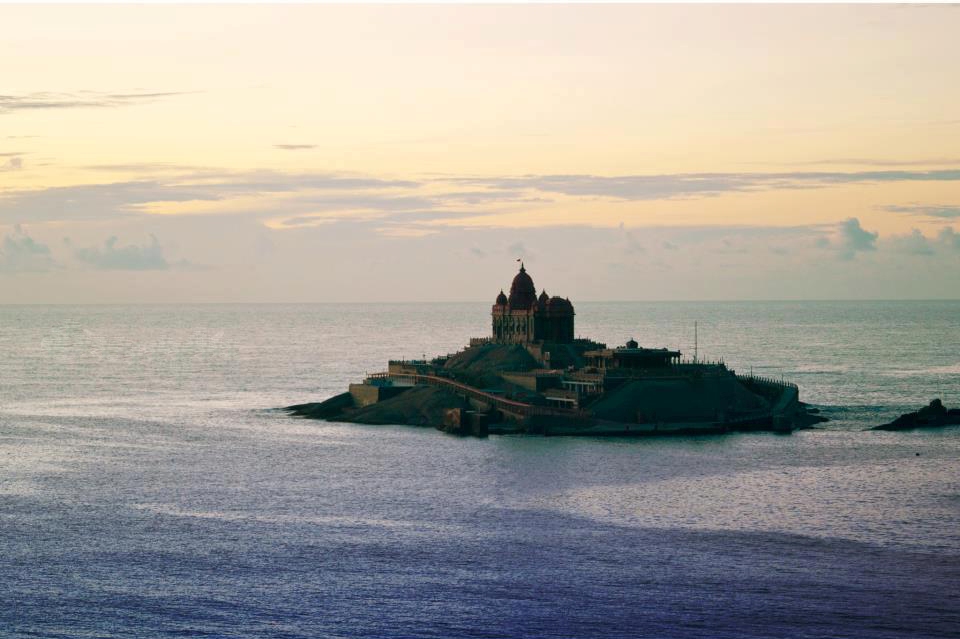
Photo credits: Prasanth
Kaniyakumari, also known as Cape Camorin, lies 90 km south of Trivandrum and is the southernmost tip of the mainland Indian sub-continent. The waters of the Indian Ocean, the Bay of Bengal, and the Arabian Sea converge here. The Vivekananda Memorial and recently erected statue of the great Tamil poet Thiruvallur are the main attraction of this place. A dip at the bathing ghat constructed at the confluence of the Seas is believed to cleanse and rejuvenate the pious.
Rainbow Warrior, Greenpeace And New Zealand
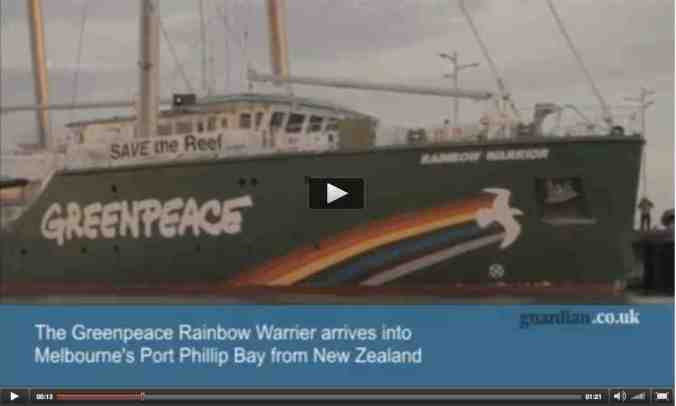
Our hope is that it is a peaceful vessel, bringing justice in a tough world for marine ecosystems:
The new Greenpeace Rainbow Warrior ship sailed into Melbourne’s Port Phillip Bay this week ahead of a six-week tour that aims to highlight the planned coal expansion projects that threaten the survival of Australia’s Great Barrier Reef
Bird of the Day: Rose-ringed Parakeet

Photo Credit: John Mason
Mole National Park, Ghana
Kochi’s Foodways Celebrated

Joan Nathan’s Cochin Coriander-Cumin Chicken for Passover, adapted from Queenie Hallegua and Ofera Elias – cooked and styled by Andrew Scrivani NYTCREDIT: Andrew Scrivani for The New York Times
We are always pleased to see Raxa Collective’s hometown in the news, but especially when the coverage focuses on cultural history in the part of town where we are developing a new property. Fort Kochi’s harbor area, including Bazaar Road where Spice Harbour (a waterfront hotel opening later this year, more on which in a future post) is located and where the spice trade is centered, completes the domestic route of the Malabar Coast’s spice trade. Spices are grown throughout the Western Ghats, they make their way down to sea level for transport in the coastal backwaters, and a large percentage end up on Bazaar Road where merchants, traders, godown (warehouse) keepers and others prepare them for shipment. This has been the way of the spices for millennia, though Fort Kochi’s harbor has played its role in the spice route only in recent centuries. The New York Times writer Joan Nathan describes a culinary-religious heritage motivation for her visit here (minutes from our office location):
KOCHI, India — Dreaming of spices described in the Book of Kings, I came to this southern port city built in the 14th century to learn about its longstanding but tiny Jewish presence and its food, which some believe dates back to the time of the Bible.
Continue reading
Gangsta Guerilla Gardening
Food activist Ron Finley campaigns to “change the composition of the soil” in his hometown of South Central LA. In place of the “food desert” made up of liquor stores and fast food (not to mention drive-by shootings) he and his volunteer organization LA Green Grounds plants “food forests” in abandoned lots, traffic medians and sidewalk parkways.
Finley’s point of view is a call to arms to change our conversation about food.
The city of LA leads the United States in vacant lots. They own 26 square miles in vacant lots. That’s the equivalent of 20 New York Central Parks. That’s enough space to plant 724,838,400 tomato plants.
As a combination vegetable graffiti artist and gardening gangster, Continue reading
Beauty Of Kerala – Palakkad
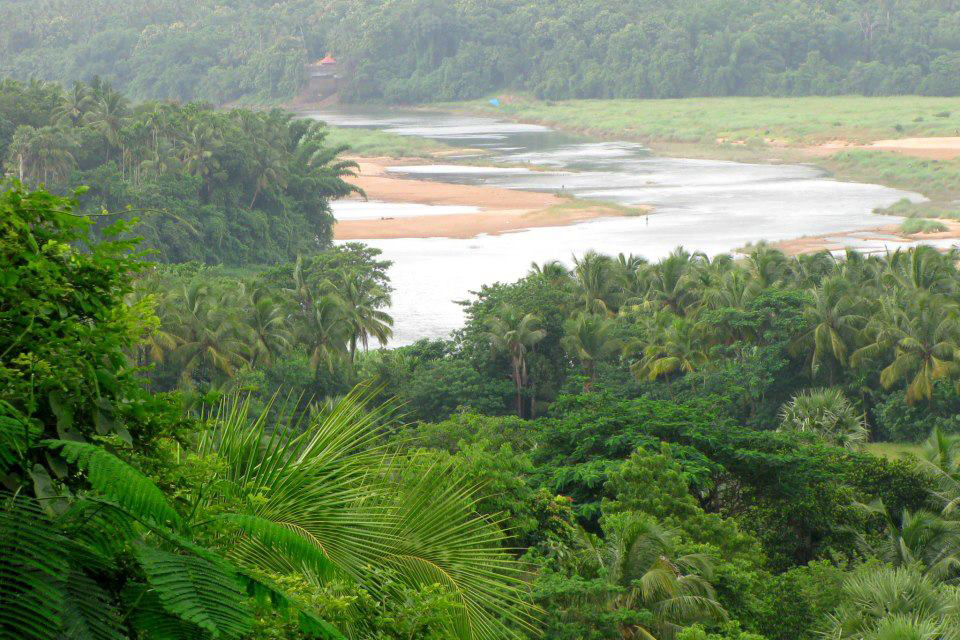
Photo Credits: Jisa
Palakkad is a vast expanse of verdant plains interspersed with hills, paddy fields, rivers, mountains, streams and forests. A 40 km break in the mountains known as the Palakkad Gap serves as a gateway to Kerala from the north, giving access to the land situated at the foot of the Western Ghats. The pass acts as a corridor between Kerala and neighbouring Tamil Nadu and plays a major role in the trade contacts between East and West coasts of peninsular India. Continue reading
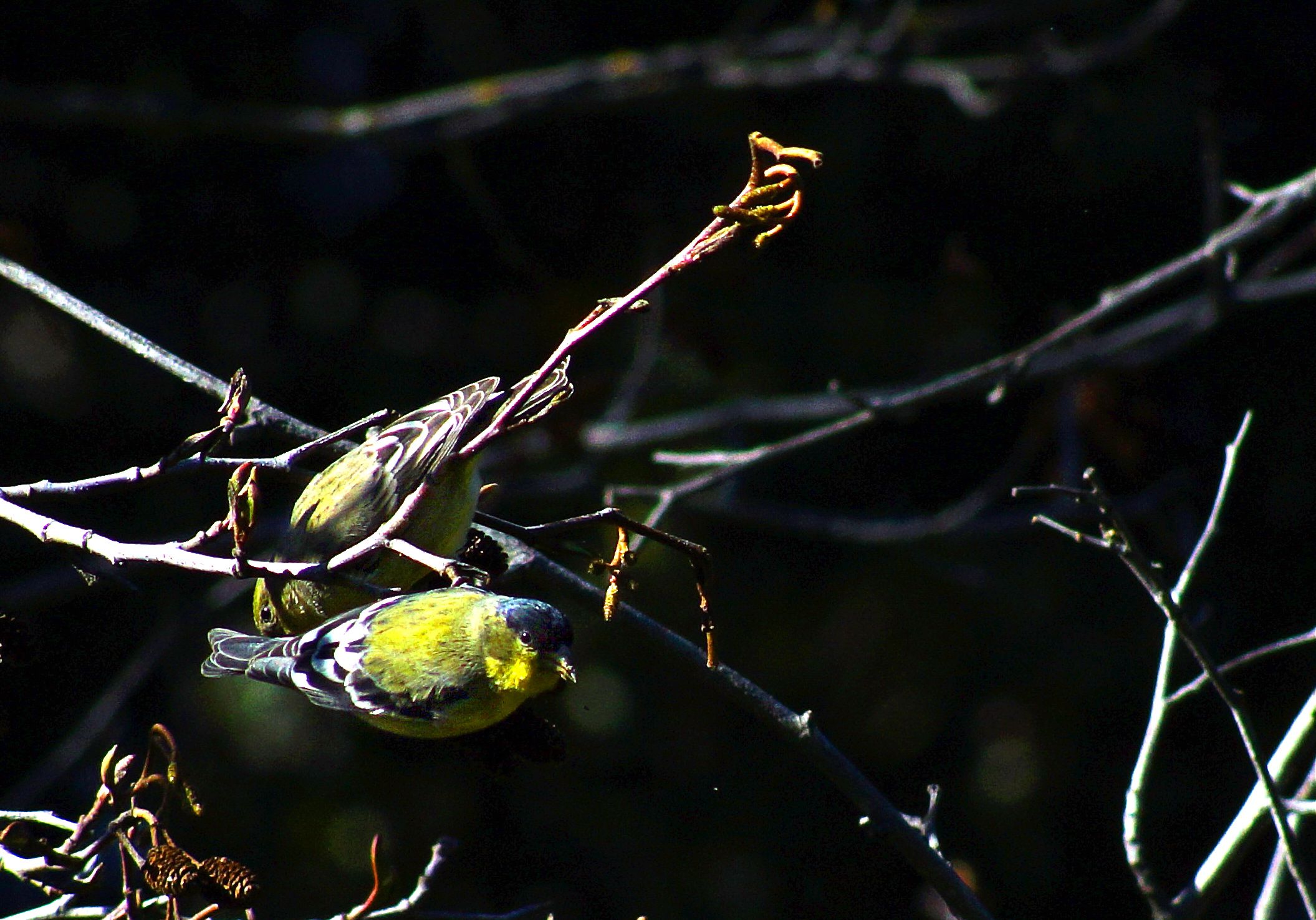
Saratoga Creek Trail, CA
Bird of the Day: Lesser Goldfinch
Automotive Alternatives Expanding

Mahindra Reva promises E2O electric car will go on sale this month
Because of their impact on the environment globally, we pay attention to this blog for news on the greening of cars and the automotive industry. They, for their part, cull from important journalistic enterprises such as The Economic Times:
Mahindra Reva is determined to launch its E2O electric microcar in India this month, despite the end of federal subsidies that lower the purchase price for consumers. Continue reading
Banasura Sagar – Wayanad
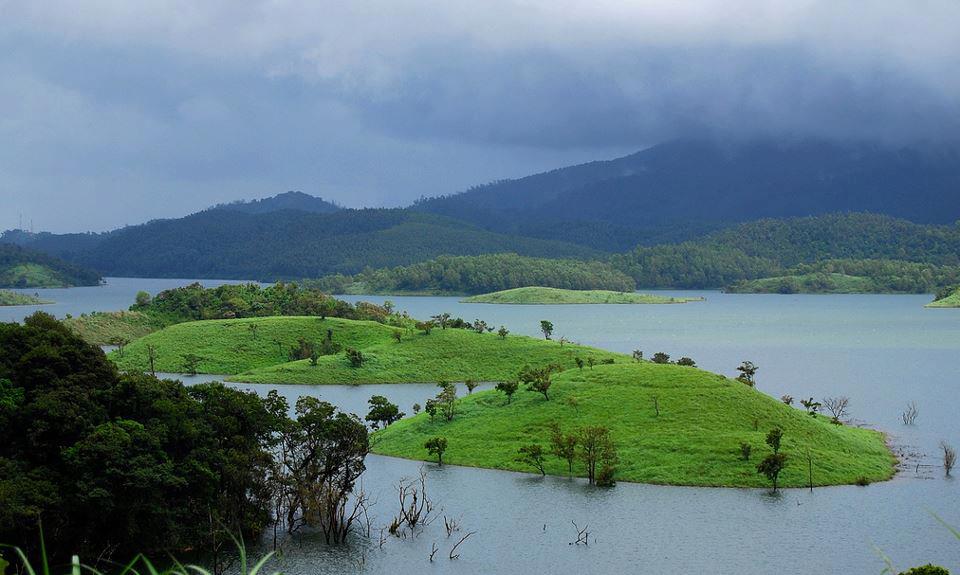
Photo credits: Jisa Reno
Made up of massive stacks of stones and boulders Sagar is the largest earth dam in India and the second largest in Asia. During the monsoon small islands are formed upstream by the swollen river and full reservoir. The large patches of water scattered against the backdrop of the Banasura mountains attracts photographers and nature lovers. Continue reading
Conservation Literacy

Photo Credit: John Mason
We’ve mentioned how an interpretive guide can bring the rainforest to life before. We’ve even touched on the fact that sometimes the best of those guides have “poacher” on their resumés, which follows a similar logic to the observation that often the most devoted practitioners of a religion are the newly converted. Here I’d like to point out a recent study by researchers from Wageningen University, along with Kenyan and British colleagues, published in a recent article in the journal Biological Conservation that correlates the levels of literacy and education with general conservation and the long-term protection of local wildlife.
The team of ecologists evaluated the number of elephants across Africa’s continental range, irrespective of political boundaries. The analysis included the numbers of individual elephants and determined the relation with 19 ecological variables, including rainfall, forage and water availability, and 15 human variables, including human density, welfare, literacy rate, and habitat fragmentation.
Although environmental factors such as the availability of food and water were obviously important, it appears that human factors—including policies, corruption, or the country’s economy—are even more important than environmental factors.
The authors write that:
…even for such charismatic species as the African elephant (Loxodonta africana)…we show through continent-scale analysis that ecological factors, such as food availability, are correlated with the presence of elephants, but human factors are better predictors of elephant population densities where elephants are present. These densities strongly correlate with conservation policy, literacy rate, corruption and economic welfare, and associate less with the availability of food or water for these animals. Continue reading
See CITES Save

Loading rosewood timber on trucks at the port of Toamasina (Tamatave), Madagascar. Photograph: Babelon Pierre-Yves/Alamy
If the proclamations and rules coming out of CITES are even half-implemented, endangered species of various domains–aquatic, terrestrial, animal and plant–will find themselves on roads less perilous than the ones they have been on in recent decades:
Every species of mahogany and rosewood tree in Madagascar gained new protection on Tuesday against a rampant logging trade that threatens to wipe out some species before they are even discovered.
The 178 nations at the world’s biggest wildlife summit agreed unanimously to strictly regulate the international trade in mahogany timber. Continue reading
Bird of the Day: Jacana (Mole National Park, Ghana)
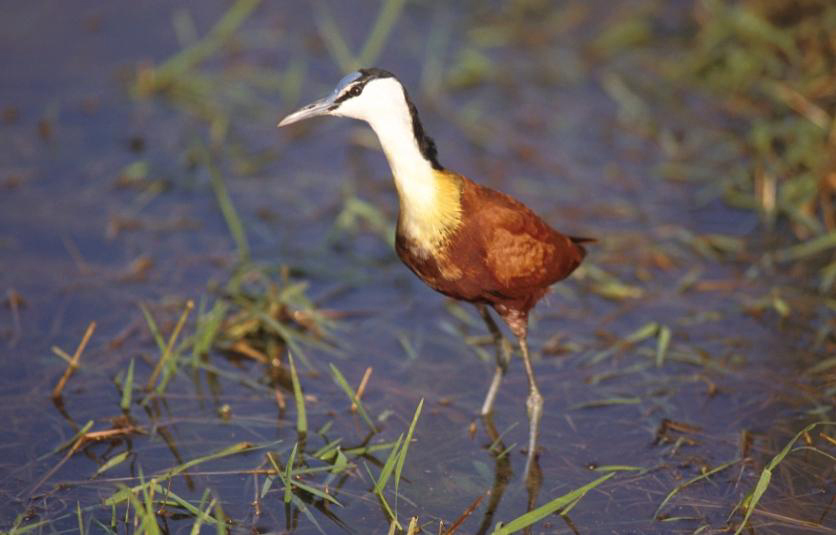
Photo credit: John Mason
Interesting Intersections
We have pointed him out before, and will likely continue to do so; here, with a link to a catalogue archiving some of his earliest work as an adult artist. And there is a podcast of the radio show about entrepreneurs, From Scratch, featuring an interview with this artist that allows him to sit remarkably well with pioneers at the intersection of conservation and other pursuits:
Andy Goldsworthy
Sculptor
Some sculptors work with materials like bronze or marble, which last forever; but others build sculptures made of ice or snow, which last only a few moments. Continue reading
From Behind the Wheel: Last Stop

Kalpathy Ratholsavm – Chariot Festival

Photo credits: Ramesh Kidangoor
Kalpathy is an ancient Brahmin agraharam (village) situated in the heart of Kerala’s Palakkad district close to the Tamil Nadu border. Kalpathy Ratholsavm, The Chariot Festival, is based on vedic Tamil Brahmin culture. The main center of the festival is Kalpathi Sree Viswanatha Swami Temple. During the festival week the deity from Viswanatha Swami Temple is taken out and installed in the chariot and thousands of devotees drag the huge, intricately carved temple chariots bedecked with flowers, fruits and flags through the streets. Continue reading
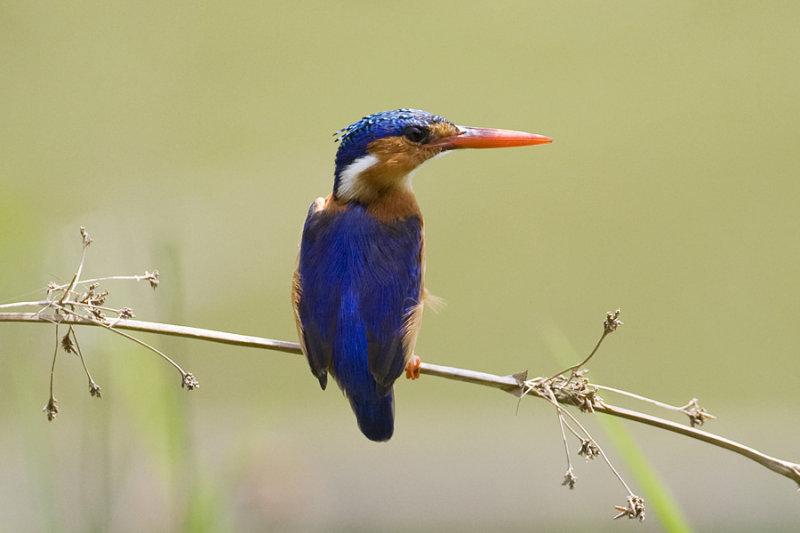
Bird of the Day: Malachite Kingfisher
 Organikos