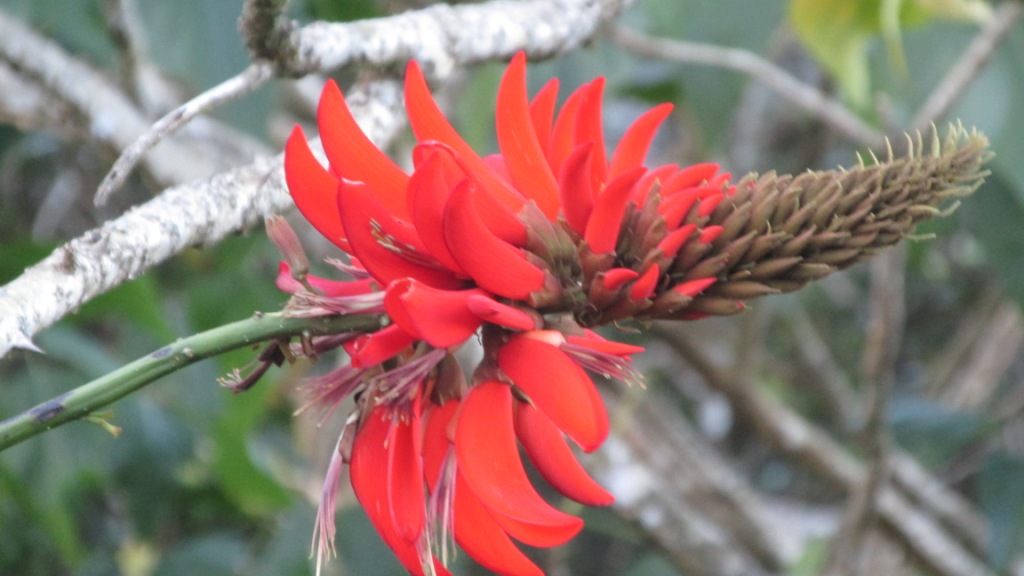
The Indian Coral Tree is native to tropical and sub-tropical regions of the Indian sub-continent, They are found widely in the Western Ghats, blooming during January to March. Continue reading
The Indian Coral Tree is native to tropical and sub-tropical regions of the Indian sub-continent, They are found widely in the Western Ghats, blooming during January to March. Continue reading
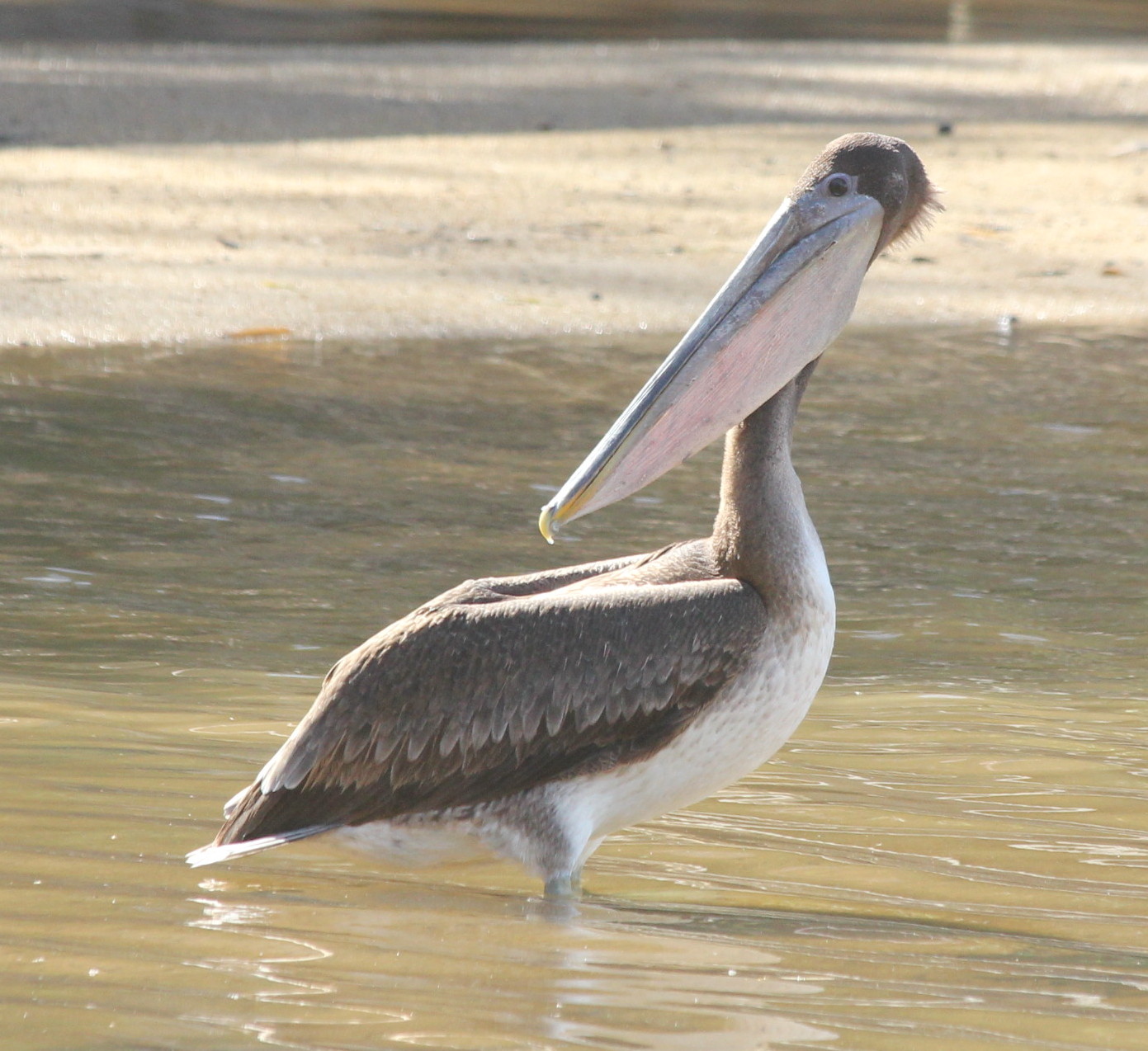
Yelapa, Mexico

Photo credit: Ramesh Kidangoor, near Madurai

Photo credits: Ramesh Kidangoor
Kumbakonam (translated roughly from “Jug’s Corner”) is one of the oldest towns in the state of Tamil Nadu. It has unique position in Hindu myth as containing the only temple for Lord Brahma due to the legend that he filled a clay pot with the seed of all living beings on earth. Continue reading
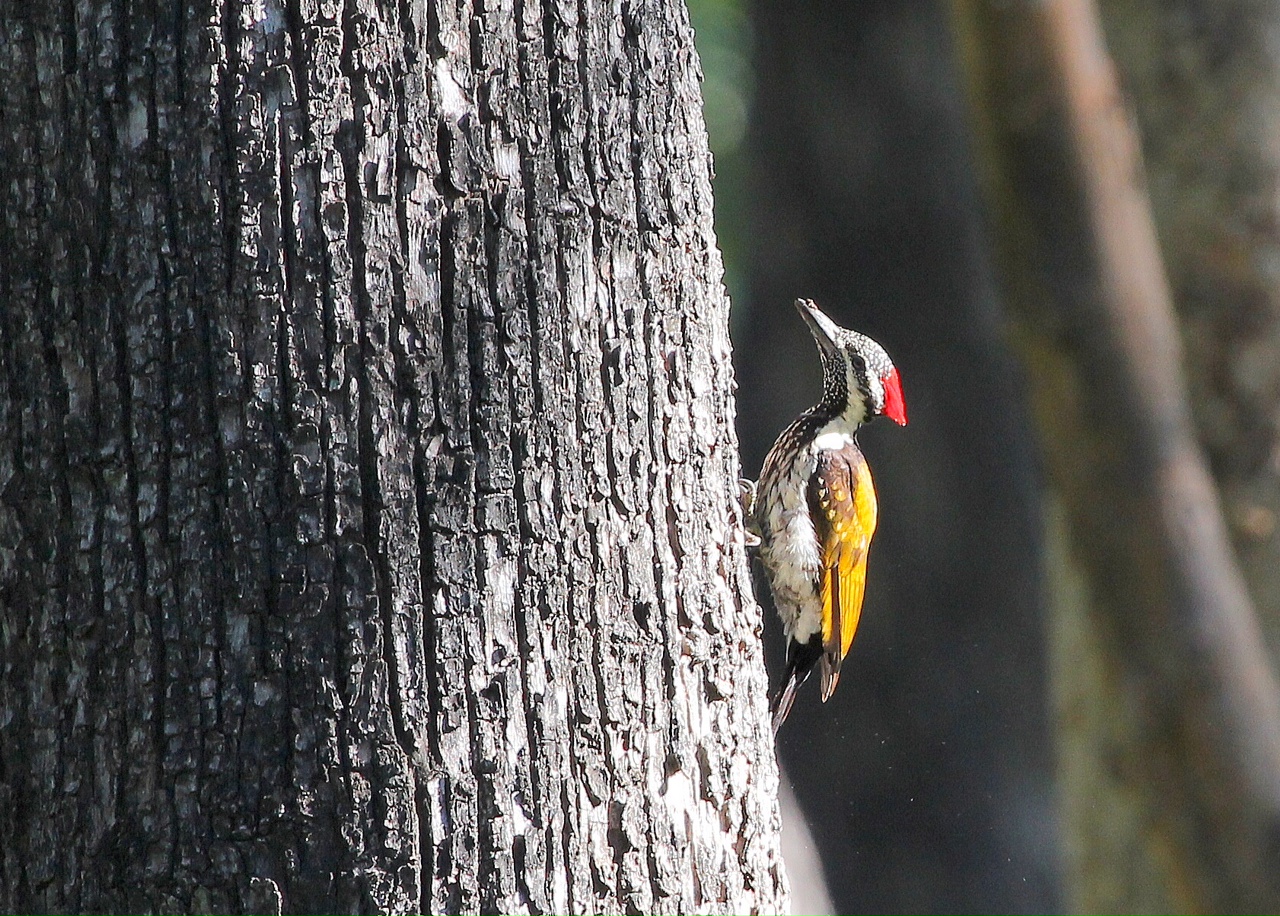
Nagarhole National Park, Karnataka

Justin Gillis/The New York Times. Alessio Rovere, a Columbia University researcher, examined an ancient shoreline deposit in Cape Agulhas, South Africa. Dunes moving inland ahead of a rising sea are believed to have buried trees at the site, with the decaying trunks producing the unusual features at center.
Thanks to Green Blog for linking to this article in the New York Times Science section on Tuesday:
In my article in Tuesday’s Science Times about the risks of long-term sea level rise, and in an accompanying podcast, I reported on the link between past instances of global warming, caused by natural fluctuations in the climate, and higher shorelines. Continue reading

Photo credits: Ramesh Kidangoor
In Kerala almost every church in every village has an annual celebration called Perunnal. All members of each church participate in a festive procession during this community event.
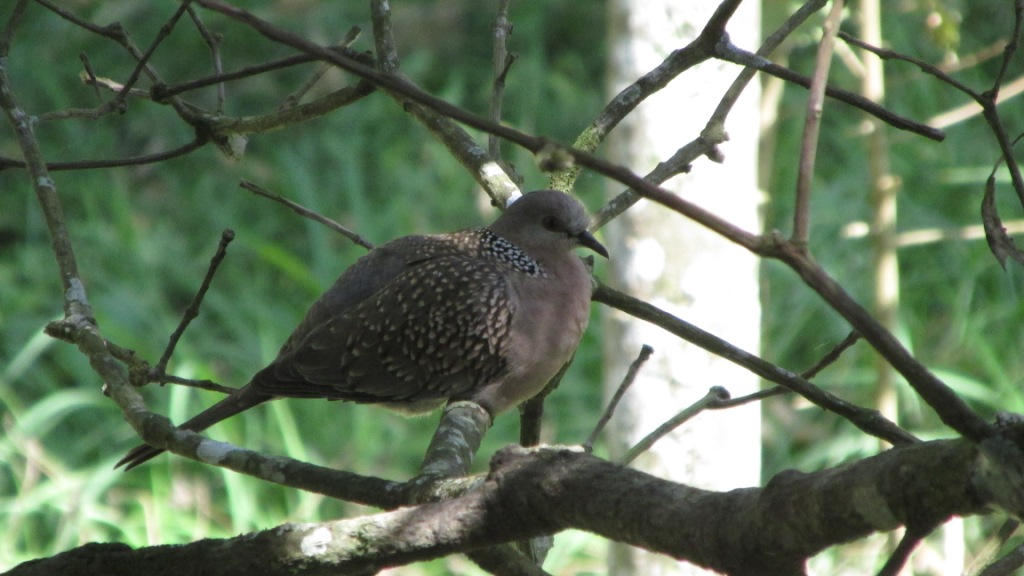
Kumily, Kerala

Recent research shows an excess of strengthening sugar molecules in the willows’ stems, which attempt to straighten the plant upwards in the presence of windy conditions. These high-energy sugars are fermented into biofuels.
Click the image to the right to go to the surprisingly accessible article from an otherwise engineer-oriented publication:
Willow trees cultivated for green energy can yield up to five times more biofuel if they grow diagonally, compared with those that are allowed to grow naturally up towards the sky.
This effect had been observed in the wild and in plantations around the UK, but scientists were previously unable to explain why some willows produced more biofuel than others.Now British researchers have identified a genetic trait that causes this effect and is activated in some trees when they sense they are at an angle, such as where they are blown sideways in windy conditions.
The effect creates an excess of strengthening sugar molecules in the willows’ stems, which attempt to straighten the plant upwards. These high-energy sugars are fermented into biofuels when the trees are harvested in a process that currently needs to be more efficient before it can rival the production of fossil fuels. Continue reading

Fernández Anaya helps Mutai toward the line / CALLEJA (DIARIO DE NAVARRA
On the rare occasion that we highlight a sporting event, the reason for doing so in this case is simple: we have been on the lookout for acts of goodness, random or otherwise, since starting this site. This is as random as it gets:
…Spanish athlete Iván Fernández Anaya was competing in a cross-country race in Burlada, Navarre. He was running second, some distance behind race leader Abel Mutai – bronze medalist in the 3,000-meter steeplechase at the London Olympics. Continue reading
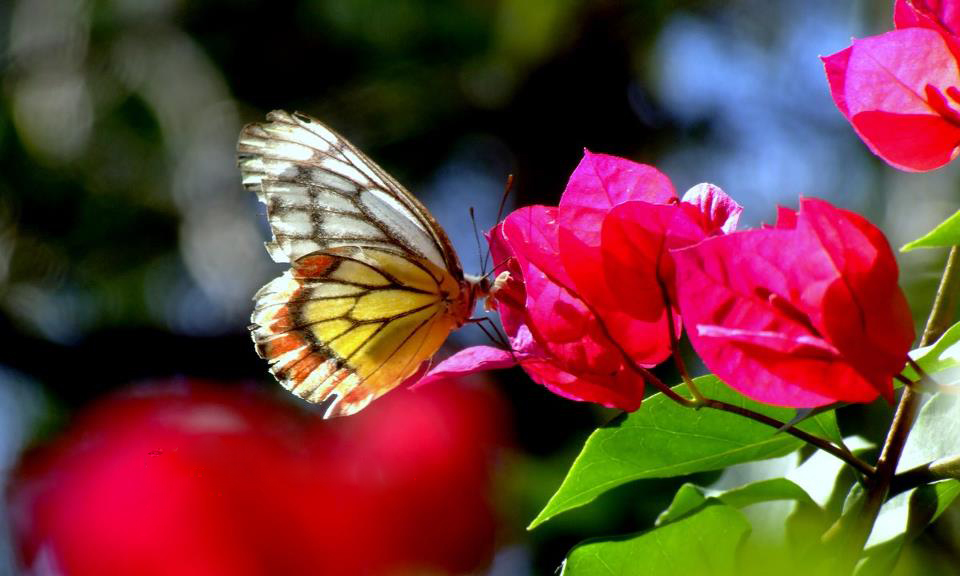
Photo credit: Ramesh Kidangoor
The Painted Sawtooth is a rare butterfly seen in Kerala’s forest settings only during January – April. The males fly extremely fast and have reddish orange spots on the back side of their wings.

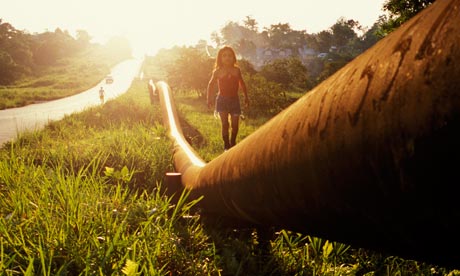
Pipe dreams: the 500km pipeline that transports oil from Lago Agrio to the port of Esmeraldas, on the Pacific Coast. The oil discovery destroyed the area. Photograph: Remi Benali/Corbis
Can there be happy endings related to oil discovery in remote, ecologically and culturally sensitive areas? Note likely. But this story is worth a read:
American biologist Kelly Swing thwacks a bush with his butterfly net and a dozen or so bugs and insects drop in. One is a harvester, or daddy-long-legs, another a jumping spider which leaps on to a leaf where two beetles are mating. Continue reading

Photo credits: Ramesh Kidangoor
This festival takes place in Sree Bhagavathy Temple near Alleppey during the month of Vrischikam (November/December) in Kerala’s lunar-based calendar; the time when the glory of the Goddess is at its peak. This is one of the state’s most renowned festivals, where tens of thousands of female devotees gather around the temple days before the function. The women line up on both sides of the main streets and each arranges an area for offering the Pongala (cooking demo) in front of them. Each one brings an earthen cooking pot with rice, coconut and jaggery. Continue reading

John Mackey has a new book out. He is a visionary, no doubt. He co-founded and co-leads a company we admire. But he is not the sole shareholder in Whole Foods, and when he decides to be provocative, as he often does, the company’s reputation is at stake along with his own. He claims not to be a climate change skeptic, but also says he does not believe we need to take any action because climate change is likely going to benefit humans. Specifically, in an interview in the Guardian he says:
We’ve been in a gradual warming trend since the ending of the “Little Ice Age” in about 1870, and climate change is perfectly natural and not necessarily bad. Continue reading

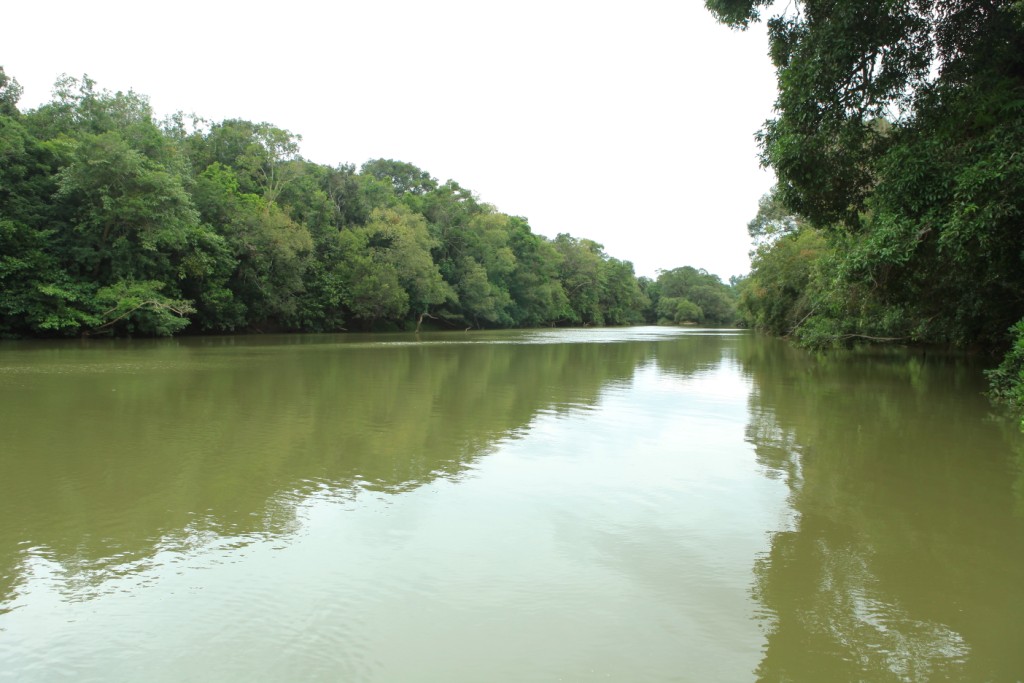
Photo credits: Shaji Kumily
Most of the 40 odd rivers that originate in the Western Ghats flow west to the Arabian Sea, but three flow east to the neighbouring states of Karnataka and Tamil Nadu. The Kabini is one of these rivers. It develops from two separate rivulets that wind around a 950 acre wooded island nestled amidst sylvan surroundings, called Kuruva Dweep. Continue reading
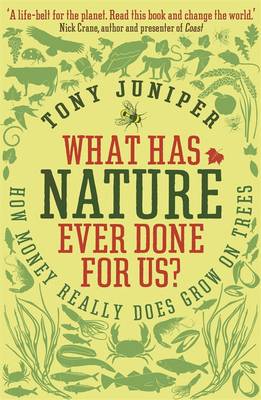 A review of this provocative book appears in the Guardian (click the image of the book to the right to go to the review) and an interview with its author is here, via mp3 download or as an iTunes podcast. The book’s blurb supports the reviewer’s conclusion that it is worth the read:
Money doesn’t grow on trees. Or does it? From Indian vultures to Chinese bees, nature provides ‘natural services’, 24/7. Recycling miracles in the soil; an army of predators ridding us of unwanted pests; an abundance of life creating a genetic codebook that underpins our food, pharmaceutical industries and much more. It’s been estimated that these are worth an annual $50 trillion Continue reading
Click the image to the left to go to the National Audubon Society’s website to read the entire announcement:
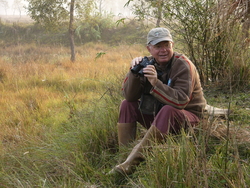
George Archibald is the first recipient of the Dan W. Lufkin Prize for Environmental Leadership. As founder of the International Crane Foundation (ICF), he has devoted his life to protecting cranes and their ecosystems around the world and to helping thousands of people understand, and be inspired by, the global significance of bird conservation.
In 1973, with fellow Cornell University graduate student Continue reading

