Thanksgiving: For Animals In & Out Of Context

Thanksgiving, as a national holiday, has its pluses and minuses (most holidays innocently suffer from the tendency we have to overdo things).  Thanksgiving as a practice, a daily or just occasional reflective practice, can only be good.  Today I reflect thankfully on the young animal in the video above (click to spend a minute or so viewing it).  At first glance you might think it is a puppy.  In the video it is clearly in a dog crate, and its facial expressions and movements could just as well be that of a small husky or shepherd dog, or even a mut.

It is a young bear cub.  If you want to know its story, click above.  The story in that video coincides with the story below.

This leopard kitten was found recently separated from its mother in a protected forest area in Kerala, and I happened to be in the right location at the right moment to witness what happens in such cases if our modern world is working at its best.  I learned something in the process, and that has completely changed my view on zoos (for which, this thanksgiving reflection).  The coincidence is that both the bear cub and the leopard kitten enlightened me within days of each other, and within that same set of days I had just been listening to a story on Radio Lab on the topic of zoos; all that,  just at the time when my calendar reminds me each year (the last Thursday of November) to reflect on what I am thankful for.
Continue reading

Collaboration Across Architecture & Art To Tell Stories About A Place

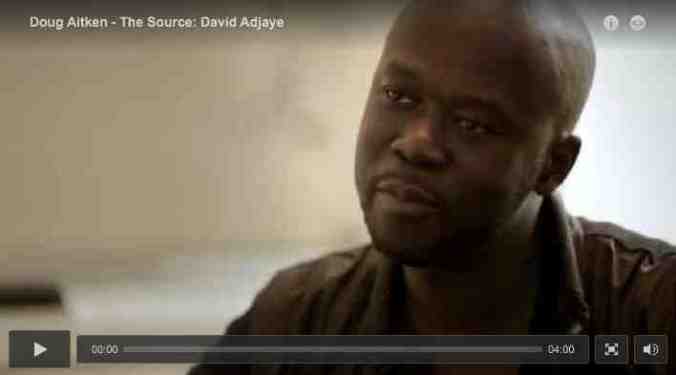
We pointed to an earlier conversation in this series.  This one is about one architect’s view on story-telling.  For architects, and anyone working with architects, this man’s concise but clear statement of purpose and method is an eye-opener.

Soy Versus Forest

Brazil soon expects to overtake the US as the world’s biggest soy producing nation. In the Amazon, soy farmers have rapidly expanded their land by using fire, bulldozers, saw mills and logging teams to clear the rainforest. But amid mounting concerns about global warming and biodiversity loss, Brazil’s government is deploying more personnel and equipment to hold the line between the food and the forest

Click above to go to the video and the accompanying story in the Guardian:

As his helicopter descends through the smoke towards an Amazonian Continue reading

Wild Periyar – Mud Puddling (Butterflies)

Common Blue Bottle; Graphium sarpedon

Mud puddling is a social insect activity usually involving newly hatched males where several butterflies of one or more species gather on moist banks of sand or mud. Mud puddling butterflies often spend a long time on these damp patches, where they suck salts along with water to obtain nutrients. Continue reading

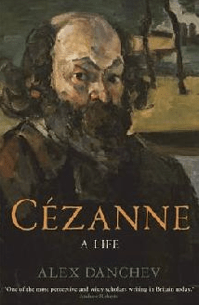
Cezanne And The Community Of Artists

The subject of this biography is the main reason to listen to this interview with the author, but not the only reason.  The biographer, himself, is another: why would a professor of international relations take on such a task?  He has a very good explanation in that interview.

Most importantly the interview hints at why the biography is likely worth a read: Cezanne’s intense and atypical sense of community, especially among well-regarded artists of his era, fascinates.  The fact that he took up fine art relatively late in life stuns (if you did not know it already).  His commitment to simple life away from the distractions of urban modernity is something we can relate to. His friend of the friendless actions inspire (except with regard to Dreyfus). The author has, according to Kirkus Reviews

researched every facet and nuance of Paul Cézanne’s life (1839–1906). His comfortable childhood in Provence, his years in Paris, where he was influenced by the Impressionists, and his dependence on the allowance from his father created the artist some suggested was “not all there.” Continue reading

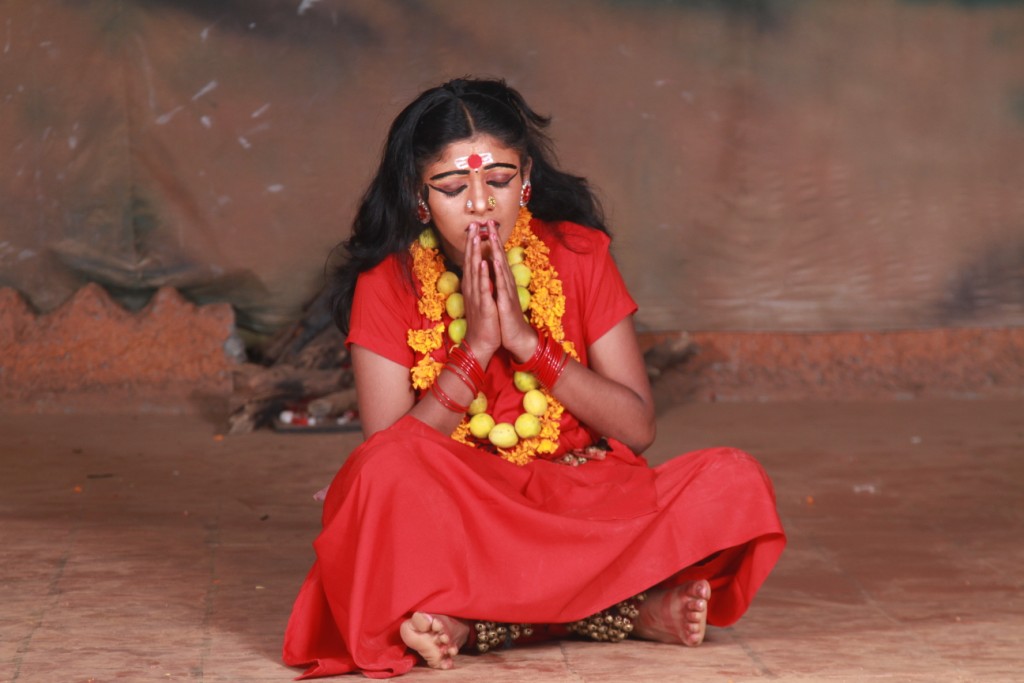
Folk Dance

Kerala offers a wide variety of performing arts, most of them springing from folk tradition. The finesse, rhythm and elegance of the classical dances of Kerala are a result of the various cultural influences that took place in the state. These dance forms are a delicate fusion of ancient classical texts and folk traditions, making them distinctive and unique.

Continue reading

Accounting For Differences (Part 2)

A common sight in Germany: wind turbines in fields of rapeseed. Oil from the plant is made into biodiesel fuel to power cars, produce electricity and heat buildings. Credit: Osha Gray Davidson, InsideClimate News.

The second installment in a series we first linked to here (click the image to the left to go to the entire article at its source):

“What an eyesore, huh?” the man standing next to me on the beach said, nodding in the direction of a little girl flying a kite. The man, in his mid-40s, seemed to enjoy my confusion. He waited a beat before pointing beyond the girl, far out into the Baltic Sea. “There,” he said, smiling to make sure I understood Continue reading

If You Happen To Be In London

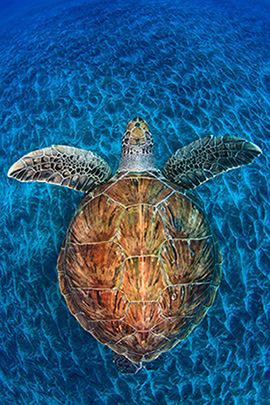
Jordi Chias

There is always a good reason to visit the museum, and now a particularly good one, if you like the image to the left.  It is a sampling from the annual award program the Museum and BBC co-sponsor. For information on the exhibition, and tickets:

Veolia Environnement Wildlife Photographer of the Year
19 October 2012 – 3 March 2013
Open 10.00 – 17.50 daily

Open late last Friday of every month October to February 2012 (excluding December) Continue reading

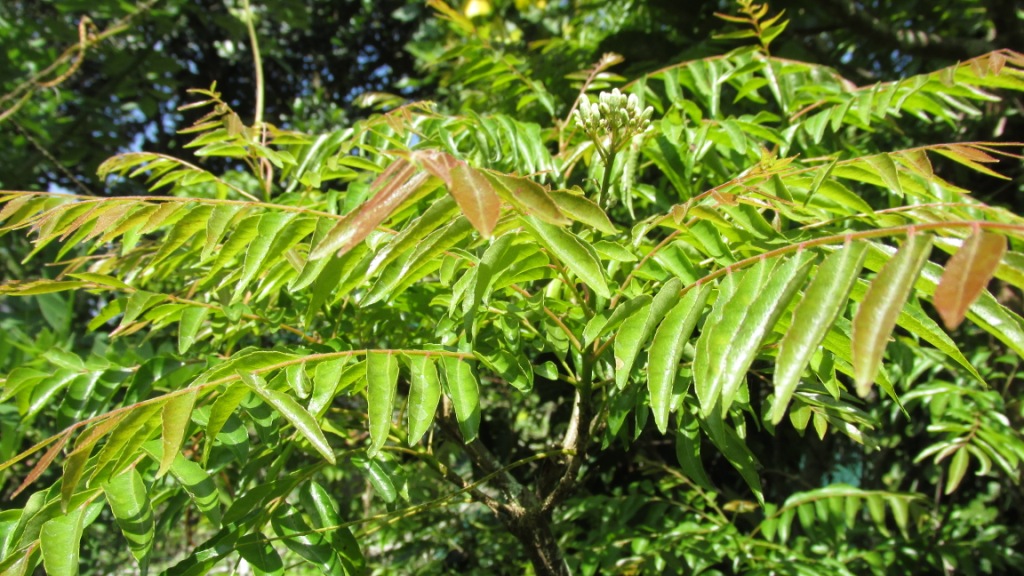
Curry Leaf (Murraya koenigi)

Curry Leaf is a small deciduous tree that grows profusely all over the India. It has been part of Kerala cuisine from the dawn of civilization. It is impossible to describe the aroma and flavour of curry leaves, but it helps define the sensory experience of an India market. Continue reading

2012 YouTube Your Entomology Contest

The Entomological Society of America (ESA) is the largest organization in the world serving the professional and scientific needs of entomologists and people in related disciplines. Founded in 1889, ESA today has more than 6,000 members affiliated with educational institutions, health agencies, private industry, and government.

If you have followed our blog you know we are not averse to celebrating the normally less celebrated corners of the natural world.  We are therefore not surprised to learn of this organization, and are pleased to point to its entertaining and informative contest on YouTube. The sample video below won the Open category, and shows a swarm of predatory ponerine ants searching the African savanna for their prey–termites. When they locate a colony, they bite and sting their victims, and then return to the nest with jaws loaded with dead prey.

Wild Periyar – Giant Wood Spider (Nephila pilipes)

Photo Credits: Khullood Daryanani

Giant Wood Spiders are commonly seen in the Periyar Tiger Reserve. These spiders are the largest orb weavers of India with a web diameter ranging between 3 to 4 meters. Females are larger than males and these spiders are the biggest spiders in the world.

Continue reading

Caleb Crain & Collaborations (Literary, Historical, Cetaceous) That Feed The Mind

Several of us at this site have been fans of the historically-inclined long form journalism of Caleb Crain since reading this book review several years back.  It started there with whales (for us), but certainly did not end there (for him).  Click the image above to go to the reading of Moby Dick Chapter 4, or here to read more about the concept of this collaborative “program” that he is participating in:

In the spring of 2011, artist Angela Cockayne and writer Philip Hoare convened and curated a unique whale symposium and exhibition at Peninsula Arts, the dedicated contemporary art space at Plymouth University, under the title, Dominion. Inspired by their mutual obsession with Moby-Dick Continue reading

If You Happen To Be In Greenwich, England…

We have a photographer friend to thank for bringing this exhibit to our attention. We have the BBC to thank for offering museum exhibitions manager Phillipa Simpson’s fresh and inspiring introduction to some of the world’s most iconic nature photography.  (click on the header for the BBC link with video of a narrated slideshow)

If you happen, like many of us on this site, to be a devoted fan of Mr. Adams, you will particularly appreciate the final element of the slideshow.

Alpinia (Chittaratha)

Alpinia is a perennial shrub in the ginger family that grows to a height of 2 meters found widely in the Western Ghats of Kerala. The rhizome of this herb is a major ingredient of many local remedies for relieving inflammation, stimulating digestion and purifying the blood.

Continue reading