If You Happen To Be In New York

This slideshow requires JavaScript.

The Path of Nature:
French Paintings from the Wheelock Whitney Collection, 1785–1850

 January 22–April 21, 2013 At The Metropolitan Museum Of Art

In 2003 the Metropolitan Museum acquired a significant group of paintings spanning a key period in European history, beginning with the advent of the French Revolution and concluding with the reign of Louis Philippe. Assembled by the New York connoisseur Wheelock Whitney between 1972 and 2000, this collection reveals a rich tradition of painting out of doors nearly a century before Impressionism, thus amplifying the role of the natural world as a source of inspiration Continue reading →

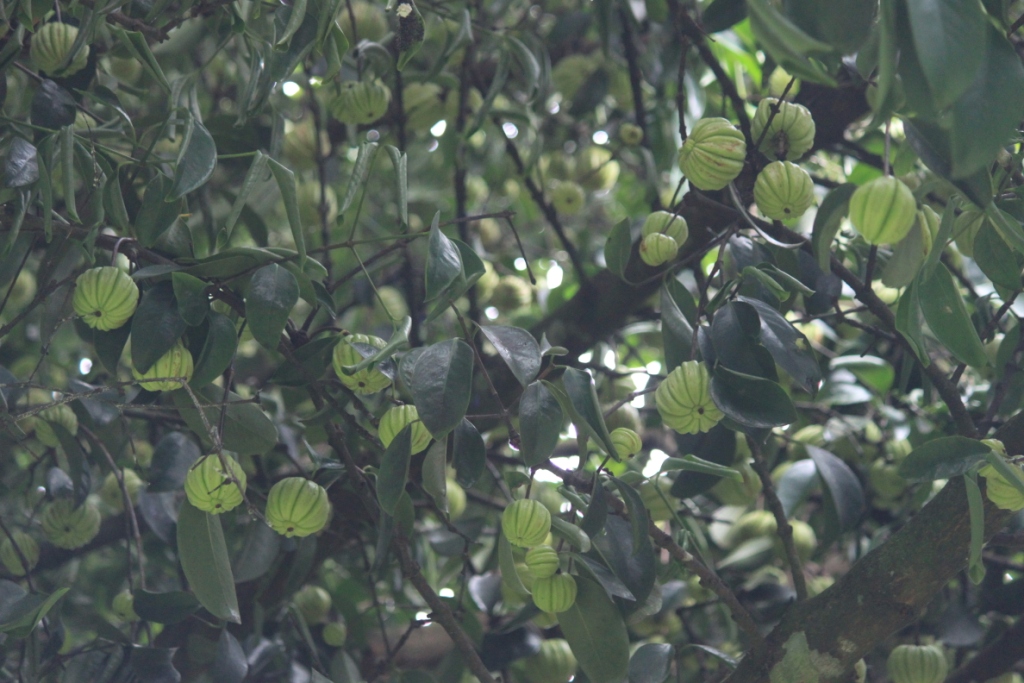
Kokam (Garcinia indica)

Kokam is endemic to the tropical evergreen forest of the Western Ghats and the Malabar coast. It is a slender tree with drooping branches and edible seeds. A member of the mangosteen family, the fruit ripens from green to orange-yellow, and when dried for use in cooking it assumes a near black colour. It has a sour taste with an underlying astringency.

Continue reading →

Green Tech, Served With Petro Chemicals

When this great series started, it was not clear that it was being sponsored by an oil company, which seems a slippery a slope; or, perhaps the way things out to be (click the icon to the right to go to the series home page, and if you watch the “green tech” video featured at the top of the site at the time of this writing, hold your nose when ExxonMobil presents itself as the best hope for our educational future):

You could be forgiven for thinking that after the burst of attention given to clean technology in the wake of the oil price spike of 2007, innovation in energy has faded away as it has several other times in the last 40 years.

But you’d be wrong. Continue reading →

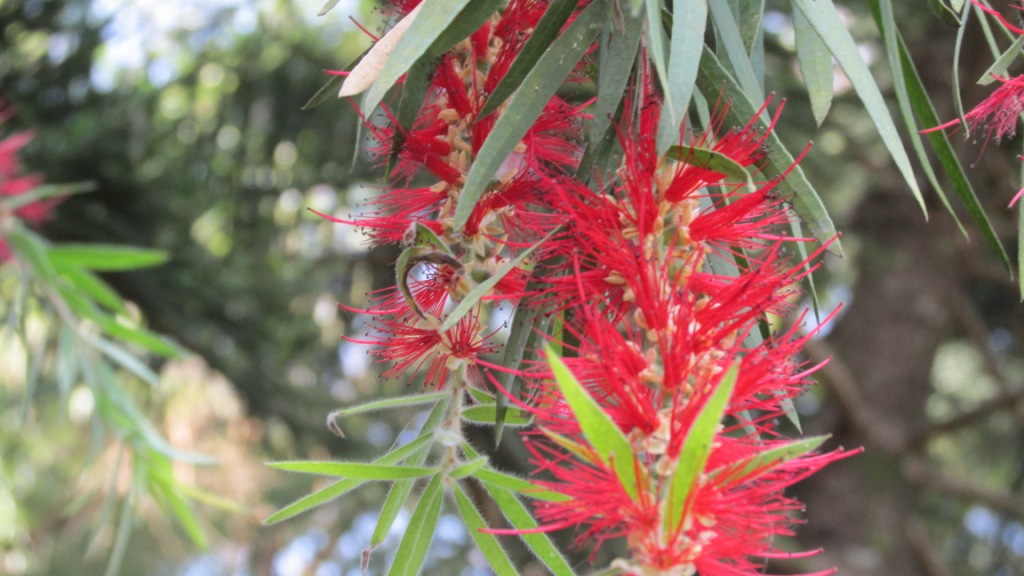
Bottle Brush (Callistemon)

Bottle Brush is a small evergreen tree belonging to the family of Myrtaceae that grows widely in the high ranges of Kerala. This is an decorative plant famous for its cylindrical flowers and the lovely fragrance of its leaves. Continue reading →

Algal Algorithm: SEE Sees Green Solution

SEE Algae. After its water is removed, this algae is destined to excrete biofuels.

Over at Green Blog, New York Times reporter Matthew Wald (click the image to the left to go to his report and the illustration below to go to the company’s website) writes about

…two companies that are racing to be first in commercial-scale production of motor fuel from nonfood sources. A large group of other companies is pursuing various other strategies, one or two steps behind. One of those companies is planning to use algae.

The company, SEE Algae Technology of Austria, is building a 2.5-acre factory on a sugar plantation near Recife, Brazil, that will use genetically modified algae that can eat carbon dioxide from the sugar. Adding urea and some nutrients, the algae excrete ethanol.

Continue reading →

BBC Wildlife Camera-trap Photos

This slideshow requires JavaScript.

Any time a journalistic enterprise makes the effort to publish images, stories, video or other media that helps us understand and appreciate wildlife and the habitats they depend on, we hope to catch it and link to it here.  Thanks to the BBC for these snapshots.

Thanksgiving: For Animals In & Out Of Context

Thanksgiving, as a national holiday, has its pluses and minuses (most holidays innocently suffer from the tendency we have to overdo things).  Thanksgiving as a practice, a daily or just occasional reflective practice, can only be good.  Today I reflect thankfully on the young animal in the video above (click to spend a minute or so viewing it).  At first glance you might think it is a puppy.  In the video it is clearly in a dog crate, and its facial expressions and movements could just as well be that of a small husky or shepherd dog, or even a mut.

It is a young bear cub.  If you want to know its story, click above.  The story in that video coincides with the story below.

This leopard kitten was found recently separated from its mother in a protected forest area in Kerala, and I happened to be in the right location at the right moment to witness what happens in such cases if our modern world is working at its best.  I learned something in the process, and that has completely changed my view on zoos (for which, this thanksgiving reflection).  The coincidence is that both the bear cub and the leopard kitten enlightened me within days of each other, and within that same set of days I had just been listening to a story on Radio Lab on the topic of zoos; all that,  just at the time when my calendar reminds me each year (the last Thursday of November) to reflect on what I am thankful for.

Continue reading →

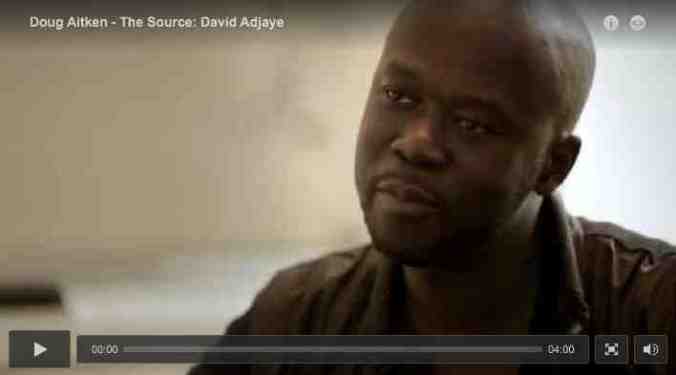
Collaboration Across Architecture & Art To Tell Stories About A Place

We pointed to an earlier conversation in this series.  This one is about one architect’s view on story-telling.  For architects, and anyone working with architects, this man’s concise but clear statement of purpose and method is an eye-opener.

Soy Versus Forest

Brazil soon expects to overtake the US as the world’s biggest soy producing nation. In the Amazon, soy farmers have rapidly expanded their land by using fire, bulldozers, saw mills and logging teams to clear the rainforest. But amid mounting concerns about global warming and biodiversity loss, Brazil’s government is deploying more personnel and equipment to hold the line between the food and the forest

Click above to go to the video and the accompanying story in the Guardian:

As his helicopter descends through the smoke towards an Amazonian Continue reading →

Wild Periyar – Mud Puddling (Butterflies)

Common Blue Bottle; Graphium sarpedon

Mud puddling is a social insect activity usually involving newly hatched males where several butterflies of one or more species gather on moist banks of sand or mud. Mud puddling butterflies often spend a long time on these damp patches, where they suck salts along with water to obtain nutrients. Continue reading →

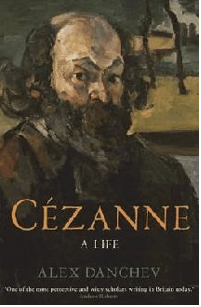
Cezanne And The Community Of Artists

The subject of this biography is the main reason to listen to this interview with the author, but not the only reason.  The biographer, himself, is another: why would a professor of international relations take on such a task?  He has a very good explanation in that interview.

Most importantly the interview hints at why the biography is likely worth a read: Cezanne’s intense and atypical sense of community, especially among well-regarded artists of his era, fascinates.  The fact that he took up fine art relatively late in life stuns (if you did not know it already).  His commitment to simple life away from the distractions of urban modernity is something we can relate to. His friend of the friendless actions inspire (except with regard to Dreyfus). The author has, according to Kirkus Reviews

researched every facet and nuance of Paul Cézanne’s life (1839–1906). His comfortable childhood in Provence, his years in Paris, where he was influenced by the Impressionists, and his dependence on the allowance from his father created the artist some suggested was “not all there.” Continue reading →

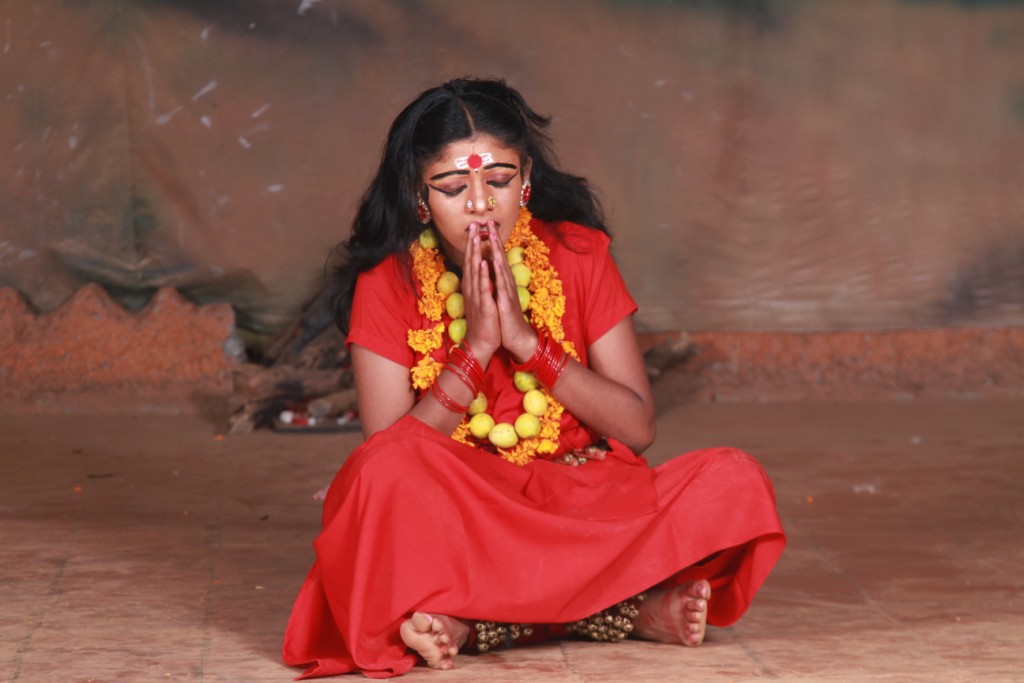
Folk Dance

Kerala offers a wide variety of performing arts, most of them springing from folk tradition. The finesse, rhythm and elegance of the classical dances of Kerala are a result of the various cultural influences that took place in the state. These dance forms are a delicate fusion of ancient classical texts and folk traditions, making them distinctive and unique.

Continue reading →

Accounting For Differences (Part 2)

A common sight in Germany: wind turbines in fields of rapeseed. Oil from the plant is made into biodiesel fuel to power cars, produce electricity and heat buildings. Credit: Osha Gray Davidson, InsideClimate News.

The second installment in a series we first linked to here (click the image to the left to go to the entire article at its source):

“What an eyesore, huh?” the man standing next to me on the beach said, nodding in the direction of a little girl flying a kite. The man, in his mid-40s, seemed to enjoy my confusion. He waited a beat before pointing beyond the girl, far out into the Baltic Sea. “There,” he said, smiling to make sure I understood Continue reading →