Myophonus horsfieldii; Photo Credit: Joshy Manjummel
Wayanad, Kerala
Myophonus horsfieldii; Photo Credit: Joshy Manjummel
Wayanad, Kerala
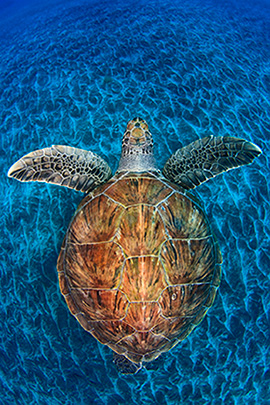
Jordi Chias

There is always a good reason to visit the museum, and now a particularly good one, if you like the image to the left. It is a sampling from the annual award program the Museum and BBC co-sponsor. For information on the exhibition, and tickets:
Veolia Environnement Wildlife Photographer of the Year
19 October 2012 – 3 March 2013
Open 10.00 – 17.50 dailyOpen late last Friday of every month October to February 2012 (excluding December) Continue reading
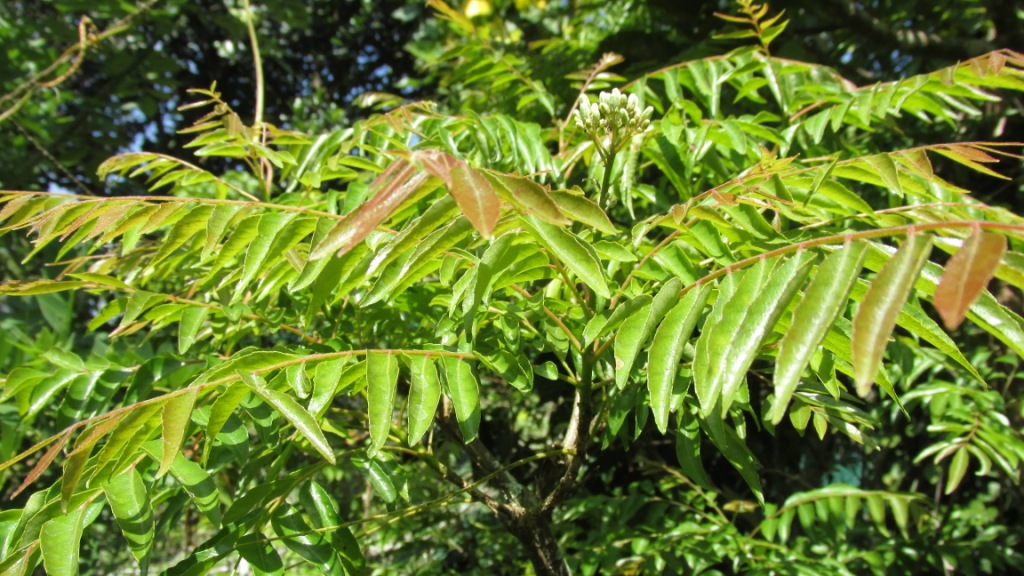
Curry Leaf is a small deciduous tree that grows profusely all over the India. It has been part of Kerala cuisine from the dawn of civilization. It is impossible to describe the aroma and flavour of curry leaves, but it helps define the sensory experience of an India market. Continue reading

The Entomological Society of America (ESA) is the largest organization in the world serving the professional and scientific needs of entomologists and people in related disciplines. Founded in 1889, ESA today has more than 6,000 members affiliated with educational institutions, health agencies, private industry, and government.
If you have followed our blog you know we are not averse to celebrating the normally less celebrated corners of the natural world. We are therefore not surprised to learn of this organization, and are pleased to point to its entertaining and informative contest on YouTube. The sample video below won the Open category, and shows a swarm of predatory ponerine ants searching the African savanna for their prey–termites. When they locate a colony, they bite and sting their victims, and then return to the nest with jaws loaded with dead prey.
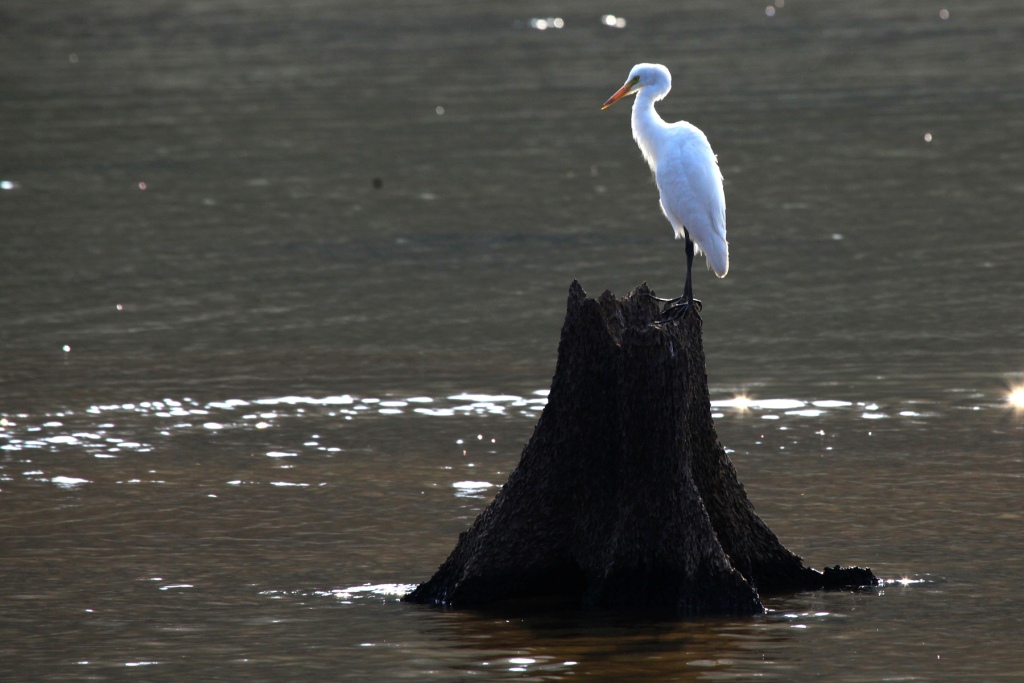
Mesophoyx intermedia; Photo Credit: Mr. Joshy Manjummel
Thekkady, Kerala

Photo Credits: Khullood Daryanani
Giant Wood Spiders are commonly seen in the Periyar Tiger Reserve. These spiders are the largest orb weavers of India with a web diameter ranging between 3 to 4 meters. Females are larger than males and these spiders are the biggest spiders in the world.

Photo Credit: Janna Crafts; Ernakulam
 Several of us at this site have been fans of the historically-inclined long form journalism of Caleb Crain since reading this book review several years back. It started there with whales (for us), but certainly did not end there (for him). Click the image above to go to the reading of Moby Dick Chapter 4, or here to read more about the concept of this collaborative “program” that he is participating in:
In the spring of 2011, artist Angela Cockayne and writer Philip Hoare convened and curated a unique whale symposium and exhibition at Peninsula Arts, the dedicated contemporary art space at Plymouth University, under the title, Dominion. Inspired by their mutual obsession with Moby-Dick Continue reading

We have a photographer friend to thank for bringing this exhibit to our attention. We have the BBC to thank for offering museum exhibitions manager Phillipa Simpson’s fresh and inspiring introduction to some of the world’s most iconic nature photography. (click on the header for the BBC link with video of a narrated slideshow)
If you happen, like many of us on this site, to be a devoted fan of Mr. Adams, you will particularly appreciate the final element of the slideshow.
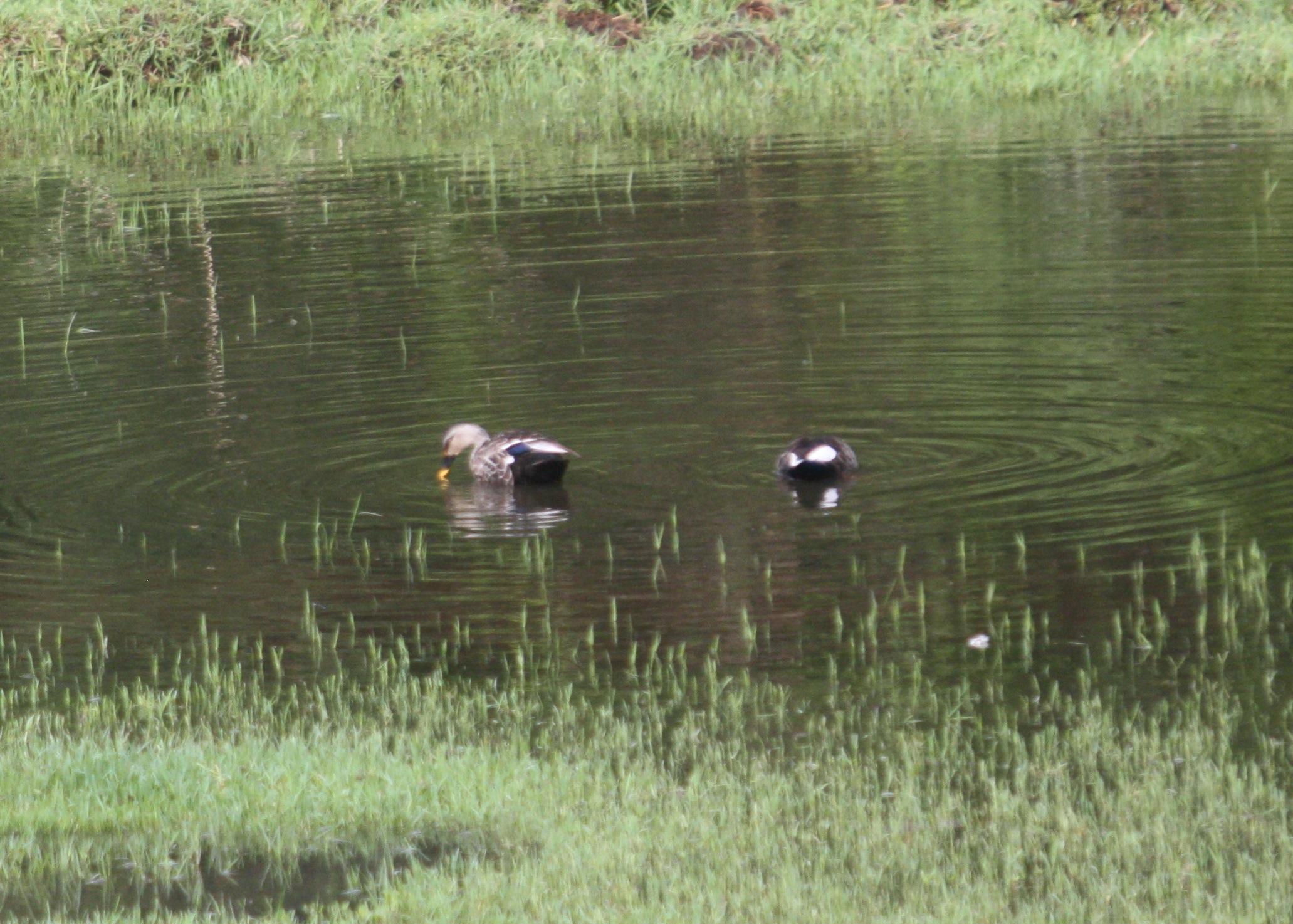
Periyar Tiger Reserve, Kerala

Alpinia is a perennial shrub in the ginger family that grows to a height of 2 meters found widely in the Western Ghats of Kerala. The rhizome of this herb is a major ingredient of many local remedies for relieving inflammation, stimulating digestion and purifying the blood.

‘The Scream’ at MoMA. (Spencer Platt/Getty Images)
Click the image above to go to the article in full:
Until visiting The Scream two weeks ago at the Museum of Modern Art, to which it has been loaned for six months by its new, anonymous owner, I had forgotten that it has three figures: besides the alarmed man who gets all of the attention, there is another man in a top hat, his head bowed as if in deep despair, and a third man, further in the distance, who stares out at the landscape, strangely unaware—or in denial—of the fact that the world is coming undone around him. Factoring in those other two, it’s easier to follow Mr. Olsen’s thinking: when it comes to the effects that humans are having on nature, most of us are the second or third person.
In the United States, at least, most politicians and even many businesspeople (who would seem to have a vested, profit-driven interest in staving off climate change) have been incapable of addressing, or even acknowledging, the problem.

Click the image of the book to the right to read about it. Click here for a podcast interview with Katherine Boo, which we first heard earlier this year. At that time, for several of us non-Indians living in Kerala, the story Boo told in the interview was fiercely captivating — we live small stories of India’s humanity every day.
It was also something else: many non-Indians who we hope will visit India (for reasons we try to make plain every day on this site) are already so saturated with images of India’s poverty that we are inclined to talk about anything but poverty.
And yet, this book is too important to not shout about it from the roof top. Coverage in the New York Times of the National Book Awards ceremony contained the following (midway through the article):
…The nonfiction category was every bit as competitive and featured established authors like the biographer Robert Caro and the late Pulitzer Prize-winning journalist Anthony Shadid, who wrote for The Washington Post and The New York Times. Continue reading
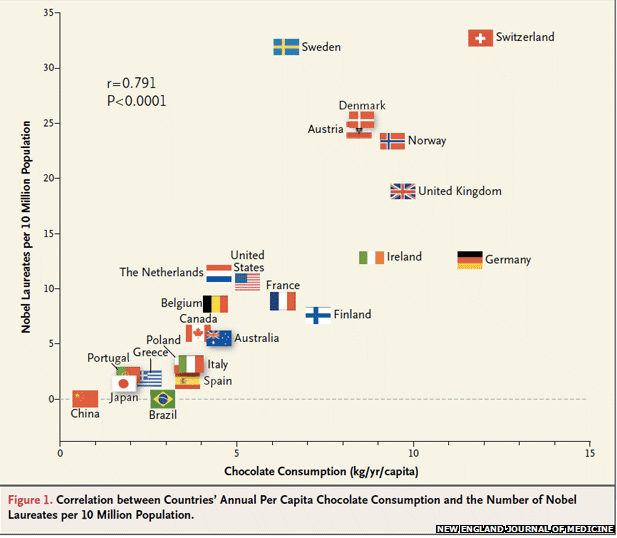
Most reporting on this recent scientific finding had a fun spin, for obvious reasons. But was it Ig-worthy work? While only subscribers to the New England Journal of Medicine can access the study directly, the most serious review (and the most entertaining illustration) of its significance is here:

In the study, Messerli explains:
“It seems most likely that in a dose-dependent way, chocolate intake provides the abundant fertile ground needed for the sprouting of Nobel laureates. Continue reading
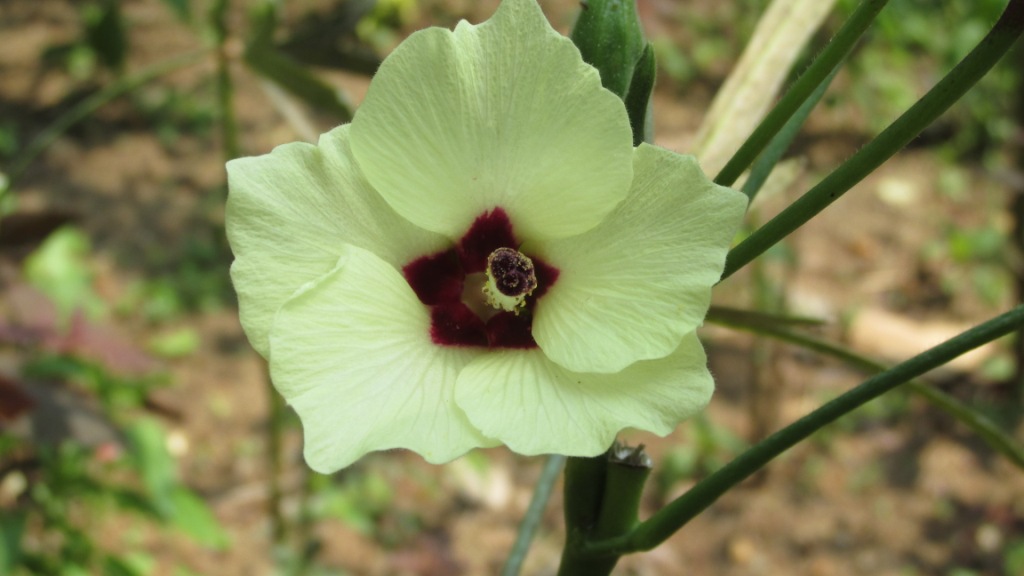
Okra is a flowering perennial plant that belongs to the mallow family with green edible pods that are widely used as a healthy vegetable throughout the world. These plants are cultivated in tropical, sub-tropical and warm regions.

We have been watching this website for some time now, looking for the right opportunity to link to a story of relevance to the work we do. Huge, unspoiled wilderness area? Tigers? Development threats? This article by science writer Charles Schmidt hit the spot, relevant portions excerpted below:
As Myanmar Opens to World, Fate of Its Forests Is on the Line
Years of sanctions against Myanmar’s military regime helped protect its extensive wild lands. But as the country’s rulers relax their grip and welcome foreign investment, can the nation protect its forests and biodiversity while embracing development?
…The country’s Northern Forest Complex, a 12,000-square-mile tract that runs along the border from India to China in Myanmar’s Kachin State, is home to tigers, bears, elephants, and hundreds of bird species. The heart of that forest, at nearly 8,500 square miles, is Myanmar’s Hukaung Valley Wildlife Sanctuary, the largest tiger preserve in the world. Continue reading

Photo Credit: Janna Crafts; Ernakulam
Speaking of the wisdom of crowds, our most viewed post for the longest time was about volcano sand-boarding, which was something of a viral big bang in our early days setting up this site. But this post from Tim about vacationers’ food choices and related carbon footprint, which had gone up about a week before Seth’s sand-boarding post, recently became our most viewed post ever (4,040 views for Tim’s treatment of sustainable diets as the new cool, versus 3,667 for Seth’s account of that hot adventure, as of this writing).
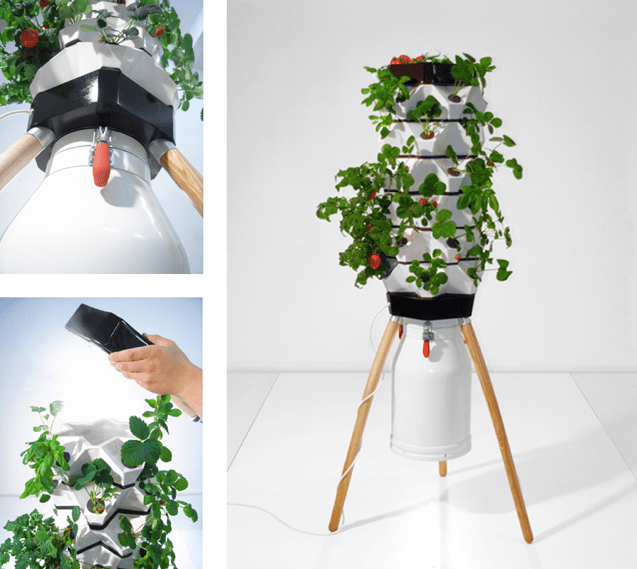
Seth’s received most of its views within one day of posting it, whereas Tim’s is the slow growth wonder story: nearly every day for the last year it has been viewed one or two dozen times. Cool, indeed. So, in tribute to Tim, a post on a related topic, with gratitude to the designers at Vakant:
The Fogger is a highly efficient, vertical planting unit that is suitable for any indoor and outdoor applications. Just take some pre-germinated fruit or vegetable seedlings of your choice and insert them with the neoprene plugs into the pillar, fill up the tank with water and the included organic fertilizer, connect the cable to an external power supply and you are ready to start Continue reading
Large numbers of people have thought and done all kinds of wrong things. But as TED recently passed the milestone of one billions views, they took count of their most viewed talks. This was the single most viewed talk (13,344,405 views on the TED website, another 4,004,785 here on Youtube, and then some…). And for good reason.